How to Fix Trade Wars & Tariffs Errors in Digital E-Commerce

How to Fix Trade Wars & Tariffs Errors in Digital E-Commerce

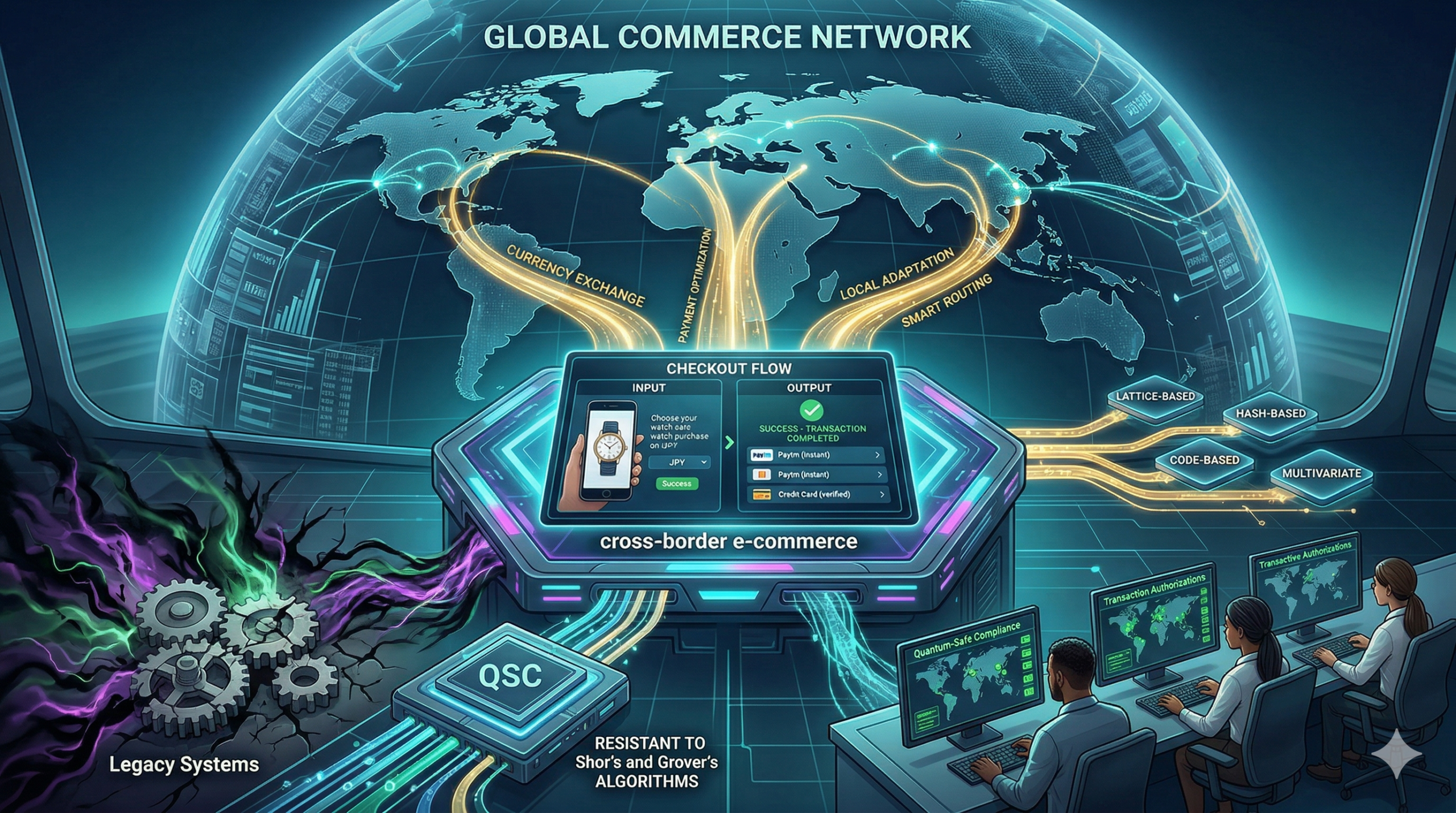
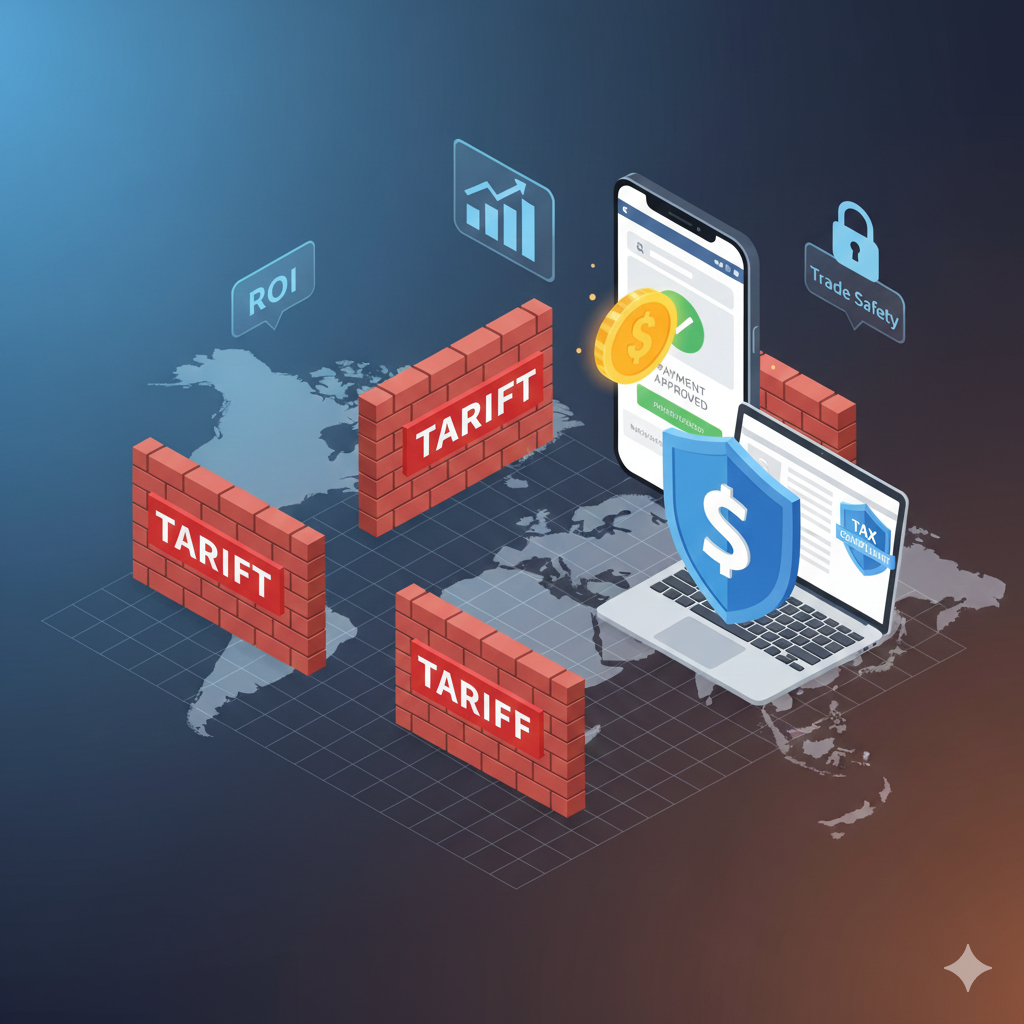
You must understand how global politics can change your digital storefront in the world today. Therefore, you should learn about trade wars and tariffs and how they disrupt payment gateways. Truly, a sudden tax hike on foreign goods can break your checkout flow in a single second. Consequently, you can protect your profits by preparing for shifting trade rules in 2026.

Many people think that digital payments are immune to the physical movement of goods. But, the reality is that payment gateways must adapt to every new tax law or border fee. Always remember, a stable and compliant store is a strong signal for any search engine. This ensures that your brand stays reliable and your customer trust stays very high. This approach requires you to look at how global disputes impact your daily sales math. It helps you build a much more agile business for the long term. It makes your daily international trade feel much more secure and very effective.

How to Fix Trade Wars & Tariffs Errors in Digital E-Commerce

Why Tariffs Break Your Digital Checkout

First, you must see how a new tariff creates instant friction at your payment window. Why does a trade war between two nations make your checkout page slow or broken in 2026? Clearly, your gateway must calculate new import duties for every single order in real-time. Therefore, you must use smart tools to handle these sudden cost changes today.

The Impact of Trade Wars on Your Sales Flow

Here are several reasons why global disputes hurt your payment experience right now:

  • Dynamic Pricing: Your gateway must update prices every time a new tariff starts.
  • Hidden Fees: Customers get angry when they see extra tax costs at the final step.
  • Payment Failure: Some gateways might stop working in certain countries due to bans.
  • Slower Speeds: Calculating complex global taxes adds time to your page load speed.
  • Refund Issues: Handling returns becomes much harder when taxes change every week.
  • Compliance Stress: You must follow new rules for every nation you sell to today.
  • Search Engine Value: Slow or broken checkouts can hurt your site’s organic ranking.

Truly, these shifts solve the mystery of why your global sales might drop during a trade war. But, you must also remember that a clear tax display helps keep your customers very happy. This keeps your brand honest and prevents any sudden loss of sales for your firm. It creates a very high and professional standard for your daily digital security.


Protecting Your Margins with Multi-Gateway Setups

So, how do you keep your money flowing when one payment path gets blocked? Truly, relying on just one gateway is a very risky plan in the unstable world of 2026. Consequently, you should use a “Multi-Gateway Strategy” to stay safe and very fast. It acts as a direct shield against political shifts that could shut down your shop.

Building a Strong Digital Payment Shield

Here is how you can keep your payments moving during a trade dispute:

  1. Failover Paths: If one gateway fails, the system moves the sale to another path.
  2. Local Processing: Use gateways based in the same country as your buyer to save.
  3. Tax Automation: Link your store to tools that update tariff costs every hour.
  4. Currency Hedging: Protect your profits from wild swings in money value today.
  5. Alternative Methods: Offer crypto or local wallets to bypass traditional bank bans.
  6. Transparent Docs: Show the full cost, including tariffs, before the user clicks buy.
  7. Trust Rankings: A working checkout helps you maintain a top search engine rank.

Furthermore, this improves your search engine performance by showing your site is reliable. It makes your company look very smart and ready for 2026 market shifts. This ensures that your brand stays alive even when nations are fighting over trade rules. It creates a very fast and clear path for your professional marketing success.


Navigating Changes in Cross-Border Logistics

The third phase involves linking your payments to your shipping and warehouse data. Clearly, a tariff on shoes might not be the same as a tariff on electronic gear. Therefore, you should use AI to tag your products with the right tax codes today.

Linking Your Payments to Physical Trade Rules

Firstly, audit your product list to see which items face the highest trade risks. This allows you to adjust your focus to more stable markets or goods in 2026. Secondly, work with logistics partners who offer “Duty Paid” shipping for your global fans.

Furthermore, use transition words in your shipping policy to explain any price changes clearly. Also, remember that a smooth delivery path helps your search engine authority and trust. Lastly, check if your “Payment Partner” offers special rates for certain trade zones. Truly, a connected plan is the best tool for surviving a global trade war right now. It allows you to stay ahead of the news and keep your profit margins very safe. This is why top e-commerce brands are moving toward “Agile Trade” models today.


Measuring the Real Cost of Trade Disruptions

The fourth phase is where you use your data to see how much tariffs are eating your profit. Clearly, you must know if selling to a specific country is still worth your time in 2026. Therefore, you must track your “Net Profit Per Region” every single month.

Metrics for a Global Trade Business

Firstly, track the “Cart Abandonment Rate” specifically on pages with high import taxes. This helps you see if your customers are running away from the extra tariff costs today. Secondly, calculate the “Gateway Success Rate” for every country you serve right now.

Furthermore, look for any “Forex Losses” caused by trade wars shifting currency values. Also, use your data to see if a better tax tool leads to higher “Customer Retention.” Lastly, check your search engine ranking to see if site stability helps your traffic. Truly, a data-led path is a journey that leads to a much stronger brand. It turns a messy world into a series of smart, secure wins for your team. This ensures your business stays strong while others face empty bank accounts.


Leading Through Trade Uncertainty

Finalizing your plan requires you to stay updated on global news and trade laws. It needs you to be flexible and ready to move your sales focus at any given moment. Clearly, a safe global store is a team effort for your whole company in 2026. Therefore, follow these simple tips to keep your trade business fresh and very fast.

Simple Tips for Lifelong E-Commerce Success

Firstly, sign up for trade news alerts so you know when new tariffs are coming. This helps you update your payment gateway settings before the law takes effect today. Secondly, encourage your team to find local suppliers to avoid high border taxes entirely.

Furthermore, use transition words in your buyer emails to keep the message very helpful. Also, remind your staff that being honest about costs helps earn more search engine trust. Lastly, check your search engine data to see if your global reach helps your web traffic grow. Truly, a smart path is a journey that leads to a much better brand in 2026. It builds a path of profit that lets your whole team grow very fast. This secures your future in the digital world for a long time.


Frequently Asked Questions (FAQs)

Q1: Can a trade war shut down my payment gateway?

Yes, certain political sanctions can stop specific gateways from working in targeted countries.

Q2: How do I calculate global tariffs automatically?

You should link your e-commerce store to a tax automation tool like Avalara or TaxJar.

Q3: Does a slow checkout due to tax math hurt my SEO?

Yes, high bounce rates and slow page speeds are negative signals for most search engines.

Q4: Should I stop selling to countries with high tariffs?

Not necessarily, but you should adjust your prices or find local partners to keep profit.

Q5: Is it safer to use local currency for all my global sales?

Using the buyer’s local currency often improves trust, but you must watch for exchange risks.

Also read: How to use FIEO BriskPe partnership for global sales

How the digital wallets improves customer security

How the digital wallets improves customer security

The world of online commerce is moving faster than ever as we look toward 2026. Therefore, choosing the right way to accept money is a critical decision for every business owner. Truly, the debate between digital wallets and payment gateways is becoming a central topic for growth. Consequently, understanding how these two tools work together is the best way to ensure your customers stay happy and loyal.

Some people feel that you only need one or the other to run a successful store. But, the reality is that they serve very different roles in the modern checkout process. Always remember, a smooth payment flow is a top signal for any search engine to trust your website. This ensures that you do not lose customers at the very last second of their journey. This approach requires a clear look at how data and money move through the internet. It helps you build a much more reliable and profitable checkout experience for everyone. It makes your financial strategy feel modern and very secure for the years ahead.

How the digital wallets improves customer security

Phase 1: Understanding the Role of the Payment Gateway

First, let us look at the silent engine that powers every online transaction. Why is the gateway considered the foundation of any digital storefront? Clearly, it acts as the bridge between your website and the complex world of banks. Therefore, you cannot accept a single card payment without a strong gateway in place.

Key Features of a Modern Payment Gateway

Here are several things that a gateway does for your business every day:

  • Data Encryption: It keeps credit card numbers safe as they travel across the web.
  • Fraud Detection: Smart filters check for stolen cards and risky buyer behavior.
  • Bank Communication: It asks the customer bank if there is enough money for the buy.
  • Transaction Routing: It moves the money from the buyer to your merchant account.
  • Receipt Generation: It sends a digital proof of purchase to the buyer instantly.
  • Refund Management: It allows you to send money back to customers with ease.
  • Multi Currency Support: It helps you sell to people in different countries effortlessly.

Truly, a gateway is the invisible guard that keeps your money moving safely. But, it does not hold money itself like a wallet does for a user. This keeps the technical side of the payment separate from the user account. It creates a very stable system for handling thousands of sales every hour.


Phase 2: Why Digital Wallets Are Taking Over the User Experience

So, how do digital wallets change the way people actually buy your products? Truly, the convenience of a wallet like Apple Pay or Google Pay is hard to beat in 2026. Consequently, many shoppers now expect to finish their purchase with just a thumbprint or a face scan. It acts as a digital container for all the payment info a customer needs.

The Benefits of Supporting Digital Wallets

Here is why merchants are focusing more on wallet support this year:

  1. Faster Checkout: Users do not have to type in long card numbers or addresses.
  2. Higher Conversion: Fewer steps at checkout mean more people finish their orders.
  3. Better Security: Wallets use tokens so your store never sees the real card data.
  4. Mobile Optimization: They are built specifically for the billions of phone users.
  5. Biometric Safety: Using a face or finger scan reduces the risk of fake orders.
  6. Local Popularity: Different countries have specific wallets that people trust.
  7. Loyalty Links: Many wallets automatically track rewards and coupons for the user.

Furthermore, supporting these tools can help your search engine visibility among mobile shoppers. It makes your brand look modern and very easy to work with on any device. This ensures that you are meeting your customers exactly where they want to shop. It creates a very friendly and fast environment for every new visitor.


Phase 3: The Synergy Between Wallets and Gateways

The third phase looks at why you actually need both of these tools to succeed. Clearly, it is not a matter of picking one over the other in a modern setup. Therefore, you should look for a gateway that offers deep integration with all major digital wallets.

How These Two Technologies Work Together

Firstly, the wallet provides the payment data to the checkout page. This makes the start of the process very fast for the customer. Secondly, the payment gateway takes that data and sends it to the banking networks for approval.

Furthermore, the gateway provides the security layer that protects the merchant from fraud. Also, the wallet provides the convenience that keeps the customer coming back for more. Lastly, having both ensures that your search engine ranking stays high due to low bounce rates. Truly, they are two sides of the same coin in the world of digital finance. It allows you to offer the best of both worlds: speed and safety. This is why the most successful stores in 2026 are using an all in one approach.


Phase 4: Where Should Your Business Focus for 2026?

The fourth phase is about deciding where to spend your time and budget next. Clearly, your focus should depend on who your customers are and what you sell. Therefore, you must look at your own data to see where the biggest gaps exist today.

Choosing Your Priority Based on Business Type

Firstly, focus on your gateway if you deal with very high transaction volumes. You need the most robust and cheapest processing rates possible to stay profitable. Secondly, focus on digital wallets if you sell mostly to younger people on mobile phones.

Furthermore, invest in a gateway that supports global payments if you want to grow abroad. Also, make sure your wallet options include local favorites like UPI or AliPay. Lastly, monitor your search engine performance to see how checkout speed affects your traffic. Truly, the best focus is a balanced one that prioritizes the user experience above all else. It turns your payment process into a competitive advantage for your brand. This ensures that you stay ahead of other stores that are slower to change.


Best Practices: Optimizing Your Payment Flow

Building a great payment system is a journey that requires constant testing and updates. It needs a focus on making everything as simple as possible for the buyer. Clearly, the fewer clicks a user has to make, the more money you will earn. Therefore, follow these simple habits to keep your store at the top of its game.

Strategies for Long Term Payment Success

Firstly, always offer at least two or three digital wallet options. This gives your users a choice and makes them feel more comfortable. Secondly, choose a gateway with a very high uptime and fast processing speeds.

Furthermore, keep your checkout page clean and free of any distractions. Also, test your payment flow on every possible device to ensure it never breaks. Lastly, track your search engine metrics to see if your site speed is helping your rank. Truly, a great payment setup is the backbone of a healthy digital business. It builds trust with your audience and keeps your cash flow steady. This secures your growth and makes your business much more valuable over time.


Frequently Asked Questions (FAQs)

Q1: Can I use a digital wallet without a payment gateway?

No, a wallet only stores the user data. You still need a gateway to process that data and move the money from the bank to your account.

Q2: Does checkout speed affect my search engine ranking?

Yes, search engines like Google value fast websites. A slow checkout can lead to high bounce rates, which can hurt your overall ranking.

Q3: Which digital wallets are the most popular in 2026?

Apple Pay and Google Pay remain the global leaders, but regional wallets are becoming very important for international sales.

Q4: Are digital wallets safer for merchants than credit cards?

Yes, because they often use tokenization and biometrics, which significantly reduces the risk of chargebacks and fraud.

Q5: How do I know if my gateway is too slow?

You should monitor your cart abandonment rate. If many people leave at the final step, it may be because your gateway is taking too long to load.

Also Read: Why Global CBDC Adoption Requires Better Gateway Security

How to Lower Payment Gateway Fees with One Simple Tool

How to Lower Payment Gateway Fees with One Simple Tool

You run a business that accepts online payments. Therefore, payment processing fees are a major expense. However, these fees are often complex. They can hide many different costs. Truly, many businesses pay too much without realizing it. This is where the Payment Gateway Cost Calculator becomes essential. This tool helps you see your true costs clearly.

Some business owners just accept the fees they are given. But, this can cost them thousands of dollars yearly. Consequently, understanding the total cost is vital for saving money. Always remember, a Cost Calculator brings transparency to the complex world of transaction fees. By using this simple tool, you can accurately compare providers. This helps you choose the best gateway for your specific volume. It also maximizes your profit margins easily.

How to Lower Payment Gateway Fees with One Simple Tool

The Fee Maze: Why Payment Processing is Confusing

First, let’s look at the problem. Why are payment processing fees so confusing for businesses? Gateways charge more than just a simple percentage. They use many different fee types. Clearly, this creates a complex fee structure. Therefore, understanding the fee maze is the first step to finding a solution.

Hidden Costs That Reduce Your Profit

These common fees often hide the true cost of a payment gateway:

  • Transaction Fees: A percentage and a fixed amount per sale (e.g., 2.9% + $0.30).
  • Interchange Fees: These go to the bank that issued the customer’s card.
  • Assessment Fees: These go to the card brands (Visa, Mastercard).
  • Monthly Fees: A fixed fee charged every month, regardless of sales volume.
  • Setup Fees: A one-time charge to start the service.
  • Chargeback Fees: A penalty fee when a customer disputes a transaction.
  • Refund Fees: Some providers charge a small fee when you process a refund.

A Payment Gateway Cost Calculator helps you put all these numbers together. It shows you the total effective rate you are actually paying.


What is a Cost Calculator? Your Transparency Tool

So, what exactly is a Payment Gateway Cost Calculator? It is a simple online tool. You enter your specific business data. Then, the tool estimates your total monthly or yearly processing costs. Truly, it provides a transparent, apples-to-apples comparison of providers. It ensures you are not surprised by hidden fees later.

How the Calculator Delivers Clarity

Here is how the Cost Calculator helps your business:

  1. Total Cost View: It sums up all fee types (monthly, per transaction, chargebacks) into one final number.
  2. Comparison Power: You can input the fee structures of different gateways. You can then compare them easily side-by-side.
  3. Volume Sensitivity: It shows how your effective fee rate changes as your sales volume grows or shrinks.
  4. Negotiation Leverage: Knowing your expected total cost gives you power to negotiate with providers.
  5. Budgeting Accuracy: It gives you a highly accurate prediction for your monthly payment processing budget.
  6. Finding the Right Plan: It helps determine if a flat-rate plan or an interchange-plus plan is better for you.

Truly, the Cost Calculator changes the game. It moves the power from the payment processor back to the business owner.


Pillar 1: Key Data Inputs for Accurate Cost Calculation

To get accurate results from any Payment Gateway Cost Calculator, you must input the correct data. Clearly, the calculator is only as good as the information you provide. Therefore, gather these key figures before you start using the tool.

Essential Business Metrics Needed by the Tool

Firstly, input your average monthly sales volume. This is the total dollar amount of sales you process each month. This is the most important number. Secondly, input your average transaction size. This is the dollar amount of a typical single sale. This number affects fixed per-transaction fees.

Furthermore, enter your expected number of transactions per month. Do not just estimate this. Divide your total sales volume by your average transaction size. Also, note your chargeback rate. If you average two chargebacks per month, enter that number. This helps estimate chargeback fee costs. Lastly, enter the fee structure of the provider you are analyzing. Input the percentage fee, the fixed fee, and the monthly fee. Truly, providing accurate, specific data ensures the calculator gives you a reliable estimate. This prevents any bad surprises later.


Pillar 2: Comparing Fee Structures Side-by-Side

The biggest value of the calculator is its ability to compare different fee models. Many businesses incorrectly assume one fee structure is better than another. Clearly, your business volume dictates the best plan. Therefore, use the calculator to compare options directly.

Flat Rate vs. Interchange-Plus Fees

Firstly, test the flat rate model. This is simple. You pay one percentage and one fixed fee for every transaction (e.g., 2.9% + $0.30). This is usually best for businesses with low volume and high average sales prices. Secondly, test the interchange-plus model. This is more complex. You pay the actual interchange fee plus a small markup to the gateway. This is often better for high-volume businesses.

Furthermore, use the calculator to find the crossover point. Input both models. See at what sales volume the cheaper plan changes. This helps you select the right plan for your current size. Also, include the hardware cost. If a provider requires a special terminal, include that one-time cost in your calculation. Lastly, look at the monthly fees. If your sales volume is very low, a provider with zero monthly fees might save you more money, even if the per-transaction fee is slightly higher. Truly, the calculator takes the guesswork out of fee comparison. It shows the most cost-effective solution based on your real-world sales data.


Pillar 3: Reducing Hidden Costs and Increasing Profit

The Cost Calculator is not just for comparison. It is also a powerful tool for strategic profit management. You can use it to identify and reduce hidden costs over time. Clearly, every dollar saved in fees is a dollar added to your profit. Therefore, use the tool to regularly audit your costs.

Auditing Your Costs for Maximum Savings

Firstly, use the calculator for quarterly audits. Every three months, input your current processing data into the calculator. Compare the total cost it calculates to your actual bank statement charges. This helps you spot overcharges. Secondly, analyze chargeback cost impact. Use the calculator to see how increasing your chargeback rate impacts your overall effective rate. This emphasizes the need for better fraud prevention.

Furthermore, use the tool to model pricing changes. If you are considering raising your average sale price, see how that change impacts your percentage fees. Also, model refund fee costs. If your refund rate is high, use the calculator to show the total money you lose on refund fees. This might prompt you to improve product quality. Lastly, leverage the data for negotiation. If the calculator shows you are paying 0.5% more than the market average, use that data to ask your current provider for a lower rate. Truly, the Payment Gateway Cost Calculator acts as an ongoing financial manager. It constantly works to identify potential savings for your business.


Best Practices: Using the Calculator Effectively

To get the most value from a Payment Gateway Cost Calculator, you must use it consistently and correctly. It is a decision-making tool, not just a one-time gimmick. Clearly, adopting a smart approach ensures long-term cost savings. Therefore, integrate the calculator into your financial review process.

Tips for Maximizing the Calculator’s Value

Firstly, use multiple calculators. Compare results from two or three different cost calculators. This helps ensure accuracy. Secondly, always read the fine print of the provider’s fee schedule. The calculator relies on you accurately inputting all fees, including small, obscure ones.

Furthermore, model future growth. Input your current volume. Also, input a projected volume 12 months from now. See which provider scales best as your sales increase. Also, focus on the effective rate. This is the total dollar cost of processing divided by the total dollar sales. This is the only true measure of cost. Lastly, do not choose based on fees alone. Consider customer service, security features, and ease of integration alongside the cost. Truly, using the Cost Calculator wisely makes you a confident decision-maker. It ensures you choose a gateway that supports your financial health now and in the future.


Frequently Asked Questions (FAQs)

Q1: Can a Cost Calculator predict my exact monthly bill?

No, it cannot predict the exact bill. It gives a highly accurate estimate. The exact final bill depends on variable factors. These include the mix of card types your customers use and the number of chargebacks you receive.

Q2: Is the interchange-plus model always better for high-volume businesses?

It is usually better, but not always. The interchange-plus model gives high-volume businesses more transparency and often a lower effective rate. However, a business must have very high sales volume to benefit significantly.

Q3: Do free payment gateways really have zero cost?

No. Gateways that advertise “no monthly fees” still charge the per-transaction fees (a percentage and a fixed amount). This is how they make money. You must always use the calculator to find the effective rate.

Q4: If I switch to a cheaper gateway, will the integration be difficult?

Switching gateways can involve development work. The complexity depends on your e-commerce platform. Using a calculator to ensure the cost savings are substantial makes the effort worthwhile.

Q5: What is the single most important number to enter into the calculator?

The single most important number is the average transaction size. The fixed fee component (e.g., $0.30) has a much larger impact on small transactions than on large ones.

Also Read: The Key to Payment Gateways: Perfect Landing Pages


How a Better Payment Experience Keeps Customers Coming Back

How a Better Payment Experience Keeps Customers Coming Back

Every business wants loyal customers. Therefore, you must look at your checkout process. Often, the payment step is where people leave. But, a smooth experience changes everything. Truly, it makes shoppers feel safe and happy.

Some shops have very slow payment pages. Consequently, they lose money every single day. Always remember, ease of use is a competitive edge. By making payments fast, you show respect for the user. This builds a bond that lasts a long time. It also helps your brand stand out from others. This simple focus leads to much higher sales over time.

How a Better Payment Experience Keeps Customers Coming Back

The Payment Pain Point: Why Checkouts Fail

First, let us talk about why customers quit. A hard checkout creates a lot of stress. Clearly, users want things to be simple and quick. Therefore, you must remove any barriers that slow them down.

Common Reasons for Abandoned Carts

Here are several things that push customers away from your shop:

  • Hidden fees that show up only at the very end.
  • Too many forms that ask for useless data.
  • A lack of local or modern payment methods.
  • Security pages that look old or broken.
  • Slow loading times on mobile phone screens.

Truly, each of these issues kills the mood to buy. But, you can fix them with a few smart changes.


What is a Seamless Payment Experience? Your Guide

So, what does a perfect payment look like? It is a process that feels invisible. Truly, it flows without any stop or hesitation. It gives the user total peace of mind. It acts as a bridge to a long-term relationship.

Key Elements of a Great Checkout Flow

Here is what makes a checkout feel effortless for everyone:

  1. Speed. The page must load in a blink.
  2. Clarity. All costs are shown right at the start.
  3. Choice. People can pay with cards or digital wallets.
  4. Safety. High trust marks are visible on every page.
  5. Simple forms. Only ask for what is truly needed.

Consequently, when these parts work, the customer feels great. They trust your shop more than others. This trust turns into loyalty very quickly.


Pillar 1: Speed and Simplicity for Instant Trust

The first pillar is all about moving fast. A slow page makes people doubt your tech. Clearly, speed equals professional quality in the modern world. Therefore, you should optimize every single script on your site.

Making the Checkout Fast and Easy

Firstly, cut down the number of clicks. If you can use one page, do it. Secondly, use tools that save card info safely. This helps returning fans buy in one click.

Furthermore, check your mobile speed every week. Most people shop on their phones now. Also, use large buttons that are easy to tap. Lastly, avoid pop-ups during the payment step. These distract the user and cause errors. Truly, a lean and fast checkout is the best gift for a buyer. It makes the whole trip feel like a breeze.


Pillar 2: Security and Transparency for Confidence

The second pillar is about being open and safe. People fear for their data today. Clearly, you must prove that your site is a fortress. Therefore, show your security tools with clear icons and text.

Building Peace of Mind with Honest Pricing

Firstly, tell people about shipping costs early. Do not wait for the final screen. Secondly, use a well-known payment provider. This gives the user instant comfort.

Furthermore, explain how you protect their private data. A short note can make a big difference. Also, provide a clear link to your refund policy. This lowers the risk for the buyer. Lastly, send a clear email receipt right away. This confirms the deal is done safely. Truly, when people feel safe, they spend more money. They also feel good about coming back to your store.


Pillar 3: Choice and Personalization for the User

The third pillar is all about meeting specific needs. Every shopper is a bit different. Clearly, one size does not fit all in payments. Therefore, offer a mix of ways to finish the sale.

Adapting to What Your Customers Love

Firstly, offer digital wallets like Apple Pay. These are very popular and very fast. Secondly, let people buy without making an account. This is called guest checkout and it works wonders.

Furthermore, show prices in the local currency of the user. This removes the need for mental math. Also, suggest the best payment method based on their device. Lastly, offer a “buy now, pay later” option for big items. This makes your products more reachable for many people. Truly, giving choices makes the customer feel in control. It shows that you value their specific habits. This care creates a very strong sense of loyalty.


Best Practices: How to Keep Improving Every Day

Setting up a gateway is just the start. You must keep testing your checkout often. Clearly, small tweaks can lead to big wins. Therefore, make a habit of checking your data for any new friction.

Tips for Growing Your Loyalty Through Payments

Firstly, watch where people drop off in the funnel. Fix those specific pages first. Secondly, ask your best customers for feedback on the checkout. They will tell you the truth.

Furthermore, stay on top of new payment trends. If a new wallet becomes popular, add it fast. Also, run A/B tests on your button colors and text. Sometimes a green button beats a blue one. Lastly, make sure your support team can help with payment errors. A quick fix can save a sale and a friend. Truly, staying focused on the user leads to the best results. It keeps your business healthy and your fans happy.


Frequently Asked Questions (FAQs)

Q1: Why is guest checkout so important for loyalty?

It removes the biggest wall for new shoppers. Once they see how easy it is to buy from you, they will likely make an account later on.

Q2: Do security icons really help with sales?

Yes, they do. Visual marks give a sense of safety. Even if users do not click them, seeing them lowers their guard and builds instant trust.

Q3: How many payment methods should I offer?

You should offer at least three or four. Include credit cards, a major digital wallet, and perhaps a local option. This covers the needs of most shoppers.

Q4: Does page speed affect my search engine rank?

Yes, it does. Google likes fast sites. A fast checkout keeps users on your site longer. This tells search engines that your site is high quality.

Q5: Can I offer “buy now pay later” for small items?

Yes, you can. It helps people manage their cash flow. Even for smaller sales, it can make the choice to buy much easier for the user.

Also Read: The Key to Payment Gateways: Perfect Landing Pages

Fintech Content Strategy: How to Sell Payment Gateways?

Fintech is a fast-moving industry. Therefore, selling payment gateway solutions is challenging. Businesses need reliable, secure ways to handle money. However, the market is very crowded. It is hard to stand out. Truly, content marketing becomes vital for this reason. Content marketing educates potential clients. It builds trust and also showcases your unique value.

Many fintechs focus only on product features. For instance, they talk about speed or security. But, they forget to explain why these features truly matter. Consequently, their message gets lost easily. Furthermore, their sales cycle is long. Always remember, content marketing is not just about writing blogs. Instead, it is a strategic tool. It helps you become a thought leader. By sharing valuable insights, you attract the right audience. You also build a community of loyal customers. This helps your fintech gateway solution gain market share. Moreover, it leads to sustainable growth.

Fintech Content Strategy

The Fintech Gateway Challenge: Trust, Complexity, and Competition

First, let’s understand the core challenges for fintechs. They sell payment gateway solutions. This market has high stakes. It involves sensitive financial data. Trust is paramount. Clearly, the technology is complex. Therefore, potential clients need clear, simple explanations.

Why Traditional Marketing Often Falls Short

Traditional advertising methods often do not work well for complex fintech solutions. Clients need more help. Therefore, they need a reason to trust you with their money.

Here are some key limits of old marketing for fintechs:

  • Low Trust: Financial services need high trust. Simple ads do not build this fast enough.
  • Complex Products: Gateway solutions are very technical. Thus, short ads cannot explain their value well.
  • High Competition: Many companies offer similar services. Consequently, it is hard to differentiate with basic ads.
  • Long Sales Cycle: Businesses take time to choose a gateway. They need constant, helpful information.
  • Lack of Authority: Without deep content, you seem like just another vendor. You lack authority.
  • No Education: Clients often do not know what questions to ask. Therefore, they need education first.

Content marketing addresses these gaps effectively. It educates and builds trust. It establishes your fintech as a reliable expert. This helps turn curious visitors into paying clients faster.


What is Content Marketing for Fintech Gateways? Your Trust Builder

So, what exactly is content marketing for fintechs selling gateway solutions? It is the creation and distribution of valuable, relevant, and consistent content. The goal is to attract and keep a clearly defined audience. Truly, it ultimately drives profitable customer action. For fintech, it means showing your expertise. It also means building deep trust.

Why Content is Your Fintech’s Best Sales Tool

Here is how content marketing works for fintech gateways:

  1. Educates Clients: Many clients do not understand payment processing well. Your content simplifies complex topics. It answers their common questions.
  2. Builds Trust: By consistently providing helpful, unbiased information, you become a trusted resource. Trust is crucial for financial services.
  3. Establishes Authority: When you publish expert articles and guides, you show your deep knowledge. This positions you as a thought leader.
  4. Generates Leads: Valuable content can be “gated.” Clients give their email to download a guide. This builds your lead list.
  5. Supports Sales: Your sales team can use your content. They can share it with prospects to answer questions or overcome objections.
  6. Boosts SEO: High-quality content helps your website rank higher on Google. This brings more organic traffic.
  7. Differentiates You: Your unique insights and perspective make you stand out from competitors.

Truly, content marketing transforms your fintech gateway from just a vendor to a trusted advisor. It creates a continuous stream of engaged prospects.


Pillar 1: Education-First Content – Simplify the Complex

The first pillar of content marketing for fintechs is an education-first approach. Payment gateways are complex. Potential clients are often overwhelmed by jargon and technical details. Clearly, your content must simplify these concepts. Therefore, focus on teaching, not just selling.

Breaking Down Complexity into Digestible Insights

Firstly, create beginner’s guides to core payment concepts. Explain terms like “PCI DSS compliance.” Also explain “tokenization” or “interchange fees.” Do this in plain language. This helps clients understand the basics easily. Secondly, use explainer videos and infographics. Visual content is often easier to understand than text. This is especially true for technical topics. Show how your gateway works step-by-step.

Furthermore, develop use case studies. Show real-world examples. How has your gateway helped a specific type of business? For instance, write “How an E-commerce Store Reduced Fraud by 30% with Our Gateway.” This makes the benefits tangible. Also, write comparison articles. Compare different payment gateway types or features. For example, use “Stripe vs. Your Gateway: A Detailed Comparison for SMEs.” This helps clients make informed decisions. Lastly, create webinars and online workshops. Host live sessions. Teach clients how to solve a payment-related problem. This builds a direct connection. Truly, by consistently educating your audience, your fintech gateway becomes an indispensable resource. This builds credibility long before a sales pitch.


Pillar 2: Trust-Building Content – Transparency and Security

Trust is the foundation of fintech. Therefore, the second pillar of content marketing is trust-building content. This content focuses on transparency, security, and reliability. Clients need to feel safe. They must trust their financial transactions to your solution. Clearly, demonstrating your commitment to these values is paramount.

Showcasing Reliability and Data Protection

Firstly, publish security whitepapers or detailed guides. Explain your encryption methods. Describe your fraud detection systems. Detail your compliance with industry standards like PCI DSS. This provides technical assurance. Secondly, share customer testimonials and success stories. Let your existing clients speak for your reliability. Show real results and positive experiences. This acts as social proof.

Furthermore, be transparent about pricing and fees. Create content that explains your fee structure clearly. Avoid hidden costs. This builds honesty. Also, offer “behind the scenes” content (with caution). Show your team, your security measures, or your development process. This humanizes your brand. It builds confidence. Lastly, provide expert interviews. Interview your own security officers or compliance experts. This highlights your internal knowledge. It also shows your commitment to safety. Truly, by creating content that openly addresses security concerns, your fintech gateway builds deep, unshakeable trust. This is vital for long-term client relationships.


Pillar 3: Lead Generation Content – From Reader to Prospect

The ultimate goal of content marketing is to attract leads. Therefore, the third pillar is lead generation content. This content is designed to convert interested readers into identified prospects. It moves them further down the sales funnel. Clearly, valuable content can be leveraged to capture contact information. Therefore, having a clear call to action is essential for every piece.

Converting Engagement into Qualified Leads

Firstly, create gated content. Offer high-value resources. These resources require an email address to download. Examples are industry reports, detailed playbooks, or comprehensive buyer’s guides. This captures qualified leads. Secondly, develop interactive tools like calculators or assessment quizzes. For example, use a “Payment Processing Fee Calculator.” Another idea is a “Gateway Compatibility Quiz.” These provide instant value. They also capture lead data.

Furthermore, use webinars and live Q&A sessions as lead magnets. People register with their contact information to attend. This allows for direct engagement. Also, implement case study forms. If a client wants to see a specific case study, ask for their email first. This shows their strong interest. Lastly, offer free consultations or demos. Promote these heavily within your content. For example, use “Download our guide, then book a free demo to see it in action.” Truly, by strategically using lead generation content, your fintech gateway can effectively move prospects from awareness to consideration. This fills your sales pipeline with interested, qualified individuals.


Best Practices: Implementing Your Fintech Content Strategy

Implementing a successful content marketing strategy for a fintech gateway requires a clear, consistent approach. It is not just about writing articles. It is about understanding your audience, planning your content, and measuring its impact. Clearly, a unified content plan ensures all efforts contribute to business growth. Therefore, following these best practices is essential for sustained success.

Your Blueprint for Fintech Content Success

Firstly, know your buyer persona deeply. Who are you trying to reach? What are their roles, pain points, and decision-making processes? Tailor your content to their specific needs. Secondly, create a content calendar. Plan your topics, formats (blog, video, whitepaper), and publication dates in advance. This ensures consistency. It also covers all stages of the buyer’s journey.

Furthermore, invest in SEO research. Use keywords your target audience searches for. This ensures your content is found. This happens when prospects actively look for solutions. Also, distribute your content widely. Do not just publish it on your website. Share it on social media (LinkedIn is key for B2B fintech), industry forums, and email newsletters. Lastly, measure and analyze results. Track website traffic, downloads, lead conversions, and engagement rates. Use this data to refine your strategy. See what works and what does not. Truly, by following these best practices, your fintech gateway can build a robust content marketing engine. This engine drives awareness, trust, and ultimately, sales.


Frequently Asked Questions (FAQs)

Q1: Is content marketing only for getting new clients, or does it help existing ones?

Content marketing helps both groups. It attracts new clients by educating them. It also helps existing clients by providing ongoing value, updates, and support. This strengthens loyalty. It also reduces churn.

Q2: What’s the most important type of content for a fintech selling gateway solutions?

The most important type of content is that which builds trust and simplifies complex concepts. This means educational guides, security whitepapers, and customer success stories are often most effective.

Q3: How often should a fintech publish new content?

Consistency is more important than frequency. Aim for a schedule you can maintain. This might be one in-depth blog post per week or two shorter ones. Quality always trumps quantity.

Q4: Should fintechs gate all their valuable content?

No, not all. Some content, like short blog posts or FAQs, should be freely available to attract organic traffic and build general awareness. Gate your highest value content (e.g., in-depth guides, exclusive reports) to capture leads.

Q5: How can content marketing help my sales team directly?

Content marketing provides your sales team with valuable tools. They can share relevant articles, case studies, or whitepapers with prospects to answer questions, build credibility, and move deals forward. It acts as a powerful support system for sales.

Also Read: What Makes a Lead Magnet Effective for Payment Consulting?

Fintech marketing strategy

What Makes a Lead Magnet Effective for Payment Consulting?

Payment gateway consulting is a specialized field. Businesses need expert help. They must pick the right payment systems. However, getting new clients can be hard. Therefore, consultants need to show their value fast. They must build trust quickly. Truly, lead magnet is powerful tool for this purpose. They offer free, valuable content. Consequently, this content helps attract potential clients.

Many consultants rely on word-of-mouth or cold outreach. Nevertheless, these methods are often slow. Furthermore, they might not show off your deep knowledge. Consequently, it is hard to stand out immediately. Always remember, lead magnets like “checklists” and “playbooks” solve this problem well. First, they give real value upfront. Next, they prove your expertise. Thus, by offering these free resources, you can attract more qualified leads. Then, you can turn them into paying clients. This builds your reputation. Additionally, it helps your consulting business grow smoothly.

What Makes a Lead Magnet Effective for Payment Consulting?

The Consultant’s Challenge: Proving Expertise and Trust

First, let’s understand the core challenge for payment gateway consultants. They solve complex problems. These problems involve money, technology, and security. However, clients often do not know who to trust. They need proof of skill. Clearly, consultants must quickly show their deep knowledge. Therefore, they need smart ways to attract the right kind of attention.

Why Just Talking About Your Services Isn’t Enough

Simply listing your services on a website often does not work well. Clients need more information. Therefore, they need a reason to believe you are the best choice.

Here are some key limits of basic marketing for consultants:

  • Low Trust: New clients do not know you. They need to see proof of your abilities first.
  • Complex Topic: Payment gateways are hard to understand. Thus, clients need help breaking down the complexity.
  • Hard to Compare: Many consultants offer similar services. Consequently, clients struggle to see who is truly better.
  • No Value Upfront: Clients have to commit time or money before getting any help.
  • Passive Approach: Just waiting for clients to call means you might miss opportunities.
  • No Lead Capture: Visitors to your website leave without giving you contact info.

Lead magnets like checklists and playbooks solve all these problems. They offer immediate value. Furthermore, they demonstrate your expertise clearly. They also build trust. This helps turn interested people into real leads.


What are Lead Magnets? Your Client Attractor

So, what exactly are lead magnets for payment gateway consulting? They are free pieces of valuable content. You offer them in exchange for a potential client’s contact information. This information is usually an email address. Truly, they are designed to solve a small, specific problem for your ideal client. Thus, this proves your expertise. It also builds goodwill.

Types of Lead Magnets: Focus on Checklists and Playbooks

There are many types of lead magnets. However, “checklists” and “playbooks” are especially powerful for consultants. This is because they offer practical, actionable advice.

Here is why these are so effective:

  1. Checklists: These are simple, step-by-step guides. They list actions a client needs to take. For example, use “PCI DSS Compliance Checklist for SaaS.” Another example is “10-Point Checklist for Choosing a New Payment Gateway.” They make complex tasks feel easy.
  2. Playbooks: These are more detailed guides. They offer a strategy or a set of actions. The goal is to achieve a specific outcome. For example, try “The Small Business Playbook for Reducing Payment Processing Fees.” Another example is “Your Playbook for Integrating Stripe with Shopify.” They offer a full solution.

Here’s how lead magnets work:

  • Offer Value: You give away something genuinely helpful for free.
  • Solve a Small Problem: The lead magnet helps the client with an immediate pain point.
  • Show Expertise: It proves you know your stuff. Thus, it establishes you as an authority.
  • Capture Leads: In exchange for the magnet, the client gives you their email. Now, you can talk to them.
  • Build Trust: By helping them first, you build trust before asking for money.

Truly, lead magnets are not just freebies. Instead, they are strategic tools. They attract ideal clients. Furthermore, they start a valuable relationship.


Pillar 1: Checklists – Simple Solutions for Complex Problems

The first powerful lead magnet type is the checklist. For payment gateway consulting, checklists are perfect. This is because payment systems involve many steps and rules. Checklists simplify these complex processes. Clearly, they offer immediate, actionable value. Therefore, clients feel empowered. They also see your expertise quickly.

Making Complexity Manageable for Potential Clients

Firstly, checklists are extremely easy to use. Clients can quickly scan them. Furthermore, they can understand what needs to be done easily. This is great for busy business owners. They need quick answers. Secondly, checklists build confidence. When clients can tick off items, they feel like they are making progress. This positive feeling links back to your brand.

Furthermore, checklists demonstrate your knowledge well. By listing all the steps, you show that you know the entire process. For example, a “Payment Gateway Security Audit Checklist” shows your deep compliance understanding. Also, checklists can cover a wide range of topics:

  • Selecting a new payment processor.
  • Ensuring PCI DSS compliance.
  • Reducing transaction fees.
  • Onboarding a new e-commerce platform.
  • Troubleshooting failed payments.

Additionally, checklists encourage action. They are not just information. Instead, they are a call to do something. This makes them highly practical. Truly, by offering concise, helpful checklists, payment gateway consultants can attract leads. They can also provide immediate value. This establishes them as go-to experts in a clear way.


Pillar 2: Playbooks – Strategic Guides for Big Wins

Beyond simple checklists, the second powerful lead magnet type is the playbook. Playbooks offer a more comprehensive solution. They provide a step-by-step strategy to achieve a bigger outcome. Clearly, playbooks show a higher level of strategic thinking. Therefore, they attract clients looking for full solutions and long-term partnerships.

Guiding Clients to Significant Strategic Outcomes

Firstly, playbooks help clients with larger, more complex challenges. While a checklist might cover one aspect of PCI, a playbook could be “Your Complete Guide to a Secure and Scalable Payment Infrastructure.” This shows a strategic approach. Secondly, playbooks establish you as a thought leader. By providing a detailed, proven strategy, you showcase your unique method. You prove you can solve significant problems.

Furthermore, playbooks are highly shareable. A valuable playbook often gets passed around within a company. This increases your visibility. It also attracts more potential clients. Also, playbooks can tackle various strategic issues:

  • Optimizing payment flows to reduce cart abandonment.
  • Implementing a multi-currency payment strategy for global expansion.
  • Building a robust fraud prevention system.
  • Migrating from one payment gateway to another with zero downtime.
  • Developing a dunning management strategy to reduce churn.

Additionally, playbooks offer a deeper dive into your consulting process. They give a glimpse into how you would approach a client project. This pre-sells your services. Truly, by offering comprehensive playbooks, payment gateway consultants can attract higher-value leads. They can also demonstrate their strategic impact. This positions them for larger, more profitable engagements.


Pillar 3: Attracting, Nurturing, and Converting Leads

Lead magnets are just the start. The true power lies in how you use them to attract, nurture, and convert leads. It is a continuous process. You must get the magnet into the right hands. Then, you must build a relationship. Clearly, this strategic approach turns free downloads into paying clients. Therefore, a solid plan for promotion and follow-up is essential.

Your Strategy to Turn Downloads into Deals

Firstly, promote your lead magnets widely. Share them on your website. Use blog posts to introduce them. Post about them on LinkedIn and other relevant social media. Run targeted ads to reach your ideal clients. The more people see them, the more downloads you get. Secondly, use clear calls to action. Make it obvious how people can download your checklist or playbook. Use simple forms.

Furthermore, build an email nurturing sequence. When someone downloads your magnet, they join your email list. Send them a series of helpful emails. Share more tips. Offer case studies. Explain how your consulting services can help solve bigger problems. This builds trust over time. Also, qualify your leads. Not every download will be a perfect client. Use follow-up questions in your emails or on your form to understand their needs better.

Focus your direct outreach on the most promising leads. Lastly, offer a clear next step. At the end of your nurturing sequence, invite them to a free consultation. Offer a discovery call. Make it easy for them to take the next step towards becoming a client. Truly, by integrating lead magnets into a full marketing funnel, payment gateway consultants can consistently attract and convert ideal clients.


Best Practices: Crafting and Using Effective Lead Magnets

Creating successful lead magnets needs careful thought. It is not just about making a document. It is about understanding your audience and solving their pains. Clearly, well-designed lead magnets generate high-quality leads. Therefore, following these best practices is essential for your consulting business.

Your Blueprint for High-Converting Lead Magnets

Firstly, know your ideal client intimately. What are their biggest payment gateway problems? What questions do they ask? and What do they fear? Your lead magnet must directly address these pain points. Secondly, focus on a single, specific problem. Do not try to solve everything in one checklist or playbook. Address one clear issue. This makes the magnet more valuable. It also makes it less overwhelming.

Furthermore, make it actionable. Your lead magnet should give clients something they can do right away. Checklists are inherently actionable. Playbooks provide a plan of action. Also, design it professionally. Even though it is free, it must look good. Use clear formatting, good graphics, and your branding. This reflects well on your consulting services. Lastly, optimize for mobile. Many people will download on their phones. Ensure your PDFs are easy to read on small screens. Truly, by focusing on these best practices, payment gateway consultants can create lead magnets that truly resonate with their audience. This builds their authority. It also fills their client pipeline consistently.


Frequently Asked Questions (FAQs)

Q1: How often should I create new lead magnets for my consulting business?

You do not need new lead magnets constantly. Focus on creating a few high-quality ones that address core client pain points. Update them yearly or when industry changes occur. Promote your existing ones widely before creating many new ones.

Q2: What’s the ideal length for a checklist or playbook lead magnet?

For a checklist, keep it concise, typically one to three pages. For a playbook, aim for five to fifteen pages. The key is value, not length. Make it long enough to provide a solution but short enough to be digestible. It should not be overwhelming.

Q3: How do I know if my lead magnets are working?

Track your download rates (how many people download it). Also, track your conversion rate (how many downloaders become qualified leads or eventually clients). Monitor feedback from people who download it. High download rates and good conversion mean it is working well.

Q4: Should I gate (require email) every piece of valuable content I create?

No, not every piece. Some content, like blog posts, should be freely accessible to build general awareness and SEO. Lead magnets are specifically designed to capture leads, so they require an email. Balance free content with gated content.

Q5: What if my lead magnet gives away too much information? Will clients still hire me?

This is a common fear. A good lead magnet solves a small, specific problem. It shows how to do something. However, it does not do the doing for them. It proves your expertise and also shows them the value of your full service. It actually makes them more likely to hire you for the full implementation.

Also Read: How to Build a SaaS Subscription-First Payment Model?

How to Build a SaaS Subscription-First Payment Model?

How to Build a SaaS Subscription-First Payment Model?

SaaS businesses thrive on recurring revenue. Therefore, they need special payment systems. They cannot just use a simple “buy now” button. Instead, they need systems built for subscriptions. This means taking money again and again, over time. Truly, the way a SaaS business handles these payments is key to its success. It impacts how customers pay. It also affects how much money the business makes.

Many SaaS companies pick the wrong payment setup at first. They might use basic gateways. These gateways are not made for subscriptions. Consequently, this often leads to big problems later. It causes bad customer experiences. Moreover, it makes managing money very hard. Always remember, a “subscription-first” payment model is vital for SaaS. By choosing the right gateway integrations, businesses can grow easily. They can also keep customers happy. This means steady income and faster growth.

How to Build a SaaS Subscription-First Payment Model?

The SaaS Challenge: Recurring Revenue is Different

First, let’s understand the core challenge for SaaS businesses. Their income comes from subscriptions. Customers pay regularly. This could be monthly, yearly, or for special usage. This is very different from a shop where customers buy things once. Clearly, this difference means SaaS needs special payment tools. These tools must handle ongoing payments. Therefore, standard payment setups are often not enough.

Why Standard Gateways Don’t Fully Fit SaaS Needs

Most traditional payment gateways are built for one-time sales. They are good for a single purchase. However, they struggle with the complex world of subscriptions.

Here are some key limits of basic gateways for SaaS:

  • Recurring Billing: They do not easily set up payments to happen automatically every month or year. Thus, this requires manual work.
  • Failed Payment Retries: If a payment fails (e.g., card expires), they do not automatically try again. Consequently, this means lost customers.
  • Proration: If a customer changes their plan mid-month, figuring out the correct partial charge is hard. Therefore, this requires complex math.
  • Upgrade/Downgrade: Changing subscription levels is messy. It means canceling the old plan and starting a new one.
  • Customer Portals: Customers cannot easily manage their own subscriptions (change card, upgrade) without help.
  • Analytics: Tracking metrics like churn and lifetime value (LTV) is difficult. This is because data is not set up for subscriptions.

A “subscription-first” approach solves these problems. It uses integrations made for recurring payments. Moreover, it supports the unique needs of a SaaS business model. This helps manage customer relationships. Furthermore, it also secures future income.


What is a “Subscription-First” Model? Your Growth Blueprint

So, what exactly is a “subscription-first” model for payment gateways? It means choosing and setting up payment systems with recurring revenue as the main focus. It is not an afterthought. Instead, it is the core of your payment strategy. Truly, this approach ensures all aspects of subscription billing are handled smoothly.

Building Your Payment System for Recurring Success

Here are the key parts of a subscription-first model:

  1. Specialized Gateway/Processor: You pick a payment gateway. This gateway is designed for subscriptions. Examples include Stripe Billing, PayPal recurring payments, or Spreedly. These systems have features for ongoing payments.
  2. Automated Recurring Billing: The system automatically charges customers on their chosen schedule. You set it once, and it runs itself. This prevents missed payments.
  3. Dunning Management: This is a smart system for failed payments. If a card expires, it automatically tries to charge again. Furthermore, it sends emails to customers to update their info. This helps reduce “involuntary churn.”
  4. Flexible Plan Management: It lets customers easily upgrade or downgrade their plans. It also handles the math for partial payments (proration) correctly. This makes changing plans simple.
  5. Self-Service Customer Portal: Customers get their own page. There, they can change their payment method. They can also view invoices. They can even upgrade or cancel their own subscriptions. This reduces support tickets.
  6. Subscription Analytics: The system tracks important numbers. These include monthly recurring revenue (MRR). It also tracks customer churn rate. This helps you understand your business health.
  7. Integration with CRM/ERP: It links with your customer relationship management (CRM) software. It also links with your enterprise resource planning (ERP) system. This gives a full view of each customer.

Truly, a subscription-first model is crucial for SaaS. It takes away payment headaches. It lets businesses focus on building great products and keeping customers happy.


Key Integrations: Choosing the Right Tools for Your Stack

Building a strong subscription-first model needs the right tools. It means choosing the best payment gateways. It also means linking them with other key business systems. Clearly, these integrations must work together seamlessly. Therefore, careful selection of your payment stack is vital for long-term success.

Your Essential Payment Stack Components

Firstly, select a primary payment gateway that specializes in recurring payments. Look for features like strong API documentation, global reach, multi-currency support, and robust dunning management. Companies like Stripe, Braintree, and Adyen are popular choices. This is because of their comprehensive subscription features. This ensures smooth, ongoing transactions.

Secondly, integrate with a subscription management platform if your gateway is basic. Some gateways offer full subscription features. However, others focus only on processing. Tools like Chargebee, Recurly, or Zuora handle complex logic. They manage plans, trials, upgrades, and billing. They sit between your app and the gateway. Furthermore, connect to your CRM system (e.g., Salesforce, HubSpot). This links payment data with customer profiles. Sales and support teams then have a full view of each customer. This helps personalize interactions.

Additionally, integrate with your accounting software (e.g., QuickBooks, Xero). This automatically pushes payment and invoice data. It greatly simplifies financial reconciliation. Moreover, it saves hours of manual work. Lastly, consider analytics tools that pull data from your payment stack. They provide deep insights into MRR, churn, LTV, and customer behavior. Truly, by carefully integrating these key tools, SaaS businesses build a powerful, automated payment ecosystem. This ecosystem supports growth and operational efficiency.


Security and Compliance: Protecting Your Subscribers and Business

Handling recurring payments means managing sensitive customer data. Therefore, security and compliance must be top priorities. A breach of trust can destroy a SaaS business. Clearly, choosing integrations that meet strict industry standards is non-negotiable. Truly, protecting your subscribers’ data is as important as your product itself.

Safeguarding Data and Meeting Industry Standards

Firstly, ensure all your payment gateways and subscription platforms are PCI DSS compliant. PCI DSS is a set of rules for handling credit card data. This protects cardholder information. Never store sensitive card data on your own servers. Instead, let your integrated platforms handle it securely.

Secondly, implement strong fraud detection tools. Recurring payments can be targeted by fraudsters. Your integrations should offer features to spot suspicious activity. This includes velocity checks, IP analysis, and device fingerprinting. This protects your revenue. Furthermore, comply with global data privacy regulations like GDPR and CCPA. This is especially important if you have international subscribers. Ensure your payment stack handles data consent, storage, and access requests correctly.

Additionally, use tokenization for card data. When a customer enters their card, the gateway converts it into a unique, random string of numbers (a token). This token is used for future payments. The actual card number is never stored by you. This greatly reduces risk. Truly, by focusing on robust security features and strict compliance, SaaS businesses build trust. They also protect themselves from legal and financial risks.


Optimizing for Growth: Reducing Churn and Boosting LTV

A subscription-first model is not just about taking payments. Instead, it is a powerful tool for optimizing growth. It helps reduce churn (customers leaving) and boosts LTV (lifetime value of a customer). Clearly, every SaaS business knows that keeping existing customers is often cheaper than finding new ones. Therefore, smart payment integrations play a huge role in customer retention.

Strategies to Keep Customers and Maximize Value

Firstly, effective dunning management is critical for reducing involuntary churn. If a card expires or a payment fails, your system must automatically try again. It must also send clear, friendly emails to the customer. This helps recover lost revenue. Moreover, it keeps customers active. Secondly, provide a seamless self-service customer portal. When customers can easily update their payment info, change plans, or view bills, they feel in control. This leads to higher satisfaction. It also reduces frustration.

Furthermore, use flexible billing options. Offer monthly, yearly, or usage-based plans. Let customers choose. This caters to different needs and budgets. It can attract more subscribers. Also, track and analyze your subscription metrics closely. Look at churn rates for different plans. See where payments fail most often. Use these insights to improve your product or payment process. Truly, by using your gateway integrations strategically, SaaS businesses can actively work to reduce churn. They can also increase the lifetime value of each subscriber.


Best Practices: Implementing Your Subscription-First Model

Implementing a successful subscription-first model requires careful planning and execution. It is not a one-time setup. Instead, it is an ongoing process of choosing the right tools, integrating them well, and continually optimizing. Clearly, a well-thought-out strategy will lead to long-term success. Therefore, following these best practices is essential for any SaaS business.

Your Blueprint for Subscription Payment Success

Firstly, start with a clear plan. Understand your pricing models. Know your customer segments. List all the features you need (e.g., trials, coupons, prorating). This helps you pick the right tools from the start. Secondly, choose scalable integrations. Your payment stack must grow with your business. Pick gateways and platforms that can handle more transactions. They must also handle more subscribers without major overhauls. Cloud-based solutions are often best.

Furthermore, test everything thoroughly. Test all payment flows. Test upgrades, downgrades, cancellations, and failed payments. Make sure dunning emails are sent correctly. This ensures a smooth experience for your customers. Also, monitor your metrics constantly. Keep a close eye on MRR, churn, payment success rates, and customer LTV. Use this data to find problems and make improvements. Lastly, gather customer feedback. Ask subscribers about their payment experience. What is easy? What is hard? Use their input to refine your process. Truly, by following these best practices, SaaS businesses can build a robust, customer-centric subscription payment system. This system will support continuous growth and strong customer relationships.


Frequently Asked Questions (FAQs)

Q1: What is “dunning management” in simple terms?

Dunning management is the process of automatically trying to collect money when a recurring payment fails. Examples are an expired credit card. It includes retrying the card. It also includes sending automated emails to the customer. These emails ask them to update their payment information. It helps prevent losing subscribers due to payment issues.

Q2: Why can’t I just use PayPal buttons for my SaaS subscriptions?

Basic PayPal buttons are fine for single payments. However, they lack the advanced features needed for a true SaaS subscription model. They do not easily handle automatic retries for failed payments. They also do not handle prorated billing, customer self-service portals, or detailed subscription analytics. You need a more robust, specialized system.

Q3: What is involuntary churn, and how do gateway integrations help reduce it?

Involuntary churn happens when a customer leaves not by choice. This is because their payment failed. Examples are an expired card or insufficient funds. Smart gateway integrations reduce it through automated dunning management. This system automatically attempts to recover failed payments. It also notifies customers to update their details, saving the subscription.

Q4: Should I build my own subscription billing system or use an off-the-shelf solution?

For most SaaS businesses, using an off-the-shelf solution (like Stripe Billing or Chargebee) is much better. Building your own is very complex and costly. It is also hard to maintain for security and compliance. Specialized solutions are already built to handle all the complexities of recurring billing.

Q5: What is “tokenization” and why is it important for payment security in SaaS?

Tokenization replaces sensitive credit card numbers with a unique, encrypted, random string of characters (a “token”). This token is then used for all future payments. It is important because your business never actually stores the real credit card number on its servers. This greatly reduces your risk in case of a data breach.


Also Read: Why Should You Merge All Payment Gateways Into One View

How Can Smart Payout Drive Marketplace Growth

How Can Smart Payout Drive Marketplace Growth

In the burgeoning world of online marketplaces, transactions are the lifeblood. However, simply facilitating purchases is only half the battle. Truly, the real operational challenge—and often a source of significant friction—lies in managing the complex process of settlement and payouts. For any marketplace, efficiently distributing funds to numerous sellers, service providers, or gig workers, while deducting fees, handling refunds, and ensuring compliance, is a monumental task. Therefore, building a smart, automated settlement and payout workflow is not merely a convenience; it’s a critical foundation for scalability, financial accuracy, and sustained growth.

Many marketplaces, particularly in their early stages, underestimate the complexity of payouts. They often rely on manual processes or fragmented systems, which quickly become unsustainable as transaction volumes grow. This reliance on outdated methods leads to errors, delays, frustrated sellers, and significant operational overhead. Clearly, a robust, intelligent workflow transforms this potential headache into a competitive advantage. It ensures funds flow smoothly, transparently, and compliantly, freeing up valuable resources and fostering trust within your marketplace ecosystem. Ultimately, mastering payouts is crucial for any platform aspiring to thrive in the dynamic digital economy.

How Can Smart Payout Drive Marketplace Growth

The Core Challenge: Why Payouts Are Complex for Marketplaces

To begin with, let’s understand why settlement and payout workflows are inherently complex for online marketplaces. Unlike a single-vendor e-commerce store, a marketplace involves multiple parties in every transaction: the buyer, the marketplace itself, and one or more sellers/service providers. Consequently, this multi-party dynamic introduces layers of complexity, requiring careful management of funds, fees, and regulatory obligations. Clearly, overlooking these nuances can lead to significant operational headaches, financial discrepancies, and legal risks.

The Multi-faceted Nature of Marketplace Payouts

First and foremost, the core complexity arises from the need to split payments. A single customer transaction often needs to be divided, with a portion going to the marketplace (commission, fees) and the remainder being disbursed to the relevant seller. This requires precise accounting and reconciliation. Secondly, variable payout schedules and thresholds add another layer of difficulty. Some sellers might prefer daily payouts, others weekly or monthly, while some may only be paid once a minimum balance is reached. Accommodating these diverse needs manually is nearly impossible at scale.

Furthermore, global operations and multi-currency support introduce significant foreign exchange considerations and local payment method preferences. Complying with diverse international financial regulations and tax laws (e.g., KYC, AML, 1099s) is also a massive undertaking, especially for platforms operating across borders. Additionally, handling refunds, chargebacks, and disputes adds another layer of complexity, as these events necessitate adjustments to previously settled funds. Lastly, ensuring transparency and clear reporting for both sellers and the marketplace is vital for building trust and managing expectations. Truly, a smart workflow must address all these interconnected challenges to ensure seamless and compliant operation.


Key Components of a Smart Payout Workflow

Building a truly smart settlement and payout workflow for a marketplace involves integrating several critical components. This isn’t just about sending money; instead, it’s about creating an end-to-end system that handles payment initiation, reconciliation, fraud prevention, compliance, and robust reporting. Clearly, a holistic approach ensures efficiency, accuracy, and scalability, transforming a manual burden into an automated asset. Therefore, each element must be carefully considered and integrated.

Essential Elements for Automated and Compliant Payouts

Firstly, a reliable payment orchestration layer is fundamental. This system manages incoming payments from buyers, directs funds to a holding account, and then intelligently distributes them according to predefined rules. It often integrates with multiple payment gateways and processors, offering flexibility and redundancy. Secondly, a robust seller onboarding and verification (KYC/AML) system is crucial. This ensures that all recipients are legitimate and compliant with financial regulations, minimizing fraud and legal risks from the outset.

Furthermore, an automated fee deduction and splitting engine is essential. This component automatically calculates marketplace commissions, processing fees, and any other deductions, ensuring accurate net payouts for sellers. Additionally, a flexible payout scheduling and method module allows sellers to choose their preferred payout frequency (e.g., daily, weekly, monthly) and method (e.g., bank transfer, digital wallet), enhancing satisfaction. Lastly, comprehensive reconciliation and reporting tools are vital. These tools automatically match transactions, reconcile balances, and generate detailed statements for both the marketplace and its sellers, providing transparency and simplifying accounting. Truly, integrating these components creates a powerful, efficient, and compliant payout ecosystem.


Ensuring Compliance and Mitigating Risk

In the intricate world of financial transactions, compliance and risk mitigation are non-negotiable, especially for marketplaces handling funds from numerous parties. Truly, a smart settlement and payout workflow must embed robust mechanisms to adhere to regulatory requirements and protect against financial fraud and operational errors. Clearly, a failure in these areas can lead to severe penalties, reputational damage, and loss of trust. Therefore, proactive measures are essential.

Navigating Regulatory Landscape and Protecting Against Fraud

Firstly, Know Your Customer (KYC) and Anti-Money Laundering (AML) compliance are paramount. Your workflow must include automated processes for collecting and verifying seller identities, often involving document checks and database screenings. This is not just a legal obligation; it’s a critical step in preventing illicit activities on your platform. Furthermore, implement fraud detection and prevention tools that analyze payout patterns. Unusual payout amounts, frequencies, or destination accounts can be red flags for potential fraud or account takeovers, triggering automatic holds or investigations.

Secondly, ensure your workflow adheres to Payment Card Industry Data Security Standard (PCI DSS) if you handle cardholder data, or partner with PCI-compliant payment processors. Data security is fundamental for maintaining trust. Additionally, manage tax reporting obligations effectively. Depending on your jurisdiction and seller locations, you may be required to collect tax IDs (e.g., W-9s, 1099s in the US) and submit regular reports. A smart workflow automates this data collection and reporting, significantly reducing manual effort and compliance risk. Truly, by embedding these compliance and risk mitigation measures, marketplaces can operate securely and confidently, fostering a safe environment for all participants.


Optimizing for Speed, Transparency, and Scalability

While compliance and accuracy are foundational, a truly smart settlement and payout workflow also prioritizes speed, transparency, and scalability. In fact, in a competitive marketplace environment, quick and clear payouts enhance seller satisfaction and attract more high-quality participants. Clearly, the ability to scale seamlessly with transaction volume is also essential for sustainable growth. Therefore, continuous optimization across these dimensions is vital.

Enhancing Performance for a Thriving Marketplace Ecosystem

Firstly, to enhance speed, leverage instant or near-instant payout options where available and economically viable. While traditional bank transfers can take days, options like real-time payments, digital wallets, or even crypto payouts can significantly reduce settlement times. Furthermore, automate reconciliation processes as much as possible, minimizing manual review delays. Streamlined internal workflows mean faster processing.

Secondly, for transparency, provide sellers with real-time visibility into their earnings, deductions, pending payouts, and payout history through a dedicated seller dashboard. Clear, detailed transaction statements and easy-to-understand fee breakdowns build trust and reduce support inquiries. Proactive notifications about payout statuses also greatly improve the seller experience. Lastly, design your workflow for scalability from day one. This means choosing payment partners and internal systems that can handle increasing transaction volumes and a growing number of sellers without requiring major re-architecture. Cloud-native solutions and API-first designs are often best for this. Truly, by optimizing for speed, transparency, and scalability, marketplaces can create a superior experience for their sellers, fostering a vibrant and loyal ecosystem that drives sustained growth.


Best Practices for Building Your Smart Workflow

Implementing a smart settlement and payout workflow is a complex undertaking, but by following a set of best practices, marketplaces can navigate the challenges successfully. Clearly, learning from industry leaders and focusing on iterative improvements will ensure your system is robust, efficient, and future-proof. Therefore, a strategic approach that combines technology, process, and user experience is crucial.

A Roadmap for Successful Payout System Implementation

Firstly, choose the right payment partners. Select payout providers that offer robust APIs, global coverage (if needed), multi-currency support, strong compliance features, and excellent customer support. Don’t simply opt for the cheapest option; reliability and features matter more. Secondly, design for modularity and flexibility. Your marketplace will evolve, so your payout system should be able to adapt to new payment methods, fee structures, and regulatory changes without a complete overhaul. An API-driven architecture allows for easier integration and future modifications.

Furthermore, prioritize automation wherever possible. From payment splitting and fee deductions to reconciliation and tax reporting, automate repetitive tasks to reduce manual errors and operational costs. This frees up your team to focus on strategic initiatives. Also, invest in comprehensive testing and monitoring. Thoroughly test your payout workflow under various scenarios (e.g., refunds, chargebacks, high volume) before launch. Implement continuous monitoring tools to detect and alert on any discrepancies or issues in real time. Lastly, gather continuous feedback from sellers. Their experience with payouts is crucial. Use their insights to identify pain points and make iterative improvements. Truly, by adhering to these best practices, marketplaces can build a smart, resilient, and seller-friendly settlement and payout workflow that fuels long-term success.


Frequently Asked Questions (FAQs)

Q1: What is the biggest challenge for marketplaces in managing payouts?

The biggest challenge is often the complexity of splitting payments accurately among multiple parties, deducting various fees, managing diverse payout schedules and methods, and ensuring compliance with financial regulations across different jurisdictions, all while scaling efficiently.

Q2: How can a marketplace ensure compliance with KYC/AML regulations for payouts?

Marketplaces ensure KYC/AML compliance by integrating automated verification systems during seller onboarding. These systems collect and verify seller identities, often using ID checks, database screenings, and sometimes biometric verification, to ensure all recipients are legitimate and adhere to anti-money laundering laws.

Q3: What is the role of a “payment orchestration layer” in a smart payout workflow?

A payment orchestration layer acts as a central hub that intelligently routes and manages incoming payments and subsequent payouts. It connects to multiple payment gateways, handles payment splitting, fee deduction, and often provides dynamic routing logic to optimize for cost, success rates, and specific payout rules.

Q4: How can marketplaces offer faster payouts without taking on excessive risk?

Marketplaces can offer faster payouts by leveraging instant payment networks, digital wallets, and carefully managed rolling reserves. While aiming for speed, it’s crucial to balance this with robust fraud detection, KYC/AML checks, and clear risk assessment frameworks to prevent fraudulent transactions and chargebacks.

Q5: What reporting features are essential for a smart payout workflow?

Essential reporting features include real-time dashboards for sellers showing earnings, pending payouts, and transaction history; detailed reconciliation reports for the marketplace to match incoming and outgoing funds; and automated generation of tax-related documents (e.g., 1099s) for compliance and accounting. Transparency is key.

Also Read: Payment Analytics: How to Turn Payments into Profit?

How Can Indian Startups Get Better Payment Rates

How Can Indian Startups Get Better Payment Rates

For any Indian startup, managing finances efficiently is absolutely crucial for survival and growth. Every rupee saved impacts the bottom line, especially in the competitive digital landscape. One significant, yet often overlooked, expense for startups accepting online payments is the cost charged by payment providers. These fees, often referred to as Merchant Discount Rate (MDR), can quickly add up, especially as transaction volumes increase. Many startups simply accept the standard rates, unaware that these fees are frequently negotiable. This acceptance leads to unnecessary drains on revenue. Today, we will explore practical strategies for Indian startups to negotiate better rates with payment providers, ultimately reducing costs and boosting profitability.

How Can Indian Startups Get Better Payment Rates

Understand Your Transaction Volume and Type

Before you even approach a payment provider, you must clearly understand your own business’s transaction profile. Specifically, providers look at your monthly transaction volume and average ticket size. Therefore, compile data on:

  • Total Monthly Transactions: How many individual payments do you process?
  • Total Monthly Value: What is the cumulative value of these transactions?
  • Average Transaction Value: What is the typical amount of a single payment?
  • Payment Methods: Which methods are most popular (e.g., UPI, credit card, debit card, net banking)?

Larger volumes and consistent transactions give you more leverage. Furthermore, providers often have different rates for different payment methods. For example, UPI transactions might have lower fees than credit card transactions. Knowing this data upfront empowers Indian startups to demonstrate their value and negotiate from a position of strength.

Research and Compare Multiple Providers

Never settle for the first offer. The Indian payment ecosystem is vibrant and competitive, with numerous players. Therefore, research and compare at least 3-5 different payment providers. Look beyond just the headline percentage rate. Consider all aspects of their pricing:

  • Setup Fees: Are there any upfront costs to integrate their service?
  • Annual Maintenance Charges: Do they charge recurring yearly fees?
  • Transaction Fees: What are the percentages and fixed amounts for different payment methods?
  • Settlement Period: How quickly do funds get credited to your bank account? A faster settlement can significantly impact your cash flow.
  • Hidden Charges: Look for fees related to chargebacks, refunds, or international transactions.

By understanding the full cost structure of various providers, Indian startups can create leverage during negotiations. You can then use a competing offer to push your preferred provider for a better deal.

Highlight Your Growth Potential

Even if your current transaction volume is modest, your growth trajectory is a powerful negotiating tool. Payment providers are always looking for long-term partners. Therefore, during negotiations, emphasize your business plan, market potential, and projected growth in transaction volume over the next 12-24 months. For instance, if you anticipate scaling rapidly due to new product launches or entering new markets, clearly articulate this vision. Furthermore, provide historical growth data if available. This forward-looking perspective can convince providers that offering you a more favorable rate now will lead to significant future revenue for them. Many Indian startups underestimate the power of their growth story in these discussions.

Negotiate on Different Fee Components

Remember that the Merchant Discount Rate is often composed of several parts. Do not just focus on the overall percentage. Instead, try to negotiate on individual components. For example, some providers might be more flexible on the fixed per-transaction fee than the percentage. Furthermore, if you predominantly process payments via a specific method (e.g., UPI), ask for a specialized rate for that channel. Some providers might offer a lower fee if you commit to a certain minimum volume or if you are willing to use their other services, like payment gateway integration or specific invoicing tools. Breaking down the MDR and negotiating each element can lead to significant overall savings for Indian startups.

Leverage Long-Term Contracts (Cautiously)

Payment providers may offer better rates in exchange for a longer-term contract (e.g., 2-3 years). This can be a good strategy if you are confident in your projected transaction volume and the provider’s service quality. However, approach long-term commitments cautiously. Ensure there are no punitive early termination fees. Furthermore, confirm that the provider has a strong track record of reliability and customer support. While securing a lower rate over a longer period is tempting, flexibility is also valuable for rapidly evolving Indian startups. Always weigh the benefits of a lower rate against the potential risks of being locked into a suboptimal service.

Bundle Services: The Power of Integration

Many payment providers offer a suite of services beyond just transaction processing. These might include payment gateway services, recurring billing solutions, invoicing tools, or even basic accounting integrations. Therefore, if you use multiple services from the same provider, you gain additional negotiation leverage. Ask for a bundled discount. Providers are often willing to offer better overall rates when you consolidate your business with them. This is because they secure more of your business and reduce their acquisition costs. For Indian startups, looking at the full ecosystem of services a provider offers can open doors to better pricing beyond just the core transaction fees.

Seek Out Startup-Friendly Programs

Recognizing the unique needs and growth potential of emerging businesses, many payment providers now offer specific startup-friendly programs or packages. These often come with discounted MDR rates for an initial period or waived setup fees. Therefore, actively seek out these programs. Attend startup events, join industry associations, and network with other entrepreneurs to learn which providers are known for supporting Indian startups. Sometimes, simply asking if they have a startup program can unlock better terms immediately. Do not assume you must pay standard commercial rates from day one.

Conclusion

Negotiating better rates with payment providers is a critical financial strategy for Indian startups. It moves beyond simply accepting the first offer and proactively managing one of your significant operational costs. By understanding your transaction profile, researching competitors, highlighting your growth, and strategically negotiating on various fee components, you can achieve substantial savings. Remember to also consider long-term contracts cautiously, explore bundled services, and seek out startup-specific programs. Ultimately, every rupee saved on payment processing is a rupee that can be reinvested into product development, marketing, or talent acquisition. This focused approach to cost management is vital for the sustained success and profitability of Indian startups in the dynamic digital economy.


Frequently Asked Questions (FAQs)

1. What information do I need before negotiating with a payment provider?

You should have clear data on your monthly transaction volume (number of transactions and total value), average transaction value, and the preferred payment methods of your customers. This data demonstrates your business’s value to the provider.

2. Is it possible to negotiate the Merchant Discount Rate (MDR) itself?

Yes, the overall MDR is often negotiable. It is composed of interchange fees, scheme fees, and the acquirer’s markup. While interchange and scheme fees are less flexible, payment providers often have room to adjust their own markup, especially for businesses with good transaction volumes or strong growth potential.

3. Should Indian startups consider long-term contracts for better rates?

Long-term contracts can secure better rates, but Indian startups should approach them cautiously. Ensure the provider has a strong track record, the contract terms are transparent, and there are no excessive early termination fees, as flexibility is important for growing businesses.

4. How can highlighting my startup’s growth potential help in negotiations?

Payment providers are interested in future revenue. By clearly articulating your business plan, market potential, and projected transaction volume growth, you show them that an investment in a lower rate now will yield significant returns for them in the long run.

5. What are some “hidden fees” I should watch out for when comparing providers?

Beyond the main MDR percentage, watch out for setup fees, annual maintenance charges, fees for chargebacks or refunds, international transaction fees, and any costs associated with premium support or advanced features. Always request a full breakdown of all potential charges.

Also Read: MDR Changes 2025: Merchants Must Know Guide


Biometric Payments in 2025: Speed, Security, and Simplicity

Biometric Payments in 2025: Speed, Security, and Simplicity

Remember struggling with countless PINs and passwords? How about waiting for those annoying One-Time Passwords (OTPs) via SMS? For years, these methods have been our digital guards. They protected our money and kept our accounts safe. However, these systems have their flaws. They can be slow. They can be stolen through phishing. Plus, they add friction to every transaction. Now, a new era is dawning. Biometric payments are here. This technology uses unique body traits to confirm your identity. It offers a faster, safer, and much more seamless way to pay. This shift marks a major step forward. It moves us far beyond the limits of old-school passwords and OTPs.

Biometric Payments in 2025: Speed, Security, and Simplicity

What Are Biometric Payments?

Biometric payments use your unique biological or behavioral features. These features confirm who you are during a transaction. Instead of typing a code, you simply use a part of your body. This makes payments both personal and secure.

Common types of biometric authentication include:

  • Fingerprint Recognition: This is the most common form. You simply touch a sensor with your finger. Your unique fingerprint pattern confirms your identity.
  • Facial Recognition: Your smartphone or a payment terminal scans your face. It uses distinct features to verify who you are. Apple’s Face ID is a prime example.
  • Iris/Retina Scans: These methods scan the unique patterns in your eye. They offer a very high level of security.
  • Voice Recognition: Your unique voice pattern can also verify your identity. This is used in some payment systems.
  • Behavioral Biometrics: This newer method looks at how you type, swipe, or walk. It creates a “behavioral profile” to confirm you are truly you.

Each method relies on features that are nearly impossible to copy or guess. This makes biometric authentication very strong.


Solving the OTP Headache: Speed and Convenience

Think about the delays caused by OTPs. You might wait for the SMS. Sometimes it never arrives. This stops the transaction. Biometric payments solve this problem completely. They offer instant authentication. There is no need to wait for a code. Your fingerprint or face scan happens in milliseconds.

This speed greatly improves the user experience. It makes checkout processes faster. It cuts down on abandoned carts in online shopping. For physical stores, it means quicker lines. Also, for mobile payments, it offers unmatched ease. You tap, you scan, you pay. This simple action shows how biometric authentication makes transactions smooth. It moves us far beyond the friction of old methods.


Enhanced Security: Far Beyond Passwords

One of the biggest benefits of biometric payments is their superior security. Passwords can be weak. They can be forgotten. OTPs can be intercepted or phished. However, your fingerprint or face is much harder to steal or fake. Each biometric trait is unique to you.

Furthermore, many biometric systems use liveness detection. This means they check if the biometric input is from a live person. They can tell the difference between a real finger and a photo. This makes faking them very hard. Also, biometric data is usually encrypted and stored securely. It is not easily exposed like a password list. This strong security reduces fraud significantly. It gives users peace of mind. Therefore, biometric authentication offers a robust defense against modern cyber threats. It truly protects your financial data.


Challenges and the Road Ahead

Despite the clear benefits, biometric payments face some challenges.

  • Privacy Concerns: Some people worry about how their biometric data is stored and used. Clear rules and strong encryption are vital.
  • Accuracy: While highly accurate, no system is perfect. Extreme conditions (like a cut finger) can affect scans.
  • Cost of Implementation: Setting up biometric readers for all payment terminals can be expensive for businesses.
  • Standardization: Different systems may use different biometric types. A unified standard is still developing.

However, these challenges are being addressed. Technology is improving fast. Consumer trust is growing. As these systems become more common, biometric authentication will become the norm. It will make payments simpler and safer for everyone.


The Future is Touch and Face

The future of payments is clear. It moves towards simpler, more secure methods. Biometric payments lead this change. They offer a powerful upgrade from OTPs and passwords. Imagine a world where paying is as easy as a glance or a touch. This world is quickly becoming real. For consumers, it means unmatched convenience and peace of mind. For businesses, it means faster transactions and less fraud. So, get ready to embrace your unique identity. Your fingerprint, face, or voice is truly your next payment method.


Frequently Asked Questions (FAQs)

1. Are biometric payments more secure than OTPs?

Yes, generally. Biometrics are unique to you and harder to steal or fake than OTPs. Many systems also use “liveness detection” to prevent spoofing.

2. What happens if a biometric scan fails (e.g., wet finger)?

Most biometric payment systems have backup methods. These include PINs, passwords, or a temporary OTP. This ensures you can still complete your transaction.

3. Is my biometric data stored somewhere centrally?

Typically, your biometric data is encrypted and stored locally on your device (like your smartphone). It is not usually stored on a central server. This design protects your privacy.

4. Can my biometrics be stolen and used for fraud?

While no system is 100% foolproof, biometric data is very hard to steal and use. Modern systems use advanced encryption and liveness detection. This makes them much more secure than passwords.

5. What is “behavioral biometrics”?

Behavioral biometrics analyzes how you interact with devices. It looks at your unique typing rhythm, swipe patterns, or even how you hold your phone. This creates a unique profile to confirm your identity.

Also Read: AI in Payment: Smart Fraud Detection & Personalized Checkout