fintech

Fintech’s Role In Digital Payments

In recent years, financial technology, or fintech has changed the way we make payments. From online shopping to peer-to-peer delivery, fintech has streamlined and simplified the business process. With the rise of digital payments, fintech has emerged as a key player, driving innovation and transforming the financial services landscape. This article explores the role of fintech in digital payments and its impact on individuals and businesses.

FinTech has disrupted traditional payment systems by leveraging technology to create more efficient, secure, and convenient solutions. One of the key areas where fintechs have made significant strides is in mobile payments. Mobile wallets such as Apple Pay, Google Pay, and Samsung Pay have been widely adopted, allowing users to make payments with their smartphones. This wallet securely stores payment information and allows for easy transactions, eliminating the need for physical cards or cash.

Additionally, fintech has enabled peer-to-peer payments, allowing individuals to send money directly to each other using mobile apps. This has changed people splitting money, sharing expenses, and sending money to family and friends. Fintech companies such as Venmo, PayPal, and Cash App have become household names providing fast, affordable, and convenient payment solutions for users.

Fintech also plays an important role in e-commerce. Online commerce has grown exponentially, and fintech has provided the infrastructure for secure and efficient digital transactions. Payment methods such as Stripe and PayPal have emerged as trusted intermediaries, facilitating online payments between buyers and sellers. These gateways offer robust security measures, fraud detection systems, and multiple payment options, providing customers with a seamless and secure shopping experience.

Additionally, fintech has enabled contactless payments to be accepted. Near Field Communication (NFC) technology and QR codes have enabled tap-and-go payments, making transactions faster and easier. This has become especially important in the wake of the COVID-19 pandemic, as contactless payments reduce physical contact and reduce the risk of infection spread.

Another important contribution of fintech to digital payments is the development of blockchain cryptocurrencies. Blockchain, the technology behind cryptocurrencies such as Bitcoin and Ethereum, provides a secure and transparent transaction process. It eliminates the need for intermediaries, reduces transaction costs, and enables faster payments across borders. Fintech companies have developed financial systems using blockchain technology, providing financial services to unbanked and underserved populations.

In addition to customer-centric solutions, fintechs have also transformed business-to-business (B2B) payments. Traditional methods like checks and wire transfers are time-consuming, expensive, and prone to errors. Fintechs have introduced automated invoicing, digital payment platforms, and supply chain finance solutions to streamline B2B transactions and improve financial management for businesses.

Fintech’s role in digital payments goes beyond providing convenience and efficiency. It also has the potential to achieve economic inclusion. Traditional banking services are beyond the reach of many individuals, especially in developing countries. Fintech has filled this gap by providing digital wallets, microfinance platforms, and lending solutions to unbanked communities. It empowers individuals and small businesses through financial services and opportunities for economic growth.

However, the rapid pace of fintech has raised concerns about privacy, data security, and compliance. As fintech companies handle sensitive financial matters, strong cybersecurity policies and strict adherence to data protection laws are critical to ensuring customer confidence.

In conclusion, fintech has a transformational role to play in the digital payments space. It has revolutionized mobile payments, peer-to-peer transactions, e-commerce, contactless payments, and B2B payments. Fintech’s innovations have made financial transactions easier, safer, and more convenient for individuals and businesses. The emergence of mobile wallets, payment gateways, and peer-to-peer payment services have streamlined the payment process, eliminating the need to physically use cash or cards This has not only increased convenience but paved the way for financial inclusion by providing services to the unbanked and underserved populations.

P2P

P2P Payments And Digital Wallets

Peer-to-peer (P2P) payments and digital wallets have changed the way we transact our finances in the digital age With technological advances and smartphone usage, these methods have gained popularity and changed the traditional payment environment. This article explores the concept of P2P payments and digital wallets, their benefits, and their impact on our daily lives.

P2P payments refer to the transfer of funds between two individuals, facilitated by an intermediary platform. These payments eliminate the need for physical cash or checks, providing a convenient and efficient way to send and receive money. One of the key players in the P2P payment space is digital wallets. A digital wallet is a virtual platform that allows users to securely store their payment information and transact online or on mobile devices.

There are many advantages to using P2P payments and digital wallets. First, they offer high levels of flexibility. With just a few taps on a smartphone, users can instantly send money to friends, family, or vendors. Gone are the days of writing checks or going to ATMs to withdraw cash. P2P payments and digital wallets have made financial transactions faster and hassle-free.

Security is another important aspect of P2P payments and digital wallets. These platforms use strong encryption techniques and multi-factor authentication to protect user data and prevent unauthorized access. The use of digital wallets eliminates the need for users to carry a physical wallet or lose money. Additionally, transaction histories and receipts are often stored in digital wallets, making it easier to track and manage expenses.

Moreover, P2P payments and digital wallets promote financial inclusion. In many developing countries, traditional banking services can be inaccessible to a large segment of the population. However, with the rise of mobile technology, people can now access financial transactions through their smartphones. P2P payments and digital wallets enable individuals without bank accounts to participate in the digital economy, opening up new opportunities for financial empowerment and economic growth.

P2P payments and digital wallets are changing the way businesses do business. Small retailers and entrepreneurs can now use these methods to accept customer payments, without the need for expensive point-of-sale systems. This has expanded services, enabling them to handle more customers and increase revenues. In addition, digital wallets often offer such features as loyalty programs and discounts, further encouraging customers to choose these options for their businesses.

In recent years, P2P payments and digital wallets have experienced tremendous growth and innovation. Large tech companies and financial institutions have developed their own digital wallet solutions, combining other features such as payments, online shopping, even investments, etc. with the integration of P2P payments and digital wallets among other services providing a seamless user experience.

However, despite its many advantages, there are many challenges with P2P payments and digital wallets. One concern is the risk of fraud and cyber-attacks. As these platforms have grown in popularity, hackers and scammers have also developed more sophisticated methods. It’s important for users to be vigilant and adopt good security practices, such as using strong passwords and regularly updating their software.

In conclusion, P2P payments and digital wallets have changed the way we handle financial transactions. They provide stability, security, and economic inclusion, benefiting both individuals and businesses. With continued advancements in technology, we can expect these platforms to continue to evolve, providing users with more features and opportunities in the future.

online payment

Payment Security For Online Transactions – Online Payment


In today’s digital age, online communication has become an integral part of our daily lives. Whether we shop online, pay bills, or transfer money, the convenience of online payments is undeniable. But along with this relief comes the need for stronger payment security measures to protect our sensitive financial information from falling into the wrong hands. In this article, we explore the importance of payment protection for online transactions, and measures taken to ensure the safety of our money and personal data.

First of all, encryption plays an important role in protecting online transactions. When you pay online, sensitive information such as credit card details or bank account numbers is encrypted using advanced cryptographic algorithms. Encryption turns information into code that can only be deciphered by authorized people, making it extremely difficult for hackers to intercept and misuse your data.

Two-factor authentication (2FA) has gained popularity to further enhance payment security. 2FA adds additional security by requiring users to provide two sets of identifications before completing a transaction. Typically, this involves entering a password or PIN, followed by a unique verification code on your mobile device. With 2FA, even if a hacker manages to get your password, they will need to physically access your mobile device to complete the transaction.

Another important aspect of payment security is the Payment Card Industry Data Security Standard (PCI DSS). These security standards ensure that organizations handling credit card transactions maintain a secure environment. PCI DSS compliance includes implementing measures such as ensuring secure connections, regularly monitoring and testing systems, and limiting access to cardholder data By complying with these standards businesses can significantly reduce the risk of a cardholder data breach and protect their customers’ financial information.

Additionally, tokenization has proven to be an effective way to increase payment security. Tokenization replaces sensitive payment information with a unique identifier called a token. This token is useless for anyone to cancel and can only be decrypted by the payment processor. With tokenization, even if the hacker managed to get hold of the token, it would not be able to be reversed to obtain the original payment information, providing additional security.

Also, Secure Sockets Layer (SSL) and Transport Layer Security (TLS) protocols are used to establish a secure connection between your device and the website or service you use SSL and TLS protocols to encrypt data exchanged between your machine and server and ensure that it remains confidential in messages. Websites and online payment gateways that use SSL and TLS can be marked with a padlock icon, which means you have a secure connection.

Regular security updates and patches are necessary to maintain payment security. A cybercriminal can use vulnerable software to obtain sensitive information without his permission. By quickly deploying security updates and patches, organizations can close these vulnerabilities and protect their systems from potential threats.

Finally, it is important for individuals to implement good cybersecurity practices to ensure that payments are made. This includes using strong and unique passwords, avoiding suspicious links or attachments in emails, and regularly monitoring your financial accounts for any unauthorized activity.

In conclusion, payment security is of utmost importance in online transactions. Encryption, two-factor processing, PCI DSS compliance, tokenization, SSL/TLS protocols, regular security updates, and personal cybersecurity practices are all key components of a comprehensive payment security program If implementing these policies, businesses, and individuals protect sensitive financial information, fraud risks are reduced, and trust in the digital payments ecosystem is enhanced.


voice assistants

Voice Assistants In Digital Payments

Voice assistants have revolutionized the way we interact with technology, and one area where their impact is particularly evident is in digital payments. With the rise of smart speakers and voice-enabled devices, voice assistants like Siri, Alexa, and Google Assistants have become our personal virtual assistants, helping us perform a variety of tasks, including payments. We will explore the role of assistants and discuss their benefits and potential concerns.

Voice assistants offer a convenient and hands-free way to pay. Instead of manually entering payment information or typing long, complicated passwords, users can simply issue voice commands to initiate transactions. For example, a user can say, “Hey Siri, send John $50,” and Siri will handle the payment process correctly. This streamlined process saves time and effort and allows a wider audience to access digital payments.

One of the main advantages of voice assistants in digital payments is the increased security they offer. Over the years, voice recognition technology has improved dramatically, allowing voice assistants to more accurately identify and acknowledge users. This biometric authentication adds an extra layer of security, reducing the risk of access to sensitive financial information. Additionally, voice assistants often require users to enter unique voice profiles, further compounding security measures.

Additionally, voice assistants integrate with payment methods and services to facilitate the management of multiple accounts. Users can connect their bank accounts, credit cards, and digital wallets to their voice assistant, allowing them to perform simple tasks in a variety of ways. This integration simplifies the payment process and eliminates the need to switch between different apps or websites to complete transactions.

Voice assistants excel in providing a personalized and contextual experience. They can study user preferences, track their spending habits, and make tailored recommendations. For example, if a user frequently orders coffee from a particular cafe, the voice assistant can actively suggest rescheduling or report on ongoing conversations This personalized approach offers the user immersive and intuitive, providing an intuitive and user-friendly payment experience.

Despite its many advantages, digital payments also have concerns with voice assistants. A major concern is privacy and data security. Since voice assistants always listen to voice commands, it is possible for important information to be disabled or inadvertently recorded but technology companies have implemented measures to address these concerns, e.g. requiring users to view and delete voice recordings and applying strict data protection measures.

Another concern is how voice assistants can misinterpret commands, resulting in unethical behavior. Although voice recognition technology has improved, it is not foolproof. Accents, background noise, and other factors can sometimes cause misinterpretation. To mitigate this risk, users are advised to verify the transaction details before confirming the payment and establish alternative methods of authentication, such as a PIN or biometric authentication.

In conclusion, voice assistants are changing the way we make digital payments, delivering convenience, improved security, and a more personalized experience. By streamlining payment processing and integrating platforms, voice assistants have made digital transactions easier and more efficient. However, privacy and data security concerns remain, highlighting the need for strong security and user vigilance. As voice recognition technology moves forward, voice assistants are poised to play an increasingly important role in shaping the future of digital payments.

open banking

Open Banking’s Impact On Payments

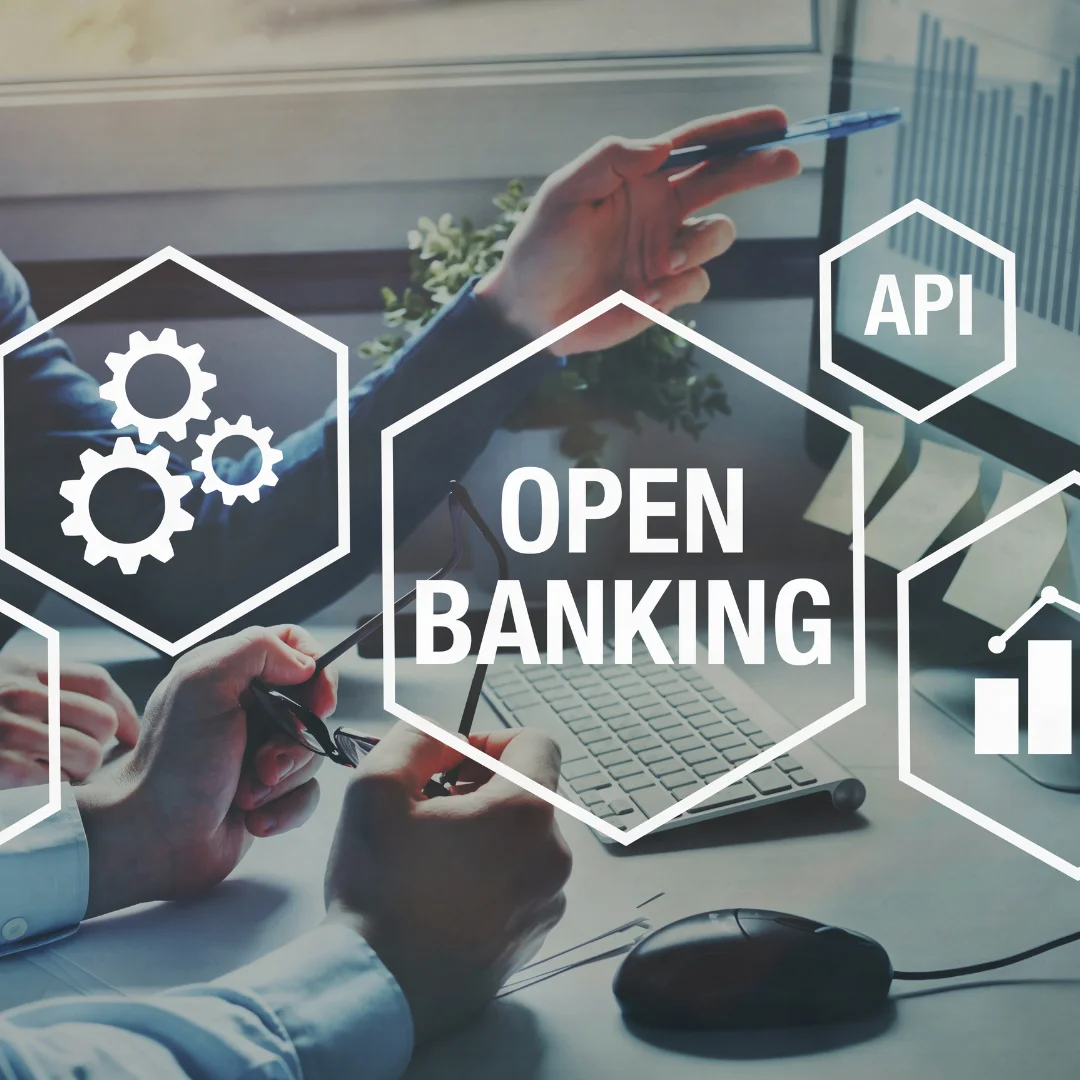
Open banking changed the way we handle and process payments, bringing great change and benefit to individuals, businesses, and the entire financial ecosystem. Suppose, we allowed secure and authorized access to financial information paths. Open banking opened new avenues for innovation, increased competition, and improved financial services Let us explore the impact and how it changed the landscape.

One of the main effects of open banking on payments is the efficiency and convenience of payments. Conventional payment methods often involve lengthy processes, manual entries, and shared invoices. But Open Banking has made payments faster, easier, and more convenient. Leveraging an API (Application Programming Interface), Open Banking allows authorized third-party providers to securely access customer bank account data and initiate payments directly. This removes the need for manual entry, reduces errors, and provides faster transactions, resulting in payment almost immediately.

Additionally, open banking has provided new payment solutions and services. By securely sharing and agreeing on customer data, banks can partner with fintech and developers to develop new payment applications and platforms. These innovative solutions range from mobile payment apps to peer-to-peer (P2P) payment systems, making it easier than ever to send and receive money. Open banking has also made it easier to integrate payment services across business types such as e-commerce, retail, and travel Enjoy a seamless and seamless payment experience across a variety of channels.

Another important impact of open banking on payments is the increased transparency and control offered to customers. Open Banking allows individuals to access and analyze their financial information in real-time through authorized third-party applications. This transparency gives users a comprehensive view of their accounts, transactions, and spending habits, empowering them to make informed decisions about their finances. Additionally, open banking offers users the ability to manage their payment preferences and share their data securely with selected parties, giving them greater control over their financial information.

Open banking has also contributed to increased security in payments and fraud prevention. Traditional payment methods, such as credit cards, are often fraudulent and inaccessible. However, Open Banking allows transactions to be authenticated using robust customer authentication methods including biometric identification and two-factor authentication This greatly reduces the risk of fraudulent activity and creates financial information a protection of importance. Additionally, Open Banking’s standardized security protocols and data encryption ensure that customer data remains secure throughout the payment process.

In addition, open banking has increased competition among financial services providers, improving payment options and liquidity. As banks and fintech compete to provide the best payment services, they offer customers a wider range of options and competitive pricing. This competition has led to the elimination or reduction of certain fees associated with payments, and it has benefited both consumers and businesses.

In conclusion, open banking has significantly impacted payments by changing how we manage and manage our finances. The introduction has increased efficiency, convenience, transparency, and security in payment processing. Through collaboration between banks, fintech, and developers, new payment solutions have emerged, offering a seamless experience and integrating payments across sectors. Open banking has empowered individuals with greater control over their financial affairs while encouraging competition and affordability in financial services. As open banking develops and expands, we can expect new developments in payment technology, and this will ultimately enhance our everyday financial experience.

Blockchain

Blockchain For Cross-Border Remittances

Blockchain technology is widely used for cross-border remittances, offering a faster, safer, and cheaper alternative to traditional methods of transferring funds. Blockchain is a distributed ledger technology that can record and verify on decentralized computers, eliminating the need for intermediaries such as banks and payment processors. of transparency and low fees Money can be transferred across borders, with significant benefits for both senders and receivers.

One of the main advantages of blockchain technology for cross-border money transfers is its speed of execution. Traditional remittance methods can take days or even weeks to move money across borders, where fees and exchange fees eat into the remittance On the other hand, blockchain technology can enable almost instantaneous delivery, while the web is transacted and processed in seconds They rely on remittances on a daily basis, because they can earn money faster and for less money.

Another advantage of blockchain technology is its security. The decentralized nature of the blockchain network makes it more resistant to fraud and hacking attempts, as each transaction is authenticated and recorded by multiple nodes in the network this reduces the risk of fraudulent activities, and provides cross-border remittances that are more secure for the sender and receiver.

Blockchain technology can also reduce the cost of moving goods across borders. Unlike traditional shipping methods that typically involve multiple middlemen, each of which charges a discount on the transaction, resulting in higher costs for shippers and lower amounts if receivers arrive, blockchain technology can eliminate the need for intermediaries, reduce costs and make the process more affordable for shippers and receivers.

One notable example of blockchain technology being used for cross-border money transfers is the Ripple network. To facilitate cross-border payments, the Ripple network uses its own digital currency, XRP. It offers almost instantaneous transactions at a low cost, making it an attractive option for people who want to transfer money across borders. The Ripple network has integrated with many financial institutions and payment providers, making it a widely accepted solution for cross-border money transfers.

Another example of blockchain technology for cross-border transfers is the Stellar network. The Stellar network uses its digital currency, Lumens (XLM), to facilitate cross-border payments. It offers almost instant transactions and low fees, making it an attractive option for people who want to move money across borders. The Stellar network has integrated with many financial institutions and payment providers, including IBM, making it a widely accepted solution for cross-border money transfers.

Overall, blockchain technology offers significant advantages for cross-border money transfers, including speed, security, and cost savings. As the technology continues to evolve and become more widely adopted, there is a chance that we will also see many new solutions for cross-border money transfers that leverage the benefits of blockchain technology.

AI

AI In Payment Processing And Fraud Detection

The integration of artificial intelligence (AI) into payment processing and fraud detection has changed the way financial transactions are conducted and secured. The rise of e-commerce and digital payments has created the need for payment processing even more secure and effective. AI has emerged as a powerful tool to address this challenge. In this article, we will discuss the use of AI in payment processing and fraud detection.

Payment Processing

AI technology has played a key role in streamlining payment processing, reducing transaction time, and increasing efficiency. This allows companies to manage large projects in real-time. An AI-based payment processing system can analyze customer data, identify patterns, and predict customer behavior to deliver a seamless and personalized payment experience.

One of the critical benefits of AI-powered payment processing is its ability to reduce payment errors. Traditional payment processing systems often experience errors due to incorrect data entry, miscommunication, or other human errors. AI can reduce these errors by automating the entire payment process. AI algorithms can detect and fix payment errors before they occur, saving businesses time and money.

Another benefit of AI-based payment processing is fraud detection. AI algorithms can analyze transaction data in real-time to identify suspicious transactions, reducing the risk of fraudulent activities. AI is also capable of finding unusual spending and blocking unusual transactions.

Fraud Detection

AI-based fraud detection systems have been developed in order to detect and prevent fraudulent activities. Fraudulent activity is a serious problem in the economy and can have serious consequences for businesses and consumers alike. 

AI algorithms can analyze large amounts of data in real-time, including transaction history, spending habits, and user behavior to identify potential fraud AI can identify anomalies and patterns it is unusual enough to indicate fraudulent activity. This information can be used to flag transactions that require further investigation to prevent fraudulent activity.

AI-based fraud detection systems can also learn and adapt to new threats, making them more effective. As fraud becomes more sophisticated, new AI algorithms can be developed to identify new threats and prevent them from being harmed.

One of the most important benefits of AI-based fraud detection is speed. Traditional fraud detection methods often take too long to detect and respond to fraudulent activity, giving fraudsters plenty of time to wreak havoc. AI can analyze data in real-time, enabling companies to react quickly to potential threats and prevent financial loss.
Conclusion

The addition of AI to payment processing and fraud detection has transformed the financial industry. The use of AI in payment processing systems has enabled businesses to process large transactions in real time, reducing payment errors and providing customers with a seamless payment experience
AI-based fraud detection has made it possible to identify and prevent fraudulent transactions before they cause harm, reducing the risk of financial loss As the financial industry continues to evolve with payment processing and fraud in discovery, the application can be extensively extended, helping businesses operate more efficiently and safely

remittances

Mobile Wallets For Remittances

Mobile Wallets For Remittances

Mobile wallets have revolutionized the way people send money around the world. People can now easily send money to their loved ones with a few taps on their phones thanks to technological advancements. Mobile wallets have grown in popularity in recent years and are now used to send money. Remittances are money that people working abroad send home to their families. Let’s talk about mobile wallets for money transfers and how they are changing the way people move money across borders in this article.

Customers can collect cash and make payments using their smartphone using a mobile wallet which is a digital wallet. These wallets can be linked to bank accounts, credit cards, or debit cards and used to pay for goods and services and transfer money to other users Mobile wallets have suddenly grown in popularity in recent years, especially in developing countries with limited banking systems.

Remittances are an important source of income for many households in developing countries. The World Bank estimates that by 2020, global remittances will reach $540 billion, with low- and middle-income countries receiving $462 billion expensive ones, with traditional methods like wire transfers and bank transfers costing exorbitant fees and taking days to process Sending a mobile wallet is an option and cheap and fast.

Mobile wallet remittances work by allowing customers to transfer funds from their mobile wallet to a cellular wallet or another bank account. The sender can add funds to their mobile wallet through a variety of methods, such as bank transfers, credit card payments, and deposits with agents, or the recipient can then receive funds on his mobile wallet or withdraw funds from agents or bank accounts.

Mobile wallets have many advantages over delivery methods. First of all, they are inexpensive. Mobile wallets are less expensive than remittance methods, making it easier for people to send money to their loved ones. Second, they are fast. A cellular wallet allows you to transfer money instantly, eliminating the need to wait days for a transaction to be processed. Third, it is very practical. Mobile wallets can be found everywhere, making it easier for people to send and receive money without going to a bank or an ATM.

Mobile wallets are also more secure than delivery methods. Because cell wallets are virtual, transactions are easily managed and monitored, reducing the risk of fraud and theft. Additionally, cell wallets use security features such as encryption to protect customer information and prevent unauthorized access.
Today, there are many mobile wallets available in the market. PayPal, Venmo, Paytm, and M-Pesa are a few examples. Each mobile wallet has its own features and benefits, and users should choose the one that best suits their needs.

PayPal is one of the most popular mobile wallets for sending. It allows customers to send money from over 200 countries and supports multiple currencies. PayPal charges a fee for its services, but the fees are lower than traditional shipping methods. PayPal also provides customer protection, ensuring transactions are secure and consistent.

Another popular cellular wallet for mail is Venmo. It is owned by PayPal and offers similar features to its figure trading enterprise. Venmo users can send money to other Venmo users or transfer funds to bank accounts. Venmo charges for its services, but the fees are lower than traditional delivery methods.

Paytm is the most used mobile wallet in India. It allows customers to send and receive money, make payments, and recharge mobile phones. Paytm charges fees for its services, but they are less expensive than the money transfer methods. Paytm also offers cashback and other incentives to customers who use its services.

M-Pesa is the most widely used mobile wallet in Africa. It was launched by Vodafone and allows users to send and receive money, make payments, and purchase goods and services. M-Pesa charges a fee for its services, but the fees are lower than conventional money transfer methods. M-Pesa also provides other financial services such as banking and credit to its users.

Conclusion:

Cellular wallets for remittances are changing the way people move money across borders. They offer a cheaper, faster, and more convenient alternative to other methods of transferring money, making it easier for people to send money to their loved ones Mobile wallet transfers are also safer than traditional methods, making it safer for people to transfer money. With the rise in popularity of mobile wallets, we are likely to see more innovation in this space in the coming years.

For More Information Click here.

contacless payment

Contactless Payments For Travel

Contactless payments have revolutionized the way we pay for goods and offerings, and they’re increasingly turning into the desired approach of payment for a large number of people. This is especially true in the context of tours, where contactless payments provide numerous benefits such as convenience, speed, and security.

In this article, We will look at the advantages of contactless payments for travel, as well as some of the challenges and issues associated with this pricing method. We will also discuss the future of contactless payments in the tourism industry, as well as the implications for both travelers and businesses.
Advantages of contactless bills for travel

Convenience

One of the most significant advantages of contactless bills for tours is the convenience they provide. Tourists can use contactless bills to pay for transportation, lodging, and other trip-related expenses quickly and easily, eliminating the need to carry coins or fumble with playing cards and PINs.
For example, a traveler using public transportation can legitimately tap their contactless card or mobile device at the price ticket barrier, eliminating the need to purchase a physical price ticket or deal with trade. Similarly, lodge guests can pay for their room and any additional fees, such as food or room provider, with their contactless card or mobile device, eliminating the need to queue at the front desk or handle cash.

Speed

In addition to convenience, contactless bills provide velocity, which is especially important in the context of travel. Travelers are frequently in a rush to catch a flight or make a connection, and contactless payments can help speed up the charging process, allowing them to arrive at their destination sooner.
For example, in a busy airport or train station, contactless payments can help reduce queues and congestion at ticket counters and other charge points. This way, visitors can pay for their tickets or other travel-related fees quickly and easily, without having to wait in long lines or deal with slow and cumbersome payment methods.

Security

Another significant advantage of contactless travel bills is security. Contactless payments are typically more secure than traditional payment methods because they use encryption and tokenization to protect sensitive data such as credit cards and personal information.
Furthermore, contactless bills provide a higher level of security against fraud and robbery because they require a physical tool, such as a card or cellular smartphone, to make a payment. This way, even if a tourist loses their card or smartphone, the payment can be made most effectively if the device is close to the fee terminal, lowering the risk of unauthorized use.

Challenges and concerns

While contactless bills have several advantages for travelers, they also have some drawbacks and issues. One of the major issues is the potential for fraud and robbery, particularly when a traveler’s contactless card or mobile device is misplaced or stolen.

To reduce this risk, travelers must take appropriate security precautions, such as keeping their devices locked and password-protected and immediately reporting any misplaced or stolen playing cards or devices to their bank or card company.

Another issue with contactless payments for travel is the potential for technical problems and compatibility issues. Not all payment terminals and devices support contactless payments, which may cause inconvenience and delays for travelers.

To address this assignment, it’s far critical for tour companies to ensure that their fee systems are up to date and well-matched with contactless bills, and for tourists to do the same.

Future of contactless payments in the journey

Regardless of the challenges and concerns, contactless payments are likely to become more common in the travel industry in the coming years. This is due in part to the growing adoption of mobile fee technology, such as Apple Pay and Google Pay, which provide even more convenience and security than traditional contactless bills.

Furthermore, the COVID-19 pandemic has accelerated the trend toward contactless payments, as travelers and businesses alike seek to minimize bodily contact and the risk of infection. This has resulted in a massive increase in the use of contactless bills for travel-related expenses such as transport, lodging, and dining.

As contactless payments become more popular in the travel industry, new innovations and technologies are likely to emerge to enhance the convenience, speed, and security of these payment methods. For example, we may see the development of new payment apps and systems that allow tourists to make payments seamlessly across various modes of transportation and travel-related services.

Another capability enhancement is the integration of contactless payments with other travel-related services, such as booking and itinerary control. This could allow tourists to pay for their travel-related fees in a more streamlined and integrated manner, reducing the need for multiple-price transactions and improving the overall tour experience.

Conclusion

Contactless payments have transformed the way we pay for goods and services, and they offer numerous benefits to tourists in the context of travel. Contactless bills are increasingly becoming the preferred method of payment for many tourists, for reasons ranging from convenience and speed to security and ease of use.

However, as with any new era, there are challenging situations and issues associated with contactless bills, such as the potential for fraud and technical difficulties. To fully realize the potential of contactless payments in the travel industry, it’s far critical for businesses and tourists alike to address these challenges and work towards greater adoption and integration of this fee method.

cryptocurrency

Cryptocurrencies For Cross-Border Transactions

Cryptocurrencies, including Bitcoin and Ethereum, have been making waves within the monetary global as a possible option for cross-border transactions. These digital currencies are decentralized, which means that no authorities or economic institutions control them. This permits extra transparency, protection, and efficiency in shifting budgets across borders.


One of the biggest benefits of the use of cryptocurrencies for cross-border transactions is the velocity at which transactions can arise. Traditional methods of shifting finances throughout borders can take days or maybe weeks to technique, as they contain multiple middleman banks and other economic institutions. Cryptocurrencies, then again, may be transferred almost right away, allowing for short and smooth bills throughout borders.


In addition to speed, cryptocurrencies additionally offer greater protection in cross-border transactions. Traditional techniques of transferring funds throughout borders are prone to fraud and hacking, as they involve more than one intermediary and are often processed via centralized systems. Cryptocurrencies, however, use a decentralized gadget of encryption and verification that makes them virtually not possible to hack or manipulate.


Another advantage of using cryptocurrencies for cross-border transactions is the decreased fees associated with those transactions. Traditional strategies of transferring price ranges throughout borders regularly involve excessive costs for currency trading, cord transfers, and other transaction prices. Cryptocurrencies, alternatively, have much decreased transaction costs, making them a more value-powerful choice for cross-border transactions.


Despite those advantages, there are nevertheless some challenges and dangers associated with using cryptocurrencies for move-border transactions. One of the largest demanding situations is the shortage of regulation and standardization inside the cryptocurrency marketplace. This makes it tough for corporations and individuals to realize which cryptocurrencies are honest and which are not. In addition, the fee of cryptocurrencies may be unstable, which can create uncertainty in pass-border transactions.

To address these challenges and dangers, there are several steps that groups and individuals can take when the use of cryptocurrencies for cross-border transactions. One critical step is to do research on the precise cryptocurrencies getting used, which includes their history, recognition, and modern-day market cost. This can assist to limit the hazard of fraud or hacking and make sure that the transaction is steady.
Collaborating with trustworthy cryptocurrency exchanges and brokers is another crucial measure to take. These exchanges and brokers can provide steerage and advice on the excellent cryptocurrencies to apply for cross-border transactions and might help to make certain that the transaction is processed speedily and securely.


Finally, agencies and individuals ought to also consider the use of stablecoins for cross-border transactions. Stablecoins are cryptocurrencies pegged to a stable asset, such as the American Greenback, designed to limit volatility inside the cryptocurrency marketplace. This can provide extra truth and balance in cross-border transactions, making them an extra dependable choice for agencies and people.


Overall, cryptocurrencies offer a feasible alternative for cross-border transactions, with advantages in velocity, security, and cost-effectiveness. However, there are nevertheless challenges and risks associated with using cryptocurrencies, and organizations and people have to take steps to mitigate those dangers and make sure that their transactions are secure and reliable. With the proper approach and steerage, cryptocurrencies can be a precious device for cross-border transactions in today’s international financial system.