
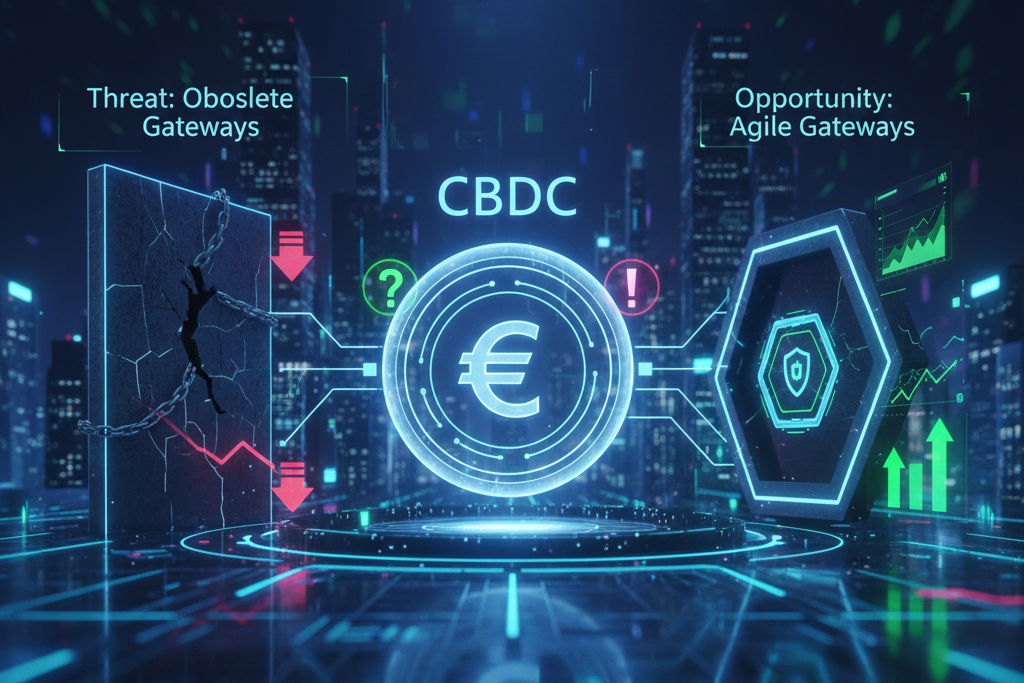
The world of money is changing very fast as we move into 2026. Therefore, many countries are now testing their own digital versions of cash. Truly, Central Bank Digital Currencies, or CBDC, are becoming a reality for millions of users. Consequently, everyone in the payment world is asking if this is a threat or a giant opportunity.
Some people feel that a search engine will soon show a world without private payment processors. But, the truth is much more complex and interesting for business owners. Always remember, every major shift in finance creates new ways to provide value. This ensures that those who adapt will find more success than those who stay the same. This approach requires a deep look at how digital money moves across borders. It helps you prepare for a future where cash might disappear entirely. It makes your financial strategy much more robust for the years ahead.
Phase 1: What Exactly Are CBDCs and How Do They Work?
First, let us look at what makes a CBDC different from the digital money we use today. Why are governments so interested in this new technology right now? Clearly, it is about giving the central bank more control and transparency over the money supply. Therefore, it is a direct digital claim on the central bank rather than a private bank.
Key Features of a Digital Currency
Here are several things that define a CBDC in the current market:
- Direct Issuance: The money comes directly from the government or central bank.
- Instant Settlement: Transactions happen in real time without waiting for clearing.
- Low Costs: It aims to remove many of the fees found in traditional banking.
- Programmability: This allows for smart contracts that trigger payments automatically.
- Universal Access: It helps people without bank accounts join the digital economy.
- Enhanced Security: Each digital unit is tracked to prevent fraud and theft.
- Legal Tender: It must be accepted by law for all debts and taxes.
Truly, this technology could change how every search engine tracks financial data. But, it also brings up big questions about user privacy and data safety. This keeps the debate between speed and privacy very active in 2026.
Phase 2: Why Gateways Might See CBDCs as a Threat
So, why are some payment gateways feeling nervous about these digital coins? Truly, a government-backed system could bypass the need for many private middlemen. Consequently, the traditional fees that gateways charge might be at risk. It acts as a direct competitor to the services that have existed for decades.
Risks Facing Traditional Payment Gateways
Here is how CBDCs could challenge the existing payment model:
- Fee Compression: If government digital money is free to use, gateways cannot charge high fees.
- Direct Wallets: Users might pay merchants directly from a government app.
- Faster Rails: Central banks might build their own fast networks that skip private ones.
- Reduced Volume: Traditional credit card use might drop as people switch to CBDCs.
- Data Control: Governments might keep the transaction data that gateways used to own.
- Strict Rules: New laws might favor the state system over private companies.
- Global Shifts: International CBDC links could make cross-border gateways less vital.
Furthermore, this could hurt the search engine ranking of companies that rely on old tech. It makes it harder for slow-moving businesses to stay profitable. This ensures that only the most efficient gateways will survive the next five years. It creates a very competitive environment for everyone in the finance space.
Phase 3: The Massive Opportunity for Smart Gateways
The third phase looks at why CBDCs might actually be a good thing for the industry. Clearly, new technology always creates new needs for the average user. Therefore, smart gateways can act as the vital bridge between the state and the people.
How Gateways Can Thrive with Digital Currency
Firstly, gateways can provide a better user experience. Government apps are often very simple and hard to use for complex tasks. Secondly, they can offer advanced fraud protection. While CBDCs are secure, hackers will always try to find new ways to steal.
Furthermore, gateways can manage the mix of different currencies. Most people will still use credit cards, crypto, and CBDCs at the same time. Also, they can provide better reporting for merchants. Business owners need deep data that a basic government wallet might not show. Lastly, they can help with international trade. Linking different national CBDCs together is a task that gateways are perfect for. Truly, your search engine authority grows when you offer solutions to these new problems. It allows you to become a trusted advisor in a confusing digital landscape. This is the key to winning in the new financial era.
Phase 4: Preparing for the 2026 Financial Shift
The fourth phase is about the steps you must take to be ready for this change. Clearly, you cannot wait for the rules to be fully written before you act. Therefore, you should start integrating digital currency options into your systems now.
Steps to Future-Proof Your Payment Strategy
Firstly, monitor the pilot programs in major countries. Watching how China or Europe handles their digital coins gives you a head start. Secondly, invest in blockchain and ledger technology. These are the foundations that most CBDCs are built upon.
Furthermore, talk to your customers about their needs. See if they are interested in using digital versions of their national currency. Also, stay active in the regulatory discussion. Helping shape the laws can protect your business from bad rules later. Lastly, improve your site speed and mobile features. A fast site helps your search engine ranking and makes digital payments smoother. Truly, being an early adopter is the best way to secure your future. It shows the world that your brand is a pioneer in the digital space. This leads to more trust and higher traffic over the long term.
Best Practices: Balancing Innovation and Safety
Managing digital money requires a very careful and balanced approach. It needs a focus on both new features and old-fashioned security. Clearly, the trust of your users is the most valuable asset you have. Therefore, follow these simple habits to maintain your lead in 2026.
Strategies for Long-Term Digital Currency Success
Firstly, always prioritize the privacy of your users. Even with a state-backed coin, people want to know their data is safe with you. Secondly, keep your systems simple and easy to understand. New financial tools can be very scary for the average person.
Furthermore, update your content frequently. Use your blog to explain how these changes help your customers save money. Also, build partnerships with banks and tech firms. No company can handle the shift to CBDCs entirely on its own. Lastly, track your search engine performance closely. Make sure people can find your guides when they search for digital money help. Truly, a helpful and modern gateway will always be in high demand. It turns a potential threat into a powerful tool for growth. This ensures your brand stays strong regardless of what the central banks do.
Frequently Asked Questions (FAQs)
Q1: Is a CBDC the same as Bitcoin?
No, Bitcoin is a private crypto currency that is not backed by any state. A CBDC is a digital version of a country’s official money and is controlled by the government.
Q2: Will CBDCs help my search engine ranking?
Writing about CBDCs can help your ranking if you provide expert info that users are searching for. It shows you are an authority on the latest financial trends.
Q3: When will CBDCs become common for everyone?
Many countries are already in the pilot phase in 2025. It is likely that CBDCs will be a common payment option in major markets by the end of 2026.
Q4: Can I use a CBDC for international payments?
Yes, one of the main goals of CBDCs is to make international payments faster and cheaper. Gateways will play a major role in linking these different systems.
Q5: Will my private bank account disappear?
No, CBDCs are expected to work alongside traditional bank accounts. Most experts believe we will continue to use a mix of both systems for a long time.
