Payment UX Audit Checklist for Better Results

Payment UX Audit Checklist for Better Results

Customers leave checkout pages more often than most businesses realize. A poor payment experience is one of the top reasons for lost sales. Complicated or confusing checkout flows drive users away at the final step. A payment UX audit helps you find and fix these problems before they cost you more revenue. This step-by-step framework gives businesses a clear method to review, analyze, and improve their payment user experience. Whether you run an ecommerce store, a subscription service, or a SaaS platform, this guide applies to your checkout process.

What Is a Payment UX Audit and Why It Matters

A payment UX audit is a structured review of your entire checkout and payment flow. It examines every step a customer takes from adding an item to cart through to payment confirmation. The goal is to identify friction points, design flaws, and technical issues that cause users to abandon the process.

Cart abandonment rates average nearly seventy percent globally. A large portion of those abandonments happen at the payment stage specifically. Therefore, improving payment UX directly increases completed transactions and revenue.

Payment UX Audit Checklist for Better Results

Signs Your Payment UX Needs an Audit

High cart abandonment rates are the most obvious signal. If users regularly drop off at the payment page, something is wrong with the experience.

Other signs include low conversion rates on specific payment methods, a spike in customer support contacts about checkout issues, or negative feedback mentioning confusion at checkout. If your payment flow has not been reviewed in over a year, it is already overdue.

Step One – Map Your Entire Payment Journey

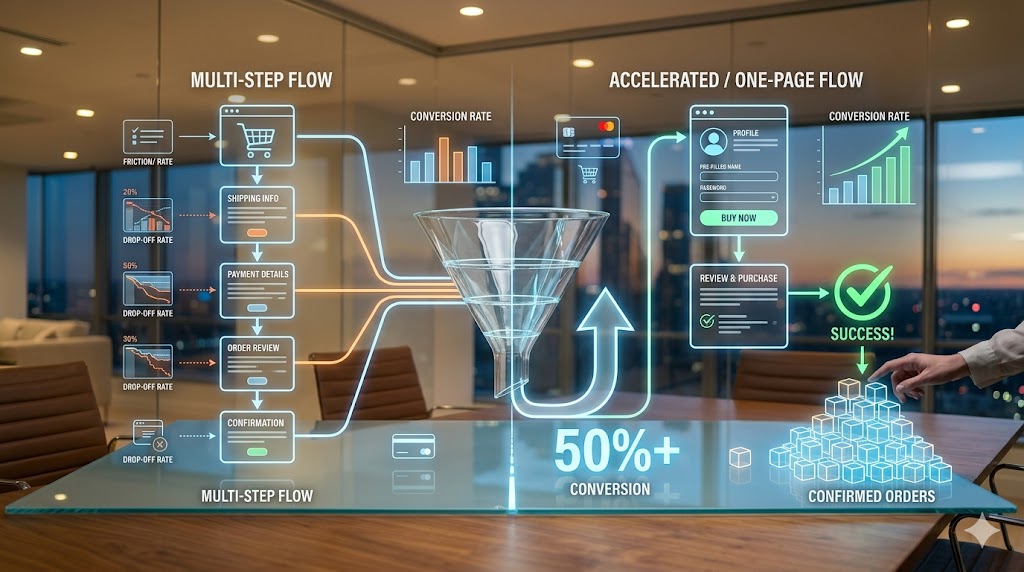
The first step in any payment UX audit is mapping every touchpoint in your checkout process. Start from the moment a user clicks the checkout button and document every screen, form, and decision point until the confirmation page.

This map becomes your audit foundation. Use it to identify how many steps your process includes and count the number of form fields on each page. Note where users must create accounts or log in. Each extra step is a potential drop-off point.

Tools for Mapping the Payment Journey

Session recording tools like Hotjar or Microsoft Clarity let you watch real users move through your checkout. These recordings reveal exactly where people pause, click repeatedly, or leave. Google Analytics funnel reports show you where the biggest drop-offs occur numerically.

Additionally, heatmaps show which areas of your payment page receive the most attention. If users are clicking on non-clickable elements near your payment form, that is a design confusion signal worth investigating.

Step Two – Evaluate Form Design and Field Requirements

Payment forms are often the biggest source of UX friction. Review every field carefully. Ask whether each one is truly necessary. Reducing form fields consistently improves completion rates.

Common issues include asking for information that can be auto-filled, using unclear field labels, and grouping unrelated fields awkwardly. Moreover, inline validation, where the form alerts users to errors as they type, dramatically reduces submission failures.

Best Practices for Payment Form Design

Labels should sit above input fields, not inside them. Placeholder text inside fields disappears when a user starts typing, causing confusion. Use clear, simple language for every label. Write “Card number” rather than “PAN” or “Account digits.”

Error messages must be specific. Instead of “Invalid input,” write “Please enter a valid 16-digit card number.” This guides users to fix the problem quickly. Furthermore, auto-formatting features, like adding spaces after every four card digits, reduce errors significantly.

Group related fields logically. Billing address fields should be together, and card details grouped separately. This visual organization reduces cognitive load. As a result, users move through the form more confidently.

Step Three – Review Trust Signals and Security Indicators

Trust is critical during payment. Users are sharing sensitive financial information. If they do not feel secure, they will abandon the process. A payment UX audit must evaluate every trust signal on your checkout pages.

Common trust signals include SSL certificate indicators, security badges from recognized providers, accepted payment method logos, and clear refund or privacy policies. Showing real customer reviews near checkout can also reduce hesitation.

What Trust Elements to Check During Your Audit

Check whether your checkout page uses HTTPS throughout. Any switch to non-secure pages immediately triggers user suspicion. Verify that security badges are visible without scrolling, particularly on mobile devices.

Review your payment method icons. Showing familiar logos such as Visa, Mastercard, and PayPal reassures users. Similarly, display a short, clear return policy near the payment button to reduce purchase anxiety.

Test all pages on mobile devices specifically. Trust elements that are visible on desktop often become hidden or misaligned on smaller screens. A dedicated mobile review is therefore essential during this audit step.

Step Four – Test Payment Speed and Technical Performance

Slow payment pages lose customers. Even a one-second delay in page load time can reduce conversions meaningfully. Your payment UX audit must therefore include a technical performance review.

Use tools like Google PageSpeed Insights or GTmetrix to measure load times on your checkout pages. Pay particular attention to mobile performance, since a growing majority of transactions happen on smartphones. Target a load time under three seconds for each payment page.

Common Technical Issues That Hurt Payment UX

Session timeouts during checkout are a significant frustration. If a user spends time reviewing their order and then finds their session expired, they are unlikely to start over. Extend session times on checkout pages or save cart data automatically.

Payment gateway errors should be handled gracefully. When a card is declined, display a clear, calm message and offer alternative payment methods immediately. Do not show technical error codes that confuse users. Moreover, test your checkout regularly across different browsers and devices to catch issues before customers encounter them.

Step Five – Analyze and Prioritize Your Audit Findings

Once you have completed your review, compile all findings in one place. Group them by severity: critical issues that actively prevent payment, moderate issues that create friction, and minor issues that reduce polish.

Address critical issues first. These are bugs, broken payment methods, or missing trust signals. Moderate friction points come next. This prioritization ensures your effort creates the greatest impact quickly.

Frequently Asked Questions

1: How often should a business run a payment UX audit?
A full payment UX audit should be conducted at least once per year. Also run a partial audit whenever you make significant changes to your checkout flow, switch payment providers, or notice a drop in conversion rates.

2: What is the most common payment UX mistake?
Requiring account creation before purchase is one of the most damaging mistakes. Many users abandon checkout rather than create an account. Always offer a guest checkout option as a primary path.

3: Can a payment UX audit reduce cart abandonment?
Yes, significantly. Identifying and fixing friction points in your checkout directly reduces abandonment rates. Even small improvements like reducing form fields or adding trust badges can produce measurable gains.

4: Do I need a developer to run a payment UX audit?
Not for the analysis phase. Tools like Hotjar, Google Analytics, and PageSpeed Insights are accessible without technical skills. However, fixing technical issues found during the audit will typically require developer support.

5: How long does a payment UX audit take?
A thorough audit typically takes between one and three weeks depending on the complexity of your checkout flow. Implementing fixes can take additional time based on issue severity.

Conclusion

A payment UX audit is one of the highest-return investments a business can make. Every improvement to your checkout experience directly impacts revenue. By mapping your payment journey, refining form design, strengthening trust signals, and addressing technical performance, you create a checkout flow that customers trust and complete. Start with your highest drop-off points and work through each step in this framework. Consequently, you will see real improvements in your conversion rate, your revenue, and your customer satisfaction.

Read More:

Why Psychology of Payments Changes Conversions: Full Guide

Headless Commerce Payments Best Practices: Complete Guide

Fintech Relies on Microservices-Based Infrastructure Now

Why Psychology of Payments Changes Conversions: Full Guide

Why Psychology of Payments Changes Conversions: Full Guide

You have a great product. Your marketing works. Visitors land on your site, add items to their cart — then vanish. Sound familiar? Cart abandonment is one of the biggest problems in e-commerce. The average abandonment rate sits around 70%. That means seven out of ten shoppers leave without buying. Understanding the psychology of payments helps you fix this. When you know why people hesitate, you can remove the friction that stops them from completing a purchase.

The Pain of Paying: Why Spending Hurts

Neuroscience shows that spending money activates the same brain regions associated with physical pain. Researchers call this the ‘pain of paying.’

This pain is strongest when payment feels direct and visible. Handing over cash hurts more than swiping a card. Seeing a total before clicking ‘Pay’ triggers more hesitation.

Therefore, smart checkout design reduces this psychological pain. The goal is to make payment feel effortless and natural — not stressful.

Why Psychology of Payments Changes Conversions: Full Guide

Key Reasons Users Drop Off at Checkout

1. Unexpected Costs

Surprise fees are the number one reason users abandon carts. Shipping charges, taxes, or handling fees that appear late in the process feel like a betrayal.

Customers set a mental budget early. When the final total exceeds that number, they feel tricked. Consequently, they leave — often never to return.

The fix is simple: show all costs upfront. Display estimated shipping and taxes on the product page. Transparency builds trust.

2. Forced Account Creation

Asking users to create an account before buying creates massive friction. Many users simply do not want to share their email or remember another password.

Research by Baymard Institute found that 24% of users abandon checkout because of forced registration. Always offer a guest checkout option.

Additionally, let users sign up after purchase. Once they have a positive experience, they are far more likely to create an account willingly.

3. Complex or Long Checkout Forms

Every extra field you add is a chance for users to give up. Long forms feel like work. They kill momentum and trigger second thoughts.

Use autofill wherever possible. Ask only for essential information. Split long forms into clear steps with progress indicators so users know where they are.

4. Security Concerns

Users worry about their financial data. A checkout page that looks outdated, lacks HTTPS, or shows unfamiliar payment logos raises red flags.

Display trust signals clearly. Use SSL certificates. Show recognised payment icons — Visa, Mastercard, PayPal. Add security badges from brands like Norton or McAfee.

Furthermore, explain how you protect customer data. A short, reassuring line near the payment field reduces anxiety significantly.

5. Slow Page Load Times

A checkout page that loads slowly destroys conversions. Google data shows that even a one-second delay reduces conversions by up to 7%.

Optimise your checkout page speed aggressively. Compress images. Use a fast hosting provider. Minimise scripts. Every millisecond counts at the payment stage.

6. Limited Payment Options

Today’s shoppers expect choice. Some prefer credit cards. Others want PayPal, Apple Pay, Google Pay, or Buy Now Pay Later options.

Offering only one or two payments methods alienates large groups of potential buyers. Expand your payment options to match your audience’s preferences.

The Role of Trust in Payment Decisions

Trust is the currency of checkout. Without it, even interested buyers will not complete a purchase. Social proof is a powerful trust builder. Display real customer reviews near the checkout.

Show how many people have bought the same product. Use testimonials from verified buyers. Moreover, money-back guarantees reduce the perceived risk of buying. When users know they can get a refund, the decision feels safer. Remove risk, and you remove hesitation.

Cognitive Load and Decision Fatigue

By the time a user reaches checkout, they have already made many decisions. They chose a product, picked a size, selected a colour. Each choice uses mental energy.

Decision fatigue sets in. At the payments stage, users are mentally tired. Any extra choice — promo code boxes, upsell popups, or confusing layout — can push them over the edge.

Simplify your checkout ruthlessly. Remove distractions. Eliminate unnecessary steps. Make the path to purchase as clear and short as possible.

The Power of Progress Indicators

People are more likely to complete a task when they can see progress. This is called the Zeigarnik Effect — unfinished tasks stay in our minds until complete.

Use a clear step indicator in your checkout. Show users exactly where they are — Step 1 of 3, for example. This reduces anxiety and increases completion rates.

Additionally, save progress automatically. If a user leaves and returns, their cart and form data should still be there. This reduces re-entry friction significantly.

Abandoned Cart Recovery Strategies

Even with a perfect checkout, some users will leave. Recovery strategies bring them back. Send abandoned cart emails within one hour of drop-off. Studies show these emails recover around 5-10% of abandoned carts. Keep the email short, friendly, and include a direct link back to the cart.

Use retargeting ads to remind users of what they left behind. Personalised ads with the exact product they viewed perform significantly better than generic promotions.

Furthermore, consider exit-intent popups. When a user moves their mouse toward the browser’s close button, trigger a popup with a small incentive — free shipping or a discount code.

Optimising Mobile Checkout

More than 60% of online shopping now happens on mobile devices. Yet mobile conversion rates lag behind desktop by a wide margin.

Mobile checkout must be frictionless. Use large, tappable buttons. Auto-detect card details using the camera. Enable one-click payments options like Apple Pay or Google Pay.

Test your checkout flow on multiple devices regularly. What works on desktop often breaks on mobile. Fix every point of friction you find.

Key Takeaways

The psychology of payments reveals that checkout drop-off is rarely about the product. It is about friction, fear, and lost trust.

Remove surprise costs. Simplify your forms. Build trust signals. Offer multiple payment methods. And keep your checkout fast, clean, and focused.

When you understand what users feel at checkout, you can design a process that feels effortless. Fewer drop-offs mean more revenue. Start optimising your checkout today.

Read More:

Headless Commerce Payments Best Practices: Complete Guide

Fintech Relies on Microservices-Based Infrastructure Now

Event-Driven Payment System: What You Need Full Guide

new contactless payments

How new contactless payments improve customer safety

The way we pay for things is changing at an incredible speed as we look toward 2026. Therefore, tapping your phone or card is becoming the new normal for millions of people. Truly, the future of contactless payments and NFC payments is here, and it is growing rapidly in India and across the world. Consequently, understanding this technology is key for any business that wants to stay modern and competitive.

Some people feel that cash is still the best way to pay, especially in certain regions. But, the convenience and speed of these new methods are winning over more users every single day. Always remember, a fast and easy payment option is a strong signal for any search engine to value your website. This ensures that customers have a smooth experience and are more likely to return to your store. This approach requires looking beyond traditional payment terminals. It helps you build a much more efficient and customer-friendly checkout system. It makes your entire business operation feel modern and very secure.

new contactless payments

Phase 1: The Rise of Contactless in India

First, let us look at how India is leading the charge in adopting tap-and-pay technology. Why has a country with a large cash economy embraced digital payments so quickly? Clearly, government initiatives and the widespread use of smartphones have created a perfect storm for growth. Therefore, the Unified Payments Interface (UPI) system has played a massive role in this shift.

Driving Factors for Contactless Growth in India

Here are several reasons why contactless payments are booming in India:

  • UPI Integration: This system makes instant, secure payments very easy for everyone.
  • Smartphone Penetration: Billions of phones support NFC, making tap-to-pay accessible.
  • Government Push: Policies encourage digital transactions to boost the economy.
  • QR Code Acceptance: Even small shops use QR codes for quick, simple payments.
  • Debit/Credit Card Upgrades: Most new cards come with contactless features built-in.
  • Merchant Adoption: More businesses are getting NFC-enabled payment terminals.
  • COVID-19 Impact: The pandemic accelerated the move to touch-free transactions.

Truly, India’s journey shows the world how quickly a large population can adopt new payment habits. But, this rapid growth also requires constant innovation to keep the systems secure and reliable. This keeps the payment networks strong while more people start using them. It creates a very dynamic environment for financial technology companies.


Phase 2: Global Trends and NFC Technology

So, how is the rest of the world embracing these payment innovations? Truly, the shift to contactless is a global phenomenon, driven by the power of Near Field Communication (NFC) technology. Consequently, tapping your phone or watch is becoming as common as swiping a card in many developed nations. It acts as the invisible link that makes these speedy transactions possible everywhere.

Key Global Developments in Contactless Payments

Here is how NFC and contactless payments are changing the world:

  1. Apple Pay/Google Pay: These major mobile wallets use NFC for quick, secure payments.
  2. Smart Wearables: Watches and fitness trackers now allow you to pay with a tap.
  3. Transit Systems: Many cities let you tap your card or phone to ride buses and trains.
  4. Open Loop Payments: Customers can use their regular bank cards directly for transit fares.
  5. Biometric Integration: Fingerprint or face scans add an extra layer of security to transactions.
  6. EMV Standard: This global standard ensures secure chip-based contactless transactions.
  7. Device-to-Device Payments: NFC can enable payments directly between two phones without a terminal.

Furthermore, this global embrace of NFC helps improve your search engine ranking by boosting your overall site speed. It makes your brand look very modern and connected to international trends. This ensures that you are ready for customers no matter where they are coming from. It creates a seamless experience across borders and different cultures.


Phase 3: Benefits for Merchants and Consumers

The third phase looks at why everyone benefits from this payment revolution. Clearly, faster transactions and better security are good for both the buyer and the seller. Therefore, understanding these advantages can help you make a strong case for upgrading your payment systems.

Winning with Contactless Payments

Firstly, for consumers, it means speed and convenience. No more fumbling for cash or waiting for a chip card to read. Secondly, it offers enhanced security. Tokenization makes transactions much safer than traditional card swipes.

Furthermore, for merchants, it means faster lines. This allows you to serve more customers in less time during busy periods. Also, it reduces cash handling costs and risks. Less cash means less chance of theft or accounting errors. Lastly, it improves your search engine performance. Faster checkouts mean lower bounce rates and a better user experience. Truly, it is a win-win situation that drives efficiency and safety. It allows businesses to focus on sales rather than payment problems. This is why more companies are investing in these modern payment terminals every single day.


Phase 4: Challenges and Overcoming Them in 2026

The fourth phase addresses the hurdles that still exist for widespread adoption. Clearly, no new technology is perfect, and there are always things to consider. Therefore, understanding these challenges allows you to plan better and avoid common pitfalls.

Navigating the Road Ahead for Contactless Payments

Firstly, merchant education is crucial. Many small businesses still need to learn how to set up and use NFC terminals effectively. Secondly, security concerns among some users. Even with advanced protection, some people are hesitant to trust new payment methods.

Furthermore, inconsistent infrastructure in rural areas. Not all places have reliable internet or power for digital payment systems. Also, the cost of upgrading older terminals. Some businesses might find the initial investment too high. Lastly, ensuring inclusion for all users. Not everyone has a smartphone or a bank account, especially in developing regions. Truly, these challenges require a balanced approach, focusing on education and accessibility. It turns potential obstacles into opportunities for innovation and growth. This ensures that the payment revolution benefits everyone, not just the tech savvy.


Best Practices: Embracing the Contactless Future

Moving fully into the world of tap-and-pay requires a strategic mindset and an openness to change. It needs a focus on customer needs and the long term vision of your business. Clearly, simply installing a terminal is not enough; you must also promote its use. Therefore, follow these simple habits to keep your payment systems cutting edge.

Strategies for Long-Term Contactless Success

Firstly, always offer multiple payment options. While promoting contactless, still accept other forms of payment for those who prefer them. Secondly, clearly display contactless payment logos at your checkout. This tells customers you are ready for their preferred payment method.

Furthermore, train your staff to guide customers on how to use tap-and-pay. A friendly explanation can ease any hesitation. Also, monitor your transaction data for insights. See which payment methods are most popular and why. Lastly, keep an eye on your search engine ranking and site speed. A seamless payment process contributes to a great online experience. Truly, embracing contactless payments is an investment in your business’s future. It builds a reputation for convenience and modernity. This secures your place in the fast evolving digital economy of 2026.


Frequently Asked Questions (FAQs)

Q1: Is NFC the same as contactless payment?

NFC (Near Field Communication) is the technology that enables contactless payments. So, all NFC payments are contactless, but not all contactless payments use NFC (e.g., some QR code payments).

Q2: How does contactless payment improve my search engine ranking?

A fast and convenient checkout experience leads to lower bounce rates and higher customer satisfaction. These are positive signals that search engines value for ranking.

Q3: Are contactless payments more secure than swiping a card?

Yes, they are generally more secure. Contactless payments use encryption and tokenization, which means your actual card number is not shared during the transaction.

Q4: What is UPI and how does it relate to contactless payments in India?

UPI is a real-time payment system in India that facilitates instant bank-to-bank transfers. Many apps that use UPI also integrate QR codes and NFC for contactless transactions.

Q5: What is the biggest barrier to wider adoption of contactless payments?

The biggest barrier is often the cost for merchants to upgrade older point-of-sale systems and a lack of awareness or trust among some consumers.

Also Read: How the digital wallets improves customer security


How the digital wallets improves customer security

How the digital wallets improves customer security

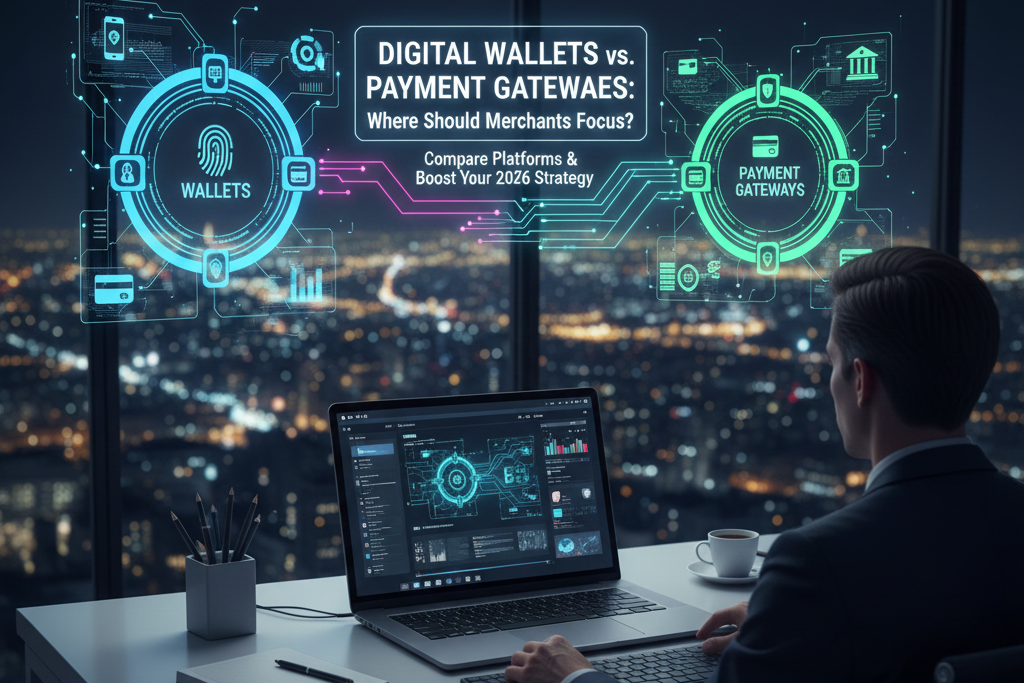
The world of online commerce is moving faster than ever as we look toward 2026. Therefore, choosing the right way to accept money is a critical decision for every business owner. Truly, the debate between digital wallets and payment gateways is becoming a central topic for growth. Consequently, understanding how these two tools work together is the best way to ensure your customers stay happy and loyal.

Some people feel that you only need one or the other to run a successful store. But, the reality is that they serve very different roles in the modern checkout process. Always remember, a smooth payment flow is a top signal for any search engine to trust your website. This ensures that you do not lose customers at the very last second of their journey. This approach requires a clear look at how data and money move through the internet. It helps you build a much more reliable and profitable checkout experience for everyone. It makes your financial strategy feel modern and very secure for the years ahead.

How the digital wallets improves customer security

Phase 1: Understanding the Role of the Payment Gateway

First, let us look at the silent engine that powers every online transaction. Why is the gateway considered the foundation of any digital storefront? Clearly, it acts as the bridge between your website and the complex world of banks. Therefore, you cannot accept a single card payment without a strong gateway in place.

Key Features of a Modern Payment Gateway

Here are several things that a gateway does for your business every day:

  • Data Encryption: It keeps credit card numbers safe as they travel across the web.
  • Fraud Detection: Smart filters check for stolen cards and risky buyer behavior.
  • Bank Communication: It asks the customer bank if there is enough money for the buy.
  • Transaction Routing: It moves the money from the buyer to your merchant account.
  • Receipt Generation: It sends a digital proof of purchase to the buyer instantly.
  • Refund Management: It allows you to send money back to customers with ease.
  • Multi Currency Support: It helps you sell to people in different countries effortlessly.

Truly, a gateway is the invisible guard that keeps your money moving safely. But, it does not hold money itself like a wallet does for a user. This keeps the technical side of the payment separate from the user account. It creates a very stable system for handling thousands of sales every hour.


Phase 2: Why Digital Wallets Are Taking Over the User Experience

So, how do digital wallets change the way people actually buy your products? Truly, the convenience of a wallet like Apple Pay or Google Pay is hard to beat in 2026. Consequently, many shoppers now expect to finish their purchase with just a thumbprint or a face scan. It acts as a digital container for all the payment info a customer needs.

The Benefits of Supporting Digital Wallets

Here is why merchants are focusing more on wallet support this year:

  1. Faster Checkout: Users do not have to type in long card numbers or addresses.
  2. Higher Conversion: Fewer steps at checkout mean more people finish their orders.
  3. Better Security: Wallets use tokens so your store never sees the real card data.
  4. Mobile Optimization: They are built specifically for the billions of phone users.
  5. Biometric Safety: Using a face or finger scan reduces the risk of fake orders.
  6. Local Popularity: Different countries have specific wallets that people trust.
  7. Loyalty Links: Many wallets automatically track rewards and coupons for the user.

Furthermore, supporting these tools can help your search engine visibility among mobile shoppers. It makes your brand look modern and very easy to work with on any device. This ensures that you are meeting your customers exactly where they want to shop. It creates a very friendly and fast environment for every new visitor.


Phase 3: The Synergy Between Wallets and Gateways

The third phase looks at why you actually need both of these tools to succeed. Clearly, it is not a matter of picking one over the other in a modern setup. Therefore, you should look for a gateway that offers deep integration with all major digital wallets.

How These Two Technologies Work Together

Firstly, the wallet provides the payment data to the checkout page. This makes the start of the process very fast for the customer. Secondly, the payment gateway takes that data and sends it to the banking networks for approval.

Furthermore, the gateway provides the security layer that protects the merchant from fraud. Also, the wallet provides the convenience that keeps the customer coming back for more. Lastly, having both ensures that your search engine ranking stays high due to low bounce rates. Truly, they are two sides of the same coin in the world of digital finance. It allows you to offer the best of both worlds: speed and safety. This is why the most successful stores in 2026 are using an all in one approach.


Phase 4: Where Should Your Business Focus for 2026?

The fourth phase is about deciding where to spend your time and budget next. Clearly, your focus should depend on who your customers are and what you sell. Therefore, you must look at your own data to see where the biggest gaps exist today.

Choosing Your Priority Based on Business Type

Firstly, focus on your gateway if you deal with very high transaction volumes. You need the most robust and cheapest processing rates possible to stay profitable. Secondly, focus on digital wallets if you sell mostly to younger people on mobile phones.

Furthermore, invest in a gateway that supports global payments if you want to grow abroad. Also, make sure your wallet options include local favorites like UPI or AliPay. Lastly, monitor your search engine performance to see how checkout speed affects your traffic. Truly, the best focus is a balanced one that prioritizes the user experience above all else. It turns your payment process into a competitive advantage for your brand. This ensures that you stay ahead of other stores that are slower to change.


Best Practices: Optimizing Your Payment Flow

Building a great payment system is a journey that requires constant testing and updates. It needs a focus on making everything as simple as possible for the buyer. Clearly, the fewer clicks a user has to make, the more money you will earn. Therefore, follow these simple habits to keep your store at the top of its game.

Strategies for Long Term Payment Success

Firstly, always offer at least two or three digital wallet options. This gives your users a choice and makes them feel more comfortable. Secondly, choose a gateway with a very high uptime and fast processing speeds.

Furthermore, keep your checkout page clean and free of any distractions. Also, test your payment flow on every possible device to ensure it never breaks. Lastly, track your search engine metrics to see if your site speed is helping your rank. Truly, a great payment setup is the backbone of a healthy digital business. It builds trust with your audience and keeps your cash flow steady. This secures your growth and makes your business much more valuable over time.


Frequently Asked Questions (FAQs)

Q1: Can I use a digital wallet without a payment gateway?

No, a wallet only stores the user data. You still need a gateway to process that data and move the money from the bank to your account.

Q2: Does checkout speed affect my search engine ranking?

Yes, search engines like Google value fast websites. A slow checkout can lead to high bounce rates, which can hurt your overall ranking.

Q3: Which digital wallets are the most popular in 2026?

Apple Pay and Google Pay remain the global leaders, but regional wallets are becoming very important for international sales.

Q4: Are digital wallets safer for merchants than credit cards?

Yes, because they often use tokenization and biometrics, which significantly reduces the risk of chargebacks and fraud.

Q5: How do I know if my gateway is too slow?

You should monitor your cart abandonment rate. If many people leave at the final step, it may be because your gateway is taking too long to load.

Also Read: Why Global CBDC Adoption Requires Better Gateway Security

Why Global CBDC Adoption Requires Better Gateway Security

Why Global CBDC Adoption Requires Better Gateway Security

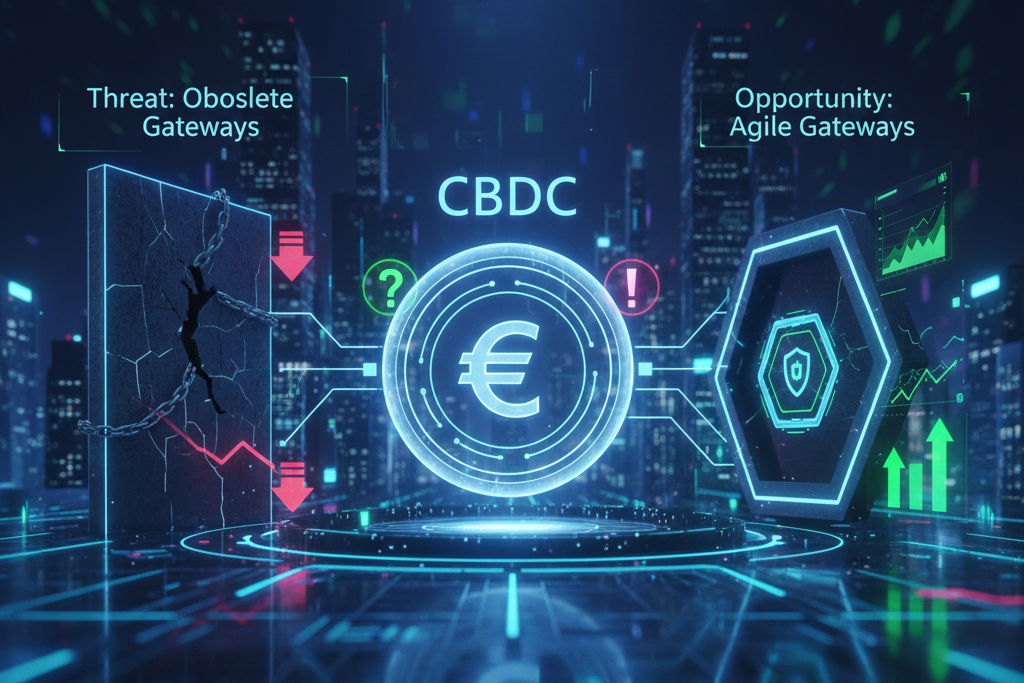
The world of money is changing very fast as we move into 2026. Therefore, many countries are now testing their own digital versions of cash. Truly, Central Bank Digital Currencies, or CBDC, are becoming a reality for millions of users. Consequently, everyone in the payment world is asking if this is a threat or a giant opportunity.

Some people feel that a search engine will soon show a world without private payment processors. But, the truth is much more complex and interesting for business owners. Always remember, every major shift in finance creates new ways to provide value. This ensures that those who adapt will find more success than those who stay the same. This approach requires a deep look at how digital money moves across borders. It helps you prepare for a future where cash might disappear entirely. It makes your financial strategy much more robust for the years ahead.

Why Global CBDC Adoption Requires Better Gateway Security

Phase 1: What Exactly Are CBDCs and How Do They Work?

First, let us look at what makes a CBDC different from the digital money we use today. Why are governments so interested in this new technology right now? Clearly, it is about giving the central bank more control and transparency over the money supply. Therefore, it is a direct digital claim on the central bank rather than a private bank.

Key Features of a Digital Currency

Here are several things that define a CBDC in the current market:

  • Direct Issuance: The money comes directly from the government or central bank.
  • Instant Settlement: Transactions happen in real time without waiting for clearing.
  • Low Costs: It aims to remove many of the fees found in traditional banking.
  • Programmability: This allows for smart contracts that trigger payments automatically.
  • Universal Access: It helps people without bank accounts join the digital economy.
  • Enhanced Security: Each digital unit is tracked to prevent fraud and theft.
  • Legal Tender: It must be accepted by law for all debts and taxes.

Truly, this technology could change how every search engine tracks financial data. But, it also brings up big questions about user privacy and data safety. This keeps the debate between speed and privacy very active in 2026.


Phase 2: Why Gateways Might See CBDCs as a Threat

So, why are some payment gateways feeling nervous about these digital coins? Truly, a government-backed system could bypass the need for many private middlemen. Consequently, the traditional fees that gateways charge might be at risk. It acts as a direct competitor to the services that have existed for decades.

Risks Facing Traditional Payment Gateways

Here is how CBDCs could challenge the existing payment model:

  1. Fee Compression: If government digital money is free to use, gateways cannot charge high fees.
  2. Direct Wallets: Users might pay merchants directly from a government app.
  3. Faster Rails: Central banks might build their own fast networks that skip private ones.
  4. Reduced Volume: Traditional credit card use might drop as people switch to CBDCs.
  5. Data Control: Governments might keep the transaction data that gateways used to own.
  6. Strict Rules: New laws might favor the state system over private companies.
  7. Global Shifts: International CBDC links could make cross-border gateways less vital.

Furthermore, this could hurt the search engine ranking of companies that rely on old tech. It makes it harder for slow-moving businesses to stay profitable. This ensures that only the most efficient gateways will survive the next five years. It creates a very competitive environment for everyone in the finance space.


Phase 3: The Massive Opportunity for Smart Gateways

The third phase looks at why CBDCs might actually be a good thing for the industry. Clearly, new technology always creates new needs for the average user. Therefore, smart gateways can act as the vital bridge between the state and the people.

How Gateways Can Thrive with Digital Currency

Firstly, gateways can provide a better user experience. Government apps are often very simple and hard to use for complex tasks. Secondly, they can offer advanced fraud protection. While CBDCs are secure, hackers will always try to find new ways to steal.

Furthermore, gateways can manage the mix of different currencies. Most people will still use credit cards, crypto, and CBDCs at the same time. Also, they can provide better reporting for merchants. Business owners need deep data that a basic government wallet might not show. Lastly, they can help with international trade. Linking different national CBDCs together is a task that gateways are perfect for. Truly, your search engine authority grows when you offer solutions to these new problems. It allows you to become a trusted advisor in a confusing digital landscape. This is the key to winning in the new financial era.


Phase 4: Preparing for the 2026 Financial Shift

The fourth phase is about the steps you must take to be ready for this change. Clearly, you cannot wait for the rules to be fully written before you act. Therefore, you should start integrating digital currency options into your systems now.

Steps to Future-Proof Your Payment Strategy

Firstly, monitor the pilot programs in major countries. Watching how China or Europe handles their digital coins gives you a head start. Secondly, invest in blockchain and ledger technology. These are the foundations that most CBDCs are built upon.

Furthermore, talk to your customers about their needs. See if they are interested in using digital versions of their national currency. Also, stay active in the regulatory discussion. Helping shape the laws can protect your business from bad rules later. Lastly, improve your site speed and mobile features. A fast site helps your search engine ranking and makes digital payments smoother. Truly, being an early adopter is the best way to secure your future. It shows the world that your brand is a pioneer in the digital space. This leads to more trust and higher traffic over the long term.


Best Practices: Balancing Innovation and Safety

Managing digital money requires a very careful and balanced approach. It needs a focus on both new features and old-fashioned security. Clearly, the trust of your users is the most valuable asset you have. Therefore, follow these simple habits to maintain your lead in 2026.

Strategies for Long-Term Digital Currency Success

Firstly, always prioritize the privacy of your users. Even with a state-backed coin, people want to know their data is safe with you. Secondly, keep your systems simple and easy to understand. New financial tools can be very scary for the average person.

Furthermore, update your content frequently. Use your blog to explain how these changes help your customers save money. Also, build partnerships with banks and tech firms. No company can handle the shift to CBDCs entirely on its own. Lastly, track your search engine performance closely. Make sure people can find your guides when they search for digital money help. Truly, a helpful and modern gateway will always be in high demand. It turns a potential threat into a powerful tool for growth. This ensures your brand stays strong regardless of what the central banks do.


Frequently Asked Questions (FAQs)

Q1: Is a CBDC the same as Bitcoin?

No, Bitcoin is a private crypto currency that is not backed by any state. A CBDC is a digital version of a country’s official money and is controlled by the government.

Q2: Will CBDCs help my search engine ranking?

Writing about CBDCs can help your ranking if you provide expert info that users are searching for. It shows you are an authority on the latest financial trends.

Q3: When will CBDCs become common for everyone?

Many countries are already in the pilot phase in 2025. It is likely that CBDCs will be a common payment option in major markets by the end of 2026.

Q4: Can I use a CBDC for international payments?

Yes, one of the main goals of CBDCs is to make international payments faster and cheaper. Gateways will play a major role in linking these different systems.

Q5: Will my private bank account disappear?

No, CBDCs are expected to work alongside traditional bank accounts. Most experts believe we will continue to use a mix of both systems for a long time.

Also Read: Why Crypto Payments in India Face a New Future

How a Better Payment Experience Keeps Customers Coming Back

How a Better Payment Experience Keeps Customers Coming Back

Every business wants loyal customers. Therefore, you must look at your checkout process. Often, the payment step is where people leave. But, a smooth experience changes everything. Truly, it makes shoppers feel safe and happy.

Some shops have very slow payment pages. Consequently, they lose money every single day. Always remember, ease of use is a competitive edge. By making payments fast, you show respect for the user. This builds a bond that lasts a long time. It also helps your brand stand out from others. This simple focus leads to much higher sales over time.

How a Better Payment Experience Keeps Customers Coming Back

The Payment Pain Point: Why Checkouts Fail

First, let us talk about why customers quit. A hard checkout creates a lot of stress. Clearly, users want things to be simple and quick. Therefore, you must remove any barriers that slow them down.

Common Reasons for Abandoned Carts

Here are several things that push customers away from your shop:

  • Hidden fees that show up only at the very end.
  • Too many forms that ask for useless data.
  • A lack of local or modern payment methods.
  • Security pages that look old or broken.
  • Slow loading times on mobile phone screens.

Truly, each of these issues kills the mood to buy. But, you can fix them with a few smart changes.


What is a Seamless Payment Experience? Your Guide

So, what does a perfect payment look like? It is a process that feels invisible. Truly, it flows without any stop or hesitation. It gives the user total peace of mind. It acts as a bridge to a long-term relationship.

Key Elements of a Great Checkout Flow

Here is what makes a checkout feel effortless for everyone:

  1. Speed. The page must load in a blink.
  2. Clarity. All costs are shown right at the start.
  3. Choice. People can pay with cards or digital wallets.
  4. Safety. High trust marks are visible on every page.
  5. Simple forms. Only ask for what is truly needed.

Consequently, when these parts work, the customer feels great. They trust your shop more than others. This trust turns into loyalty very quickly.


Pillar 1: Speed and Simplicity for Instant Trust

The first pillar is all about moving fast. A slow page makes people doubt your tech. Clearly, speed equals professional quality in the modern world. Therefore, you should optimize every single script on your site.

Making the Checkout Fast and Easy

Firstly, cut down the number of clicks. If you can use one page, do it. Secondly, use tools that save card info safely. This helps returning fans buy in one click.

Furthermore, check your mobile speed every week. Most people shop on their phones now. Also, use large buttons that are easy to tap. Lastly, avoid pop-ups during the payment step. These distract the user and cause errors. Truly, a lean and fast checkout is the best gift for a buyer. It makes the whole trip feel like a breeze.


Pillar 2: Security and Transparency for Confidence

The second pillar is about being open and safe. People fear for their data today. Clearly, you must prove that your site is a fortress. Therefore, show your security tools with clear icons and text.

Building Peace of Mind with Honest Pricing

Firstly, tell people about shipping costs early. Do not wait for the final screen. Secondly, use a well-known payment provider. This gives the user instant comfort.

Furthermore, explain how you protect their private data. A short note can make a big difference. Also, provide a clear link to your refund policy. This lowers the risk for the buyer. Lastly, send a clear email receipt right away. This confirms the deal is done safely. Truly, when people feel safe, they spend more money. They also feel good about coming back to your store.


Pillar 3: Choice and Personalization for the User

The third pillar is all about meeting specific needs. Every shopper is a bit different. Clearly, one size does not fit all in payments. Therefore, offer a mix of ways to finish the sale.

Adapting to What Your Customers Love

Firstly, offer digital wallets like Apple Pay. These are very popular and very fast. Secondly, let people buy without making an account. This is called guest checkout and it works wonders.

Furthermore, show prices in the local currency of the user. This removes the need for mental math. Also, suggest the best payment method based on their device. Lastly, offer a “buy now, pay later” option for big items. This makes your products more reachable for many people. Truly, giving choices makes the customer feel in control. It shows that you value their specific habits. This care creates a very strong sense of loyalty.


Best Practices: How to Keep Improving Every Day

Setting up a gateway is just the start. You must keep testing your checkout often. Clearly, small tweaks can lead to big wins. Therefore, make a habit of checking your data for any new friction.

Tips for Growing Your Loyalty Through Payments

Firstly, watch where people drop off in the funnel. Fix those specific pages first. Secondly, ask your best customers for feedback on the checkout. They will tell you the truth.

Furthermore, stay on top of new payment trends. If a new wallet becomes popular, add it fast. Also, run A/B tests on your button colors and text. Sometimes a green button beats a blue one. Lastly, make sure your support team can help with payment errors. A quick fix can save a sale and a friend. Truly, staying focused on the user leads to the best results. It keeps your business healthy and your fans happy.


Frequently Asked Questions (FAQs)

Q1: Why is guest checkout so important for loyalty?

It removes the biggest wall for new shoppers. Once they see how easy it is to buy from you, they will likely make an account later on.

Q2: Do security icons really help with sales?

Yes, they do. Visual marks give a sense of safety. Even if users do not click them, seeing them lowers their guard and builds instant trust.

Q3: How many payment methods should I offer?

You should offer at least three or four. Include credit cards, a major digital wallet, and perhaps a local option. This covers the needs of most shoppers.

Q4: Does page speed affect my search engine rank?

Yes, it does. Google likes fast sites. A fast checkout keeps users on your site longer. This tells search engines that your site is high quality.

Q5: Can I offer “buy now pay later” for small items?

Yes, you can. It helps people manage their cash flow. Even for smaller sales, it can make the choice to buy much easier for the user.

Also Read: The Key to Payment Gateways: Perfect Landing Pages

Fintech Content Strategy: How to Sell Payment Gateways?

Fintech is a fast-moving industry. Therefore, selling payment gateway solutions is challenging. Businesses need reliable, secure ways to handle money. However, the market is very crowded. It is hard to stand out. Truly, content marketing becomes vital for this reason. Content marketing educates potential clients. It builds trust and also showcases your unique value.

Many fintechs focus only on product features. For instance, they talk about speed or security. But, they forget to explain why these features truly matter. Consequently, their message gets lost easily. Furthermore, their sales cycle is long. Always remember, content marketing is not just about writing blogs. Instead, it is a strategic tool. It helps you become a thought leader. By sharing valuable insights, you attract the right audience. You also build a community of loyal customers. This helps your fintech gateway solution gain market share. Moreover, it leads to sustainable growth.

Fintech Content Strategy

The Fintech Gateway Challenge: Trust, Complexity, and Competition

First, let’s understand the core challenges for fintechs. They sell payment gateway solutions. This market has high stakes. It involves sensitive financial data. Trust is paramount. Clearly, the technology is complex. Therefore, potential clients need clear, simple explanations.

Why Traditional Marketing Often Falls Short

Traditional advertising methods often do not work well for complex fintech solutions. Clients need more help. Therefore, they need a reason to trust you with their money.

Here are some key limits of old marketing for fintechs:

  • Low Trust: Financial services need high trust. Simple ads do not build this fast enough.
  • Complex Products: Gateway solutions are very technical. Thus, short ads cannot explain their value well.
  • High Competition: Many companies offer similar services. Consequently, it is hard to differentiate with basic ads.
  • Long Sales Cycle: Businesses take time to choose a gateway. They need constant, helpful information.
  • Lack of Authority: Without deep content, you seem like just another vendor. You lack authority.
  • No Education: Clients often do not know what questions to ask. Therefore, they need education first.

Content marketing addresses these gaps effectively. It educates and builds trust. It establishes your fintech as a reliable expert. This helps turn curious visitors into paying clients faster.


What is Content Marketing for Fintech Gateways? Your Trust Builder

So, what exactly is content marketing for fintechs selling gateway solutions? It is the creation and distribution of valuable, relevant, and consistent content. The goal is to attract and keep a clearly defined audience. Truly, it ultimately drives profitable customer action. For fintech, it means showing your expertise. It also means building deep trust.

Why Content is Your Fintech’s Best Sales Tool

Here is how content marketing works for fintech gateways:

  1. Educates Clients: Many clients do not understand payment processing well. Your content simplifies complex topics. It answers their common questions.
  2. Builds Trust: By consistently providing helpful, unbiased information, you become a trusted resource. Trust is crucial for financial services.
  3. Establishes Authority: When you publish expert articles and guides, you show your deep knowledge. This positions you as a thought leader.
  4. Generates Leads: Valuable content can be “gated.” Clients give their email to download a guide. This builds your lead list.
  5. Supports Sales: Your sales team can use your content. They can share it with prospects to answer questions or overcome objections.
  6. Boosts SEO: High-quality content helps your website rank higher on Google. This brings more organic traffic.
  7. Differentiates You: Your unique insights and perspective make you stand out from competitors.

Truly, content marketing transforms your fintech gateway from just a vendor to a trusted advisor. It creates a continuous stream of engaged prospects.


Pillar 1: Education-First Content – Simplify the Complex

The first pillar of content marketing for fintechs is an education-first approach. Payment gateways are complex. Potential clients are often overwhelmed by jargon and technical details. Clearly, your content must simplify these concepts. Therefore, focus on teaching, not just selling.

Breaking Down Complexity into Digestible Insights

Firstly, create beginner’s guides to core payment concepts. Explain terms like “PCI DSS compliance.” Also explain “tokenization” or “interchange fees.” Do this in plain language. This helps clients understand the basics easily. Secondly, use explainer videos and infographics. Visual content is often easier to understand than text. This is especially true for technical topics. Show how your gateway works step-by-step.

Furthermore, develop use case studies. Show real-world examples. How has your gateway helped a specific type of business? For instance, write “How an E-commerce Store Reduced Fraud by 30% with Our Gateway.” This makes the benefits tangible. Also, write comparison articles. Compare different payment gateway types or features. For example, use “Stripe vs. Your Gateway: A Detailed Comparison for SMEs.” This helps clients make informed decisions. Lastly, create webinars and online workshops. Host live sessions. Teach clients how to solve a payment-related problem. This builds a direct connection. Truly, by consistently educating your audience, your fintech gateway becomes an indispensable resource. This builds credibility long before a sales pitch.


Pillar 2: Trust-Building Content – Transparency and Security

Trust is the foundation of fintech. Therefore, the second pillar of content marketing is trust-building content. This content focuses on transparency, security, and reliability. Clients need to feel safe. They must trust their financial transactions to your solution. Clearly, demonstrating your commitment to these values is paramount.

Showcasing Reliability and Data Protection

Firstly, publish security whitepapers or detailed guides. Explain your encryption methods. Describe your fraud detection systems. Detail your compliance with industry standards like PCI DSS. This provides technical assurance. Secondly, share customer testimonials and success stories. Let your existing clients speak for your reliability. Show real results and positive experiences. This acts as social proof.

Furthermore, be transparent about pricing and fees. Create content that explains your fee structure clearly. Avoid hidden costs. This builds honesty. Also, offer “behind the scenes” content (with caution). Show your team, your security measures, or your development process. This humanizes your brand. It builds confidence. Lastly, provide expert interviews. Interview your own security officers or compliance experts. This highlights your internal knowledge. It also shows your commitment to safety. Truly, by creating content that openly addresses security concerns, your fintech gateway builds deep, unshakeable trust. This is vital for long-term client relationships.


Pillar 3: Lead Generation Content – From Reader to Prospect

The ultimate goal of content marketing is to attract leads. Therefore, the third pillar is lead generation content. This content is designed to convert interested readers into identified prospects. It moves them further down the sales funnel. Clearly, valuable content can be leveraged to capture contact information. Therefore, having a clear call to action is essential for every piece.

Converting Engagement into Qualified Leads

Firstly, create gated content. Offer high-value resources. These resources require an email address to download. Examples are industry reports, detailed playbooks, or comprehensive buyer’s guides. This captures qualified leads. Secondly, develop interactive tools like calculators or assessment quizzes. For example, use a “Payment Processing Fee Calculator.” Another idea is a “Gateway Compatibility Quiz.” These provide instant value. They also capture lead data.

Furthermore, use webinars and live Q&A sessions as lead magnets. People register with their contact information to attend. This allows for direct engagement. Also, implement case study forms. If a client wants to see a specific case study, ask for their email first. This shows their strong interest. Lastly, offer free consultations or demos. Promote these heavily within your content. For example, use “Download our guide, then book a free demo to see it in action.” Truly, by strategically using lead generation content, your fintech gateway can effectively move prospects from awareness to consideration. This fills your sales pipeline with interested, qualified individuals.


Best Practices: Implementing Your Fintech Content Strategy

Implementing a successful content marketing strategy for a fintech gateway requires a clear, consistent approach. It is not just about writing articles. It is about understanding your audience, planning your content, and measuring its impact. Clearly, a unified content plan ensures all efforts contribute to business growth. Therefore, following these best practices is essential for sustained success.

Your Blueprint for Fintech Content Success

Firstly, know your buyer persona deeply. Who are you trying to reach? What are their roles, pain points, and decision-making processes? Tailor your content to their specific needs. Secondly, create a content calendar. Plan your topics, formats (blog, video, whitepaper), and publication dates in advance. This ensures consistency. It also covers all stages of the buyer’s journey.

Furthermore, invest in SEO research. Use keywords your target audience searches for. This ensures your content is found. This happens when prospects actively look for solutions. Also, distribute your content widely. Do not just publish it on your website. Share it on social media (LinkedIn is key for B2B fintech), industry forums, and email newsletters. Lastly, measure and analyze results. Track website traffic, downloads, lead conversions, and engagement rates. Use this data to refine your strategy. See what works and what does not. Truly, by following these best practices, your fintech gateway can build a robust content marketing engine. This engine drives awareness, trust, and ultimately, sales.


Frequently Asked Questions (FAQs)

Q1: Is content marketing only for getting new clients, or does it help existing ones?

Content marketing helps both groups. It attracts new clients by educating them. It also helps existing clients by providing ongoing value, updates, and support. This strengthens loyalty. It also reduces churn.

Q2: What’s the most important type of content for a fintech selling gateway solutions?

The most important type of content is that which builds trust and simplifies complex concepts. This means educational guides, security whitepapers, and customer success stories are often most effective.

Q3: How often should a fintech publish new content?

Consistency is more important than frequency. Aim for a schedule you can maintain. This might be one in-depth blog post per week or two shorter ones. Quality always trumps quantity.

Q4: Should fintechs gate all their valuable content?

No, not all. Some content, like short blog posts or FAQs, should be freely available to attract organic traffic and build general awareness. Gate your highest value content (e.g., in-depth guides, exclusive reports) to capture leads.

Q5: How can content marketing help my sales team directly?

Content marketing provides your sales team with valuable tools. They can share relevant articles, case studies, or whitepapers with prospects to answer questions, build credibility, and move deals forward. It acts as a powerful support system for sales.

Also Read: What Makes a Lead Magnet Effective for Payment Consulting?

Fintech marketing strategy

What Makes a Lead Magnet Effective for Payment Consulting?

Payment gateway consulting is a specialized field. Businesses need expert help. They must pick the right payment systems. However, getting new clients can be hard. Therefore, consultants need to show their value fast. They must build trust quickly. Truly, lead magnet is powerful tool for this purpose. They offer free, valuable content. Consequently, this content helps attract potential clients.

Many consultants rely on word-of-mouth or cold outreach. Nevertheless, these methods are often slow. Furthermore, they might not show off your deep knowledge. Consequently, it is hard to stand out immediately. Always remember, lead magnets like “checklists” and “playbooks” solve this problem well. First, they give real value upfront. Next, they prove your expertise. Thus, by offering these free resources, you can attract more qualified leads. Then, you can turn them into paying clients. This builds your reputation. Additionally, it helps your consulting business grow smoothly.

What Makes a Lead Magnet Effective for Payment Consulting?

The Consultant’s Challenge: Proving Expertise and Trust

First, let’s understand the core challenge for payment gateway consultants. They solve complex problems. These problems involve money, technology, and security. However, clients often do not know who to trust. They need proof of skill. Clearly, consultants must quickly show their deep knowledge. Therefore, they need smart ways to attract the right kind of attention.

Why Just Talking About Your Services Isn’t Enough

Simply listing your services on a website often does not work well. Clients need more information. Therefore, they need a reason to believe you are the best choice.

Here are some key limits of basic marketing for consultants:

  • Low Trust: New clients do not know you. They need to see proof of your abilities first.
  • Complex Topic: Payment gateways are hard to understand. Thus, clients need help breaking down the complexity.
  • Hard to Compare: Many consultants offer similar services. Consequently, clients struggle to see who is truly better.
  • No Value Upfront: Clients have to commit time or money before getting any help.
  • Passive Approach: Just waiting for clients to call means you might miss opportunities.
  • No Lead Capture: Visitors to your website leave without giving you contact info.

Lead magnets like checklists and playbooks solve all these problems. They offer immediate value. Furthermore, they demonstrate your expertise clearly. They also build trust. This helps turn interested people into real leads.


What are Lead Magnets? Your Client Attractor

So, what exactly are lead magnets for payment gateway consulting? They are free pieces of valuable content. You offer them in exchange for a potential client’s contact information. This information is usually an email address. Truly, they are designed to solve a small, specific problem for your ideal client. Thus, this proves your expertise. It also builds goodwill.

Types of Lead Magnets: Focus on Checklists and Playbooks

There are many types of lead magnets. However, “checklists” and “playbooks” are especially powerful for consultants. This is because they offer practical, actionable advice.

Here is why these are so effective:

  1. Checklists: These are simple, step-by-step guides. They list actions a client needs to take. For example, use “PCI DSS Compliance Checklist for SaaS.” Another example is “10-Point Checklist for Choosing a New Payment Gateway.” They make complex tasks feel easy.
  2. Playbooks: These are more detailed guides. They offer a strategy or a set of actions. The goal is to achieve a specific outcome. For example, try “The Small Business Playbook for Reducing Payment Processing Fees.” Another example is “Your Playbook for Integrating Stripe with Shopify.” They offer a full solution.

Here’s how lead magnets work:

  • Offer Value: You give away something genuinely helpful for free.
  • Solve a Small Problem: The lead magnet helps the client with an immediate pain point.
  • Show Expertise: It proves you know your stuff. Thus, it establishes you as an authority.
  • Capture Leads: In exchange for the magnet, the client gives you their email. Now, you can talk to them.
  • Build Trust: By helping them first, you build trust before asking for money.

Truly, lead magnets are not just freebies. Instead, they are strategic tools. They attract ideal clients. Furthermore, they start a valuable relationship.


Pillar 1: Checklists – Simple Solutions for Complex Problems

The first powerful lead magnet type is the checklist. For payment gateway consulting, checklists are perfect. This is because payment systems involve many steps and rules. Checklists simplify these complex processes. Clearly, they offer immediate, actionable value. Therefore, clients feel empowered. They also see your expertise quickly.

Making Complexity Manageable for Potential Clients

Firstly, checklists are extremely easy to use. Clients can quickly scan them. Furthermore, they can understand what needs to be done easily. This is great for busy business owners. They need quick answers. Secondly, checklists build confidence. When clients can tick off items, they feel like they are making progress. This positive feeling links back to your brand.

Furthermore, checklists demonstrate your knowledge well. By listing all the steps, you show that you know the entire process. For example, a “Payment Gateway Security Audit Checklist” shows your deep compliance understanding. Also, checklists can cover a wide range of topics:

  • Selecting a new payment processor.
  • Ensuring PCI DSS compliance.
  • Reducing transaction fees.
  • Onboarding a new e-commerce platform.
  • Troubleshooting failed payments.

Additionally, checklists encourage action. They are not just information. Instead, they are a call to do something. This makes them highly practical. Truly, by offering concise, helpful checklists, payment gateway consultants can attract leads. They can also provide immediate value. This establishes them as go-to experts in a clear way.


Pillar 2: Playbooks – Strategic Guides for Big Wins

Beyond simple checklists, the second powerful lead magnet type is the playbook. Playbooks offer a more comprehensive solution. They provide a step-by-step strategy to achieve a bigger outcome. Clearly, playbooks show a higher level of strategic thinking. Therefore, they attract clients looking for full solutions and long-term partnerships.

Guiding Clients to Significant Strategic Outcomes

Firstly, playbooks help clients with larger, more complex challenges. While a checklist might cover one aspect of PCI, a playbook could be “Your Complete Guide to a Secure and Scalable Payment Infrastructure.” This shows a strategic approach. Secondly, playbooks establish you as a thought leader. By providing a detailed, proven strategy, you showcase your unique method. You prove you can solve significant problems.

Furthermore, playbooks are highly shareable. A valuable playbook often gets passed around within a company. This increases your visibility. It also attracts more potential clients. Also, playbooks can tackle various strategic issues:

  • Optimizing payment flows to reduce cart abandonment.
  • Implementing a multi-currency payment strategy for global expansion.
  • Building a robust fraud prevention system.
  • Migrating from one payment gateway to another with zero downtime.
  • Developing a dunning management strategy to reduce churn.

Additionally, playbooks offer a deeper dive into your consulting process. They give a glimpse into how you would approach a client project. This pre-sells your services. Truly, by offering comprehensive playbooks, payment gateway consultants can attract higher-value leads. They can also demonstrate their strategic impact. This positions them for larger, more profitable engagements.


Pillar 3: Attracting, Nurturing, and Converting Leads

Lead magnets are just the start. The true power lies in how you use them to attract, nurture, and convert leads. It is a continuous process. You must get the magnet into the right hands. Then, you must build a relationship. Clearly, this strategic approach turns free downloads into paying clients. Therefore, a solid plan for promotion and follow-up is essential.

Your Strategy to Turn Downloads into Deals

Firstly, promote your lead magnets widely. Share them on your website. Use blog posts to introduce them. Post about them on LinkedIn and other relevant social media. Run targeted ads to reach your ideal clients. The more people see them, the more downloads you get. Secondly, use clear calls to action. Make it obvious how people can download your checklist or playbook. Use simple forms.

Furthermore, build an email nurturing sequence. When someone downloads your magnet, they join your email list. Send them a series of helpful emails. Share more tips. Offer case studies. Explain how your consulting services can help solve bigger problems. This builds trust over time. Also, qualify your leads. Not every download will be a perfect client. Use follow-up questions in your emails or on your form to understand their needs better.

Focus your direct outreach on the most promising leads. Lastly, offer a clear next step. At the end of your nurturing sequence, invite them to a free consultation. Offer a discovery call. Make it easy for them to take the next step towards becoming a client. Truly, by integrating lead magnets into a full marketing funnel, payment gateway consultants can consistently attract and convert ideal clients.


Best Practices: Crafting and Using Effective Lead Magnets

Creating successful lead magnets needs careful thought. It is not just about making a document. It is about understanding your audience and solving their pains. Clearly, well-designed lead magnets generate high-quality leads. Therefore, following these best practices is essential for your consulting business.

Your Blueprint for High-Converting Lead Magnets

Firstly, know your ideal client intimately. What are their biggest payment gateway problems? What questions do they ask? and What do they fear? Your lead magnet must directly address these pain points. Secondly, focus on a single, specific problem. Do not try to solve everything in one checklist or playbook. Address one clear issue. This makes the magnet more valuable. It also makes it less overwhelming.

Furthermore, make it actionable. Your lead magnet should give clients something they can do right away. Checklists are inherently actionable. Playbooks provide a plan of action. Also, design it professionally. Even though it is free, it must look good. Use clear formatting, good graphics, and your branding. This reflects well on your consulting services. Lastly, optimize for mobile. Many people will download on their phones. Ensure your PDFs are easy to read on small screens. Truly, by focusing on these best practices, payment gateway consultants can create lead magnets that truly resonate with their audience. This builds their authority. It also fills their client pipeline consistently.


Frequently Asked Questions (FAQs)

Q1: How often should I create new lead magnets for my consulting business?

You do not need new lead magnets constantly. Focus on creating a few high-quality ones that address core client pain points. Update them yearly or when industry changes occur. Promote your existing ones widely before creating many new ones.

Q2: What’s the ideal length for a checklist or playbook lead magnet?

For a checklist, keep it concise, typically one to three pages. For a playbook, aim for five to fifteen pages. The key is value, not length. Make it long enough to provide a solution but short enough to be digestible. It should not be overwhelming.

Q3: How do I know if my lead magnets are working?

Track your download rates (how many people download it). Also, track your conversion rate (how many downloaders become qualified leads or eventually clients). Monitor feedback from people who download it. High download rates and good conversion mean it is working well.

Q4: Should I gate (require email) every piece of valuable content I create?

No, not every piece. Some content, like blog posts, should be freely accessible to build general awareness and SEO. Lead magnets are specifically designed to capture leads, so they require an email. Balance free content with gated content.

Q5: What if my lead magnet gives away too much information? Will clients still hire me?

This is a common fear. A good lead magnet solves a small, specific problem. It shows how to do something. However, it does not do the doing for them. It proves your expertise and also shows them the value of your full service. It actually makes them more likely to hire you for the full implementation.

Also Read: How to Build a SaaS Subscription-First Payment Model?

How to Build a SaaS Subscription-First Payment Model?

How to Build a SaaS Subscription-First Payment Model?

SaaS businesses thrive on recurring revenue. Therefore, they need special payment systems. They cannot just use a simple “buy now” button. Instead, they need systems built for subscriptions. This means taking money again and again, over time. Truly, the way a SaaS business handles these payments is key to its success. It impacts how customers pay. It also affects how much money the business makes.

Many SaaS companies pick the wrong payment setup at first. They might use basic gateways. These gateways are not made for subscriptions. Consequently, this often leads to big problems later. It causes bad customer experiences. Moreover, it makes managing money very hard. Always remember, a “subscription-first” payment model is vital for SaaS. By choosing the right gateway integrations, businesses can grow easily. They can also keep customers happy. This means steady income and faster growth.

How to Build a SaaS Subscription-First Payment Model?

The SaaS Challenge: Recurring Revenue is Different

First, let’s understand the core challenge for SaaS businesses. Their income comes from subscriptions. Customers pay regularly. This could be monthly, yearly, or for special usage. This is very different from a shop where customers buy things once. Clearly, this difference means SaaS needs special payment tools. These tools must handle ongoing payments. Therefore, standard payment setups are often not enough.

Why Standard Gateways Don’t Fully Fit SaaS Needs

Most traditional payment gateways are built for one-time sales. They are good for a single purchase. However, they struggle with the complex world of subscriptions.

Here are some key limits of basic gateways for SaaS:

  • Recurring Billing: They do not easily set up payments to happen automatically every month or year. Thus, this requires manual work.
  • Failed Payment Retries: If a payment fails (e.g., card expires), they do not automatically try again. Consequently, this means lost customers.
  • Proration: If a customer changes their plan mid-month, figuring out the correct partial charge is hard. Therefore, this requires complex math.
  • Upgrade/Downgrade: Changing subscription levels is messy. It means canceling the old plan and starting a new one.
  • Customer Portals: Customers cannot easily manage their own subscriptions (change card, upgrade) without help.
  • Analytics: Tracking metrics like churn and lifetime value (LTV) is difficult. This is because data is not set up for subscriptions.

A “subscription-first” approach solves these problems. It uses integrations made for recurring payments. Moreover, it supports the unique needs of a SaaS business model. This helps manage customer relationships. Furthermore, it also secures future income.


What is a “Subscription-First” Model? Your Growth Blueprint

So, what exactly is a “subscription-first” model for payment gateways? It means choosing and setting up payment systems with recurring revenue as the main focus. It is not an afterthought. Instead, it is the core of your payment strategy. Truly, this approach ensures all aspects of subscription billing are handled smoothly.

Building Your Payment System for Recurring Success

Here are the key parts of a subscription-first model:

  1. Specialized Gateway/Processor: You pick a payment gateway. This gateway is designed for subscriptions. Examples include Stripe Billing, PayPal recurring payments, or Spreedly. These systems have features for ongoing payments.
  2. Automated Recurring Billing: The system automatically charges customers on their chosen schedule. You set it once, and it runs itself. This prevents missed payments.
  3. Dunning Management: This is a smart system for failed payments. If a card expires, it automatically tries to charge again. Furthermore, it sends emails to customers to update their info. This helps reduce “involuntary churn.”
  4. Flexible Plan Management: It lets customers easily upgrade or downgrade their plans. It also handles the math for partial payments (proration) correctly. This makes changing plans simple.
  5. Self-Service Customer Portal: Customers get their own page. There, they can change their payment method. They can also view invoices. They can even upgrade or cancel their own subscriptions. This reduces support tickets.
  6. Subscription Analytics: The system tracks important numbers. These include monthly recurring revenue (MRR). It also tracks customer churn rate. This helps you understand your business health.
  7. Integration with CRM/ERP: It links with your customer relationship management (CRM) software. It also links with your enterprise resource planning (ERP) system. This gives a full view of each customer.

Truly, a subscription-first model is crucial for SaaS. It takes away payment headaches. It lets businesses focus on building great products and keeping customers happy.


Key Integrations: Choosing the Right Tools for Your Stack

Building a strong subscription-first model needs the right tools. It means choosing the best payment gateways. It also means linking them with other key business systems. Clearly, these integrations must work together seamlessly. Therefore, careful selection of your payment stack is vital for long-term success.

Your Essential Payment Stack Components

Firstly, select a primary payment gateway that specializes in recurring payments. Look for features like strong API documentation, global reach, multi-currency support, and robust dunning management. Companies like Stripe, Braintree, and Adyen are popular choices. This is because of their comprehensive subscription features. This ensures smooth, ongoing transactions.

Secondly, integrate with a subscription management platform if your gateway is basic. Some gateways offer full subscription features. However, others focus only on processing. Tools like Chargebee, Recurly, or Zuora handle complex logic. They manage plans, trials, upgrades, and billing. They sit between your app and the gateway. Furthermore, connect to your CRM system (e.g., Salesforce, HubSpot). This links payment data with customer profiles. Sales and support teams then have a full view of each customer. This helps personalize interactions.

Additionally, integrate with your accounting software (e.g., QuickBooks, Xero). This automatically pushes payment and invoice data. It greatly simplifies financial reconciliation. Moreover, it saves hours of manual work. Lastly, consider analytics tools that pull data from your payment stack. They provide deep insights into MRR, churn, LTV, and customer behavior. Truly, by carefully integrating these key tools, SaaS businesses build a powerful, automated payment ecosystem. This ecosystem supports growth and operational efficiency.


Security and Compliance: Protecting Your Subscribers and Business

Handling recurring payments means managing sensitive customer data. Therefore, security and compliance must be top priorities. A breach of trust can destroy a SaaS business. Clearly, choosing integrations that meet strict industry standards is non-negotiable. Truly, protecting your subscribers’ data is as important as your product itself.

Safeguarding Data and Meeting Industry Standards

Firstly, ensure all your payment gateways and subscription platforms are PCI DSS compliant. PCI DSS is a set of rules for handling credit card data. This protects cardholder information. Never store sensitive card data on your own servers. Instead, let your integrated platforms handle it securely.

Secondly, implement strong fraud detection tools. Recurring payments can be targeted by fraudsters. Your integrations should offer features to spot suspicious activity. This includes velocity checks, IP analysis, and device fingerprinting. This protects your revenue. Furthermore, comply with global data privacy regulations like GDPR and CCPA. This is especially important if you have international subscribers. Ensure your payment stack handles data consent, storage, and access requests correctly.

Additionally, use tokenization for card data. When a customer enters their card, the gateway converts it into a unique, random string of numbers (a token). This token is used for future payments. The actual card number is never stored by you. This greatly reduces risk. Truly, by focusing on robust security features and strict compliance, SaaS businesses build trust. They also protect themselves from legal and financial risks.


Optimizing for Growth: Reducing Churn and Boosting LTV

A subscription-first model is not just about taking payments. Instead, it is a powerful tool for optimizing growth. It helps reduce churn (customers leaving) and boosts LTV (lifetime value of a customer). Clearly, every SaaS business knows that keeping existing customers is often cheaper than finding new ones. Therefore, smart payment integrations play a huge role in customer retention.

Strategies to Keep Customers and Maximize Value

Firstly, effective dunning management is critical for reducing involuntary churn. If a card expires or a payment fails, your system must automatically try again. It must also send clear, friendly emails to the customer. This helps recover lost revenue. Moreover, it keeps customers active. Secondly, provide a seamless self-service customer portal. When customers can easily update their payment info, change plans, or view bills, they feel in control. This leads to higher satisfaction. It also reduces frustration.

Furthermore, use flexible billing options. Offer monthly, yearly, or usage-based plans. Let customers choose. This caters to different needs and budgets. It can attract more subscribers. Also, track and analyze your subscription metrics closely. Look at churn rates for different plans. See where payments fail most often. Use these insights to improve your product or payment process. Truly, by using your gateway integrations strategically, SaaS businesses can actively work to reduce churn. They can also increase the lifetime value of each subscriber.


Best Practices: Implementing Your Subscription-First Model

Implementing a successful subscription-first model requires careful planning and execution. It is not a one-time setup. Instead, it is an ongoing process of choosing the right tools, integrating them well, and continually optimizing. Clearly, a well-thought-out strategy will lead to long-term success. Therefore, following these best practices is essential for any SaaS business.

Your Blueprint for Subscription Payment Success

Firstly, start with a clear plan. Understand your pricing models. Know your customer segments. List all the features you need (e.g., trials, coupons, prorating). This helps you pick the right tools from the start. Secondly, choose scalable integrations. Your payment stack must grow with your business. Pick gateways and platforms that can handle more transactions. They must also handle more subscribers without major overhauls. Cloud-based solutions are often best.

Furthermore, test everything thoroughly. Test all payment flows. Test upgrades, downgrades, cancellations, and failed payments. Make sure dunning emails are sent correctly. This ensures a smooth experience for your customers. Also, monitor your metrics constantly. Keep a close eye on MRR, churn, payment success rates, and customer LTV. Use this data to find problems and make improvements. Lastly, gather customer feedback. Ask subscribers about their payment experience. What is easy? What is hard? Use their input to refine your process. Truly, by following these best practices, SaaS businesses can build a robust, customer-centric subscription payment system. This system will support continuous growth and strong customer relationships.


Frequently Asked Questions (FAQs)

Q1: What is “dunning management” in simple terms?

Dunning management is the process of automatically trying to collect money when a recurring payment fails. Examples are an expired credit card. It includes retrying the card. It also includes sending automated emails to the customer. These emails ask them to update their payment information. It helps prevent losing subscribers due to payment issues.

Q2: Why can’t I just use PayPal buttons for my SaaS subscriptions?

Basic PayPal buttons are fine for single payments. However, they lack the advanced features needed for a true SaaS subscription model. They do not easily handle automatic retries for failed payments. They also do not handle prorated billing, customer self-service portals, or detailed subscription analytics. You need a more robust, specialized system.

Q3: What is involuntary churn, and how do gateway integrations help reduce it?

Involuntary churn happens when a customer leaves not by choice. This is because their payment failed. Examples are an expired card or insufficient funds. Smart gateway integrations reduce it through automated dunning management. This system automatically attempts to recover failed payments. It also notifies customers to update their details, saving the subscription.

Q4: Should I build my own subscription billing system or use an off-the-shelf solution?

For most SaaS businesses, using an off-the-shelf solution (like Stripe Billing or Chargebee) is much better. Building your own is very complex and costly. It is also hard to maintain for security and compliance. Specialized solutions are already built to handle all the complexities of recurring billing.

Q5: What is “tokenization” and why is it important for payment security in SaaS?

Tokenization replaces sensitive credit card numbers with a unique, encrypted, random string of characters (a “token”). This token is then used for all future payments. It is important because your business never actually stores the real credit card number on its servers. This greatly reduces your risk in case of a data breach.


Also Read: Why Should You Merge All Payment Gateways Into One View