How Do Regulators View Payment Arbitrage

How Do Regulators View Payment Arbitrage? Complete Guide

Regulatory Arbitrage in Payments: Opportunities & Risks

Payment companies operate across many countries and many rulebooks. Some businesses use gaps between these rules to their advantage. This practice is called regulatory arbitrage in payments. It can create real opportunities for growth and speed. However, it also carries serious risks for companies that misuse it. This guide explains regulatory arbitrage in simple, clear language. You will learn where opportunities exist and where danger hides. Additionally, you will see how responsible companies approach this strategy. Whether you are a fintech founder, compliance officer, or investor, this matters to you. Payments regulation keeps shifting across regions and product types. Therefore, understanding arbitrage helps you make smarter, safer decisions. This topic sits at the center of many boardroom conversations today. Global payment volumes keep rising, and so does regulatory attention on the sector. Consequently, the stakes around this strategy have never been higher. Let us break down what this term truly means in practice.

What Is Regulatory Arbitrage in Payments?

Regulatory arbitrage happens when a company structures its business to benefit from different rules. Different countries treat payment services differently under their laws. For example, one country may require a full banking license. Another country may allow the same service under a lighter framework. A payment company might choose to operate from the lighter jurisdiction. This choice can lower costs and speed up market entry significantly. Similarly, some firms route transactions through regions with fewer reporting rules. This is not automatically illegal, but it sits in a gray area. Regulators worldwide are increasingly aware of these patterns. As a result, enforcement actions against aggressive arbitrage have grown steadily. Consequently, companies must weigh short-term gains against long-term regulatory risk. A smart strategy considers both speed and sustainability together. Many successful fintechs have grown by finding legitimate regulatory efficiencies. However, the line between efficiency and evasion can be thin. Understanding this line is the first step toward responsible growth. Boards and investors now ask pointed questions about this exact distinction.

Consider a payment company processing cross-border remittances for small businesses. It might register in a jurisdiction with lighter capital requirements. This lowers upfront costs and speeds up its market launch considerably. At the same time, it must still meet the destination country’s rules for customers there. Ignoring those local obligations turns a smart strategy into a serious liability. This example shows why context always matters more than the label alone. Two companies can use similar structures with very different outcomes. The difference usually comes down to intent, transparency, and follow-through. Regulators tend to reward companies that communicate openly about their structure. In contrast, they tend to punish companies that appear to hide activity. This distinction shapes enforcement decisions far more than most people realize.

Where Payment Companies Find Arbitrage Opportunities

Several real opportunities exist within regulatory arbitrage today. Used well, these opportunities support faster and more affordable global growth. However, opportunity without careful planning can quickly become a liability. Every advantage found through arbitrage should be documented and clearly defensible.

Licensing Arbitrage

Companies can choose favorable jurisdictions for their payment charter. Some regions offer faster approval timelines for new payment licenses. This speed can be a genuine competitive advantage for new entrants. However, the chosen license must still match the company’s actual operations. A mismatch between license scope and real activity invites regulatory scrutiny. Legal teams should review license terms annually as the business evolves.

Product Arbitrage

Similar services sometimes face very different rules across jurisdictions. For instance, some regions treat stablecoins differently than traditional e-money. Smart companies structure products to fit clearer, lower-risk categories. This does not mean hiding the true nature of a product. Instead, it means designing offerings that align naturally with sound frameworks. Product teams and legal counsel should collaborate from the earliest design stage.

Geographic Arbitrage

A single license, passported across a region, can unlock many markets. This approach reduces the cost of expanding into each country separately. Companies serving global customers benefit from this kind of efficient structure. Still, passporting rules vary, and misunderstanding them can cause serious, costly delays. Local counsel in each target market helps avoid these avoidable setbacks.

Sandbox Arbitrage

Regulatory sandboxes let startups test products under relaxed, supervised conditions. These programs allow innovation without the full weight of standard rules. Many regulators use sandboxes to encourage responsible fintech experimentation. Companies that graduate from sandboxes often build stronger long-term regulatory relationships. This early trust can smooth the path toward a full, permanent license later. Companies should treat sandbox participation as a relationship investment, not just a shortcut.

Key Risks of Regulatory Arbitrage in Payments

Regulatory arbitrage also carries real and growing risks. Consumer protection gaps rank among the most serious of these risks. A lighter regulatory framework sometimes means weaker dispute resolution for customers. This can leave users without a clear path when transactions go wrong. Companies should never let cost savings come at the expense of user safety. The biggest risk overall is sudden regulatory change in the chosen jurisdiction. A friendly regulator today might tighten rules tomorrow without much notice. Companies built entirely around one loophole face serious business risk. Another risk involves reputational damage if arbitrage looks like evasion. Customers and partners may lose trust in a company seen as rule-avoiding. Additionally, cross-border enforcement cooperation has increased significantly in recent years. Regulators now share information across borders more than ever before. This makes hiding weak compliance practices much harder than in the past. A further risk involves banking partner relationships across the industry. Banks often refuse to work with payment firms seen as high-risk. This can suddenly cut off a company’s access to core banking services. Finally, aggressive arbitrage can trigger costly legal battles and heavy fines. These costs often outweigh any short-term savings gained earlier in the process. Leaders must weigh these risks honestly before choosing an arbitrage-heavy strategy. Insurance and legal costs also tend to rise sharply after enforcement actions begin. Talent retention suffers too, since skilled compliance staff avoid risky employers. Investors also price this risk into funding rounds for exposed companies. A firm with unclear regulatory footing often receives lower valuations. Furthermore, payment processors and card networks may terminate contracts without much warning. Losing a key network relationship can halt operations almost overnight. These cascading effects show why regulatory risk deserves board-level attention, not just legal review. Boards that treat compliance as a strategic topic, not an afterthought, manage this risk far better.

How to Approach Regulatory Arbitrage Responsibly

Responsible companies treat regulatory arbitrage as one tool, not a whole strategy. First, they build compliance into product design from day one. This means working with regulators instead of only trying to avoid them. Second, they diversify licenses across multiple strong, well-regarded jurisdictions. This reduces dependence on any single regulatory environment or relationship. Third, they invest in strong anti-money laundering and reporting systems everywhere. Good compliance infrastructure protects the company regardless of where rules shift. Fourth, they monitor regulatory news across every market they actively serve. Early warning allows time to adjust before problems grow genuinely serious. Fifth, they work with experienced legal and compliance advisors continuously. These experts help separate real opportunity from real, costly danger. Companies that follow this balanced approach grow steadily and sustainably over time. They avoid the boom-and-bust cycle common among aggressive arbitrage players. This path takes more effort but produces far more durable results over time. Regular internal audits also help confirm that practice matches stated policy. Transparent reporting to regulators, even when not strictly required, builds valuable goodwill. Sixth, mature companies build a clear escalation path for compliance concerns. Staff at every level should feel safe raising questions without fear. Seventh, leadership reviews regulatory strategy alongside business strategy, not separately. This integration prevents growth targets from quietly overriding compliance judgment. Companies that embed this discipline into daily operations rarely face sudden regulatory shocks.

How Do Regulators View Payment Arbitrage

Conclusion

Regulatory arbitrage in payments offers real, legitimate opportunities for growth. It also carries risks that can threaten a company’s entire future. The smartest payment leaders treat arbitrage as one input among many decisions. They combine it with strong compliance, diversified licensing, and honest risk assessment. This balanced approach protects both growth and reputation over time. As global payment rules continue evolving, this balance will only matter more. Companies that master this balance will lead the next wave of payment innovation. Getting expert guidance early often saves far more than it costs later. A trusted advisor can help you spot genuine opportunities before competitors do. They can also help you avoid the costly missteps that damage long-term trust. In payments, reputation and compliance often matter as much as speed to market. The companies that respect this balance tend to outlast the ones that do not.

Build your authority with Digital Payment Guru. Get expert guidance on navigating payment regulation with confidence and clarity.

Frequently Asked Questions

1. Is regulatory arbitrage in payments legal?

It can be legal when structured transparently and within the rules of every jurisdiction involved. Problems arise when companies hide activity or ignore local customer protection laws.

2. What is the biggest risk of regulatory arbitrage?

Sudden regulatory change is the biggest risk. A jurisdiction with light rules today may tighten them quickly, leaving a company’s whole model exposed.

3. How does licensing arbitrage work in payments?

Companies choose jurisdictions with faster approvals or lighter licensing requirements. This speeds up market entry, but the license must still match real business activity.

4. Can regulatory sandboxes help fintech startups?

Yes, sandboxes let startups test products under supervised, relaxed conditions. This builds regulatory trust and often smooths the path to a full license later.

5. How can payment companies reduce regulatory risk?

Diversifying licenses, investing in compliance systems, and monitoring regulatory news all help. Working with experienced advisors also reduces long-term regulatory risk significantly.

Also Read:

How Financial Regulations in India Shape Fintech Growth?

How Do Founders Pass VC Code Reviews? Ultimate Guide

How Do Founders Pass VC Code Reviews

How Do Founders Pass VC Code Reviews? Ultimate Guide

VC Due Diligence Prep: 7 Architecture and Codebase Red Flags That Freeze Series A/B Funding (And How to Fix Them)

VC due diligence can make or break a funding round. Founders often spend months perfecting their pitch deck. However, many overlook the technical review that follows. This is where deals frequently stall or collapse entirely.

Picture a founder who has just wrapped up a strong pitch meeting. The investor seems interested and asks to move forward with due diligence. Weeks later, the deal quietly stalls. Often, the real reason is not the business model or the market opportunity. Instead, it is something buried in the codebase that nobody flagged early enough.

Investors want confidence that your product can scale. They want proof that your team can move fast without breaking things. If your architecture or codebase raises concerns, VC due diligence can freeze your Series A or Series B round. This guide walks through seven common red flags. It also explains how founders can fix them before investors ever ask.

Each red flag below reflects a pattern seen repeatedly across failed and delayed funding rounds. None of them are unusual or unique to a single industry. Instead, they represent common growing pains that many startups face as they scale from a small team to a larger, more complex organization.

Why VC Due Diligence Goes Deeper Than the Pitch

Many founders assume due diligence mainly covers financials and market size. In reality, technical due diligence has become just as important. Investors increasingly bring in engineering experts to review your codebase. They examine scalability, security, and long-term maintainability. Some funds now employ dedicated technical partners solely for this purpose, reflecting how much weight engineering quality carries in modern funding decisions.

This shift makes sense. A great product idea means little if the underlying system cannot support growth. Consequently, founders who prepare early gain a real advantage. Understanding common red flags helps you address issues before they threaten your funding timeline.

Technical due diligence typically involves a mix of interviews, automated code analysis, and hands-on review by experienced engineers. Investors want to understand not just what your product does today, but whether it can support the growth projections in your pitch deck. A mismatch between your technical reality and your growth story can quickly raise doubts, even if every other part of your business looks strong.

Red Flag 1: Poor Code Documentation of VC

Investors expect to see clear documentation. Without it, technical reviewers struggle to understand how your system works. This slows down the entire due diligence process and raises immediate concerns.

The fix: Document your architecture, key workflows, and API structures. Keep documentation updated as your product evolves. Clear documentation signals a mature, well-managed engineering team. Consider assigning ownership of documentation to specific team members, so it does not fall through the cracks as your roadmap shifts.

Red Flag 2: High Technical Debt

Technical debt accumulates when teams prioritize speed over code quality. While some debt is normal, excessive debt raises red flags. It suggests future scalability problems and higher maintenance costs.

The fix: Conduct regular code reviews and refactoring sprints. Track technical debt using a simple internal system. Show investors that you actively manage and reduce debt over time. Many founders find it helpful to dedicate a fixed percentage of each sprint specifically to debt reduction, rather than treating it as an afterthought.

Red Flag 3: Lack of Automated Testing

Manual testing alone cannot keep up with a growing codebase. Investors often ask about test coverage during VC due diligence. Low or missing automated tests suggest higher risk of bugs and downtime.

The fix: Implement unit, integration, and end-to-end tests. Aim for solid coverage across critical features. Automated testing also speeds up future development, which investors appreciate. It also reduces the chance of production incidents during a high-visibility growth period, when your reputation with customers and investors matters most.

Red Flag 4: Weak Security Practices

Security gaps are a serious concern for any investor. This includes poor access controls, unencrypted data, or outdated dependencies. A single vulnerability can damage trust and delay funding significantly.

The fix: Perform regular security audits. Update dependencies consistently. Implement strong authentication and data encryption practices. Document your security protocols clearly for investor review. If your product handles sensitive customer data, consider pursuing relevant compliance certifications early, since investors in regulated industries often ask about them directly.

Red Flag 5: Single Points of Failure

If your system relies heavily on one server, one engineer, or one vendor, this creates risk. Investors want to see resilience built into your architecture. Single points of failure suggest fragile infrastructure.

The fix: Build redundancy into critical systems. Avoid over-reliance on any single team member for core knowledge. Cross-train your engineering team and document key processes thoroughly. Investors often ask what would happen if a key engineer left tomorrow, so having a clear answer builds confidence.

Red Flag 6: Scalability Concerns

Some codebases work fine at small scale but struggle under growth. Investors want evidence that your architecture can handle rapid user growth. Poor database design or inefficient code often signals future scaling problems.

The fix: Stress test your systems before scaling rapidly. Optimize database queries and consider scalable infrastructure solutions early. Show a clear plan for handling increased demand. Presenting load testing results during due diligence can turn this red flag into a genuine strength.

Red Flag 7: Messy or Inconsistent Codebase Structure

A disorganized codebase slows down new developers and increases error rates. Investors view this as a sign of weak engineering discipline. It can also indicate rushed development without proper planning.

The fix: Establish clear coding standards across your team. Use consistent naming conventions and folder structures. Regularly review code quality to maintain consistency as your team grows. Automated linting tools can help enforce these standards without adding extra manual review burden on your senior engineers.

How to Prepare for VC Due Diligence Successfully

Preparation is the key to passing technical due diligence smoothly. Start by conducting an internal audit before investors request one. Identify weak areas and address them proactively. This builds investor confidence and speeds up the funding process.

Additionally, involve your engineering leadership early in fundraising conversations. They can help answer technical questions with clarity and confidence. This reduces friction and demonstrates strong internal alignment. Investors notice when a founder and their technical lead speak with one voice, and it builds trust quickly.

Prepare your engineering team for the tone of these conversations as well. Technical due diligence can feel like an audit, which sometimes puts engineers on the defensive. Set expectations ahead of time that this is a normal part of fundraising, not a personal critique. A calm, collaborative team usually leaves a stronger impression on investors than one that seems rattled by tough questions.

Finally, consider working with outside experts who specialize in due diligence preparation. An objective review often catches issues your internal team might miss. This extra layer of preparation can make a meaningful difference during high-stakes funding rounds.

It also helps to create a simple technical summary document for investors. This should outline your architecture, security practices, testing approach, and scalability plans in plain language. Having this ready in advance saves time during the fundraising process and shows investors that your team is organized and confident. Many founders underestimate how much a well-prepared technical narrative can speed up closing a round.

How Do Founders Pass VC Code Reviews

Conclusion

VC due diligence can feel intimidating, especially for first-time founders. However, understanding common architecture and codebase red flags puts you in control. By addressing these issues early, you protect your funding timeline and build stronger investor trust.

Do not wait until investors raise concerns. Get ahead of the process now. A little preparation now can save weeks of back-and-forth later, and it signals to investors that your team takes engineering discipline seriously. Download the VC Due Diligence Checklist with Ouriken Consulting, and walk into your next funding round fully prepared.

Frequently Asked Questions

1. What is VC due diligence in simple terms?

It is the process investors use to evaluate your business, including financials, market position, and technical infrastructure, before finalizing funding.

2. Why does technical due diligence matter for startups?

Investors want confidence that your product can scale reliably. Technical due diligence helps them assess risk before committing capital.

3. How early should founders prepare for VC due diligence?

Ideally, founders should prepare months before fundraising begins. Early preparation reduces surprises and builds stronger investor confidence.

4. Can technical red flags actually stop a funding round?

Yes, significant red flags can delay or completely freeze funding, especially if investors view them as high risk.

5. Should startups hire outside help for due diligence prep?

Many founders benefit from outside expertise. An objective review often uncovers issues that internal teams may overlook.

Also Read:

How Financial Regulations in India Shape Fintech Growth?

How Do You Build a Compliance Strategy? Ultimate Guide

Why generative ai is the Future of E-commerce

Why Generative AI is the Future of E-commerce: Full Guide

Most online stores lose customers at the final step because traditional checkout pages are often slow and boring. Now, generative ai is changing that forever by creating a personal path for every shopper. Because this technology learns what you like and how you want to pay, buying things online is faster than ever. Furthermore, smart stores use generative ai to turn one-time shoppers into loyal fans. This shift is vital for any brand that wants to grow. Consequently, the payment journey is no longer just a task; it is an experience.


Why Old Checkout Systems Fail

Static forms are the biggest enemy of sales because most shops show the same fields to everyone. Consequently, many people leave their carts empty. This is because the process feels long and hard. Generative ai solves this by making every page unique for the user. For instance, it knows if you are on a phone or a laptop. Furthermore, it predicts which payment method you prefer. Therefore, you spend less time typing and more time enjoying your purchase. In short, it removes the friction that kills sales.

Why generative ai is the Future of E-commerce

Real-Time Help with Generative AI

Shopping can sometimes feel confusing, especially when you have questions about shipping or taxes. Standard help pages are often hard to find. However, generative ai adds a smart assistant to the page to guide you. This bot answers your questions in seconds. Because the bot knows your cart, it gives perfect advice. This builds trust and keeps you moving forward. In addition, it makes sure you never feel alone while shopping.

Moreover, these bots can offer special deals at the perfect moment. If you hesitate, the generative ai might give you a small discount to help you decide. As a result, shoppers feel valued and safe. It is not just a tool; it is a digital guide. Because of these benefits, top brands are moving to AI today. Therefore, the checkout flow becomes a conversation instead of a form.


Safer and Faster Payments

Security is the most important part of any sale because hackers are always looking for ways to steal data. Luckily, generative ai is great at spotting fraud by looking at millions of data points in real-time. If it sees something odd, it stops the threat fast. This keeps your money and data very safe. Because the generative ai is so smart, it rarely blocks real customers. Thus, it makes payment security much stronger for everyone.

Additionally, it helps with filling out forms by guessing your address with high accuracy. This reduces errors and saves time for the customer. When you use it, the checkout flow feels like magic. You just click and go. Therefore, the risk of a mistake is very low. This is the future of generative ai in the payment world. Finally, this technology ensures that safety does not come at the cost of speed.


The Big Future of Generative AI

We are only at the start of this change. Soon, every store will use generative ai to talk to us. It will know our size, our style, and our budget. This means we will see fewer ads we do not like. Instead, we get a tailored world of products. It makes every transaction feel human. It is the best way to shop in 2026. If you want to stay ahead, you must use generative ai now. In conclusion, the personalized payment journey is the new standard for global trade.


Frequently Asked Questions

1. Is generative ai safe for my credit card?

Yes, it improves security by spotting fraud much faster than older systems.

2. Does generative ai make my phone slow?

No, most of the work happens on fast servers, so your phone stays quick.

3. Why do stores need generative ai?

It helps them sell more by making the checkout process easy and personal for everyone.

4. Can generative ai help with returns?

Yes, it can guide you through the return process and answer policy questions instantly.

5. Will all stores use generative ai soon?

Yes, it is becoming the global standard for all top e-commerce websites.


Read More:

The Quantum Threat: Why Payment Security Must Evolve Today

Why Europe Now Dictates Global Payment Standards?

How the new digital payments landscape is ending US dollar dominance?


PayPal + UPI

Best ways PayPal + UPI integration saves you money

You must watch how the world of digital money is merging today. Therefore, you should learn about PayPal and UPI integration and its global impact. Truly, sending money across borders used to be a very slow process. Consequently, you can enjoy a future where international cash moves as fast as a text.

Many people think that global banks will always charge very high fees. But, the reality is that new tech links are making payments much cheaper. Always remember, a fast payment path is a strong signal for any search engine. This ensures that your brand stays modern and your global customers stay very happy. This approach requires you to understand how these two giants work together. It helps you build a much more agile sales plan for the long term. It makes your daily international business feel much more secure and very effective.

PayPal + UPI

Why This Integration is a Massive Deal

First, you must understand the scale of these two payment systems in 2026. Why is a link between PayPal and UPI such a big win for everyone? Clearly, PayPal dominates global trade while UPI is the king of instant cash in India. Therefore, linking them creates a bridge for billions of people to trade.

The Benefits of Linking PayPal with UPI

Here are several reasons why this link is a game-changer for you:

  • Speed: You get your international money in seconds instead of many days.
  • Simplicity: You can use your mobile phone to pay global sellers instantly.
  • Lower Cost: The integration removes many middle-man fees for every transfer.
  • Security: You get the protection of PayPal with the ease of a UPI scan.
  • Reach: Indian freelancers can now sell to the whole world much easier.
  • Transparency: You see the exact exchange rate before you click send today.
  • Search Engine Value: Faster checkouts improve your site’s organic trust score.

Truly, this link is about making the world feel like one single market. But, you must also see how this helps small creators grow their reach. This keeps your business competitive and prevents any loss of global sales. It creates a very professional and high standard for your digital store.


How the New Payment Bridge Works

So, how does the money actually travel from a US bank to an Indian app? Truly, the system uses smart digital codes to swap currencies in real-time. Consequently, you should imagine a fast lane for cash that never hits a red light. It acts as a direct link for seamless trade between different nations in 2026.

The Technology of Instant Global Cash

Here is how PayPal and UPI talk to each other right now:

  1. Unified Interface: PayPal adds a UPI option directly inside its mobile app.
  2. Real-Time Forex: The system picks the best exchange rate in a split second.
  3. Virtual IDs: You use your simple UPI handle to receive global payments.
  4. Instant Alerts: Both the sender and receiver get a message the moment it clears.
  5. Encrypted Paths: Top-tier security protects your bank data during the swap.
  6. Auto-Settlement: The money lands in your local bank account without extra steps.
  7. Trust Rankings: Using modern payment links helps you keep a high search rank.

Furthermore, this improves your search engine performance by showing your site is up to date. It makes your company look very tech-savvy and ready for 2026 growth. This ensures that your valuable time is not spent chasing missing wire transfers. It creates a very fast and clear path for your professional global success.


Impact on Freelancers and E-commerce

The third phase involves looking at who gains the most from this new tech. Clearly, small business owners and digital workers will see a huge benefit today. Therefore, you should update your payment settings to include these new options.

Growing Your Brand with Better Payments

Firstly, a freelancer in India can now accept a payment from London instantly. This allows you to take on more work without worrying about high bank fees. Secondly, e-commerce stores can offer “Scan and Pay” to their international buyers in 2026.

Furthermore, you can pay for global software or tools using your local UPI balance. Also, use transition words in your invoices to keep them very clear for clients. Lastly, remember that a smooth payment flow helps your search engine authority and trust. Truly, this integration is the best tool for anyone working across borders. It allows you to focus on your craft while the money flows automatically. This is why top digital nomads are so excited about this new era.


Setting Up Your Global Payment Shield

The fourth phase is where you ensure your new payment links are safe. Clearly, you must protect your hard-earned money from digital thieves in 2026. Therefore, you must use strong security habits with your PayPal and UPI accounts.

Staying Safe in the World of Instant Money

Firstly, turn on two-step verification for both your PayPal and your banking app. This helps you stop any unauthorized access to your funds right away. Secondly, never share your UPI PIN or your PayPal password with anyone.

Furthermore, only send money to people or brands that you truly trust online. Also, use your data to track every transaction and report any errors fast. Lastly, check your search engine ranking to see if site safety helps your traffic. Truly, a safe payment path is a journey that leads to a much stronger brand. It turns a complex task into a series of smart, secure wins for your team. This ensures your business stays strong while others face digital risks.


Leading the Global Payment Wave

Finalizing your plan requires you to stay ahead of new fintech trends. It needs you to review your payment options and update your site every year. Clearly, being a leader in payments is a team effort in 2026. Therefore, follow these simple tips to keep your brand fresh and very fast.

Simple Tips for International Payment Success

Firstly, display the PayPal and UPI logos clearly on your checkout page. This helps your customers feel safe and ready to buy from you today. Secondly, offer a small discount for users who try the new instant payment path.

Furthermore, use transition words in your customer emails to explain the new speed. Also, remind your team that fast payments help the company earn more trust. Lastly, check your search engine data to see if speed helps your web traffic grow. Truly, a fast path is a journey that leads to a much better brand in 2026. It builds a path of innovation that lets your whole team grow very fast. This secures your future in the digital world for a long time.


Frequently Asked Questions (FAQs)

Q1: Can I use UPI to send money to a US PayPal account?

Yes, the 2026 integration allows you to initiate payments via UPI to global PayPal users.

Q2: Are the fees lower than a standard bank wire?

Typically, yes, as the digital link removes several layers of traditional banking costs.

Q3: How fast does the money arrive in my account?

Most transactions through this bridge happen in real-time or within a few minutes.

Q4: Do I need a special app for this integration?

No, you just need the updated version of the PayPal app and a valid UPI ID.

Q5: Does offering UPI and PayPal help my SEO?

Yes, providing trusted and fast payment options improves user signals that search engines value.

Also Read: How to profit from Project Nexus 2026 opportunities

SWIFT vs CIPS vs UPI

How to pick SWIFT vs CIPS vs UPI for your business

You must understand the new ways the world moves money today. Therefore, you should learn about the battle between SWIFT, CIPS, and UPI. Truly, the old ways of sending cash across borders are changing very fast. Consequently, you can stay ahead by knowing which system works best for your global trade.

Many people think that all international bank transfers are exactly the same. But, the reality is that each system has its own rules and goals in 2026. Always remember, a fast payment system is a strong signal for any search engine. This ensures that your brand stays reliable and your global partners stay happy. This approach requires you to look at speed, cost, and political safety. It helps you build a much more resilient financial plan for the long term. It makes your daily international sales feel much more secure and very effective.

SWIFT vs CIPS vs UPI

Phase 1: The Global Standard of SWIFT

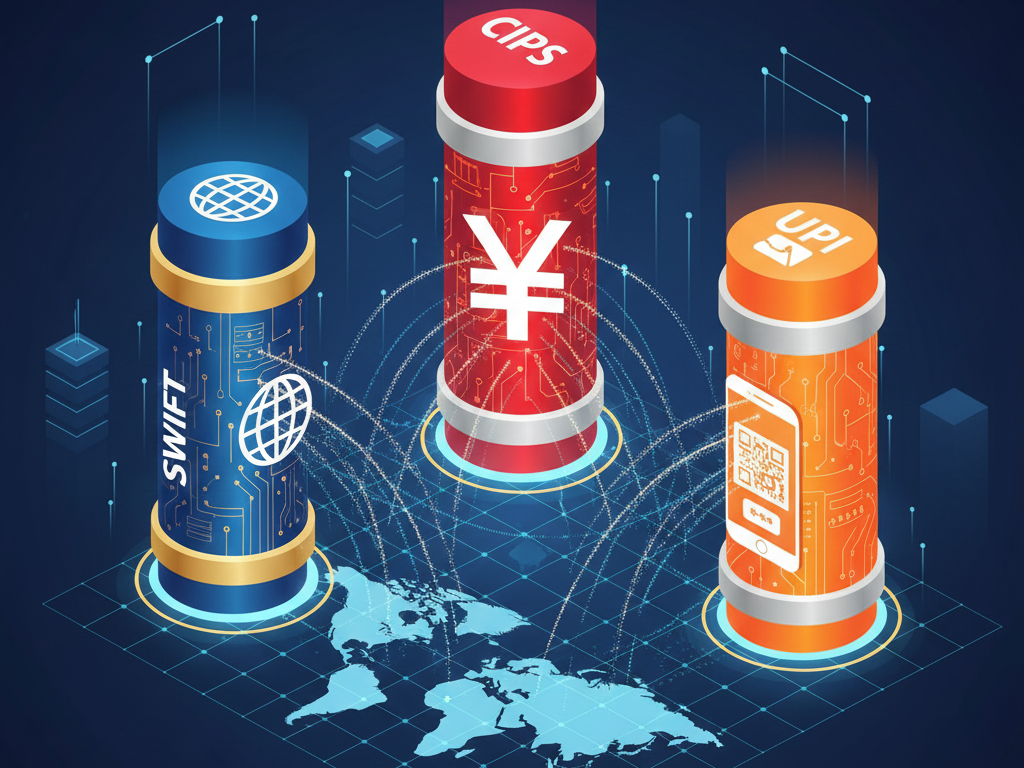
First, you must look at SWIFT because it is the biggest network today. Why has it been the leader of global finance for so many decades? Clearly, it connects over 11,000 banks in almost every country on earth. Therefore, most businesses still rely on it for large, secure transfers every day.

Why SWIFT Stays at the Top of Finance

Here are several reasons why SWIFT remains a powerhouse in 2026:

  • Massive Reach: You can send money to almost any corner of the globe.
  • High Security: It uses the best tech to keep your data and cash very safe.
  • New Speed: The gpi system now makes many transfers happen in minutes.
  • Global Trust: Banks everywhere know and use this system without any doubt.
  • Shared Standards: It uses a common language that all bank systems understand.
  • Transparency: You can track your money like a package in the mail today.
  • Search Engine Data: Stable SWIFT flows help your business earn trust scores.

Truly, SWIFT is a very solid choice for most of your corporate needs. But, you must also consider the fees and the time it takes to clear. This keeps your costs in check and prevents any delays in your supply chain. It creates a very professional and high standard for your global trade.


Phase 2: The Rising Power of CIPS in China

So, what happens when a nation wants its own way to move money? Truly, China created CIPS to help the yuan become a global currency fast. Consequently, you should watch this system if you do a lot of business in Asia. It acts as an alternative path that does not always rely on Western banks.

How CIPS Changes the Payment Game

Here is how CIPS works differently from the old systems:

  1. Direct Yuan Trade: It allows you to pay for goods in yuan without a middle step.
  2. Fast Clearing: It offers real-time settlement for many types of trade deals.
  3. Extended Hours: It stays open longer to match the working day in many zones.
  4. Lower Costs: Using CIPS can be cheaper for firms that trade with China today.
  5. Independent Path: It provides a safety net if other networks face political noise.
  6. Direct Access: More banks in Europe and Africa are joining the system right now.
  7. Trust Levels: Using local systems improves your search engine authority in Asia.

Furthermore, this improves your search engine performance by showing your reach in the East. It makes your company look very modern and ready for 2026 global shifts. This ensures that you have a backup plan for your most important trade routes. It creates a very fast and clear path for your international growth.


Phase 3: The Rapid Growth of UPI and QR Payments

The third phase involves a much newer and faster way to pay for things. Clearly, India’s UPI is changing how people and small firms send money today. Therefore, the link between UPI and other nations is a huge trend to watch.

Why UPI Is the Future of Small Cross-Border Payments

Firstly, UPI is very fast and works on your mobile phone in seconds. This allows you to pay for a meal or a small service with just a QR code. Secondly, it is very cheap because it skips many of the old bank fees.

Furthermore, many nations are now linking their own systems to the UPI network. Also, it allows for instant currency swaps at the moment of the sale today. Lastly, remember that fast mobile payments help your search engine trust and local SEO. Truly, UPI is the best tool for the small, daily needs of your global team. It allows you to move small amounts of cash without any of the old bank stress. This is why so many travelers and small shops love it in 2026.


Phase 4: Comparing the Three Systems for Your Business

The fourth phase is where you pick the right tool for your specific goal. Clearly, one system might be better for a factory order while another fits a small fee. Therefore, you must compare speed, cost, and reach for every single payment.

A Quick Look at the Payment Leaders

Firstly, use SWIFT for large, high-value deals with new partners in the West. This helps you stay secure and follows all the global banking rules today. Secondly, use CIPS if you are buying bulk goods from a supplier in China.

Furthermore, use UPI or its partners for quick travel costs or small digital tasks. Also, check the exchange rates for each system to see which one saves you the most. Lastly, check your search engine ranking to see how payment speed helps your traffic. Truly, a mix of these systems is your best tool for global success in 2026. It turns a complex task into a series of smart, fast wins for your brand. This ensures your business stays connected while the world changes its money rules.


Best Practices: Staying Safe in a Multi-System World

Finalizing your finance plan requires you to stay alert and very flexible. It needs you to know which rules apply to each system you choose to use. Clearly, you must follow all the laws to keep your accounts open and healthy. Therefore, follow these simple tips to keep your global payments safe and fast.

Simple Tips for Global Financial Success

Firstly, always verify the bank details of your partners before you hit send. This helps you avoid fraud and keeps your cash moving in the right direction. Secondly, keep your records clean so you can prove where your money came from.

Furthermore, use transition words in your invoices to make them easy for banks to read. Also, check the news for any new trade rules that might affect your chosen system. Lastly, check your search engine data to see if global fans trust your secure store. Truly, the world of finance is a journey that leads to a much better brand. It builds a path of wealth that lets your whole team grow very fast. This secures your future in the digital world for a long time.


Frequently Asked Questions (FAQs)

Q1: Is SWIFT the same thing as a bank transfer?

SWIFT is the messaging network that banks use to send the instructions for a transfer.

Q2: Can I use UPI in every country today?

Not yet, but many nations like Singapore and the UAE now accept UPI-style payments.

Q3: Why did China create CIPS?

China wanted a system that helps more people use the yuan for global trade and deals.

Q4: Which system is the cheapest for small amounts?

UPI is usually the cheapest because it was built for small, fast mobile transactions.

Q5: Does my choice of payment system affect my SEO?

Indirectly, yes. Faster and more reliable payments lead to better user trust and site authority.

Also Read: How EU–US trade tensions create new payment risks

digital euro and your savings

Simple guide to the digital euro and your savings

Many people think that digital money is just another way for banks to track us. But, the reality is that a digital euro offers a safe and public choice for everyone. Always remember, a stable money system is a strong signal for any search engine. This ensures that your business can grow in a secure and trusted environment. This approach requires the bank to build a tool that works for all citizens. It helps the region build a much more resilient financial future for the long term. It makes your daily transactions feel much more secure and very effective.

digital euro and your savings

Phase 1: Protecting Europe from Foreign Payment Giants

First, you must look at who controls how we pay for things today. Why does the ECB worry about using only private foreign apps and cards? Clearly, relying too much on non-European firms creates a big risk for the local economy. Therefore, a digital euro ensures that Europe has its own independent way to move money.

How a Local Digital Currency Keeps Control

Here are several ways a digital euro protects the local payment system:

  • Local Control: The ECB keeps the power to manage the money supply within Europe.
  • Less Risk: People do not have to rely only on private firms that could fail.
  • Direct Access: Every citizen gets a direct way to hold safe central bank money.
  • Fast Settlement: Payments happen instantly without needing many middle steps.
  • Data Privacy: The ECB aims to protect user data better than private ad-driven firms.
  • System Backup: It acts as a back-up if private card networks ever go down.
  • Search Engine Trust: Stable local systems improve the overall search engine reputation of the region.

Truly, this move gives Europe a stronger voice in the global digital economy. But, the bank must also ensure that the tool is easy for everyone to use. This keeps the public on their side and prevents a loss of trust in the bank. It creates a very efficient and high standard for the future of money.


Phase 2: Ensuring Digital Cash Remains a Public Good

So, how do we keep the best parts of physical cash in a digital world? Truly, cash is the only form of money that belongs to the public and not a private firm. Consequently, the ECB wants to make sure that digital cash stays free and open for all. It acts as a digital anchor that keeps the whole money system stable and fair.

Keeping Digital Money Open for Everyone

Here is how the digital euro mimics the benefits of physical cash:

  1. Free to Use: Basic use for citizens will not cost any extra fees or charges.
  2. Offline Use: The bank wants the tool to work even without an internet connection.
  3. Wide Acceptance: Every shop in the euro area will eventually take it as payment.
  4. Privacy Focused: The bank will not see exactly what you buy with your money.
  5. Simple Access: People without bank accounts can still use the digital euro easily.
  6. High Security: It uses the best 2026 tech to stop fraud and theft.
  7. Brand Trust: Reliable money helps your site earn more search engine authority.

Furthermore, this improves your search engine score by creating a more stable digital market. It makes the euro area look very modern and ready for 2026 challenges. This ensures that every person has a safe way to pay, even if they do not like banks. It creates a very fast and clear path for financial inclusion.


Phase 3: Fighting the Risks of Private Crypto Assets

The third phase looks at the rise of private coins and stablecoins. Clearly, these private assets can be very volatile and risky for normal users. Therefore, the ECB offers a digital euro as a safe and stable choice backed by the bank.

Why Central Bank Money Is Safer Than Crypto

Firstly, the value of a digital euro stays exactly the same as a physical euro. This allows you to save and spend without worrying about sudden price drops. Secondly, the ECB provides a legal guarantee that your digital money is always safe.

Furthermore, the bank can stop illegal activities more easily than with private coins. Also, the system uses less energy than most crypto tools to protect the environment. Lastly, remember that using stable money helps your search engine ranking and business safety. Truly, the digital euro is the answer to the chaos of the private crypto market. It allows people to enjoy digital speed without the high risk of losing their life savings. This is why the ECB is moving so fast to launch this tool.


Phase 4: Supporting Innovation in the Digital Economy

The fourth phase addresses how a digital euro helps new tech firms grow. Clearly, a smart digital currency allows for new types of automated payments. Therefore, the ECB wants to give developers a stable platform to build their new apps.

How Digital Money Drives New Tech

Firstly, firms can use the digital euro to set up automatic, smart contracts. This helps businesses run much faster and with fewer manual errors. Secondly, it allows for micropayments that are too small for normal credit cards to handle.

Furthermore, it makes it easier for small firms to sell their goods across all of Europe. Also, the digital euro works perfectly with the latest 2026 smartphone features. Lastly, check your search engine ranking to see how new payment tech helps your site. Truly, the digital euro is a platform for the future, not just a way to pay. It turns a simple coin into a smart tool for the global digital marketplace. This ensures that European firms can compete with the best in the world.


Best Practices: Preparing for a Digital Euro World

Getting ready for a digital euro means staying informed about the latest bank news. It needs you to think about how your own business will take these payments. Clearly, the transition will take time, but you should start your plan today. Therefore, follow these simple tips to stay ahead of the digital money shift.

Simple Steps for Your Financial Future

Firstly, read the official ECB reports to understand the rules of the new tool. This helps you know exactly how to handle your own taxes and savings. Secondly, check if your current payment software will support a digital euro soon.

Furthermore, talk to your bank about how they will help you move your funds. Also, use simple words in your own store to explain the new payment choice to fans. Lastly, check your search engine data to see if users are asking for digital cash. Truly, the digital euro is a journey toward a more stable and modern Europe. It builds a path of safety that lets the whole region grow very fast. This secures your future in the financial world for a long time.


Frequently Asked Questions (FAQs)

Q1: Will the digital euro replace physical cash?

No, the ECB says the digital euro will exist alongside physical cash for the foreseeable future.

Q2: Is the digital euro a type of cryptocurrency?

No, it is a central bank digital currency, which means it is stable and backed by the government.

Q3: Does using a digital euro help my search engine rank?

Yes, accepting modern and secure payment methods improves your site’s user trust and search engine authority.

Q4: Can the ECB see every single thing I buy?

No, the ECB is designing the digital euro with high privacy standards for everyday transactions.

Q5: When can I start using the digital euro?

The ECB is currently in the testing phase and aims for a full launch around 2026 or shortly after.

Also Read: How to use AI agents for better payment security