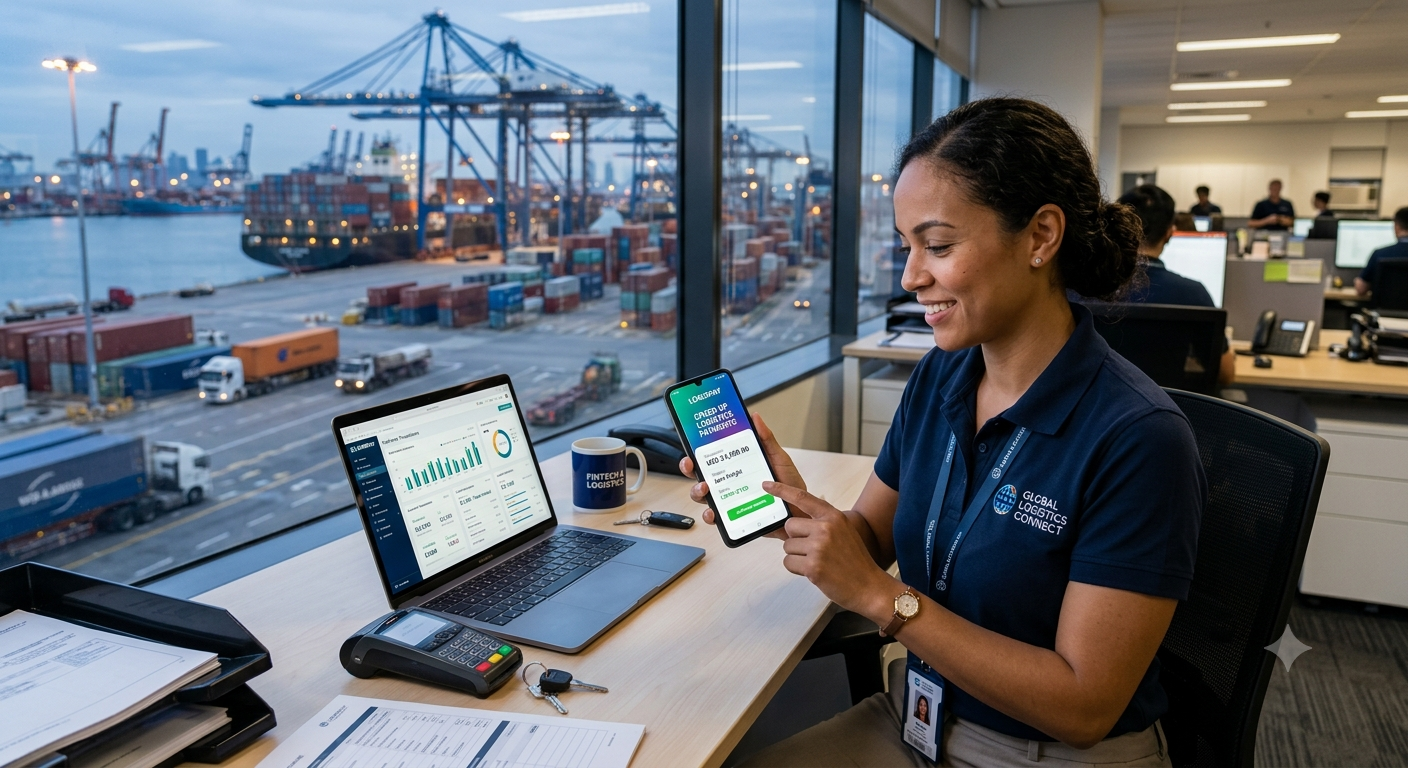
How Does Reliable Payment Tech Drive Gamer Trust

How Does Reliable Payments Tech Drive Gamer Trust? Ultimate Guide

Payments for Gaming Platforms: Handling Microtransactions at Scale

Introduction

Gaming platforms live and die by their payment systems. A single failed transaction can push a player away for good. As games grow, so does the volume of microtransactions. Players buy skins, coins, boosts, and battle passes, often within seconds of deciding to spend. This creates unique pressure on payment infrastructure. Speed, reliability, and security all matter at once. In this guide, we explore how payments for gaming platforms work when microtransactions happen at scale. You will learn what makes gaming payments different, the biggest challenges operators face, and practical steps to build a system that can handle millions of small transactions without breaking down. By the end, you will have a clear framework for evaluating your own payment stack against the demands of modern, high-volume gaming.

What Makes Gaming Microtransactions Different with Payments

Microtransactions are small in value but massive in volume. A single popular game can process millions of purchases each day. Each purchase might be worth only a dollar or two. However, the total transaction count creates real strain on payment systems. Traditional payment setups, built for larger and less frequent purchases, often struggle here.

Speed is another defining factor. Players expect instant delivery after payment. A delay of even a few seconds can feel broken, especially during active gameplay. As a result, payment systems for games must process approvals almost instantly. This is different from e-commerce, where a short delay before shipping confirmation is normal and expected.

Fraud risk also looks different in gaming. Stolen cards are often tested through small in-game purchases before being used for larger crimes elsewhere. Consequently, gaming platforms become an early target for fraud testing. This means fraud detection must work in real time, without slowing down legitimate players.

Finally, global reach adds complexity. Gaming audiences span nearly every country. Each region has different preferred payment methods, currencies, and regulations. A platform built only for credit cards will lose players in markets where mobile wallets or prepaid vouchers dominate.

Player behavior also differs from typical online shopping. Purchases often happen impulsively, driven by in-game moments such as reaching a difficult level or unlocking a limited-time offer. This means checkout friction has an outsized effect on revenue. Every extra step in the payment flow risks losing a sale that would have closed instantly with a smoother process. As a result, gaming platforms tend to invest heavily in one-click or saved-payment experiences that other industries adopt more slowly.

Core Challenges in Scaling Gaming Payments

The first major challenge is transaction cost. Processing fees that seem small on a single purchase add up quickly across millions of microtransactions. Platforms need pricing models that remain profitable even on very small purchase amounts. Otherwise, popular low-cost items can quietly erode margins.

The second challenge is infrastructure load. Payment systems must handle sudden spikes, such as when a new game update launches. Traffic can jump within minutes, and any slowdown directly costs revenue. Therefore, scalable, cloud-based payment infrastructure is essential rather than optional.

Chargebacks present a third challenge. Because microtransactions are low value, some players dispute charges casually, assuming the amount is too small to matter. However, chargeback fees are often flat, regardless of the purchase size. A high volume of small disputes can quickly damage profitability and merchant standing with payment processors.

Regulatory compliance adds a fourth layer of difficulty. Rules around in-game purchases, loot boxes, and payments involving minors vary by country. Some regions require clear spending limits or parental controls. Platforms operating globally must track and apply these rules correctly, or risk fines and platform bans.

Currency handling introduces a fifth challenge that is easy to overlook. Displaying prices in a player’s local currency improves trust and conversion. However, currency conversion also introduces rounding issues and exchange rate risk. Platforms must decide whether to absorb small fluctuations or pass them along, and that decision affects both margins and player perception of fairness.

How to Build a Payments System That Scales

Start with a payment provider built for high transaction volume. Look for partners with proven experience in gaming, not just general e-commerce. These providers understand microtransaction pricing and can offer better rates at scale.

Next, prioritize multiple payment methods from day one. Credit cards remain important, but mobile wallets, carrier billing, and prepaid options often drive higher conversion in specific regions. Offering local payment methods can increase completed purchases significantly, especially in markets where card ownership is low.

Implement real-time fraud detection that uses behavioral signals, not just static rules. For example, a system might flag rapid, repeated small purchases from a new account as suspicious. Modern fraud tools use machine learning to catch these patterns without blocking genuine players. Balance is key here. Overly strict fraud rules frustrate real customers, while weak rules invite abuse.

Additionally, build a smart retry system for failed payments. Many failures happen due to temporary issues, such as a bank’s fraud check or a network hiccup. Automatically retrying a failed charge, with proper safeguards, can recover a meaningful share of lost revenue without extra effort from the player.

Finally, invest in clear reporting and reconciliation tools. At scale, manual tracking of transactions becomes impossible. Automated dashboards that show revenue, chargeback rates, and regional performance help teams spot problems early and react quickly.

It also helps to separate your payment logic from your core game code. Keeping these systems modular means you can update payment providers, add new methods, or adjust pricing without touching gameplay systems. This separation reduces risk and speeds up future changes, since payment teams can iterate independently from game development teams.

Best Practices for Reliability and Trust on Payments

Reliability builds player trust, and trust drives spending. Aim for near-perfect uptime on your payment system, since even brief outages during peak hours can cause significant revenue loss and player frustration.

Transparency also matters greatly. Clearly show players what they are buying and the exact price before confirming. Hidden fees or confusing currency conversions create frustration and increase support tickets. Similarly, send instant purchase confirmations so players know their transaction succeeded.

Security should never be an afterthought. Use tokenization to avoid storing raw card data directly. This reduces your compliance burden and protects players if a breach ever occurs elsewhere in your systems. Regular security audits are equally important, especially as your platform integrates new payment partners over time.

Consider offering spending controls, particularly for platforms with younger audiences. Features like daily spending caps or parental approval steps build long-term trust with both players and regulators. This proactive approach can also reduce chargeback disputes tied to unauthorized purchases by minors.

Lastly, monitor performance across regions separately. A payment method that works well in one country may perform poorly elsewhere. Regular regional reviews help you adjust your payment mix and maintain strong conversion rates everywhere you operate.

It is also wise to run periodic load tests that simulate peak traffic before major releases. Simulated stress testing reveals weak points in your payment stack while the stakes are still low. Fixing a bottleneck during a test costs far less, in both money and reputation, than discovering it during a live launch with thousands of players trying to spend at once.

How Does Reliable Payment Tech Drive Gamer Trust

Conclusion

Handling microtransactions at scale requires more than a standard payment setup. Gaming platforms need speed, global payment options, strong fraud protection, and reliable infrastructure working together. By choosing the right partners and building smart, automated systems, you can support massive transaction volumes without sacrificing player trust. As your platform grows, these foundations will keep payments smooth, secure, and profitable. Build your authority with Digital Payment Guru and turn your payment infrastructure into a genuine competitive advantage.

Frequently Asked Questions

1. What is a microtransaction in gaming?

A microtransaction is a small in-game purchase, such as buying virtual currency, cosmetic items, or extra content, usually for a low price.

2. Why do gaming platforms face more fraud attempts than other industries?

Stolen payment cards are often tested through small gaming purchases before being used elsewhere, making games an early fraud target.

3. How can gaming platforms reduce chargeback rates?

Clear pricing, instant confirmations, and spending controls all help reduce disputes caused by confusion or unauthorized purchases.

4. Do gaming platforms need to support multiple payment methods?

Yes. Supporting local wallets, carrier billing, and prepaid options improves conversion rates in regions with low card ownership.

5. What role does infrastructure play in payment scalability?

Cloud-based, scalable infrastructure ensures payment systems handle sudden traffic spikes, such as new game launches, without downtime.

Also Read:

How Do SaaS Leaders Plan Payment Strategies? Ultimate Guide

How Do EdTech Start-ups Simplify Payments? Ultimate Guide

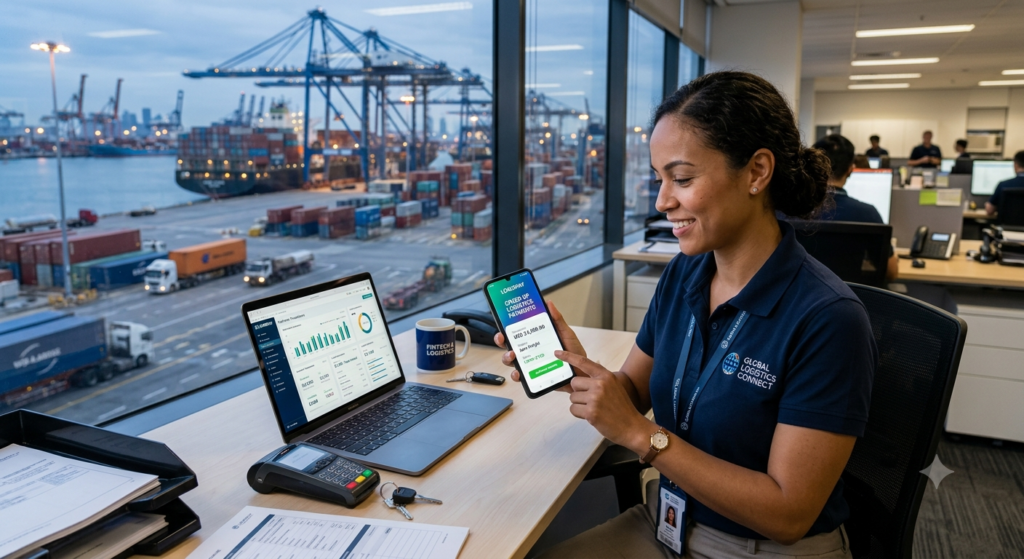
How Does Fintech Speed Up Logistics Payments

How Does Fintech Speed Up Logistics Payments? Ultimate Guide

Fintech for Logistics & Supply Chain Payments

Moving goods across the world is only half the challenge. Moving money through the supply chain is often harder. Fintech for logistics is solving this problem in ways that seemed impossible just a few years ago. Payments that once took weeks now settle in days or even hours.

Supply chains involve many players. Shippers, carriers, warehouses, and vendors all need to get paid on time. Delays anywhere in that chain create ripple effects everywhere else. This is where fintech for logistics steps in, connecting payment systems directly to operational data.

This article explains why traditional payment methods struggle in logistics, how fintech solves those problems, and what benefits businesses can expect. Let us explore the details.

Why Traditional Payments Struggle In Logistics

Logistics has always run on tight margins and tighter timelines. Traditional banking systems were never built for this pace.

Paper invoices still exist in many supply chains today. Someone has to manually match invoices to shipments. Errors happen often, and disputes take days to resolve. Meanwhile, carriers wait for payment while covering fuel and driver costs upfront.

Cross-border transactions add another layer of complexity. Currency conversion, compliance checks, and banking hours vary by country. As a result, international shipments often face payment delays that have nothing to do with the goods themselves. This creates cash flow pressure across the entire chain.

Small carriers and independent truckers feel this pain the most. Waiting thirty or sixty days for payment can strain their operations badly. Consequently, many either raise prices or refuse certain jobs altogether. This limits capacity precisely when demand is highest.

Traditional systems also lack visibility. Finance teams often cannot see where a payment sits in the approval process. This lack of transparency leads to frustration on both sides of every transaction. Fintech for logistics directly addresses each of these pain points.

How Fintech For Logistics Solves Payment Problems

Fintech for logistics connects payment platforms directly to shipment and tracking data. Payments trigger automatically once delivery is confirmed.

This automation removes much of the manual work involved in invoice matching. Systems verify delivery status instantly using GPS and digital proof of delivery. Therefore, payments release faster with fewer disputes and less paperwork.

Real-time payment rails also play a major role. Instead of waiting for traditional bank transfers, funds move within hours through modern payment networks. Additionally, some platforms offer instant factoring, letting carriers get paid immediately for a small fee. This flexibility helps smaller operators manage cash flow more predictably.

Cross-border payments benefit significantly from fintech innovation too. Digital platforms handle currency conversion and compliance checks automatically. This reduces the delays that once made international logistics payments so frustrating. Similarly, built-in fraud detection protects both shippers and carriers from costly errors.

Data visibility improves dramatically as well. Finance teams can track every payment in real time through a single dashboard. They see exactly where funds are in the process at any given moment. This transparency builds trust between all parties involved in the transaction.

Key Benefits For Businesses Across The Supply Chain

Faster payments create advantages that extend well beyond simple convenience. The impact touches nearly every part of a logistics operation.

Improved cash flow tops the list for most companies. Carriers can accept more jobs when they are not waiting weeks for payment. Shippers benefit from stronger, more reliable carrier relationships as a result. Everyone in the chain operates with less financial stress.

Cost savings follow closely behind. Automated systems reduce the manual labor needed for invoice processing and reconciliation. Fewer errors mean fewer costly disputes and less time spent on corrections. Over time, these savings add up significantly for large operations.

Stronger partnerships also emerge from reliable, fast payments. Vendors and carriers prefer working with companies that pay consistently and quickly. This reputation can become a genuine competitive advantage in a tight labor market. Businesses that pay reliably often get priority access to capacity during peak seasons.

Better data also supports smarter decision-making. Finance leaders gain clear visibility into spending patterns across routes, vendors, and regions. This information helps identify cost-saving opportunities that were previously hidden in disconnected systems. Consequently, companies can negotiate better rates using real payment history as leverage.

Risk management improves too. Fintech platforms often include built-in fraud detection and compliance monitoring. This protects businesses from payment fraud, which remains a persistent risk in complex global supply chains.

Choosing The Right Fintech Partner For Logistics

Not every fintech platform fits every logistics business. Choosing the right partner requires careful evaluation.

Start by examining integration capabilities. The platform should connect easily with your existing transportation management and accounting systems. Poor integration creates new manual work instead of removing it. Therefore, this should be a top priority during evaluation.

Next, consider payment speed and flexibility. Look for platforms offering multiple payout options, including instant transfers for time-sensitive situations. Additionally, check whether the platform supports the currencies and regions relevant to your operations.

Security and compliance also deserve close attention. Verify that the provider follows strong data protection standards and relevant financial regulations. This matters even more for companies handling cross-border transactions regularly.

Finally, evaluate customer support and onboarding quality. A platform with excellent technology but poor support can slow your transition significantly. Ask potential partners about implementation timelines and available training resources before committing.

Working with experienced experts can simplify this decision considerably. Build your authority with Digital Payment Guru and modernize your logistics payment infrastructure with confidence.

How Does Fintech Speed Up Logistics Payments

Conclusion

Fintech for logistics is reshaping how money moves through global supply chains. Faster payments, better visibility, and stronger partnerships are no longer optional advantages. They are becoming baseline expectations across the industry.

Companies that adopt these tools early gain real operational advantages. They build stronger carrier relationships and reduce costly payment friction. Meanwhile, those relying on outdated systems risk falling behind competitors who move faster and pay smarter.

The shift toward digital, automated logistics payments will only accelerate. Businesses that prepare now will be ready to lead their markets tomorrow.

Frequently Asked Questions

1. What is fintech for logistics? Fintech for logistics refers to digital financial tools that automate and speed up payments across shipping, freight, and supply chain operations.

2. How does fintech reduce payment delays in supply chains? It connects payments directly to shipment and delivery data, triggering automatic transfers once delivery is confirmed instead of manual processing.

3. Is fintech for logistics useful for small carriers? Yes. Instant payment and factoring options help small carriers maintain healthy cash flow without waiting weeks for standard payment cycles.

4. Does fintech for logistics help with international payments? Yes. It automates currency conversion and compliance checks, reducing delays common in cross-border logistics transactions.

5. How do I choose the right fintech platform for my logistics business? Evaluate integration ease, payment speed, security standards, and customer support before selecting a fintech partner for your supply chain.

Also Read:

How Do EdTech Start-ups Simplify Payments? Ultimate Guide

How Is Creator Infrastructure Built Today? Complete Guide

Data Residency vs Data Mobility: A Growing Conflict in Payments

How Do You Balance Data Mobility & Safety? Ultimate Guide

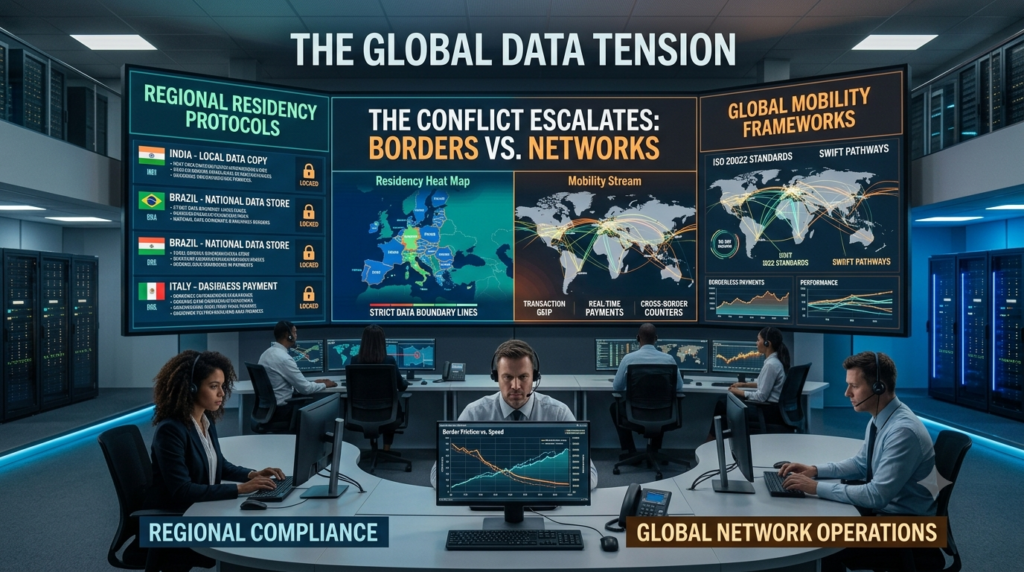
Data Residency vs Data Mobility: A Growing Conflict in Payments

Introduction

Payment companies move money across borders every second. However, data does not always move as freely as the transactions it supports. This is where data residency vs data mobility becomes a real challenge.

Data residency laws require certain information to stay within a country’s borders. Data mobility, on the other hand, pushes for fast, flexible movement of data across systems and regions. These two forces often pull payment companies in opposite directions.

This article explains what each concept means, why the conflict is growing, and how payment businesses can manage both without slowing down growth. Whether you lead compliance, technology, or product strategy, understanding this balance is essential.

By the end of this guide, you will have a clearer picture of the trade-offs involved. You will also walk away with practical steps for aligning compliance goals with operational speed.

What Data Residency Really Means for Payments

Data residency refers to laws that require data to be stored within a specific country or region. Many governments created these rules to protect citizen privacy and financial stability.

For payment companies, this often means customer transaction data must stay on local servers. Countries like India, Russia, and several EU nations enforce strict residency requirements. Non-compliance can lead to heavy fines or loss of operating licenses.

These rules exist for good reasons. Governments want control over sensitive financial data. They also want faster access during audits or investigations. As a result, residency requirements continue to expand across new markets.

However, strict residency rules create real operational challenges. Payment companies must build separate data infrastructure in each region. This increases both cost and complexity significantly.

Enforcement is also becoming stricter. Regulators now conduct more frequent audits and demand faster proof of compliance. Companies that once treated residency as a checkbox item now face real operational scrutiny.

Smaller fintech firms often feel this pressure most. Limited budgets make it harder to stand up local infrastructure in every market. As a result, expansion plans sometimes stall over residency requirements alone.

Cloud providers have responded by expanding regional data centers. Major platforms now offer local storage options in dozens of countries. This makes compliance easier, though costs still rise with each new region added.

Contracts with local banking partners often add another residency layer. Many agreements require certain transaction records to remain in-country for a set retention period, adding further storage obligations beyond the core payment data itself.

Even record deletion falls under these rules in many regions. Some laws dictate not just where data lives, but how long it must be kept and when it must be permanently erased.

Some jurisdictions also require a local data protection officer. This adds a staffing requirement on top of the technical infrastructure needed to satisfy residency laws.

Why Data Mobility Matters for Global Payment Systems

Data mobility allows information to move freely between systems, clouds, and countries. This flexibility supports faster fraud detection, better analytics, and smoother customer experiences.

Global payment providers rely on mobility to process transactions in real time. For example, a purchase made in Singapore might require instant verification through a system hosted elsewhere. Mobility makes this possible.

Without data mobility, companies struggle to build unified fraud models. Local-only data limits visibility into cross-border patterns. Consequently, fraud detection becomes slower and less accurate.

Mobility also supports innovation. Centralized data lets teams build better machine learning models. These models improve risk scoring, personalization, and customer support across every market a company serves.

Operational efficiency improves too. When teams access a single, unified dataset, they avoid duplicate systems and conflicting reports. This saves both time and engineering resources across the organization.

Customer experience benefits directly from mobility as well. Shoppers expect fast checkouts regardless of where they are located. Restricting data flow can introduce delays that frustrate users and increase cart abandonment.

Mobility also enables better disaster recovery. When data can move between regions, companies can shift processing during outages without interrupting service. This resilience becomes critical during peak shopping periods or system failures.

Partnership opportunities expand with mobility too. Payment companies often integrate with global partners for fraud scoring or currency conversion. These integrations depend on data flowing smoothly between systems in different countries.

Where Data Residency vs Data Mobility Creates Conflict

The tension between these two priorities shows up clearly in cross-border payments. A transaction may involve banks in three different countries, each with its own residency rules.

Meanwhile, fraud detection systems need access to global data patterns to work effectively. Restricting data to one country limits how well these systems can identify emerging threats.

This conflict also affects vendor selection. Cloud providers must offer local data centers in every region where a company operates. This adds cost and complicates system architecture.

Regulatory differences make things harder still. Rules in one country may directly contradict expectations in another. Payment companies must navigate this patchwork carefully to avoid compliance failures.

Technology architecture often becomes a bottleneck too. Legacy systems built for a single region rarely support distributed storage well. Rebuilding this infrastructure takes time, money, and careful coordination across teams.

Legal teams and engineering teams sometimes work in isolation, which makes this conflict worse. Without close collaboration, technical solutions may satisfy engineers but still fail to meet legal requirements.

Merger and acquisition activity adds even more complexity. Combining payment platforms across borders often means reconciling two different residency approaches at once, which can delay integration timelines significantly.

Customer trust sits at the center of this conflict too. Users want fast service, but they also want assurance that their financial data stays protected under local law. Balancing both expectations requires careful communication.

How Payment Companies Can Balance Both Priorities

Smart payment companies use hybrid data architecture to manage this conflict. Sensitive personal data stays local, while anonymized or aggregated data moves freely for analytics.

Data localization tools also help. These systems automatically route data storage based on regional requirements. This reduces manual work and lowers compliance risk significantly.

Strong governance frameworks matter too. Clear policies define what data can move, where it can go, and who approves exceptions. This creates consistency across global teams.

Finally, partnering with experienced compliance and payments advisors helps companies stay ahead of changing regulations. Proactive planning is far cheaper than reactive fixes after a violation occurs.

Regular scenario planning also helps. Simulating new regulatory changes before they happen lets teams prepare infrastructure and processes in advance, rather than scrambling once a law takes effect.

Cross-team training closes remaining gaps. When legal, engineering, and compliance staff understand each other’s priorities, decisions move faster and mistakes become far less common across the organization.

Investing in flexible cloud architecture pays off long term. Modular systems that can add or remove regional storage without a full rebuild give companies room to expand into new markets confidently.

Documentation also matters more than most teams expect. Clear records of where data lives and why make audits faster and reduce the risk of accidental violations during rapid growth periods.

Data Residency vs Data Mobility: A Growing Conflict in Payments

Conclusion

Data residency vs data mobility is not a problem that disappears anytime soon. As regulations tighten and payment volumes grow, this conflict will only become more visible.

Companies that plan ahead, invest in flexible infrastructure, and build strong governance frameworks will manage this balance successfully. Those that ignore it risk fines, delays, and lost customer trust.

The businesses that thrive treat compliance as a design principle, not an afterthought. Building flexibility into systems from day one costs far less than retrofitting it after a regulatory violation.

As global commerce keeps expanding, this balance will shape which payment providers win customer trust. Firms that master it now will find themselves ready for whatever regulators introduce next.

Payments leaders who want to navigate this landscape with confidence need trusted guidance. Build your authority with Digital Payment Guru and turn regulatory complexity into a competitive advantage.

Frequently Asked Questions

1. What is the difference between data residency and data mobility?

Data residency requires information to stay within a specific country. Data mobility allows information to move freely across systems and borders for faster processing and analysis.

2. Why is data residency important in payments?

Data residency protects sensitive financial information and gives governments oversight during audits. It also helps countries maintain control over citizen data and financial stability.

3. How does data mobility improve fraud detection?

Data mobility lets fraud systems analyze patterns across multiple regions. This wider view helps detect threats faster than systems limited to local data alone.

4. Can payment companies comply with both data residency and mobility rules?

Yes. Many companies use hybrid architecture, keeping sensitive data local while moving anonymized data freely for analytics and fraud prevention.

5. What happens if a payment company violates data residency laws?

Violations can lead to heavy fines, license suspension, or loss of market access. Regulators in many countries actively enforce these residency requirements.

Also Read:

How to Handle Real-Time Payment Rules? Complete Guide

How Financial Regulations in India Shape Fintech Growth?


The Quantum Threat: Why Payment Security Must Evolve Today

The Quantum Threat: Why Payment Security Must Evolve Today

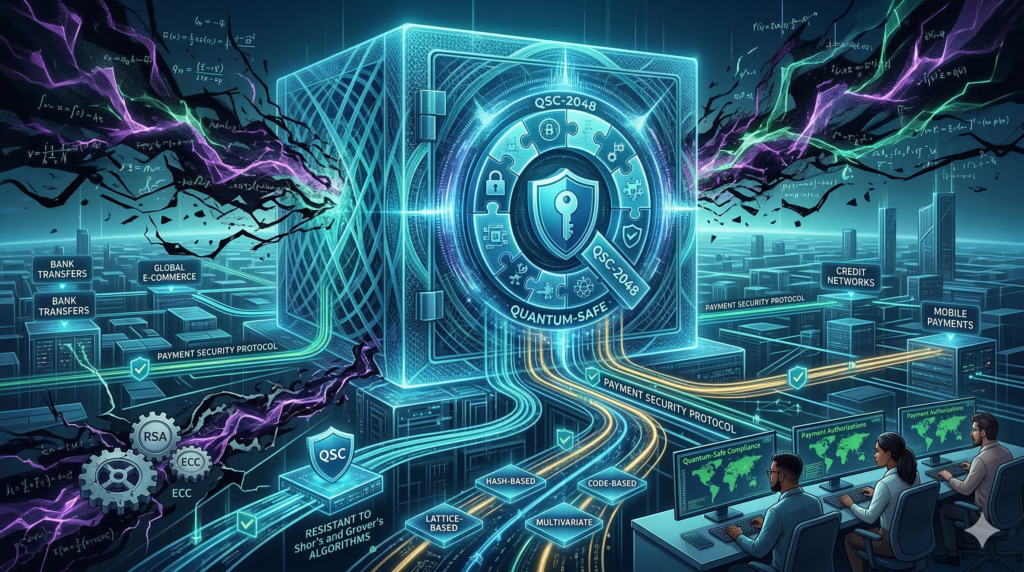
The rapid development of quantum computers creates a massive risk for global finance. Currently, most banks use encryption like RSA, which relies on math that is too hard for normal computers to solve. However, a quantum machine can crack these codes in just minutes. This is why we must adopt quantum-safe cryptography to protect payment security before these machines become common. Because the entire digital economy relies on trust, a single breach could cause a global collapse. Therefore, the race to secure our financial data is already moving at full speed.


The Rising Threat to Digital Money

A quantum computer does not work like a laptop. It uses qubits, which allow it to try millions of paths at the exact same time. This speed means that hackers could soon bypass the walls that keep our money safe. If we do not upgrade our systems, payment security will become a thing of the past. The threat is not just in the future; it is happening now through “harvesting” attacks.

Criminals are currently stealing locked data with the plan to open it later. They know that once they have a quantum machine, they can unlock years of old bank records. Consequently, we cannot wait for the technology to arrive. We must strengthen payment security today to prevent these future leaks. This proactive shift is the only way to maintain long-term consumer confidence.

The Quantum Threat: Why Payment Security Must Evolve Today

What is Quantum-Safe Technology?

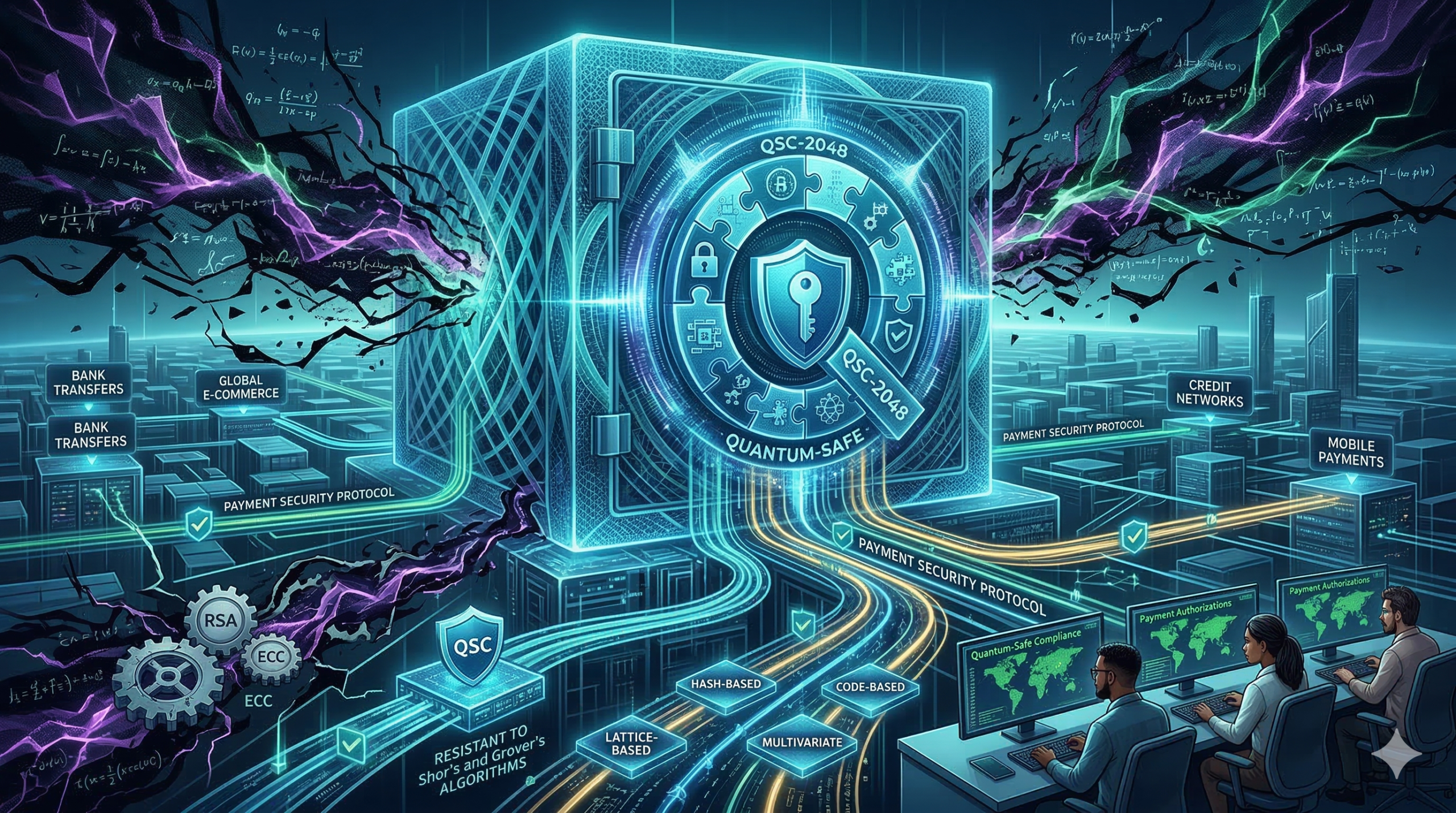
Quantum-safe math is designed to be so complex that even a quantum brain cannot find the answer. It uses different geometric and algebraic structures that do not have “shortcuts” for quantum algorithms. By moving to these new methods, we ensure that payment security remains intact for decades to come.

There are three main types of math that experts are testing right now:

  • Lattice-based Math: This hides data in a massive, multi-dimensional grid of points.
  • Code-based Math: This uses the science of error-correction to scramble and lock sensitive files.
  • Hash-based Signatures: This creates a digital “fingerprint” that is almost impossible to replicate or forge.

Building a Resilient Financial Future

The move to new standards is a major task for the world’s banks. It requires a concept called “crypto-agility.” This allows a bank to update its code without needing to rebuild its entire software suite. When a system is agile, it can adopt new payment security tools as soon as they are ready. This flexibility is vital because the hackers will never stop looking for new ways to get in.

Furthermore, global groups like NIST are already picking the best math to use. Banks must follow these standards to ensure they can talk to each other safely. If one bank uses old math while another uses new math, the system breaks. Thus, unity in payment security is just as important as the technology itself. We must work together to build a wall that no computer can climb.


Conclusion

The future of our economy depends on how we handle the quantum threat. By focusing on payment security now, we can stop the “cryptographic apocalypse” before it starts. It is a slow and difficult journey, but it is necessary for a safe digital world. Companies that lead this change will be the ones that people trust with their money. Ultimately, payment security is the foundation upon which the next century of trade will be built.


Frequently Asked Questions

1. Is my bank account at risk right now?

No, powerful quantum computers do not exist yet. However, we need to upgrade now to stay safe in the future.

2. What does “Harvest Now, Decrypt Later” mean?

It means hackers steal your locked data today so they can open it in a few years with a quantum machine.

3. Will new security make my payments slower?

Some new math is slower, but experts are picking the fastest ones to keep your experience smooth.

4. Can a normal computer run quantum-safe security?

Yes, these new rules are designed to run on the phones and laptops we use today.

5. How does this affect global payment security standards?

It forces every bank to move to a new, shared language of math that quantum machines cannot understand.


Read More:

Why Europe Now Dictates Global Payment Standards?

How the new digital payments landscape is ending US dollar dominance?

Why a global UPI network is the new South-South trade rail?

Â