How to Stop Payment Latency From Hurting Revenue

How to Stop Payment Latency From Hurting Revenue

Every second counts in financial transactions. Slow payments frustrate customers, delay cash flow, and drive revenue losses. Reducing payment latency is no longer just a technical concern. It is a core business strategy. Companies that process payments faster gain a clear advantage. They close more sales, keep more customers, and manage cash more effectively. This guide explains what payment latency is, why it matters, and what businesses can do about it.

What Is Payment Latency and Why Does It Matter?

Payment latency refers to the time delay between when a payment is initiated and when it is confirmed or settled. In simple terms, it is the wait time in a transaction. This delay can happen at multiple points in the payment process.

For consumers, latency means waiting for a payment to go through. For businesses, it means waiting for funds to appear in their accounts. Additionally, long wait times at checkout can cause customers to abandon their purchases entirely.

Studies show that even minor delays in payment processing affect conversion rates. A one-second delay in checkout can reduce conversions by up to 7 percent. Therefore, payment speed directly ties to revenue performance. Businesses that ignore latency risks are quietly losing money.

How to Stop Payment Latency From Hurting Revenue

How Payment Latency Affects Customer Experience

Customer experience is shaped by convenience and speed. When payments are fast and seamless, customers feel confident. When payments are slow or fail, frustration sets in quickly.

Slow checkouts are one of the top reasons for cart abandonment in e-commerce. Customers expect instant results. If a payment takes too long to process, they may assume something went wrong. As a result, they cancel the transaction or go elsewhere.

Loyalty is also affected. A customer who experiences repeated payment delays is unlikely to return. In contrast, businesses that offer fast, frictionless payment experiences see higher repeat purchase rates. Furthermore, positive payment experiences drive word-of-mouth referrals, which are among the most valuable forms of marketing.

Mobile payments have raised expectations even higher. Users expect tap-to-pay to work instantly. Any lag feels like a system failure. Consequently, reducing latency in mobile payment channels is now a priority for businesses serving digital-first customers.

The Revenue Cost of Slow Payment Processing

Payment latency has a direct and measurable impact on revenue. First, it causes transaction failures. When processing takes too long, session timeouts occur. Customers are forced to re-enter payment details, and many do not bother.

Second, delayed settlement affects cash flow. When funds take days to appear in a business account, that business cannot invest or operate as efficiently. Small businesses are especially vulnerable. Slow settlement can mean delayed payroll, missed supplier payments, or missed investment opportunities.

Third, high latency increases the cost of payment operations. When transactions fail or require manual review, staff time and resources are consumed. Moreover, failed transactions often lead to customer service calls, increasing operational costs further.

Real-time payment systems solve many of these problems. They settle transactions in seconds rather than days. Businesses gain access to funds immediately, which improves their financial agility. Similarly, customers receive instant confirmation, which builds trust and encourages repeat business.

Technology Solutions for Reducing Payment Latency

Several modern technologies help businesses reduce payment latency significantly. Understanding these options helps companies choose the right approach for their needs.

Real-Time Gross Settlement systems, or RTGS, allow large-value payments to be settled instantly. Many central banks now offer real-time payment rails that businesses can access through their banking partners. These systems eliminate the batch processing delays common in traditional banking.

Application Programming Interfaces, or APIs, also play a key role. Payment APIs connect merchants directly to payment networks, reducing intermediary steps. Fewer intermediaries mean fewer points of delay. Additionally, API-based payment systems are easier to update and optimize.

Tokenization speeds up recurring payments. It replaces sensitive card data with a unique identifier. When a returning customer pays, the system uses the stored token instead of asking for card details again. Consequently, checkout is faster and more secure.

Edge computing brings data processing closer to the end user. Instead of sending payment data to a central server far away, edge computing processes it locally. This dramatically reduces the time it takes to complete a transaction.

The Role of Fintech in Payment Speed

Fintech companies are pushing the boundaries of what is possible in payment processing. They build solutions specifically designed to eliminate friction and reduce latency. Many traditional banks have partnered with fintechs to modernize their payment infrastructure.

Buy Now Pay Later platforms, digital wallets, and instant bank transfers are all fintech innovations that prioritize speed. Furthermore, blockchain-based payment systems offer near-instant cross-border settlement without the traditional three-to-five day wait.

For merchants, choosing the right payment processor is critical. Not all processors are equal in speed or reliability. Some prioritize throughput and real-time settlement. Others are built for high transaction volumes but sacrifice speed. Therefore, businesses should evaluate processors based on their specific revenue and cash flow needs.

Payment orchestration platforms are another emerging solution. They route transactions through the best available payment gateway based on speed, cost, and success rate. This reduces latency without requiring businesses to manage multiple payment integrations themselves.

Best Practices to Reduce Payment Latency

Reducing payment latency requires both technology and process improvements. Here are the most effective strategies businesses use today.

First, upgrade payment infrastructure. Legacy systems are often the biggest source of latency. Moving to modern, cloud-based payment platforms reduces delays significantly. Additionally, cloud systems are more scalable and easier to maintain.

Second, minimize payment steps. Every extra step in the checkout process adds time and increases drop-off risk. Streamline the payment flow by reducing required fields and offering one-click payment options for returning customers.

Third, use intelligent payment routing. Route transactions through the fastest and most reliable gateway available. Payment orchestration tools do this automatically. As a result, merchants see higher approval rates and lower failure rates.

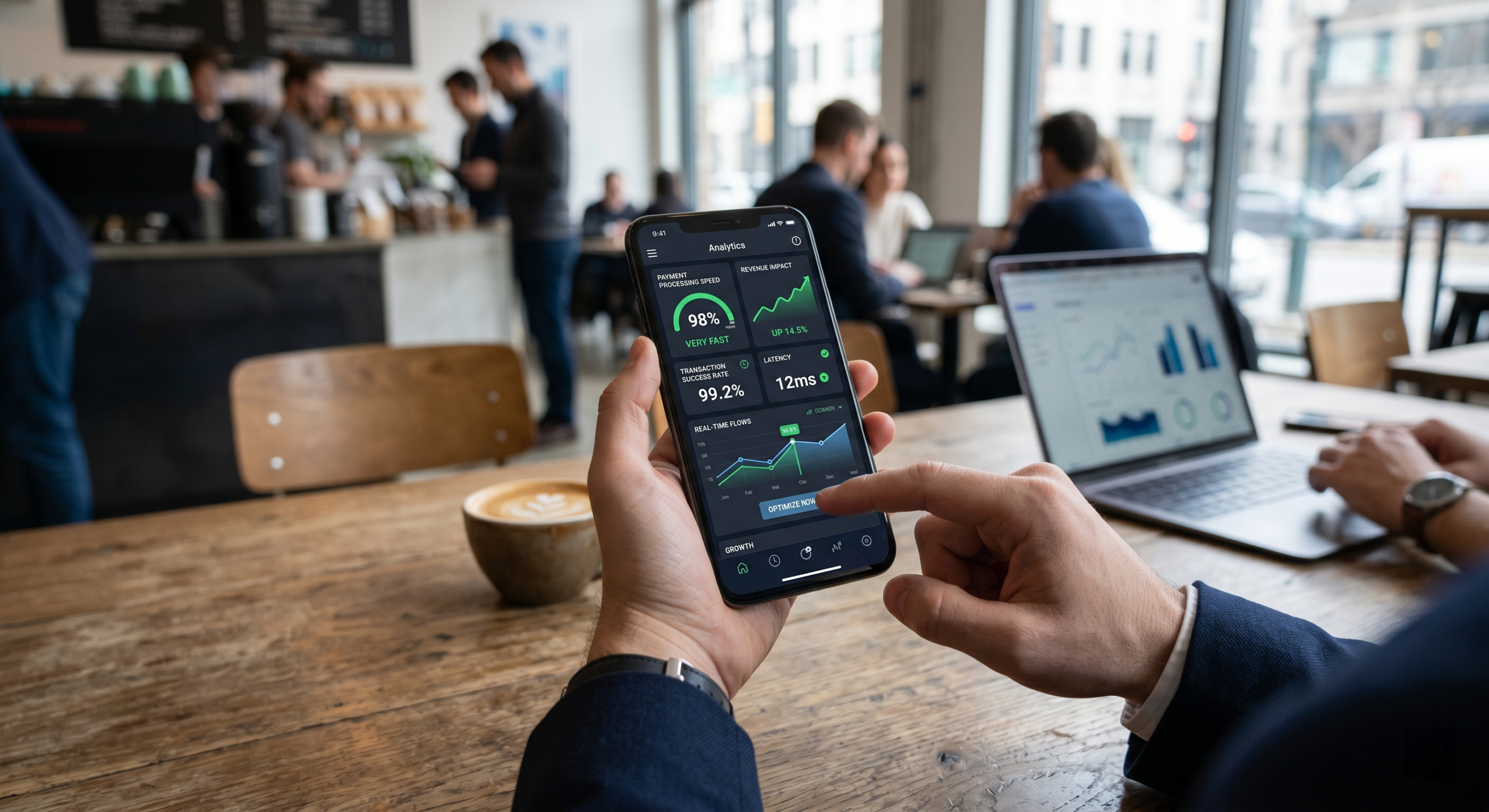
Fourth, monitor transaction performance continuously. Use analytics to track payment processing times, failure rates, and bottlenecks. When issues appear, address them immediately. Furthermore, regular performance audits help businesses stay ahead of latency problems before they affect revenue.

Fifth, offer multiple payment methods. Different payment methods have different processing speeds. Giving customers options ensures they can choose the fastest path to completion.

Conclusion

Payment speed is a revenue driver, not just a technical metric. Reducing payment latency improves customer experience, boosts conversion rates, and strengthens cash flow. The technology to achieve this is widely available and increasingly affordable. Businesses that invest in faster payment systems gain a real competitive edge. The cost of inaction is clear: slower payments mean fewer completed transactions, frustrated customers, and lost revenue. Act now to make payment speed a strategic priority.

Frequently Asked Questions

  1. What causes payment latency in businesses?
    Payment latency is caused by factors such as legacy payment systems, multiple intermediaries in the transaction chain, network delays, batch processing schedules, and insufficient payment infrastructure.
  2. How does payment latency affect e-commerce revenue?
    Slow payment processing leads to cart abandonment, transaction failures, and poor customer experience, all of which directly reduce e-commerce sales and long-term customer retention.
  3. What is real-time payment processing?
    Real-time payment processing refers to transaction systems that initiate, authorize, and settle payments within seconds, giving both businesses and customers instant confirmation of completed transfers.
  4. Which technologies best reduce payment latency?
    Real-time payment rails, payment APIs, tokenization, edge computing, and payment orchestration platforms are among the most effective technologies for reducing payment processing delays.
  5. How can small businesses reduce payment latency on a limited budget?
    Small businesses can start by choosing a modern payment processor with fast settlement times, simplifying their checkout process, and using digital wallets or mobile payment options that are built for speed.

Read More:

Conversion Rate Secrets Hidden in Payment Methods

Which Checkout Type Converts Better for Online Stores

Payment UX Audit Checklist for Better Results

Conversion Rate Secrets Hidden in Payment Methods

Conversion Rate Secrets Hidden in Payment Methods

The checkout page is where purchases happen or fall apart. Many businesses invest heavily in marketing and website design. Yet they overlook one of the most critical conversion factors: payment methods.

The way customers pay has a direct impact on whether they complete a purchase. Offering the right payment options reduces friction and builds trust. The wrong options drive customers away at the last moment.

This blog explores how payment methods influence conversion rates across different industries and what businesses can do about it.

Conversion Rate Secrets Hidden in Payment Methods

The Psychology Behind Payment Preferences

Customers are creatures of habit. They prefer to pay in ways they already trust and understand. Introducing unfamiliar checkout experiences creates hesitation.

Studies consistently show that cart abandonment rates spike when preferred payment options are unavailable. Globally, around 70 percent of online shopping carts are abandoned. Payment-related issues account for a significant portion of this.

Trust plays a huge role in payment psychology. Familiar logos like Visa, Mastercard, PayPal, and Apple Pay signal security instantly. Customers feel safer completing transactions when they recognize the payment tools.

Furthermore, perceived risk drops when customers use payment methods that offer buyer protection. PayPal and credit cards offer dispute resolution. This reassurance pushes hesitant buyers to complete their orders.

In contrast, unfamiliar or overly complex payment processes increase perceived risk. Customers may question whether the site is legitimate. As a result, they abandon the cart rather than take the chance.

Payment Methods and Conversion Rates by Industry

Different industries have very different payment preferences. Understanding these differences helps businesses align their checkout experience with customer expectations.

In ecommerce and retail, credit cards and digital wallets dominate. Platforms that offer one-click checkout through Apple Pay or Google Pay see significant conversion lifts. The speed and convenience match the impulse-driven nature of online shopping.

Buy Now Pay Later options like Klarna and Afterpay have transformed retail conversions. Customers who cannot afford full upfront costs can split payments over time. This approach dramatically increases average order value and reduces checkout abandonment.

In the travel industry, payment flexibility is essential. Large booking amounts create hesitation. Airlines and hotels that offer installment payments or travel-specific credit card options see better conversion rates.

For subscription businesses, recurring billing options and stored payment credentials are critical. Frictionless renewal processes reduce churn and keep conversion rates high over time.

Additionally, B2B transactions often require invoicing, bank transfers, or purchase order options. B2B buyers rarely use personal credit cards for large purchases. Businesses that offer ACH transfers and invoice-based billing convert more enterprise clients.

Healthcare payments present unique challenges. Patients are sensitive about costs and privacy. Providers that offer flexible payment plans and transparent billing convert patients from interest to treatment more effectively.

Mobile Payments and Checkout Conversion Rates

Mobile commerce continues to grow rapidly. More than 60 percent of ecommerce traffic now comes from mobile devices. However, mobile conversion rates still lag behind desktop in many industries.

The gap exists largely because of payment friction. Typing credit card numbers on small screens is tedious and error-prone. Customers give up when the process feels too difficult.

Mobile wallets solve this problem. Apple Pay, Google Pay, and Samsung Pay allow customers to complete purchases with a single tap. Consequently, businesses that enable these options see measurable improvement in mobile conversion rates.

Moreover, biometric authentication through fingerprint or face recognition adds both speed and security. Customers trust the process more because it feels modern and protected.

Progressive web apps and optimized checkout flows also contribute. Reducing the number of steps to complete a payment lowers drop-off rates. Each extra click or form field represents a potential exit point.

Therefore, mobile payment optimization is not optional. It is essential for any business that wants to capture the growing mobile shopping audience.

How Payment Friction Damages Conversion Rates

Payment friction is any obstacle that slows down or complicates the checkout process. It is one of the leading causes of conversion loss across all industries.

Common sources of payment friction include requiring account creation before checkout, limited payment options, slow payment processing pages, unclear security signals, and complicated form layouts.

Guest checkout options remove one of the largest barriers. Forcing customers to create an account before paying results in significant drop-off. Similarly, long forms with many required fields increase frustration.

Security indicators matter enormously. SSL certificates, padlock icons, and recognizable payment logos reassure customers. Without these signals, trust deteriorates quickly.

Processing speed also affects conversion. If a payment page takes more than three seconds to load, many customers leave. Furthermore, payment declines without clear explanations cause frustration and lost sales.

Localization is another overlooked factor. Customers in different countries prefer different payment methods. Offering only Western options in markets where local digital wallets dominate means losing those customers entirely.

Strategies to Optimize Payment Methods for Higher Conversions

Optimizing your payment strategy is one of the fastest ways to improve conversion rates without increasing ad spend.

Start by analyzing your current cart abandonment data. Identify the payment step where most customers exit. This pinpoints where friction exists.

Next, audit the payment options you currently offer. Compare them against the preferences of your target audience. Add missing options and remove rarely used ones to simplify the experience.

Consider offering a variety of payment methods including credit and debit cards, digital wallets, Buy Now Pay Later services, and bank transfers. Giving customers choice increases the likelihood they find an option they trust.

Test your mobile checkout experience thoroughly. Use real devices rather than desktop emulators. Identify where the process feels clunky or slow.

Additionally, display trust signals prominently throughout the checkout flow. Payment logos, security badges, and money-back guarantees all contribute to checkout confidence.

Finally, run A/B tests on your checkout page layout. Small changes to button placement, form design, and payment method ordering can produce meaningful conversion improvements.

Conclusion

Payment methods have a direct, measurable influence on conversion rates across every industry. The right options reduce friction, build trust, and match customer expectations.

Businesses that treat payment strategy as a core part of their customer experience gain a real competitive advantage. Those that ignore it lose customers at the final and most important step.

Review your current checkout experience today. Identify gaps in payment options. Make targeted improvements and measure the results carefully.

The investment is small. The conversion impact can be significant.

Frequently Asked Questions

1. Why do payment methods affect conversion rates?

Customers abandon purchases when their preferred payment option is unavailable or when the checkout process feels complicated or untrustworthy. Offering familiar, easy-to-use payment options reduces friction and increases completed transactions.

2. Which payment methods have the highest conversion impact in ecommerce?

Digital wallets like Apple Pay and Google Pay consistently show high conversion rates due to their speed and simplicity. Buy Now Pay Later options also boost conversions, especially for higher-priced items.

3. How does mobile checkout affect payment conversions?

Mobile devices make typing card details difficult. Businesses that enable one-tap mobile wallet payments see significantly better conversion rates on mobile compared to those relying on manual card entry forms.

4. What is payment friction and how do I reduce it?

Payment friction includes anything that slows or complicates checkout: forced account creation, limited payment options, slow pages, and unclear security signals. Reducing these barriers directly improves conversion rates.

5. Should I offer different payment methods for different countries?

Yes. Payment preferences vary widely by region. Offering locally preferred options like UPI in India, iDEAL in the Netherlands, or Alipay in China is essential for converting international customers effectively.

Read More:

Which Checkout Type Converts Better for Online Stores

Payment UX Audit Checklist for Better Results

Why Psychology of Payments Changes Conversions: Full Guide

Reduce Payment Failures With These Simple Fixes

Reduce Payment Failures With These Simple Fixes

A failed payment is more than an inconvenience. It costs real money. Studies show that businesses lose billions each year to declined transactions. Many of these failures are preventable.

Understanding why payments fail is the first step. Once you know the root cause, fixing it becomes straightforward. This guide covers the most common technical reasons — and exactly how to address them.

Why Payment Failures Hurt More Than You Think

Every failed payment means a lost sale. Additionally, it damages user trust. A customer who faces checkout failure is unlikely to return.

Furthermore, high failure rates trigger penalties from payment processors. They may raise your fees or suspend your account. Consequently, fixing payment failures protects both revenue and reputation.

Reduce Payment Failures With These Simple Fixes

Category 1: Gateway and API Errors

Payment gateways act as the bridge between your platform and the bank. When this bridge has issues, transactions fail. Here are the most common gateway-level problems:

Timeout Errors

Timeouts happen when the gateway takes too long to respond. This can be caused by server overload, slow network, or misconfigured timeout settings. The fix: increase timeout thresholds and add retry logic with exponential backoff.

Invalid API Keys

Expired or incorrect API keys will block every transaction. This is a simple but surprisingly common issue. Always rotate keys securely and test in staging before going live.

SSL/TLS Certificate Issues

An expired SSL certificate breaks the secure handshake between your server and the gateway. Most gateways refuse connections without valid TLS. Therefore, set up auto-renewal for all certificates on your domain.

Category 2: Card and Bank-Side Declines

Not all failures come from your end. Banks and card networks decline transactions too. Understanding these codes helps you respond correctly.

Insufficient Funds (Code: 51)

This is the most common decline. The customer simply does not have enough balance. The fix here is clear communication. Show a helpful message and offer alternative payment options.

Do Not Honour (Code: 05)

This vague code means the bank rejected the transaction without a specific reason. It could be fraud suspicion, account restrictions, or a new card not yet activated. Prompt customers to call their bank or try a different card.

Card Expired (Code: 54)

An expired card triggers this code. Build in expiry date reminders if you offer subscriptions. Additionally, use card update services like Visa Account Updater to auto-refresh card data.

Velocity Limits (Code: 61)

Banks set transaction velocity limits per card per day. Large or repeated transactions may trigger this. Advise customers to contact their bank to temporarily increase their limit.

Category 3: Fraud Detection Triggers

Both banks and payment processors use fraud detection algorithms. Sometimes, legitimate transactions get flagged. This is called a false positive, and it is more common than most businesses realize.

Address Verification Failure (AVS Mismatch)

If the billing address entered does not match bank records, the transaction fails. The fix: make your address fields clear and well-labelled. Also, consider relaxing AVS rules for low-risk transactions.

CVV Mismatch

An incorrect CVV instantly declines the card. This protects against card-not-present fraud. Improve your UI to clearly prompt users to enter the three or four digit security code.

IP Geolocation Mismatch

If the user’s IP location does not match the card’s country, some systems flag it. VPN users trigger this often. Implement smart risk scoring instead of hard blocks based on IP alone.

Category 4: Integration and Code Issues

Technical bugs in your own code can break the payment flow. These are fully within your control and usually straightforward to fix.

Duplicate Transaction Detection

Submitting the same order twice triggers duplicate detection. This often happens when users double-click the payment button. Use idempotency keys to prevent duplicate submissions.

Malformed Requests

Sending wrong data types, missing fields, or incorrect formatting will fail validation. Review your API request logs regularly. Also, validate all form inputs client-side before submission.

Currency Mismatch

Charging in a currency your gateway account is not configured to accept causes failure. Check your gateway’s accepted currency list. Moreover, test multi-currency support thoroughly before launching in new markets.

Category 5: 3D Secure and Authentication Failures

3D Secure adds an extra authentication step. When implemented poorly, it creates friction that leads to cart abandonment.

Use 3DS2 instead of 3DS1 where possible. 3DS2 performs risk assessment in the background, reducing unnecessary challenges. Also, handle authentication failures gracefully with clear error messages.

Best Practices to Reduce Payment Failures

  1. Set up real-time payment failure alerts and dashboards.
  2. Log all error codes and map them to resolution action.
  3. Use a payment orchestration layer to route to backup gateways.
  4. Implement smart retry logic for soft declines.
  5. Test your checkout flow in multiple browsers and devices monthly.
  6. Partner with a card account updater service for subscription businesses.
  7. Display clear, friendly error messages — never show raw error codes to users.

How to Build a Payment Failure Recovery Flow

Recovery flows help recapture lost revenue automatically. When a payment fails, trigger an email or SMS within one hour. Offer a direct link back to the checkout with the cart saved.

For subscriptions, use dunning management tools. These send automated reminders and retry payments at optimal times. Additionally, offer alternative payment methods like bank transfers or digital wallets.

Furthermore, segment your recovery messages by failure type. A card expired message is different from a suspected fraud hold. Personalized communication increases recovery rates significantly.

Monitoring and Reporting

You cannot fix what you do not measure. Track your payment success rate weekly. Aim for a success rate above 95 percent for card-present transactions.

Segment failures by type, card brand, country, and device. This tells you exactly where problems are concentrated. Then fix the highest-impact issues first.

Conclusion

Payment failures are costly, but most are fixable. The key is knowing your error codes, monitoring your data, and acting quickly. Do not wait for customers to complain — build systems that catch and resolve issues automatically.

Start by auditing your current failure rates. Then map each error type to a clear fix. Finally, implement recovery flows that bring lost revenue back without manual effort.

Ultimately, a smooth payment experience is a competitive advantage. Customers remember checkout pain. Make sure yours is friction-free.

Read More:

How Smart Payment Routing Logic Really Works: Complete Guide

AWS-SDK for Payments: What Businesses Must Know Full Guide

From Gateways to Payment Orchestration in Easy Steps