Local Payment Methods vs Global Gateways: A Practical Guide

Local Payment Methods vs Global Gateways: A Practical Guide

Choosing the right payment setup shapes your entire customer experience. This is why the local payment methods vs global gateways question matters so much today.

Businesses expanding into new markets face this decision constantly. Should you support local payment methods vs global gateways only? Or should you combine both approaches?

This guide explains the differences clearly. We will cover costs, customer trust, conversion rates, and practical recommendations. By the end, you will know exactly what to prioritize.

Understanding Local Payment Methods vs Global Gateways

Global gateways include well-known providers like Stripe, PayPal, and Adyen. They support credit cards and work across many countries.

Local payment methods, however, are region-specific. Examples include UPI in India, iDEAL in the Netherlands, and Pix in Brazil.

Many customers outside the United States rarely use credit cards. Instead, they prefer bank transfers, mobile wallets, or cash-based systems.

Therefore, relying only on global gateways can limit your reach significantly. Some customers simply cannot complete checkout without local options.

Meanwhile, global gateways offer simplicity and broad coverage. One integration often works across dozens of countries at once.
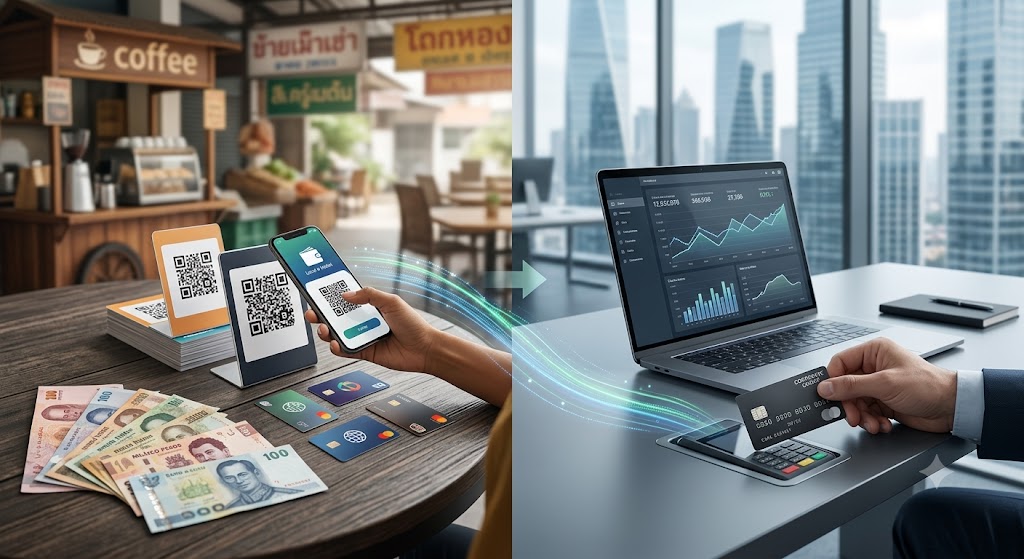
Local Payment Methods vs Global Gateways: A Practical Guide

Why Local Payment Methods Matter for Conversion

Conversion rates depend heavily on payment familiarity. Customers trust payment methods they already use daily.

For instance, a shopper in Germany may abandon checkout without seeing SEPA transfer options. Similarly, Indonesian customers often expect e-wallet choices like GoPay.

As a result, ignoring local preferences can hurt sales directly. Studies consistently show higher cart abandonment when preferred methods are missing.

Additionally, local payment methods often reduce fraud risk. Bank-linked transfers require stronger identity verification than typical card payments.

Local methods also tend to settle faster in some regions. This improves cash flow for growing businesses significantly.

The Case for Global Gateways

Global gateways remain valuable for several reasons. They simplify technical integration across multiple markets.

Instead of connecting to dozens of local providers, you manage one system. This saves engineering time and reduces long-term maintenance work.

Global gateways also provide strong fraud protection tools. Their scale allows for advanced machine learning fraud detection.

Furthermore, they support recurring billing and subscription models smoothly. This matters greatly for SaaS companies and subscription services.

However, transaction fees can be higher with global providers. Currency conversion costs also add up for cross-border sales.

Local Payment Methods vs Global Gateways: Cost Comparison

Cost is a major factor in this decision. Global gateways typically charge a flat percentage per transaction.

Local payment methods often have lower fees within their home country. Bank transfers, for example, cost less than card processing.

Nevertheless, integrating many local methods can raise development costs upfront. You may need local partnerships or region-specific compliance work.

Consequently, businesses must weigh short-term integration costs against long-term savings. High transaction volume often justifies the initial investment.

Smaller businesses might start with a global gateway first. Then, they can add local options as specific markets grow.

How to Decide: Local Payment Methods vs Global Gateways

Start by analyzing your customer base carefully. Identify which countries generate the most traffic and revenue.

Next, research the dominant payment methods in those regions. Payment preference reports and industry data can guide this research.

Prioritize Local Options When

Your business targets specific high-growth markets. Local trust and conversion matter more than technical simplicity here.

Also prioritize local methods when card usage is low. Many Southeast Asian and Latin American markets fit this pattern.

Prioritize Global Gateways When

You need fast market entry across many countries at once. Simplicity and speed outweigh deep localization needs early on.

Global gateways also work well for subscription-based businesses. Recurring billing features save significant development time.

Consider a Hybrid Approach

Most successful global businesses use both options together. They start with a global gateway for broad coverage.

Then, they add popular local payment methods in key markets. This hybrid strategy balances simplicity with strong local conversion.

Payment orchestration platforms can help manage this hybrid setup. They route transactions intelligently between multiple providers automatically.

Regional Payment Preferences Worth Knowing

Different regions show very different payment habits. Understanding these patterns helps you prioritize correctly for each market.

Europe

European customers often prefer bank-based payments. iDEAL in the Netherlands and SEPA transfers across the region remain highly popular.

Additionally, Klarna and other buy-now-pay-later options continue growing quickly. These local preferences directly affect conversion rates.

Asia-Pacific

Mobile wallets dominate much of Asia-Pacific. Alipay and WeChat Pay lead in China, while GrabPay is common across Southeast Asia.

Meanwhile, UPI has become the standard in India for everyday transactions. Ignoring these options often means losing significant market share.

Latin America

Cash-based vouchers and installment payments remain popular across Latin America. Boleto in Brazil and OXXO in Mexico are common examples.

Pix has also grown rapidly as an instant payment method in Brazil. Businesses entering this region should prioritize these local options early.

Measuring the Impact of Payment Choices

Once you implement changes, track results carefully. Compare conversion rates before and after adding local payment methods.

Also monitor cart abandonment rates by country. A sudden drop after adding a local option confirms its value quickly.

Additionally, review customer support tickets related to payment issues. Fewer complaints often signal a smoother checkout experience.

Over time, this data helps refine your local payment methods vs global gateways strategy. You can double down on what works and remove what does not.

Conclusion

The local payment methods vs global gateways debate rarely has one universal answer. Your ideal strategy depends on your target markets and growth stage.

Global gateways offer speed, simplicity, and strong subscription support. Local payment methods build trust and boost conversion in specific regions.

Therefore, most growing businesses benefit from a hybrid approach eventually. Start broad, then localize where the data shows real demand.

Track conversion rates and abandonment closely after any change. This data will guide your next payment strategy decision effectively.

Working With Payment Providers Effectively

Building strong relationships with payment providers pays off long term. Ask providers directly about their local coverage and settlement times.

Additionally, negotiate transaction fees as your volume grows. Many providers offer better rates for higher processing volumes.

Request clear reporting dashboards from every provider you use. This makes it easier to compare performance across regions.

Also review provider uptime and reliability history. Payment failures during high traffic periods can cost significant revenue quickly.

Finally, revisit your provider mix annually. Markets change, and new local payment methods emerge regularly.

Future Trends in Global Payments

Payment preferences continue evolving rapidly worldwide. Real-time payment networks are expanding across more countries each year.

Meanwhile, regulatory changes continue shaping how businesses handle cross-border transactions. Staying informed helps you adapt quickly.

Digital wallets are also gaining ground even in previously card-dominant markets. This trend suggests local preferences will keep diversifying further.

Businesses that monitor these shifts closely will maintain a competitive edge. Flexibility remains essential in the payments landscape.

Security and Trust Signals at Checkout

Trust badges and recognizable payment logos improve customer confidence. Display these clearly near the checkout button.

Additionally, communicate your data protection practices briefly during checkout. This reassurance can reduce last-minute hesitation for new customers.

Handling Currency and Localization Details

Beyond payment methods, currency display matters greatly. Show prices in local currency whenever possible to reduce confusion.

Additionally, localize checkout language and support messaging. Small details like these build trust alongside the right payment options.

Consider local tax and invoicing requirements as well. Some markets expect specific receipt formats for business compliance.

Building a Checklist Before Launch

Before launching in a new market, create a simple checklist. List the top three payment methods customers expect locally.

Verify settlement currencies and timelines with each provider in advance. Confirm that refund and dispute processes work smoothly too.

Test the checkout flow thoroughly on both mobile and desktop devices. A smooth, fast checkout experience often matters as much as payment choice itself.

Frequently Asked Questions

1. What is the main difference between local payment methods and global gateways? 

Local payment methods are region-specific options like bank transfers or e-wallets. Global gateways are broad platforms that support cards across many countries.

2. Do local payment methods really improve conversion rates? 

Yes, customers convert more often when they see familiar payment options. Missing local methods frequently leads to cart abandonment.

3. Are global gateways more expensive than local payment methods? 

Often, yes. Global gateways typically charge higher transaction fees, especially for cross-border and currency conversion transactions.

4. Should small businesses use global gateways or local payment methods first? 

Most small businesses start with a global gateway for simplicity. They add local payment methods once specific markets show strong demand.

5. Can a business use local payment methods and global gateways together? 

Yes, a hybrid approach is common and often recommended. It combines broad reach with strong local market conversion.

Read More:

Payment Localization: A Simple Breakdown for Stores

Trust Signals and Payment Completion: A Simple Guide

How to Stop Payment Latency From Hurting Revenue

Payment Localization

Payment Localization: A Simple Breakdown for Stores

Global shoppers expect a checkout that feels familiar. When it does not, many simply leave. Checkout localization solves this problem by adapting payment experiences to match local habits and expectations.

This approach goes beyond translating text on a page. It includes currency, payment methods, and even design choices. As a result, shoppers feel more comfortable completing their purchase.

This guide explains checkout localization in clear, simple terms. You will learn why it matters and how to apply it across different regions. No technical background is required.

As more brands sell across borders, this topic keeps growing in importance. A single checkout page can now serve customers in dozens of countries. Getting that page right for each visitor is no longer optional.

What Is Checkout Localization?

Checkout localization means adjusting the payment process based on a customer’s location. This includes currency display, language, and accepted payment methods. The goal is to make checkout feel natural for each shopper.

For example, a customer in Germany might expect to pay with a bank transfer method. A shopper in the United States, however, often prefers a credit card. Checkout localization adapts to these regional preferences automatically.

This differs from a basic global checkout. A basic system often uses one payment method for every customer. Checkout localization instead detects location and adjusts the experience accordingly.

Furthermore, localization can include formatting details. Date formats, address fields, and tax calculations often vary by country. Handling these correctly builds trust and avoids confusing the shopper.

Checkout localization also extends to legal disclosures. Some regions require specific consumer protection notices at checkout. Including these in the correct language and format keeps a business compliant.

Shipping options often need adjustment too. Local carriers and delivery timelines vary widely between countries. Presenting accurate, region-specific shipping choices avoids confusion at the final purchase step.

Payment Localization

Why Geography Affects Payment Preferences

Payment habits differ widely around the world. In some countries, digital wallets dominate online shopping. In others, cash-based vouchers or bank transfers remain popular choices.

For instance, many Southeast Asian shoppers prefer e-wallets for online payments. Meanwhile, customers in parts of Europe often rely on direct bank transfer systems. Ignoring these preferences can lead to lost sales.

Trust also plays a major role. Shoppers feel safer using payment methods they already know. If a checkout only offers unfamiliar options, many customers will abandon their cart.

Currency display matters too. Seeing prices in local currency removes confusing conversion math. This small detail can significantly improve buyer confidence during checkout.

In addition, regulations vary by region. Some countries require specific security steps for online payments. Checkout localization helps businesses stay compliant while keeping the experience smooth.

Banking infrastructure also shapes payment habits. In regions with strong mobile banking systems, app-based transfers often outperform traditional cards. Recognizing these differences helps merchants choose the right options for each market.

Cultural attitudes toward credit also vary. Some markets embrace credit cards and installment plans. Others prefer to pay in full using debit or cash-based methods. Checkout localization respects these cultural differences instead of forcing one approach everywhere.

How Checkout Localization Reduces Cart Abandonment

Cart abandonment remains a major challenge for online stores. Many shoppers leave during checkout simply because the process feels unfamiliar. Checkout localization directly addresses this issue.

When customers see their preferred payment method, they feel more confident. This confidence often leads to completed purchases instead of abandoned carts. As a result, conversion rates tend to improve significantly.

Language also plays an important role here. Even small translation errors can create doubt. A fully localized checkout removes this friction and builds a smoother experience.

Similarly, displaying local tax and shipping costs upfront helps. Surprise charges at the final step often cause shoppers to leave. Clear, localized pricing prevents this common frustration.

Mobile shoppers benefit especially from localization. Many regions rely heavily on mobile payment apps. Supporting these options can dramatically increase completed transactions.

Trust signals also matter during checkout. Displaying recognizable security badges or familiar payment logos reassures shoppers. This is especially true for first-time buyers who are unfamiliar with a brand.

Speed plays a role too. A checkout that loads quickly and adapts instantly to a shopper’s region feels more professional. Slow or generic checkout pages, by contrast, often raise doubts about reliability.

Key Elements of a Localized Payment Experience

Several elements work together to create strong checkout localization. Payment method selection is often the most important piece. Offering popular regional options increases the chance of a successful sale.

Currency conversion is another key factor. Accurate, real-time currency display avoids confusion and builds trust. Static or outdated currency rates can frustrate shoppers and damage credibility.

Language adaptation matters as well. This includes not only translation but also tone and phrasing. Some markets prefer formal language, while others respond better to casual wording.

Design elements also need adjustment. Color meanings and visual symbols can vary across cultures. A thoughtful design avoids unintentional confusion or discomfort during checkout.

Finally, customer support options should match local expectations. Some regions prefer live chat, while others rely on phone support. Providing the right support channel adds another layer of trust.

Form fields deserve attention too. Address formats differ widely between countries, and rigid forms can frustrate international shoppers. Flexible fields that adjust to local formats reduce errors and speed up checkout.

Error messages also benefit from localization. Clear, well-translated error messages help shoppers fix mistakes quickly. Confusing or poorly translated messages, on the other hand, often lead to abandoned purchases.

Common Challenges in Checkout Localization

Implementing checkout localization is not without challenges. Integrating multiple payment providers can be technically complex. Each region often requires different systems and compliance steps.

Maintaining consistency is another concern. Businesses must balance localization with a unified brand experience. Too much variation across regions can confuse internal teams and customers alike.

Cost is also a factor worth considering. Supporting many payment methods may increase transaction fees. However, the increase in completed sales often outweighs these added costs.

Keeping up with changing regulations adds further complexity. Payment laws evolve frequently, especially in fast-growing digital markets. Businesses must monitor these changes to remain compliant.

Despite these challenges, the long-term benefits usually justify the effort. Companies that invest in proper localization often see stronger customer loyalty and higher conversion rates over time.

Team coordination can also be tricky. Marketing, legal, and technical teams must work together to keep localization accurate. Without clear communication, mismatched pricing or outdated payment options can slip through.

Testing across regions takes ongoing effort as well. Payment providers occasionally update their requirements or interfaces. Regular reviews help ensure the checkout experience stays accurate and reliable.

Staff training is sometimes overlooked too. Customer service teams need to understand regional payment differences when shoppers reach out with questions. Well-trained support staff can resolve issues quickly and keep trust intact.

How to Start Implementing Checkout Localization

Starting checkout localization does not require a complete system rebuild. Begin by researching the most common payment methods in your target markets. This research forms the foundation of your strategy.

Next, choose a payment platform that supports multiple regional options. Many providers now offer built-in localization features. This can significantly reduce development time and cost.

After that, test the checkout experience from each target region. Pay attention to currency display, language accuracy, and payment method availability. Small errors can have a big impact on customer trust.

Gathering customer feedback is also valuable during this stage. Shoppers often notice details that internal teams might overlook. Their input can guide further improvements to the checkout flow.

Finally, monitor performance metrics closely after launch. Track conversion rates and cart abandonment by region. This data will help refine your checkout localization strategy over time.

It also helps to prioritize markets by sales potential first. Focusing early effort on your top regions delivers faster returns. Once those markets are running smoothly, expanding to additional countries becomes much easier to manage.

Conclusion

Checkout localization plays a vital role in global ecommerce success. Adapting payment experiences by geography builds trust and reduces friction. These improvements often lead directly to higher conversion rates.

Businesses that ignore regional payment preferences risk losing valuable customers. Meanwhile, those who invest in localization create smoother, more trustworthy shopping experiences. This investment pays off through stronger sales and loyalty.

As global ecommerce continues to grow, checkout localization will become even more essential. Companies that prioritize this strategy now position themselves for long-term success in international markets.

Start with your highest-priority markets and expand from there. Careful planning, regular testing, and attention to local detail will help any business build a checkout experience that customers everywhere can trust.

Frequently Asked Questions

  1. What is checkout localization?
    Checkout localization is the process of adapting payment methods, currency, and language to match a customer’s geographic location and preferences.
  2. Why does checkout localization reduce cart abandonment?
    It builds trust by offering familiar payment options and clear local pricing, which makes shoppers more confident about completing their purchase.
  3. What payment methods should be localized?
    Common options include credit cards, digital wallets, bank transfers, and region-specific payment apps based on local shopper preferences.
  4. Is checkout localization expensive to implement?
    Costs vary, but many payment platforms now offer built-in localization tools that reduce both development time and overall expense.
  5. How can businesses start with checkout localization?
    Begin by researching regional payment preferences, choosing a supportive platform, testing thoroughly, and monitoring performance after launch.

Read More:

Trust Signals and Payment Completion: A Simple Guide

How to Stop Payment Latency From Hurting Revenue

Conversion Rate Secrets Hidden in Payment Methods

Conversion Rate Secrets Hidden in Payment Methods

Conversion Rate Secrets Hidden in Payment Methods

The checkout page is where purchases happen or fall apart. Many businesses invest heavily in marketing and website design. Yet they overlook one of the most critical conversion factors: payment methods.

The way customers pay has a direct impact on whether they complete a purchase. Offering the right payment options reduces friction and builds trust. The wrong options drive customers away at the last moment.

This blog explores how payment methods influence conversion rates across different industries and what businesses can do about it.

Conversion Rate Secrets Hidden in Payment Methods

The Psychology Behind Payment Preferences

Customers are creatures of habit. They prefer to pay in ways they already trust and understand. Introducing unfamiliar checkout experiences creates hesitation.

Studies consistently show that cart abandonment rates spike when preferred payment options are unavailable. Globally, around 70 percent of online shopping carts are abandoned. Payment-related issues account for a significant portion of this.

Trust plays a huge role in payment psychology. Familiar logos like Visa, Mastercard, PayPal, and Apple Pay signal security instantly. Customers feel safer completing transactions when they recognize the payment tools.

Furthermore, perceived risk drops when customers use payment methods that offer buyer protection. PayPal and credit cards offer dispute resolution. This reassurance pushes hesitant buyers to complete their orders.

In contrast, unfamiliar or overly complex payment processes increase perceived risk. Customers may question whether the site is legitimate. As a result, they abandon the cart rather than take the chance.

Payment Methods and Conversion Rates by Industry

Different industries have very different payment preferences. Understanding these differences helps businesses align their checkout experience with customer expectations.

In ecommerce and retail, credit cards and digital wallets dominate. Platforms that offer one-click checkout through Apple Pay or Google Pay see significant conversion lifts. The speed and convenience match the impulse-driven nature of online shopping.

Buy Now Pay Later options like Klarna and Afterpay have transformed retail conversions. Customers who cannot afford full upfront costs can split payments over time. This approach dramatically increases average order value and reduces checkout abandonment.

In the travel industry, payment flexibility is essential. Large booking amounts create hesitation. Airlines and hotels that offer installment payments or travel-specific credit card options see better conversion rates.

For subscription businesses, recurring billing options and stored payment credentials are critical. Frictionless renewal processes reduce churn and keep conversion rates high over time.

Additionally, B2B transactions often require invoicing, bank transfers, or purchase order options. B2B buyers rarely use personal credit cards for large purchases. Businesses that offer ACH transfers and invoice-based billing convert more enterprise clients.

Healthcare payments present unique challenges. Patients are sensitive about costs and privacy. Providers that offer flexible payment plans and transparent billing convert patients from interest to treatment more effectively.

Mobile Payments and Checkout Conversion Rates

Mobile commerce continues to grow rapidly. More than 60 percent of ecommerce traffic now comes from mobile devices. However, mobile conversion rates still lag behind desktop in many industries.

The gap exists largely because of payment friction. Typing credit card numbers on small screens is tedious and error-prone. Customers give up when the process feels too difficult.

Mobile wallets solve this problem. Apple Pay, Google Pay, and Samsung Pay allow customers to complete purchases with a single tap. Consequently, businesses that enable these options see measurable improvement in mobile conversion rates.

Moreover, biometric authentication through fingerprint or face recognition adds both speed and security. Customers trust the process more because it feels modern and protected.

Progressive web apps and optimized checkout flows also contribute. Reducing the number of steps to complete a payment lowers drop-off rates. Each extra click or form field represents a potential exit point.

Therefore, mobile payment optimization is not optional. It is essential for any business that wants to capture the growing mobile shopping audience.

How Payment Friction Damages Conversion Rates

Payment friction is any obstacle that slows down or complicates the checkout process. It is one of the leading causes of conversion loss across all industries.

Common sources of payment friction include requiring account creation before checkout, limited payment options, slow payment processing pages, unclear security signals, and complicated form layouts.

Guest checkout options remove one of the largest barriers. Forcing customers to create an account before paying results in significant drop-off. Similarly, long forms with many required fields increase frustration.

Security indicators matter enormously. SSL certificates, padlock icons, and recognizable payment logos reassure customers. Without these signals, trust deteriorates quickly.

Processing speed also affects conversion. If a payment page takes more than three seconds to load, many customers leave. Furthermore, payment declines without clear explanations cause frustration and lost sales.

Localization is another overlooked factor. Customers in different countries prefer different payment methods. Offering only Western options in markets where local digital wallets dominate means losing those customers entirely.

Strategies to Optimize Payment Methods for Higher Conversions

Optimizing your payment strategy is one of the fastest ways to improve conversion rates without increasing ad spend.

Start by analyzing your current cart abandonment data. Identify the payment step where most customers exit. This pinpoints where friction exists.

Next, audit the payment options you currently offer. Compare them against the preferences of your target audience. Add missing options and remove rarely used ones to simplify the experience.

Consider offering a variety of payment methods including credit and debit cards, digital wallets, Buy Now Pay Later services, and bank transfers. Giving customers choice increases the likelihood they find an option they trust.

Test your mobile checkout experience thoroughly. Use real devices rather than desktop emulators. Identify where the process feels clunky or slow.

Additionally, display trust signals prominently throughout the checkout flow. Payment logos, security badges, and money-back guarantees all contribute to checkout confidence.

Finally, run A/B tests on your checkout page layout. Small changes to button placement, form design, and payment method ordering can produce meaningful conversion improvements.

Conclusion

Payment methods have a direct, measurable influence on conversion rates across every industry. The right options reduce friction, build trust, and match customer expectations.

Businesses that treat payment strategy as a core part of their customer experience gain a real competitive advantage. Those that ignore it lose customers at the final and most important step.

Review your current checkout experience today. Identify gaps in payment options. Make targeted improvements and measure the results carefully.

The investment is small. The conversion impact can be significant.

Frequently Asked Questions

1. Why do payment methods affect conversion rates?

Customers abandon purchases when their preferred payment option is unavailable or when the checkout process feels complicated or untrustworthy. Offering familiar, easy-to-use payment options reduces friction and increases completed transactions.

2. Which payment methods have the highest conversion impact in ecommerce?

Digital wallets like Apple Pay and Google Pay consistently show high conversion rates due to their speed and simplicity. Buy Now Pay Later options also boost conversions, especially for higher-priced items.

3. How does mobile checkout affect payment conversions?

Mobile devices make typing card details difficult. Businesses that enable one-tap mobile wallet payments see significantly better conversion rates on mobile compared to those relying on manual card entry forms.

4. What is payment friction and how do I reduce it?

Payment friction includes anything that slows or complicates checkout: forced account creation, limited payment options, slow pages, and unclear security signals. Reducing these barriers directly improves conversion rates.

5. Should I offer different payment methods for different countries?

Yes. Payment preferences vary widely by region. Offering locally preferred options like UPI in India, iDEAL in the Netherlands, or Alipay in China is essential for converting international customers effectively.

Read More:

Which Checkout Type Converts Better for Online Stores

Payment UX Audit Checklist for Better Results

Why Psychology of Payments Changes Conversions: Full Guide

BNPL (Buy Now, Pay Later)

BNPL (Buy Now, Pay Later): Opportunities & Risks for Merchants

Buy Now, Pay Later, often called BNPL, represents a major shift in consumer payment habits. This flexible option allows shoppers to purchase goods immediately and then pay for them over a set period, generally in interest-free installments. Essentially, BNPL services provide a short-term, instant loan at the point of sale. Consequently, this model has rapidly grown into a preferred payment method for millions of shoppers globally. Because of this widespread adoption, merchants must truly understand its profound effect on their business strategy.

We can clearly see that BNPL is more than just a passing trend; it is fast becoming an essential element of modern retail. Therefore, let’s explore the key opportunities and important risks this model presents for your business. It is vital to use the BNPL focus keyword in every paragraph to boost SEO.

Image Of BNPL (Buy Now, Pay Later)

Major Opportunities for Merchants with BNPL

BNPL gives merchants powerful tools to boost sales and enhance the customer experience. Firstly, implementing a BNPL solution frequently leads to a significant increase in average order value, or AOV. Since shoppers do not need to pay the full amount upfront, they are more willing to purchase higher-priced items. Furthermore, conversion rates often improve, because the psychological barrier of a large one-time payment simply disappears. This encourages customers to complete their purchases rather than abandoning their carts. Consequently, BNPL can be a very powerful engine for revenue growth.

Moreover, offering BNPL helps to attract a newer, younger, and more digitally native customer base, which are key target demographics today. This payment flexibility, therefore, fosters higher customer loyalty and repeat business over time. Therefore, businesses effectively increase their reach to customers who may avoid traditional credit cards. In addition, merchants receive the full purchase amount upfront from the BNPL provider, which means their cash flow remains healthy and predictable. This is a very compelling reason to offer a BNPL option. Consequently, you can use BNPL to expand your market and make your products accessible to a much broader audience.

The Clear Competitive Advantage of BNPL

The retail landscape is undeniably competitive, and offering BNPL can provide a real edge. Since many customers now actively seek out BNPL options, having this choice can easily differentiate your business from rivals. Consequently, this leads to an improved customer experience, which is always a crucial factor in building a strong brand reputation. Furthermore, integrating BNPL services typically involves seamless, user-friendly checkout flows.

Also, this reduction in purchase friction makes the entire buying process much more enjoyable and fast. Therefore, the simple presence of a BNPL option at checkout acts as a direct, strong incentive for customers to choose your store. This is a clear marketing benefit. Finally, by using BNPL, you position your brand as forward-thinking and committed to customer convenience.

In addition, BNPL providers often have large, active user bases that merchants can potentially tap into through partnership arrangements. Consequently, this can open up new marketing channels and expose your products to a ready-made audience. Therefore, the strategic partnership with a reputable BNPL provider is a major opportunity for market expansion and customer acquisition. Ultimately, BNPL is not just a payment method; it is a full-fledged marketing and customer retention strategy that supports business growth. We can see that merchants who embrace BNPL early gain a distinct advantage in this fast-evolving retail environment.

Understanding the Financial Risks of BNPL for Merchants

Despite the numerous benefits, merchants must carefully consider the financial risks associated with offering BNPL. Most importantly, the primary financial risk is the transaction fees charged by BNPL providers. These fees, which are often significantly higher than traditional credit card processing fees, can cut into profit margins, especially for businesses operating with already tight margins. Therefore, a careful cost-benefit analysis is absolutely necessary to ensure profitability. For example, a high volume of low-value BNPL transactions might not be financially sustainable due to these fixed fees.

Moreover, there is the risk of increased returns and chargebacks. Because the customer receives the goods before paying the full cost, they might be more likely to return items. Although BNPL providers typically handle the credit risk, the merchant often manages the administrative burden and costs related to returns and refunds. Therefore, the potential for a higher return rate must be factored into the overall cost of accepting BNPL. Furthermore, while the BNPL provider assumes the consumer’s non-payment risk, merchants still need to understand their specific contractual obligations regarding disputes and fraud. Clearly, the financial structure of BNPL needs careful evaluation by any merchant considering its adoption.

Operational and Reputational Challenges with BNPL

Beyond the financial concerns, BNPL introduces several operational complexities and reputational risks. Firstly, integrating and managing multiple BNPL providers can complicate a merchant’s back-end systems. Since each provider has different technical requirements, managing the integration can require significant IT investment and ongoing maintenance. Furthermore, the reconciliation of payments and tracking of customer transactions across different BNPL platforms can add complexity to the accounting process. Therefore, streamlining your operations is a crucial step before offering BNPL.

Secondly, and perhaps more importantly, the merchant’s brand reputation can be indirectly affected by the customer experience with the BNPL service itself. For example, if a customer has a poor experience with a BNPL provider’s collections process or faces unexpected fees, their negative feelings may easily extend to the merchant. Consequently, the merchant, though not directly responsible for the financing, can still suffer a loss of customer trust and loyalty. Therefore, choosing a BNPL partner with an ethical and transparent approach to consumer lending is paramount for protecting your brand. Thus, merchants must exercise great diligence when selecting BNPL partners to mitigate these risks.

Navigating the Regulatory and Compliance Landscape

The regulatory environment around BNPL is rapidly changing, which presents an ongoing risk for merchants. Since BNPL products resemble traditional credit, governments and financial regulators worldwide are increasingly scrutinizing them. Therefore, new regulations could be introduced at any time, which might require merchants to quickly update their systems or change their operational processes. Furthermore, compliance with evolving consumer protection laws, particularly concerning advertising and disclosure, is a continuous necessity. Merchants, although not the primary lenders, must ensure their marketing materials correctly and transparently represent the BNPL offering.

Moreover, there is the risk of data security and privacy. Because BNPL involves handling sensitive financial and personal customer data, merchants must ensure their integration points and data handling practices fully comply with all relevant data protection standards. Therefore, maintaining robust cybersecurity measures is not optional; it is absolutely required. For example, a data breach involving a BNPL partner could still damage the merchant’s brand and lead to significant legal liabilities. Consequently, merchants must stay informed about all regulatory changes and constantly review their compliance framework when offering BNPL. It is a critical aspect of managing the overall risk of BNPL.

Conclusion: Strategically Adopting BNPL

Buy Now, Pay Later is a true double-edged sword for merchants. On one hand, it offers a powerful path to increased sales, higher AOV, and expanded customer reach. On the other hand, it brings the distinct challenges of higher transaction fees, operational complexity, and potential reputational risks. Therefore, successful BNPL adoption demands a strategic, informed approach. Merchants must complete a careful cost analysis, choose trustworthy partners with ethical practices, and remain vigilant about the ever-changing regulatory landscape.

Ultimately, when implemented thoughtfully and strategically, BNPL can be a transformative payment option that drives significant growth. The key is to fully leverage the opportunities while proactively managing the inherent risks. This balanced approach will ensure the long-term success of incorporating BNPL into your payment options.


Frequently Asked Questions (FAQs)

1. What is the biggest advantage of BNPL for an e-commerce merchant?

The biggest advantage is the increase in average order value (AOV) and conversion rates. Customers are more likely to buy higher-priced items and complete their purchase when they can split the cost over time. BNPL makes purchasing feel more manageable.

2. How do merchants get paid when a customer uses BNPL?

The merchant generally receives the full amount of the purchase upfront from the BNPL provider, minus the provider’s transaction fee. This allows the merchant to maintain healthy cash flow, as the BNPL provider assumes the risk of the customer not making their installment payments.

3. What is the main financial risk of offering BNPL?

The main financial risk is the higher transaction fees charged by BNPL providers compared to traditional credit card processing fees. These higher costs can potentially reduce the merchant’s profit margins, especially on low-value sales.

4. Can a customer’s bad experience with a BNPL provider affect the merchant?

Yes, it can. If a customer has an issue with the BNPL provider’s service, collections, or fees, they may associate that negative experience with the merchant, leading to a loss of loyalty and potential reputational damage.

5. How can merchants mitigate the risk of high return rates with BNPL?

Merchants can mitigate this risk by clearly communicating their return policy, ensuring their refund process is seamless and fast, and analyzing data to see if BNPL transactions correlate with a higher return volume for specific product categories.

Also Read: UPI Global Unlocked: Is Your Payment Flow Ready?