Fintech for Logistics & Supply Chain Payments
Moving goods across the world is only half the challenge. Moving money through the supply chain is often harder. Fintech for logistics is solving this problem in ways that seemed impossible just a few years ago. Payments that once took weeks now settle in days or even hours.
Supply chains involve many players. Shippers, carriers, warehouses, and vendors all need to get paid on time. Delays anywhere in that chain create ripple effects everywhere else. This is where fintech for logistics steps in, connecting payment systems directly to operational data.
This article explains why traditional payment methods struggle in logistics, how fintech solves those problems, and what benefits businesses can expect. Let us explore the details.
Why Traditional Payments Struggle In Logistics
Logistics has always run on tight margins and tighter timelines. Traditional banking systems were never built for this pace.
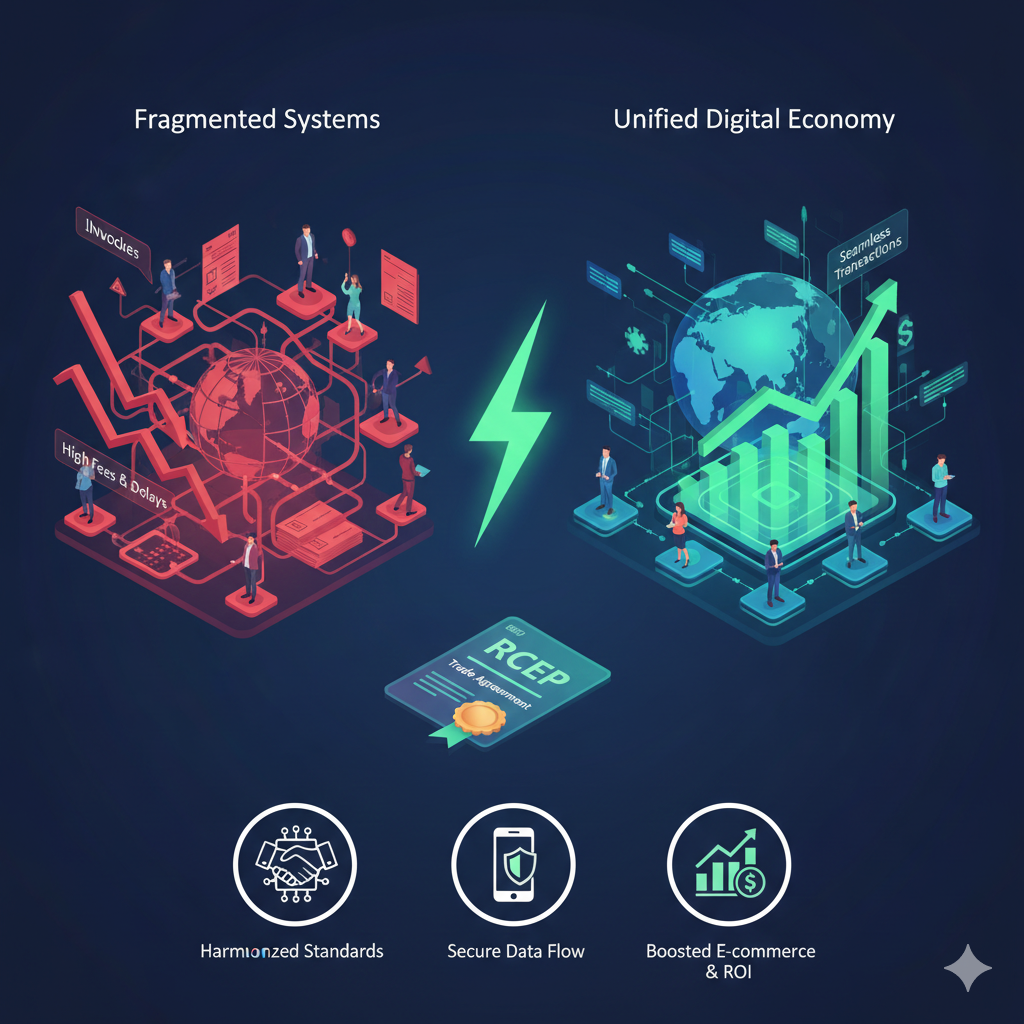
Paper invoices still exist in many supply chains today. Someone has to manually match invoices to shipments. Errors happen often, and disputes take days to resolve. Meanwhile, carriers wait for payment while covering fuel and driver costs upfront.
Cross-border transactions add another layer of complexity. Currency conversion, compliance checks, and banking hours vary by country. As a result, international shipments often face payment delays that have nothing to do with the goods themselves. This creates cash flow pressure across the entire chain.
Small carriers and independent truckers feel this pain the most. Waiting thirty or sixty days for payment can strain their operations badly. Consequently, many either raise prices or refuse certain jobs altogether. This limits capacity precisely when demand is highest.
Traditional systems also lack visibility. Finance teams often cannot see where a payment sits in the approval process. This lack of transparency leads to frustration on both sides of every transaction. Fintech for logistics directly addresses each of these pain points.
How Fintech For Logistics Solves Payment Problems
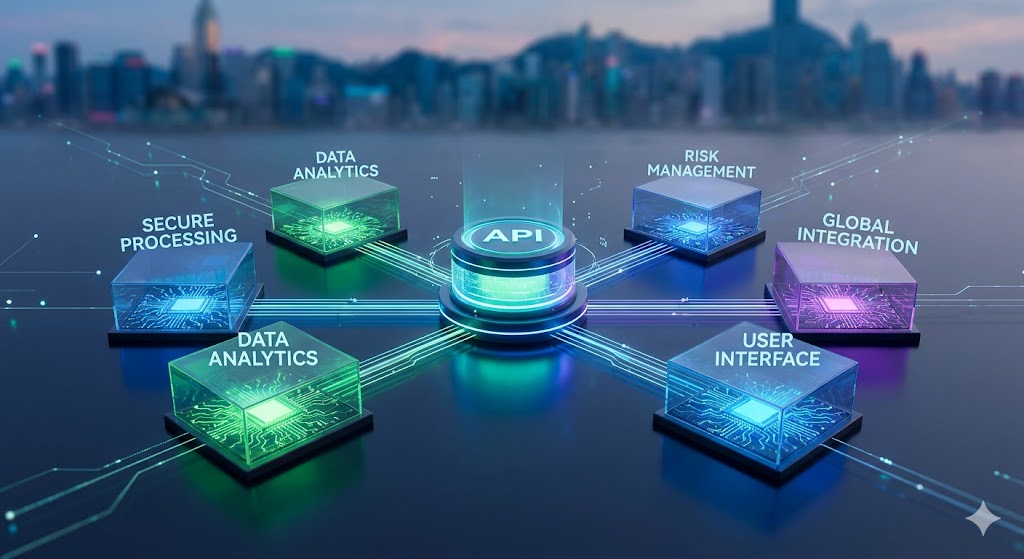
Fintech for logistics connects payment platforms directly to shipment and tracking data. Payments trigger automatically once delivery is confirmed.
This automation removes much of the manual work involved in invoice matching. Systems verify delivery status instantly using GPS and digital proof of delivery. Therefore, payments release faster with fewer disputes and less paperwork.
Real-time payment rails also play a major role. Instead of waiting for traditional bank transfers, funds move within hours through modern payment networks. Additionally, some platforms offer instant factoring, letting carriers get paid immediately for a small fee. This flexibility helps smaller operators manage cash flow more predictably.
Cross-border payments benefit significantly from fintech innovation too. Digital platforms handle currency conversion and compliance checks automatically. This reduces the delays that once made international logistics payments so frustrating. Similarly, built-in fraud detection protects both shippers and carriers from costly errors.
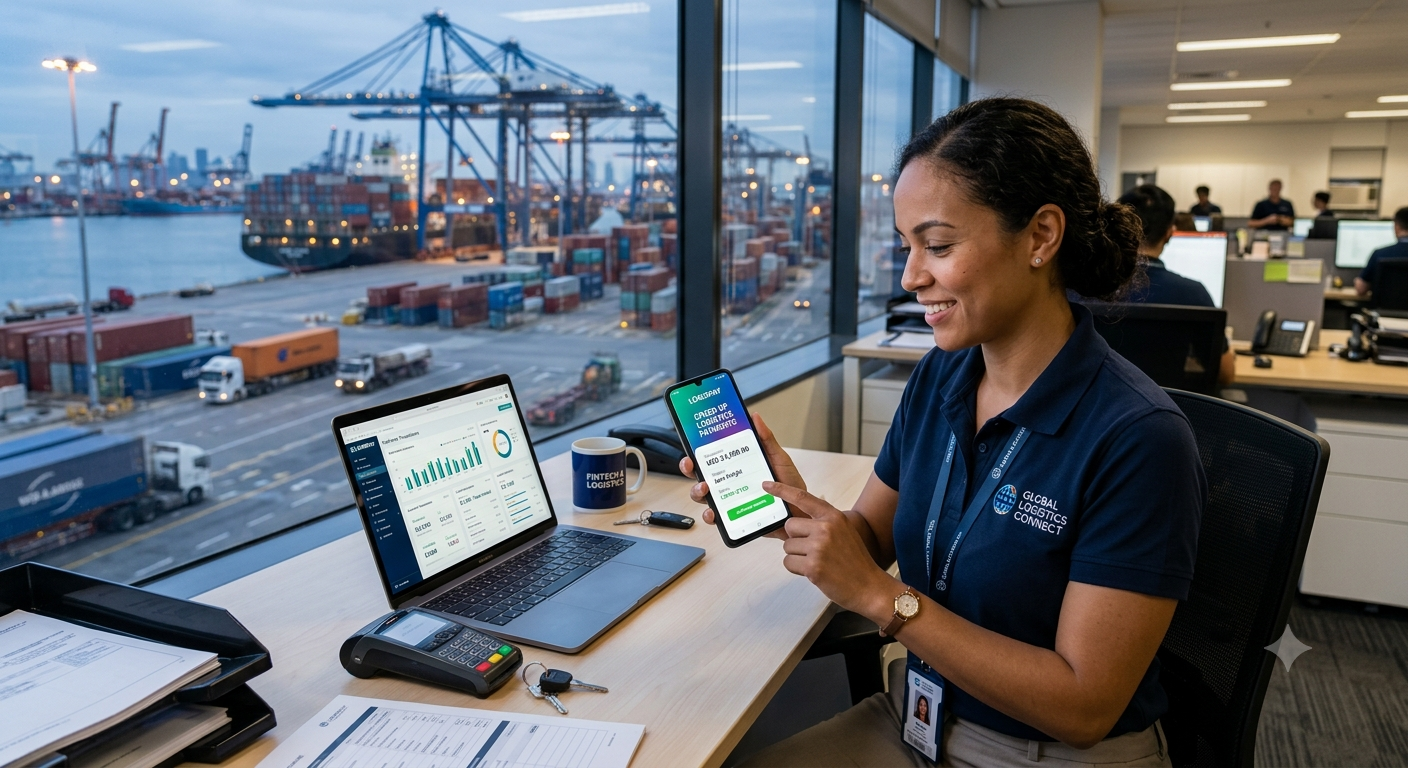
Data visibility improves dramatically as well. Finance teams can track every payment in real time through a single dashboard. They see exactly where funds are in the process at any given moment. This transparency builds trust between all parties involved in the transaction.
Key Benefits For Businesses Across The Supply Chain
Faster payments create advantages that extend well beyond simple convenience. The impact touches nearly every part of a logistics operation.
Improved cash flow tops the list for most companies. Carriers can accept more jobs when they are not waiting weeks for payment. Shippers benefit from stronger, more reliable carrier relationships as a result. Everyone in the chain operates with less financial stress.
Cost savings follow closely behind. Automated systems reduce the manual labor needed for invoice processing and reconciliation. Fewer errors mean fewer costly disputes and less time spent on corrections. Over time, these savings add up significantly for large operations.
Stronger partnerships also emerge from reliable, fast payments. Vendors and carriers prefer working with companies that pay consistently and quickly. This reputation can become a genuine competitive advantage in a tight labor market. Businesses that pay reliably often get priority access to capacity during peak seasons.
Better data also supports smarter decision-making. Finance leaders gain clear visibility into spending patterns across routes, vendors, and regions. This information helps identify cost-saving opportunities that were previously hidden in disconnected systems. Consequently, companies can negotiate better rates using real payment history as leverage.
Risk management improves too. Fintech platforms often include built-in fraud detection and compliance monitoring. This protects businesses from payment fraud, which remains a persistent risk in complex global supply chains.
Choosing The Right Fintech Partner For Logistics
Not every fintech platform fits every logistics business. Choosing the right partner requires careful evaluation.
Start by examining integration capabilities. The platform should connect easily with your existing transportation management and accounting systems. Poor integration creates new manual work instead of removing it. Therefore, this should be a top priority during evaluation.
Next, consider payment speed and flexibility. Look for platforms offering multiple payout options, including instant transfers for time-sensitive situations. Additionally, check whether the platform supports the currencies and regions relevant to your operations.
Security and compliance also deserve close attention. Verify that the provider follows strong data protection standards and relevant financial regulations. This matters even more for companies handling cross-border transactions regularly.
Finally, evaluate customer support and onboarding quality. A platform with excellent technology but poor support can slow your transition significantly. Ask potential partners about implementation timelines and available training resources before committing.
Working with experienced experts can simplify this decision considerably. Build your authority with Digital Payment Guru and modernize your logistics payment infrastructure with confidence.
Conclusion
Fintech for logistics is reshaping how money moves through global supply chains. Faster payments, better visibility, and stronger partnerships are no longer optional advantages. They are becoming baseline expectations across the industry.
Companies that adopt these tools early gain real operational advantages. They build stronger carrier relationships and reduce costly payment friction. Meanwhile, those relying on outdated systems risk falling behind competitors who move faster and pay smarter.
The shift toward digital, automated logistics payments will only accelerate. Businesses that prepare now will be ready to lead their markets tomorrow.
Frequently Asked Questions
1. What is fintech for logistics? Fintech for logistics refers to digital financial tools that automate and speed up payments across shipping, freight, and supply chain operations.
2. How does fintech reduce payment delays in supply chains? It connects payments directly to shipment and delivery data, triggering automatic transfers once delivery is confirmed instead of manual processing.
3. Is fintech for logistics useful for small carriers? Yes. Instant payment and factoring options help small carriers maintain healthy cash flow without waiting weeks for standard payment cycles.
4. Does fintech for logistics help with international payments? Yes. It automates currency conversion and compliance checks, reducing delays common in cross-border logistics transactions.
5. How do I choose the right fintech platform for my logistics business? Evaluate integration ease, payment speed, security standards, and customer support before selecting a fintech partner for your supply chain.