
The world of finance is moving very fast. Every business needs a way to take money from customers
easily. In the past, companies used big, heavy systems. These systems were often hard to change or
update. However, a new trend is taking over the industry right now. This trend is called the API-first
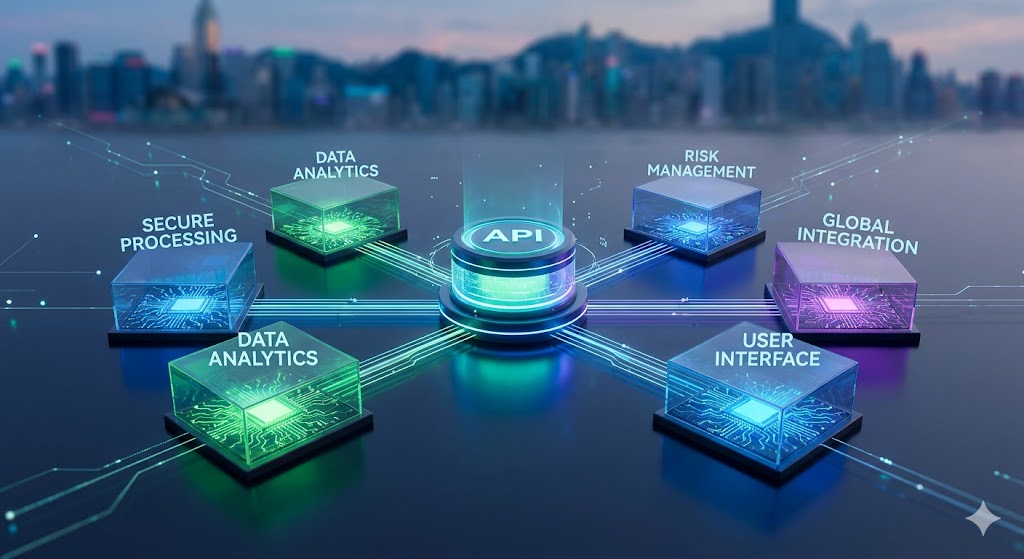
gateway. It is a smart way to build a payment system. You can add or remove parts like Lego blocks.
Consequently, many fintechs are moving toward this style to stay ahead. They want to be fast and
flexible in a busy market.
Understanding the Modular Shift
Building a payment stack used to be a very long job. Developers had to talk to banks for months. They
had to write a lot of complex code. Furthermore, the old systems were not flexible at all. If you wanted
a new feature, you had to rebuild the whole thing. Therefore, growth was slow and very expensive for
startups. Now, the modular approach changes everything. By using APIs, a company connects
different services very quickly. They can pick the best tools for security and tax. This makes the whole
process much smoother for everyone involved.
API-first design is the core of this movement. It means that the API is built before the rest of the app.
Because the API is the foundation, every part talks to it easily. This makes the whole stack stable and
clean. In addition, developers love working with these systems. The documentation is usually very
clear and easy to read. It allows them to focus on making a good product. They do not have to spend
time fixing old, broken code. Thus, the speed of innovation increases for every team that uses this
method.
Customization and Business Growth
No two businesses are exactly the same today. A small shop has different needs than a big airline.
Because of this, a simple gateway is no longer enough. Modular stacks allow businesses to build what
they need. For instance, a luxury brand might want a fancy checkout page. Meanwhile, a subscription
service needs strong billing tools. By choosing modular parts, both brands can win. Furthermore, they
only pay for the features they use. This helps them keep their costs low and their profits high.
Testing new ideas is also much safer with this setup. If a new payment method is popular, you add it in
hours. You do not need to wait for months for an update. Therefore, being first to the market is easier
for agile teams. This flexibility is a huge advantage in our world. Customer tastes change overnight, and businesses must keep up. In short, modular stacks give companies the power to adapt. They can
survive in any economic climate because they are not stuck with old tech.
Security in the Digital Age
Safety is the most important thing for money online. Every customer wants to know that their data is
safe. In a modular stack, security is handled by a specific piece. This piece is often called a vault
service. Because this part is separate, it is updated very often. Consequently, the risk of a data breach
is much lower. Furthermore, these services help companies meet strict global rules. They do this
without adding stress to the main business operations.
Encryption is used at every single step. When a user enters a card number, it is turned into a code.
This code moves through the system instead of the real data. Therefore, even if a hacker sees it, they
cannot use it. Additionally, many API gateways include built-in AI tools. These tools look for strange
patterns in real time. They stop bad transactions before they even happen. Thus, both the shop and
the buyer stay safe. Security is no longer a worry for the business owner.
Global Reach and Integration
Selling products to people in other countries is a big goal. However, different countries use different
ways to pay. In India, people love UPI, but in the US, cards are common. A modular payment stack
handles these differences with ease. You can just plug in a local provider for each new region.
Because the main API stays the same, your code does not change. This saves a lot of time and
money for growing brands. It allows them to enter new markets in days, not years.
Managing multiple currencies is also a big challenge. A good modular stack includes a tool for real-
time exchange. This means customers see prices in their own local money. Seeing a familiar currency builds a lot of trust. Furthermore, it helps businesses avoid hidden fees from banks. Therefore, the
profit for every sale stays predictable and healthy. In conclusion, APIs are the bridge to the global
economy. They make it possible for any brand to sell to the entire world.
The Cost Benefits of Modular Systems
Money is a concern for every business owner. Big legacy systems often have high setup fees. On the
other hand, API gateways follow a pay-as-you-go model. This means you only spend money when you
make a sale. For a small startup, this is a life-saving benefit. It allows them to grow at their own pace.
Furthermore, there are no hardware costs to worry about. The whole process is lean and efficient from
the very first day.
Maintenance is another area where businesses save. In an old system, you need a large team for the
servers. With a cloud-based gateway, the provider handles the work. They make sure the system is
always online and fast. Therefore, your own tech team can work on new features. This shift from fixing
to creating is what drives growth. In short, modular systems are the best way to run a financial
operation. They offer the best value for every dollar spent by the company.
The Future of Financial Technology
We are just at the start of this big change. In the coming years, we will see more automation. AI
agents might buy things for us using these APIs. Furthermore, the use of blockchain will grow within
these stacks. This will bring even more speed to every transaction. Because the systems are modular,
they are ready for this. They can be updated without any trouble at all. Therefore, the future of money
is flexible and very exciting for everyone.
Every brand will eventually use some form of fintech. Whether you sell shoes or food, you will have
your own tools. Modular stacks make this dream possible for everyone. It is the best time in history to
build a new product. If you start with an API-first mindset, you are building for the future. In conclusion,
modular payment stacks are the biggest shift in finance. They will change how we think about money
forever.
Frequently Asked Questions
1 What is an API-first gateway?
It is a payment system built around an API for easy integration.
2 Is it safe for small businesses?
Yes, it provides high-level security that was once only for
banks.
3 Can I add new payment methods?
Yes, the modular design makes it easy to add or remove
methods quickly.
4 How much does it cost?
Most providers use a pay-per-transaction model, which is very
affordable.
5 Do I need a large tech team?
No, because the API provider handles most of the complex maintenance.
Read More:
UPI Complete Guide: Choosing the Right Payment App
Everything You Need to Know About Payment Gateway Before Launching Your Subscription Box
Regulatory Sandboxes for Fintechs: Opportunities & Risks in India
