Payment Gateway Redundancy: Why Businesses Need Multiple Gateways

Why Businesses Require Many Gateways

Businesses, accordingly, must thrive on steady operations. Indeed, online commerce demands seamless transactions. Therefore, customers must always finish their purchases easily. A reliable payment gateway is, thus, absolutely crucial. Many companies, however, rely on just one gateway. This presents a huge risk, nevertheless. In contrast, a stronger plan uses payment gateway redundancy. This means having multiple, ready-to-use gateways.

Furthermore, why is this redundancy so vital? First, consequently, contemplate system downtime. By and large, no system is completely flawless. A single gateway, by all means, can simply fail. Also, this happens because of technical issues. Likewise, maintenance can cause a failure. Furthermore, cyberattacks may also cause an outage. When a single gateway fails, therefore, transactions stop. Immediately, customers abandon their carts. Thus, sales are quickly lost, consequently. Furthermore, your brand’s reputation is hurt, as a result. However, with multiple gateways, traffic reroutes. It moves to an operational gateway instantly. Therefore, customers enjoy shopping without interruptions. Additionally, your revenue stream stays completely safe.

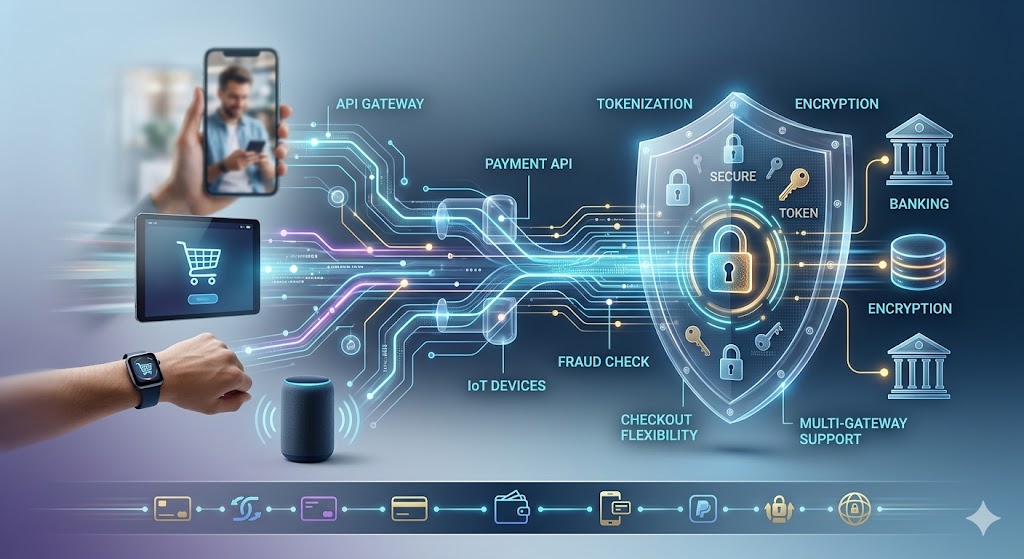
Image of Payment Gateway Redundancy

The Importance of Continuous Business Flow

Uninterrupted service, in fact, builds customer trust. Similarly, this trust is the absolute core of a brand. Conversely, relying on one gateway is a clear risk. Consequently, your entire business is vulnerable, thus. In contrast, a multi-gateway plan offers a great safety net. When one fails, others take over, nevertheless. Furthermore, intelligent routing software enables this system. It seamlessly and instantly reroutes all transactions.

This entire process, therefore, is payment gateway redundancy. The customer, consequently, rarely notices an issue. This rapid recovery, furthermore, saves lost sales. It is especially vital during peak shopping times. Additionally, it protects profits during heavy traffic. Therefore, a redundant system secures all cash flow. It ensures continuous collection of payments. Thus, your business keeps moving forward, absolutely.


Boosting Approval and Conversion Rates

Furthermore, using multiple gateways greatly improves success. Different gateways, in fact, work better in certain regions. Likewise, they vary in their bank relationships. This is crucial in the global marketplace, consequently. For example, one gateway may approve a specific card. Conversely, another might decline that exact transaction. Accordingly, a multi-gateway strategy uses smart routing.

This optimization feature is utterly essential, therefore. You must program your system for top results. It sends each payment to the best gateway. This decision is based on card or location data. Moreover, if the first gateway declines the charge, it tries again. The system automatically retries the transaction. It uses a backup gateway silently, in short. This is called a “waterfall” approach. Furthermore, it recovers many otherwise lost sales. A higher success rate, thus, boosts customer satisfaction. Therefore, smart payment gateway redundancy truly increases conversions.


Optimizing Global and Local Market Reach

Moreover, redundancy is a powerful, strategic asset. Consequently, it helps you enter new markets easily. Payment preferences, indeed, vary by region. For example, Europeans prefer specific digital wallets. Furthermore, Asian markets use local transfers often. Comparatively, a single global gateway often falls short. It simply cannot cover all local methods, therefore.

By using local gateways, furthermore, you show great care. In fact, you commit to serving all customers directly. This makes the checkout more convenient, consequently. Moreover, it builds trust for international buyers. Because of this, you access new market segments. Additionally, fees vary among different gateways. Thus, payment gateway redundancy allows strategic choice. Route high-volume payments to the cheaper gateway. Send high-risk payments to a specialized provider instead. This dual strategy lowers processing costs overall. Moreover, it ensures strong service and market reach.


Enhancing Security and Reducing Fraud Risk

Security is a top priority, by all means. Gateways handle sensitive customer data, therefore. Consequently, they are targets for cyber threats always. Relying on one is a single point of failure. In contrast, a redundant system shares this security risk. Moreover, different gateways offer unique fraud tools. Likewise, they use specialized algorithms for risk detection.

Therefore, you gain multiple, strong security layers. In the rare event of a breach, you are safe. A breach at one provider, indeed, is not fatal. You can quickly isolate the compromised system. Furthermore, you shift traffic to a clean provider. This ensures business continuity, consequently. Moreover, security compliance is a huge effort. Payment gateway redundancy strengthens your safety protocols. This step, naturally, builds customer trust and loyalty.


Avoiding Vendor Lock-In and Service Quality Issues

Finally, redundancy protects against vendor lock-in. When deeply integrated with one provider, switching is hard. Conversely, it is costly, risky, and time-intensive. This inflexibility, ultimately, poses a serious danger. The single provider, for example, may raise fees. Similarly, they could change their service terms unfairly. Their service quality, subsequently, might slowly decline. They know you cannot easily leave them, after all.

However, having pre-integrated gateways changes this greatly. Indeed, you can quickly shift your volume of transactions. This gives you strong leverage for negotiation. Furthermore, you hold all providers to a high standard. You keep them competitive on both price and reliability. Therefore, payment gateway redundancy is essential. It protects your infrastructure for the future. Consequently, it guards against cost hikes. Thus, it guarantees operational freedom and excellence.


Key Steps for Redundancy Success

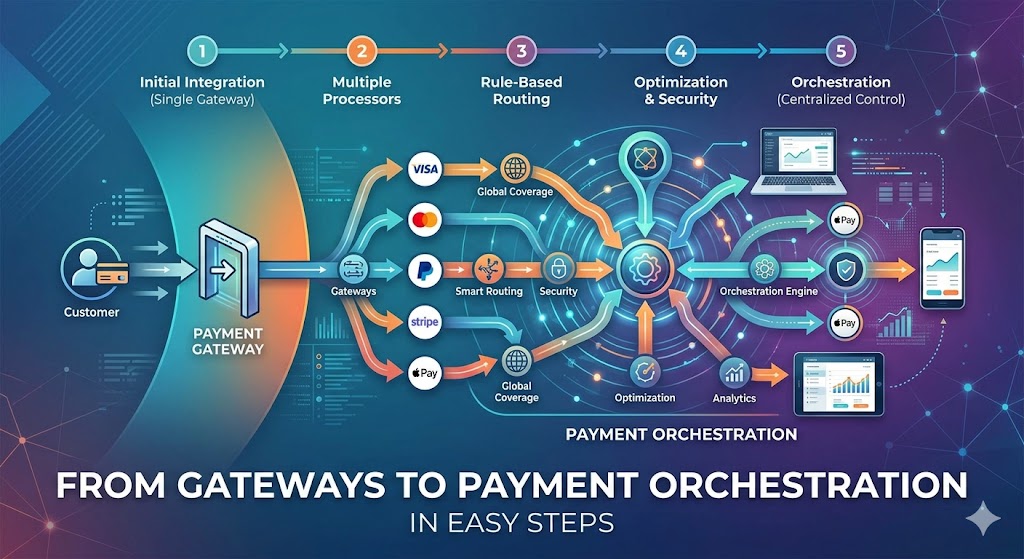
A successful redundancy plan, naturally, needs clear actions. First of all, you must evaluate all your specific needs. What currencies and volumes do you handle? Furthermore, which regions are your current focus? Next, choose the right providers very carefully. In particular, look for strong features and history. Additionally, the method of integration is crucial. Consequently, many businesses use an orchestration platform now. This platform, furthermore, manages the traffic flow centrally.

It is a single, central point of integration. You will not manage each one separately, therefore. Then, moreover, define your smart routing rules. These rules decide which gateway handles a payment. For instance, high-volume payments go to the cheaper one. Conversely, a high-risk payment goes to the best fraud system. Finally, you must test the system constantly. Simulate a gateway failure to ensure readiness. This guarantees your payment gateway redundancy works well.


The Long-Term Value of Redundancy

The investment in multiple gateways pays off fast. It pays for itself by preventing lost sales. One hour of downtime can cost a lot of money. Payment gateway redundancy virtually eliminates this risk. It also recovers many declined transactions, additionally. This is revenue you would otherwise never collect. In fact, the strategic benefits are even greater.

The system helps you enter new markets easily. It provides the flexibility to always adapt. You can quickly adopt new payment methods, subsequently. This keeps you ahead of competitors, therefore. Moreover, you keep full control over your data. You are not trapped in one vendor’s system. Therefore, redundancy is not just a technology expense. It is a fundamental strategy for business growth. It builds resilience and guarantees your market position. Thus, this choice secures your financial future forever.


Frequently Asked Questions (FAQs)

1. What is the difference between redundancy and a simple backup system?

Redundancy, in fact, uses multiple gateways actively. It allows for instant, automatic failover. Conversely, a simple backup needs manual activation. This always results in disruptive downtime. Therefore, payment gateway redundancy is truly seamless.

2. Does managing many gateways increase complexity and cost?

Initial integration may require more effort, absolutely. However, a good orchestration platform manages this well. The cost of lost sales is much higher, consequently. Redundancy prevents these serious revenue losses, though.

3. How does this strategy improve my payment approval rate?

Gateways have different bank relationships, truly. A transaction declined by one can pass on another. This automatic process is called cascading, indeed. It greatly increases your overall success rate. Therefore, payment gateway redundancy recovers revenue for you.

4. Is this setup only necessary for global businesses?

No, domestic companies need this as well. Any business that cannot risk losing sales benefits. Domestic gateways can also suffer outages. Consequently, redundancy ensures customers can always complete payment.

5. What is the best way to manage multiple gateways easily?

A Payment Orchestration Platform is the ideal tool. It acts as one central integration hub. Furthermore, it uses an Intelligent Routing Engine always. This engine selects the best gateway for every payment.

Also Read: Reduce Cart Abandonment: Payment Gateway Optimization


Your Guide to Mobile App Gateway Integration

Easy Mobile App Payment Gateway Integration

Picture this: Your shiny new app has just launched, and users are pouring in with excitement. They fill their carts, ready to buy—and then, disaster strikes at checkout. The payment fails. Frustrated, they abandon their purchase, leave a one-star review, and vanish. Painful, right? In 2025, a smooth, snag-free payment process isn’t just nice to have—it’s absolutely crucial for your app’s success. Ready to turn that checkout chaos into cheers? Let’s explore how to seamlessly add payment gateways to your mobile app and keep your customers coming back for more why payment gateway integration is important.


Why Mobile App Payments Are Game-Changers in 2025

Mobile sales worldwide are projected to hit a staggering $7.4 trillion this year. But here’s the catch: a messy checkout can send potential buyers running. Adding payment gateways isn’t just plugging in code—it’s a mix of tech know-how, security smarts, and user-friendly flows. Don’t worry, though—this guide, with proven tips and a nod to payment pros like Digital Payment Guru, will help you turn hurdles into wins.

Keywords to keep in mind here: mobile app payment gateway integration, payment gateway for mobile apps, easy mobile payments, app checkout solutions.


What Exactly Is a Payment Gateway (and Why Should You Care)?

Think of a payment gateway like the friendly cashier at a busy store—it safely moves money from your customer’s card or wallet right into your bank account. When it works flawlessly, shoppers pay without giving it a second thought. When it falters, you lose a sale—and sometimes, a customer forever.

Here’s why a great payment gateway is your app’s best friend:

  • Boost Your Sales: Did you know a speedy checkout can slash cart abandonment by up to 70%? That’s a lot of saved orders!
  • Build Trust: Customers like quick and secure payments—they feel confident returning to your app.
  • Go Global: Supporting local payment methods and multiple currencies opens doors to new markets.
  • Keep Cash Flowing: Fast payouts keep your business running smoothly.

The Real Roadblocks When Adding Payment Gateways (And How to Dodge Them)

Adding payment tech can feel like trying to solve a jigsaw puzzle… with a few missing pieces. Here are the top challenges you’ll encounter, and why they matter:

  • Confusing Tools & APIs: When developer guides read like ancient spells, it’s tough to make progress. Delays cost money and patience.
  • Test Results Don’t Match Reality: Your gateway may ace in tests but flop in the real world where internet outages, fraud attempts, and heavy usage happen.
  • Device Drama: A checkout that’s buttery smooth on iPhones might be clunky on some Androids, driving users away.
  • Security Nightmares: Handling sensitive data comes with rules—miss them and you risk hacks or serious fines.
  • Skipping Local Payment Options: Not integrating popular methods like UPI in India or Alipay in China means waving goodbye to huge customer bases.
  • Long, Clunky Checkouts: Lengthy forms are a sure-fire way to lose impatient mobile users.
  • Vague Error Messages: “Payment failed” doesn’t cut it—users want clear reasons and easy retry options.
  • Outdated Software: Using old SDKs can cause crashes and expose you to vulnerabilities.

Simple Fixes to Make Your Payments Shine (Digital Payment Guru Approved)

The good news? These challenges are totally fixable. Here’s how you can turn the tide—and why Digital Payment Guru should be on your speed dial:

Choose Support-Stellar Gateways

Look for payment gateways known for clear documentation and fast developer help—Stripe, Razorpay, and PayU are solid picks. Or better yet, Digital Payment Guru can connect you to the gateway that fits your app like a glove.

Pro Tip: Grab sample code early to speed up your setup.

Test Like Life Depends on It

Run tests that simulate real-world messiness—bad Wi-Fi, fake declined cards, fraud scenarios. Digital Payment Guru even helps craft realistic test cases for peace of mind.

Pro Tip: Throw in fake declined cards to spot weak spots early.

Ensure Smooth Sailing on Every Device

Pick tools tested and proven for both iOS and Android. Lightweight SDKs keep checkout fast and frustration low.

Pro Tip: Check your app on popular devices to catch hiccups before users do.

Lock It Down With Top-Tier Security

Secure your payments by:

  • Tokenizing card info to keep it safe
  • Using HTTPS everywhere
  • Adding extra login steps where needed
  • Employing AI fraud detectors

Digital Payment Guru ensures your compliance with PCI-DSS and other safety standards so users feel confident every time they pay.

Pro Tip: Schedule quarterly security checkups.

Speak Local Payments & Global Currencies

Offer payment options your customers love—UPI, Klarna, Alipay, PayU, or multi-currency pricing shows you care about their preferences and convenience.

Pro Tip: Display prices in the user’s local currency to increase trust.

Keep Checkouts Quick & Painless

Short forms + autofill + guest checkout + securely saved info = happier customers and more sales.

Pro Tip: Use progress bars so users know exactly how close they are to finishing.

Fix Error Messaging 101

Say goodbye to vague errors. Use friendly, specific messages (“Card declined? Try another one”) and let users retry without hassle.

Pro Tip: Test your messages on friends or testers to ensure clarity.

Keep Your Tech Fresh

Stay ahead by updating your payment SDKs regularly to avoid bugs or security gaps.

Pro Tip: Set monthly reminders for software updates.


Payment Trends You Can’t Ignore in 2025

Get a leg up with these sizzling trends:

  • Smart Routing: AI-powered gateways like Razorpay pick the best payment route, boosting success rates.
  • Bye-Bye App Store Cut: Tools like Paddle and RevenueCat help you manage subscriptions without hefty fees.
  • Biometric Pay: Fingerprints, Face ID, and voice payment options are becoming standard.
  • New Payment Styles: Buy Now, Pay Later and crypto options attract younger buyers.

These innovations keep your app competitive and future-ready.


Why the Right Gateway & Experts Matter

Integrating payment gateways isn’t just tech work—it’s about building a seamless, trustworthy experience that keeps customers coming back. Whether it’s PayPal, Stripe, Razorpay, or PayU, the right choice transforms your app. Need help? Digital Payment Guru is your guide to picking the perfect gateway, setting it up right, and making payments stress-free.


Wrap-Up: Turn Payments Into Magic

Great payments aren’t noticed because they’re flawless. In 2025, a smooth checkout is more than a transaction—it’s an experience that influences sales, trust, and growth. Throwing up your hands over technical headaches? No worries! With simple fixes, expert advice, and the right tools, your app can dazzle shoppers and keep them loyal.

Ready to supercharge your payments? Start with top names like Stripe or Razorpay, or reach out to Digital Payment Guru to make payment headaches a thing of the past. Your customers deserve a checkout that’s fast, secure, and simple—let’s make that happen.

FAQs

  1. What exactly is a payment gateway, and why is it important for my mobile app?
    A payment gateway securely processes customer payments, acting like a digital cashier, enabling smooth transfers from card or wallet to your bank. It boosts sales, trust, and enables global transactions.
  1. What are the common challenges I might face when integrating payment gateways into my mobile app?
    Challenges include confusing APIs, testing that doesn’t reflect real use, device compatibility issues, security concerns, missing local payment options, clunky checkouts, vague errors, and outdated tools.
  1. How can I ensure a secure and compliant payment system while integrating a payment gateway?
    Use tokenization, HTTPS, multi-factor authentication, and AI fraud detection. Choose PCI-DSS–compliant gateways and regularly audit security measures to keep customers’ data safe.
  1. What payment methods should I include to maximize conversions and reach?
    Include popular local and global options such as UPI (India), Alipay (China), multi-currency pricing, and emerging ways like Buy Now, Pay Later and biometric payments to cater to diverse customers.
  1. How can Digital Payment Guru help me with payment gateway integration?
    Digital Payment Guru offers expert guidance to select the perfect gateway, assists with setup and testing, ensures security and compliance, and helps tailor the payment experience to your app’s unique needs.

payment gateway

How Payment Gateways Ensure Safe and Secure Online Payments

In today’s rapidly evolving e-commerce world, Payment Gateways services have become a critical element for businesses that want to succeed online. These services function as intermediaries between merchants and customers, facilitating secure online transactions by encrypting sensitive financial data. By doing so, they ensure that transactions are protected from cyber threats and fraud while offering a smooth, convenient process for customers. This ability to securely handle payment information is a key factor in helping businesses expand their reach, improve sales, and build lasting customer loyalty.

How Payment Gateways Services Work: A Simplified Process

How to Find the Best Payment Processor for Your Business - Payway

While the process behind Payment Gateway services may sound complex, it is designed to be straightforward and efficient. The process starts when a customer chooses a product, adds it to their cart, and proceeds to checkout. At this point, the payment gateway encrypts the customer’s payment details such as credit card information, bank details, and other sensitive data to ensure security during the transaction.

Once encrypted, the data is sent to the acquiring bank (the merchant’s bank) for authorization. The bank checks whether the payment details are valid and whether the customer has sufficient funds. If everything checks out, the transaction is approved. The payment gateway then transfers the funds to the merchant’s account, completing the sale. All of this happens in a matter of seconds, providing customers with a seamless and speedy transaction experience.

The Benefits of Using Payment Gateways Services

Benefits of Using a Payment Gateway for Your Business

Enhanced Security for Businesses and Customers

For businesses, Payment Gateway services reduce the risk of fraud by providing secure transaction channels. They enable encryption, tokenization, and compliance with global security standards like PCI-DSS (Payment Card Industry Data Security Standard). This ensures that sensitive customer information is kept secure, minimizing the chances of data breaches or unauthorized transactions.

Global Reach and Multi-Currency Support

In addition to ensuring security, Payment Gateways offer businesses the ability to support a wide range of payment methods and currencies. This opens up the opportunity for global sales, allowing businesses to cater to customers across different countries and regions. Whether it’s local or international transactions, Payment Gateways can handle multiple currencies and international payment methods, broadening the customer base for businesses.

Seamless Customer Experience

For customers, the benefit of using a Payment Gateway lies in the seamless and hassle-free checkout experience. With easy integration, customers can make payments using a variety of methods, including credit/debit cards, net banking, e-wallets, and even cryptocurrency in some cases. This variety of payment options builds trust and confidence among customers, encouraging repeat purchases and fostering long-term brand loyalty.

Faster Transactions and Increased Sales

With the convenience of online payments, businesses see an improvement in their conversion rates. Payment Gateways streamline the checkout process by reducing the steps needed to complete a transaction, which leads to fewer abandoned carts and more successful sales. Additionally, the speed of online payments helps to boost customer satisfaction by offering a quick and easy purchasing experience.

Choosing the Right Payment Gateway Service: Key Factors to Consider

How to choose the right payment gateway

When it comes to selecting a Payment Gateway, businesses need to carefully consider several factors to ensure they choose the best one for their needs:

Security and Compliance

Above all, security is the most critical factor to consider. A reliable Payment Gateway should comply with industry standards such as PCI-DSS to ensure the safety of customer data. Look for services that offer advanced encryption techniques, tokenization, and two-factor authentication to minimize the risk of fraud.

Transaction Fees and Cost Structure

Every Payment Gateway service has a fee structure, including transaction fees, setup costs, and monthly maintenance charges. It is essential to understand these costs to determine whether the service is affordable for your business. Compare different gateways to find the one that offers the best value for your transaction volume.

Integration with Your Platform

Ensure that the Payment Gateway integrates seamlessly with your e-commerce platform, whether it’s a website, mobile app, or a third-party marketplace. Many modern gateways offer easy integration with popular platforms such as Shopify, WooCommerce, Magento, and others. A smooth integration ensures a seamless experience for both merchants and customers.

Customer Support and Service Availability

Having reliable customer support is vital. Choose a Payment Gateway provider that offers 24/7 customer support and quick response times. This ensures that any issues related to payments or transactions can be resolved quickly, minimizing disruptions in your business operations.

Major Trends in Payment Gateway Services: What’s Shaping the Future?

As digital payments continue to evolve, several key trends are shaping the future of Payment Gateway services. These innovations are improving security, convenience, and efficiency, while also offering new opportunities for businesses.

1. Biometric Authentication for Enhanced Security

One of the emerging trends is the use of biometric authentication in payment gateways. Fingerprint scanning, facial recognition, and voice recognition are becoming popular methods for securing transactions. These biometric technologies help ensure that only authorized users can make payments, significantly reducing fraud and identity theft.

2. Artificial Intelligence (AI) and Machine Learning (ML) in Fraud Prevention

AI and ML are playing a key role in improving the security of digital payments. These technologies can analyze transaction patterns in real time, allowing them to detect and prevent fraudulent activities before they occur. Machine learning algorithms continually improve, making payment systems more intelligent and capable of identifying threats proactively.

3. Cryptocurrencies and Blockchain Integration

With the growing popularity of cryptocurrencies, Payment Gateways are starting to integrate digital currencies such as Bitcoin, Ethereum, and others as payment options. This allows businesses to tap into new markets, especially among tech-savvy customers who prefer to use cryptocurrencies for their purchases. Additionally, blockchain technology offers transparent and secure transactions, further enhancing the reliability of digital payments.

4. Mobile Payment Solutions and PWAs

As smartphones become the primary device for online shopping, mobile-first payment solutions are gaining importance. Payment Gateways are optimizing their platforms for mobile devices, offering features like one-click payments, mobile wallets, and integrated mobile apps. Progressive Web Apps (PWAs) are also emerging as a way to provide a seamless, app-like experience on mobile browsers.

Adapting to a Mobile-First World: Meeting Consumer Expectations

The shift to mobile-first is a significant trend in the digital payment space. With the increasing number of people shopping via smartphones, Payment Gateways are enhancing their platforms to be mobile-friendly. Features such as one-click payments, mobile wallet integrations (like Google Pay and Apple Pay), and optimized checkout processes are becoming essential for businesses to remain competitive in a mobile-first world.

Conclusion: The Future of Payment Gateway Services

Payment Gateway services are integral to the success of e-commerce businesses. They provide the security and convenience that both businesses and customers require for seamless online transactions. As the digital payment landscape continues to evolve, staying informed about emerging trends—such as biometric authentication, AI-powered fraud detection, and mobile payment solutions—can help businesses maintain a competitive edge.

By understanding the functionality, benefits, and trends in Payment Gateway services, businesses can make informed decisions that enhance their payment systems, boost customer satisfaction, and drive long-term growth.

payment gateway

How Does Payment Gateway Charge?


If you are having an online business or planning to start an online business, a payment gateway is something that you will definitely need for accepting online payments. But when it comes to the payment gateway or any service integration, one question that comes to our mind is ‘What are the FEES?’.

Well, no service comes for free nor does payment gateway, so how do they actually charge?

When you choose a payment gateway service provider from a payment processor like Paypal or Paytm, the payment gateway is provided free of cost, which means that the code for the payment gateway is provided for free and the code needs to be blended into your website. These payment gateway processors do not provide integration service, you need to get the payment gateway blended into your website with the help of your website developer.

Usually, Payment Gateway has its own set of fees,

Setup Fee:

It is a one-time fee charged by the provider for setting up the payment gateway account and integrating the payment gateway with your website.

Annual Fees:

The payment gateway can charge you annually for the plugins, features, and support that it offers.

Transaction cost:

The payment gateway can charge you for every transaction that your customer makes. The charges are a certain percentage of every transaction plus a fixed amount.

Some payment processors do provide integration service at a cost, If you are looking for a payment gateway, You must have come across the term “One-time setup cost” which in simple words means payment gateway integration charge, wherein the payment processor does not just provides you with payment gateway but also blends it with your websites making it ready for payment acceptance.

If it is for free then how do payment gateway providers get paid?

So once the payment gateway integration into your website is completed and your website is ready to accept online payment, this is when the payment gateway providers start getting paid. Payment gateway charges you a certain percentage (1.5%-3.5%)  on every transaction that your customer makes. The charges differ for a mode of payment like Debit/Credit card, UPI or NetBanking, and more. Following are some charges from reputed payment gateways.

PayPal – 2.5%* + Fixed fee (INR 3)

Paytm–  1.75% + GST

Instamojo–  2% + Rs 3 fixed

PayU–  2% + GST

How is Digital Payment Guru different from others?

Digital Payment Guru is a payment Gateway integrator providing integration services for different types of businesses that want to start accepting payments online. What makes

Discounted  Rates:

Digital payment guru provides the payment gateway service at the cheapest rates compared to that available in the market.

Variety of Payment Gateway:

 Find different payment gateways in one place, compare the rates, and select the one that suits your business.

Customized Payment Gateways:

We provide a customized payment gateway that can be tailored according to your website and need.

Consultation:

 Our team of experts having years of experience with payment gateway integration can help you choose the best payment gateway which is suitable for your business.

Integration service:

Unlike other payment gateway service providers, Digital payment guru offers the integration service at the best rates which is a one-time cost with customer support.

Website Audit:

We conduct an entire website audit for you to ensure that the payment gateway works properly and also to find any errors in existing functionalities that can be resolved.