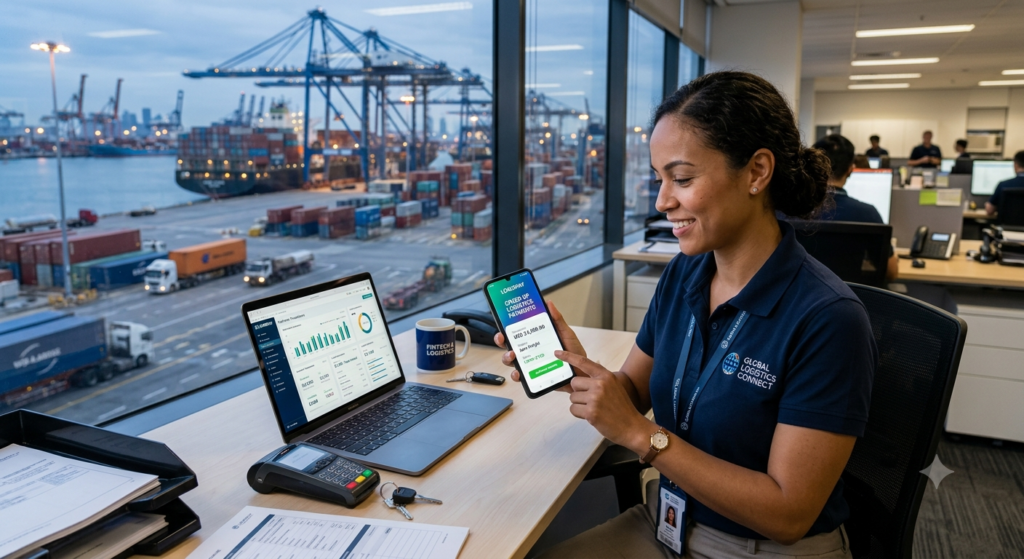
How Do Modern Brands Manage B2B Payments

How Do Modern Brands Manage B2B Payments? Ultimate Guide

Payments in B2B Commerce: Why It’s Still Broken

Getting paid should be simple. Yet in B2B commerce payments, delays, errors, and confusion remain the norm. Many business owners accept this as just how things work.

Yet frustration keeps growing as businesses scale. What felt manageable at a small size becomes unsustainable once transaction volume increases. Recognizing this shift early helps leaders act before problems compound further.

That assumption is costly. Late payments hurt cash flow, strain supplier relationships, and slow down growth. Understanding the root causes is the first step toward fixing them.

This article breaks down why B2B commerce payments still struggle today. It also shows practical ways businesses can close these gaps and get paid faster.

Every industry feels this pain differently. Manufacturing companies wait on large purchase orders, while service providers chase recurring invoices. Regardless of industry, the underlying frustration remains remarkably similar.

Solving this problem requires more than a single tool. It takes a shift in mindset, alongside better systems and clearer expectations between buyers and sellers.

The Core Problems With B2B Commerce Payments

Manual processes remain shockingly common. Many companies still send invoices by email and track payments in spreadsheets. This approach invites errors and missed deadlines.

These outdated habits persist even inside otherwise modern companies. Teams often adopt new software for other functions while leaving payments untouched. This inconsistency creates an obvious weak link in the overall process.

Approval chains add another layer of friction. A single invoice might need sign-off from three or four people. Meanwhile, the vendor waits, wondering when payment will arrive.

Payment terms also create confusion. Net-30, net-60, and net-90 arrangements vary by client. As a result, finance teams juggle dozens of different timelines at once.

Currency and banking differences complicate cross-border deals further. A payment sent from one country can take days to clear in another. Consequently, international suppliers often face the longest waits.

Fraud risk adds extra caution to every transaction. Businesses verify details repeatedly before releasing funds. While necessary, this step slows things down even more.

Legacy banking infrastructure adds friction on top of everything else. Wire transfers can take several business days to clear. Meanwhile, weekend and holiday schedules extend these timelines even further.

Together, these issues create a system built on patience rather than efficiency. Buyers and sellers both lose time they cannot get back.

Disputes over invoice details add further delay. A missing purchase order number or a mismatched amount can freeze payment entirely. Meanwhile, resolving these small errors often takes several rounds of email.

Multiple payment methods complicate things too. Checks, wire transfers, and digital platforms all move at different speeds. As a result, finance teams juggle several systems just to track one transaction.

Why These Problems Persist

Legacy systems are hard to replace. Many businesses built their finance operations years ago. Switching to new software feels risky, even when the old system clearly struggles.

Trust also plays a role. Buyers often delay payment simply because they can. Without strong contracts or automated reminders, there is little pressure to pay on time.

Additionally, many teams lack visibility into payment status. Finance staff cannot always see where an invoice sits in the approval chain. Therefore, delays go unnoticed until a supplier complains.

Smaller businesses face a unique challenge here. They often lack the negotiating power to demand faster terms. Larger buyers set the rules, and smaller vendors simply comply.

Regulatory differences across regions add more complexity. Tax rules, reporting requirements, and banking laws vary widely. This forces businesses to manage multiple compliance checklists at once.

All these factors combine into a slow-moving system. No single fix solves everything, but understanding each piece helps businesses target the right solutions.

Internal politics can slow things down as well. Departments sometimes disagree on who owns the payment process. Therefore, invoices bounce between teams before anyone takes real responsibility.

Fear of change also keeps outdated habits alive. Finance leaders often worry that new systems will disrupt existing relationships. This caution, while understandable, keeps many businesses stuck with slow processes longer than necessary.

The Real Cost of Broken B2B Payments

Cash flow suffers first. When payments arrive late, businesses struggle to cover their own expenses. This can create a ripple effect across an entire supply chain.

Supplier relationships also take a hit. Vendors who face repeated delays may raise prices or reduce service quality. In contrast, reliable payers often receive better terms and priority service.

Staff time is another hidden cost. Finance teams spend hours chasing overdue invoices instead of focusing on growth tasks. This drains productivity across the whole department.

Growth opportunities can disappear too. Businesses with weak cash flow struggle to invest in new equipment or hires. Thus, payment delays quietly limit long-term potential.

Reputation matters as well. Word travels fast among suppliers and partners. A business known for slow payments may struggle to secure favorable deals in the future.

These costs add up quickly. What looks like a minor administrative issue often becomes a serious barrier to business success.

Stress on internal teams should not be ignored either. Constantly chasing payments creates tension and burnout among finance staff. Over time, this can even affect employee retention within the department.

Smaller vendors often feel this pain the most. A single late payment can strain their entire operating budget. In contrast, larger enterprises usually have more cushion to absorb these delays.

How Businesses Can Fix B2B Commerce Payments

Automation offers the fastest path forward. Digital invoicing tools reduce manual errors and speed up approvals significantly. Many platforms also send automatic reminders to reduce late payments.

Cloud-based platforms make this transition easier than before. Teams can access invoices and payment status from anywhere. This flexibility supports remote and hybrid work environments common today.

Clear payment terms help too. Setting consistent timelines across all clients removes confusion. Similarly, offering small discounts for early payment can encourage faster action.

Real-time tracking improves visibility for everyone involved. Both buyers and sellers can see exactly where a payment stands. This transparency builds trust and reduces unnecessary follow-up calls.

Choosing the right payment partner also matters. Look for providers who support multiple currencies and fast settlement times. This is especially important for businesses working across borders.

Security features deserve close attention during vendor selection. Strong encryption and fraud detection protect both parties. As a result, businesses can move faster without taking on unnecessary risk.

Regular audits help catch problems early. Reviewing payment cycles every quarter reveals patterns worth addressing. As a result, businesses can fix small issues before they grow larger.

Negotiating better terms upfront also helps both sides. Clear agreements about deadlines and penalties reduce ambiguity later. Consequently, disputes become far less frequent once expectations are documented clearly.

Finally, strong communication between finance teams and suppliers builds better habits. Open conversations about expectations often prevent disputes before they start.

Standardizing invoice formats also reduces friction significantly. When every invoice follows the same structure, approvals move faster. This small change often prevents many common disputes.

Training staff on new systems matters just as much as choosing the right tool. A platform only helps when people actually use it correctly and consistently across every transaction.

Conclusion

B2B commerce payments do not have to stay broken. With better tools, clear terms, and stronger visibility, businesses can finally close these long-standing gaps.

The companies that fix this now will move faster than competitors still stuck in old habits. Speed and reliability become a real competitive advantage.

Suppliers notice which partners pay on time. Over the long run, reliable payers often receive better pricing and priority treatment. This reputation becomes a genuine business asset.

Change takes effort, but the payoff is worth it. Stronger cash flow, better relationships, and less administrative stress all follow once the system finally works properly.

Ready to modernize how your business handles payments? Build your authority with Digital Payment Guru and turn payment friction into a growth opportunity.

How Do Modern Brands Manage B2B Payments

Frequently Asked Questions

  1. Why are B2B commerce payments often delayed? Delays usually come from manual processes, long approval chains, and unclear payment terms. These factors slow down even simple transactions.
  2. How can businesses reduce late payments from clients? Setting clear terms, sending automatic reminders, and offering early payment discounts all help. Consistent communication also reduces confusion around deadlines.
  3. What role does automation play in B2B payments? Automation reduces manual errors and speeds up approvals. It also gives both buyers and sellers real-time visibility into payment status.
  4. Why is cross-border B2B payment more difficult? Different currencies, banking systems, and regulations add complexity. These differences often extend settlement times for international transactions.
  5. What is the biggest hidden cost of broken payment systems? Lost staff time and weakened supplier relationships are often overlooked. Both quietly limit a business’s ability to grow efficiently.

Also Read:

How Do You Choose Subscription Payment Systems? Ultimate Guide

How Do Split Payments Boost Seller Retention? Ultimate Guide
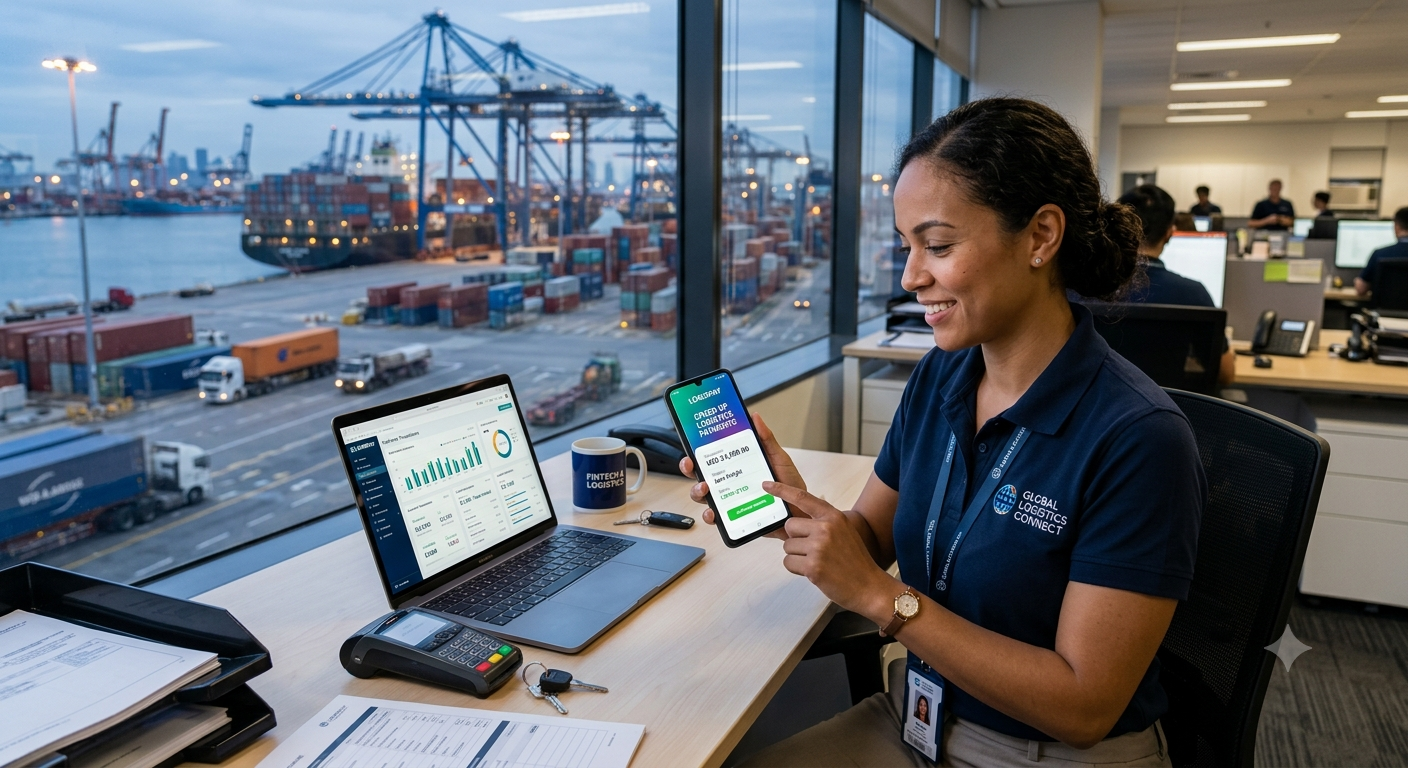
How Does Fintech Speed Up Logistics Payments

How Does Fintech Speed Up Logistics Payments? Ultimate Guide

Fintech for Logistics & Supply Chain Payments

Moving goods across the world is only half the challenge. Moving money through the supply chain is often harder. Fintech for logistics is solving this problem in ways that seemed impossible just a few years ago. Payments that once took weeks now settle in days or even hours.

Supply chains involve many players. Shippers, carriers, warehouses, and vendors all need to get paid on time. Delays anywhere in that chain create ripple effects everywhere else. This is where fintech for logistics steps in, connecting payment systems directly to operational data.

This article explains why traditional payment methods struggle in logistics, how fintech solves those problems, and what benefits businesses can expect. Let us explore the details.

Why Traditional Payments Struggle In Logistics

Logistics has always run on tight margins and tighter timelines. Traditional banking systems were never built for this pace.

Paper invoices still exist in many supply chains today. Someone has to manually match invoices to shipments. Errors happen often, and disputes take days to resolve. Meanwhile, carriers wait for payment while covering fuel and driver costs upfront.

Cross-border transactions add another layer of complexity. Currency conversion, compliance checks, and banking hours vary by country. As a result, international shipments often face payment delays that have nothing to do with the goods themselves. This creates cash flow pressure across the entire chain.

Small carriers and independent truckers feel this pain the most. Waiting thirty or sixty days for payment can strain their operations badly. Consequently, many either raise prices or refuse certain jobs altogether. This limits capacity precisely when demand is highest.

Traditional systems also lack visibility. Finance teams often cannot see where a payment sits in the approval process. This lack of transparency leads to frustration on both sides of every transaction. Fintech for logistics directly addresses each of these pain points.

How Fintech For Logistics Solves Payment Problems

Fintech for logistics connects payment platforms directly to shipment and tracking data. Payments trigger automatically once delivery is confirmed.

This automation removes much of the manual work involved in invoice matching. Systems verify delivery status instantly using GPS and digital proof of delivery. Therefore, payments release faster with fewer disputes and less paperwork.

Real-time payment rails also play a major role. Instead of waiting for traditional bank transfers, funds move within hours through modern payment networks. Additionally, some platforms offer instant factoring, letting carriers get paid immediately for a small fee. This flexibility helps smaller operators manage cash flow more predictably.

Cross-border payments benefit significantly from fintech innovation too. Digital platforms handle currency conversion and compliance checks automatically. This reduces the delays that once made international logistics payments so frustrating. Similarly, built-in fraud detection protects both shippers and carriers from costly errors.

Data visibility improves dramatically as well. Finance teams can track every payment in real time through a single dashboard. They see exactly where funds are in the process at any given moment. This transparency builds trust between all parties involved in the transaction.

Key Benefits For Businesses Across The Supply Chain

Faster payments create advantages that extend well beyond simple convenience. The impact touches nearly every part of a logistics operation.

Improved cash flow tops the list for most companies. Carriers can accept more jobs when they are not waiting weeks for payment. Shippers benefit from stronger, more reliable carrier relationships as a result. Everyone in the chain operates with less financial stress.

Cost savings follow closely behind. Automated systems reduce the manual labor needed for invoice processing and reconciliation. Fewer errors mean fewer costly disputes and less time spent on corrections. Over time, these savings add up significantly for large operations.

Stronger partnerships also emerge from reliable, fast payments. Vendors and carriers prefer working with companies that pay consistently and quickly. This reputation can become a genuine competitive advantage in a tight labor market. Businesses that pay reliably often get priority access to capacity during peak seasons.

Better data also supports smarter decision-making. Finance leaders gain clear visibility into spending patterns across routes, vendors, and regions. This information helps identify cost-saving opportunities that were previously hidden in disconnected systems. Consequently, companies can negotiate better rates using real payment history as leverage.

Risk management improves too. Fintech platforms often include built-in fraud detection and compliance monitoring. This protects businesses from payment fraud, which remains a persistent risk in complex global supply chains.

Choosing The Right Fintech Partner For Logistics

Not every fintech platform fits every logistics business. Choosing the right partner requires careful evaluation.

Start by examining integration capabilities. The platform should connect easily with your existing transportation management and accounting systems. Poor integration creates new manual work instead of removing it. Therefore, this should be a top priority during evaluation.

Next, consider payment speed and flexibility. Look for platforms offering multiple payout options, including instant transfers for time-sensitive situations. Additionally, check whether the platform supports the currencies and regions relevant to your operations.

Security and compliance also deserve close attention. Verify that the provider follows strong data protection standards and relevant financial regulations. This matters even more for companies handling cross-border transactions regularly.

Finally, evaluate customer support and onboarding quality. A platform with excellent technology but poor support can slow your transition significantly. Ask potential partners about implementation timelines and available training resources before committing.

Working with experienced experts can simplify this decision considerably. Build your authority with Digital Payment Guru and modernize your logistics payment infrastructure with confidence.

How Does Fintech Speed Up Logistics Payments

Conclusion

Fintech for logistics is reshaping how money moves through global supply chains. Faster payments, better visibility, and stronger partnerships are no longer optional advantages. They are becoming baseline expectations across the industry.

Companies that adopt these tools early gain real operational advantages. They build stronger carrier relationships and reduce costly payment friction. Meanwhile, those relying on outdated systems risk falling behind competitors who move faster and pay smarter.

The shift toward digital, automated logistics payments will only accelerate. Businesses that prepare now will be ready to lead their markets tomorrow.

Frequently Asked Questions

1. What is fintech for logistics? Fintech for logistics refers to digital financial tools that automate and speed up payments across shipping, freight, and supply chain operations.

2. How does fintech reduce payment delays in supply chains? It connects payments directly to shipment and delivery data, triggering automatic transfers once delivery is confirmed instead of manual processing.

3. Is fintech for logistics useful for small carriers? Yes. Instant payment and factoring options help small carriers maintain healthy cash flow without waiting weeks for standard payment cycles.

4. Does fintech for logistics help with international payments? Yes. It automates currency conversion and compliance checks, reducing delays common in cross-border logistics transactions.

5. How do I choose the right fintech platform for my logistics business? Evaluate integration ease, payment speed, security standards, and customer support before selecting a fintech partner for your supply chain.

Also Read:

How Do EdTech Start-ups Simplify Payments? Ultimate Guide

How Is Creator Infrastructure Built Today? Complete Guide

How Is Creator Infrastructure Built Today

How Is Creator Infrastructure Built Today? Complete Guide

Payments for Creator Economy: Monetization Infrastructure Explained

The creator economy has grown into a massive market. Millions of people now earn income from content, courses, and communities. However, few people understand what happens behind the scenes when a creator gets paid.

This article explains creator economy payments in plain language. You will learn how money moves from fans to creators, what infrastructure makes this possible, and why compliance matters so much. Whether you run a platform or simply want to understand your payouts, this guide will help.

Let’s start with the basics of monetization infrastructure.

What Is Monetization Infrastructure for Creator?

Monetization infrastructure refers to the systems that move money from a paying customer to a creator. This includes payment processors, payout rails, currency conversion, and tax reporting tools. Together, these pieces form the financial backbone of any creator platform.

Think about a simple example. A fan buys a course from an online educator. That payment first passes through a processor, which checks the card details and approves the charge. Next, the platform takes its fee. Finally, the remaining amount moves to the creator’s account, often after a short delay.

This process looks simple from the outside. In reality, it involves several connected systems working together. Each one must handle security, currency differences, and local regulations correctly.

Additionally, monetization infrastructure must support multiple payment types. Creators today accept subscriptions, one-time purchases, tips, and affiliate commissions. A platform that only supports one payment type limits its own growth.

How Money Moves From Fan to Creator

Understanding the payment flow helps explain why some payouts feel instant while others take days. Generally, the process includes four steps: collection, processing, holding, and disbursement.

Collection happens when a fan pays through a card, wallet, or bank transfer. The platform’s payment processor captures this transaction securely. Strong encryption protects sensitive data during this step.

Processing follows next. The processor verifies the transaction and checks for fraud. This step protects both the platform and the creator from chargebacks and scams.

After processing, funds often sit in a holding period. Platforms do this to manage refund risk and cash flow. Meanwhile, creators sometimes see this delay as frustrating, so clear communication about payout timing matters.

Finally, disbursement sends money to the creator. This can happen through direct deposit, digital wallets, or international transfer services. Speed depends heavily on the payout method and the creator’s home country.

Why Global Payouts Are So Difficult

Many creators live outside the countries where their platforms are based. As a result, global payouts introduce real complexity. Currency conversion, banking regulations, and tax rules all differ by region.

Currency conversion alone creates friction. A platform based in the United States might need to pay a creator in Nigeria or the Philippines. Exchange rates fluctuate constantly, and hidden fees can quietly reduce a creator’s earnings.

Furthermore, banking infrastructure varies widely between countries. Some regions have fast, reliable digital payment rails. Others rely on slower systems that add days to every payout. Platforms must choose partners carefully to avoid frustrating their global creator base.

Tax compliance adds another layer. Different countries require different reporting forms and withholding rules. A platform that ignores this risks legal trouble and creator distrust. Consequently, most serious platforms invest heavily in compliance tools and local payment partnerships.

Despite these challenges, solving global payouts well creates a real competitive advantage. Creators tend to stay loyal to platforms that pay them quickly, fairly, and predictably.

Building a Trustworthy Payment Experience

Trust drives everything in the creator economy. Creators need confidence that they will get paid accurately and on time. Fans need confidence that their payment details stay secure.

Transparency builds this trust. Platforms should clearly explain fees, payout schedules, and any holding periods. Hidden costs damage relationships quickly, especially among creators who compare notes publicly online.

Security matters just as much. Payment infrastructure should follow strong industry standards, including encryption and fraud detection. A single security breach can destroy years of built-up trust in a platform.

Support also plays a role many platforms overlook. When a payout fails or gets delayed, creators want quick answers. A responsive support team, backed by clear payment records, prevents small issues from becoming public complaints.

Finally, flexibility improves the overall experience. Offering multiple payout options lets creators choose what works best for their location and preferences. This flexibility often becomes a deciding factor when creators pick between competing platforms.

Conclusion

Creator economy payments involve far more than a simple transaction. Behind every payout sits a network of processors, compliance checks, and payout rails working together. Understanding this infrastructure helps both platform builders and creators make smarter decisions.

As the creator economy keeps growing, strong monetization infrastructure will only become more important. Platforms that invest in fast, transparent, and secure payments will earn creator loyalty. Those that ignore these details risk losing top talent to competitors.

If you want to build payment infrastructure that creators trust, Build your authority with Digital Payment Guru. Their team specializes in monetization systems designed for the modern creator economy.

How Is Creator Infrastructure Built Today

Frequently Asked Questions

1. What is monetization infrastructure in the creator economy? Monetization infrastructure is the combination of payment processors, payout systems, and compliance tools that move money from customers to creators safely and efficiently.

2. Why do creator payouts sometimes take several days? Payouts often include a holding period for fraud and refund protection. International transfers can also add time due to banking and currency conversion processes.

3. How do platforms handle international creator payments? Platforms typically partner with global payment providers that support local currencies, banking rails, and tax compliance requirements in different countries.

4. What fees are common in creator economy payments? Common fees include processing fees, platform commissions, and currency conversion costs. Transparent platforms disclose these fees clearly before payout.

5. Why is compliance important for creator payment systems? Compliance protects platforms from legal risk and ensures creators receive accurate tax documentation. It also builds long-term trust between platforms and their creator communities.

Also Read:

How Does Real-Time Payments Data Help? The Ultimate Guide


How Do Founders Pass VC Code Reviews? Ultimate Guide