The Future of Digital Payments and Gateways in 2025

Digital payment gateways have become an integral part of how businesses and consumers interact financially. From e-commerce websites and subscription platforms to mobile apps and online marketplaces, payment gateways are the engines that power seamless and secure transactions. As technology continues to evolve and user expectations rise, the future of payment gateways is being reshaped by innovation, regulation, and competition.

This article dives deep into the predicted trajectory of payment gateways, examining the technologies driving change, the emerging trends, and how businesses and consumers alike will benefit in the coming years. With a special focus on the Indian digital payment landscape, we will also explore how local innovations are influencing global trends

What is a Digital Payment Gateway?

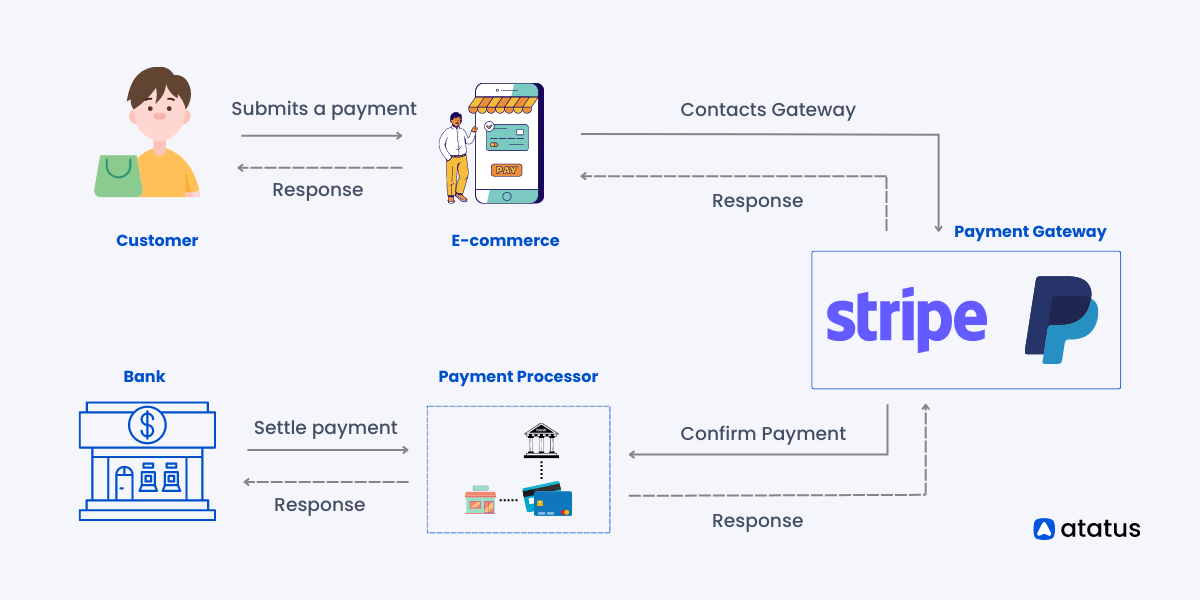
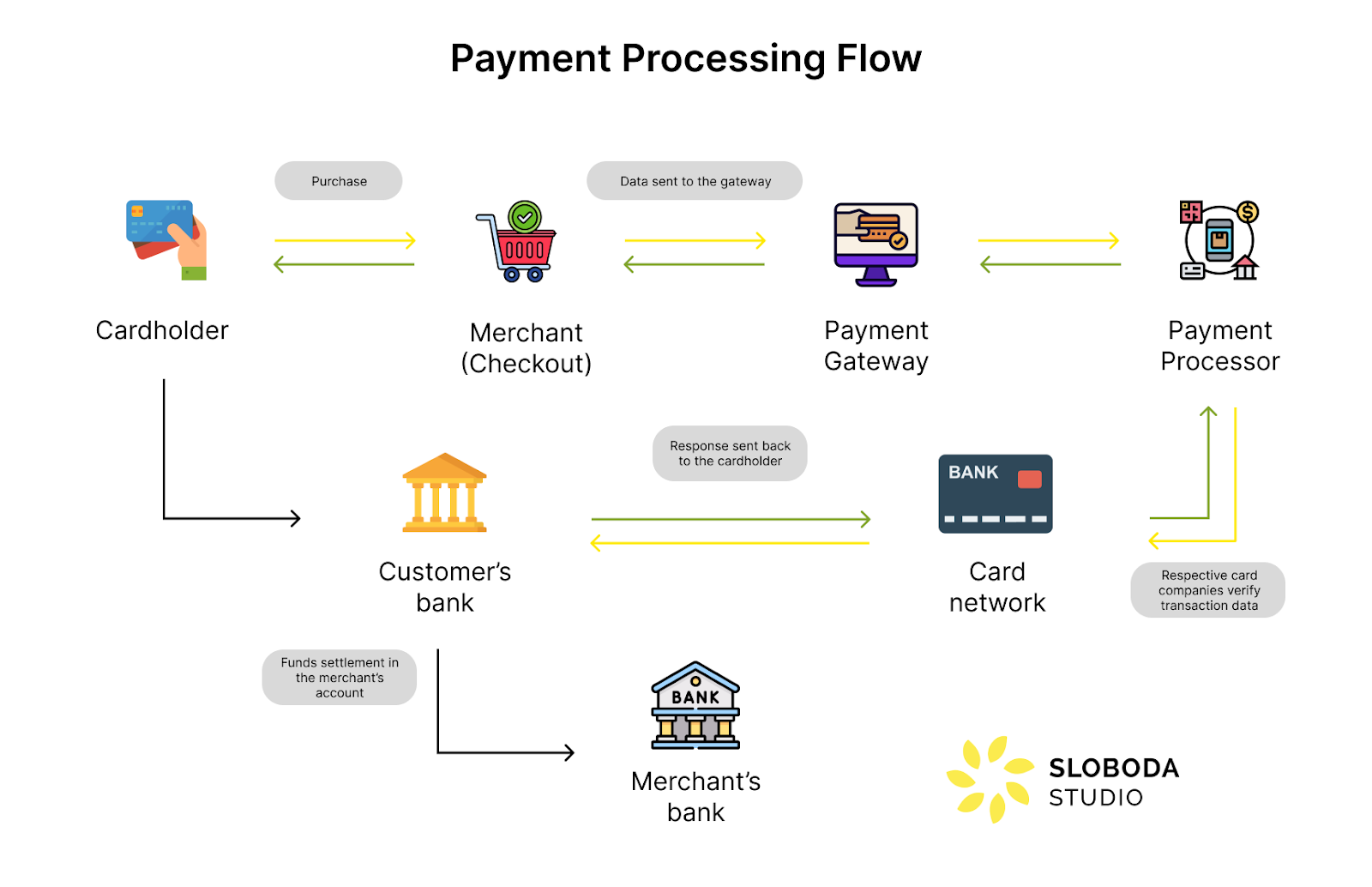
A payment gateway is a technology that captures and transfers payment data from the customer to the acquiring bank, facilitating digital transactions. It ensures the secure transfer of sensitive information such as card details, UPI credentials, or net banking credentials between the consumer, the merchant, and the banking institutions involved.

Traditionally, payment gateways were associated with simple credit or debit card processing. Today, they have evolved into multi-functional platforms offering services like:

  • Multi-currency transactions
  • Fraud detection and prevention
  • Subscription billing
  • Integration with digital wallets
  • BNPL (Buy Now, Pay Later) solutions
  • Real-time analytics and reporting

Current Trends in the Payment Gateway Industry

To understand where payment gateways are headed, it’s essential to examine the trends currently shaping the industry:

1. Digital Wallets are Going Mainstream

Digital wallets such as Google Pay, PhonePe, Paytm, and Apple Pay have become increasingly popular. These wallets enable consumers to make payments quickly and securely, often with just a tap or scan. For businesses, integrating with these wallets has become essential to improve conversion rates and enhance the customer experience.

2. The Rise of Contactless and QR Code Payments

The COVID-19 pandemic accelerated the demand for contactless solutions. QR code payments have exploded in popularity, especially in India and Southeast Asia. As more retailers adopt QR-enabled POS systems, payment gateways are integrating these solutions into their offerings.

3. E-commerce and Cross-border Transactions

With global e-commerce sales projected to hit $7 trillion by 2025, payment gateways are adapting to support multi-currency and cross-border payments. Businesses can now easily accept payments from customers across the globe using one unified platform.

4. Increased Focus on Security and Compliance

As digital transactions grow, so do concerns about fraud and data breaches. Regulatory requirements such as PCI DSS, PSD2 in Europe, and RBI guidelines in India are pushing payment gateways to innovate and upgrade their security infrastructure continuously.

The Future of Payment Gateways

The future of payment gateways lies in smarter, faster, and more seamless financial experiences. Here’s a detailed look at the technologies and innovations expected to define the next generation of payment gateways:

1. AI and Machine Learning in Fraud Detection

Artificial Intelligence (AI) will play a pivotal role in enhancing fraud detection and prevention. Modern gateways will use AI to:

  • Analyze user behavior in real-time
  • Detect anomalies that indicate fraud
  • Score transactions based on risk level
  • Block or flag suspicious transactions instantly

This proactive approach will significantly reduce false positives and improve transaction approval rates.

2. Blockchain and Decentralized Payment Processing

Blockchain technology offers transparency, security, and decentralization, making it ideal for financial transactions. In the future:

  • Payment gateways may leverage blockchain to offer faster cross-border payments with minimal fees.
  • Smart contracts will allow automated recurring payments, eliminating the need for intermediaries.
  • Users could have more control over their data and funds, reducing reliance on traditional banking systems.

Cryptocurrency support within mainstream payment gateways is also expected to increase, allowing consumers to pay in Bitcoin, Ethereum, or even central bank digital currencies (CBDCs).

3. Biometric and Voice-activated Payments

As passwords become outdated, biometric authentication will become the default method of verifying identities. Fingerprints, facial recognition, and voiceprints will be used to authorize payments securely and conveniently.

Voice-enabled payments, powered by digital assistants like Alexa or Google Assistant, could become a reality. Imagine saying, “Alexa, pay ₹1500 to Flipkart,” and the transaction completes in seconds, securely and hands-free.

4. Invisible and One-Click Payments

Inspired by platforms like Amazon Go and Uber, future payment gateways will focus on invisible payments, where the transaction happens without user input after initial setup. One-click checkouts, enabled by tokenization and stored credentials, are already paving the way for such frictionless experiences.

5. Increased Crypto Integration

Several global players, including PayPal and Stripe, are testing cryptocurrency integrations. With digital assets becoming more mainstream and governments exploring CBDCs, it’s only a matter of time before payment gateways facilitate:

  • Crypto-to-fiat conversions
  • Direct crypto payments
  • Wallet integrations for secure storage

6. Embedded and Contextual Finance

The concept of embedded finance involves integrating financial services within non-financial platforms. For instance, a ride-sharing app could offer instant payments to drivers or even loans via an embedded payment gateway. Contextual finance allows these transactions to happen in the background, triggered by real-time data.

This shift will empower non-fintech companies to offer banking services through API-driven payment solutions.

What Does This Mean for Businesses?

For businesses, the future of payment gateways means:

  • Higher conversion rates with faster checkouts
  • Lower fraud-related losses with advanced risk scoring
  • Wider reach through support for global payment methods
  • Better customer experience with personalized and intelligent payment flows
  • Greater flexibility through modular API-based integration

Businesses that fail to adapt to the evolving gateway landscape risk losing out to more agile competitors that offer smoother and smarter transaction processes.

The Role of Indian Innovations in Shaping the Future

India’s digital payment ecosystem is among the most advanced in the world, thanks to initiatives like:

1. UPI (Unified Payments Interface)

UPI has transformed how Indians make payments, allowing instant, real-time fund transfers between bank accounts without the need for net banking credentials.

With the advent of UPI 2.0 and UPI Lite, we’re seeing features like:

  • Overdraft accounts
  • Offline transactions
  • Recurring payments with UPI AutoPay

2. RBI’s Digital Rupee (CBDC)

India is currently piloting the Digital Rupee, which could integrate with payment gateways for faster, government-backed digital currency transactions.

3. QR Code Ecosystem

From street vendors to malls, QR code-based payments have become ubiquitous in India. This model is being studied globally and may influence other economies to follow suit.

4. Indian Startups Leading Innovation

Startups like Razorpay, Instamojo, Paytm, CCAvenue, and Cashfree are at the forefront of innovation, offering:

  • Unified APIs
  • Split payments
  • Smart payment routing
  • Subscription billing solutions

These players are helping both Indian and global merchants scale efficiently with cutting-edge payment technologies.

Future Predictions: Where Are We Headed?

Looking ahead, here are some major predictions for the payment gateway ecosystem:

1. Global Interoperability

Payment gateways will increasingly allow cross-platform, cross-border transactions using a mix of fiat, crypto, and digital wallets.

2. Hyper-Personalized Checkout

AI will personalize checkout flows based on user behavior, location, purchase history, and preferred payment method.

3. Unified Dashboards for Multi-channel Sales

Merchants will be able to manage payments from websites, mobile apps, physical stores, and social media platforms through a single dashboard.

4. Focus on Financial Inclusion

Future gateways will support regional languages, low-bandwidth environments, and alternative KYC processes to bring more people into the digital economy.

5. Smarter Subscription Billing

SaaS platforms and content providers will benefit from more flexible billing cycles, real-time upgrades, and smarter revenue analytics via advanced gateways.

Conclusion: A Smarter, Seamless Financial Future

The world of payment gateways is on the brink of a revolution. As digital commerce becomes embedded in every aspect of our lives, from shopping to entertainment to education, payment systems must evolve to become faster, safer, and smarter.

By integrating technologies like AI, blockchain, biometrics, and embedded finance, payment gateways will no longer be mere intermediaries but key enablers of the future digital economy. Businesses that embrace these changes will not only enhance their customer experience but also unlock new revenue opportunities.

With India leading in innovation and the global market rapidly adopting new technologies, the future of payment gateways looks incredibly exciting and transformative.

How Payment Integration Boosts Efficiency and Streamlines Business

Staying ahead of the curve requires more than just a good product or service. Operational efficiency, customer satisfaction, and streamlined processes are key factors that differentiate successful businesses from those struggling to keep up. One often overlooked but incredibly impactful area is payment integration.

Whether you’re running an online store, managing a subscription-based service, or operating a physical retail outlet, how you manage and process payments plays a critical role in your day-to-day operations. Efficient payment systems save time and enhance customer experience, reduce errors, and secure transactions, ultimately contributing to your business’s growth.

This article will delve deep into what payment integration is, why it matters, and how it can transform your business operations from the ground up.

What is Payment Integration?

Payment integration refers to the process of linking a business’s payment processing capabilities directly into its existing systems or platforms, such as websites, mobile apps, point-of-sale (POS) systems, and back-end accounting software. Instead of manually handling transactions or using separate tools for billing and payments, everything is connected and automated.

For example, an e-commerce business can integrate a payment gateway (like Razorpay, Stripe, or PayPal) into its website, allowing customers to make purchases directly without being redirected to a third-party site. Similarly, a retail store using a modern POS system can accept card payments that automatically sync with its inventory and accounting records.

Why Payment Integration Matters

Many businesses still rely on manual payment processes, entering customer details, tracking transactions in spreadsheets, and reconciling payments with bank statements. While this approach may work for small volumes, it becomes inefficient and error-prone as a business scales.

Payment integration removes these hurdles by offering a seamless, automated, and efficient way to handle transactions. It bridges the gap between your sales process and your financial systems, ensuring everything flows smoothly from the customer to your bank account and into your accounting system.

Key Benefits of Payment Integration

Let’s explore how payment integration can revolutionize business operations:

1. Enhanced Operational Efficiency

The most immediate and noticeable benefit of payment integration is the drastic improvement in efficiency. Transactions that once required multiple manual steps, sending invoices, waiting for payments, and reconciling bank records are now streamlined into an automated process.

For instance, when a customer completes a purchase on your website, the system can automatically:

  • Process the payment
  • Update inventory
  • Generate an invoice
  • Record the transaction in your accounting software

This means less time spent on administrative tasks and more time focused on core business functions like marketing, customer service, or product development.

2. Minimized Human Errors

Manual data entry is not only time-consuming but also prone to errors. A simple typo in the transaction amount, customer details, or payment reference can lead to significant issues such as failed payments, incorrect invoicing, or financial discrepancies.

With payment integration, these risks are greatly reduced. Automated systems pull the correct data directly from the source, ensuring consistency and accuracy across all platforms. This not only improves record-keeping but also simplifies tasks like auditing and tax filing.

3. Faster Payment Processing

Integrated systems process transactions in real-time. Unlike manual payment methods, where confirmation might take hours or even days, payment gateways process credit/debit card, UPI, or wallet payments instantly.

This immediate confirmation is particularly valuable in businesses with high transaction volumes or those offering digital products and services. Faster processing also means faster access to funds, which improves cash flow and enables better financial planning.

4. Expanded Payment Options

Customers today expect flexibility in how they pay. Whether it’s credit cards, debit cards, UPI, net banking, or mobile wallets, businesses that offer more payment options often see higher conversion rates.

Integrated payment systems typically support multiple payment methods, allowing businesses to cater to a broader audience. For example:

  • An online shopper might prefer Google Pay
  • A B2B client might prefer bank transfers
  • International customers might opt for PayPal or credit cards

Providing these options through a single integrated platform enhances the overall user experience and increases the likelihood of completing a purchase.

5. Improved Security and Compliance

Handling payments comes with the responsibility of protecting sensitive customer information. Data breaches or fraud can severely damage a company’s reputation and lead to legal consequences.

Integrated payment systems are designed with robust security measures, including:

  • Encryption of transaction data
  • Tokenization to prevent storing actual card details
  • PCI-DSS compliance to meet global payment standards

By using these secure platforms, businesses not only protect their customers but also reduce the risk of financial fraud and non-compliance penalties.

6. Streamlined Accounting and Financial Reporting

One of the biggest advantages of payment integration is how it simplifies financial management. Every transaction processed through an integrated system can be automatically recorded and categorized within your accounting software.

This makes:

  • Reconciliation effortless
  • GST/tax calculations are accurate
  • Cash flow monitoring is easier
  • Monthly reports are quicker to generate

Instead of chasing receipts or matching spreadsheets, business owners get a real-time view of their financial health.

7. Superior Customer Experience

Payment integration directly impacts customer satisfaction. A seamless checkout experience, with no redirections, long loading times, or confusing payment options, leaves a positive impression on the customer.

Repeat customers are more likely when the process is simple, quick, and secure. Additionally, businesses can offer:

  • Saved payment methods for quicker repeat purchases
  • Automated receipts and notifications
  • Personalized offers and loyalty points

All these features contribute to higher customer retention and increased lifetime value.

How to Get Started with Payment Integration

Implementing payment integration may sound technical, but most providers offer user-friendly solutions with simple onboarding processes.

Here’s a basic step-by-step guide:

Step 1: Assess Your Needs

Evaluate your business type, transaction volume, customer base, and technical capabilities. An online store might need a WooCommerce plugin, while a SaaS business may prefer API-based integration.

Step 2: Choose the Right Payment Gateway

Select a provider that matches your needs. Popular options include:

  • Razorpay – Best for Indian startups and SMEs
  • Stripe – Great for international transactions and developers
  • PayU / Paytm – Known for local reach and UPI support
  • CCAvenue – Offers multiple payment modes and language support

Step 3: Select Integration Method

  • API Integration: Customizable but requires coding knowledge.
  • Plugins: Ideal for WordPress, Shopify, Magento, etc.
  • SDKs: Useful for mobile app integration.
  • POS Integration: For physical stores needing card terminals.

Step 4: Test Before Going Live

Run thorough testing in a sandbox environment to ensure everything works payments, refunds, receipts, and reconciliations.

Step 5: Go Live and Monitor Performance

Once live, monitor key metrics like payment success rate, average transaction value, and refund rate to identify improvement areas.

The Future of Payment Integration

With the rise of AI, machine learning, and predictive analytics, the next wave of payment integration will be even smarter. Businesses will be able to:

  • Detect fraud in real-time
  • Offer dynamic pricing and personalized checkout experiences
  • Seamlessly integrate with CRM and ERP tools

Additionally, with open banking and real-time payment systems like UPI 2.0 and CBDCs (Central Bank Digital Currencies) gaining ground, businesses will need to stay updated to offer the most relevant and efficient payment experiences.

Conclusion

In a world where speed, convenience, and security are key drivers of business success, payment integration is no longer a luxury; it’s a necessity. It doesn’t just make your business look more professional; it saves time, reduces errors, enhances customer satisfaction, and enables smoother financial management.

If you haven’t yet embraced payment integration, now is the perfect time. Whether you’re a solopreneur, an SME, or an enterprise, integrating your payment systems could be the upgrade your business needs to reach the next level.

The Role of Payment Gateways in E-Commerce Success

In the fast-growing digital world of e-commerce, seamless and secure financial transactions are crucial for both buyers and sellers. A key component that ensures this is a payment gateway, which acts as a virtual bridge facilitating online transactions. These gateways play a critical role in authorizing payments, securing financial data, and transferring funds between customers and merchants. Without a reliable payment gateway, online businesses would struggle to process transactions securely and efficiently.

This article delves into the importance of payment gateways in e-commerce, exploring how they contribute to consumer trust, business expansion, and operational efficiency while enabling seamless financial transactions.

Understanding Payment Gateways

A payment gateway is a technology that allows merchants to accept online payments securely. It serves as an intermediary between an e-commerce website or application and financial institutions, ensuring that customer payments are authorized and processed efficiently. These gateways support multiple payment methods, including:

  • Credit and debit cards (Visa, Mastercard, RuPay, etc.)
  • Net banking
  • Digital wallets (Google Pay, Apple Pay, Paytm, etc.)
  • UPI (Unified Payments Interface)
  • Cryptocurrency payments (for businesses that support them)

A robust payment gateway encrypts sensitive payment details, safeguarding customer data from cyber threats, fraud, and unauthorized access.

Enhancing Consumer Confidence and Trust

One of the most significant advantages of using a payment gateway is the trust and confidence it instills in consumers. In today’s digital economy, where online fraud and data breaches are rampant, customers are often hesitant to share their financial details on e-commerce platforms. A reliable payment gateway ensures security through encryption, fraud detection mechanisms, and two-factor authentication (2FA).

Features such as SSL encryption, PCI-DSS compliance, and tokenization protect sensitive data, ensuring that transactions are safe from cybercriminals. When consumers feel that their payment information is secure, they are more likely to complete transactions, reducing cart abandonment rates and boosting overall sales.

Expanding Market Reach and Accessibility

Payment gateways significantly contribute to business expansion by offering multiple payment options. E-commerce platforms catering to global audiences must support a diverse range of payment methods to accommodate different customer preferences. By integrating with international and local payment processors, merchants can expand their reach to customers in various regions.

Some benefits of multiple payment options include:

  • Increased conversion rates: Customers are more likely to complete a purchase when their preferred payment method is available.
  • Global sales potential: Businesses can tap into international markets by supporting cross-border payments in multiple currencies.
  • Reduced cart abandonment: A flexible payment gateway ensures that customers do not drop out of the buying process due to payment restrictions.

By offering localized payment methods such as UPI in India, Alipay in China, and PayPal in Western countries, businesses can ensure a smoother checkout experience for their audience worldwide.

Improving Operational Efficiency and Business Scalability

Apart from security and accessibility, payment gateways help e-commerce businesses improve operational efficiency. They provide automation tools that streamline financial transactions, reducing manual intervention and errors. Key features that contribute to efficiency include:

  • Real-time transaction monitoring: Merchants can track transactions instantly, ensuring transparency.
  • Automated payment processing: Reduces human errors and speeds up order fulfillment.
  • Detailed analytics and reporting tools: Help businesses make informed financial decisions.

As an e-commerce business grows, it must handle an increasing volume of transactions. A scalable payment gateway ensures seamless operations even as transaction volumes surge, making it a crucial asset for businesses planning to expand regionally or globally.

The Future of Payment Gateways in E-Commerce

The evolution of payment gateways is shaping the future of e-commerce. With advancements in technology, we can expect faster, safer, and more seamless payment processing. Some of the trends that will define the future of payment gateways include:

  1. AI and Machine Learning in Fraud Prevention – Advanced algorithms will detect suspicious activities in real-time, minimizing fraud risks.
  2. Biometric Payments – Fingerprint scanning, facial recognition, and voice authentication will become more common in verifying transactions.
  3. Cryptocurrency Integration – More payment gateways will support Bitcoin, Ethereum, and other cryptocurrencies as businesses explore decentralized financial solutions.
  4. Instant Settlements – Reducing the time taken for funds to reach merchants will improve cash flow and business operations.
  5. Embedded Payments in Social Commerce – Platforms like Instagram and WhatsApp will have integrated payment gateways, allowing customers to shop and pay without leaving the app.

Conclusion

In essence, payment gateways are the backbone of e-commerce success. They ensure secure transactions, build consumer trust, expand market reach, and enhance operational efficiency. Businesses looking to thrive in the competitive digital marketplace must invest in reliable and scalable payment gateway solutions.

As the e-commerce landscape continues to evolve, innovative and secure payment gateways will play an increasingly vital role in driving the growth and sustainability of online businesses worldwide. Whether you’re a small startup or an established enterprise, integrating a robust payment gateway is essential for seamless transactions and long-term success in the digital economy.

How Payment Gateway APIs Are Changing Online Transactions for Businesses

The rise of digital payments in India has revolutionized the way businesses handle transactions. With the growing adoption of UPI, mobile wallets, credit cards, and net banking, businesses need seamless and secure payment processing solutions. Payment Gateway APIs have emerged as the backbone of digital transactions, making online payments faster, safer, and more efficient.

For businesses, integrating a payment gateway API means offering customers a smooth checkout experience, minimizing failed transactions, and ensuring data security. Whether you run an e-commerce store, a subscription-based service, or an on-demand app, a reliable payment gateway API is crucial for success in today’s digital-first economy. But how exactly are these APIs changing online transactions? Let’s dive deeper into their evolution and impact.

The Role of Payment Gateway APIs

A Payment Gateway API is a technology that connects an e-commerce platform or a business website with banks and payment processors. It acts as an intermediary that securely processes payments, verifies transactions, and ensures funds are transferred between customers and merchants without any security risks.

Key Functions of a Payment Gateway API

  1. Transaction Processing: Ensures quick and secure payment authorization.
  2. Security and Encryption: Protects customer data using advanced encryption standards.
  3. Fraud Detection: Identifies and prevents suspicious transactions in real-time.
  4. Multi-Currency Support: Enables businesses to accept international payments.
  5. Seamless Integration: Works across websites, mobile apps, and point-of-sale systems.

Businesses in India, whether startups, SMEs, or large enterprises, integrate payment gateway APIs from providers like Razorpay, PayU, CCAvenue, and Paytm to offer their customers multiple payment options. With the right API integration, businesses can accept payments via various methods, automate payment processing, and enhance security with encryption and fraud detection mechanisms.

Transforming Digital Transactions in India

Earlier, businesses relied on cash payments, bank transfers, and manual reconciliations, which were slow and prone to errors. With payment gateway APIs, transactions have become real-time, automated, and much more secure.

Major Transformations Brought by Payment Gateway APIs

  1. Faster Transactions: Instant payment processing reduces waiting time for customers and businesses.
  2. Enhanced Security: Encryption, tokenization, and fraud prevention measures ensure safe transactions.
  3. Seamless User Experience: Customers can pay using their preferred payment methods without interruptions.
  4. Greater Accessibility: Even small businesses and rural entrepreneurs can now accept digital payments.
  5. Automated Settlements: Reduces manual reconciliation and operational overhead.

The increasing smartphone penetration and internet availability in India have further accelerated the adoption of digital payments. Small retailers, grocery stores, and even street vendors now use UPI-based payment gateway solutions, eliminating the need for cash handling.

Key Features of Modern Payment Gateway APIs

Modern payment gateway APIs offer a host of features that make transactions seamless and secure for both businesses and customers.

1. Multi-Payment Mode Support: Customers in India prefer different payment methods, from UPI and wallets to credit/debit cards and BNPL (Buy Now, Pay Later) services. A payment gateway API should support all major payment modes to cater to diverse customer preferences.

2. Seamless Integration: APIs allow easy integration with e-commerce platforms like Shopify, WooCommerce, Magento, and mobile apps. Businesses can start accepting payments within hours, eliminating the hassle of lengthy bank procedures.

3. Robust Security Measures: Security remains a top priority, with encryption, tokenization, and PCI DSS compliance ensuring safe transactions. Tokenization replaces sensitive payment data with a unique token, preventing fraudsters from accessing real card details.

4. Smart Routing & Auto-Retry: Payment failures due to bank downtimes or network issues are common in India. To combat this, modern APIs come with smart routing and auto-retry features, reducing cart abandonment and ensuring higher success rates.

5. Recurring Billing & Subscription Management: Businesses operating on a subscription model, such as OTT platforms and SaaS services, benefit from automated billing cycles, helping them manage recurring payments effortlessly.

6. Instant Settlements: Traditional settlements take 1-3 days, but instant settlement APIs allow businesses to access funds immediately, improving cash flow and operational efficiency.

7. Real-Time Analytics & Reporting: Businesses can track transactions, generate reports, and monitor fraud alerts in real-time, making data-driven decisions and maintaining financial transparency.

The Impact of Payment Gateway APIs on Indian Businesses

With the Indian government’s push towards Digital India, businesses integrating payment gateway APIs have seen a significant increase in online transactions.

1. Boosting E-commerce and Online Businesses: With seamless checkout experiences, businesses witness higher customer retention and conversion rates. Payment gateway APIs help reduce cart abandonment by offering fast and secure payment processing.

2. Expanding Market Reach: Accepting digital payments enables businesses to cater to customers across India and internationally, increasing revenue opportunities.

3. Reducing Operational Costs: Manual reconciliation, cash handling, and paperwork are minimized, leading to cost savings and improved efficiency.

4. Strengthening Customer Trust: With secure transactions, fraud prevention mechanisms, and transparent refund policies, businesses can build long-term customer trust and brand loyalty.

The Future of Payment Gateway APIs in India

Payment Gateway

With technology evolving rapidly, payment gateway APIs will continue to shape the digital payment landscape. Here are some upcoming trends:

1. AI-Powered Fraud Prevention: Machine learning algorithms will analyze transactions in real-time to detect and prevent fraudulent activities.

2. Voice-Based Payments: With voice assistants like Alexa and Google Assistant, voice-enabled payments will become mainstream, making transactions even more seamless.

3. Cryptocurrency Integration: Although still in its early stages in India, future payment gateway APIs may support cryptocurrency payments once regulatory frameworks are in place.

4. 5G-Powered Faster Transactions: With the rollout of 5G, payment processing times will further decrease, making transactions almost instantaneous.

5. UPI Innovations: Advanced UPI features like UPI AutoPay, credit lines linked to UPI, and international UPI payments will further streamline digital transactions.

Conclusion

Payment Gateway APIs have revolutionized online transactions for businesses in India. From seamless integration and multi-payment mode support to enhanced security and reduced transaction failures, these APIs have become indispensable for modern businesses.

With the growing adoption of digital payments and government initiatives promoting a cashless economy, businesses that integrate modern payment gateway APIs will stay ahead in the competitive market. Secure, fast, and convenient transactions ultimately lead to higher customer trust, improved brand reputation, and long-term business success.

As we move toward a more digitally connected world, investing in the right payment gateway API is not just an option but a necessity for businesses looking to scale, innovate, and thrive in India’s rapidly evolving digital economy.

Best Security Practices to Safeguard Your Payment Gateway Integration

Online transactions have become a necessity for businesses of all sizes. Whether you are running an e-commerce store, a service-based platform, or any online venture, integrating a secure payment gateway is crucial. In India, where digital payments are rising rapidly with UPI, credit cards, and net banking becoming mainstream, ensuring robust security measures for payment processing is more important than ever.

Cyber threats, fraud, and data breaches pose significant risks to businesses and consumers alike. If your payment gateway is not secure, you not only risk financial losses but also damage your brand reputation. This is why implementing strong security measures is a must for safeguarding sensitive financial data and building trust with customers.

In this article, we will explore some of the best security practices that businesses should follow while integrating a payment gateway.

1. Use Strong Encryption for Data Security

Encryption is one of the most critical aspects of payment security. It ensures that all data transmitted between your website/application and the payment gateway remains secure and cannot be intercepted by malicious attackers.

Key Measures:

  • Always use SSL (Secure Socket Layer) or TLS (Transport Layer Security) encryption.
  • Ensure that your website has an HTTPS certificate.
  • Protect stored cardholder data using encryption methods recommended by the PCI DSS guidelines.

By encrypting payment transactions, businesses can prevent hackers from gaining unauthorized access to sensitive customer details such as card numbers, CVVs, and banking information.

2. Implement Tokenization for Secure Transactions

Tokenization is an advanced security mechanism that replaces sensitive cardholder information with a unique, randomly generated token. This token has no real value and cannot be used outside of the designated payment system.

Benefits of Tokenization:

  • Even if a hacker gains access to tokens, they cannot retrieve actual card details.
  • Reduces the risk of data breaches since no actual card information is stored in your system.
  • Ensures compliance with regulatory guidelines like PCI DSS.

Many Indian payment gateway providers, such as Razorpay, PayU, and CCAvenue, offer tokenization services to enhance transaction security.

3. Ensure PCI DSS Compliance

The Payment Card Industry Data Security Standard (PCI DSS) is a globally recognized security standard designed to protect cardholder data. If accepting card payments, you must comply with PCI DSS regulations.

PCI DSS Compliance Involves:

  • Securing network infrastructure against vulnerabilities.
  • Implementing strong access controls for payment data.
  • Regularly monitoring and testing security systems.
  • Encrypting stored customer payment details.

Many Indian businesses outsource payment processing to third-party payment gateway providers that are already PCI DSS compliant to reduce their security burden.

4. Enable Two-Factor Authentication (2FA)

Two-factor authentication (2FA) adds an extra layer of security when accessing the payment gateway dashboard or processing high-value transactions. In India, RBI guidelines mandate 2FA for most online transactions, especially for credit and debit card payments.

How 2FA Works:

  • Users must provide a password (something they know) and an OTP sent to their mobile device (something they have).
  • Ensures that even if a hacker steals login credentials, they still need the second factor to gain access.

By implementing 2FA, businesses can significantly reduce the risk of unauthorized access and fraudulent activities.

5. Conduct Regular Security Audits and Vulnerability Assessments

Hackers are constantly evolving their techniques, making it essential to conduct regular security audits to identify and fix vulnerabilities in your payment gateway integration.

Steps for Regular Security Audits:

  • Perform penetration testing to identify security loopholes.
  • Use vulnerability scanners to detect weak points in your system.
  • Keep all software, plugins, and security patches updated.

Indian businesses should collaborate with cybersecurity firms to conduct periodic security assessments and ensure ongoing compliance with security best practices.

6. Use Fraud Detection and Prevention Tools

Fraudulent transactions are a growing concern in the Indian digital payment ecosystem. Businesses need to deploy robust fraud detection mechanisms to identify and mitigate risks in real time.

Effective Fraud Prevention Strategies:

  • Velocity Checks: Monitor transaction frequency and detect unusual payment behaviors.
  • Geolocation Tracking: Identify transactions originating from suspicious locations.
  • Machine Learning Algorithms: AI-based fraud detection tools can analyze patterns and flag suspicious activities.

By leveraging fraud detection tools, businesses can prevent chargebacks and financial losses while ensuring secure payment processing for customers.

7. Follow Secure Development Practices

If you are customizing your payment gateway or building integrations using APIs, following secure coding practices is vital to prevent cyberattacks such as SQL injection and cross-site scripting (XSS).

Best Coding Practices for Security:

  • Validate all user inputs to prevent data tampering.
  • Use parameterized queries to protect against SQL injection.
  • Implement role-based access controls (RBAC) for sensitive operations.

Following secure development practices will help Indian businesses safeguard their payment gateway against malicious attacks.

8. Vendor Security Assessment: Choose a Reputable Payment Gateway Provider

Not all payment gateway providers offer the same level of security. Before selecting a provider, conduct a thorough security assessment of their policies and infrastructure.

Things to Check in a Payment Gateway Provider:

  • Do they follow PCI DSS compliance?
  • What encryption and fraud detection measures do they implement?
  • Do they offer tokenization and 2FA security features?
  • How frequently do they update security patches?

Popular and reliable payment gateways in India like Razorpay, PayU, Instamojo, CCAvenue, and Paytm offer robust security features, making them suitable choices for businesses looking to integrate secure online payment solutions.

9. Educate Customers About Secure Payment Practices

Even if your payment gateway is highly secure, educating your customers about online transaction safety is essential to prevent fraud and scams.

Tips to Share with Customers:

  • Never share OTPs, card details, or CVVs with anyone.
  • Avoid making payments on unsecured or public Wi-Fi networks.
  • Verify payment gateway URLs and look for HTTPS before entering details.
  • Report any suspicious activity immediately.

When businesses take the initiative to spread cybersecurity awareness, they build stronger trust with their customers.

Conclusion

The Indian digital payment landscape is growing rapidly, and ensuring the security of payment gateway integration is crucial for businesses of all sizes. By implementing encryption, tokenization, fraud detection, and regular security audits, you can significantly reduce the risk of cyber threats.

Choosing a reputable payment gateway provider, complying with PCI DSS, and enabling two-factor authentication will further strengthen your payment security framework. Additionally, educating customers about secure payment practices will help them stay vigilant against fraud.

Prioritizing security is not just about compliance; it is about protecting your business, gaining customer trust, and ensuring seamless online transactions. By following these best practices, businesses in India can integrate payment gateways securely and thrive in the evolving digital economy.

Payment Gateway Integration Made Easy With DigitalPaymentGuru

In today’s digital world, every business that sells products or services online needs a simple and secure way to accept payments. A payment gateway helps process online transactions safely, making it an essential part of any e-commerce business. However, many business owners find payment gateway integration confusing. The good news is that you can easily integrate a payment gateway and start accepting payments without any hassle with the right steps.

This guide will explain the entire process in a simple, easy-to-understand manner. Whether you own a small online store or a large business, this step-by-step approach will help you start quickly.

1. Choose the Right Payment Gateway for Your Business

Before you start integrating a payment gateway, you need to choose the right one for your business. There are many payment gateways available in India, such as:

  • Razorpay: A popular choice for Indian businesses with fast onboarding and UPI support.
  • Paytm Payment Gateway: Best for businesses that want to accept payments via Paytm Wallet, UPI, and cards.
  • Instamojo: A good option for small businesses and startups with easy integration.
  • CC Avenue: One of the oldest and most trusted payment gateways in India.
  • PayU: Offers multiple payment options, including EMI and net banking.

When selecting a payment gateway, consider these important factors

  • Transaction Fees: Compare the fees for each transaction. Some gateways charge lower fees for UPI and wallet payments compared to credit or debit cards.
  • Supported Payment Methods: Ensure that the gateway supports UPI, wallets, credit/debit cards, and net banking.
  • Security Features: Choose a gateway with fraud detection, encryption, and PCI DSS compliance for safe transactions.
  • Integration with Your Website or App: Some gateways provide easy plugins for WordPress, Shopify, and WooCommerce.

After selecting the best payment gateway for your needs, you can move to the next step.

2. Create an Account with the Payment Gateway Provider

Once you have chosen a payment gateway, visit their website and sign up for an account. You will need to provide basic business details such as:

  • Business name and type
  • PAN and GST details
  • Bank account information
  • Website or app details

After submitting these details, the provider will verify your business. Verification can take anywhere from a few hours to a couple of days. Once approved, you will receive access to the merchant dashboard, where you can manage transactions, refunds, and reports.

3. Start the Integration Process of Payment Gateways

Now that you have an active account, the next step is to integrate the payment gateway with your website or app. There are different ways to do this:

1. Use a Plugin (For Non-Developers)

If you are using platforms like Shopify, WooCommerce, or Magento, payment gateways provide ready-to-use plugins. Simply install the plugin and enter your API keys (available in the merchant dashboard). This method is the easiest for non-technical users.

2. API Integration (For Developers)

If you have a custom-built website or app, you will need to integrate the gateway using APIs. Here’s how:

  • Go to the payment gateway’s developer section and get the API documentation.
  • Use the provided code snippets (usually in PHP, Python, JavaScript, or Java) to connect your website to the gateway.
  • Set up API calls for payments, refunds, and transaction verification.

Most providers also offer SDKs (Software Development Kits) for mobile apps (Android and iOS) to simplify integration.

3. Hosted Payment Page (For Quick Setup)

Some businesses prefer to redirect customers to a secure payment page hosted by the payment gateway. This method is easier to set up and ensures maximum security since the payment provider handles everything.

4. Ensure Security and Compliance

Online transactions involve sensitive customer information, so security should be your top priority. Here are some security measures to follow:

  • SSL Certificate: Make sure your website has an SSL certificate to encrypt customer data.
  • PCI DSS Compliance: This is a global security standard that all businesses handling payments must follow.
  • Tokenization: Use tokenization to replace card details with secure tokens to prevent fraud.
  • 3D Secure Authentication: Enable OTP verification for extra security in card transactions.
  • Fraud Detection Tools: Use AI-powered fraud detection tools to prevent suspicious transactions.

Most payment gateways already follow these security measures, but it is always good to double-check.

5. Test the Payment Gateway Before Going Live

Payment Gateway

Before launching live transactions, you must test the payment gateway to ensure everything works correctly. Most providers offer a sandbox environment for testing, where you can:

  • Process dummy payments using test cards and UPI IDs.
  • Check how failed transactions are handled.
  • Test refunds and payment status updates.
  • Verify email and SMS notifications sent to customers.

Run multiple tests on different devices, browsers, and network conditions to ensure smooth transactions for all customers.

6. Go Live and Monitor Transactions

Once testing is complete, activate live payments in your payment gateway’s dashboard. Keep a close eye on transactions, refunds, and chargebacks. Here are some tips for managing payments effectively:

  • Enable Automated Settlement: Some gateways allow automatic bank settlements to avoid manual transfers.
  • Set Up Payment Notifications: Get instant alerts for successful and failed payments.
  • Monitor Reports and Analytics: Check transaction trends to identify peak sales periods.
  • Provide Multiple Payment Options: Offering multiple payment methods (UPI, wallets, EMI) increases customer convenience.

Final Thoughts

Integrating a payment gateway may seem complex, but following a structured approach makes the process easy. By choosing the right payment provider, setting up a secure system, and thoroughly testing before going live, you can ensure smooth and safe online transactions for your customers.

For Indian businesses, options like Razorpay, Paytm, and Instamojo provide fast and reliable payment solutions with easy integration. So, whether you’re running a small online shop or a large e-commerce platform, implementing a payment gateway will help you grow your business efficiently.

By making payments hassle-free for your customers, you build trust and encourage repeat business. Start your payment gateway integration today and take your online business to the next level!

Payment Gateway

How to Test and Debug Payment Gateway Integration for a Flawless Transaction Experience
In the digital economy, a seamless and secure payment gateway is essential for businesses that handle online transactions. Ensuring that payment gateway integration functions correctly is critical to building customer trust and maintaining operational efficiency. Testing and debugging the integration process helps identify and resolve potential issues affecting payment processing. This article explores the key steps involved in testing and debugging a payment gateway to ensure a smooth transaction experience.

1. Importance of Testing Payment Gateway Integration
Payment Gateway Testing & Sample test case - GeeksforGeeks

Payment gateway integration serves as the backbone of online transactions, enabling customers to make secure payments. However, failures in processing payments can lead to revenue loss and diminished user trust. Proper testing helps:

  • Identify errors before they affect real transactions.
  • Ensure compliance with industry security standards.
  • Optimize user experience by minimizing transaction failures.
  • Prevent fraudulent activities by implementing robust security measures.
  • Improve system stability and reliability by identifying vulnerabilities early on.
  • Provide confidence to stakeholders, including merchants and consumers, about the reliability of the payment system.

2. Types of Payment Gateway Testing

Test Cases For Payment Gateway: Testing Guide & Checklist

A comprehensive testing approach involves multiple types of testing to address different aspects of payment processing:

a. Sandbox Testing

Before deploying a payment gateway, developers should conduct extensive testing in a sandbox environment. This testing mode mimics real transactions without processing actual financial data. Key aspects to test include:

  • Payment approvals and declines.
  • Refund processing and chargebacks.
  • Network failure simulations.
  • Multi-currency transactions.
  • Fraud detection and prevention mechanisms.
  • Testing different payment methods, including credit/debit cards, digital wallets, and net banking.

b. Functional Testing

Functional testing ensures that all payment gateway features work as expected. Developers should check:

  • Payment authorization and authentication.
  • Redirections during transaction processes.
  • Handling of transaction failures and success notifications.
  • Ensuring proper integration with third-party services and plugins.
  • Verification of different payment options and modes.

c. Compatibility Testing

Since users access payment gateways from various devices and browsers, compatibility testing ensures a consistent experience across different platforms. Testing should cover:

  • Desktop and mobile browsers.
  • Different operating systems (Windows, macOS, iOS, Android).
  • Various network conditions (Wi-Fi, mobile data, slow connections).
  • Different screen sizes and resolutions to ensure UI consistency.
  • Checking for accessibility issues that might impact differently-abled users.

d. Security Testing

Security is a top priority when handling sensitive payment information. Developers must ensure compliance with PCI-DSS standards and use encryption protocols to protect data. Security testing should include:

  • Encryption and tokenization validation.
  • Fraud detection and prevention mechanisms.
  • Penetration testing to identify vulnerabilities.
  • Secure handling of API keys and credentials.
  • Testing for SQL injection, cross-site scripting (XSS), and other cyber threats.
  • Ensuring data storage practices comply with regulatory requirements.

e. Performance Testing

To ensure the payment gateway can handle peak transaction loads, performance testing is crucial. This involves:

  • Stress testing to simulate high transaction volumes.
  • Load testing to measure system response under heavy traffic.
  • Latency analysis to optimize transaction speed.
  • Checking response times of API calls and reducing timeouts.
  • Monitoring the database load and ensuring optimized queries.
  • Evaluating the scalability of the payment gateway for business growth.

3. Debugging Payment Gateway Issues

E-Commerce Monitoring for Applications and Payment Gateways

Even after thorough testing, issues may arise during live transactions. Effective debugging strategies include:

a. Utilizing Debugging Tools

Developers can use debugging tools such as:

  • Browser developer consoles to inspect network requests.
  • Server logs to trace transaction failures.
  • Payment gateway logs to analyze API responses and errors.
  • Network monitoring tools to diagnose connectivity issues.
  • Error tracking tools like Sentry or LogRocket for real-time issue tracking.

b. Error Handling and Logging

A well-implemented error handling mechanism is essential for diagnosing issues. Best practices include:

  • Implementing detailed error messages for debugging.
  • Regularly monitoring error logs.
  • Using automated alerts for critical payment failures.
  • Implementing user-friendly error messages to guide customers.
  • Logging transaction history to review and diagnose problems efficiently.

c. Analyzing API Responses

Payment gateways provide API response codes that indicate the status of transactions. Developers should:

  • Log all API interactions for review.
  • Use test cards provided by the gateway to simulate different responses.
  • Ensure that API calls are structured correctly and meet gateway specifications.
  • Identify patterns in transaction failures to address common issues proactively.
  • Review API version updates to maintain compatibility and avoid deprecated features.

4. User Acceptance Testing (UAT)

User Acceptance Testing (UAT) involves real-world users interacting with the payment gateway to identify usability issues. Steps include:

  • Gathering feedback from users to refine the payment process.
  • Conducting usability tests to ensure a smooth checkout experience.
  • Analyzing user behavior to detect potential drop-off points.
  • Testing localized payment experiences for different regions and currencies.
  • Observing customer support interactions to identify frequently reported payment issues.

5. Continuous Integration and Deployment (CI/CD)

To maintain a stable payment system, developers should adopt CI/CD practices:

  • Automate testing processes to catch issues early.
  • Implement rollback mechanisms in case of deployment failures.
  • Conduct regular audits to ensure compliance and efficiency.
  • Maintain a staging environment to test updates before pushing them live.
  • Utilize version control to track changes and prevent conflicts in deployment.
  • Monitor system health using APM (Application Performance Monitoring) tools.

Conclusion

Testing and debugging payment gateway integration is a vital process for ensuring a seamless transaction experience. By conducting rigorous functional, security, performance, and user acceptance testing, developers can identify potential issues before they impact real customers. Implementing robust error handling, security measures, and continuous integration processes further enhances reliability and trust in the payment system. Through diligent testing and proactive debugging, businesses can provide users with a secure, efficient, and frictionless payment experience, ultimately fostering customer satisfaction and business growth. Additionally, by continuously monitoring and refining the payment system, businesses can stay ahead of emerging threats and technological advancements, ensuring long-term sustainability and success.

Essential Tips for Simplifying Digital Payment Integration in India

In today’s fast-evolving digital world, offering convenient and secure payment options has become crucial for businesses across India. Whether you run an online store or offer services, integrating digital payments effectively can enhance customer satisfaction and drive sales. While digital payment integration might seem intimidating initially, with the right approach, you can make the process smooth and secure for your customers. Below are five essential tips to help you streamline your digital payment integration.
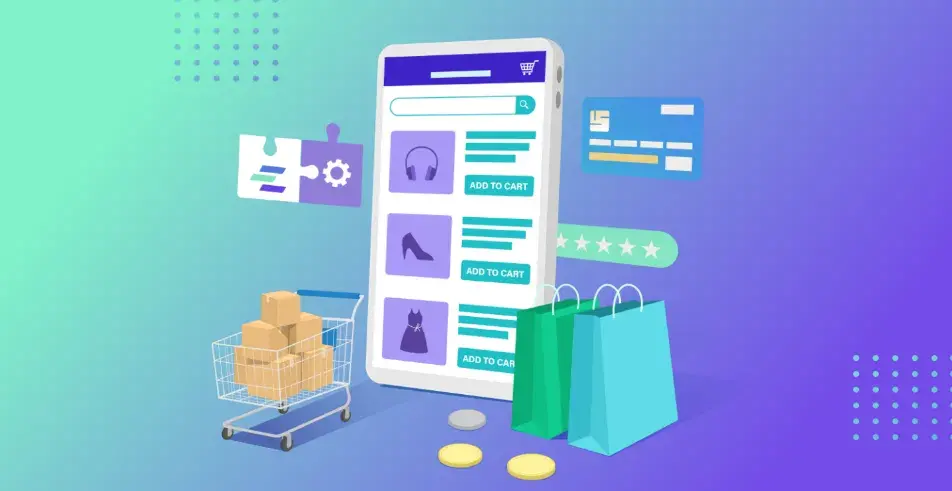
1. Choose the Right Payment Gateway

How to choose the right payment gateway

The first and most important step in integrating digital payments is selecting the right payment gateway. A payment gateway is the bridge between your business and the bank, ensuring smooth and secure transactions. When choosing a payment gateway, consider the following factors:

  • Transaction Fees: Different payment gateways charge varying transaction fees. Choose one that fits your budget, especially if you’re running a small or medium-sized business.
  • Security Features: Ensure the payment gateway offers strong security measures, such as encryption, fraud protection, and two-factor authentication (2FA).
  • Customer Support: Opt for a payment gateway that offers responsive customer support in case you face any issues with transactions.

Some popular payment gateways in India include Razorpay, Paytm Payment Gateway, CCAvenue, and Instamojo. These services offer tailored solutions for Indian businesses and can integrate seamlessly with your website or mobile app.

Tip: Ensure your payment gateway supports a variety of payment methods, including credit/debit cards, UPI, net banking, digital wallets like Paytm and Google Pay, and cash on delivery for a more inclusive payment experience.

2. Prioritize Security and Compliance

Security is a top concern when dealing with online payments, especially in India, where cybercrime and fraud are increasing. To safeguard your customers’ sensitive data and build trust, you must ensure compliance with the Payment Card Industry Data Security Standard (PCI DSS).

To enhance security:

  • Tokenization: This method replaces sensitive payment data with a unique code, reducing the chances of data theft.
  • Encryption: All payment data should be encrypted to protect it from cyber-attacks.
  • Regular Updates: Keep your system up to date to protect against any new vulnerabilities.

Tip: Use advanced fraud detection systems that use machine learning and AI to identify suspicious transactions in real-time and prevent fraud before it occurs.

3. Optimize for Mobile Devices

With the increasing popularity of smartphones in India, optimizing your payment gateway for mobile devices is critical. A mobile-friendly checkout process ensures a smooth experience for users and reduces cart abandonment, especially as more people use their phones to make purchases.

Here’s how you can optimize for mobile:

  • Responsive Design: Ensure that your website and payment pages automatically adjust to different screen sizes for an easy and seamless mobile experience.
  • Mobile Wallet Integration: Offer options like Google Pay, PhonePe, and Paytm, which are widely used in India for quick and easy payments.

Tip: Test your payment system on various mobile devices to ensure the process is fast, smooth, and free of glitches.

4. Simplify the Checkout Process

A lengthy or complicated checkout process can frustrate customers and lead to cart abandonment. To enhance conversion rates, streamline your checkout process by reducing the number of steps and required fields. Simplifying the process will improve customer satisfaction and make them more likely to complete the purchase.

Some ways to simplify the checkout:

  • Guest Checkout: Allow customers to check out without having to create an account. Many Indian shoppers prefer to make one-time purchases without registering.
  • Auto-fill Features: Use auto-fill for addresses and payment details to speed up the process.
  • Clear Progress Indicators: Show customers how many steps are left in the checkout process to keep them informed.

Tip: Provide clear instructions during checkout, and ensure that your payment page is intuitive and easy to navigate for first-time users.

5. Test and Monitor Regularly

Once your payment gateway is integrated, testing and monitoring the payment system is essential to ensure it functions correctly. Regular checks help identify and resolve potential issues before they affect your customers.

Here’s how you can monitor your payment system:

  • A/B Testing: Experiment with different layouts, designs, and features to see which one provides the best results.
  • Transaction Logs: Keep track of transaction logs to identify any errors or discrepancies.
  • Customer Feedback: Listen to your customers’ feedback regarding the payment process. Address any concerns to improve their experience.

Tip: Use automated tools to test for speed, security, and usability so you can quickly detect and resolve any issues.

Conclusion: Providing a Seamless Payment Experience for Indian Customers

Integrating digital payments into your business doesn’t have to be a complex task. By following these five essential tips—selecting the right payment gateway, prioritizing security, optimizing for mobile, simplifying the checkout process, and continually testing and monitoring you can offer your customers a seamless, secure, and efficient payment experience.

In India, where mobile payments are becoming increasingly popular, it’s essential to stay updated with the latest trends and technologies. Offering multiple payment methods, ensuring security, and providing a hassle-free experience can help build customer trust and loyalty. A smooth and secure digital payment process will not only boost customer satisfaction but will also improve your business’s overall performance and growth.

By adopting these best practices for digital payment integration, your business can enhance operational efficiency, increase conversion rates, and build a strong online presence in an increasingly digital India. These steps will not only enhance customer satisfaction but also boost your business’s overall efficiency and growth.

What Retail Changes Are Happening in Digital Payments in 2025?

As technological advancements continue to reshape industries, one of the most significant developments in retail has been the rise of digital payments. With consumers increasingly opting for cashless transactions, digital payment solutions are revolutionizing how businesses interact with their customers. From mobile wallets to contactless credit cards, the shift to digital payments is transforming the consumer experience, leading to substantial changes in consumer behavior and retail trends.

In this article, we will explore how the widespread use of digital payments is influencing how consumers shop, how businesses adapt to these changes, and the broader implications for the future of retail. As digital payments continue to grow in popularity, they are not just changing the way transactions are made they’re reshaping the entire retail landscape.

A Cashless Society: The Rise of Digital Transactions

Over recent years, cash has steadily taken a backseat to digital payment methods. While credit and debit cards have long been staples of cashless transactions, mobile payment platforms like Apple Pay, Google Pay, and Paytm have accelerated the shift. The ease and convenience of these platforms have encouraged an increasing number of consumers to embrace cashless transactions, especially in metropolitan areas. Now, the need to carry cash is becoming obsolete, with mobile phones and digital wallets becoming the go-to tools for making purchases.

Consumers gravitate toward digital payment solutions because they simplify the buying process. With just a tap of a phone or card, payments are completed swiftly and securely. Additionally, digital payment systems often offer benefits like tracking purchases, integrated loyalty rewards, and seamless links with financial services, making them highly appealing to consumers.

Shifting Consumer Habits

The adoption of digital payments has fundamentally changed how consumers behave when making purchases. Here’s how:

Speed and Convenience: One of the most significant advantages of digital payments is the speed at which transactions can be completed. Consumers no longer have to wait for cash to be counted or enter lengthy card details digital payments enable near-instantaneous purchases. This increased speed has led to a rise in spontaneous buying, especially in environments where quick service is crucial, such as coffee shops and fast food outlets. The rise of contactless payments has further reduced the time it takes to pay, making the entire shopping experience faster and more convenient.

Higher Spending: Research indicates that people tend to spend more when using digital payment methods compared to cash. This phenomenon may stem from the less tangible nature of digital payments, which make consumers feel less constrained by their budgets. With mobile wallets, credit card integration, and buy-now-pay-later options, consumers often feel more comfortable making larger purchases. The perceived ease of paying with a simple swipe or tap reduces the psychological barriers to spending, resulting in higher average transaction values.

Personalization in Shopping: Digital payments are also transforming the way retailers interact with customers. These systems gather valuable data on spending habits, which can be used to create a more personalized shopping experience. For instance, retailers can offer targeted discounts based on past purchases or recommend products that align with a customer’s preferences. This degree of personalization helps build stronger customer relationships, fostering brand loyalty. AI algorithms can also predict consumer behavior and offer tailored promotions, encouraging customers to return and spend more.

The Preference for Contactless Transactions: The COVID-19 pandemic accelerated the adoption of contactless payments, as people sought ways to minimize physical contact. With the ability to pay with a simple tap on a card or mobile device, consumers can avoid touching payment terminals, making digital payments more hygienic and appealing. This trend has persisted even after the pandemic, as consumers continue to prioritize convenience and safety in their shopping experiences.

How Digital Payments are Influencing Retail Trends

The rise of digital payments has given rise to new retail strategies and trends that businesses must adopt to stay competitive. Here’s how digital payments are shaping the future of retail:

Omni-channel Shopping: Consumers increasingly expect a seamless shopping experience, whether they’re shopping online, in-store, or via mobile. The integration of digital payment solutions across all retail channels has led to the rise of Omni-channel retailing, where consumers can shop across multiple platforms without disruption. Whether purchasing on an e-commerce website or at a brick-and-mortar store, the ability to use the same digital payment methods across channels makes shopping more convenient. For retailers, integrating digital payments into their Omni-channel strategies ensures they meet customers where they are, encouraging both in-store and online purchases.
Booming Mobile and E-commerce Sales: The popularity of mobile wallets has significantly boosted e-commerce and mobile shopping. As mobile payment solutions continue to evolve, more consumers are choosing to shop via their smartphones, bypassing traditional brick-and-mortar stores entirely. To adapt, retailers have optimized their websites and apps to support mobile payments, ensuring their platforms are mobile-friendly. This shift has led to an increase in mobile commerce (m-commerce), where consumers can shop and make purchases with just a few taps on their phones.

Enhanced Loyalty Programs: Many digital payment platforms incorporate loyalty features, such as reward points or cashback offers. Retailers can leverage these features to incentivize repeat purchases and foster customer loyalty. Customers appreciate receiving rewards for their spending, and digital payment systems make it easier for retailers to manage and track loyalty programs. By integrating these programs with payment solutions, retailers can offer more personalized rewards, which helps strengthen relationships with customers and drive future sales.

Simplified Checkout: One of the most attractive features of digital payments is the streamlined checkout process. With mobile wallets and saved card information, consumers can skip the steps of entering payment details, reducing friction and improving the checkout experience. This frictionless payment experience has become especially critical in e-commerce, where lengthy checkout processes can lead to cart abandonment. By providing a smooth, fast, and secure payment option, retailers can reduce abandonment rates and boost conversions.

Benefits of Digital Payments for Retailers

Digital payment systems offer numerous advantages to retailers, helping them improve their operations and enhance the customer experience. Here’s how:

Improved Cash Flow: Digital payments are processed faster than cash or checks, helping retailers speed up the receipt of payments. This faster processing can improve cash flow, enabling businesses to reinvest quickly in inventory, staff, and marketing efforts. Additionally, digital payments minimize the need for physical cash handling, which can be time-consuming and costly.

Enhanced Security: Compared to cash transactions, digital payments offer more secure options for protecting sensitive financial data. Encryption, tokenization, and multi-factor authentication help safeguard customers’ information, reducing the risk of fraud. As a result, retailers can reduce chargebacks and fraud-related losses, while consumers feel more confident making purchases online and in-store.

Actionable Data Insights: Digital payment systems provide retailers with valuable insights into consumer behavior. Retailers can analyze transaction data to gain a deeper understanding of their customers’ preferences, shopping habits, and spending patterns. This data can be used to optimize pricing, inventory management, and marketing efforts, leading to better-targeted strategies and improved sales.

Cost Efficiency: The adoption of digital payments can help reduce operational costs. By eliminating the need for cash handling, retailers can save on staff time and reduce errors. Digital payments also often come with lower transaction fees than traditional credit card processing methods, allowing retailers to save money on payment processing.

Looking Ahead: The Future of Digital Payments in Retail

The future of retail payments is filled with exciting possibilities as digital payment technologies continue to evolve. Here are some emerging trends to watch for:

Cryptocurrency and Blockchain: Digital currencies like Bitcoin and Ethereum are gaining traction, and some retailers are already accepting cryptocurrencies as payment. Blockchain technology could further enhance the speed and security of digital transactions, creating a more transparent and efficient payment ecosystem. As these technologies mature, we may see broader adoption in retail.

Voice-Activated Payments: With the rise of voice assistants like Amazon’s Alexa and Google Assistant, voice-activated payments are expected to become more common. These systems allow consumers to make purchases using voice commands, offering a hands-free, frictionless experience. Voice-activated payments could become a key component of the smart home ecosystem, enabling consumers to order products, pay bills, and shop with just their voice.

AI-Powered Personalization: Artificial intelligence will continue to play a significant role in shaping the digital payment landscape. AI-driven payment systems will allow for greater personalization of payment experiences, predicting consumer behavior and offering tailored discounts, rewards, and recommendations in real-time. Retailers that harness the power of AI can provide more relevant and engaging shopping experiences, driving customer satisfaction and loyalty.

Conclusion

Digital payments have had a profound impact on both consumer behavior and retail trends. As more consumers opt for cashless transactions, retailers are adapting by embracing mobile wallets, contactless payments, and Omni-channel strategies. The convenience, speed, and security offered by digital payments have made them the preferred method for many shoppers, encouraging higher spending and enhancing customer loyalty.

For retailers, digital payment systems offer a host of benefits, including improved cash flow, better security, and valuable data insights. As these technologies continue to evolve, the future of digital payments in retail looks promising, with innovations like cryptocurrencies, voice payments, and AI-powered solutions on the horizon. retailers who embrace digital payments and adapt to changing consumer expectations will be better positioned to thrive in an increasingly cashless world.

payment gateway

How Digital Payment Gateways Empower Nonprofits to Achieve Greater Impact

Nonprofit organizations are the backbone of social progress, tackling issues such as poverty, education, healthcare, and environmental conservation. However, one of their primary challenges is securing consistent and reliable funding. In an era where technology dominates every aspect of life, digital payment gateways have emerged as transformative tools that revolutionize the way nonprofits collect and manage donations. By simplifying transactions, ensuring security, and expanding global reach, these gateways enable nonprofits to increase their impact and connect with more donors. Platforms like DigitalPaymentGuru.com play a critical role in guiding nonprofits toward selecting the best payment gateways for their unique needs, ensuring a seamless and efficient fundraising process.

Understanding Digital Payment Gateways and Their Relevance to Nonprofits

A digital payment gateway is an online service that facilitates secure and convenient financial transactions between donors and organizations. For nonprofits, integrating such gateways into their operations means offering their supporters an effortless way to contribute. These platforms handle payments from various sources such as credit and debit cards, UPI, mobile wallets, and net banking, ensuring a smooth and transparent flow of funds.

For nonprofits, digital payment gateways are not just a technical necessity they are strategic tools that enhance donor engagement, streamline financial management, and ultimately allow organizations to focus on their mission.

Key Benefits of Digital Payment Gateways for Nonprofits

Simplifying the Donation Process

The ease of use provided by digital payment gateways is a game-changer for nonprofits. These platforms enable donors to contribute through websites, mobile apps, or social media channels with just a few clicks. A simplified process encourages more individuals to donate, reducing friction that might deter potential contributors.

Ensuring Security and Building Donor Trust

Security is a paramount concern for donors contributing online. Modern payment gateways incorporate advanced encryption protocols, fraud detection mechanisms, and PCI DSS compliance to ensure that transactions are secure. Gateways recommended by DigitalPaymentGuru.com are known for their robust security features, which help nonprofits gain the trust of their donors and encourage repeat contributions.

Expanding Reach to Global Donors

With the internet eliminating geographical barriers, digital payment gateways allow nonprofits to accept donations from supporters worldwide. Features like multi-currency support and international payment options enable organizations to tap into a global donor base. This capability significantly boosts fundraising efforts, especially for nonprofits focusing on causes with global resonance, such as climate change or disaster relief.

Facilitating Recurring Donations

Recurring donations are vital for nonprofits to sustain their operations and plan long-term initiatives. Payment gateways often offer features that allow donors to set up automated monthly or annual contributions. This convenience encourages donors to support causes consistently, providing nonprofits with a predictable and stable source of funding.

Enhancing Cost Efficiency

Managing donations through traditional methods can be costly and time-consuming. Digital payment gateways streamline the process, reducing administrative overheads and operational costs. Additionally, many gateways recommended by DigitalPaymentGuru.com offer competitive transaction fees, ensuring that a larger portion of every donation goes directly to the cause.

Real-Time Tracking and Insights

Digital payment gateways come equipped with powerful analytics tools that help nonprofits track donations in real-time. Organizations can analyze donor behavior, identify trends, and generate detailed financial reports. These insights enable nonprofits to refine their strategies, target specific donor segments, and create more impactful fundraising campaigns.

Customizable Solutions for Branding

Many payment gateways allow nonprofits to customize the donor experience by integrating the gateway into their website or mobile app. With features like branded donation pages, nonprofits can create a seamless and professional experience that reinforces their brand identity and builds stronger connections with donors.

Top Payment Gateway Recommendations for Nonprofits

Selecting the right payment gateway is crucial for nonprofits to maximize their fundraising potential. DigitalPaymentGuru.com, a trusted name in the industry, offers tailored recommendations based on the unique requirements of each organization. Below are some top payment gateways for nonprofits:

Razorpay: An ideal choice for Indian nonprofits, Razorpay offers UPI, card payments, and recurring donation features with competitive transaction fees. Its simple integration and robust support make it a popular option.
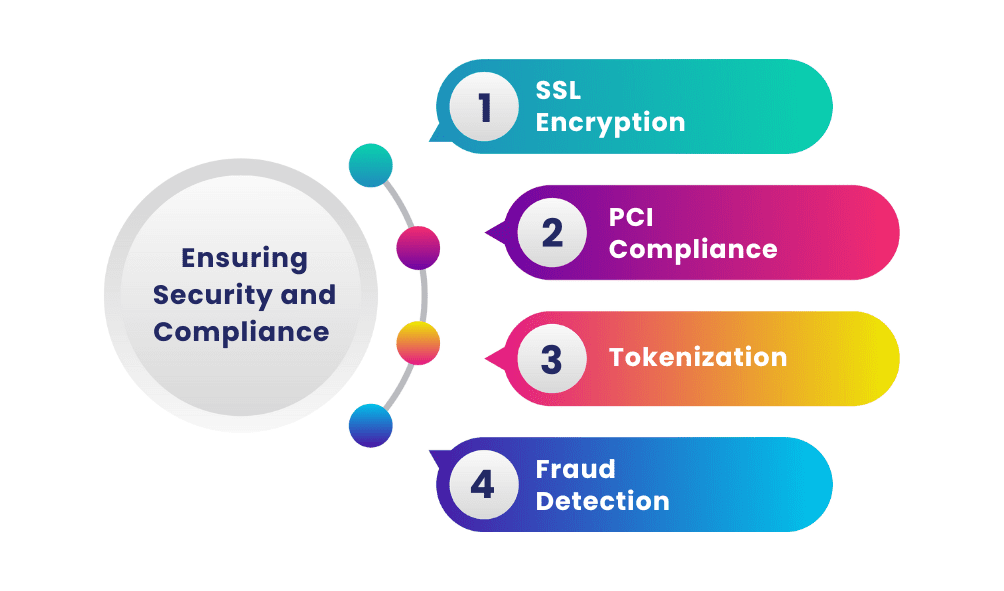
PayPal: Known for its global reach, PayPal is a reliable platform for nonprofits targeting international donors. It supports multiple currencies and offers donor-friendly features like one-touch payments and transaction tracking.

Stripe: Stripe is highly customizable, making it suitable for nonprofits looking to create branded donation experiences. It supports global payments, and recurring donations, and provides detailed analytics.

Instamojo: Perfect for small nonprofits, Instamojo offers an easy-to-use platform with support for UPI, wallets, and card payments. It is especially effective for fundraising campaigns targeting Indian donors.

CCAvenue: A versatile platform offering multilingual and multi-currency support, CCAvenue caters to nonprofits with diverse donor bases. Its advanced features include fraud detection and comprehensive reporting tools.

How DigitalPaymentGuru.com Helps Nonprofits Choose the Right Gateway

Navigating the wide array of payment gateways can be overwhelming for nonprofits. This is where DigitalPaymentGuru.com comes in. By analyzing factors like transaction fees, security features, integration options, and donor preferences, the platform provides tailored recommendations to ensure nonprofits select the most suitable gateway for their needs. Whether it’s identifying a low-cost option for a small organization or a global solution for a large nonprofit, DigitalPaymentGuru.com simplifies the decision-making process and saves valuable time.
Steps to Integrate a Payment Gateway for Nonprofits

Identify Organizational Needs: Define goals, such as reaching international donors or facilitating recurring contributions, to determine the features required.

Research and Compare Gateways: Use platforms like DigitalPaymentGuru.com to compare gateways based on fees, security, and ease of use.

Ensure Legal and Regulatory Compliance: Verify that the gateway complies with local and international financial regulations to avoid legal complications.

Integrate with Platforms: Collaborate with developers to seamlessly integrate the chosen gateway with your website or mobile app.

Test and Optimize: Conduct thorough testing to ensure a smooth donor experience and optimize the process based on donor feedback.

Conclusion

Digital payment gateways have become indispensable tools for nonprofits, offering a streamlined, secure, and globally accessible way to collect and manage donations. By embracing these technologies, nonprofits can overcome traditional fundraising challenges, enhance donor engagement, and focus on their core mission of creating social impact. With expert guidance from DigitalPaymentGuru.com, nonprofits can choose the best payment solutions to maximize their fundraising potential and achieve long-term success. As technology continues to evolve, the integration of digital payment gateways will remain a cornerstone of nonprofit growth and efficiency.