
FIEO BriskPe partnership

How to use FIEO BriskPe partnership for global sales

You must stay ahead of the game if you want to sell your goods to the world today. Therefore, you should learn about the FIEO BriskPe partnership and how it helps exporters. Truly, many Indian firms lose a lot of money to slow banks and hidden fees. Consequently, you can grow your global sales by using this new digital payment bridge in 2026.

Many people think that international payments must always be slow and very complex. But, the reality is that FIEO and BriskPe are making the process very fast and simple. Always remember, a smooth payment path is a strong signal for any search engine. This ensures that your brand stays modern and your global buyers stay very happy. This approach requires you to understand the power of this new strategic alliance. It helps you build a much more competitive business for the long term. It makes your daily international trade feel much more secure and very effective.
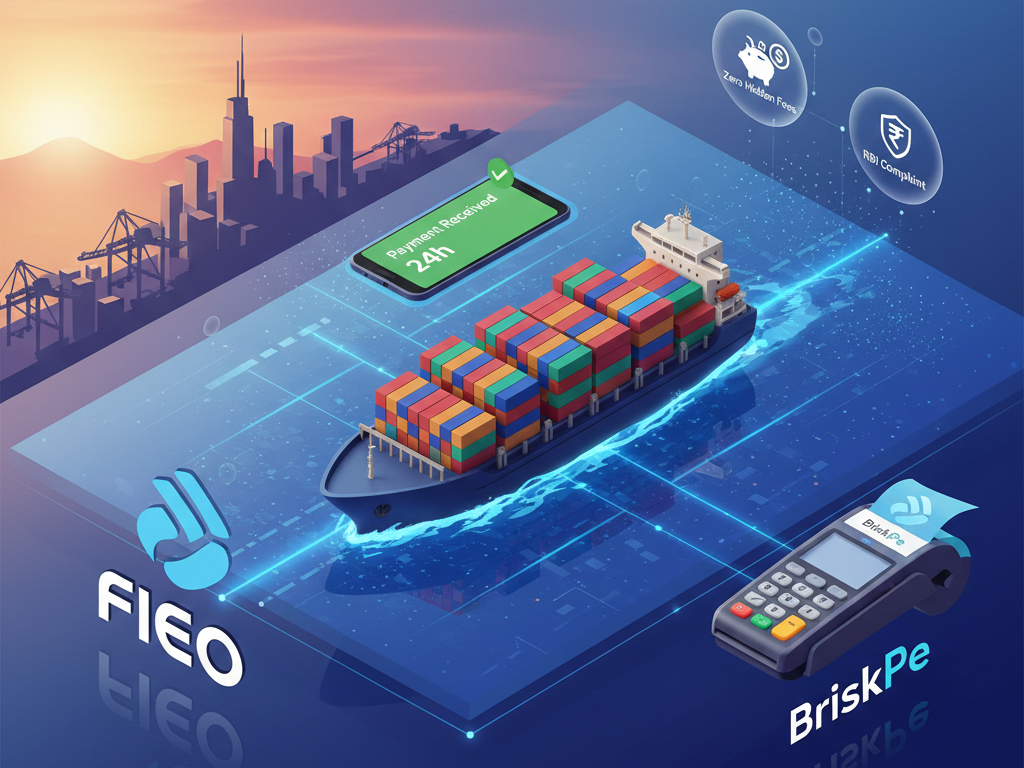
FIEO BriskPe partnership

Why This Partnership is a Win for MSMEs

First, you must understand who is behind this big shift in Indian trade. Why did the Federation of Indian Export Organisations (FIEO) pick BriskPe as a partner? Clearly, MSMEs need a way to receive money without the heavy burden of high costs. Therefore, this partnership aims to empower small and rural exporters in 2026.

The Core Benefits for Indian Exporters

Here are several reasons why this collaboration is a game-changer for you:

  • Lower Transaction Fees: You pay much less than traditional bank wire charges.
  • Faster Settlements: Money often reaches your local bank account within 24 hours.
  • Transparent Pricing: You see the exact exchange rate with no hidden deductions today.
  • Automated Compliance: The platform handles your e-FIRA and e-BRC documents fast.
  • Global Reach: You can collect payments in many currencies from all over the world.
  • Specialized Support: Get expert help with your unique export payment challenges.
  • Search Engine Value: Fast and reliable trade helps your site earn more trust.

Truly, this partnership is about giving small firms the same tools as big banks. But, you must also see how it simplifies your daily paperwork and compliance. This keeps your business running smoothly and prevents any sudden legal delays. It creates a very professional and high standard for your global trade operations.


How BriskPe Simplifies Your Cross-Border Cash Flow

So, how does this new digital system actually handle your global sales money? Truly, it uses a unified platform to link your bank to international buyers. Consequently, you should imagine a fast digital lane that bypasses old banking hurdles. It acts as a direct link for your B2B, B2C, and C2B payments in 2026.

The Tools That Empower Your Business

Here is how the BriskPe platform works to help you manage your money:

  1. Unified Dashboard: See all your global collections in one single, easy view.
  2. Local Virtual Accounts: Get dedicated accounts in countries like the US or UK.
  3. Instant KYC: Sign up and get your account approved in a very short time.
  4. Real-Time Tracking: Watch your money move from the buyer to your bank today.
  5. Secure Gateways: Use top-tier encryption to protect every single dollar you earn.
  6. Easy Invoicing: Send professional bills to your clients in their own currency.
  7. Trust Rankings: Using compliant tools helps you keep a high search engine rank.

Furthermore, this improves your search engine performance by showing your site is up to date. It makes your company look very tech-savvy and ready for 2026 growth. This ensures that your valuable time goes to making goods instead of chasing bank clerks. It creates a very fast and clear path for your professional global success.


Accessing Export Benefits with FIEO and BriskPe

The third phase involves using the partnership to unlock even more growth perks. Clearly, being a part of FIEO gives you access to many government schemes and events. Therefore, you should use the BriskPe link to strengthen your overall export strategy.

Perks for FIEO Members Using BriskPe

Firstly, enjoy special rates and “Preferential Entry” to global trade fairs and meets. This allows you to meet new buyers without spending a fortune on travel in 2026. Secondly, use the automated e-BRC tools to claim your government export incentives fast.

Furthermore, join training sessions to learn about the latest digital payment trends. Also, use transition words in your buyer emails to explain your new fast payment link. Lastly, remember that a strong FIEO profile helps your search engine authority and trust. Truly, this alliance is the best way to scale your business across borders. It allows you to stay compliant while you reach for a bigger slice of the global market. This is why many Indian merchants are joining this digital wave right now.


Setting Up Your Global Payment Success

The fourth phase is where you take the first step to join this new trade era. Clearly, you must prepare your business records before you start your digital journey. Therefore, you must follow a few simple steps to get your BriskPe account ready today.

Steps to Start Your Fast Export Payments

Firstly, visit the FIEO or BriskPe website to learn about the registration process. This helps you gather all your documents like your PAN and IEC code in 2026. Secondly, link your existing Indian bank account to the BriskPe dashboard for easy transfers.

Furthermore, share your new virtual account details with your international clients right away. Also, use your data to track your savings on every single global transaction. Lastly, check your search engine ranking to see if trade volume helps your web traffic. Truly, a smart setup is a journey that leads to a much stronger brand. It turns a complex task into a series of smart, secure wins for your whole team. This ensures your business stays strong while others face high fees and slow cash flows.


Leading the Future of Indian Exports

Finalizing your plan requires you to stay updated on new trade policies and tech. It needs you to review your payment costs and update your site every single year. Clearly, winning in global trade is a team effort for your brand in 2026. Therefore, follow these simple tips to keep your export business fresh and very fast.

Simple Tips for Lifelong Export Success

Firstly, attend the FIEO knowledge sessions to learn about new digital trade tools. This helps you stay one step ahead of any global market shifts or new rules today. Secondly, encourage your buyers to use the direct payment link for better speed and safety.

Furthermore, use transition words in your export guides to keep them very clear and helpful. Also, remind your team that fast payments help the company earn more search engine trust. Lastly, check your search engine data to see if your global reach helps your web traffic grow. Truly, a fast path is a journey that leads to a much better brand in 2026. It builds a path of innovation that lets your whole team grow very fast. This secures your future in the digital world for a long time.


Frequently Asked Questions (FAQs)

Q1: What is the main goal of the FIEO–BriskPe partnership?

It aims to raise awareness about digital tools that make cross-border payments faster and cheaper for Indian exporters.

Q2: How does BriskPe help with export documentation?

The platform automates the issuance of critical documents like e-FIRA and e-BRC to save you time.

Q3: Is BriskPe safe for my international transactions?

Yes, it is an RBI-authorized platform that uses high-level security to protect your money.

Q4: Do I need to be a FIEO member to use BriskPe?

While anyone can use BriskPe, FIEO members often get extra perks and easier access to trade events.

Q5: Can I receive payments in USD through this system?

Yes, you can collect money in many currencies like USD, GBP, and EUR with very low fees.

Also Read: Best ways PayPal + UPI integration saves you money
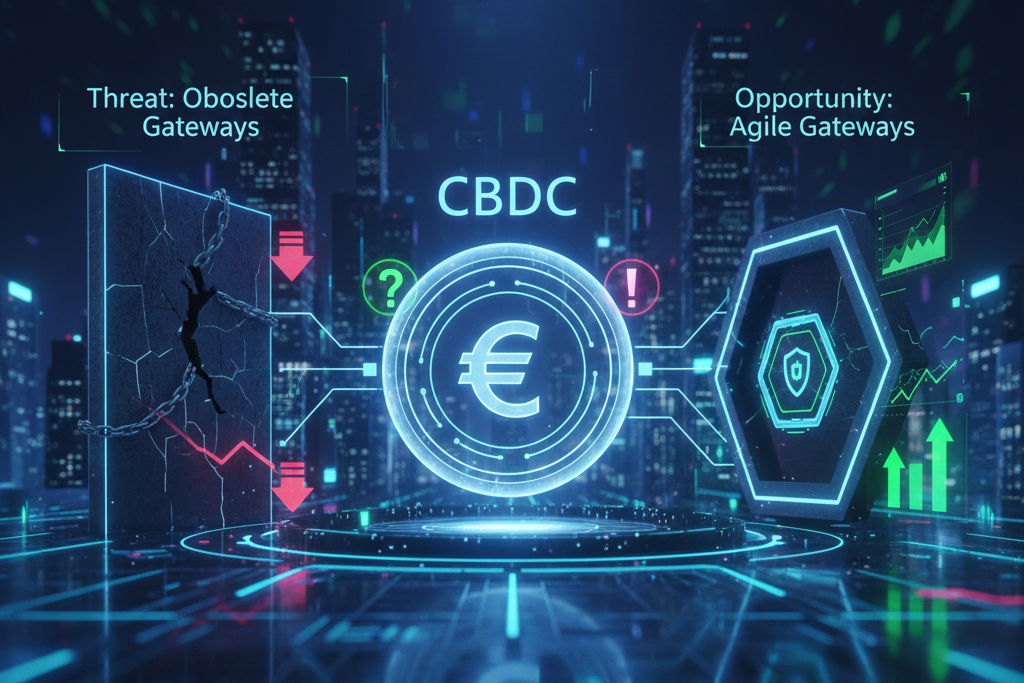
Why Global CBDC Adoption Requires Better Gateway Security

Why Global CBDC Adoption Requires Better Gateway Security

The world of money is changing very fast as we move into 2026. Therefore, many countries are now testing their own digital versions of cash. Truly, Central Bank Digital Currencies, or CBDC, are becoming a reality for millions of users. Consequently, everyone in the payment world is asking if this is a threat or a giant opportunity.

Some people feel that a search engine will soon show a world without private payment processors. But, the truth is much more complex and interesting for business owners. Always remember, every major shift in finance creates new ways to provide value. This ensures that those who adapt will find more success than those who stay the same. This approach requires a deep look at how digital money moves across borders. It helps you prepare for a future where cash might disappear entirely. It makes your financial strategy much more robust for the years ahead.

Why Global CBDC Adoption Requires Better Gateway Security

Phase 1: What Exactly Are CBDCs and How Do They Work?

First, let us look at what makes a CBDC different from the digital money we use today. Why are governments so interested in this new technology right now? Clearly, it is about giving the central bank more control and transparency over the money supply. Therefore, it is a direct digital claim on the central bank rather than a private bank.

Key Features of a Digital Currency

Here are several things that define a CBDC in the current market:

  • Direct Issuance: The money comes directly from the government or central bank.
  • Instant Settlement: Transactions happen in real time without waiting for clearing.
  • Low Costs: It aims to remove many of the fees found in traditional banking.
  • Programmability: This allows for smart contracts that trigger payments automatically.
  • Universal Access: It helps people without bank accounts join the digital economy.
  • Enhanced Security: Each digital unit is tracked to prevent fraud and theft.
  • Legal Tender: It must be accepted by law for all debts and taxes.

Truly, this technology could change how every search engine tracks financial data. But, it also brings up big questions about user privacy and data safety. This keeps the debate between speed and privacy very active in 2026.


Phase 2: Why Gateways Might See CBDCs as a Threat

So, why are some payment gateways feeling nervous about these digital coins? Truly, a government-backed system could bypass the need for many private middlemen. Consequently, the traditional fees that gateways charge might be at risk. It acts as a direct competitor to the services that have existed for decades.

Risks Facing Traditional Payment Gateways

Here is how CBDCs could challenge the existing payment model:

  1. Fee Compression: If government digital money is free to use, gateways cannot charge high fees.
  2. Direct Wallets: Users might pay merchants directly from a government app.
  3. Faster Rails: Central banks might build their own fast networks that skip private ones.
  4. Reduced Volume: Traditional credit card use might drop as people switch to CBDCs.
  5. Data Control: Governments might keep the transaction data that gateways used to own.
  6. Strict Rules: New laws might favor the state system over private companies.
  7. Global Shifts: International CBDC links could make cross-border gateways less vital.

Furthermore, this could hurt the search engine ranking of companies that rely on old tech. It makes it harder for slow-moving businesses to stay profitable. This ensures that only the most efficient gateways will survive the next five years. It creates a very competitive environment for everyone in the finance space.


Phase 3: The Massive Opportunity for Smart Gateways

The third phase looks at why CBDCs might actually be a good thing for the industry. Clearly, new technology always creates new needs for the average user. Therefore, smart gateways can act as the vital bridge between the state and the people.

How Gateways Can Thrive with Digital Currency

Firstly, gateways can provide a better user experience. Government apps are often very simple and hard to use for complex tasks. Secondly, they can offer advanced fraud protection. While CBDCs are secure, hackers will always try to find new ways to steal.

Furthermore, gateways can manage the mix of different currencies. Most people will still use credit cards, crypto, and CBDCs at the same time. Also, they can provide better reporting for merchants. Business owners need deep data that a basic government wallet might not show. Lastly, they can help with international trade. Linking different national CBDCs together is a task that gateways are perfect for. Truly, your search engine authority grows when you offer solutions to these new problems. It allows you to become a trusted advisor in a confusing digital landscape. This is the key to winning in the new financial era.


Phase 4: Preparing for the 2026 Financial Shift

The fourth phase is about the steps you must take to be ready for this change. Clearly, you cannot wait for the rules to be fully written before you act. Therefore, you should start integrating digital currency options into your systems now.

Steps to Future-Proof Your Payment Strategy

Firstly, monitor the pilot programs in major countries. Watching how China or Europe handles their digital coins gives you a head start. Secondly, invest in blockchain and ledger technology. These are the foundations that most CBDCs are built upon.

Furthermore, talk to your customers about their needs. See if they are interested in using digital versions of their national currency. Also, stay active in the regulatory discussion. Helping shape the laws can protect your business from bad rules later. Lastly, improve your site speed and mobile features. A fast site helps your search engine ranking and makes digital payments smoother. Truly, being an early adopter is the best way to secure your future. It shows the world that your brand is a pioneer in the digital space. This leads to more trust and higher traffic over the long term.


Best Practices: Balancing Innovation and Safety

Managing digital money requires a very careful and balanced approach. It needs a focus on both new features and old-fashioned security. Clearly, the trust of your users is the most valuable asset you have. Therefore, follow these simple habits to maintain your lead in 2026.

Strategies for Long-Term Digital Currency Success

Firstly, always prioritize the privacy of your users. Even with a state-backed coin, people want to know their data is safe with you. Secondly, keep your systems simple and easy to understand. New financial tools can be very scary for the average person.

Furthermore, update your content frequently. Use your blog to explain how these changes help your customers save money. Also, build partnerships with banks and tech firms. No company can handle the shift to CBDCs entirely on its own. Lastly, track your search engine performance closely. Make sure people can find your guides when they search for digital money help. Truly, a helpful and modern gateway will always be in high demand. It turns a potential threat into a powerful tool for growth. This ensures your brand stays strong regardless of what the central banks do.


Frequently Asked Questions (FAQs)

Q1: Is a CBDC the same as Bitcoin?

No, Bitcoin is a private crypto currency that is not backed by any state. A CBDC is a digital version of a country’s official money and is controlled by the government.

Q2: Will CBDCs help my search engine ranking?

Writing about CBDCs can help your ranking if you provide expert info that users are searching for. It shows you are an authority on the latest financial trends.

Q3: When will CBDCs become common for everyone?

Many countries are already in the pilot phase in 2025. It is likely that CBDCs will be a common payment option in major markets by the end of 2026.

Q4: Can I use a CBDC for international payments?

Yes, one of the main goals of CBDCs is to make international payments faster and cheaper. Gateways will play a major role in linking these different systems.

Q5: Will my private bank account disappear?

No, CBDCs are expected to work alongside traditional bank accounts. Most experts believe we will continue to use a mix of both systems for a long time.

Also Read: Why Crypto Payments in India Face a New Future

Why Crypto Payments in India Face a New Future

Why Crypto Payments in India Face a New Future

Digital money is changing how the world thinks about finance. Therefore, India finds itself at a very major turning point. But, the path for crypto has not been easy or simple. Truly, it is a mix of high interest and strict rules.

Some people see crypto as a great way to pay for things. But, the government has many concerns about safety and stability. Consequently, the rules stay very firm for now. Always remember, India has a very large and tech-savvy population. This ensures that the talk about crypto never really stops. It also means that the future could hold many big changes. This approach to money might look very different in a few years. It could transform how we shop and save every day.

Why Crypto Payments in India Face a New Future

The Current State of Crypto in the Indian Market

First, let us look at where things stand today. Why is crypto so popular yet so regulated? Clearly, millions of Indians already own some form of digital asset. Therefore, the market is already quite massive and active.

Key Factors Defining the Indian Crypto Space

Here are several things that define the current crypto scene in India:

  • High Tax Rates: There is a thirty percent tax on all crypto gains.
  • No Deductions: You cannot offset losses against your profits.
  • TDS Rules: A one percent tax is deducted at the source for every trade.
  • Banking Hurdles: Some banks are still slow to work with crypto exchanges.
  • High Adoption: Many young people use crypto as a long-term investment.
  • CBDC Launch: The RBI has started testing its own digital rupee.
  • Legal Gray Area: Crypto is not banned, but it is not legal tender either.

Truly, these factors make the market a bit complicated for new users. But, the interest remains very high across the country. This keeps the industry moving forward despite the tough rules.


How Cryptocurrency Payments Work Today: A Slow Shift

So, can you actually use crypto to buy a coffee in India? Not quite yet. Truly, most people use it as an investment like gold. It also serves as a way to store value over time. It acts as a digital version of a savings account for many.

Ways People Use Crypto in India Right Now

Here is how crypto moves through the Indian economy today:

  1. Investment Portfolios: People buy and hold coins on local exchanges.
  2. P2P Trading: Users trade directly with each other using special platforms.
  3. Gift Cards: Some sites let you buy vouchers using digital coins.
  4. Remittances: People send money from abroad using fast crypto networks.
  5. Freelance Pay: Some global workers take their salary in digital assets.
  6. Tech Testing: Developers use crypto to build new decentralized apps.
  7. Educational Trading: Students learn how global markets work using small amounts.

Consequently, crypto is more of a tool for growth than for daily shopping. It helps people grow their wealth in a new way. This ensures they stay connected to global financial trends. It keeps the Indian tech scene very vibrant and modern.


Pillar 1: The Regulatory Framework and Tax Laws

The first pillar is all about the rules set by the government. The Ministry of Finance and the RBI watch crypto very closely. Clearly, they want to protect the rupee and stop financial crimes. Therefore, they have created a very strict tax system for everyone.

Understanding the 30 Percent Tax and 1 Percent TDS

Firstly, know the flat tax rate. If you make money from crypto, you must pay thirty percent to the state. This applies to every single profitable trade. Secondly, track the TDS on every transaction. The one percent TDS helps the government track who is buying and selling.

Furthermore, remember that losses do not help you. In normal stocks, you can use a loss to pay less tax. But, in crypto, you cannot do this at all. Also, report all holdings in your tax returns. Failing to show your crypto can lead to very big fines. Lastly, stay alert for new policy updates. The government might bring a new crypto bill to parliament soon. Truly, the tax laws are the biggest hurdle for users. They make daily payments very expensive and hard to track. This is why most people prefer to hold their assets for a long time.


Pillar 2: The Role of the RBI and the Digital Rupee (e-Rupee)

The second pillar focuses on the central bank. The Reserve Bank of India (RBI) is very cautious about private coins. Clearly, they prefer a digital currency that they can control. Therefore, they have launched the Central Bank Digital Currency (CBDC).

How the e-Rupee Differs from Private Crypto

Firstly, the e-Rupee is legal tender. It is exactly like a paper note but in digital form. You can use it to pay anyone in the country. Secondly, it has the full backing of the state. Unlike Bitcoin, the value of the e-Rupee is always stable.

Furthermore, it uses blockchain technology for safety. This makes the system very fast and very secure. Also, it helps reduce the cost of printing money. Digital notes are much cheaper to manage than paper ones. Lastly, it might replace private crypto for daily use. The RBI wants people to use the e-Rupee for shopping and bills. Truly, the e-Rupee is the official answer to the crypto craze. It offers the speed of crypto with the safety of the rupee. This will shape the road ahead for all digital payments in India.


Pillar 3: The Road Ahead – What the Future Holds

The third pillar is about looking into the future. Will India ever embrace Bitcoin for payments? Clearly, the next few years will be very important for this sector. Therefore, we must look at the likely trends and changes.

Predictions for the Indian Crypto Landscape

Firstly, expect more global cooperation on rules. India is working with the G20 to create common crypto laws. This will make the market safer for everyone. Secondly, watch for more institutional investment. If the rules get clearer, big banks might start offering crypto services.

Furthermore, look for a focus on Web3 and blockchain. India wants to be a leader in blockchain tech, even if it stays careful with coins. Also, anticipate a shift in tax policies. Many experts hope the tax rate will come down to match normal stocks. Lastly, see the rise of hybrid payment systems. We might see apps that use the e-Rupee and crypto side by side. Truly, the road ahead is full of both risks and great chances. It requires a balance between innovation and very strong safety. This ensures the Indian economy stays healthy and strong.


Best Practices: Staying Safe in the Indian Crypto Market

Using crypto in India requires a very careful approach. You must follow the laws and protect your assets. Clearly, the digital world has many scams and risks. Therefore, follow these simple steps to stay safe.

Strategies for Responsible Crypto Management

Firstly, use only registered Indian exchanges. These platforms follow the local laws and verify your identity. This makes your money much safer. Secondly, keep a detailed record of every trade. This is vital for paying your taxes correctly at the end of the year.

Furthermore, never share your private keys or passwords. Scammers often pretend to be help desk workers. Also, diversify your digital assets. Do not put all your money into just one coin or token. Lastly, only invest money you can afford to lose. Crypto prices can go up and down very fast in one day. Truly, being careful is the best way to enjoy the crypto world. It helps you learn without taking too much risk. This ensures a positive experience for every new user in India.


Frequently Asked Questions (FAQs)

Q1: Is it legal to buy Bitcoin in India right now?

Yes, it is legal to buy, sell, and hold Bitcoin in India. However, it is not considered legal tender. This means a shop can refuse to take it as payment for goods.

Q2: How much tax do I pay on crypto profits in India?

You must pay a flat thirty percent tax on all profits from digital assets. Additionally, a one percent TDS is deducted from the total value of every transaction.

Q3: Can I use crypto to pay for my mobile recharge or bills?

Directly using crypto for bills is rare due to tax and legal hurdles. However, some third-party sites allow you to buy gift cards with crypto to pay for such services.

Q4: What is the difference between Bitcoin and the e-Rupee?

Bitcoin is a private, decentralized asset with a volatile price. The e-Rupee is a digital currency issued and backed by the RBI, and its value is always stable.

Q5: Will the Indian government ban crypto in the future?

The government has not announced a ban. Instead, they are focusing on strict regulation and global cooperation to manage the risks associated with digital assets.

Also Read: How to Lower Payment Gateway Fees with One Simple Tool