Real time payment

The Benefits Of Real-Time Payments Systems.

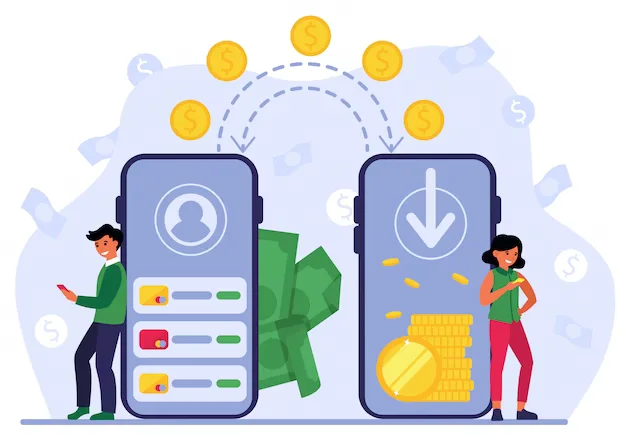
Real-time payment systems are changing the way we exchange money, offering many benefits that apply to individuals and businesses. These systems provide instant transfer of funds, facilitating simple and efficient financial planning. Here are some of the major advantages of real-time payment systems.

Speed ​​and convenience: Real-time payments eliminate the need to wait for funds to clear, guaranteeing immediate transfer of funds. This movement is especially valuable in emergency situations, such as emergency payments or business transactions, reducing stress and disruption.

Speed ​​and convenience: Real-time payments eliminate the need to wait for funds to clear, guaranteeing immediate transfer of funds. This movement is especially valuable in emergency situations, such as emergency payments or business transactions, reducing stress and disruption.

Improved financial management: Instant visibility of money allows individuals and businesses to better manage their finances. This real-time analysis helps prevent overspending and provides a clear picture of finances.

Reduced risk: A real-time payment system reduces the risk of fraud and unauthorized transactions. Enhanced security measures such as two-factor authentication and biometrics enhance the security of these transactions.

Improved cash flow: For businesses, real-time payments mean faster cash flow, which helps in managing cash flow. This allows for faster deposits, loan repayments and overall financial planning.

Lower fees: Real-time fees are generally lower, compared to traditional banking methods. Companies can save money on marketing-related costs over time.

Globalization: Real-time payment systems are gaining popularity internationally, making cross-border transactions faster and more efficient. This promotes global trade and cooperation.

Enhanced Customer Experience: Customers appreciate the convenience and speed of real-time payments, leading to greater customer satisfaction and loyalty to companies that offer this service.

Financial Inclusion: Real-time payment systems can extend banking services to underserved populations, closing the financial inclusion gap by making banking services available to more individuals.

Boost for eCommerce: Real-time payments are a game-changer for online businesses, as they reduce cart abandonment rates and simplify cash transactions, ultimately increasing sales.

Stimulating Innovation: The availability of real-time payment systems stimulates innovation in the financial sector, encouraging the immediate benefits of new financial products and services.

In conclusion, real-time payment systems offer many benefits, including speed, convenience, security, and cost savings. As this infrastructure develops and expands, it will play a key role in shaping the future of finance, benefiting individuals, businesses and economies around the world


Tokenization

Exploring Tokenization In Secure Digital Transactions

In today’s digital age, where convenience and speed reign supreme, secure digital communication has become an integral part of our lives. Whether it’s online shopping, transferring funds, or even accessing subscription-based services, we rely on digital transactions for a myriad of daily activities but with the convenience of digital payments, constant threats of cyberattacks and data breaches occur. To mitigate these risks, the concept of tokenization has emerged as a powerful tool to ensure secure digital transactions.

Tokenization is the process of replacing sensitive data, such as credit card numbers or bank account information, with a unique identifier or “token.” These tokens are basically random strings of characters that have no identifier and are not related to the original data. Tokenization plays an important role in increasing the security of digital transactions in several ways.

First, tokenization protects sensitive information. When a user initiates a digital transaction, their payment information is exchanged with the token. This token is then used to process the transaction, replacing actual credit card or bank account information. Even if the hacker manages to crack the token, it’s useless without the associated encryption key, and it’s virtually impossible for the tokenized data to be misused.

Additionally, tokenization reduces the risk of a data breach. Unlike sensitive data stored on servers, tokens are usually stored in highly secure environments. This means that even if a company’s database is compromised, a hacker can only obtain useless tokens, not valuable financial information. Companies can also take advantage of tokenization-as-a-service (TaaS) offerings, further enhancing the security of tokenized data.

Tokenization provides flexibility and convenience. Because tokens are unique on a case-by-case basis, they can easily be manipulated and canceled as needed. For example, if a customer’s credit card is lost or stolen, the token associated with that card can be deactivated, rendering it useless in other transactions This eliminates the need to update payment information on online accounts, making the process easier for consumers and businesses.

Additionally, tokenization ensures trust and compliance with industry standards. As data breaches become more common, consumers are becoming more cautious about sharing their sensitive information. The use of tokenization enables companies to assure their customers that their data is secure, helping to build trust and integrity. In addition, tokenization is often mandated by industry standards and regulations, such as the Payment Card Industry Data Security Standard (PCI DSS), which requires cardholder data to be protected through tokenization

One of the main applications of tokenization in digital transactions is in mobile payment systems. Services like Apple Pay, Google Pay, and Samsung Pay use tokenization to increase the security of transactions.  When a user adds their credit card to one of these services, the actual card number is never stored on the device or transmitted in a transaction. Instead, they create a token, ensuring that the user’s financial information remains secure even if the device is compromised.

In conclusion, tokenization is key to secure digital transactions in today’s connected world. It protects sensitive data, reduces the risk of a data breach, provides flexibility, and increases reliability and compliance with industry standards. As technology advances and digital transactions become more widespread, the role of tokenization in protecting our financial information will become increasingly important. Businesses and consumers need to embrace tokenization as a powerful tool to ensure secure and seamless digital transactions.

cybersecurity

The Importance of Cybersecurity in Digital Payments

In today’s rapidly evolving digital environment, the use of digital payments has become an integral part of our daily lives. Whether it’s shopping online, sending money to friends and family, or paying electronically, digital payments offer unparalleled convenience and efficiency but with this convenience also comes increased risk related to cyber threats and security breaches also occur. Here the importance of cybersecurity in digital payments cannot be overstated.

Cybersecurity in digital payments refers to procedures and systems designed to ensure that sensitive financial information, such as credit card numbers, bank account details and personal information, does not fall into the wrong hands.

One of the main reasons why the cybersecurity of digital payments is so important is because of the sheer volatility of personal financial information. When you pay a digital currency, you are essentially handing over your most important information to the digital realm. Without strong cybersecurity measures, this information is vulnerable to hackers, identity thieves and other cybercriminals who are constantly looking for opportunities to exploit vulnerabilities.

The consequences of a security breach in digital payments can be devastating. This can cost individuals and businesses money, damage the company’s reputation and even legal ramifications. Additionally, personal financial information stolen during a breach can be used for a wide range of fraudulent activities, from unauthorized purchases to identity theft.

To mitigate these risks, organizations handling digital payments should invest in a cybersecurity system. This includes encryption protocols to protect data in transit and at rest, multifactor authentication to ensure only authorized users can access accounts, regular security audits to identify and address vulnerabilities and routine monitoring systems and threat detection systems to identify and mitigate potential threats before they cause harm.

Additionally, customer awareness of cybersecurity is equally important. Individuals should take responsibility for their digital security by using strong and unique passwords for their accounts, updating software and apps regularly, and being careful with personal information a sharing online Phishing attacks, where cybercriminals try to trick individuals into revealing sensitive information, are a common risk in digital payments. It’s important to recognize the signs of phishing to avoid falling prey to these types of scams.

Another reason why cybersecurity is a priority in digital payments is the rise of cyber threats. Cybercriminals are constantly evolving and developing new ways and means to breach security systems. Without a proactive and proactive cybersecurity strategy, organizations and individuals will always be one step behind in the ongoing battle against cyber threats.

In conclusion, the importance of cybersecurity in digital payments cannot be overstated. As digital payment methods continue to grow in popularity, the need for robust security measures is becoming more urgent. Whether you’re an individual shopping online or a business handling digital payments, investing in cybersecurity isn’t just an option; There is a need. Without it, the convenience of digital payments comes at a very high cost – the risk of money loss, identity theft and reputational damage. By prioritizing cybersecurity, we can continue to enjoy the benefits of digital payments while keeping our financial information safe and secure in a highly connected world.

P2P payment

The Impact of Social Media Platforms on Peer-to-Peer Payments

Social media platforms have revolutionized how people communicate, share information and communicate. In recent years their influence has expanded beyond social networks into the realm of financial transactions, especially peer-to-peer (P2P) payments P2P payments are money transfers between individuals, and social media platforms have changed the financial landscape of individuals through this simple integration of the practical implementation.

One of the most essential effects social media platforms have on P2P payments is convenience. Users can now send money to friends, family, or colleagues with just a few clicks, eliminating the need for transactional methods such as cash or checks. This relief has led to a surge in adoption, especially among younger generations who are accustomed to digital communication.

Additionally, the social aspect of these platforms enhances the P2P payment experience. Users can attach messages, emojis, or comments to tasks, making the event more personal and interactive. Payments for birthdays, anniversaries, accomplishments, or celebrations are more meaningful when they carry messages and wishes, bridging the gap between financial transactions and emotional connections.

However, this convergence of social media and the economy also raises concerns. Security and privacy issues arise when users link their financial information to their social media profiles. A data breach or unauthorized access could expose sensitive financial information. Platforms must continue to enhance security measures to ensure that users’ financial data is secure.

Furthermore, the weakness of P2P transactions in the social media ecosystem can lead to rapid spending. The simplicity of brands can cause users to give up and move away from tangible funds, thus forcing accidental expenditures that can accumulate over time length is encouraged.

In conclusion, the impact of social media platforms on P2P payments is undeniable. Flexibility and social integration facilitated communication and created new forms of economic transactions. However, users should be cautious about security, balancing convenience with responsible financial behavior in this evolving environment

Big Data Analytics

The Role Of Big Data Analytics In Digital Payments

Big data analytics has emerged as a transformative force in digital payments, transforming how transactions are conducted, managed and protected. In an increasingly connected world where financial transactions are made at an unprecedented pace, the power of big data implementation has become important for payment service providers and businesses.

One of the most important roles big data analytics plays in digital payments is to enhance the customer experience. By analyzing large amounts of interaction data, companies can gain insights into customer preferences, behaviors and behaviors. This allows them to customize individual providers, simplify the payment process and deliver a seamless user experience. For example, by identifying products, companies can suggest relevant products or services, increasing opportunities for geographic sales and increased sales.

Big Data Analytics places great emphasis on fraud detection and prevention. Large amounts of payment data can be filtered out in real-time to identify irregular or suspicious activity. This helps detect fraudulent transactions early and introduce security measures to mitigate potential risks, thereby protecting consumers and financial institutions alike.

Additionally, big data analytics enable predictive modeling in digital payments. By analyzing historical data, patterns and market trends, companies can make more accurate predictions about future production volumes, seasonal dynamics, and demand for products. This methodology helps improve production efficiency, ensure cash flow and properly manage cash purchases.

From a regulatory perspective, big data analytics play an important role in compliance and risk management. Payment processing providers can use advanced analytics to identify your customer (KYC) standards to ensure compliance with anti-money laundering (AML) and other regulations. This not only avoids legal complications but also boosts customer confidence.

In conclusion, big data analytics is a key tool that is reshaping the digital payments landscape. Its ability to draw valuable insights from data sources enables businesses to enhance customer experience, prevent fraud, make informed decisions, and navigate complex regulations. As technology evolves and data continues to proliferate, big data analytics play a key role in shaping the future of digital payments.

Real-time Payment

The Benefits Of Real-Time Payments Systems

Real-time payments have changed the way financial transactions are conducted, bringing many benefits to individuals, businesses, and the economy as a whole Unlike traditional payment methods that involve delays and batch processing, real-time payments offer instantaneous, 24/7, secure transfer of funds between parties, transforming the economy and customer experience.

One of the main advantages of a real-time payment system is instant access to funds. This feature is especially important for individuals and businesses that rely on timely access to funds for purposes such as paying bills, making emergency purchases, or managing funds Real-time payments eliminate the need for them to wait for bank transactions, which can take hours or even days. This acceleration maximizes financial returns and allows firms to make faster decisions.

For businesses, real-time payments help improve cash management. By making payments immediately, companies can allocate funds more efficiently, settle invoices faster, and optimize their working capital.

This economic dynamism can reduce borrowing and debt ratings, resulting in potential debt cancellations in terms of interest payments. Additionally, real-time payments reduce the risk of payment delays, streamline supply chains, and strengthen relationships between businesses and their suppliers.

Customer convenience is another benefit of real-time payment systems. With the advent of mobile banking apps and digital wallets, individuals can transfer money, split money, or pay friends in real-time, anytime. This speed simplifies financial transactions and eliminates the hassle of writing checks, waiting for cash withdrawals, or visiting physical banking locations. The seamless integration of real-time payments into daily life enhances user experience and encourages the use of digital finance solutions.

Fraud prevention is also strengthened through real-time payment systems. The instantaneous nature of these connections allows for faster verification, reducing the chances of a fraudulent act. Advanced fraud detection systems can be incorporated into real-time payment systems to identify suspicious transactions and prevent unauthorized transactions in real time. This level of security is a boon for individuals and businesses and will instill confidence in digital payment methods.

On a larger scale, real-time payment systems can stimulate economic growth. By speeding up transactions, these programs increase costs and economic activity. Companies can experience rapid change, resulting in greater productivity and potentially job creation. Furthermore, the flexibility of payments cross-border can facilitate international trade, opening up new markets and opportunities for businesses around the world.

The benefits of real-time payment systems are not limited to developed countries; They can also adapt to emerging markets. Real-time payment systems provide an inclusive and accessible financial system in areas where traditional banking systems are limited. More common than bank accounts, mobile phones can act as gateways to real-time financial transactions, enabling individuals in remote areas to participate in the digital economy.

In conclusion, real-time payment systems represent a major advance in the world of finance and commerce. Their ability to provide instant funding, facilitate transactions, increase security, and stimulate financial activity makes them valuable assets for individuals, businesses, and the economy as a whole As technology continues to evolve, it is evident that time self-internal payment systems will extend recognition And we reorganize the method

Internet Of Things

Exploring The Internet Of Things (IoT) And Payments Integration

It has ushered in a new era in the Internet of Things (IoT) that is changing the way we interact with the world around us. At its core, IoT refers to physical devices, vehicles, devices, and other connected entities equipped with sensors, software, and networks that enable the collection and exchange of data these technologies have gained access to and flow into services each one of the promising applications. There is a realm of payment changes.

IoT-powered payment integration is changing the way businesses are run. Seamless communication between devices and systems ensures frictionless billing, and a custom smartwatch experience, and simplifies operations Imagine a scenario where your refrigerator recognizes your bulk purchase and automatically places an order for you. Your car can even automatically pay for parking, tolls, and refueling without taking out your wallet.

This integration also extends to wearables like smartwatches and fitness trackers, which can store payment information. This means you can pay on the go, whether you’re in the store, vending machine, or even on public transportation. Additionally, businesses can use IoT to build supply chains and loyalty programs based on customers’ real-time preferences and behaviors, increase engagement and drive sales
However, the convergence of IoT and payments also raises concerns about data security and privacy. As the number of connected devices increases, there is a greater risk of breakage. Strong encryption, authentication protocols, and checking for regular software updates are essential to protect sensitive financial information.

In conclusion, the convergence of IoT and payment integration is an important step forward in our digital evolution. It transforms ordinary devices into intelligent tools capable of making financial transactions, convenience, and enhancing customer interactions. While there are challenges to overcome, the potential benefits are vast, promising a future in which simple, secure, and intelligent payments will be woven into the fabric of our daily lives.

e-commerce

The Growth Of E-commerce And Its Influence On Digital Payments

The rapid growth of e-commerce has transformed the way people shop and conduct business. Digital payments have played a pivotal role in this growth, providing convenience, security, and efficiency to both consumers and businesses.

Traditional payment methods like cash and checks have been declining in popularity as digital payment options such as credit/debit cards, mobile wallets, and online payment gateways have become more widely adopted. These methods offer a number of advantages over traditional payment methods, including:

Convenience: Digital payments are quick and easy to make from any location with an internet connection.

Security: Digital payments are often more secure than traditional payment methods, as they use encryption and other security measures to protect customer data.

Efficiency: Digital payments can streamline the checkout process and make it easier for businesses to process payments.

The growth of e-commerce has also driven the development of new payment technologies, such as contactless payments, biometric authentication, and blockchain-based solutions. These technologies offer even greater convenience, security, and efficiency than traditional digital payment methods.

The symbiotic relationship between e-commerce and digital payments has also led to the rise of new business models. Subscription services, digital marketplaces, and peer-to-peer platforms have all flourished in recent years, thanks to the convenience and security of digital payments.

While the growth of e-commerce and digital payments has been positive overall, there are some challenges that need to be addressed. One challenge is security. As more and more transactions are conducted online, there is an increased risk of fraud and data breaches. Another challenge is privacy.

Consumers are increasingly worried about how corporations use their personal information.
Despite these challenges, the future of e-commerce and digital payments looks bright. The continued growth of these technologies will make it easier, more convenient, and more secure for people to shop and conduct business online.


Cost: Voice recognition systems can be expensive to develop and deploy.

Overall, voice recognition technology has the potential to revolutionize the payments landscape by making payments more convenient, secure, and efficient. However, there are still some challenges that need to be addressed before this technology can become more widely adopted.

Voice recognition technology

How Voice Recognition Technology Is Changing The Payments Landscape

Voice recognition technology is changing the way we pay for things. It’s making payments more convenient, secure, and efficient.

Traditionally, we pay for things by swiping credit cards, entering PIN numbers, or writing checks. But voice recognition technology is making it possible to pay for things just by speaking. We can say something like, “Pay for my coffee with my credit card” or “Transfer $100 from my checking account to my savings account.”

Voice recognition technology is more secure than traditional payment methods because it uses biometrics. Biometrics are unique physical characteristics that can be used to identify someone, such as fingerprints or voiceprints. Voiceprints are unique to each person, so they’re very difficult to forge. This makes it much harder for someone to steal your identity and use your credit card or bank account without your permission.

Voice recognition technology is also more efficient than traditional payment methods. We can make payments much faster by speaking than by swiping a card or entering a PIN number. This can save us time and hassle, especially when we’re in a hurry.

Voice recognition technology is still in its early stages, but it’s growing rapidly. It’s already being used in a variety of ways, such as making payments in stores, paying bills, and transferring money between accounts. As technology continues to develop, it’s likely to become even more widespread and popular.

Here are some of the benefits of using voice recognition technology in payments:

Convenience: Voice payments are more convenient than traditional payment methods because they allow us to make payments without having to fumble with cards, cash, or PIN numbers.

Security: Voice payments are more secure than traditional payment methods because they use biometrics to identify the user. This makes it much harder for someone to steal your identity and use your credit card or bank account without your permission.

Efficiency: Voice payments are more efficient than traditional payment methods because they allow us to make payments faster. This can save us time and hassle, especially when we’re in a hurry.

Accessibility: Voice payments can be used by people with disabilities who may have difficulty using traditional payment methods.

Here are some of the challenges that need to be addressed before voice recognition technology can become more widely adopted in payments:

Accuracy: Voice recognition systems need to be more accurate in order to prevent errors that could lead to unintended transactions or security breaches.

Privacy: Privacy concerns need to be carefully managed to prevent unauthorized access to personal and financial information.

Cost: Voice recognition systems can be expensive to develop and deploy.

Overall, voice recognition technology has the potential to revolutionize the payments landscape by making payments more convenient, secure, and efficient. However, there are still some challenges that need to be addressed before this technology can become more widely adopted.

Central Bank Digital Currency

Understanding Central Bank Digital Currencies (CBDCs)

Central Bank Digital Currencies (CBDCs) are digital versions of fiat currencies, such as the US dollar or the euro, that are issued and regulated by central banks. CBDCs aim to combine the benefits of traditional cash with the efficiency and convenience of digital transactions.

Some of the potential benefits of CBDCs include:

Enhanced payment systems: CBDCs could revolutionize payment systems by enabling instantaneous and borderless transactions. This could make it easier and cheaper to send and receive money, both domestically and internationally.

Reduced transaction costs: CBDCs could significantly reduce the costs associated with payment processing. This could benefit both consumers and businesses.

Combating financial crime: CBDCs can enhance the traceability of transactions, making it more challenging for illicit activities such as money laundering and tax evasion to occur.

Promoting financial inclusion: CBDCs can play a pivotal role in promoting financial inclusion, especially in regions with limited access to traditional banking services. By providing a digital and accessible form of currency, CBDCs can empower unbanked and underbanked populations, allowing them to participate more fully in the economy.

However, there are also some key challenges that need to be addressed before CBDCs can be widely adopted, including:

Privacy and security: Balancing the need for transaction transparency with individual privacy is a critical challenge. Central banks must ensure robust security measures to protect against cyber threats and data breaches.

Technological infrastructure: Developing the necessary technological infrastructure to support CBDCs, including secure digital wallets and transaction systems, is a complex undertaking that requires significant investment.

Monetary Policy Implications: CBDCs can impact traditional monetary policy tools and frameworks. Central banks must carefully assess how CBDCs will interact with existing monetary policies and financial stability.

Cross-Border Implications: The international use of CBDCs raises questions about interoperability, exchange rates, and regulatory coordination across different jurisdictions.

User Adoption: Encouraging widespread adoption of CBDCs among the general population and businesses is essential for their success. Education and awareness campaigns will be crucial in this regard.

Financial Stability: Introducing CBDCs could potentially impact the stability of the financial system. Central banks need to carefully manage any potential disruptions that may arise during the transition to digital currencies.

Overall, CBDCs represent a significant advancement in the evolution of monetary systems. By combining the trust and stability of traditional fiat currency with the efficiency and accessibility of digital transactions, CBDCs have the potential to reshape the financial landscape. However, their successful implementation requires careful consideration of technological, regulatory, and economic factors. As central banks continue to explore CBDCs, a collaboration between governments, financial institutions, and technology experts will be essential to unlock their full potential and realize the benefits they offer to economies and societies worldwide.