cryptocurrency

Cryptocurrency Payment Gateways: A Guide For Businesses

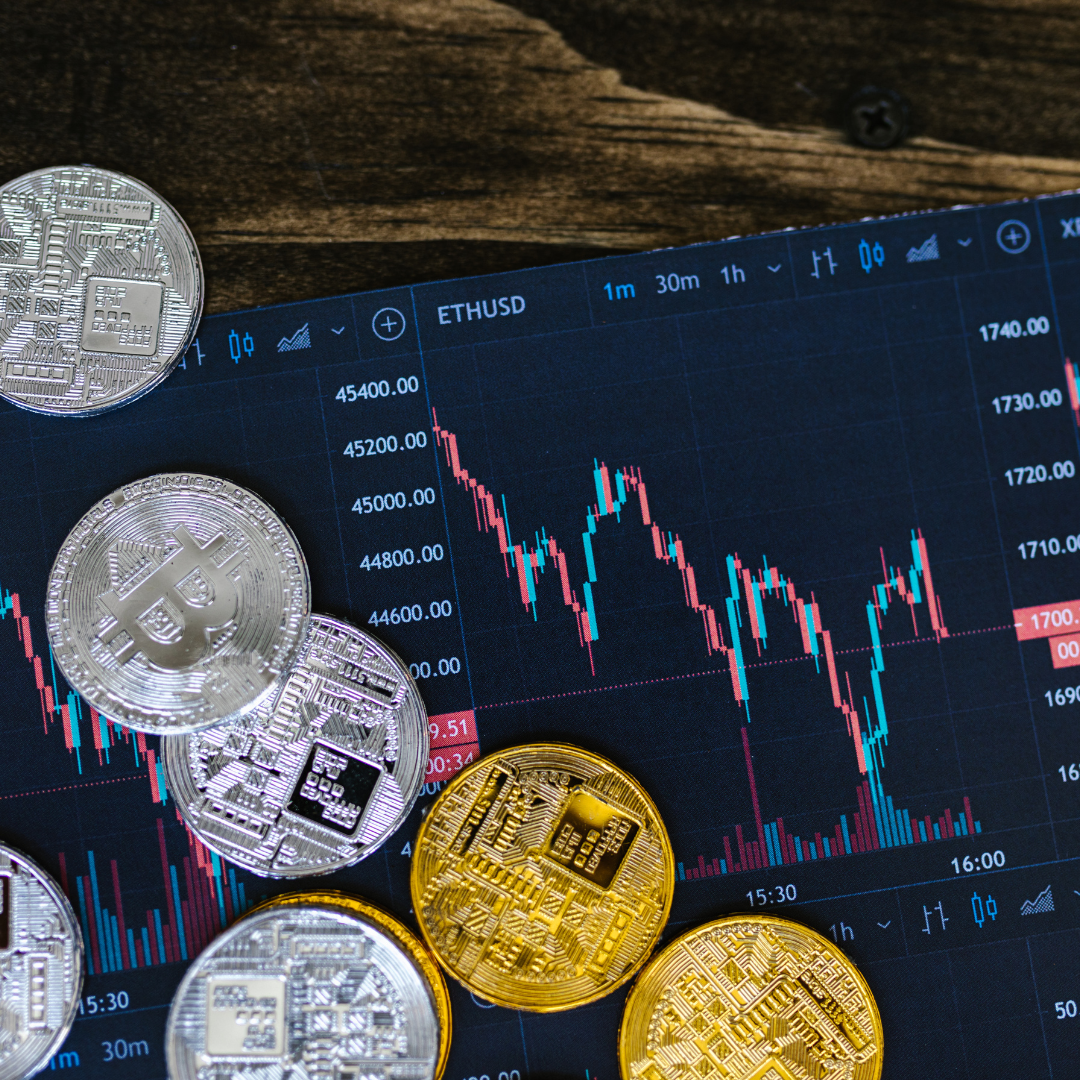
Cryptocurrency payment gateways have emerged as game changers in the world of finance and commerce. As companies look for new ways to expand their payment channels and cater to global audiences, cryptocurrency payment gateways offer a versatile and secure solution. This guide will explore the concept of cryptocurrency payment gateways and their benefits for businesses.

What is a Cryptocurrency Payment Gateway?

A cryptocurrency payment gateway is a technology that allows businesses to accept payments in cryptocurrencies such as Bitcoin, Ethereum, and Litecoin. It acts as an intermediary between consumers, merchants, and the blockchain network. If the customer chooses the cryptocurrency as a payment method, the gateway processes the transaction, converts the cryptocurrency into the desired fiat currency, and confirms the payment in the merchant’s account

Benefits for Businesses

Global reach: Cryptocurrencies are constrained by geographical borders, making them ideal for businesses looking to expand their customer base internationally

Lower transaction fees: Traditional payment methods like credit cards can come with higher fees. Cryptocurrency payments tend to have lower fees, saving businesses money per transaction.

Faster processing: Cryptocurrency transactions are generally faster than traditional banking channels, reducing processing time for payments.

Security: Cryptocurrencies are built on secure blockchain technology, offering strong protection against fraudulent credit transactions.

Accessibility: Cryptocurrency payment gateways are accessible 24/7, enabling businesses to accept payments at any time, and increasing customer convenience.

Challenges to Consider

Price volatility: Cryptocurrency prices can fluctuate wildly, which can upset businesses. Some gateways provide options to instantly convert crypto payments into fiat currencies to mitigate this risk.

Regulatory compliance: Businesses must navigate the complex and evolving regulatory environment surrounding cryptocurrencies to ensure compliance with tax and financial regulations

Integration: Implementing cryptocurrency payment gateways may require technical expertise and integration with existing payment systems.

In conclusion, cryptocurrency payment gateways offer a promising strategy for businesses looking to modernize their payment channels and attempt to tap into the booming cryptocurrency market. While they present unique challenges, the potential benefits of global recognition, tax breaks, and security make them valuable tools for forward-thinking businesses looking to compete in today’s digital economy. It is important for businesses to carefully consider their specific needs and features before adopting cryptocurrency payment gateways to harness their full potential.


Online Payment Fraud

Online Payment Fraud: How to Recognize and Prevent It

In an increasingly digital world, the menace of online payment fraud is becoming increasingly apparent, posing a serious threat to individuals and businesses. Being well-informed about online payment fraud detection and prevention is essential to protecting your financial assets and personal information.

Recognizing Online Payment Fraud

First of all, it is important to manage your finances. Check your bank and credit card statements regularly for any unusual or unknown transactions. Focus on smaller, seemingly insignificant charges, as fraudsters often use these to test the waters before making large, unauthorized purchases.

Phishing scams are another common form of fraud. Be wary of emails or messages asking for personal or financial information. Remember, legitimate organizations would never ask such sensitive questions via email. Always verify such requests before responding.

In addition, be careful when browsing the web. Verify that websites are secure for online purchases or payments by searching for “https://” in the URL and the padlock icon in the address bar. Avoid entering payment details on non-confidential sites to reduce the risk of your data falling into the wrong hands.

Finally, be mindful of sharing your personal information online, as fraudsters can use data theft to commit online payment fraud. Protect yourself by using strong and unique passwords, and using two-factors whenever possible.

Preventing Online Payment Fraud

To strengthen your defense against online payment fraud, start by securing your devices. Update your software and operating system with the latest security patches. Install reputable antivirus and anti-malware software to protect against malware, keyloggers and other threats.

When shopping and paying online, choose platforms you trust. Stick to well-known and reputable websites and apps, and stay away from making payments over public Wi-Fi networks, which are generally insecure. In addition, set up account alerts with your bank or credit card issuer. These notifications can alert you to unusual activity in real-time, allowing you to respond quickly to potential fraud.

When making payments, consider using secure methods such as credit cards and digital wallets, as they often offer extra security. Some credit card companies offer virtual card numbers for online transactions, adding extra security. Finally, stay up to date with the latest scam techniques and scams by staying educated. Keep yourself and your family members well-informed about internet security best practices to maintain a proactive defense against this evolving threat. In today’s digital age, protecting your financial well-being requires constant attention and vigilance.

UPI

Security Measures in UPI: Ensuring Safe Transactions

The Unified Payment Interface (UPI) has revolutionized digital payments in India, making it easier and faster. However, it is important to understand and implement robust security measures to ensure that UPI transactions are secure.

Two-Factor Authentication (2FA): UPI mandates two-factor authentication for transactions, usually a combination of what you know (a PIN or password) and something you own (a registered mobile device). Such security these two makes it difficult for unauthorized users to make it into your UPI account.

Secure UPI Apps: Always download UPI apps from official sources like Google Play Store or Apple App Store. These platforms scan apps for security, reducing the risk of malicious software downloads. Update your UPI app to take advantage of the latest security patches.

Strong password and PIN: Create a strong, unique password and UPI PIN. Avoid easy-to-guess combinations like birthdays or general terms. Change your PIN and password regularly and never share it with anyone.

Biometric Verification: Many UPI apps offer biometric authentication options, such as fingerprint or facial recognition. Enable these features for extra protection.

Secure Wi-Fi and Data Connections: Use only secure and reliable Wi-Fi networks for UPI connections. Avoid public Wi-Fi for important tasks, as it is vulnerable to hacking. Use mobile data or a VPN for added security.

Transaction Alerts: Configure transaction alerts in your UPI application to be notified of any activity on your account. This allows you to quickly find and report any unauthorized content.

Verify transaction details: Before confirming a UPI transaction, double-check the recipient’s details, including their UPI ID or mobile number. Make sure it matches the intended receipt to prevent accidental movement.

Secure device: Protect your smartphone or tablet with a lock screen password or PIN. Enable remote monitoring and wiping features in case your device is lost or stolen.

By following these security policies and best practices you can enjoy the convenience of UPI while protecting your finances from potential threats and fraud. Security is a shared responsibility, and being proactive in protecting your UPI account is essential for a safe and secure digital payment experience.

Payment Gateway

How Payment Gateways Revolutionized E-Commerce

Payment gateways have played an essential role in the transformation of the e-commerce landscape. These digital tools have simplified online transactions, making it easier for businesses and consumers to engage in electronic commerce. Here’s how payment gateways have changed the e-commerce industry.

Improved security: Payment gateways have greatly enhanced the security of online transactions. Advanced encryption techniques are used to protect sensitive financial information, reduce the risk of fraud, and ensure customer confidence. This security has been a game changer, as consumers are more willing to shop online when they know their data is protected.

Global access: Payment gateways have opened doors to global e-commerce. They enable companies to cross geographic boundaries and collect payments from customers around the world. This has allowed small businesses to expand their customer base and enter new markets without having to be physically present.

Multiple payment methods: Payment methods offer a wide range of payment options from credit and debit cards to digital wallets and cryptocurrency These diversity align, and shape, customer preferences easier to complete a sale. Customers can choose their preferred method of payment, enhancing their shopping experience.

Efficiency and speed: Gone are the days of manual payment processing. Payment methods automate the payment process, reducing the chances of errors and delays. Transactions are processed in real time, allowing companies to raise funds faster and fill orders faster. This functionality has enhanced the overall shopping experience.

Integration with e-commerce platforms: The payment gateway seamlessly integrates with e-commerce platforms, making it easier for businesses to manage their online stores This integration provides inventory management, ordering processing and financial tracking easier, allowing companies to focus on growth and customer service.

Analytics and insights: Many payroll portals provide valuable insights through analytics tools. Companies can analyze marketing data, customer behavior, and sales. This data-driven approach enables businesses to make informed decisions, optimize their supply chains and develop marketing strategies.

Mobile Commerce: The rise of mobile commerce would not have been possible without the payment method. They provide secure and convenient mobile payments, making it easier to expand commerce through smartphones and tablets.

In conclusion, payment methods have become important in the evolution of e-commerce. Security has been strengthened, the marketplace has been expanded and the overall shopping experience has been improved. As technology advances, payment methods will likely continue to evolve and will continue to be the future of e-commerce.

Mobile Payment

Mobile Payment Gateways: A Growing Trend

Mobile payment gateways are rapidly evolving in today’s digital age, becoming a ubiquitous and accessible way to make financial transactions. This growing trend is changing the way we pay for goods and services, causing many benefits are being provided to consumers and businesses alike.

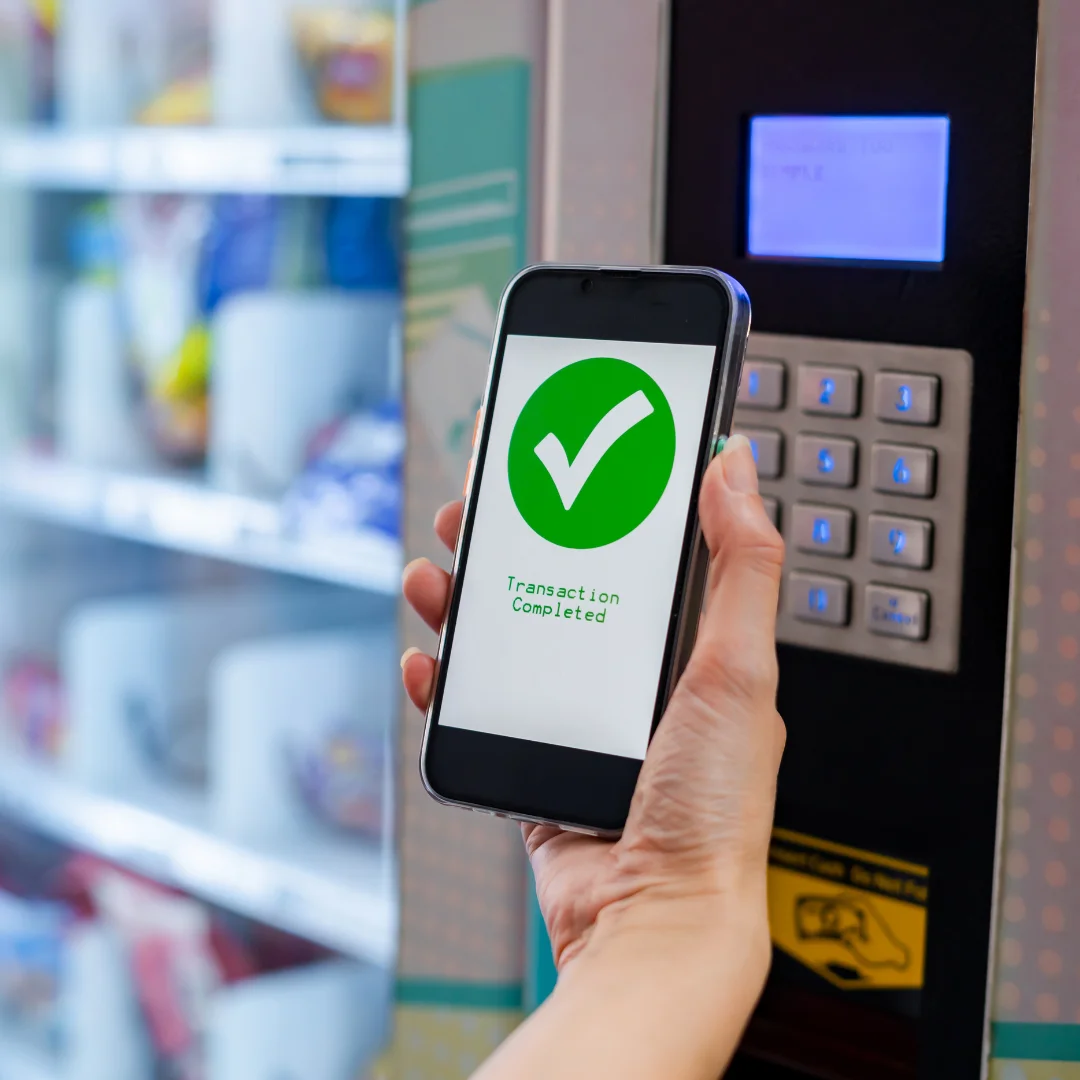
One of the major drivers of growth in mobile payment gateways has been the widespread adoption of smartphones. Since smartphones have become an integral part of our daily lives, people increasingly use them for things beyond communication, such as commerce and banking Mobile payment gateways leverage the power of these devices for their users are able to make secure and convenient payments with just a few taps on their screens.

Security is a major concern in the world of digital payments, and mobile payment gateways have risen to the challenge. Advanced encryption technology and multiple authentication features are used to ensure that sensitive financial information is protected from unauthorized access. This reassures customers and businesses, increasing their trust in the system.

Additionally, mobile payment gateways provide unparalleled convenience. Users can conveniently store their credit or debit card information on their smartphones, eliminating the need to carry a physical card. This not only simplifies the payment process but also reduces the risk of card loss or theft.

For businesses, mobile payment gateways open up new ways to reach customers. They enable businesses of all sizes to accept customer payments globally, breaking down geographic barriers and expanding their customer base. Additionally, these portals often deliver valuable data analytics to help businesses understand consumer behavior and preferences, ultimately leading to more targeted marketing strategies

In conclusion, mobile payment gateways are undoubtedly a growing trend that is changing the way we conduct financial transactions. Their flexibility, security, and global reach make them what consumers and businesses want. As technology continues to evolve, mobile payment gateways are likely to only become more integrated into our daily lives

Payment Gateway

Choosing the Right Payment Gateway for Your Business: Tips and Considerations

Choosing the right payment gateway for your business is an important decision that can affect your revenue, customer satisfaction and overall success. Here are some tips and ideas to help you make better choices:

Safety: Safety should be your top priority. Ensure that the payment gateway is PCI DSS compliant, which means it complies with industry standards for protecting sensitive customer data. Look for features like encryption and fraud protection to protect businesses.

Payment options: Consider your customers’ preferred method of payment. Your payment gateway should support a variety of options including credit and debit cards, digital wallets (e.g., PayPal, Apple Pay), and bank transfers. Offering multiple payment options can increase conversion rates.

Cost and pricing: Check the fees associated with the billing table. These may include setup fees, connection fees and monthly subscriptions. Compare pricing plans and choose one that suits your workload and budget.

Easy to integrate: Make sure payment gateways are compatible with your e-commerce platform or website. Integration should be simple and well-documented to minimize technical complexity. Some gateways provide plugins or APIs to facilitate integration.

Global access: If you plan to expand internationally, choose a payment method that supports multiple currencies and languages. Cross-border costs and currency conversions can affect your profitability.

Customer Support: Reliable customer support is essential. Your payment gateway should provide responsive customer service to assist with technical issues and quickly address any concerns.

Mobile optimization: With the increasing use of mobile devices for online shopping, it is important that the portal you have chosen is mobile-friendly. Make sure it provides a smooth mobile checkout experience.

Reporting and Analytics: Having access to contact information and analytics can help track sales, monitor customer behavior, and make informed decisions. Choose a gateway that provides robust reporting tools.

Scalability: Consider the scalability of your business. Payment gateways must be flexible to accommodate an increasing number of transactions without interruption.

Review and reputation: Find out the customer reviews and reputation of the payment gateway provider. Ask other businesses in your industry for suggestions to gain insight into their experiences.

In conclusion, choosing the right payment gateways is an important decision that requires consideration of security, payment options, fees, integration, global identity, customer support, mobile optimization, reporting tools, scalability, research, compliance, and redundancy. Take the time to research and choose a personalized payment gateway. Aligns with the specific needs and goals of the business. Making the right choice can greatly affect your business success and customer satisfaction.

Tokenization

Exploring Tokenization in Secure Digital Transactions

Tokenization is a key concept in secure digital communications, changing the way sensitive information is managed and protected. In a world of ever-present cyber threats, tokenization provides businesses and consumers with strong security.

Specifically, tokenization involves replacing sensitive data such as credit card numbers or personal identification with a unique identifier or token. These tokens are generated through complex algorithms without any meaningful information. When an incident takes place, tokens are used instead of real data, ensuring that sensitive information remains hidden from potential attackers.

One of the main benefits of tokenization is increased security. Even if a malicious person manages to harvest the token during the transaction, valuable data is not recovered. This is in sharp contrast to traditional methods, where disclosure of sensitive information can lead to identity theft or financial loss.

Tokenization also facilitates compliance with industry regulations such as the Payment Card Industry Data Security Standard (PCI DSS). By reducing the amount of sensitive data in an organization’s systems, the risks and complexities associated with compliance accounting can be reduced.

Furthermore, tokenization is not limited to financial transactions. It can be used to protect a variety of sensitive information such as medical records, identity cards, and even admissions certificates.

In conclusion, tokenization is an important part of securing digital transactions. It strengthens data security, streamlines compliance, and ensures that individuals can conduct online activities with confidence, knowing that their sensitive information is protected from prying eyes as technology goes so develops and tokenizes in the ongoing battle to protect digital communication and personal privacy It will be an important award.

Social Media

The Impact Of Social Media Platforms On Peer-To-Peer Payments

Social media platforms have revolutionized the way we connect and interact with one another, and their impact extends beyond just socializing. One significant area where they’ve made a considerable impact is peer-to-peer (P2P) payments. P2P payments involve the transfer of funds between individuals, often for various reasons like splitting bills, repaying loans, or simply gifting money. Social media platforms have seamlessly integrated P2P payment functionalities, changing the way people handle their finances and transactions.

For the first time, P2P payment features integrated into social media platforms have made remittances easier than ever. Users can send money effortlessly to friends and family without having to visit separate banking apps or websites. This simplicity has not only encouraged more people to use P2P payments but has also reduced reliance on banking mechanisms for such transactions.

Additionally, social media platforms have increased the generalization of P2P payments. Users can add messages, emojis, or GIFs when sending money, making the experience more engaging and personalized. Not only does this add a bit of fun, but it reinforces the social aspect of the story, improving communication between friends and acquaintances.

However, increased comfort and individualization come with their own concerns. Privacy and security issues have been raised when social media platforms handle sensitive financial information. Ensuring strong encryption and security measures to protect users’ financial information from potential breaches is paramount.

In addition, integrating P2P payments into social media platforms has raised questions about data sharing and user profiling for targeted advertising. Users need to be vigilant about their data privacy and understand how their financial activities can be used for trading purposes.

In conclusion, social media platforms have significantly impacted P2P payments, making them more accessible and personalized. However, users should be vigilant about their privacy and security, as these platforms handle sensitive financial information. As the integration of financial services over social media continues to evolve, it will be important to strike a balance between convenience and security to ensure a positive and secure user experience.

Trendsss

5 Payment Gateway Trends To Watch In 2023

As we move into 2023, payment gateways are set to become even more essential for businesses of all sizes. The global pandemic has accelerated the shift toward digital payments, and payment gateways have played a crucial role in facilitating this change. In this article, we will explore five payment gateway trends to watch in 2023.

Increased Focus on Security

With the increase in digital transactions, payment gateways need to prioritize security to ensure that customer data and payment information are protected. Cybersecurity threats such as phishing scams, malware attacks, and data breaches are constantly evolving, and payment gateways need to stay ahead of the curve.

One of the ways payment gateways are enhancing security is through the implementation of two-factor authentication (2FA). 2FA adds an additional layer of security to the payment process by requiring the user to provide two forms of identification. This can be a password and a fingerprint, a password and a code sent via SMS or any other combination of authentication methods.

Another security trend to watch is the use of blockchain technology. Blockchain offers a decentralized and secure way of storing data, making it an ideal solution for payment gateways. By using blockchain, payment gateways can ensure that transactions are transparent, tamper-proof, and secure.

Integration with social media platforms

Social media platforms such as Facebook, Instagram, and Twitter have become essential marketing channels for businesses. In 2023, we can expect payment gateways to integrate with these platforms to provide customers with a seamless payment experience. This may include the ability to make payments directly within social media platforms or the ability to link social media accounts to payment gateways.

Increased Integration with E-commerce Platforms

E-commerce has grown rapidly in recent years, and payment gateways are increasingly integrating with e-commerce platforms to provide a seamless payment experience. This trend is set to continue in 2023, as businesses continue to expand their online presence.

By integrating with e-commerce platforms, payment gateways can offer businesses a range of payment options, including credit card payments, digital wallets, and bank transfers. This provides customers with a greater choice of payment methods, improving the overall shopping experience.

Furthermore, e-commerce integration allows payment gateways to offer businesses real-time reporting and analytics, allowing them to track sales, monitor inventory, and make informed business decisions.

Increased Use of Artificial Intelligence (AI)

Artificial intelligence (AI) is transforming the payment industry, and payment gateways are no exception. By using machine learning algorithms, payment gateways can improve fraud detection, automate payment processes, and provide personalized payment experiences.

One of the ways AI is being used in payment gateways is through fraud detection. Machine learning algorithms can analyze vast amounts of data to identify patterns and anomalies, enabling payment gateways to detect and prevent fraud in real-time.

AI is also being used to automate payment processes, reducing the need for manual intervention. For example, payment gateways can use AI to automatically reconcile transactions, generate invoices, and process refunds.

Finally, AI can be used to provide personalized payment experiences. By analyzing customer data, payment gateways can offer personalized payment options, such as customized payment plans, loyalty programs, and targeted promotions.

Increased Emphasis on User Experience

As payment gateways become more integral to the payment process, user experience is becoming increasingly important. Payment gateways need to provide a seamless and intuitive payment experience to ensure that customers continue to use their services.

One way payment gateways are improving user experience is through the use of mobile payments. As more people use mobile devices for everyday tasks, payment gateways are focusing on creating mobile-friendly payment solutions that provide a simple and intuitive payment experience.

Another way payment gateways are improving user experience is through the use of digital wallets. Digital wallets such as Apple Pay and Google Wallet offer a fast and secure way of making payments, without customers needing to enter their payment information for every transaction.

Finally, payment gateways use user data to create personalized payment experiences. By analyzing customer behavior and preferences, payment gateways can offer customized payment options that meet the needs of each individual customer.

Conclusion :

payment gateways will continue to play a critical role in the payment process in 2023 and beyond. The trends we have discussed in this article highlight the importance of security, cryptocurrencies, e-commerce integration, AI, and user experience in the payment gateway industry. By staying ahead of these trends, payment gateways can continue to provide fast, secure, and convenient payment solutions for businesses and consumers alike.

It is worth noting that these trends are not mutually exclusive, and many payment gateways are already incorporating multiple trends into their offerings. For example, some payment gateways are using AI to improve fraud.

To know the strongest current trend in payment processing in India click here.

secure online payment

Integrate A Secure Online Payment System Into Your Website

As e-commerce continues to grow in popularity, integrating online payment systems into your website has become essential for any business that wants to sell products or services online. However, simply adding a payment gateway to your website is not enough. You need to ensure that the checkout process is smooth, secure, and hassle-free for your customers. In this article, we will provide you with tips for integrating online payment systems into your website and ensuring a smooth and secure checkout process.

Choose the Right Payment Gateway

Before you start integrating a payment system into your website, you need to choose the right payment gateway. There are many different payment gateways available, each with its own features, pricing, and security options. When choosing a payment gateway, consider your business needs, the type of products or services you offer, and the payment methods you want to accept.

Provide Clear Payment Options

When customers visit your website, they should be able to easily identify the payment options available to them. Provide clear instructions on how to complete the payment process, and include a list of accepted payment methods. This will help to reduce confusion and ensure that customers know what to expect when they check out.

Optimize Your Website for Mobile Devices

Online purchases are being made by an increasing number of people using their mobile devices. As a result, it’s important to ensure that your website is optimized for mobile devices. This includes ensuring that your website is responsive and easy to navigate on a mobile device and that the checkout process is streamlined and easy to use.

Use Secure Socket Layer (SSL) Encryption

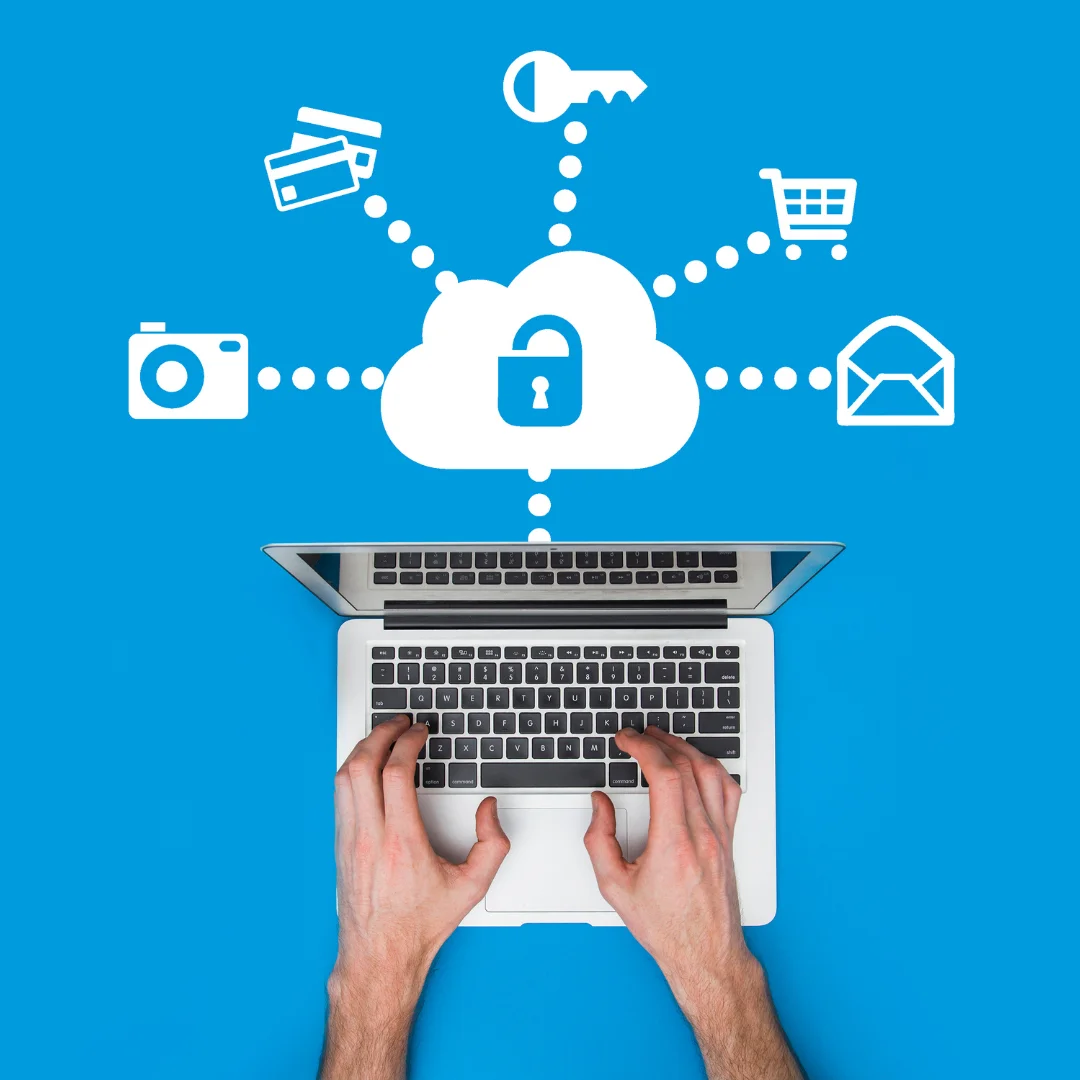
To ensure the security of your customer’s information, it’s essential to use SSL encryption on your website. SSL encryption protects sensitive information by encrypting data as it is transmitted between the customer’s browser and your server. This ensures that sensitive information such as credit card details, personal information, and login credentials are secure and cannot be intercepted by third parties.

Keep Your Payment System Up to Date

Payment gateways and payment systems are constantly evolving, and it’s essential to keep your payment system up to date to ensure that it remains secure and reliable. This includes ensuring that you are using the latest version of your payment gateway software and that any security updates or patches are applied promptly.

Provide a Clear Return Policy

A clear and concise return policy can help to build trust with your customers and reduce the likelihood of chargebacks. Make sure that your return policy is clearly displayed on your website, and that it outlines your return policy in clear and simple language.

Reduce the Number of Steps Required for Checkout

A long and complicated checkout process can discourage customers from completing their purchases. To ensure a smooth checkout process, minimize the number of steps required to complete a purchase. This includes removing unnecessary fields, simplifying the payment form, and providing clear and concise instructions at each stage of the checkout process.

Use Multi-Factor Authentication

Multi-factor authentication (MFA) is an additional layer of security that requires customers to provide additional information beyond their password to access their account or complete a transaction. MFA can help to prevent fraudulent transactions and reduce the risk of unauthorized access to customer accounts.

Provide Customer Support

Providing excellent customer support is essential for any business that wants to build trust and loyalty with its customers. Make sure that you provide clear and easy-to-find contact information, and that you respond promptly to customer inquiries and support requests.

Test Your Payment System Regularly

Regularly testing your payment system can help to identify any issues or bugs before they become a problem. This includes testing your payment system on different devices and browsers and testing the checkout process from start to finish.

In conclusion, integrating online payment systems into your website is essential for any business that wants to sell products or services online. However, it’s important to ensure that the checkout process is smooth, secure, and hassle-free for your customers. By following the tips outlined above, you can ensure that your payment system is secure and reliable and that your customers have a positive experience when purchasing from your website.

Remember to choose the right payment gateway, provide clear payment options, optimize your website for mobile devices, use SSL encryption, keep your payment system up to date, provide a clear return policy, minimize the number of steps in the checkout process, use multi-factor authentication, provide customer support, and test your payment system regularly. By doing so, you can ensure that your online payment system is integrated seamlessly into your website and that your customers can make purchases with confidence.