
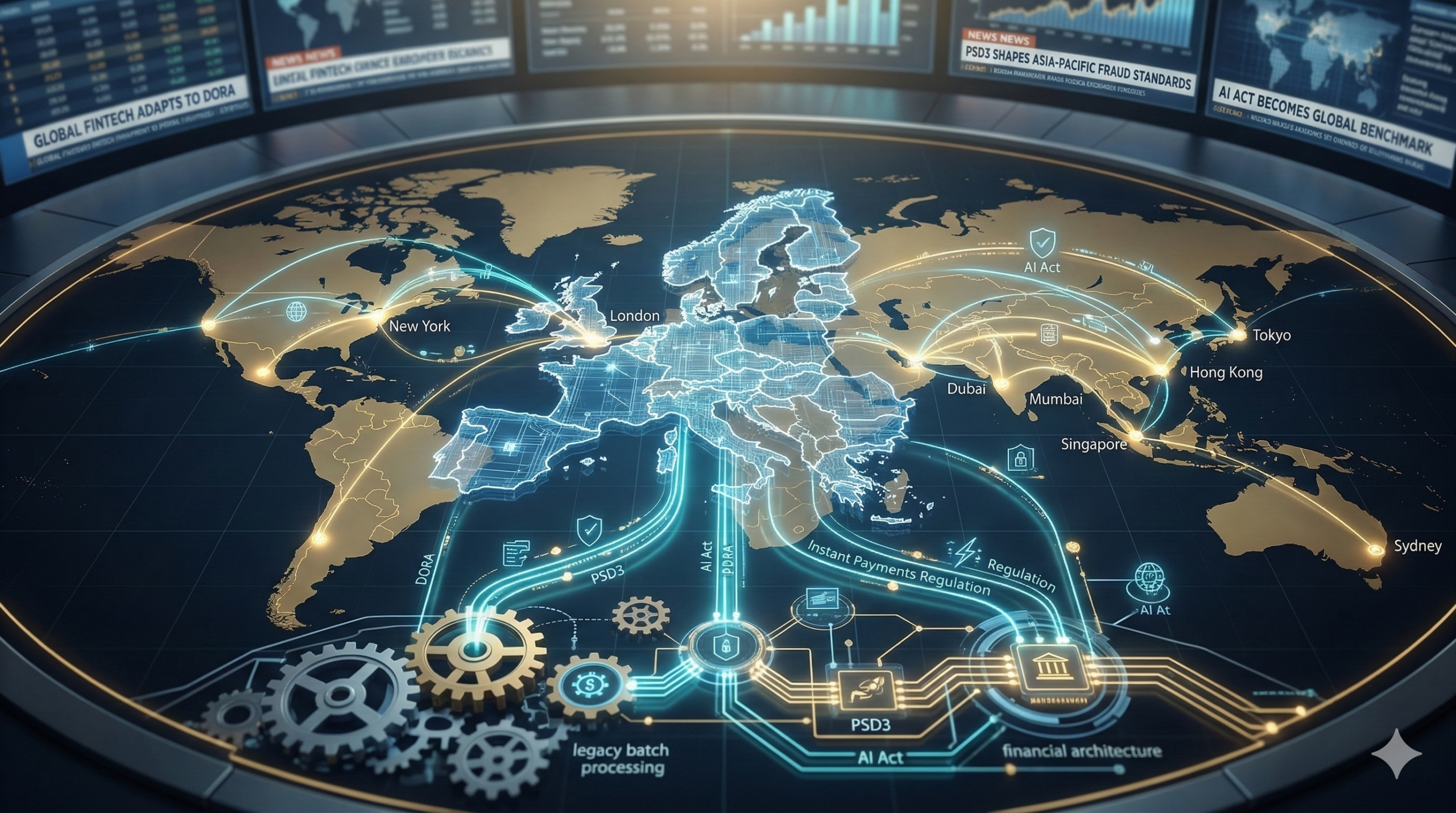
Europe sets rules for the whole world. This is the Brussels effect. It happens because the European market is very large. So, global banks follow these rules too. In 2026, this shift is moving fast. New acts from Europe change how we pay for things. Since the financial system is linked, a change in one place hits everywhere. Consequently, companies must adapt to Europe to stay relevant. This process makes global banking much more uniform. It also pushes for higher standards in every country.
Fast Payments Everywhere
The Instant Payments Regulation (IPR) is a big change. Europe now says all banks must offer instant transfers. This must cost the same as a slow transfer. While this rule is for Europe, its reach is global. Therefore, banks in Asia and America are watching closely. They see that customers now expect speed. Because of this, they are upgrading their own systems. Instant money is no longer a luxury. It is now a basic requirement for any modern bank.
Foreign banks must now update their old systems. They need to handle money 24/7. Consequently, real-time payments are becoming the new normal for global trade. Europe is leading this change. This move reduces the risk for businesses. It also helps small companies manage their cash better. When money moves faster, the whole economy grows. Furthermore, it cuts down on the need for expensive credit.
Staying Safe Online
The Digital Operational Resilience Act (DORA) is now active. This law protects the tech behind the money. It affects cloud firms in the US and Asia too. These firms must follow the rules to work in Europe. As a result, they are changing how they store data. They are also improving how they handle cyber attacks. This shift helps everyone, not just people in Europe. It creates a stronger shield for the entire internet.
As a result, a tech firm in Silicon Valley must upgrade its security. It uses these high standards for all its clients. This makes the whole world safer. Europe is setting the bar high for everyone. If a firm fails in one region, it risks its global name. Thus, they choose to use the strictest rules everywhere. This strategy is cheaper than having different rules for different places. It also gives them a competitive edge in the market.
Better Fraud Protection
Europe is moving to PSD3 and the new Payment Services Regulation. These rules stop scammers more effectively. Banks in Europe must now do more to protect your money. For example, they must check if the name matches the account number. This simple step prevents many types of theft. Additionally, banks are now more liable for certain types of fraud. This gives them a strong reason to keep users safe.
Soon, people in other countries will want these same rules. Because of this, global payment firms are using these tools everywhere. They want to keep customers happy. Europe is helping to stop fraud globally. As scammers get smarter, the law must stay ahead. Europe is doing the hard work of writing these new rules. Other nations then copy these laws to save time. This creates a safer world for digital shoppers.
AI in Finance
The EU AI Act is the first of its kind. It says using AI for credit scores is high-risk. Developers everywhere are now making their AI more transparent. They want to sell their tech in Europe. So, they build fairness into the code from day one. This prevents bias against certain groups of people. It also makes sure that a machine’s choice can be explained.
This means AI becomes fairer for everyone. These models now follow the ethics set by Europe. It is a win for users worldwide. Even if a country has no AI laws, the tech there is changing. This is because the biggest tech firms want to stay in the European market. They do not want to build two different versions of their AI. Therefore, the European version becomes the global version.
The Future of Global Money
The world of money is changing fast. Europe is the one driving this car. These acts make payments faster and safer for everyone. By setting a high bar, Europe creates a better system for all of us. Companies that follow these rules will lead the future. They will have the trust of the people. They will also have the best tech. In the end, these rules help the whole world move forward.
Global trade depends on trust and speed. Europe is providing the blueprint for both. As more countries join this path, the system becomes stronger. We are seeing a move toward a single set of global rules. This makes it easier for people to send money home. It also makes it easier for businesses to grow. Europe is at the heart of this new era.
Frequently Asked Questions
1. Does the AI Act affect firms outside of Europe?
Yes, it does if the AI affects people living in Europe. Many firms change their global models to match these rules.
2. How does DORA help tech firms?
It forces them to have better security and report any issues. This makes their whole system more stable and reliable.
3. What is the goal of PSD3?
The goal is to stop fraud and make payments more secure. It adds new checks to make sure money goes to the right person.
4. Why are instant payments important?
They allow money to move in seconds instead of days. This helps businesses keep their cash flowing and reduces debt.
5. Is the Brussels effect good for users?
Yes, it leads to better privacy and lower fees globally. It forces companies to provide a higher level of service to everyone.
Read More:
How the new digital payments landscape is ending US dollar dominance?
