Why Crypto Payments in India Face a New Future

Why Crypto Payments in India Face a New Future

Digital money is changing how the world thinks about finance. Therefore, India finds itself at a very major turning point. But, the path for crypto has not been easy or simple. Truly, it is a mix of high interest and strict rules.

Some people see crypto as a great way to pay for things. But, the government has many concerns about safety and stability. Consequently, the rules stay very firm for now. Always remember, India has a very large and tech-savvy population. This ensures that the talk about crypto never really stops. It also means that the future could hold many big changes. This approach to money might look very different in a few years. It could transform how we shop and save every day.

Why Crypto Payments in India Face a New Future

The Current State of Crypto in the Indian Market

First, let us look at where things stand today. Why is crypto so popular yet so regulated? Clearly, millions of Indians already own some form of digital asset. Therefore, the market is already quite massive and active.

Key Factors Defining the Indian Crypto Space

Here are several things that define the current crypto scene in India:

  • High Tax Rates: There is a thirty percent tax on all crypto gains.
  • No Deductions: You cannot offset losses against your profits.
  • TDS Rules: A one percent tax is deducted at the source for every trade.
  • Banking Hurdles: Some banks are still slow to work with crypto exchanges.
  • High Adoption: Many young people use crypto as a long-term investment.
  • CBDC Launch: The RBI has started testing its own digital rupee.
  • Legal Gray Area: Crypto is not banned, but it is not legal tender either.

Truly, these factors make the market a bit complicated for new users. But, the interest remains very high across the country. This keeps the industry moving forward despite the tough rules.


How Cryptocurrency Payments Work Today: A Slow Shift

So, can you actually use crypto to buy a coffee in India? Not quite yet. Truly, most people use it as an investment like gold. It also serves as a way to store value over time. It acts as a digital version of a savings account for many.

Ways People Use Crypto in India Right Now

Here is how crypto moves through the Indian economy today:

  1. Investment Portfolios: People buy and hold coins on local exchanges.
  2. P2P Trading: Users trade directly with each other using special platforms.
  3. Gift Cards: Some sites let you buy vouchers using digital coins.
  4. Remittances: People send money from abroad using fast crypto networks.
  5. Freelance Pay: Some global workers take their salary in digital assets.
  6. Tech Testing: Developers use crypto to build new decentralized apps.
  7. Educational Trading: Students learn how global markets work using small amounts.

Consequently, crypto is more of a tool for growth than for daily shopping. It helps people grow their wealth in a new way. This ensures they stay connected to global financial trends. It keeps the Indian tech scene very vibrant and modern.


Pillar 1: The Regulatory Framework and Tax Laws

The first pillar is all about the rules set by the government. The Ministry of Finance and the RBI watch crypto very closely. Clearly, they want to protect the rupee and stop financial crimes. Therefore, they have created a very strict tax system for everyone.

Understanding the 30 Percent Tax and 1 Percent TDS

Firstly, know the flat tax rate. If you make money from crypto, you must pay thirty percent to the state. This applies to every single profitable trade. Secondly, track the TDS on every transaction. The one percent TDS helps the government track who is buying and selling.

Furthermore, remember that losses do not help you. In normal stocks, you can use a loss to pay less tax. But, in crypto, you cannot do this at all. Also, report all holdings in your tax returns. Failing to show your crypto can lead to very big fines. Lastly, stay alert for new policy updates. The government might bring a new crypto bill to parliament soon. Truly, the tax laws are the biggest hurdle for users. They make daily payments very expensive and hard to track. This is why most people prefer to hold their assets for a long time.


Pillar 2: The Role of the RBI and the Digital Rupee (e-Rupee)

The second pillar focuses on the central bank. The Reserve Bank of India (RBI) is very cautious about private coins. Clearly, they prefer a digital currency that they can control. Therefore, they have launched the Central Bank Digital Currency (CBDC).

How the e-Rupee Differs from Private Crypto

Firstly, the e-Rupee is legal tender. It is exactly like a paper note but in digital form. You can use it to pay anyone in the country. Secondly, it has the full backing of the state. Unlike Bitcoin, the value of the e-Rupee is always stable.

Furthermore, it uses blockchain technology for safety. This makes the system very fast and very secure. Also, it helps reduce the cost of printing money. Digital notes are much cheaper to manage than paper ones. Lastly, it might replace private crypto for daily use. The RBI wants people to use the e-Rupee for shopping and bills. Truly, the e-Rupee is the official answer to the crypto craze. It offers the speed of crypto with the safety of the rupee. This will shape the road ahead for all digital payments in India.


Pillar 3: The Road Ahead – What the Future Holds

The third pillar is about looking into the future. Will India ever embrace Bitcoin for payments? Clearly, the next few years will be very important for this sector. Therefore, we must look at the likely trends and changes.

Predictions for the Indian Crypto Landscape

Firstly, expect more global cooperation on rules. India is working with the G20 to create common crypto laws. This will make the market safer for everyone. Secondly, watch for more institutional investment. If the rules get clearer, big banks might start offering crypto services.

Furthermore, look for a focus on Web3 and blockchain. India wants to be a leader in blockchain tech, even if it stays careful with coins. Also, anticipate a shift in tax policies. Many experts hope the tax rate will come down to match normal stocks. Lastly, see the rise of hybrid payment systems. We might see apps that use the e-Rupee and crypto side by side. Truly, the road ahead is full of both risks and great chances. It requires a balance between innovation and very strong safety. This ensures the Indian economy stays healthy and strong.


Best Practices: Staying Safe in the Indian Crypto Market

Using crypto in India requires a very careful approach. You must follow the laws and protect your assets. Clearly, the digital world has many scams and risks. Therefore, follow these simple steps to stay safe.

Strategies for Responsible Crypto Management

Firstly, use only registered Indian exchanges. These platforms follow the local laws and verify your identity. This makes your money much safer. Secondly, keep a detailed record of every trade. This is vital for paying your taxes correctly at the end of the year.

Furthermore, never share your private keys or passwords. Scammers often pretend to be help desk workers. Also, diversify your digital assets. Do not put all your money into just one coin or token. Lastly, only invest money you can afford to lose. Crypto prices can go up and down very fast in one day. Truly, being careful is the best way to enjoy the crypto world. It helps you learn without taking too much risk. This ensures a positive experience for every new user in India.


Frequently Asked Questions (FAQs)

Q1: Is it legal to buy Bitcoin in India right now?

Yes, it is legal to buy, sell, and hold Bitcoin in India. However, it is not considered legal tender. This means a shop can refuse to take it as payment for goods.

Q2: How much tax do I pay on crypto profits in India?

You must pay a flat thirty percent tax on all profits from digital assets. Additionally, a one percent TDS is deducted from the total value of every transaction.

Q3: Can I use crypto to pay for my mobile recharge or bills?

Directly using crypto for bills is rare due to tax and legal hurdles. However, some third-party sites allow you to buy gift cards with crypto to pay for such services.

Q4: What is the difference between Bitcoin and the e-Rupee?

Bitcoin is a private, decentralized asset with a volatile price. The e-Rupee is a digital currency issued and backed by the RBI, and its value is always stable.

Q5: Will the Indian government ban crypto in the future?

The government has not announced a ban. Instead, they are focusing on strict regulation and global cooperation to manage the risks associated with digital assets.

Also Read: How to Lower Payment Gateway Fees with One Simple Tool

Payment Security: Tokenization Versus Encryption

You worry about keeping customer payment data safe. This is a big job. You must choose the best tools. Two top tools are tokenization and encryption. They both help your payment security. However, they work in different ways. Furthermore, they are best for different parts of a transaction. We will look at both methods now and will find out which one works best for your overall payment security plan. We will also talk about how to use them together. This will give you the strongest payment security possible.

Image Of Tokenization Versus Encryption

What is Tokenization?

Tokenization is a simple idea. It replaces sensitive data with a useless placeholder. This placeholder is called a token. For example, a customer’s credit card number is very sensitive. The tokenization process swaps this real number. It substitutes a random string of numbers and letters. The token has no value. It has no mathematical link to the original card number. Therefore, if a hacker steals the token, they get nothing. The real card number stays safe. It is kept in a separate, highly secure place. This place is known as a token vault. This method gives you better payment security.

This process works very fast. First, a customer gives you their card details. Then, your system sends the card data to the tokenization provider. The provider creates the token. It stores the real card number in its secure vault. Consequently, the provider sends the non-sensitive token back to you. So, you never store the actual card number. Instead, you only store and use the token. This significantly reduces your risk. This is a smart approach to payment security.


Tokenization’s Strong Role in Payment Security

Tokenization is a favorite tool for many businesses. It is popular because it greatly reduces a company’s liability. Consider this: a breach happens. Your system only holds tokens. Hackers cannot use the stolen tokens. They are just random characters. They do not contain the real financial data. The actual card number never left the token vault. This is a very strong defense for payment security.

In addition, tokenization makes compliance easier. The Payment Card Industry Data Security Standard is called PCI DSS. This rule set protects cardholder data. Storing real card numbers means you must secure your entire network. This is expensive and difficult. But, when you only store tokens, the scope of PCI DSS shrinks. Your compliance burden is much smaller. Consequently, tokenization is a smart business move. It is a vital layer for top-tier payment security. Therefore, many experts recommend it for long-term storage of payment data.


What is Encryption?

Encryption is a different way to protect data. It uses mathematics to scramble information. It turns readable data into unreadable nonsense. This nonsense is called ciphertext. An encryption key is necessary to scramble the data. Similarly, a decryption key is necessary to unscramble it. Without the correct key, the ciphertext is useless.

For example, you type in your card number on a shopping website. The encryption process starts at that moment. Your browser uses an algorithm and a key. It turns the card number into a secret code. The code travels safely over the internet. Then, the payment processor receives the code. They use the correct key to unlock it. Consequently, the data turns back into the original number. This is how encryption protects data in motion. It is a necessary part of your payment security. Because of this process, people can shop online safely.


Encryption’s Key Role in Payment Security

Encryption is the backbone of all secure online communication. It is critical for securing data in transit. Data is most vulnerable when it travels from one computer to another. This is where encryption shines. It is always needed when you send data over a public network. You see the little lock icon in your web browser. This icon shows that a connection uses encryption. It means the data is safe as it moves.

Moreover, encryption can protect many types of data. It works well with large amounts of data. It can secure whole documents or video files. This is a major difference from tokenization. Tokenization mostly works on small, structured pieces of data. These are items like a credit card number or a Social Security number. Encryption is more flexible. It is a wider tool for general data protection. It is a must-have for complete payment security. So, you must use it to protect data on your servers too. This includes the secure token vault itself.


Comparing Reversibility and Security

Tokenization and encryption differ most in how they reverse the process. Encryption is designed to be reversed. It uses a key. Anyone with the key can turn the ciphertext back into plain text. This is a strength and a weakness. It is a strength because data can be easily shared and used by authorized parties. It is a weakness because a stolen key means total data loss. A thief who steals the key can access all encrypted data. Therefore, good key management is essential for this type of payment security.

On the other hand, tokenization does not use a key to create the token. The token is a random value. There is no mathematical formula to reverse it. It only links back to the original data in the secure token vault. To “detokenize,” you must access that vault. Therefore, a stolen token is worthless on its own. It is a much safer option if a breach occurs outside the vault. This makes tokenization a very strong defense for payment security. Consequently, it removes the danger that comes with key management.


Different Use Cases for Payment Security

Tokenization and encryption also have different best-use scenarios. Encryption is a superior choice for data in transit. You must encrypt the card details as they leave the customer’s device. This protects the data immediately. It prevents eavesdropping during transmission. The data must be unlocked later for processing.

However, tokenization is the better solution for data at rest. Data at rest means stored data. Merchants often save card details for recurring billing or one-click checkouts. Storing the actual PAN is risky. Storing a token is much safer. The token is useless if the storage system is compromised. This is why tokenization is a crucial strategy. It reduces the amount of time that sensitive data is exposed. It keeps the real PAN away from your less secure systems. This is the main benefit for overall payment security. Also, you can still use the token to process a charge later.


The Compliance Advantage and PCI DSS

Compliance with rules is a big reason to choose tokenization. The PCI DSS is very strict. It requires many security controls if you store, process, or transmit card data. These controls cover things like firewalls, system configuration, and monitoring. This can be complex and expensive for many companies.

Tokenization simplifies this process greatly. When a card number is tokenized, the token is no longer considered sensitive data under most PCI rules. The token is harmless. So, your internal systems that handle only tokens fall outside the strictest parts of PCI DSS. This saves you time and money. It also lowers the risk of compliance failures. Therefore, tokenization is a compliance strategy as much as it is a security strategy. Encryption is still required for transmission and for the vault itself. But, tokenization reduces the total effort needed for payment security compliance.


Choosing the Best Method for Payment Security

You may ask, “Which method is truly better?” The answer is that both methods are necessary. They are not competing tools. They are two pieces of a stronger payment security puzzle. Using them both provides a layered defense. This layered approach is known as defense in depth.

For example, imagine a bank vault. Encryption is like the armored truck that moves the money. The truck keeps the cash safe while it is traveling. Tokenization is like putting the cash into a new, unmarked safe deposit box once it arrives. The box is then placed in a larger, very secure vault. Even if someone steals the key to the safe deposit box, the box is unmarked. They cannot link it back to the original money. Therefore, you need both the secure transport and the clever storage. Both tokenization and encryption work together to achieve the highest level of payment security. This ensures maximum protection against different types of threats.


How Tokenization and Encryption Work Together

First, the customer starts an online payment. Their browser encrypts the card number immediately. This protects the data during the transfer. This is the first step in robust payment security. Then, the encrypted data reaches the payment processor’s secure server. The server uses the decryption key. It turns the data back into the original PAN.

Next, the tokenization process begins. The payment processor’s system takes the PAN. It generates a random token. It stores the real PAN in its highly secured, highly encrypted token vault. The vault is protected by the strongest encryption standards available. Finally, the system sends the non-sensitive token back to the merchant. The merchant then uses this token for the current transaction and all future transactions. The merchant never sees the sensitive PAN again. This combined approach is the industry best practice for payment security. It safeguards data at every point.


Different Payment Scenarios and Best Practices

Different payment scenarios favor one method over the other. For a one-time, in-person payment using a physical terminal, encryption protects the data from the card swipe to the processor. Tokenization is not always needed here. However, for e-commerce, tokenization is extremely beneficial. It allows for safe storage of card data for later use. This makes checkout easier for returning customers. Consequently, it improves the customer experience.

Moreover, for mobile wallets like Apple Pay or Google Pay, tokenization is always the main defense. The customer’s device creates a unique token for each card. The merchant and payment network only see this device-specific token. The actual card number is never shared. This is called network tokenization. It is a very powerful way to achieve strong payment security. It proves that tokenization is the better solution for modern, recurrent payment methods. But, the communication between the mobile app and the network is always secured with encryption.


Future-Proofing Your Payment Security

The world of cyber threats changes constantly. New hacking techniques appear every day. Therefore, your payment security strategy must be flexible. Relying on only one method is a mistake. Encryption keys can be compromised. Token vaults can still be targeted. But, if a hacker manages to steal an encrypted token, they face two massive challenges. They must break the encryption. Then, they must also breach the separate token vault. This makes the job much harder for them.

In conclusion, you should use both tokenization and encryption. They are not competing. They are partners. Use encryption to secure the transmission of data. Use tokenization to remove the sensitive data from your own systems. This layered approach minimizes your risk. It lowers your compliance costs. It gives your customers confidence. This dual method is the most effective choice for comprehensive payment security today.


Frequently Asked Questions

  1. What is the main advantage of tokenization over encryption?

The main advantage is that a stolen token is worthless. It has no link to the original card number. It cannot be mathematically reversed by a hacker. This is safer than encrypted data if the key is stolen.

2. Does tokenization help me avoid PCI DSS compliance completely?

No, it does not let you avoid compliance entirely. It significantly reduces the scope of your compliance. You still need to secure your systems. You must protect the environment that handles the tokens.

3. Is data protected by SSL/TLS considered tokenized?

No, data protected by SSL/TLS is only encrypted. SSL/TLS is a form of encryption. It protects data in transit. It does not replace the data with a token.

4. Can I use only encryption to meet all payment security needs?

You can use only encryption. But, this leaves you with a large PCI DSS scope. It requires you to store and manage decryption keys. Most businesses use tokenization to reduce this risk.

5. What kind of data should I tokenize?

You should tokenize sensitive, structured data. This includes credit card numbers. It also includes bank account numbers. It helps protect other identifying numbers too. This helps improve payment security for all customers.

Also Read: Payment Gateway Integration: How to Audit & Optimize


Subscription & Recurring Payments: Best Practices for Setup & Integration

The Power of Subscriptions: A Modern Business Model

In today’s fast-paced digital economy, subscription and recurring payments have become a cornerstone for businesses of all sizes. From software-as-a-service (SaaS) companies to e-commerce stores offering curated boxes, this model provides predictable revenue streams. Furthermore, it fosters stronger, long-term relationships with customers. However, successfully setting up and integrating a subscription model is a complex task. Consequently, a solid strategy is absolutely essential. Therefore, this guide offers best practices to help you navigate the process.

The benefits of subscription and recurring payments are numerous. For instance, they increase customer lifetime value and significantly reduce churn. Additionally, they make financial forecasting much simpler. First, you need a robust foundation. That is where a strong understanding of the setup and integration process comes in. Next, you need a clear plan for your business. Therefore, we’ll dive into the core steps you need to take to build a successful subscription service.

Image of Subscription & Recurring Payments: Best Practices for Setup & Integration

Choosing the Right Payment Gateway

The first and most critical step in establishing a subscription service is selecting the right payment gateway. After all, this gateway is your core engine for handling all subscription and recurring payments. Consequently, you must choose one that is both secure and reliable. You need a provider that supports recurring billing functionality right out of the box. Naturally, this simplifies your setup. Moreover, look for a gateway that offers clear and competitive pricing.

When evaluating a provider, consider their integration options. For example, some gateways offer pre-built plugins for popular e-commerce platforms like Shopify or WooCommerce. In contrast, others provide robust APIs for custom integrations. Ultimately, your choice should align with your technical capabilities. Furthermore, ensure the gateway supports different payment methods. This could include credit cards, digital wallets, or even ACH transfers. A flexible gateway will therefore cater to a wider customer base. Therefore, your gateway choice is a foundational decision that impacts everything else.


Seamless Integration and Setup

Once you’ve chosen a payment gateway, the next step is seamless integration. This is where the technical setup for subscription and recurring payments truly begins. Many modern gateways offer comprehensive APIs and SDKs (Software Development Kits). These tools are your best friend. In fact, they allow developers to connect your website or application directly to the payment processing engine. By using these, you can securely handle all transactions. Furthermore, you can automate a great deal of the billing process.

A well-planned integration ensures a smooth and secure payment flow. For example, it allows you to tokenize card data. This means you replace sensitive card information with a unique, secure token. Tokenization is a best practice. It drastically reduces your PCI DSS compliance burden. Consequently, it protects both your business and your customers. Therefore, investing in a professional and secure setup from the start is highly recommended. It prevents future headaches.


Defining Your Subscription Plans

After your technical foundation is in place, you must define your subscription plans. This is a crucial business decision. Your pricing model must be clear and appealing to your target audience. Common models for subscription and recurring payments include: flat-rate pricing, tiered pricing, and usage-based billing. Flat-rate is simple. Tiered pricing allows for different feature sets. In contrast, usage-based billing is based on what the customer consumes. Choosing the right model is vital for long-term growth.

Furthermore, you need to handle plan upgrades and downgrades effortlessly. Your system should automatically prorate charges. For instance, if a customer upgrades halfway through the billing cycle, your system should calculate the new charge correctly. Conversely, it should handle downgrades without any issues. This level of automation prevents billing disputes. Most importantly, it creates a positive customer experience. Therefore, defining your plans thoughtfully is a key part of the entire process.


Optimizing the Customer Journey

A successful subscription service hinges on a frictionless customer experience. From the very beginning, the sign-up process should be incredibly simple. Customers should easily understand what they are purchasing. Naturally, the payment form should be clean, secure, and user-friendly. Likewise, your billing portal must be easy to navigate. This is where customers manage their subscription and recurring payments. It must allow them to view billing history, update payment information, and change or cancel their plan.

A simple cancellation process is equally important. While you may not want customers to leave, making it difficult can lead to frustration and negative reviews. Therefore, provide a clear and straightforward path for cancellation. Furthermore, a good billing portal can act as a self-service hub. Customers can resolve most billing issues on their own. This consequently reduces the burden on your support team. Ultimately, a positive journey builds trust and encourages customers to stay.


Managing Dunning and Churn

Inevitably, some subscription and recurring payments will fail. This is known as “dunning management.” Failed payments are often due to an expired credit card, insufficient funds, or a simple typo. An automated dunning system is therefore a must-have for any subscription business. This system automatically retries failed payments at strategic intervals. For example, it might try again after 24 hours, then again after 3 days. This approach is highly effective. It helps you recover revenue that would otherwise be lost.

Moreover, a sophisticated dunning system can send automated email or SMS notifications to customers. These messages should be polite and clear. They should simply inform the customer of the failed payment and provide a direct link to update their information. By using these tactics, you can proactively reduce churn. Reducing churn is a top priority for any subscription business. A well-designed dunning strategy is one of the most powerful tools in your arsenal for achieving this.


The Importance of Security and Compliance

Security is not optional when it comes to handling subscription and recurring payments. Protecting your customer’s sensitive data must be your number one priority. Most notably, this means adhering to the PCI DSS (Payment Card Industry Data Security Standard). This set of security standards ensures that businesses safely handle credit card information. Non-compliance can lead to massive fines and reputational damage.

Thankfully, you don’t have to manage this all on your own. Using a compliant payment gateway helps tremendously. These providers handle much of the technical burden of security. You still need to ensure your own systems are secure. For instance, you should use SSL/TLS encryption on all payment pages. Furthermore, never store raw card data on your servers. Instead, use a tokenization method. A strong security posture is not just about compliance. It’s about building and maintaining your customers’ trust. This is a key part of your business’s overall health.


Analytics and Reporting

Finally, to truly succeed with subscription and recurring payments, you must track and analyze your performance. Metrics are your guideposts. Your payment gateway or a dedicated subscription management platform can provide a wealth of data. Consequently, you can measure key performance indicators (KPIs) like Monthly Recurring Revenue (MRR), Annual Recurring Revenue (ARR), customer churn rate, and customer lifetime value (LTV).

Analyzing this data helps you make informed business decisions. For example, a high churn rate might indicate a problem with your product or pricing. Conversely, a rising LTV suggests that your customer retention efforts are working. By consistently monitoring these metrics, you can identify trends, forecast future revenue, and optimize your business for sustained growth. In summary, data-driven decisions are the only way to scale your subscription service effectively.


FAQs

1. What is the difference between a one-time payment and a recurring payment?

A one-time payment is a single, non-repeatable transaction, for example, buying a single item. In contrast, a recurring payment is an automated transaction that happens at regular intervals, such as monthly or annually, without the customer needing to re-enter their information.

2. Is it safe to store my customers’ credit card information?

No. You should never store raw credit card information on your servers. Instead, use a process called tokenization, where you replace the sensitive card number with a unique, non-sensitive token. A PCI-compliant payment gateway handles this securely for you.

3. What is dunning management?

Dunning management is the process of handling failed subscription and recurring payments. It typically involves a series of automated actions, such as retrying the payment and sending email notifications to the customer, to recover lost revenue.

4. What is a subscription management platform?

A subscription management platform is a specialized software that automates the entire subscription lifecycle. This includes handling billing, invoicing, prorations, plan changes, and dunning, which simplifies running a subscription-based business.

5. How does PCI DSS compliance affect my business?

PCI DSS is a set of security standards that apply to any business that processes credit card data. Compliance is mandatory for card processing. It helps protect your customers’ data from breaches, and non-compliance can lead to significant fines.

Also Read: Global Payment Gateway for E-commerce Success in 2025

Understanding the Role of Cryptocurrencies in Digital Payments

Cryptocurrencies have become one of the most talked-about topics in the world of finance, with Bitcoin leading the charge since its creation in 2009. Over the years, cryptocurrencies have expanded far beyond being a speculative investment vehicle and have begun to play an increasingly important role in the realm of digital payments. As the world moves toward a more cashless and digital economy, cryptocurrencies are emerging as an alternative form of payment that offers numerous advantages over traditional systems.

In this article, we will explore the role of cryptocurrencies in digital payments, how they work, their advantages, the challenges they face, and what the future holds for them in the global payment ecosystem.

What Are Cryptocurrencies?

Before diving into how cryptocurrencies are used for digital payments, it’s important to understand what they are. Cryptocurrencies are digital or virtual currencies that use cryptography for security, making them difficult to counterfeit or double-spend. Unlike traditional currencies issued by central banks (fiat currencies like the US dollar or the euro), cryptocurrencies are typically decentralized and operate on a peer-to-peer network using blockchain technology.

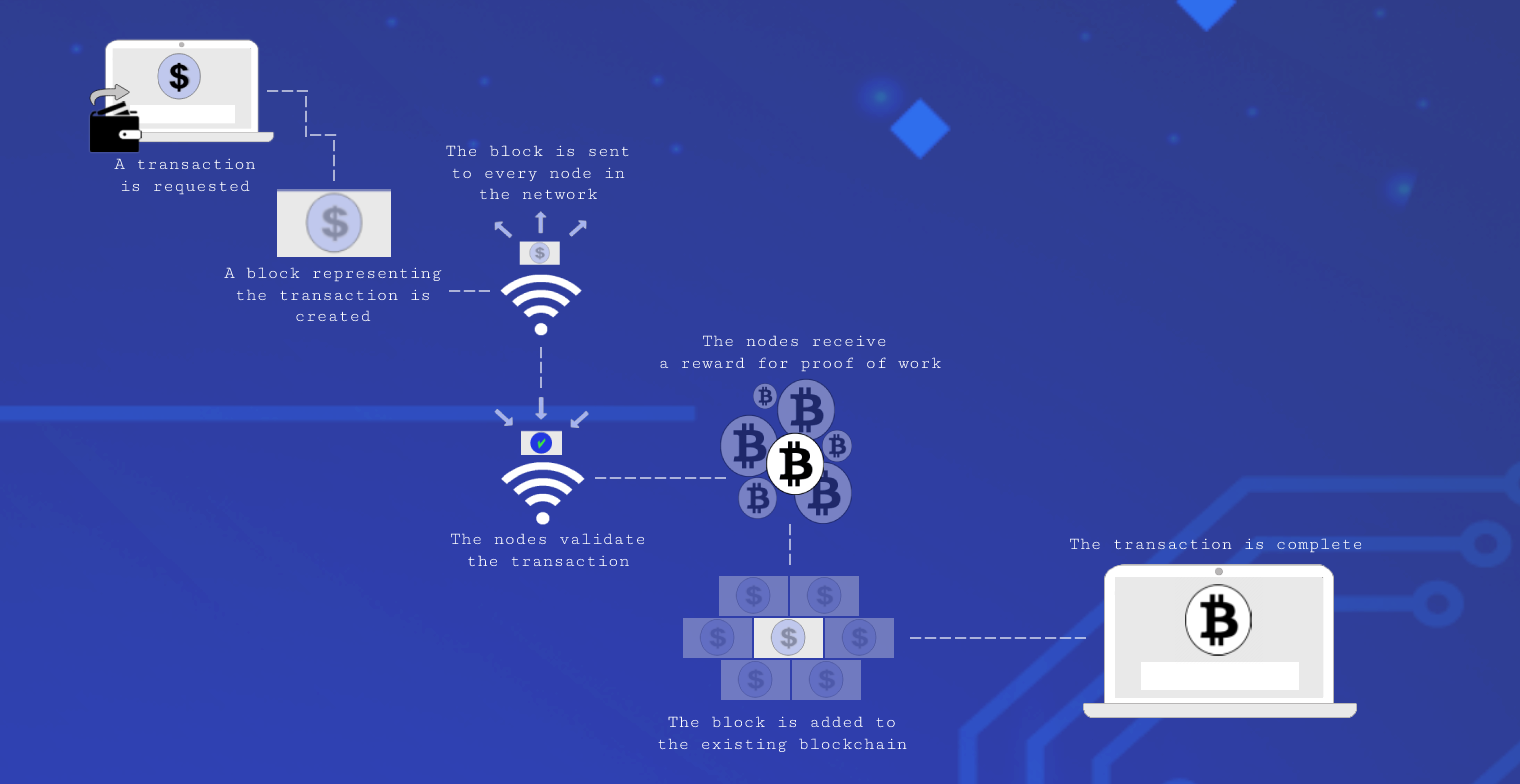
Blockchain is the underlying technology behind most cryptocurrencies. It is a distributed ledger that records transactions across multiple computers, ensuring that the information is transparent, and secure, and cannot be altered retroactively without the consensus of the network.

Some of the most popular cryptocurrencies include:

Bitcoin (BTC): The first and most widely recognized cryptocurrency.

Ethereum (ETH): Known for its smart contract functionality.

Ripple (XRP): Focuses on fast and low-cost cross-border payments.

Litecoin (LTC): Designed as a lighter, faster version of Bitcoin.

Stablecoins: Cryptocurrencies pegged to the value of a fiat currency like the US dollar

The Role of Cryptocurrencies in Digital Payments

The rise of cryptocurrencies has brought about a new era of digital payments, where individuals, businesses, and even governments are exploring their potential. Here’s a closer look at how cryptocurrencies fit into the broader digital payment landscape:

Decentralization and Financial Inclusion

One of the key benefits of cryptocurrencies is their decentralized nature. Unlike traditional banking systems, which rely on central authorities such as banks and payment processors, cryptocurrencies operate on decentralized networks. This means that anyone with an internet connection can access these payment systems, regardless of their location or financial status.

In regions where access to banking infrastructure is limited or non-existent, cryptocurrencies offer a viable alternative. They can empower individuals in developing countries, where traditional banking services are often expensive or out of reach, to participate in the global economy. By providing an easy and cost-effective means to send and receive money, cryptocurrencies are contributing to greater financial inclusion.

Speed and Cost Efficiency

Traditional payment systems, especially cross-border transfers, often involve intermediaries such as banks and payment processors, which can lead to delays and high transaction fees. Cryptocurrencies, on the other hand, can streamline these processes. Payments made in cryptocurrencies, such as Bitcoin or Ethereum, are typically faster and cheaper than traditional methods.

For example, a cross-border transaction using a cryptocurrency can be completed in a matter of minutes, as opposed to several days with traditional banking systems. Additionally, cryptocurrencies can significantly reduce transaction fees, which are often a burden for businesses and consumers when using traditional payment methods like credit cards or wire transfers.

Transparency and Security

Cryptocurrencies offer a level of transparency that traditional payment systems cannot match. Every transaction is recorded on the blockchain, creating a permanent, immutable ledger that can be publicly verified. This not only enhances security but also provides businesses and consumers with a high degree of confidence in the system.

Furthermore, blockchain technology ensures that cryptocurrencies are secure and resistant to fraud. The decentralized nature of cryptocurrencies makes it difficult for malicious actors to manipulate or alter transaction records, which is a significant advantage over centralized systems prone to hacking or errors.

Privacy and Anonymity

While cryptocurrencies are transparent, they also offer enhanced privacy compared to traditional payment systems. Transactions on the blockchain do not require users to reveal personal information such as names, addresses, or account details. Instead, users transact using cryptographic addresses, which provides a degree of anonymity.

For individuals who value privacy, cryptocurrencies can be an attractive option. However, it’s worth noting that certain cryptocurrencies, such as Monero and Zcash, are designed specifically to enhance privacy and anonymity by using advanced cryptographic techniques to obfuscate transaction details.

Advantages of Cryptocurrencies for Digital Payments

The rise of cryptocurrencies is fueled by their potential to offer various benefits over traditional payment methods. Let’s explore some of these advantages in more detail:

Lower Transaction Costs

Traditional payment methods, such as credit cards or wire transfers, can be costly due to the fees charged by banks and payment processors. These fees can add up, especially for businesses that rely on international payments. Cryptocurrencies significantly reduce these costs by eliminating intermediaries.

For example, Bitcoin transactions typically have lower fees compared to credit card payments or bank wire transfers. Cryptocurrencies like Ripple (XRP) and Stellar (XLM) are specifically designed for fast and low-cost cross-border payments, making them an ideal choice for businesses that need to send money internationally.

Security and Fraud Prevention

Cryptocurrency transactions are secured by cryptographic algorithms that make them virtually impossible to tamper with. Once a transaction is recorded on the blockchain, it is permanent and cannot be altered, providing a high level of security. This makes cryptocurrencies less susceptible to fraud compared to traditional payment methods, where chargebacks and fraud are common.

The decentralized nature of cryptocurrencies also means that there is no central authority that can be compromised or hacked. This enhances the overall security of the payment system.

Accessibility and Inclusion

Cryptocurrencies have the potential to bring financial services to underserved populations. In countries where access to traditional banking is limited, cryptocurrencies provide an alternative means for individuals to store, send, and receive money. This financial inclusion is especially important for those who do not have access to traditional banking infrastructure but have access to mobile phones and the Internet.

Cross-Border Payments

Cross-border payments have historically been slow and expensive due to the involvement of multiple intermediaries, currency conversion, and high transaction fees. Cryptocurrencies, particularly stablecoins and digital assets like Ripple (XRP), can facilitate faster and cheaper cross-border payments by bypassing intermediaries.

For businesses that operate globally, cryptocurrencies can significantly reduce the costs and time associated with sending money internationally. This is particularly beneficial for small and medium-sized enterprises (SMEs) that need to manage cross-border payments efficiently.

Challenges Facing Cryptocurrencies in Digital Payments

Despite their many advantages, cryptocurrencies face several challenges that hinder their widespread adoption as a mainstream form of payment.

Volatility

One of the biggest challenges facing cryptocurrencies is their price volatility. Cryptocurrencies, particularly Bitcoin and Ethereum, have been known to experience dramatic price fluctuations. While this volatility creates opportunities for investors, it poses a significant challenge for businesses looking to use cryptocurrencies for everyday transactions.

If the value of a cryptocurrency can fluctuate by 10% or more in a single day, it becomes risky for merchants to accept it as payment. The lack of price stability makes it difficult for businesses to set prices and for customers to use cryptocurrencies as a reliable store of value.

Regulatory Uncertainty

Cryptocurrency regulation varies significantly from one country to another. While some countries have embraced cryptocurrencies and established clear regulations, others have banned or heavily restricted their use. The lack of consistent regulatory frameworks creates uncertainty for businesses and consumers, making it difficult for cryptocurrencies to gain mainstream acceptance.

Governments are still figuring out how to regulate cryptocurrencies, especially regarding taxation, anti-money laundering (AML), and combating the financing of terrorism (CFT). Until these regulatory challenges are resolved, cryptocurrencies may face significant hurdles to widespread adoption.

Scalability

Another challenge for cryptocurrencies, particularly Bitcoin and Ethereum, is scalability. As the number of transactions on a blockchain network increases, the speed and efficiency of processing these transactions can slow down. This is because blockchains have limited block sizes and transaction throughput.

Several solutions are being explored to address scalability, such as the development of second-layer solutions like the Lightning Network for Bitcoin and Ethereum’s transition to Ethereum 2.0. However, until these scalability issues are resolved, cryptocurrencies may face challenges in handling a large volume of transactions.

Lack of Merchant Adoption

While cryptocurrencies have gained traction in certain sectors, their adoption as a payment method by merchant’s remains limited. Many businesses are still hesitant to accept cryptocurrencies due to concerns about volatility, regulatory uncertainty, and the technical challenges associated with integrating cryptocurrency payments into existing payment systems.

However, as awareness grows and solutions are developed to address these challenges, it’s likely that more merchants will begin to accept cryptocurrencies as a legitimate form of payment.

The Future of Cryptocurrencies in Digital Payments

The future of cryptocurrencies in digital payments looks promising, but there are still several hurdles to overcome. As blockchain technology matures and regulatory frameworks are established, cryptocurrencies are expected to play an increasingly important role in the global payment ecosystem.

Some of the potential developments include:

Integration with traditional financial systems: As cryptocurrencies become more widely accepted, we may see increased integration between traditional payment networks and blockchain-based systems. This could create a hybrid system where cryptocurrencies coexist with fiat currencies.

Stablecoins and Central Bank Digital Currencies (CBDCs): Stablecoins, which are pegged to the value of fiat currencies, offer a way to reduce volatility and improve the usability of cryptocurrencies for everyday payments. Additionally, many governments are exploring the development of their own digital currencies (CBDCs), which could further legitimize the use of digital payments.

Improved scalability and transaction speeds: As blockchain technology evolves, scalability and transaction speeds are expected to improve, making cryptocurrencies more viable for high-volume payments.

Conclusion

Cryptocurrencies are revolutionizing digital payments by offering a decentralized, secure, and cost-efficient alternative to traditional payment systems. While there are challenges to their widespread adoption, the benefits they bring to financial inclusion, cross-border payments, and security make them an attractive option for the future of payments.

As technology continues to evolve, cryptocurrencies are likely to become an integral part of the global financial ecosystem. Whether you are a consumer, business owner, or investor, it’s clear that cryptocurrencies have a significant role to play in shaping the future of digital payments.


Cryptocurrencies

The Rise Of Cryptocurrencies In Digital Payments

Cryptocurrencies have emerged as a transformative force in the world of digital payments, the way we trade, store value, and make financial transactions. With the decentralized nature and new blockchain technology, cryptocurrencies have gained increasing popularity and are reshaping the global financial landscape.

One of the key drivers of cryptocurrencies’ rise in digital payments is their ability to increase security. Traditional payment methods often rely on centralized authorities, making them vulnerable to attacks and fraud. But cryptocurrencies use cryptographic algorithms that protect transactions and protect the user. This increased level of security has attracted businesses and individuals looking for secure payment options.

Additionally, cryptocurrencies offer unparalleled speed and efficiency in cross-border transactions. Traditional methods, such as transmission lines, can be time-consuming and expensive due to complex intermediaries and processes. Cryptocurrencies remove these barriers by providing peer-to-peer transactions that bypass traditional financial institutions. Using cryptocurrencies, individuals and businesses can send money around the world in minutes, regardless of geographic boundaries or banking hours.

Another important advantage of cryptocurrencies in digital payments is accessibility. Traditional banking is inaccessible to most of the world’s population, especially in developing countries. Cryptocurrencies provide an inclusive financial system, enabling anyone with an internet connection to participate in the global economy. This has the potential to empower unbanked and underbanked people, enabling them to safely deposit and transfer money and participate in financial activities.

Furthermore, the widespread adoption of digital assets by key industries has led to the rise of cryptocurrencies. Major companies such as Tesla, Microsoft, and PayPal have begun to accept cryptocurrency as a payment method. This recognition not only increases the value of cryptocurrencies but also strengthens their credibility and legitimacy in the eyes of the general public.

But it should be noted that the rapid rise of cryptocurrencies in digital payments has also raised problems in terms of regulation, and environmental impact. Governments and financial institutions are grappling with the need to establish regulatory frameworks balancing innovation with consumer protection. Additionally, the volatility of cryptocurrencies poses risks to merchants and consumers, as their prices can fluctuate dramatically.

In conclusion, the rise of cryptocurrencies in digital payments is due to their security, speed, accessibility, and wide acceptance by the mainstream industry. As the world becomes more digital and connected, cryptocurrencies are poised to consume an important role in shaping the future of financial transactions. However, overcoming the challenges associated with adoption will be crucial in realizing their full potential and ensuring a sustainable and inclusive digital payments system.