SWIFT vs CIPS vs UPI

How to pick SWIFT vs CIPS vs UPI for your business

You must understand the new ways the world moves money today. Therefore, you should learn about the battle between SWIFT, CIPS, and UPI. Truly, the old ways of sending cash across borders are changing very fast. Consequently, you can stay ahead by knowing which system works best for your global trade.

Many people think that all international bank transfers are exactly the same. But, the reality is that each system has its own rules and goals in 2026. Always remember, a fast payment system is a strong signal for any search engine. This ensures that your brand stays reliable and your global partners stay happy. This approach requires you to look at speed, cost, and political safety. It helps you build a much more resilient financial plan for the long term. It makes your daily international sales feel much more secure and very effective.

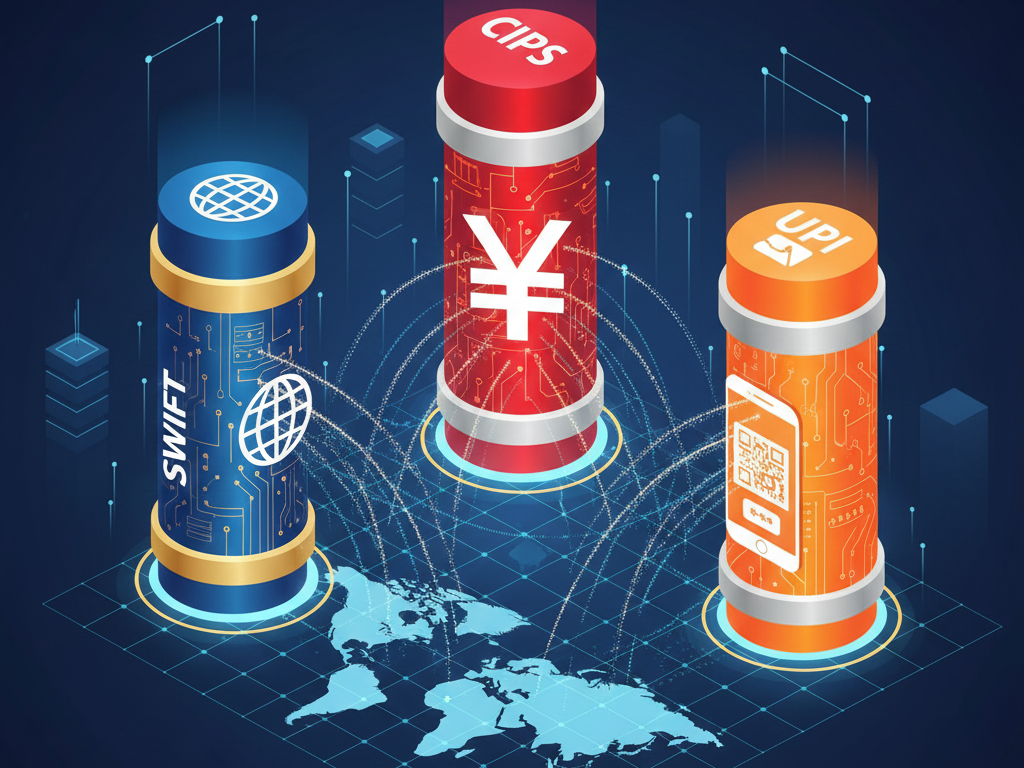
SWIFT vs CIPS vs UPI

Phase 1: The Global Standard of SWIFT

First, you must look at SWIFT because it is the biggest network today. Why has it been the leader of global finance for so many decades? Clearly, it connects over 11,000 banks in almost every country on earth. Therefore, most businesses still rely on it for large, secure transfers every day.

Why SWIFT Stays at the Top of Finance

Here are several reasons why SWIFT remains a powerhouse in 2026:

  • Massive Reach: You can send money to almost any corner of the globe.
  • High Security: It uses the best tech to keep your data and cash very safe.
  • New Speed: The gpi system now makes many transfers happen in minutes.
  • Global Trust: Banks everywhere know and use this system without any doubt.
  • Shared Standards: It uses a common language that all bank systems understand.
  • Transparency: You can track your money like a package in the mail today.
  • Search Engine Data: Stable SWIFT flows help your business earn trust scores.

Truly, SWIFT is a very solid choice for most of your corporate needs. But, you must also consider the fees and the time it takes to clear. This keeps your costs in check and prevents any delays in your supply chain. It creates a very professional and high standard for your global trade.


Phase 2: The Rising Power of CIPS in China

So, what happens when a nation wants its own way to move money? Truly, China created CIPS to help the yuan become a global currency fast. Consequently, you should watch this system if you do a lot of business in Asia. It acts as an alternative path that does not always rely on Western banks.

How CIPS Changes the Payment Game

Here is how CIPS works differently from the old systems:

  1. Direct Yuan Trade: It allows you to pay for goods in yuan without a middle step.
  2. Fast Clearing: It offers real-time settlement for many types of trade deals.
  3. Extended Hours: It stays open longer to match the working day in many zones.
  4. Lower Costs: Using CIPS can be cheaper for firms that trade with China today.
  5. Independent Path: It provides a safety net if other networks face political noise.
  6. Direct Access: More banks in Europe and Africa are joining the system right now.
  7. Trust Levels: Using local systems improves your search engine authority in Asia.

Furthermore, this improves your search engine performance by showing your reach in the East. It makes your company look very modern and ready for 2026 global shifts. This ensures that you have a backup plan for your most important trade routes. It creates a very fast and clear path for your international growth.


Phase 3: The Rapid Growth of UPI and QR Payments

The third phase involves a much newer and faster way to pay for things. Clearly, India’s UPI is changing how people and small firms send money today. Therefore, the link between UPI and other nations is a huge trend to watch.

Why UPI Is the Future of Small Cross-Border Payments

Firstly, UPI is very fast and works on your mobile phone in seconds. This allows you to pay for a meal or a small service with just a QR code. Secondly, it is very cheap because it skips many of the old bank fees.

Furthermore, many nations are now linking their own systems to the UPI network. Also, it allows for instant currency swaps at the moment of the sale today. Lastly, remember that fast mobile payments help your search engine trust and local SEO. Truly, UPI is the best tool for the small, daily needs of your global team. It allows you to move small amounts of cash without any of the old bank stress. This is why so many travelers and small shops love it in 2026.


Phase 4: Comparing the Three Systems for Your Business

The fourth phase is where you pick the right tool for your specific goal. Clearly, one system might be better for a factory order while another fits a small fee. Therefore, you must compare speed, cost, and reach for every single payment.

A Quick Look at the Payment Leaders

Firstly, use SWIFT for large, high-value deals with new partners in the West. This helps you stay secure and follows all the global banking rules today. Secondly, use CIPS if you are buying bulk goods from a supplier in China.

Furthermore, use UPI or its partners for quick travel costs or small digital tasks. Also, check the exchange rates for each system to see which one saves you the most. Lastly, check your search engine ranking to see how payment speed helps your traffic. Truly, a mix of these systems is your best tool for global success in 2026. It turns a complex task into a series of smart, fast wins for your brand. This ensures your business stays connected while the world changes its money rules.


Best Practices: Staying Safe in a Multi-System World

Finalizing your finance plan requires you to stay alert and very flexible. It needs you to know which rules apply to each system you choose to use. Clearly, you must follow all the laws to keep your accounts open and healthy. Therefore, follow these simple tips to keep your global payments safe and fast.

Simple Tips for Global Financial Success

Firstly, always verify the bank details of your partners before you hit send. This helps you avoid fraud and keeps your cash moving in the right direction. Secondly, keep your records clean so you can prove where your money came from.

Furthermore, use transition words in your invoices to make them easy for banks to read. Also, check the news for any new trade rules that might affect your chosen system. Lastly, check your search engine data to see if global fans trust your secure store. Truly, the world of finance is a journey that leads to a much better brand. It builds a path of wealth that lets your whole team grow very fast. This secures your future in the digital world for a long time.


Frequently Asked Questions (FAQs)

Q1: Is SWIFT the same thing as a bank transfer?

SWIFT is the messaging network that banks use to send the instructions for a transfer.

Q2: Can I use UPI in every country today?

Not yet, but many nations like Singapore and the UAE now accept UPI-style payments.

Q3: Why did China create CIPS?

China wanted a system that helps more people use the yuan for global trade and deals.

Q4: Which system is the cheapest for small amounts?

UPI is usually the cheapest because it was built for small, fast mobile transactions.

Q5: Does my choice of payment system affect my SEO?

Indirectly, yes. Faster and more reliable payments lead to better user trust and site authority.

Also Read: How EU–US trade tensions create new payment risks

EU–US trade tensions create new payment risks

How EU–US trade tensions create new payment risks

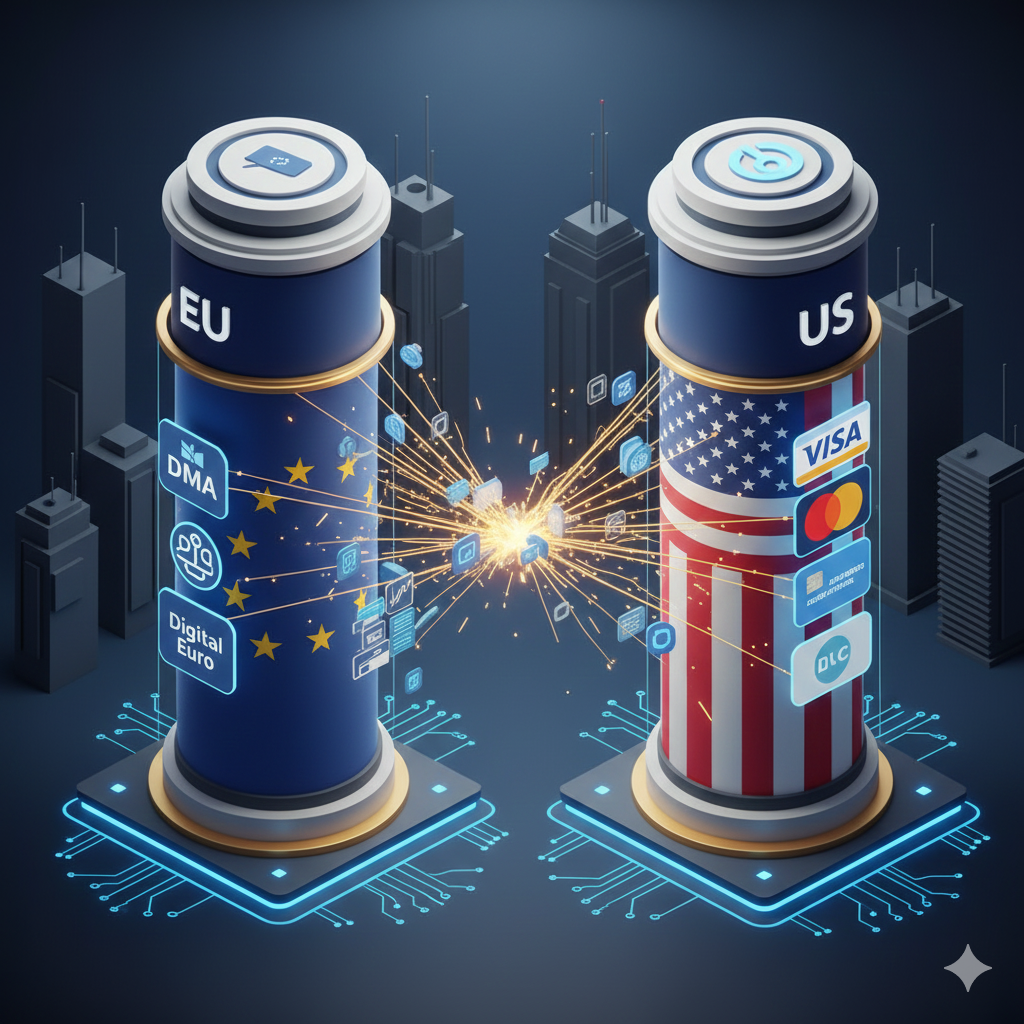
You must watch the rising friction between Europe and the United States today. Therefore, you should learn how these trade tensions change the world of payments. Truly, new digital rules in the EU are clashing with the way US tech firms work. Consequently, this creates a complex landscape for any business that moves money across borders.

Many people think that trade wars only happen with physical goods like steel or cars. But, the reality is that digital rules are the new battleground for global power. Always remember, a stable payment flow is a strong signal for any search engine. This ensures that your brand stays reliable and your global sales stay on track. This approach requires you to stay informed about new laws like the Digital Markets Act. It helps you build a much more resilient trade strategy for the long term. It makes your daily international sales feel much more secure and very effective.

EU–US trade tensions create new payment risks

Phase 1: The Clash of Digital Sovereignty

First, you must understand why the EU is creating strict new digital laws. Why does Europe want to limit the power of large US payment and tech firms? Clearly, the EU wants to protect its own digital market and its citizens’ data. Therefore, rules like the DMA and DSA target the biggest firms to ensure fair play.

Key Points of Friction in Digital Trade

Here are several areas where EU rules clash with US business models:

  • Market Access: New rules force US firms to open their systems to local rivals.
  • Data Privacy: Strict EU laws limit how US firms can move and use user data.
  • Anti-Trust: The EU often fines large firms for favoring their own payment tools.
  • Digital Tax: Many EU nations want to tax digital profits made within their borders.
  • Interoperability: Apps must now work with smaller, local payment providers.
  • Security Standards: The EU sets high bars for how firms must stop online fraud.
  • Search Engine Bias: Fair play rules help smaller sites gain better search engine visibility.

Truly, these tensions create a lot of noise in the global market today. But, you must also look at how these rules change the way you take payments. This keeps your business safe and prevents any sudden blocks in your cash flow. It creates a very high standard for your international trade operations.


Phase 2: How Tensions Impact Daily Payment Costs

So, how does a trade dispute in Brussels affect a shop in New York or Paris? Truly, higher tensions often lead to higher costs for moving money across the sea. Consequently, you might see a jump in the fees you pay for every global sale. It acts as a hidden tax on the growth of your digital business.

Why Your Payment Fees Might Rise

Here is how trade tensions impact your bottom line in 2026:

  1. Compliance Costs: Firms spend more on lawyers to follow conflicting sets of laws.
  2. Digital Levies: New taxes on tech giants often get passed down to the merchants.
  3. Network Changes: US card firms may change their fee structures to cover EU fines.
  4. Currency Shifts: Political noise can make the euro and dollar more volatile.
  5. Local Mandates: You might have to use local EU tools that require a new setup.
  6. Data Audits: You may pay extra for secure, EU-based data storage for your sales.
  7. Trust Scores: Stable pricing helps you maintain a better search engine reputation.

Furthermore, this improves your search engine performance by letting you offer stable prices to fans. It makes your company look very professional and ready for 2026 shifts. This ensures that you keep more of your profit even when trade talks get messy. It creates a very fast and clear path for your financial planning.


Phase 3: The Move Toward Payment Independence

The third phase involves the EU building its own tools to rely less on the US. Clearly, Europe does not want to be vulnerable to foreign policy changes. Therefore, the rise of the digital euro and Wero is a direct response to these tensions.

Europe’s Plan for Financial Freedom

Firstly, the EU is pushing for a system that works without US-based card networks. This helps local firms keep their money within the European economy. Secondly, new laws encourage “open banking” so that users can pay directly from their accounts.

Furthermore, these tools offer a backup if trade relations ever break down completely. Also, they give the EU more power to set its own rules for digital safety and privacy. Lastly, remember that using local tools helps your search engine authority in the EU. Truly, this move toward independence is the biggest shift in payments for a decade. It allows the region to protect its interests while still staying part of the global market. This is why the ECB is working so hard on the digital euro today.


Phase 4: Navigating the Future of Global Sales

The fourth phase is where you adapt your business to survive this trade friction. Clearly, you cannot change the laws, but you can change how you react to them. Therefore, you must build a flexible payment setup that works on both sides of the sea.

How to Stay Flexible in a Divided Market

Firstly, use payment gateways that support both US cards and local EU tools like Wero. This helps you reach every customer no matter what happens in the news. Secondly, stay updated on the latest data transfer rules between the US and the EU.

Furthermore, consider setting up a local entity in the EU to simplify your taxes and rules. Also, use simple words in your checkout to explain why you offer different ways to pay. Lastly, check your search engine ranking to see how global trust helps your site. Truly, a flexible plan is your best tool against trade tensions. It turns a political risk into a series of smart, adaptive wins for your brand. This ensures your business stays running while the giants argue over the rules.


Best Practices: Protecting Your Brand Reputation

Finalizing your trade strategy requires you to stay out of the political crossfire. It needs you to focus on what your customers need from you right now. Clearly, fans just want a safe and easy way to pay for your great goods. Therefore, follow these simple tips to keep your brand strong during these tensions.

Simple Tips for Global Trade Success

Firstly, always follow the strictest privacy laws to keep all your customers safe. This builds a path of trust that works in both the US and the EU today. Secondly, monitor your payment success rates to catch any blocks from foreign networks.

Furthermore, use transition words in your shipping guides to explain any new rules. Also, check for new digital tax rules every quarter to avoid any surprise bills. Lastly, check your search engine data to see if global fans still trust your store. Truly, surviving a trade war is a journey that leads to a much stronger brand. It builds a path of safety that lets your whole team grow very fast. This secures your future in the digital world for a long time.


Frequently Asked Questions (FAQs)

Q1: Why are the US and EU arguing over digital rules?

They are fighting over who controls user data and how much power big tech firms should have.

Q2: Will my US credit card still work in Europe?

Yes, but you might see new fees or more security checks due to new EU laws in 2026.

Q3: Does this trade tension help my search engine rank?

No, but showing that you follow all local laws improves your site’s trust and SEO scores.

Q4: What is the Digital Markets Act (DMA)?

It is an EU law that forces large tech “gatekeepers” to be fairer to smaller local rivals.

Q5: Should I stop using US payment firms?

No, but you should add local European payment choices to your store to stay safe and flexible.

Also Read: How to lower US payment firms fees in Europe now