payment gateway

Payment Gateway Integration in the B2B E-commerce World

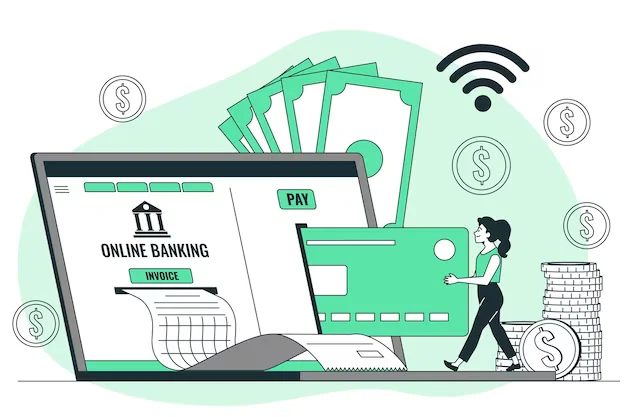
Integrating payment gateways plays an important role in facilitating secure and efficient transactions in the fast-paced B2B e-commerce environment. Unlike B2C e-commerce, B2B transactions tend to be order-intensive, have longer payment cycles, and have complex pricing structures. Payment portal integration addresses these unique challenges, improving the overall experience for both buyers and sellers.

One of the key advantages of integrating payment gateways in B2B e-commerce is the ability to offer multiple payment options. Companies can cater to their customers by offering options such as credit card payment, ACH transfer, e-checks, and even net terms. This flexibility is important because it aligns the preferences of B2B customers with different financial capabilities.

Security is another important aspect of B2B transactions, which often involves capital. Payment methods use encryption and strict standards to protect sensitive financial information. This not only protects communications but also builds trust between B2B partners.

Additionally, the integration of payment gateways simplifies the entire payment process. It automates invoice generation, reconciliation, and reporting, reducing manual errors and saving valuable time. This functionality is precious in B2B e-commerce, where transaction volumes can be significant.

Additionally, payment gateway integration helps in global expansion for B2B e-commerce businesses. The ability for companies to accept different currencies and handle international transactions allows companies to enter new markets and expand their customer base.

In conclusion, the integration of payment gateways is inevitable in B2B eCommerce. It empowers businesses to provide their customers with a seamless and secure payment experience tailored to their needs. By automating processes, enhancing security, and supporting global expansion, payment gateways are the backbone of successful B2B transactions, fostering growth and trust in the digital realm.

Payment Gateway

Payment Gateways for Small Businesses: What You Need to Get Started

In today’s digital age, small businesses are increasingly turning to online platforms to expand their reach and customer base. As a result, payment methods have become essential components of efficient and secure transactions. In this article, we’ll explore what payment gateways are and what small businesses should start with.

Understanding the payment table:

Payment gateways are technology solutions that facilitate seamless transfers between customers’ bank accounts and business and merchant accounts. They play an important role in online payments, whether through e-commerce websites or mobile apps. These gateways ensure secure financial information and enhance the overall customer experience.

Why payment methods are important for small businesses:

For small businesses, payment methods offer a wide range of benefits. They enable them to accept different payment methods such as credit and debit cards, digital wallets and even other payment methods. This versatility makes it appealing to a wider customer base and increases sales. Additionally, payment options streamline the payment process, reduce the chances of abandoned carts and increase customer confidence

To start with some payment gateways:

Research and choose the right gateway: Small merchants should investigate different payment options to find the gateway that best suits their needs. Consider things like marketing costs, security measures, and ways to integrate them into your existing e-commerce platform.

Creating a merchant account: You will need a merchant account to use the payment gateway. This account is where funds from customer payments are temporarily held before being transferred to your business bank account. The process for applying for a business account can vary, so be prepared to provide the necessary paperwork and run a credit check.

Integration of your website: Ensure that the payment gateway you have chosen integrates seamlessly with your website or online store. This will make the checkout process more smooth and user-friendly, enhancing the customer experience.

Security and Compliance: Small businesses need to prioritize securing customer data. Ensure payment gateways are PCI DSS compliant, meaning they meet strict security standards. This is crucial to protect sensitive financial information.

Testing and Maintenance: Before going live, thoroughly test the payment gateways to ensure they work properly. Additionally, consider ongoing maintenance and updates to keep your payment system secure and up-to-date.

In conclusion, payment gateways are essential tools for small businesses looking to succeed in the digital marketplace. Choosing the right gateway and ensuring ease of integration, security and compliance will help small businesses reap the benefits of online transactions by providing a secure and convenient experience for their customers.

Payment Gateway

Security Best Practices For Payment Gateways Integration

Security best practices are essential for integrating payment gateways to protect sensitive financial information and ensure a seamless, secure experience for consumers and merchants. Here are some basic guidelines to follow.

Encryption: Use strong encryption protocols such as SSL/TLS to protect data during transmission. This makes payment information illegible to anyone who tries to intercept it.

Tokenization: Use tokenization services to replace actual card data with a unique token. This reduces the exposure of sensitive information, as potential attackers destroy tokens.

Authentication: Use multifactor authentication to access payment gateway systems. This ensures that only authorized personnel can access and manage payment information.

Data Minimization: Collect only data needed for tasks. Avoid storing sensitive cardholder information for longer than necessary, reducing risk in the event of a security breach.

Routine security audits: Conduct regular security audits, penetration tests, and regulatory analyses to identify vulnerabilities and promptly remediate them.

Patch management: Update all software and system security patches and updates to protect against known vulnerabilities.

Firewall and Intrusion Detection: Use a firewall and intrusion detection system to monitor and filter network traffic, and prevent unauthorized access.

Vendor choice: Choose a reputable payment gateway with strong security measures in place. Find out about their security credentials and compliance with industry standards like PCI DSS.

Data isolation: Separate payment data from other systems to allow disclosure in the event of a breach.

Incident Response Plan: Create a well-defined incident response plan that will allow you to respond quickly and effectively in the event of a security breach, and will minimize the impact on your customers and business has been reduced.

Training and awareness: Make sure your employees are educated on security best practices, including how to spot wipe attempts and social engineering attacks.

Check Regularly: Constantly check and monitor your payment gateway for suspicious activities or potential violations.

By adhering to these best security practices, businesses can reduce the risk of payment data breaches and maintain the trust of their customers. Protecting financial information is not only a legal requirement but also a key to maintaining a strong reputation in the digital age.

Mobile wallets

Payment Gateway Integration For Mobile Wallets: A Comprehensive Guide

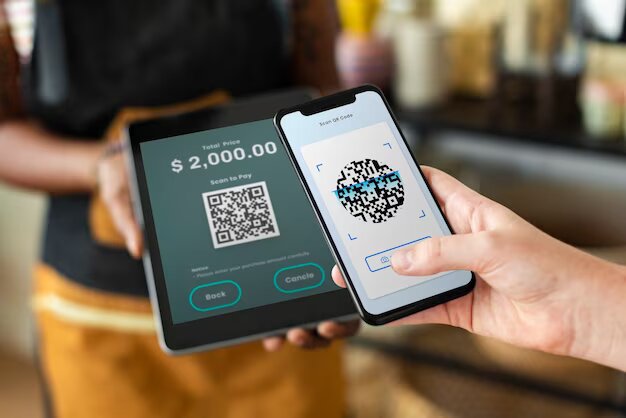
Mobile wallets have become the preferred payment method for consumers and businesses in an increasingly digital world. Integration of payment gateways has become a priority for mobile wallets and for seamless transactions. This comprehensive guide will walk you through the basics of adding payment gateways to mobile wallets.

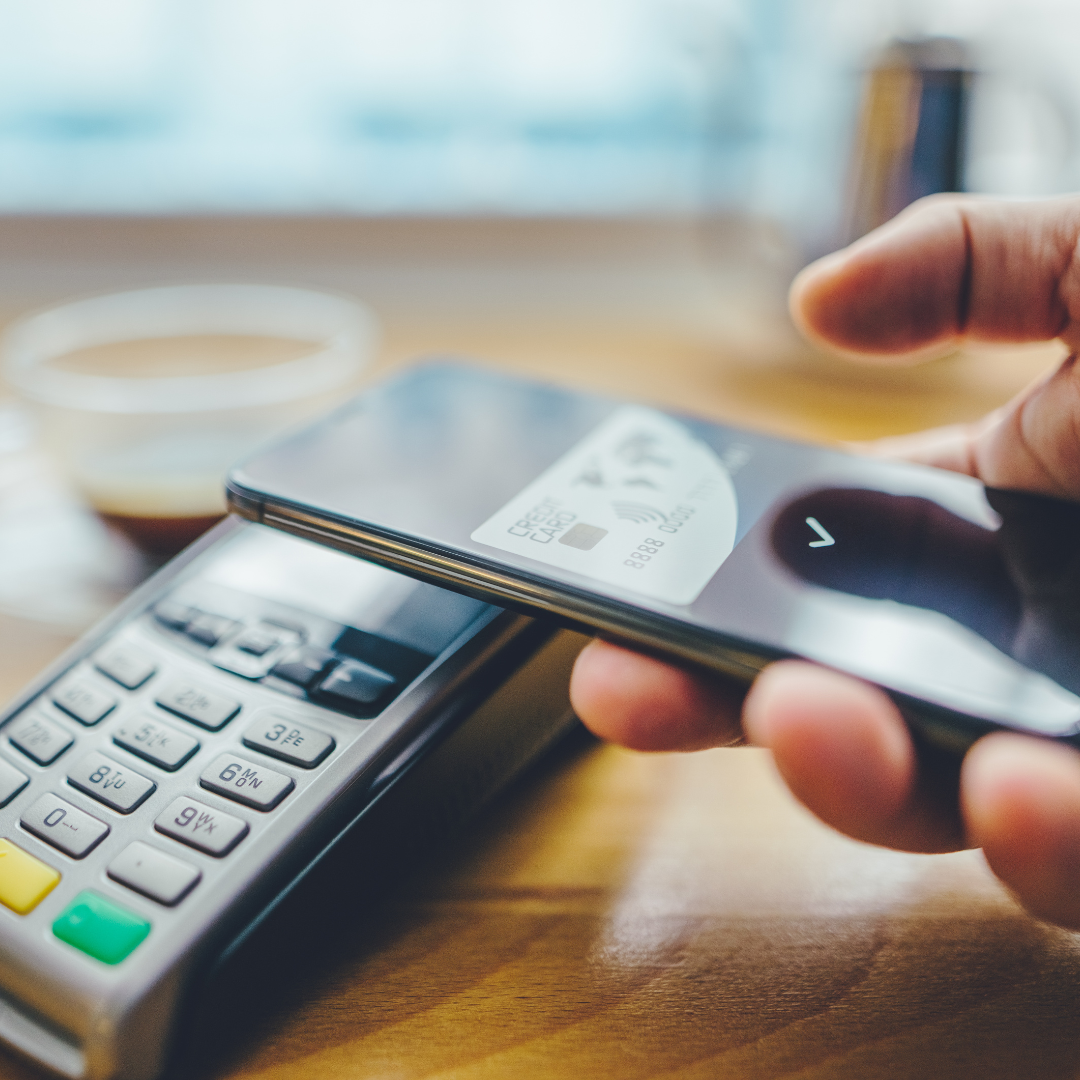
Understanding Mobile Wallets: Mobile wallets are digital applications that securely store payment card information on a mobile device. Examples include Apple Pay, Google Pay, and Samsung Pay. They enable users to make payments, redeem loyalty cards, and even get tickets or entry passes.

Importance of integration: Adding a mobile wallet to your payment system increases user convenience and security. It offers an efficient, one-tap payment processing system that minimizes cart abandonment and increases customer satisfaction.

Choose the right payment gateways: Choose payment gateways that support mobile wallet integration. Make sure it supports specific mobile wallets that your target audience uses, such as Apple Pay for iOS users and Google Pay for Android users.

Developing secure APIs: To ensure that data is secure, you need to develop and maintain secure APIs for communication between your platform and payment gateway. Use encryption and tokenization to protect sensitive information.

User Experience: Create a seamless user experience by streamlining payment processing. Users can choose which mobile wallet they want, and the rest should be taken care of by the union.

Testing and Certification: Rigorously test the integration to ensure flawless operation. Many mobile wallet providers have different authentication policies that you need to comply with.

Compliance and Regulations: Stay up-to-date with the latest industry regulations, especially for data security and payment security standards, such as PCI DSS.

Customer Support and Custody: Provide robust customer support and custody to address potential issues with mobile wallet payments. Monitor case success and solve problems quickly.
Future-proof: Stay up to date with mobile wallet technology and other innovations to ensure your integration remains relevant and secure.

In conclusion, integrating payment gateways for mobile wallets is essential for businesses looking to meet the demands of today’s digital consumers. It enhances user experience, safety and comfort. By following these detailed guidelines, you can ensure a smooth and successful integration process that benefits your business and your customers.

Payment Gateway

How Payment Gateways Affect User Experience In E-commerce

Payment gateways play an important role in the user experience of e-commerce. They act as a bridge between online businesses and their customers, facilitating secure and convenient transactions. A simple and efficient payment method can greatly enhance the overall shopping experience, while a complex one can lead to cart abandonment and dissatisfied customers.

One of the main ways payment gateways impact the user experience is through security. Consumers must be assured that their financial information is protected in practice. A robust payment gateway uses encryption and other security measures to protect sensitive data, ensuring user confidence. This trust is crucial to encourage repeat purchases and build loyal customers.

Additionally, payment methods directly affect the speed and ease of collection. A well-designed gateway provides access to multiple payment options, such as credit cards, digital wallets, and buy now, service later, caters to customer preferences. The more payment options available the more consumers are likely to complete a purchase without some strong friction.

The user-friendly interface is another payment gateway feature affecting the overall shopping experience. Confusing or complex invoices can prevent users from completing their transactions. Simple design with clear instructions and error handling can simplify the cash flow, reducing cart abandonment rates.

Mobile friendliness is also key in today’s e-commerce landscape, as many consumers use smartphones to make online purchases. Automatic payment gateways that adapt to different screen sizes and devices ensure that users can complete transactions with ease, whether they have a desktop computer or a mobile phone.

In conclusion, payment gateways are an integral part of e-commerce that can significantly affect the user experience. Security, convenience, various payment methods, user-friendly interfaces, and telecommunications all play important roles in how consumers perceive and interact with online stores. Payment is reliable for eCommerce services to provide customers with a good hassle-free shopping experience. Invest in gateways that ultimately increase sales and customer loyalty.


payment processing

Payment Processing for Small Businesses: Tips and Solutions

Small businesses face many challenges in today’s digital age, and one of the most important is payment processing. Efficient and secure payment processing is essential to the success and growth of small businesses. Here are some tips and solutions to navigate the complex world of payment processing.

Embrace digital payment options:
With the rise of e-commerce and mobile apps, it’s important for small businesses to offer a variety of digital payment options. Accepting credit and debit cards, mobile wallets like Apple Pay and Google Wallet, and online payment options like PayPal can expand your customer base and increase sales

Invest in a trusted payment machine:
Choose a payment processing partner wisely. Find a service that meets your business needs, offers competitive pricing, and provides excellent customer support. Square, Stripe and PayPal are popular with small businesses.

Ensure safety :
Security is paramount when dealing with payment processing. Implement strong encryption and data security measures to protect customer information. They must comply with the Payment Card Industry Data Security Standard (PCI DSS).

Streamline the Checkout Process:
Make online and in-store checkouts easier. Long, complicated items can turn customers off. Offer guest shopping options and reduce the number of steps required to complete a purchase.

Set up recurring payments:
For businesses with subscription-based channels or routine services, recurring payments can save time and improve revenue. Customers appreciate its simplicity, which reduces the need for manual operation.

Educate your employees:
Properly train your employees on payment methods and customer service etiquette. This creates a smooth and professional customer experience.

Consider mobile payment solutions:
Mobile point-of-sale (mPOS) systems are ideal for small businesses, allowing you to accept payments on the go. They are especially useful for pop-up shops, food trucks and small retailers.

In conclusion, payment processing is one of the most important aspects of small business operations. By embracing digital channels, choosing the right payment options, ensuring security, streamlining payment processes, offering recurring payments, tracking data, educating employees, and thinking about mobile solutions on yourself, you can provide your customers with a seamless payment experience and improve efficiency. Remember, the right payment process can make a big difference in the success of your small business.

Mobile Payment

Mobile Payment Gateway Integration: Optimizing For Mobile Users

Mobile payment gateway integration is key in today’s e-commerce, as most online transactions take place through mobile devices. Companies need to optimize their payment gateway solutions to create a seamless and intuitive payment experience for mobile users.

First of all, it is important to choose a mobile payment gateway that is easy to use and compatible with a wide range of mobile devices and operating systems. This ensures that customers can complete their transactions without any hiccups, whatever using the device no Do not think about this. The gateway should also support a variety of payment methods including credit and debit cards, digital wallets and even mobile banking options.

Additionally, prioritize security for mobile payment gateways. Mobile transactions are vulnerable to fraud and cyber attacks, so it is important to implement strong security measures such as encryption and multifactor authentication This not only protects sensitive customer information but also ensures trust their presence in the payment system is also high.

Moreover, it is important to optimize the user interface for mobile users. The checkout process should be streamlined and easy to navigate on a small screen, requiring minimal data entry. Mobile-responsive design ensures that buttons and areas are properly sized, preventing accidental clicks or misinterpretations. Adding a one-time payment or fingerprint recognition can speed up the process even more, reducing cart abandonment.

Mobile payment gateways should also provide real-time customer status updates, ensuring customers are kept up to date with their purchase progress. This improves the overall user experience and builds trust between customers and businesses.

In conclusion, mobile payment gateway integration is essential for any e-commerce business looking to cater to the growing number of mobile users. By choosing easy-to-use, secure, and optimized mobile solutions, businesses can provide a seamless and convenient payment experience, ultimately to customers increased satisfaction and increased sales.

payment gateway

Choosing The Right Payment Gateway For Your Business

Choosing the right payment gateway option for your business is an important decision that can significantly affect your operations and customer satisfaction. Payment gateways are technologies that allow you to securely accept online payments from your customers. With endless options available, here are some key considerations to help you make the right choice.

Safety: Safety should be your top priority. Ensure payment gateways are PCI DSS compliant, which means they meet strict security standards. Look for features like encryption and tokenization to protect sensitive customer data.

Payment methods: Different customers prefer different payment methods. Ensure that the gateway supports multiple payment methods including credit/debit cards, digital wallets, and other online payment methods to cater to large audiences.

Integration: Check if the payment gateway integrates well with your eCommerce platform or website. This simplifies the purchase process and provides a smooth experience for your customers.

Charges and rates: Understand the payment process at rental gateways. Find deposits, monthly subscriptions, and utility bills. Choose a provider that fits your business budget and development plan.

User Experience: A user-friendly interface and a hassle-free checkout process are critical to customer satisfaction. Examine the user experience of the payment gateway from your perspective as a business owner as well as your customers’ perspective.

International support: If your business operates globally or you’re planning to expand internationally, make sure the payment gateway can handle international transactions, multiple currencies, and local payment methods.

Security and fraud prevention: Look for fraud prevention tools and products like 3D Secure to protect your business from fraud.

Customer Support: Reliable customer support is essential. Choose a payment gateway provider that offers 24/7 support to quickly resolve any issues.

Scalability: Your business is likely to grow, so choose payment gateways that can scale with your needs without causing any disruption.

Name and Reference: Find the name and review of the payment gateway provider. If you want to get recommendations from fellow business owners, consider analyzing their experiences.

In conclusion, choosing the right payment method is crucial to the success of your business. Carefully assess your needs, consider

the above factors, and conduct a comprehensive analysis to make the right decision in line with your business objectives and customer expectations.

International Payment

How to Optimize Your Website for International Payments

Optimizing your website for international payments is essential to expand your online business globally. For starters, it’s important to offer multiple currency support, allowing customers to pay in their preferred currency. Additionally, local payment methods, such as credit card, PayPal, and digital wallet offerings cater to payment preferences across businesses

Creating a seamless user experience is equally important. Considering how much you use mobile devices for online shopping, translate your website content into the languages ​​of your target market and make sure your payment process is suitable for mobile. Transparent pricing in local currencies and real-time currency exchange tools increase transparency and help international buyers make informed purchasing decisions.

Complying with international payment regulations including tax laws, GDPR, and other data privacy laws is essential to ensure trust and avoid legal issues Furthermore, shipping a variety of products, information transparent shipping, and multilingual customer support, contribute to a better shopping experience for international customers.

Invest in a secure payment gateway that can handle international transactions securely, protecting customer data and financial transactions. Optimize your website based on customer feedback and data analytics, and regularly test your international payment systems to identify and resolve any issues.

Keep an eye on international markets, understand changing preferences, regulations and competitors, and adjust your payment terms accordingly. Display trust signals such as SSL certificates, acceptable payment tokens, and customer reviews to build confidence in your website’s reliability among international customers.

In conclusion, by using these strategies, you can optimize your website for international payments and reach a global customer base, ultimately increasing the success of your online business in the whole world.

payment gateway

Payment Gateway APIs: What You Need to Know?

Payment gateway APIs play an important role in the world of e-commerce and online transactions. They act as a virtual bridge between the customer’s payment and the merchant’s bank account, ensuring secure and efficient financial transactions Here’s what you need to know about these important tools.

Functionality: Payment gateway APIs facilitate online payments by securely transferring payment information between customers, merchants, and financial institutions Transactions are authenticated and authorized, reducing the risk of fraud.

Security: Security is of utmost importance in the payment process. Payment gateway APIs use encryption techniques to protect sensitive data such as credit card numbers, and it is virtually impossible for hackers to intercept or misuse this information.

User Experience: An efficient payment API ensures a seamless, hassle-free shopping experience for the customer. Failed or slow payments can lead to cart abandonment, which can affect a business’s bottom line.

Payment methods: Payment gateway APIs support a variety of payment methods, including credit cards, debit cards, digital wallets (such as PayPal and Apple Pay), and even cryptocurrencies in some cases This versatility allows businesses to cater to a wider range of customers.

Integration: Payment gateway API integration with an e-commerce platform or website is essential. Most payment gateway providers offer complete documentation and developer tools to simplify integration.

Cost: Payment gateway APIs incur costs, including setup fees, transaction fees, and monthly fees. Marketers should carefully evaluate various pricing plans to choose the one that fits their business needs.

Compliance: Payment gateway providers must comply with industry-specific regulations and standards such as PCI DSS (Payment Card Industry Data Security Standard) to ensure data protection and security.

Customization: Multiple payment methods allow companies to customize the checkout experience, ensuring that it is consistent with their brand and meets specific user expectations.

International dealings: If your business deals with international customers, choose a payment method that supports more revenue and provides a seamless experience for customers from different locations.

Support and reliability: A reliable payment API is essential. Downtime or technical issues can lead to lost sales and damage your brand’s reputation. Make sure your operator provides responsive customer support.

In conclusion, payment gateway APIs are the backbone of online transactions, providing security, convenience, and flexibility for businesses and consumers Choosing the right payment gateways and properly integrating them can significantly impact your eCommerce success. Stay up-to-date on industry trends and updates to ensure your payment processing is efficient and secure.