
AI Agents for payment security

How to use AI agents for better payment security

Handling money online requires a very high level of trust and speed between a business and its customers. Therefore, the rise of AI agents in payment gateway support is a major milestone for the financial industry. Truly, these smart systems are now capable of solving complex transaction issues in a matter of seconds. Consequently, businesses can enjoy much higher uptime and fewer lost sales due to technical errors.

Some people feel that financial support should always be handled by a human being to ensure safety. But, the reality is that AI agents can process data and find errors much faster than any person could. Always remember, a fast and reliable payment process is a strong signal for any search engine to trust your website. This ensures that your checkout page remains smooth and secure for every single user. This approach requires a focus on integrating smart tools into your existing banking stack. It helps you build a much more resilient and profitable online store for the long term. It makes your entire payment infrastructure feel much more modern and very effective.
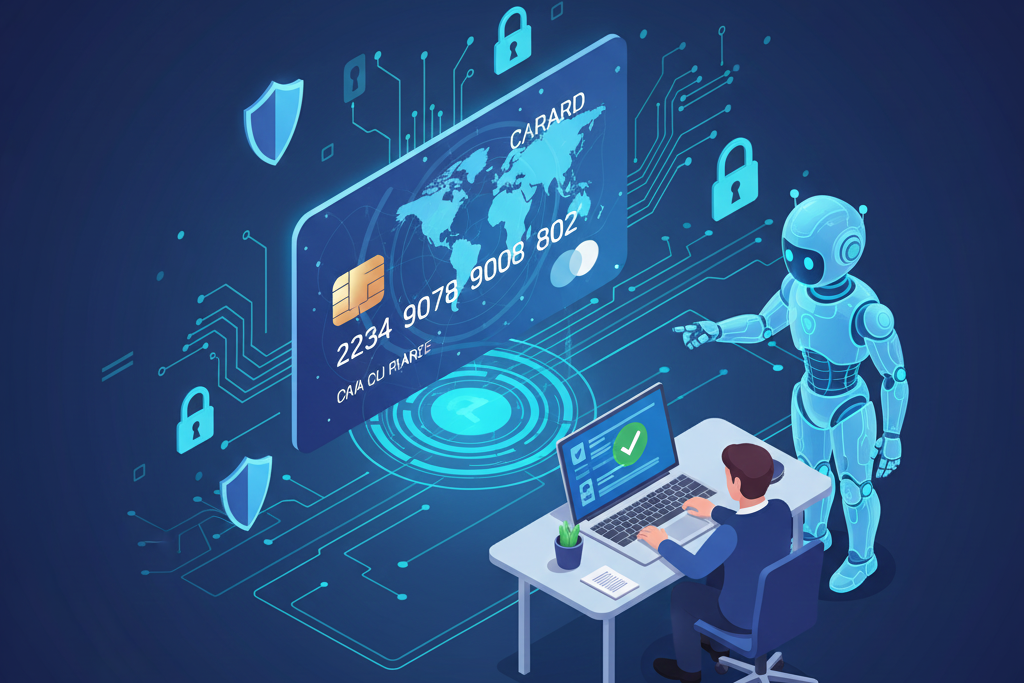
How to use AI agents for better payment security

Phase 1: Drastically Reducing Response and Resolution Times

First, let us look at how automation changes the speed of help when a payment fails. Why is it so important for a payment gateway to respond instantly to a support ticket? Clearly, every minute of downtime can mean thousands of dollars in lost revenue for a merchant. Therefore, AI agents are used to provide immediate answers to the most common transaction questions.

How AI Speed Benefits the Payment Industry

Here are several ways that automated agents improve the support experience:

  • Instant Error Decoding: AI can instantly explain why a specific credit card was declined.
  • Real Time Status Updates: Users get immediate info on where their refund is in the banking system.
  • 24/7 Availability: Automated agents provide support at midnight or on holidays without any delay.
  • Automated Ticket Routing: The AI sends complex banking issues to the right human expert instantly.
  • Instant Documentation: Users get links to the exact help guide they need based on their error code.
  • Fraud Alerts: The system can explain a security hold to a customer as soon as it happens.
  • Transaction Lookups: AI agents find specific payments in a massive database in less than a second.

Truly, this level of speed is essential for maintaining customer confidence in a digital world. But, you must also ensure that the AI can hand off the conversation to a human when things get too complicated. This keeps your support system balanced and prevents customer frustration during sensitive money matters. It creates a very reliable and high standard for your financial brand.


Phase 2: Improving Fraud Detection and Security Communication

So, how does artificial intelligence help keep transactions safe while also helping the customer? Truly, the secret lies in the ability of AI agents to monitor millions of data points for signs of suspicious activity. Consequently, this allows the gateway to stop fraud before it happens while explaining the situation clearly to the user. It acts as a digital bodyguard that also speaks clearly to the people it protects.

Enhancing Security Through Automated Intelligence

Here is how AI agents help manage security in payment support:

  1. Pattern Recognition: The AI spots unusual buying habits that might suggest a stolen card.
  2. Immediate Verification: The agent can trigger a two step check if a login looks strange.
  3. Clear Explanations: Instead of a vague error, the AI tells the user exactly how to verify their identity.
  4. Risk Scoring: Every transaction gets a safety score in real time to prevent chargebacks.
  5. Bot Prevention: Automated systems can tell the difference between a real buyer and a malicious script.
  6. Compliance Monitoring: The AI ensures every support interaction follows strict banking privacy rules.
  7. Search Engine Trust: Secure payment paths improve your search engine reputation and site safety.

Furthermore, this improves your search engine performance by reducing the number of fraudulent links associated with your domain. It makes your brand look very secure and professional to both banks and customers. This ensures that your business stays on the right side of financial regulations while growing your audience. It creates a very safe and stable environment for your digital commerce.


Phase 3: Personalizing the Merchant Experience at Scale

The third phase looks at how gateway providers support the businesses that use their software. Clearly, a small coffee shop has different payment needs than a global software company. Therefore, AI agents use data to provide custom advice to every merchant without needing a huge team of consultants.

Tailoring Support with Intelligent Data

Firstly, the AI agent analyzes the merchant’s sales volume to suggest the best fee structure. This allows the business owner to save money without having to ask for a review. Secondly, the system suggests new payment methods, like digital wallets, based on where the customers are located.

Furthermore, it provides proactive alerts if the merchant’s refund rate starts to climb too high. Also, the tool helps the team set up their checkout page to match the latest search engine optimization trends. Lastly, remember that a personalized support experience leads to much higher merchant loyalty. Truly, AI agents allow gateway providers to act as a partner rather than just a utility. It allows them to provide high level financial coaching to thousands of businesses at once. This is why the best payment platforms are investing heavily in automation in 2026.


Phase 4: Streamlining Onboarding and Compliance Checks

The fourth phase addresses the difficult process of getting a new business approved to take payments. Clearly, the paperwork and background checks can take weeks if they are done manually. Therefore, AI agents are now used to scan documents and verify identities in a fraction of the time.

Accelerating the Path to Your First Sale

Firstly, the AI checks business licenses and IDs for authenticity as soon as they are uploaded. This makes the onboarding process feel fast and modern for the new business owner. Secondly, the system automatically flags any missing information so the merchant can fix it immediately.

Furthermore, the agent guides the user through the technical setup of their API keys and webhooks. Also, it monitors the first few transactions to ensure everything is working perfectly. Lastly, monitor your search engine ranking to ensure your new store is visible to the world. Truly, no-code AI tools make it possible for anyone to start taking payments in just a few hours. It turns a boring legal process into a smooth and helpful digital journey. This ensures your business can start making money as quickly as possible.


Best Practices: Choosing a Gateway with Smart Support

Selecting the right payment partner requires looking at how they handle their technical support. It needs a focus on finding a provider that balances automated speed with human empathy. Clearly, the best gateway for your business is one that uses AI to make your life easier. Therefore, follow these simple tips to find the perfect payment partner today.

Strategies for Selecting a Modern Payment Gateway

Firstly, look for a provider that offers an AI chat agent that can actually solve problems. This saves you from waiting in a phone queue every time a transaction fails. Secondly, ensure the platform provides detailed automated reports on your sales and refund trends.

Furthermore, check if the gateway uses AI to automatically fight false chargebacks on your behalf. This protects your revenue and keeps your merchant account in good standing. Also, use plenty of transition words in your own site copy to keep your customers informed. Lastly, keep an eye on your search engine metrics to see how your checkout speed affects your traffic. Truly, the impact of AI agents on payment support is a huge win for everyone involved in online sales. It builds a foundation of efficiency that lets you focus on your products instead of your payments. This secures your future in the global digital marketplace.


Frequently Asked Questions (FAQs)

Q1: Can an AI agent fix a declined credit card?

An AI agent cannot force a bank to accept a card, but it can tell you exactly why it was declined so you can fix the issue.

Q2: Is my financial data safe when talking to an AI agent?

Yes, reputable payment gateways use the same high level encryption for their AI support as they do for their transactions.

Q3: How does faster payment support help my search engine ranking?

Faster support leads to better user experiences and less site downtime, which are both positive factors for any search engine.

Q4: Will AI agents replace human support in payment gateways?

AI will handle the majority of simple tasks, but humans will always be needed for complex legal and financial disputes.

Q5: Do I need to pay extra for AI-powered support?

Most modern gateways include these automated tools as part of their standard service because it helps them stay competitive.

Also Read: How new contactless payments improve customer safety

Fintech Content Strategy: How to Sell Payment Gateways?

Fintech is a fast-moving industry. Therefore, selling payment gateway solutions is challenging. Businesses need reliable, secure ways to handle money. However, the market is very crowded. It is hard to stand out. Truly, content marketing becomes vital for this reason. Content marketing educates potential clients. It builds trust and also showcases your unique value.

Many fintechs focus only on product features. For instance, they talk about speed or security. But, they forget to explain why these features truly matter. Consequently, their message gets lost easily. Furthermore, their sales cycle is long. Always remember, content marketing is not just about writing blogs. Instead, it is a strategic tool. It helps you become a thought leader. By sharing valuable insights, you attract the right audience. You also build a community of loyal customers. This helps your fintech gateway solution gain market share. Moreover, it leads to sustainable growth.

Fintech Content Strategy

The Fintech Gateway Challenge: Trust, Complexity, and Competition

First, let’s understand the core challenges for fintechs. They sell payment gateway solutions. This market has high stakes. It involves sensitive financial data. Trust is paramount. Clearly, the technology is complex. Therefore, potential clients need clear, simple explanations.

Why Traditional Marketing Often Falls Short

Traditional advertising methods often do not work well for complex fintech solutions. Clients need more help. Therefore, they need a reason to trust you with their money.

Here are some key limits of old marketing for fintechs:

  • Low Trust: Financial services need high trust. Simple ads do not build this fast enough.
  • Complex Products: Gateway solutions are very technical. Thus, short ads cannot explain their value well.
  • High Competition: Many companies offer similar services. Consequently, it is hard to differentiate with basic ads.
  • Long Sales Cycle: Businesses take time to choose a gateway. They need constant, helpful information.
  • Lack of Authority: Without deep content, you seem like just another vendor. You lack authority.
  • No Education: Clients often do not know what questions to ask. Therefore, they need education first.

Content marketing addresses these gaps effectively. It educates and builds trust. It establishes your fintech as a reliable expert. This helps turn curious visitors into paying clients faster.


What is Content Marketing for Fintech Gateways? Your Trust Builder

So, what exactly is content marketing for fintechs selling gateway solutions? It is the creation and distribution of valuable, relevant, and consistent content. The goal is to attract and keep a clearly defined audience. Truly, it ultimately drives profitable customer action. For fintech, it means showing your expertise. It also means building deep trust.

Why Content is Your Fintech’s Best Sales Tool

Here is how content marketing works for fintech gateways:

  1. Educates Clients: Many clients do not understand payment processing well. Your content simplifies complex topics. It answers their common questions.
  2. Builds Trust: By consistently providing helpful, unbiased information, you become a trusted resource. Trust is crucial for financial services.
  3. Establishes Authority: When you publish expert articles and guides, you show your deep knowledge. This positions you as a thought leader.
  4. Generates Leads: Valuable content can be “gated.” Clients give their email to download a guide. This builds your lead list.
  5. Supports Sales: Your sales team can use your content. They can share it with prospects to answer questions or overcome objections.
  6. Boosts SEO: High-quality content helps your website rank higher on Google. This brings more organic traffic.
  7. Differentiates You: Your unique insights and perspective make you stand out from competitors.

Truly, content marketing transforms your fintech gateway from just a vendor to a trusted advisor. It creates a continuous stream of engaged prospects.


Pillar 1: Education-First Content – Simplify the Complex

The first pillar of content marketing for fintechs is an education-first approach. Payment gateways are complex. Potential clients are often overwhelmed by jargon and technical details. Clearly, your content must simplify these concepts. Therefore, focus on teaching, not just selling.

Breaking Down Complexity into Digestible Insights

Firstly, create beginner’s guides to core payment concepts. Explain terms like “PCI DSS compliance.” Also explain “tokenization” or “interchange fees.” Do this in plain language. This helps clients understand the basics easily. Secondly, use explainer videos and infographics. Visual content is often easier to understand than text. This is especially true for technical topics. Show how your gateway works step-by-step.

Furthermore, develop use case studies. Show real-world examples. How has your gateway helped a specific type of business? For instance, write “How an E-commerce Store Reduced Fraud by 30% with Our Gateway.” This makes the benefits tangible. Also, write comparison articles. Compare different payment gateway types or features. For example, use “Stripe vs. Your Gateway: A Detailed Comparison for SMEs.” This helps clients make informed decisions. Lastly, create webinars and online workshops. Host live sessions. Teach clients how to solve a payment-related problem. This builds a direct connection. Truly, by consistently educating your audience, your fintech gateway becomes an indispensable resource. This builds credibility long before a sales pitch.


Pillar 2: Trust-Building Content – Transparency and Security

Trust is the foundation of fintech. Therefore, the second pillar of content marketing is trust-building content. This content focuses on transparency, security, and reliability. Clients need to feel safe. They must trust their financial transactions to your solution. Clearly, demonstrating your commitment to these values is paramount.

Showcasing Reliability and Data Protection

Firstly, publish security whitepapers or detailed guides. Explain your encryption methods. Describe your fraud detection systems. Detail your compliance with industry standards like PCI DSS. This provides technical assurance. Secondly, share customer testimonials and success stories. Let your existing clients speak for your reliability. Show real results and positive experiences. This acts as social proof.

Furthermore, be transparent about pricing and fees. Create content that explains your fee structure clearly. Avoid hidden costs. This builds honesty. Also, offer “behind the scenes” content (with caution). Show your team, your security measures, or your development process. This humanizes your brand. It builds confidence. Lastly, provide expert interviews. Interview your own security officers or compliance experts. This highlights your internal knowledge. It also shows your commitment to safety. Truly, by creating content that openly addresses security concerns, your fintech gateway builds deep, unshakeable trust. This is vital for long-term client relationships.


Pillar 3: Lead Generation Content – From Reader to Prospect

The ultimate goal of content marketing is to attract leads. Therefore, the third pillar is lead generation content. This content is designed to convert interested readers into identified prospects. It moves them further down the sales funnel. Clearly, valuable content can be leveraged to capture contact information. Therefore, having a clear call to action is essential for every piece.

Converting Engagement into Qualified Leads

Firstly, create gated content. Offer high-value resources. These resources require an email address to download. Examples are industry reports, detailed playbooks, or comprehensive buyer’s guides. This captures qualified leads. Secondly, develop interactive tools like calculators or assessment quizzes. For example, use a “Payment Processing Fee Calculator.” Another idea is a “Gateway Compatibility Quiz.” These provide instant value. They also capture lead data.

Furthermore, use webinars and live Q&A sessions as lead magnets. People register with their contact information to attend. This allows for direct engagement. Also, implement case study forms. If a client wants to see a specific case study, ask for their email first. This shows their strong interest. Lastly, offer free consultations or demos. Promote these heavily within your content. For example, use “Download our guide, then book a free demo to see it in action.” Truly, by strategically using lead generation content, your fintech gateway can effectively move prospects from awareness to consideration. This fills your sales pipeline with interested, qualified individuals.


Best Practices: Implementing Your Fintech Content Strategy

Implementing a successful content marketing strategy for a fintech gateway requires a clear, consistent approach. It is not just about writing articles. It is about understanding your audience, planning your content, and measuring its impact. Clearly, a unified content plan ensures all efforts contribute to business growth. Therefore, following these best practices is essential for sustained success.

Your Blueprint for Fintech Content Success

Firstly, know your buyer persona deeply. Who are you trying to reach? What are their roles, pain points, and decision-making processes? Tailor your content to their specific needs. Secondly, create a content calendar. Plan your topics, formats (blog, video, whitepaper), and publication dates in advance. This ensures consistency. It also covers all stages of the buyer’s journey.

Furthermore, invest in SEO research. Use keywords your target audience searches for. This ensures your content is found. This happens when prospects actively look for solutions. Also, distribute your content widely. Do not just publish it on your website. Share it on social media (LinkedIn is key for B2B fintech), industry forums, and email newsletters. Lastly, measure and analyze results. Track website traffic, downloads, lead conversions, and engagement rates. Use this data to refine your strategy. See what works and what does not. Truly, by following these best practices, your fintech gateway can build a robust content marketing engine. This engine drives awareness, trust, and ultimately, sales.


Frequently Asked Questions (FAQs)

Q1: Is content marketing only for getting new clients, or does it help existing ones?

Content marketing helps both groups. It attracts new clients by educating them. It also helps existing clients by providing ongoing value, updates, and support. This strengthens loyalty. It also reduces churn.

Q2: What’s the most important type of content for a fintech selling gateway solutions?

The most important type of content is that which builds trust and simplifies complex concepts. This means educational guides, security whitepapers, and customer success stories are often most effective.

Q3: How often should a fintech publish new content?

Consistency is more important than frequency. Aim for a schedule you can maintain. This might be one in-depth blog post per week or two shorter ones. Quality always trumps quantity.

Q4: Should fintechs gate all their valuable content?

No, not all. Some content, like short blog posts or FAQs, should be freely available to attract organic traffic and build general awareness. Gate your highest value content (e.g., in-depth guides, exclusive reports) to capture leads.

Q5: How can content marketing help my sales team directly?

Content marketing provides your sales team with valuable tools. They can share relevant articles, case studies, or whitepapers with prospects to answer questions, build credibility, and move deals forward. It acts as a powerful support system for sales.

Also Read: What Makes a Lead Magnet Effective for Payment Consulting?

Fintech marketing strategy

What Makes a Lead Magnet Effective for Payment Consulting?

Payment gateway consulting is a specialized field. Businesses need expert help. They must pick the right payment systems. However, getting new clients can be hard. Therefore, consultants need to show their value fast. They must build trust quickly. Truly, lead magnet is powerful tool for this purpose. They offer free, valuable content. Consequently, this content helps attract potential clients.

Many consultants rely on word-of-mouth or cold outreach. Nevertheless, these methods are often slow. Furthermore, they might not show off your deep knowledge. Consequently, it is hard to stand out immediately. Always remember, lead magnets like “checklists” and “playbooks” solve this problem well. First, they give real value upfront. Next, they prove your expertise. Thus, by offering these free resources, you can attract more qualified leads. Then, you can turn them into paying clients. This builds your reputation. Additionally, it helps your consulting business grow smoothly.

What Makes a Lead Magnet Effective for Payment Consulting?

The Consultant’s Challenge: Proving Expertise and Trust

First, let’s understand the core challenge for payment gateway consultants. They solve complex problems. These problems involve money, technology, and security. However, clients often do not know who to trust. They need proof of skill. Clearly, consultants must quickly show their deep knowledge. Therefore, they need smart ways to attract the right kind of attention.

Why Just Talking About Your Services Isn’t Enough

Simply listing your services on a website often does not work well. Clients need more information. Therefore, they need a reason to believe you are the best choice.

Here are some key limits of basic marketing for consultants:

  • Low Trust: New clients do not know you. They need to see proof of your abilities first.
  • Complex Topic: Payment gateways are hard to understand. Thus, clients need help breaking down the complexity.
  • Hard to Compare: Many consultants offer similar services. Consequently, clients struggle to see who is truly better.
  • No Value Upfront: Clients have to commit time or money before getting any help.
  • Passive Approach: Just waiting for clients to call means you might miss opportunities.
  • No Lead Capture: Visitors to your website leave without giving you contact info.

Lead magnets like checklists and playbooks solve all these problems. They offer immediate value. Furthermore, they demonstrate your expertise clearly. They also build trust. This helps turn interested people into real leads.


What are Lead Magnets? Your Client Attractor

So, what exactly are lead magnets for payment gateway consulting? They are free pieces of valuable content. You offer them in exchange for a potential client’s contact information. This information is usually an email address. Truly, they are designed to solve a small, specific problem for your ideal client. Thus, this proves your expertise. It also builds goodwill.

Types of Lead Magnets: Focus on Checklists and Playbooks

There are many types of lead magnets. However, “checklists” and “playbooks” are especially powerful for consultants. This is because they offer practical, actionable advice.

Here is why these are so effective:

  1. Checklists: These are simple, step-by-step guides. They list actions a client needs to take. For example, use “PCI DSS Compliance Checklist for SaaS.” Another example is “10-Point Checklist for Choosing a New Payment Gateway.” They make complex tasks feel easy.
  2. Playbooks: These are more detailed guides. They offer a strategy or a set of actions. The goal is to achieve a specific outcome. For example, try “The Small Business Playbook for Reducing Payment Processing Fees.” Another example is “Your Playbook for Integrating Stripe with Shopify.” They offer a full solution.

Here’s how lead magnets work:

  • Offer Value: You give away something genuinely helpful for free.
  • Solve a Small Problem: The lead magnet helps the client with an immediate pain point.
  • Show Expertise: It proves you know your stuff. Thus, it establishes you as an authority.
  • Capture Leads: In exchange for the magnet, the client gives you their email. Now, you can talk to them.
  • Build Trust: By helping them first, you build trust before asking for money.

Truly, lead magnets are not just freebies. Instead, they are strategic tools. They attract ideal clients. Furthermore, they start a valuable relationship.


Pillar 1: Checklists – Simple Solutions for Complex Problems

The first powerful lead magnet type is the checklist. For payment gateway consulting, checklists are perfect. This is because payment systems involve many steps and rules. Checklists simplify these complex processes. Clearly, they offer immediate, actionable value. Therefore, clients feel empowered. They also see your expertise quickly.

Making Complexity Manageable for Potential Clients

Firstly, checklists are extremely easy to use. Clients can quickly scan them. Furthermore, they can understand what needs to be done easily. This is great for busy business owners. They need quick answers. Secondly, checklists build confidence. When clients can tick off items, they feel like they are making progress. This positive feeling links back to your brand.

Furthermore, checklists demonstrate your knowledge well. By listing all the steps, you show that you know the entire process. For example, a “Payment Gateway Security Audit Checklist” shows your deep compliance understanding. Also, checklists can cover a wide range of topics:

  • Selecting a new payment processor.
  • Ensuring PCI DSS compliance.
  • Reducing transaction fees.
  • Onboarding a new e-commerce platform.
  • Troubleshooting failed payments.

Additionally, checklists encourage action. They are not just information. Instead, they are a call to do something. This makes them highly practical. Truly, by offering concise, helpful checklists, payment gateway consultants can attract leads. They can also provide immediate value. This establishes them as go-to experts in a clear way.


Pillar 2: Playbooks – Strategic Guides for Big Wins

Beyond simple checklists, the second powerful lead magnet type is the playbook. Playbooks offer a more comprehensive solution. They provide a step-by-step strategy to achieve a bigger outcome. Clearly, playbooks show a higher level of strategic thinking. Therefore, they attract clients looking for full solutions and long-term partnerships.

Guiding Clients to Significant Strategic Outcomes

Firstly, playbooks help clients with larger, more complex challenges. While a checklist might cover one aspect of PCI, a playbook could be “Your Complete Guide to a Secure and Scalable Payment Infrastructure.” This shows a strategic approach. Secondly, playbooks establish you as a thought leader. By providing a detailed, proven strategy, you showcase your unique method. You prove you can solve significant problems.

Furthermore, playbooks are highly shareable. A valuable playbook often gets passed around within a company. This increases your visibility. It also attracts more potential clients. Also, playbooks can tackle various strategic issues:

  • Optimizing payment flows to reduce cart abandonment.
  • Implementing a multi-currency payment strategy for global expansion.
  • Building a robust fraud prevention system.
  • Migrating from one payment gateway to another with zero downtime.
  • Developing a dunning management strategy to reduce churn.

Additionally, playbooks offer a deeper dive into your consulting process. They give a glimpse into how you would approach a client project. This pre-sells your services. Truly, by offering comprehensive playbooks, payment gateway consultants can attract higher-value leads. They can also demonstrate their strategic impact. This positions them for larger, more profitable engagements.


Pillar 3: Attracting, Nurturing, and Converting Leads

Lead magnets are just the start. The true power lies in how you use them to attract, nurture, and convert leads. It is a continuous process. You must get the magnet into the right hands. Then, you must build a relationship. Clearly, this strategic approach turns free downloads into paying clients. Therefore, a solid plan for promotion and follow-up is essential.

Your Strategy to Turn Downloads into Deals

Firstly, promote your lead magnets widely. Share them on your website. Use blog posts to introduce them. Post about them on LinkedIn and other relevant social media. Run targeted ads to reach your ideal clients. The more people see them, the more downloads you get. Secondly, use clear calls to action. Make it obvious how people can download your checklist or playbook. Use simple forms.

Furthermore, build an email nurturing sequence. When someone downloads your magnet, they join your email list. Send them a series of helpful emails. Share more tips. Offer case studies. Explain how your consulting services can help solve bigger problems. This builds trust over time. Also, qualify your leads. Not every download will be a perfect client. Use follow-up questions in your emails or on your form to understand their needs better.

Focus your direct outreach on the most promising leads. Lastly, offer a clear next step. At the end of your nurturing sequence, invite them to a free consultation. Offer a discovery call. Make it easy for them to take the next step towards becoming a client. Truly, by integrating lead magnets into a full marketing funnel, payment gateway consultants can consistently attract and convert ideal clients.


Best Practices: Crafting and Using Effective Lead Magnets

Creating successful lead magnets needs careful thought. It is not just about making a document. It is about understanding your audience and solving their pains. Clearly, well-designed lead magnets generate high-quality leads. Therefore, following these best practices is essential for your consulting business.

Your Blueprint for High-Converting Lead Magnets

Firstly, know your ideal client intimately. What are their biggest payment gateway problems? What questions do they ask? and What do they fear? Your lead magnet must directly address these pain points. Secondly, focus on a single, specific problem. Do not try to solve everything in one checklist or playbook. Address one clear issue. This makes the magnet more valuable. It also makes it less overwhelming.

Furthermore, make it actionable. Your lead magnet should give clients something they can do right away. Checklists are inherently actionable. Playbooks provide a plan of action. Also, design it professionally. Even though it is free, it must look good. Use clear formatting, good graphics, and your branding. This reflects well on your consulting services. Lastly, optimize for mobile. Many people will download on their phones. Ensure your PDFs are easy to read on small screens. Truly, by focusing on these best practices, payment gateway consultants can create lead magnets that truly resonate with their audience. This builds their authority. It also fills their client pipeline consistently.


Frequently Asked Questions (FAQs)

Q1: How often should I create new lead magnets for my consulting business?

You do not need new lead magnets constantly. Focus on creating a few high-quality ones that address core client pain points. Update them yearly or when industry changes occur. Promote your existing ones widely before creating many new ones.

Q2: What’s the ideal length for a checklist or playbook lead magnet?

For a checklist, keep it concise, typically one to three pages. For a playbook, aim for five to fifteen pages. The key is value, not length. Make it long enough to provide a solution but short enough to be digestible. It should not be overwhelming.

Q3: How do I know if my lead magnets are working?

Track your download rates (how many people download it). Also, track your conversion rate (how many downloaders become qualified leads or eventually clients). Monitor feedback from people who download it. High download rates and good conversion mean it is working well.

Q4: Should I gate (require email) every piece of valuable content I create?

No, not every piece. Some content, like blog posts, should be freely accessible to build general awareness and SEO. Lead magnets are specifically designed to capture leads, so they require an email. Balance free content with gated content.

Q5: What if my lead magnet gives away too much information? Will clients still hire me?

This is a common fear. A good lead magnet solves a small, specific problem. It shows how to do something. However, it does not do the doing for them. It proves your expertise and also shows them the value of your full service. It actually makes them more likely to hire you for the full implementation.

Also Read: How to Build a SaaS Subscription-First Payment Model?