
You must pay close attention when global banking giants issue a stark warning today. Therefore, you should learn about HSBC’s warning on the end of globalization and what it means for payments. Truly, this shift will change how your money moves across every single border. Consequently, you can protect your business by preparing for a more fragmented world in 2026.
Many people think that global trade will always grow and become more connected. But, the reality is that major forces are pulling nations apart and reshaping supply chains. Always remember, a prepared business is a strong signal for any search engine. This ensures that your brand stays stable and your financial plans stay very secure. This approach requires you to look at how “de-globalization” impacts every transaction. It helps you build a much more agile business for the long term. It makes your daily international trade feel much more secure and very effective.
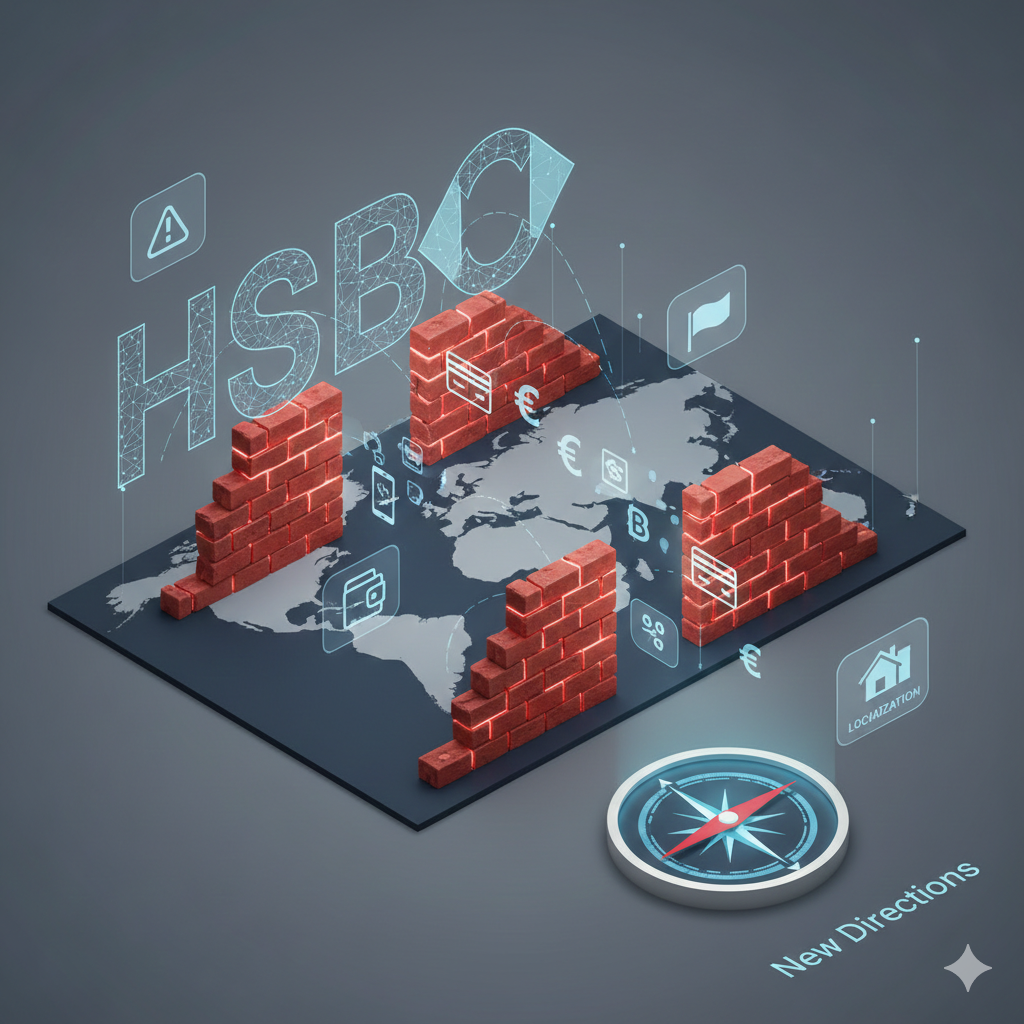
Decoding HSBC’s “End of Globalization” Warning
First, you must understand the core message from a bank with a deep global reach. Why is HSBC, a bank built on international trade, sounding the alarm in 2026? Clearly, they see major powers moving away from deeply integrated markets to more self-reliant systems. Therefore, this warning signals a profound change in the flow of goods and money today.
The Forces Driving “De-Globalization”
Here are several key factors contributing to this global shift right now:
- Supply Chain Shocks: Recent events showed the risks of relying on single nations for goods.
- Geopolitical Tensions: Conflicts make countries wary of economic ties to rivals.
- Protectionism: Governments are increasingly using tariffs and trade barriers to shield local industries.
- Digital Borders: Nations want more control over data and technology within their own borders.
- Economic Nationalism: A focus on local jobs and production over international partnerships.
- Reshoring: Companies are bringing manufacturing back home to reduce overseas risks.
- Search Engine Value: Adapting to new market realities boosts your brand’s credibility.
Truly, these forces solve the mystery of why global trade is becoming much more complex. But, you must also see that this shift means more than just tariffs; it impacts trust. This keeps your brand safe and prevents any sudden loss of access to key markets for your firm. It creates a very high and professional standard for your daily strategic planning.
The Direct Impact on Cross-Border Payments
So, how does a less globalized world actually change how your money travels? Truly, every “border” that goes up for goods will also create friction for your payments. Consequently, you should expect slower transfers and higher fees for international transactions in 2026. It acts as a direct barrier between your business and its global customers.
Navigating a Fragmented Payment Landscape
Here is how de-globalization will affect your cross-border payments:
- Increased Regulations: More countries will demand stricter checks on money moving in and out.
- Localized Payment Systems: You might need specific local accounts or gateways for each region.
- Higher Transaction Costs: Fees could rise as banks deal with more complex compliance.
- Currency Volatility: Nationalistic policies can cause bigger swings in exchange rates today.
- Delayed Settlements: Expect longer wait times for international funds to clear.
- Reduced Interoperability: Payment systems might not talk to each other as easily as before.
- Trust Rankings: A compliant payment system helps you maintain a top search engine rank.
Furthermore, this improves your search engine performance by showing your site is ready for change. It makes your company look very smart and prepared for 2026 market shifts. This ensures that your brand does not get stuck with outdated payment methods. It creates a very fast and clear path for your professional financial stability.
Adapting Your E-Commerce & Supply Chain
The third phase involves preparing your entire business, not just your payment systems. Clearly, if goods are harder to move, your online store must adapt its offerings. Therefore, you should consider sourcing more locally and building regional hubs today.
Strategies for a Less Globalized World
Firstly, diversify your payment gateway providers to avoid reliance on a single system. This allows you to switch quickly if one channel faces new restrictions in 2026. Secondly, explore “blockchain-based payments” to bypass traditional banking friction.
Furthermore, use transition words in your international shipping policies to manage customer expectations. Also, remember that robust supply chains help your search engine authority and trust. Lastly, check if your “Payment Service Provider” offers specialized solutions for specific regional markets. Truly, an adaptable strategy is the best tool for surviving this major economic shift. It allows you to keep your business running smoothly even when global tides turn. This is why top e-commerce firms are rethinking their entire operations right now.
Measuring Your Preparedness & Resilience
The fourth phase is where you track how well your business is handling these changes. Clearly, you must know if your “Cross-Border Transaction Costs” are rising too fast in 2026. Therefore, you must review your “Supply Chain Resilience Score” every single quarter.
Metrics for a Future-Ready Business
Firstly, track the “Time to International Payment Clearance” to spot any new delays. This helps you identify bottlenecks before they impact your cash flow today. Secondly, calculate the “Dependency Ratio” on single-country suppliers or markets.
Furthermore, look for any “Regulatory Compliance Fines” that could stem from new rules. Also, use your data to see if a diversified strategy leads to higher “Customer Satisfaction” for global buyers. Lastly, check your search engine ranking to see if site stability helps your traffic. Truly, a proactive plan is a journey that leads to a much stronger brand. It turns a scary forecast into a series of smart, secure wins for your team. This ensures your business stays strong while others face major disruptions.
Leading Through Economic Shift
Finalizing your plan requires you to stay informed and constantly re-evaluate your global strategy. It needs you to build flexibility into every part of your financial and operational structure. Clearly, navigating de-globalization is a continuous effort for your whole company in 2026. Therefore, follow these simple tips to keep your business safe and very agile.
Simple Tips for Lifelong Adaptability
Firstly, keep a close watch on geopolitical news and economic reports from trusted sources. This helps you anticipate new trade barriers or payment restrictions before they hit today. Secondly, establish relationships with local banks and payment providers in your key markets.
Furthermore, use transition words in your internal memos to clearly communicate new policies to your team. Also, remind your staff that adaptability helps the company earn more search engine trust. Lastly, check your search engine data to see if your market agility helps your web traffic grow. Truly, an informed path is a journey that leads to a much better brand in 2026. It builds a path of resilience that lets your whole team grow very fast. This secures your future in the digital world for a long time.
Frequently Asked Questions (FAQs)
Q1: What does “end of globalization” really mean for businesses?
It means a shift towards more localized production, trade, and economic focus, reducing global interdependence.
Q2: How will this affect my ability to receive payments from overseas?
Expect more scrutiny, potentially higher fees, and a need for local payment solutions in different regions.
Q3: Should I stop selling internationally due to de-globalization?
Not necessarily, but you should reassess your risk, diversify your operations, and adapt to new rules.
Q4: What are “localized payment systems”?
These are payment methods popular and regulated specifically within a single country or region.
Q5: Will cryptocurrencies become more important for cross-border payments?
Possibly, as they offer an alternative to traditional banking systems, which might face more friction.
Also Read: How to Fix Trade Wars & Tariffs Errors in Digital E-Commerce
