How to Fix Trade Wars & Tariffs Errors in Digital E-Commerce

How to Fix Trade Wars & Tariffs Errors in Digital E-Commerce

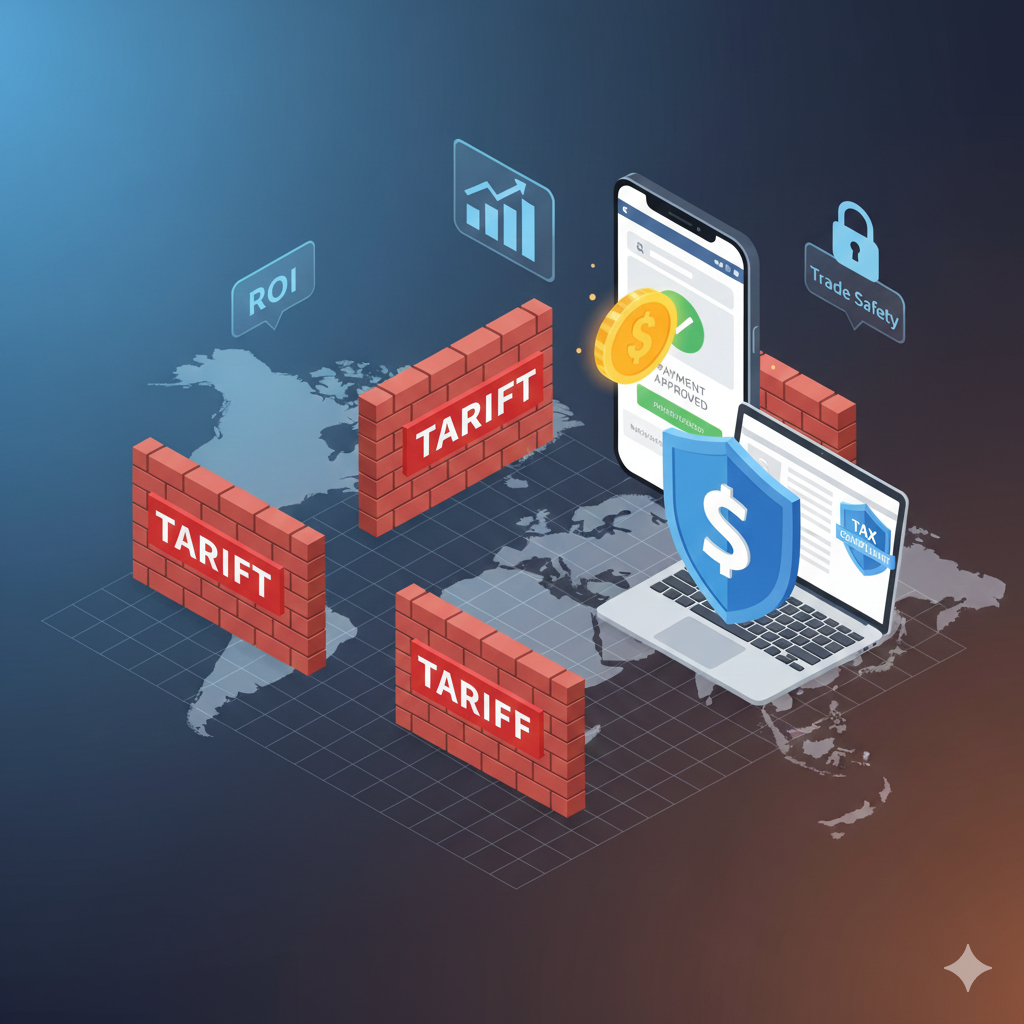
You must understand how global politics can change your digital storefront in the world today. Therefore, you should learn about trade wars and tariffs and how they disrupt payment gateways. Truly, a sudden tax hike on foreign goods can break your checkout flow in a single second. Consequently, you can protect your profits by preparing for shifting trade rules in 2026.

Many people think that digital payments are immune to the physical movement of goods. But, the reality is that payment gateways must adapt to every new tax law or border fee. Always remember, a stable and compliant store is a strong signal for any search engine. This ensures that your brand stays reliable and your customer trust stays very high. This approach requires you to look at how global disputes impact your daily sales math. It helps you build a much more agile business for the long term. It makes your daily international trade feel much more secure and very effective.

How to Fix Trade Wars & Tariffs Errors in Digital E-Commerce

Why Tariffs Break Your Digital Checkout

First, you must see how a new tariff creates instant friction at your payment window. Why does a trade war between two nations make your checkout page slow or broken in 2026? Clearly, your gateway must calculate new import duties for every single order in real-time. Therefore, you must use smart tools to handle these sudden cost changes today.

The Impact of Trade Wars on Your Sales Flow

Here are several reasons why global disputes hurt your payment experience right now:

  • Dynamic Pricing: Your gateway must update prices every time a new tariff starts.
  • Hidden Fees: Customers get angry when they see extra tax costs at the final step.
  • Payment Failure: Some gateways might stop working in certain countries due to bans.
  • Slower Speeds: Calculating complex global taxes adds time to your page load speed.
  • Refund Issues: Handling returns becomes much harder when taxes change every week.
  • Compliance Stress: You must follow new rules for every nation you sell to today.
  • Search Engine Value: Slow or broken checkouts can hurt your site’s organic ranking.

Truly, these shifts solve the mystery of why your global sales might drop during a trade war. But, you must also remember that a clear tax display helps keep your customers very happy. This keeps your brand honest and prevents any sudden loss of sales for your firm. It creates a very high and professional standard for your daily digital security.


Protecting Your Margins with Multi-Gateway Setups

So, how do you keep your money flowing when one payment path gets blocked? Truly, relying on just one gateway is a very risky plan in the unstable world of 2026. Consequently, you should use a “Multi-Gateway Strategy” to stay safe and very fast. It acts as a direct shield against political shifts that could shut down your shop.

Building a Strong Digital Payment Shield

Here is how you can keep your payments moving during a trade dispute:

  1. Failover Paths: If one gateway fails, the system moves the sale to another path.
  2. Local Processing: Use gateways based in the same country as your buyer to save.
  3. Tax Automation: Link your store to tools that update tariff costs every hour.
  4. Currency Hedging: Protect your profits from wild swings in money value today.
  5. Alternative Methods: Offer crypto or local wallets to bypass traditional bank bans.
  6. Transparent Docs: Show the full cost, including tariffs, before the user clicks buy.
  7. Trust Rankings: A working checkout helps you maintain a top search engine rank.

Furthermore, this improves your search engine performance by showing your site is reliable. It makes your company look very smart and ready for 2026 market shifts. This ensures that your brand stays alive even when nations are fighting over trade rules. It creates a very fast and clear path for your professional marketing success.


Navigating Changes in Cross-Border Logistics

The third phase involves linking your payments to your shipping and warehouse data. Clearly, a tariff on shoes might not be the same as a tariff on electronic gear. Therefore, you should use AI to tag your products with the right tax codes today.

Linking Your Payments to Physical Trade Rules

Firstly, audit your product list to see which items face the highest trade risks. This allows you to adjust your focus to more stable markets or goods in 2026. Secondly, work with logistics partners who offer “Duty Paid” shipping for your global fans.

Furthermore, use transition words in your shipping policy to explain any price changes clearly. Also, remember that a smooth delivery path helps your search engine authority and trust. Lastly, check if your “Payment Partner” offers special rates for certain trade zones. Truly, a connected plan is the best tool for surviving a global trade war right now. It allows you to stay ahead of the news and keep your profit margins very safe. This is why top e-commerce brands are moving toward “Agile Trade” models today.


Measuring the Real Cost of Trade Disruptions

The fourth phase is where you use your data to see how much tariffs are eating your profit. Clearly, you must know if selling to a specific country is still worth your time in 2026. Therefore, you must track your “Net Profit Per Region” every single month.

Metrics for a Global Trade Business

Firstly, track the “Cart Abandonment Rate” specifically on pages with high import taxes. This helps you see if your customers are running away from the extra tariff costs today. Secondly, calculate the “Gateway Success Rate” for every country you serve right now.

Furthermore, look for any “Forex Losses” caused by trade wars shifting currency values. Also, use your data to see if a better tax tool leads to higher “Customer Retention.” Lastly, check your search engine ranking to see if site stability helps your traffic. Truly, a data-led path is a journey that leads to a much stronger brand. It turns a messy world into a series of smart, secure wins for your team. This ensures your business stays strong while others face empty bank accounts.


Leading Through Trade Uncertainty

Finalizing your plan requires you to stay updated on global news and trade laws. It needs you to be flexible and ready to move your sales focus at any given moment. Clearly, a safe global store is a team effort for your whole company in 2026. Therefore, follow these simple tips to keep your trade business fresh and very fast.

Simple Tips for Lifelong E-Commerce Success

Firstly, sign up for trade news alerts so you know when new tariffs are coming. This helps you update your payment gateway settings before the law takes effect today. Secondly, encourage your team to find local suppliers to avoid high border taxes entirely.

Furthermore, use transition words in your buyer emails to keep the message very helpful. Also, remind your staff that being honest about costs helps earn more search engine trust. Lastly, check your search engine data to see if your global reach helps your web traffic grow. Truly, a smart path is a journey that leads to a much better brand in 2026. It builds a path of profit that lets your whole team grow very fast. This secures your future in the digital world for a long time.


Frequently Asked Questions (FAQs)

Q1: Can a trade war shut down my payment gateway?

Yes, certain political sanctions can stop specific gateways from working in targeted countries.

Q2: How do I calculate global tariffs automatically?

You should link your e-commerce store to a tax automation tool like Avalara or TaxJar.

Q3: Does a slow checkout due to tax math hurt my SEO?

Yes, high bounce rates and slow page speeds are negative signals for most search engines.

Q4: Should I stop selling to countries with high tariffs?

Not necessarily, but you should adjust your prices or find local partners to keep profit.

Q5: Is it safer to use local currency for all my global sales?

Using the buyer’s local currency often improves trust, but you must watch for exchange risks.

Also read: How to use FIEO BriskPe partnership for global sales

new contactless payments

How new contactless payments improve customer safety

The way we pay for things is changing at an incredible speed as we look toward 2026. Therefore, tapping your phone or card is becoming the new normal for millions of people. Truly, the future of contactless payments and NFC payments is here, and it is growing rapidly in India and across the world. Consequently, understanding this technology is key for any business that wants to stay modern and competitive.

Some people feel that cash is still the best way to pay, especially in certain regions. But, the convenience and speed of these new methods are winning over more users every single day. Always remember, a fast and easy payment option is a strong signal for any search engine to value your website. This ensures that customers have a smooth experience and are more likely to return to your store. This approach requires looking beyond traditional payment terminals. It helps you build a much more efficient and customer-friendly checkout system. It makes your entire business operation feel modern and very secure.

new contactless payments

Phase 1: The Rise of Contactless in India

First, let us look at how India is leading the charge in adopting tap-and-pay technology. Why has a country with a large cash economy embraced digital payments so quickly? Clearly, government initiatives and the widespread use of smartphones have created a perfect storm for growth. Therefore, the Unified Payments Interface (UPI) system has played a massive role in this shift.

Driving Factors for Contactless Growth in India

Here are several reasons why contactless payments are booming in India:

  • UPI Integration: This system makes instant, secure payments very easy for everyone.
  • Smartphone Penetration: Billions of phones support NFC, making tap-to-pay accessible.
  • Government Push: Policies encourage digital transactions to boost the economy.
  • QR Code Acceptance: Even small shops use QR codes for quick, simple payments.
  • Debit/Credit Card Upgrades: Most new cards come with contactless features built-in.
  • Merchant Adoption: More businesses are getting NFC-enabled payment terminals.
  • COVID-19 Impact: The pandemic accelerated the move to touch-free transactions.

Truly, India’s journey shows the world how quickly a large population can adopt new payment habits. But, this rapid growth also requires constant innovation to keep the systems secure and reliable. This keeps the payment networks strong while more people start using them. It creates a very dynamic environment for financial technology companies.


Phase 2: Global Trends and NFC Technology

So, how is the rest of the world embracing these payment innovations? Truly, the shift to contactless is a global phenomenon, driven by the power of Near Field Communication (NFC) technology. Consequently, tapping your phone or watch is becoming as common as swiping a card in many developed nations. It acts as the invisible link that makes these speedy transactions possible everywhere.

Key Global Developments in Contactless Payments

Here is how NFC and contactless payments are changing the world:

  1. Apple Pay/Google Pay: These major mobile wallets use NFC for quick, secure payments.
  2. Smart Wearables: Watches and fitness trackers now allow you to pay with a tap.
  3. Transit Systems: Many cities let you tap your card or phone to ride buses and trains.
  4. Open Loop Payments: Customers can use their regular bank cards directly for transit fares.
  5. Biometric Integration: Fingerprint or face scans add an extra layer of security to transactions.
  6. EMV Standard: This global standard ensures secure chip-based contactless transactions.
  7. Device-to-Device Payments: NFC can enable payments directly between two phones without a terminal.

Furthermore, this global embrace of NFC helps improve your search engine ranking by boosting your overall site speed. It makes your brand look very modern and connected to international trends. This ensures that you are ready for customers no matter where they are coming from. It creates a seamless experience across borders and different cultures.


Phase 3: Benefits for Merchants and Consumers

The third phase looks at why everyone benefits from this payment revolution. Clearly, faster transactions and better security are good for both the buyer and the seller. Therefore, understanding these advantages can help you make a strong case for upgrading your payment systems.

Winning with Contactless Payments

Firstly, for consumers, it means speed and convenience. No more fumbling for cash or waiting for a chip card to read. Secondly, it offers enhanced security. Tokenization makes transactions much safer than traditional card swipes.

Furthermore, for merchants, it means faster lines. This allows you to serve more customers in less time during busy periods. Also, it reduces cash handling costs and risks. Less cash means less chance of theft or accounting errors. Lastly, it improves your search engine performance. Faster checkouts mean lower bounce rates and a better user experience. Truly, it is a win-win situation that drives efficiency and safety. It allows businesses to focus on sales rather than payment problems. This is why more companies are investing in these modern payment terminals every single day.


Phase 4: Challenges and Overcoming Them in 2026

The fourth phase addresses the hurdles that still exist for widespread adoption. Clearly, no new technology is perfect, and there are always things to consider. Therefore, understanding these challenges allows you to plan better and avoid common pitfalls.

Navigating the Road Ahead for Contactless Payments

Firstly, merchant education is crucial. Many small businesses still need to learn how to set up and use NFC terminals effectively. Secondly, security concerns among some users. Even with advanced protection, some people are hesitant to trust new payment methods.

Furthermore, inconsistent infrastructure in rural areas. Not all places have reliable internet or power for digital payment systems. Also, the cost of upgrading older terminals. Some businesses might find the initial investment too high. Lastly, ensuring inclusion for all users. Not everyone has a smartphone or a bank account, especially in developing regions. Truly, these challenges require a balanced approach, focusing on education and accessibility. It turns potential obstacles into opportunities for innovation and growth. This ensures that the payment revolution benefits everyone, not just the tech savvy.


Best Practices: Embracing the Contactless Future

Moving fully into the world of tap-and-pay requires a strategic mindset and an openness to change. It needs a focus on customer needs and the long term vision of your business. Clearly, simply installing a terminal is not enough; you must also promote its use. Therefore, follow these simple habits to keep your payment systems cutting edge.

Strategies for Long-Term Contactless Success

Firstly, always offer multiple payment options. While promoting contactless, still accept other forms of payment for those who prefer them. Secondly, clearly display contactless payment logos at your checkout. This tells customers you are ready for their preferred payment method.

Furthermore, train your staff to guide customers on how to use tap-and-pay. A friendly explanation can ease any hesitation. Also, monitor your transaction data for insights. See which payment methods are most popular and why. Lastly, keep an eye on your search engine ranking and site speed. A seamless payment process contributes to a great online experience. Truly, embracing contactless payments is an investment in your business’s future. It builds a reputation for convenience and modernity. This secures your place in the fast evolving digital economy of 2026.


Frequently Asked Questions (FAQs)

Q1: Is NFC the same as contactless payment?

NFC (Near Field Communication) is the technology that enables contactless payments. So, all NFC payments are contactless, but not all contactless payments use NFC (e.g., some QR code payments).

Q2: How does contactless payment improve my search engine ranking?

A fast and convenient checkout experience leads to lower bounce rates and higher customer satisfaction. These are positive signals that search engines value for ranking.

Q3: Are contactless payments more secure than swiping a card?

Yes, they are generally more secure. Contactless payments use encryption and tokenization, which means your actual card number is not shared during the transaction.

Q4: What is UPI and how does it relate to contactless payments in India?

UPI is a real-time payment system in India that facilitates instant bank-to-bank transfers. Many apps that use UPI also integrate QR codes and NFC for contactless transactions.

Q5: What is the biggest barrier to wider adoption of contactless payments?

The biggest barrier is often the cost for merchants to upgrade older point-of-sale systems and a lack of awareness or trust among some consumers.

Also Read: How the digital wallets improves customer security


How the digital wallets improves customer security

How the digital wallets improves customer security

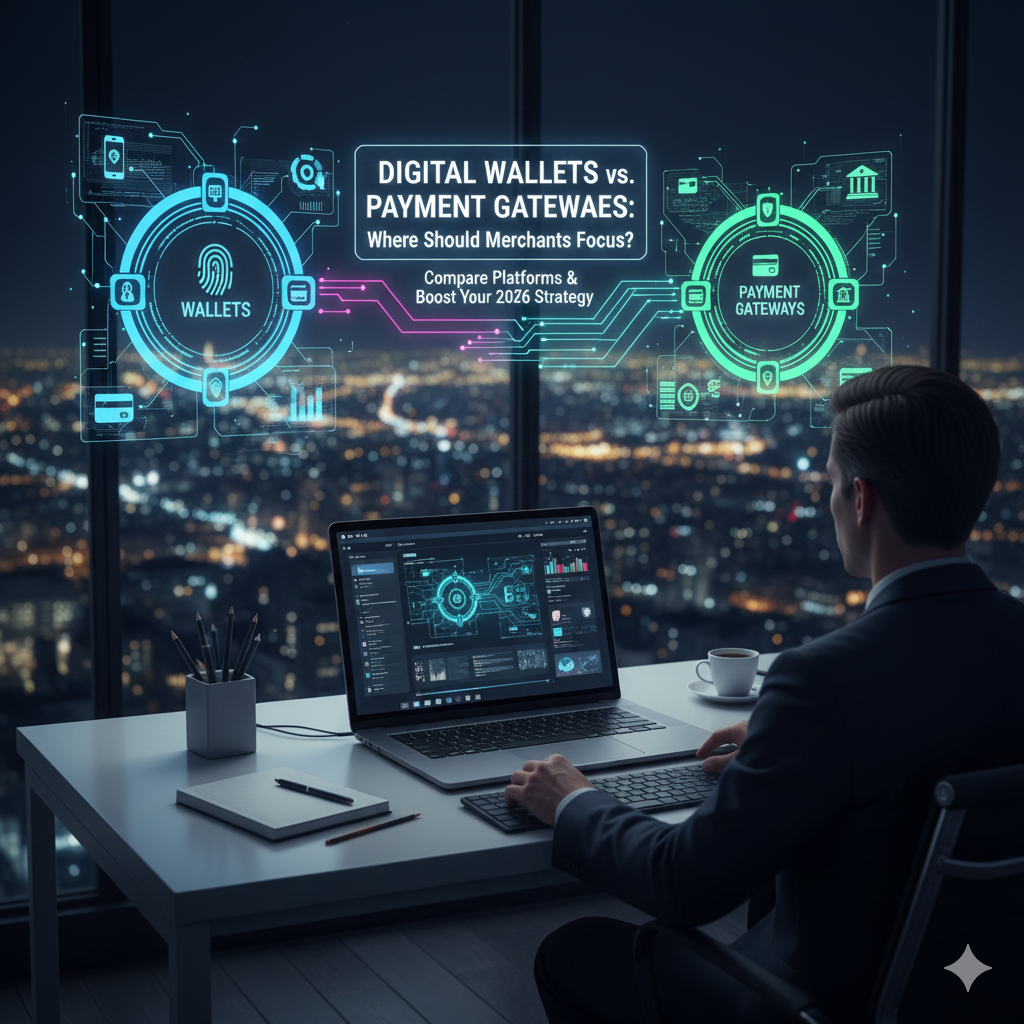
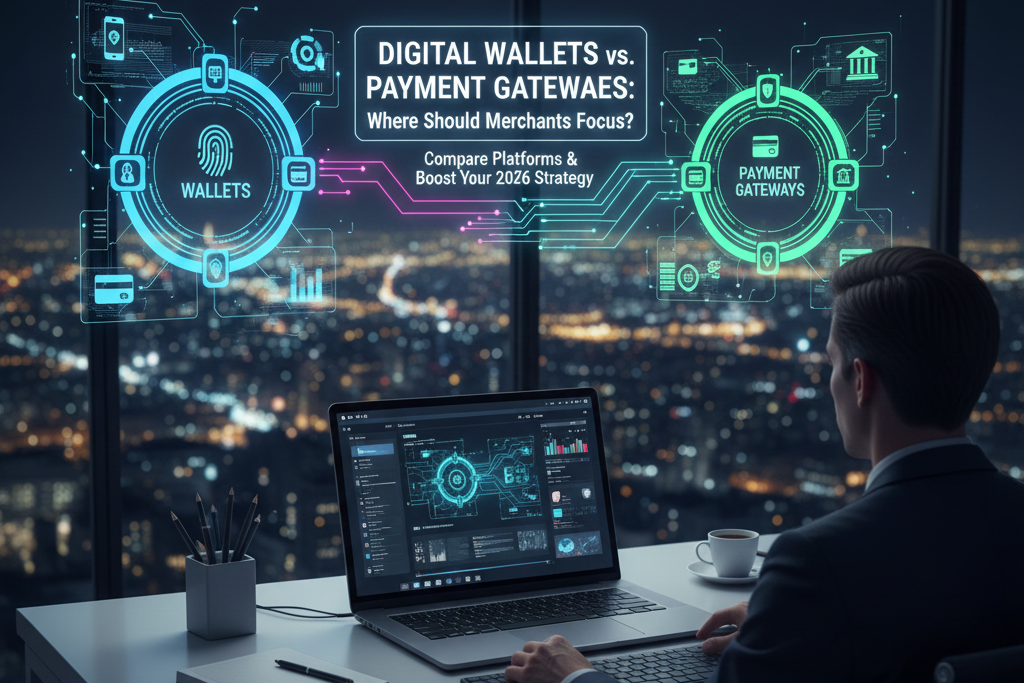
The world of online commerce is moving faster than ever as we look toward 2026. Therefore, choosing the right way to accept money is a critical decision for every business owner. Truly, the debate between digital wallets and payment gateways is becoming a central topic for growth. Consequently, understanding how these two tools work together is the best way to ensure your customers stay happy and loyal.

Some people feel that you only need one or the other to run a successful store. But, the reality is that they serve very different roles in the modern checkout process. Always remember, a smooth payment flow is a top signal for any search engine to trust your website. This ensures that you do not lose customers at the very last second of their journey. This approach requires a clear look at how data and money move through the internet. It helps you build a much more reliable and profitable checkout experience for everyone. It makes your financial strategy feel modern and very secure for the years ahead.

How the digital wallets improves customer security

Phase 1: Understanding the Role of the Payment Gateway

First, let us look at the silent engine that powers every online transaction. Why is the gateway considered the foundation of any digital storefront? Clearly, it acts as the bridge between your website and the complex world of banks. Therefore, you cannot accept a single card payment without a strong gateway in place.

Key Features of a Modern Payment Gateway

Here are several things that a gateway does for your business every day:

  • Data Encryption: It keeps credit card numbers safe as they travel across the web.
  • Fraud Detection: Smart filters check for stolen cards and risky buyer behavior.
  • Bank Communication: It asks the customer bank if there is enough money for the buy.
  • Transaction Routing: It moves the money from the buyer to your merchant account.
  • Receipt Generation: It sends a digital proof of purchase to the buyer instantly.
  • Refund Management: It allows you to send money back to customers with ease.
  • Multi Currency Support: It helps you sell to people in different countries effortlessly.

Truly, a gateway is the invisible guard that keeps your money moving safely. But, it does not hold money itself like a wallet does for a user. This keeps the technical side of the payment separate from the user account. It creates a very stable system for handling thousands of sales every hour.


Phase 2: Why Digital Wallets Are Taking Over the User Experience

So, how do digital wallets change the way people actually buy your products? Truly, the convenience of a wallet like Apple Pay or Google Pay is hard to beat in 2026. Consequently, many shoppers now expect to finish their purchase with just a thumbprint or a face scan. It acts as a digital container for all the payment info a customer needs.

The Benefits of Supporting Digital Wallets

Here is why merchants are focusing more on wallet support this year:

  1. Faster Checkout: Users do not have to type in long card numbers or addresses.
  2. Higher Conversion: Fewer steps at checkout mean more people finish their orders.
  3. Better Security: Wallets use tokens so your store never sees the real card data.
  4. Mobile Optimization: They are built specifically for the billions of phone users.
  5. Biometric Safety: Using a face or finger scan reduces the risk of fake orders.
  6. Local Popularity: Different countries have specific wallets that people trust.
  7. Loyalty Links: Many wallets automatically track rewards and coupons for the user.

Furthermore, supporting these tools can help your search engine visibility among mobile shoppers. It makes your brand look modern and very easy to work with on any device. This ensures that you are meeting your customers exactly where they want to shop. It creates a very friendly and fast environment for every new visitor.


Phase 3: The Synergy Between Wallets and Gateways

The third phase looks at why you actually need both of these tools to succeed. Clearly, it is not a matter of picking one over the other in a modern setup. Therefore, you should look for a gateway that offers deep integration with all major digital wallets.

How These Two Technologies Work Together

Firstly, the wallet provides the payment data to the checkout page. This makes the start of the process very fast for the customer. Secondly, the payment gateway takes that data and sends it to the banking networks for approval.

Furthermore, the gateway provides the security layer that protects the merchant from fraud. Also, the wallet provides the convenience that keeps the customer coming back for more. Lastly, having both ensures that your search engine ranking stays high due to low bounce rates. Truly, they are two sides of the same coin in the world of digital finance. It allows you to offer the best of both worlds: speed and safety. This is why the most successful stores in 2026 are using an all in one approach.


Phase 4: Where Should Your Business Focus for 2026?

The fourth phase is about deciding where to spend your time and budget next. Clearly, your focus should depend on who your customers are and what you sell. Therefore, you must look at your own data to see where the biggest gaps exist today.

Choosing Your Priority Based on Business Type

Firstly, focus on your gateway if you deal with very high transaction volumes. You need the most robust and cheapest processing rates possible to stay profitable. Secondly, focus on digital wallets if you sell mostly to younger people on mobile phones.

Furthermore, invest in a gateway that supports global payments if you want to grow abroad. Also, make sure your wallet options include local favorites like UPI or AliPay. Lastly, monitor your search engine performance to see how checkout speed affects your traffic. Truly, the best focus is a balanced one that prioritizes the user experience above all else. It turns your payment process into a competitive advantage for your brand. This ensures that you stay ahead of other stores that are slower to change.


Best Practices: Optimizing Your Payment Flow

Building a great payment system is a journey that requires constant testing and updates. It needs a focus on making everything as simple as possible for the buyer. Clearly, the fewer clicks a user has to make, the more money you will earn. Therefore, follow these simple habits to keep your store at the top of its game.

Strategies for Long Term Payment Success

Firstly, always offer at least two or three digital wallet options. This gives your users a choice and makes them feel more comfortable. Secondly, choose a gateway with a very high uptime and fast processing speeds.

Furthermore, keep your checkout page clean and free of any distractions. Also, test your payment flow on every possible device to ensure it never breaks. Lastly, track your search engine metrics to see if your site speed is helping your rank. Truly, a great payment setup is the backbone of a healthy digital business. It builds trust with your audience and keeps your cash flow steady. This secures your growth and makes your business much more valuable over time.


Frequently Asked Questions (FAQs)

Q1: Can I use a digital wallet without a payment gateway?

No, a wallet only stores the user data. You still need a gateway to process that data and move the money from the bank to your account.

Q2: Does checkout speed affect my search engine ranking?

Yes, search engines like Google value fast websites. A slow checkout can lead to high bounce rates, which can hurt your overall ranking.

Q3: Which digital wallets are the most popular in 2026?

Apple Pay and Google Pay remain the global leaders, but regional wallets are becoming very important for international sales.

Q4: Are digital wallets safer for merchants than credit cards?

Yes, because they often use tokenization and biometrics, which significantly reduces the risk of chargebacks and fraud.

Q5: How do I know if my gateway is too slow?

You should monitor your cart abandonment rate. If many people leave at the final step, it may be because your gateway is taking too long to load.

Also Read: Why Global CBDC Adoption Requires Better Gateway Security

How a Better Payment Experience Keeps Customers Coming Back

How a Better Payment Experience Keeps Customers Coming Back

Every business wants loyal customers. Therefore, you must look at your checkout process. Often, the payment step is where people leave. But, a smooth experience changes everything. Truly, it makes shoppers feel safe and happy.

Some shops have very slow payment pages. Consequently, they lose money every single day. Always remember, ease of use is a competitive edge. By making payments fast, you show respect for the user. This builds a bond that lasts a long time. It also helps your brand stand out from others. This simple focus leads to much higher sales over time.

How a Better Payment Experience Keeps Customers Coming Back

The Payment Pain Point: Why Checkouts Fail

First, let us talk about why customers quit. A hard checkout creates a lot of stress. Clearly, users want things to be simple and quick. Therefore, you must remove any barriers that slow them down.

Common Reasons for Abandoned Carts

Here are several things that push customers away from your shop:

  • Hidden fees that show up only at the very end.
  • Too many forms that ask for useless data.
  • A lack of local or modern payment methods.
  • Security pages that look old or broken.
  • Slow loading times on mobile phone screens.

Truly, each of these issues kills the mood to buy. But, you can fix them with a few smart changes.


What is a Seamless Payment Experience? Your Guide

So, what does a perfect payment look like? It is a process that feels invisible. Truly, it flows without any stop or hesitation. It gives the user total peace of mind. It acts as a bridge to a long-term relationship.

Key Elements of a Great Checkout Flow

Here is what makes a checkout feel effortless for everyone:

  1. Speed. The page must load in a blink.
  2. Clarity. All costs are shown right at the start.
  3. Choice. People can pay with cards or digital wallets.
  4. Safety. High trust marks are visible on every page.
  5. Simple forms. Only ask for what is truly needed.

Consequently, when these parts work, the customer feels great. They trust your shop more than others. This trust turns into loyalty very quickly.


Pillar 1: Speed and Simplicity for Instant Trust

The first pillar is all about moving fast. A slow page makes people doubt your tech. Clearly, speed equals professional quality in the modern world. Therefore, you should optimize every single script on your site.

Making the Checkout Fast and Easy

Firstly, cut down the number of clicks. If you can use one page, do it. Secondly, use tools that save card info safely. This helps returning fans buy in one click.

Furthermore, check your mobile speed every week. Most people shop on their phones now. Also, use large buttons that are easy to tap. Lastly, avoid pop-ups during the payment step. These distract the user and cause errors. Truly, a lean and fast checkout is the best gift for a buyer. It makes the whole trip feel like a breeze.


Pillar 2: Security and Transparency for Confidence

The second pillar is about being open and safe. People fear for their data today. Clearly, you must prove that your site is a fortress. Therefore, show your security tools with clear icons and text.

Building Peace of Mind with Honest Pricing

Firstly, tell people about shipping costs early. Do not wait for the final screen. Secondly, use a well-known payment provider. This gives the user instant comfort.

Furthermore, explain how you protect their private data. A short note can make a big difference. Also, provide a clear link to your refund policy. This lowers the risk for the buyer. Lastly, send a clear email receipt right away. This confirms the deal is done safely. Truly, when people feel safe, they spend more money. They also feel good about coming back to your store.


Pillar 3: Choice and Personalization for the User

The third pillar is all about meeting specific needs. Every shopper is a bit different. Clearly, one size does not fit all in payments. Therefore, offer a mix of ways to finish the sale.

Adapting to What Your Customers Love

Firstly, offer digital wallets like Apple Pay. These are very popular and very fast. Secondly, let people buy without making an account. This is called guest checkout and it works wonders.

Furthermore, show prices in the local currency of the user. This removes the need for mental math. Also, suggest the best payment method based on their device. Lastly, offer a “buy now, pay later” option for big items. This makes your products more reachable for many people. Truly, giving choices makes the customer feel in control. It shows that you value their specific habits. This care creates a very strong sense of loyalty.


Best Practices: How to Keep Improving Every Day

Setting up a gateway is just the start. You must keep testing your checkout often. Clearly, small tweaks can lead to big wins. Therefore, make a habit of checking your data for any new friction.

Tips for Growing Your Loyalty Through Payments

Firstly, watch where people drop off in the funnel. Fix those specific pages first. Secondly, ask your best customers for feedback on the checkout. They will tell you the truth.

Furthermore, stay on top of new payment trends. If a new wallet becomes popular, add it fast. Also, run A/B tests on your button colors and text. Sometimes a green button beats a blue one. Lastly, make sure your support team can help with payment errors. A quick fix can save a sale and a friend. Truly, staying focused on the user leads to the best results. It keeps your business healthy and your fans happy.


Frequently Asked Questions (FAQs)

Q1: Why is guest checkout so important for loyalty?

It removes the biggest wall for new shoppers. Once they see how easy it is to buy from you, they will likely make an account later on.

Q2: Do security icons really help with sales?

Yes, they do. Visual marks give a sense of safety. Even if users do not click them, seeing them lowers their guard and builds instant trust.

Q3: How many payment methods should I offer?

You should offer at least three or four. Include credit cards, a major digital wallet, and perhaps a local option. This covers the needs of most shoppers.

Q4: Does page speed affect my search engine rank?

Yes, it does. Google likes fast sites. A fast checkout keeps users on your site longer. This tells search engines that your site is high quality.

Q5: Can I offer “buy now pay later” for small items?

Yes, you can. It helps people manage their cash flow. Even for smaller sales, it can make the choice to buy much easier for the user.

Also Read: The Key to Payment Gateways: Perfect Landing Pages