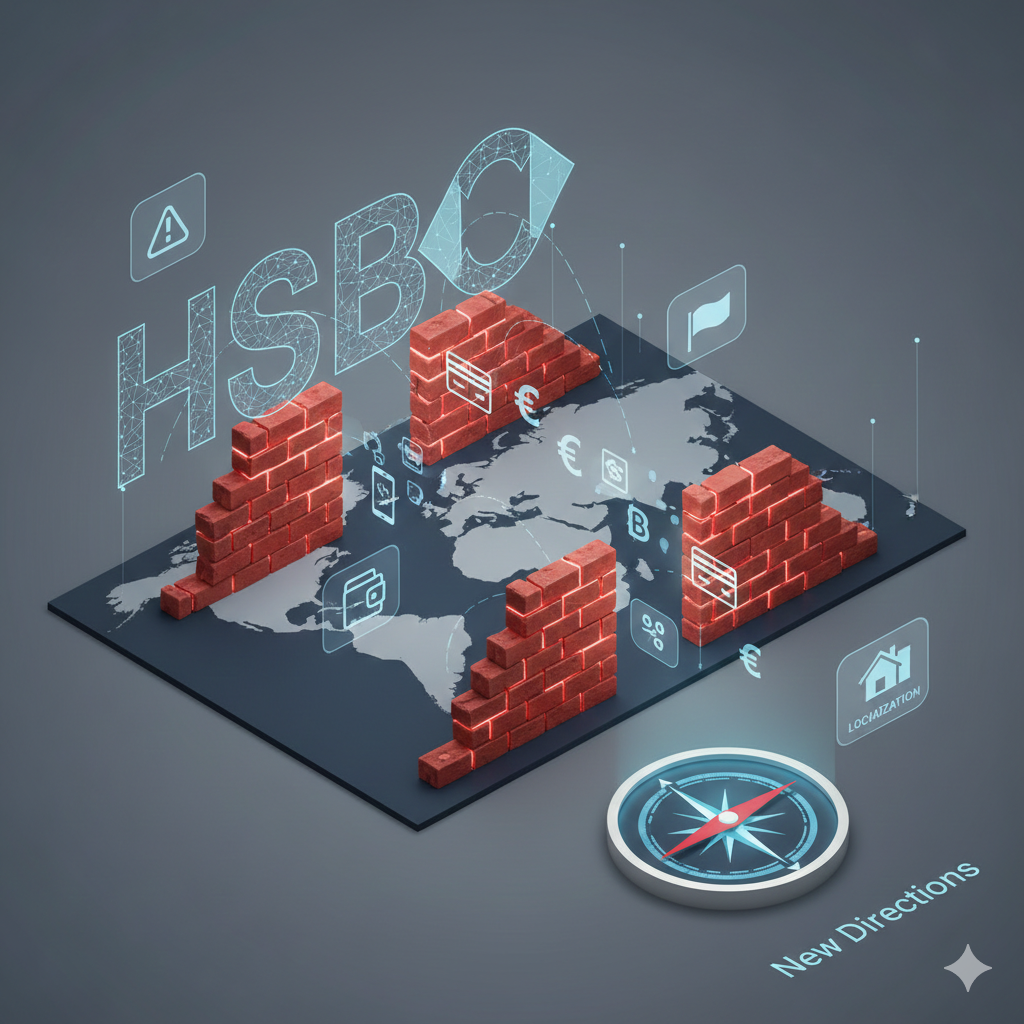
Payment Infrastructure as a Tool of Soft Power in Trade Wars

How A Strong Payment Infrastructure Builds Global Soft Power

In the high stakes world of global trade, money is now a silent weapon. Specifically, many nations now realize that controlling how funds move is a vital edge. Therefore, building a solid payment infrastructure has become a key tool of soft power. This shift changes how countries talk and trade with each other. It is not just about digital coins or bank apps. In fact, it is a smart way for a country to lead on the global stage. Consequently, a strong and stable payment infrastructure helps a nation project its true strength. You will see a clear shift in power by following this deep and strategic trend.

Payment Infrastructure as a Tool of Soft Power in Trade Wars

Winning the Trade War Without a Single Shot

Many people think trade wars are only about high taxes and ships. However, the real fight often happens in the wires and code of a bank. First, a local payment infrastructure can bypass old global rules that slow down growth. Specifically, it lets a country keep its trade moving even when others try to block it. Furthermore, having a top tool that others want to use creates a new kind of bond. You also gain a lead when your neighbors rely on your tech to buy bread. Similarly, a unified payment infrastructure ensures your trade stays safe during a crisis. This puts your growth on a steady path for a very long time.

Why Every Nation Wants Their Own Money Rules

The journey to the top begins when a nation builds its own money path. At this stage, relying on a foreign payment infrastructure is a very big risk. These new tools act as a top guide for a country’s financial future. Specifically, a custom payment infrastructure ensures that a nation and its true worth stay safe. It is built to spark fast progress in every single trade deal. You should also know that a smart system offers more than just a way to pay. While a simple app just sends cash, a whole payment infrastructure guides the whole economy. Furthermore, it moves firms past the fear of being cut off from the world.

The True Influence of Digital Dollar and Yuan

As a nation’s tech grows, its influence spreads to other places. At this stage, the focus on a payment infrastructure builds a very strong bond with allies. This plan is specific to what a partner country likes and needs. For example, some might get a faster way to sell their goods abroad. The timing of these moves is very key for global success. Furthermore, a top leader handles all the tech and rules with ease. This ensures your trade plan is solid from the very first step. Such smart timing helps a country move toward a big global win. Indeed, a modern payment infrastructure reveals who is truly in charge today.

Protecting the Flow of Goods and Services

Data is the backbone of all smart trade and money success today. The way a country handles its payment infrastructure tracks how every dollar moves. This includes how users buy and sell items in a safe way. These facts help refine the path for every brand and firm in the land. Therefore, the system learns and grows over time to serve the people better. This data driven path ensures the best results for a whole nation. It also prevents any bad risks from hurting the economy. A smart payment infrastructure relies on real facts to win every single time. Your plan and focus are too important to risk at any step.

Conclusion and the New Map of World Trade

The future of global trade is too important to leave in the hands of others. Today, we see how a modern payment infrastructure changes who wins and who loses. This smart move helps a nation scale faster and stay much safer too. It turns simple tech into a real win for a whole region. You will see more growth and less stress for firms everywhere. Therefore, nations act now to secure their spot in the global market. Knowing the truth of quality tech lead leads to true success. It is the best way to ensure a bright future for many years. You will find that the right payment infrastructure makes all the difference in a trade war.


FAQs

1 How is a payment system a tool of power?

It lets a country control how money flows, which can help or hurt other nations.

2 Does this affect small businesses?

Yes, it makes it easier or harder for them to sell items to other countries.

3 Why is it called soft power?

Because it uses tech and money to lead rather than using a real army.

4 Is it safe for a country to use its own system?

Specifically, it is much safer because it stops other nations from blocking their trade.

5 Will this trend grow in the future?

Indeed, more nations are building their own tools to stay independent and strong.


Read More:

How a Trade Agreement Protects Your Brand in New Markets
Data Sovereignty for Payment Providers: A Complete Guide

Why scaling like BRICS nations is the new global goal?

How a Trade Agreement Protects Your Brand in New Markets
How a Trade Agreement Protects Your Brand in New Markets

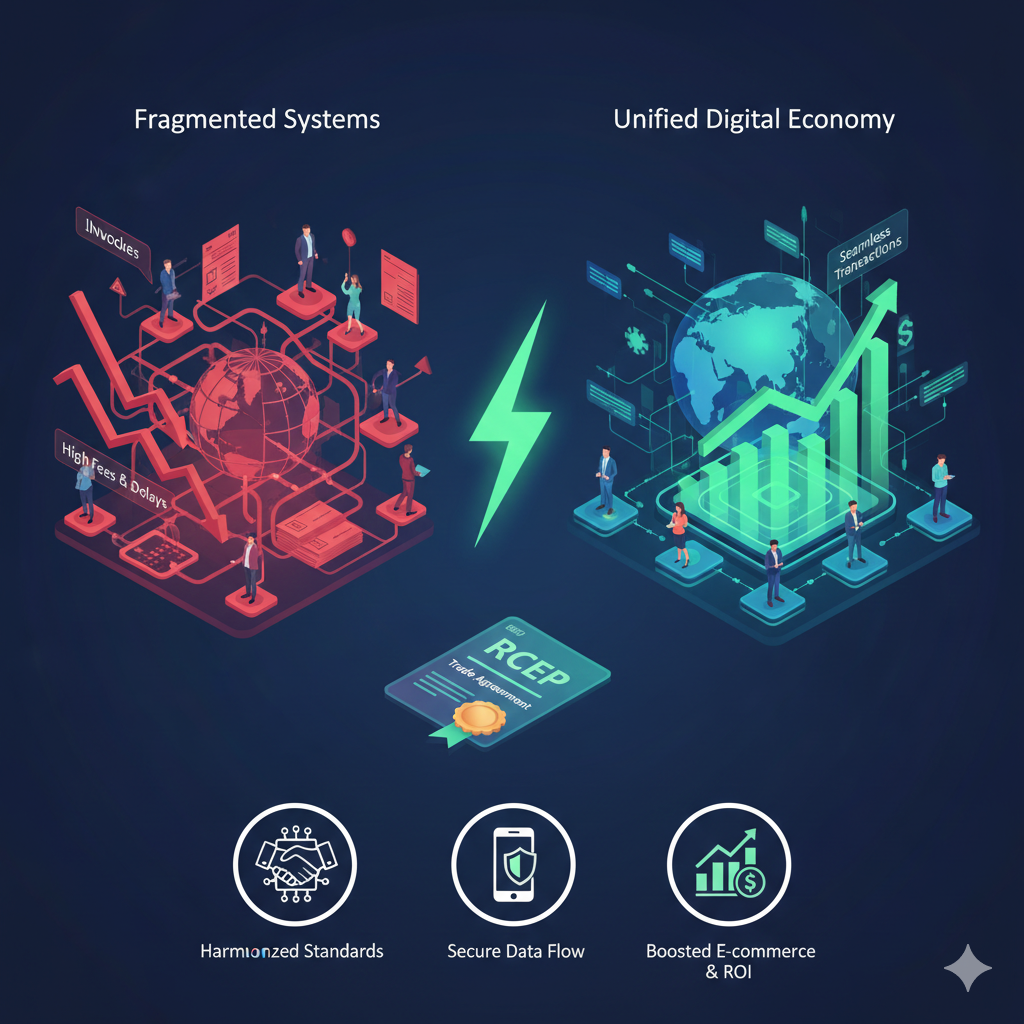
The world of global commerce is moving at a very fast pace today. Modern firms must look toward a smart and flexible leader to stay ahead. Specifically, a trade agreement like RCEP now changes how money moves across borders. This shift offers a clear map for success and a very professional way to work. Therefore, knowing how a trade agreement affects your digital growth is a vital step for your firm. This move is not just a trend for small teams. In fact, it is a very smart investment for any brand today. Consequently, a smart choice helps you build a future proof brand name. You will see a clear gain by following this powerful and strategic lead.

How a Trade Agreement Protects Your Brand in New Markets
Breaking Down Barriers with a Regional Trade Agreement

Many firms find that turning a big plan into real work is very hard. However, a major trade agreement helps to bridge this gap between strategy and action. Traditional ways are often too expensive and slow for most small firms. Specifically, poor digital flow can hide many deep and dark costs of old manual habits. By following a solid trade agreement, countries agree to lower these hurdles. Furthermore, finding a top tool that works across many borders is rare. You also miss out on fast moves while your output stays low. Similarly, a unified trade agreement ensures your payment tech stays for the long term. This helps your growth move forward at a steady pace.

Setting a Gold Standard for Digital Payments

The journey to the top begins when you pick a dedicated tech partner. At this stage, you might wonder why a local pick often fails you globally. These new tools must act as your top guide on a steady basis. A trade agreement ensures your tech and its true worth match your global goals. They are built to spark fast progress in every single project. You should also know that an executive trade agreement offers more than a simple tax cut. While a solo human just finishes a task, these rules guide your whole path. Furthermore, they move firms past the fear of bad tech choices early. This approach starts very strong by setting a gold standard for all.

Scaling Fast with Unified Payment Rules

After you join the model, the goal shifts to gaining big wins. One of the top wins of expert help is getting dedicated guidance. The reality of a modern trade agreement then delivers a very custom plan for your firm. This path matches what you need and how you act every day. Therefore, if a project starts, you get fast and clear focus. You also gain access to a very diverse and deep skillset. This includes design, dev, and very deep digital security through smart systems. Access to these skills keeps all your users very happy and safe. It also shows you know your specific needs in a tough market.

How a Trade Agreement Drives Real Business Value

As a firm’s tech grows, a strategic lead helps you find new ways. At this stage, the focus on a trade agreement builds a very strong architecture. This plan is specific to what the modern user likes and wants. For example, some might get a faster way to find new items. The timing of these moves is very key for your success. Furthermore, the leader handles all your vendors and developers with ease. This ensures your project plan is solid from the very first step. Such smart timing helps firms move toward a big global win. Smart leaders push for more scale every single year for you. Indeed, the right trade agreement reveals who is truly ready.

Turning Insights into a Sustainable Content Edge

Data is the backbone of all smart marketing and content success today. The way you handle a trade agreement constantly tracks how every user acts with your tech. This includes how they read and share your posts or apps. These facts help refine the paths for every brand you lead. Therefore, the system learns and grows over time to serve you better. This data driven path ensures the best results for your firm. It also prevents any bad risks from hurting your brand name. Smart leadership relies on real facts to win every single time. Your plan and focus are too important to risk at any step. The core of your strategy is about long term brand health.

Joining Human Talent with Efficient Tech Systems

For the best results, smart tech joins your team in a seamless way. This link ensures all facts stay in one place for your team. Managers and teams share the same live info to move faster. This stops double work and missed ideas for new products or sales. The system provides a full view of every piece you need. Consequently, it supports personal touches at every single step of the way. Your strategy works best when you see a trade agreement joined with intelligent tools. It sets a strong base for your future success in any market. Thus, picking the right tech head is about building a real team.

Conclusion and the Path Forward for Your Firm

The future of your tech is too important to leave to chance. Today, you can gain a top expert view of how a trade agreement helps you without the huge cost. This smart move helps you scale faster and much smarter too. It turns your tech into a real win for your brand name. You will see more growth and less stress every single day. Therefore, you should act now to secure your spot in the market. Knowing the truth of quality leadership leads to true success. It is the best way to ensure your success for many years. You will find that the right leader makes all the difference.


FAQs

1 What is the main goal of a trade agreement?

It helps countries trade more easily by cutting taxes and making rules the same.

2 How does it help digital payments?

It creates a set of rules that lets apps and cards work in many countries at once.

3 Are these rules hard to follow?

No, they often make the work easier by giving you one clear path to follow.

4 Does it help small firms?

Specifically, it helps small firms reach global buyers without high costs.

5 Why is this a smart move for my brand?

It builds a strong base for your future growth and keeps your brand safe.

Read More:

Data Sovereignty for Payment Providers: A Complete Guide

Why scaling like BRICS nations is the new global goal?

AI in Payments: A New Geopolitical Battleground

Why scaling like BRICS nations is the new global goal?

Why scaling like BRICS nations is the new global goal?

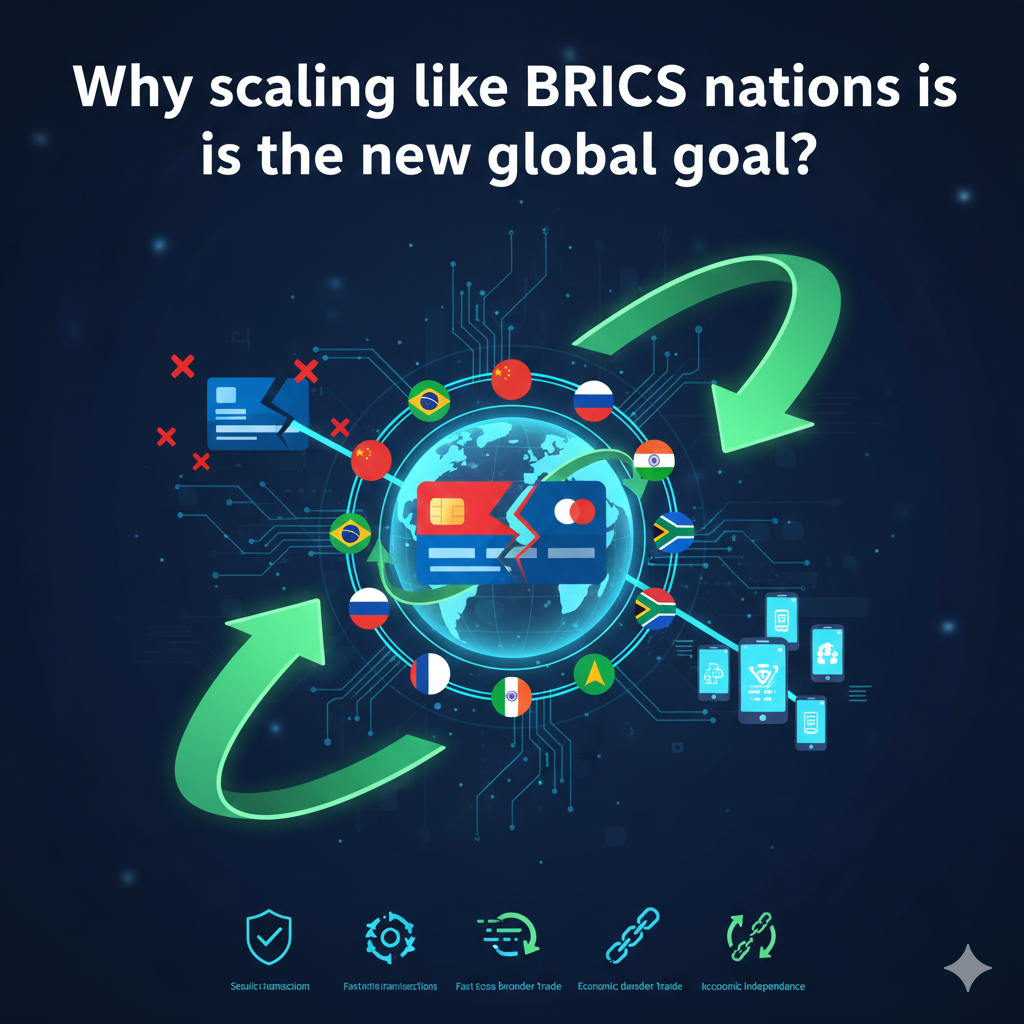
The world of money is changing very fast. Many nations want to build their own systems, free from old ways. However, the path to a new global order is complex and full of big choices. Because of this, staying ahead means looking toward fresh tech and strong partnerships. Specifically, BRICS and digital payments are now a key topic for leaders worldwide. This offers a clear map for new trade, faster work, and a very modern way to pay. This move is not just about tools for a few banks. In fact, it is a smart strategy for many lands to gain more power. Consequently, understanding this impact helps you see why it matters.

Why scaling like BRICS nations is the new global goal?

The Current Landscape: Visa and Mastercard’s Dominance

For a long time, two names have ruled how the world pays. Visa and Mastercard have built vast networks across the globe. They process billions of deals every single day with ease. These systems are reliable and trusted by many people everywhere. However, this power also means control rests in just a few hands. Some nations worry about this strong hold on their money flows. They feel that vital services should not be tied to just one or two firms. Furthermore, geopolitical events can sometimes affect these global payment channels. This makes some countries very eager to find new ways to pay. Therefore, the search for an independent path grows stronger.

The BRICS Alliance: A Push for Economic Independence

BRICS is a group of five big nations: Brazil, Russia, India, China, and South Africa. These countries represent a huge part of the world’s people and wealth. They often work together to boost their trade and influence. A key goal for BRICS is to create more economic freedom for its members. They want to reduce their reliance on systems built and run by other blocs. This desire extends to how money moves between them. The idea of a shared payment system is very appealing. It would help them trade more easily without outside interference. Consequently, BRICS and digital payments are a natural fit for their goals. This alliance seeks to build a new financial backbone.

The Rise of Digital Payments and Central Bank Digital Currencies (CBDCs)

Digital payments are quickly changing how we use money. Apps on phones, online wallets, and instant transfers are common now. This shift makes it easier to imagine new global systems. A big part of this trend is the rise of Central Bank Digital Currencies (CBDCs). Many BRICS nations, like China and India, are actively working on their own CBDCs. These are digital forms of a country’s money, issued by its central bank. If BRICS countries can link their CBDCs, it would create a powerful new network. This would allow fast, cheap, and direct payments between their economies. Such a system could bypass older networks entirely. Thus, BRICS and digital payments could form a new standard.

Challenges to Building a Unified BRICS Payment System

Creating a brand new global payment system is not easy. First, there are many technical hurdles to overcome. Each country has its own rules, tech, and banking laws. Making these all work together perfectly takes huge effort. Furthermore, building trust among member states is vital. They must agree on how data is shared and how disputes are handled. There are also security concerns; any new system must be very safe from cyber-attacks. Finally, getting people and businesses to adopt a new method takes time. They are used to the ease of Visa and Mastercard. Despite these challenges, the motivation for a BRICS digital payment alternative is very high.

Potential Impact: A New Global Financial Order?

If BRICS succeeds in creating its own payment system, the impact could be huge. It would give these nations more control over their own money flows. They could reduce fees and speed up cross-border trade. It might also encourage other developing countries to join or adopt the system. This could lead to a more diverse and multi-polar global financial world. Visa and Mastercard would still be very important. However, they would face a serious new competitor. This competition could even push existing systems to innovate more. Consequently, BRICS and digital payments could reshape how we think about international finance. The shift could truly impact global power dynamics.

Conclusion: The Road Ahead

The idea of an alternative to Visa and Mastercard from the BRICS bloc is gaining traction. The rise of digital payments and CBDCs makes this vision more possible than ever. While big challenges remain, the desire for economic independence is a strong driving force. This development is worth watching closely. It could signal a major shift in how global money moves and who controls it. The future of international payments might be far more diverse than it is today.


FAQs

1 What is BRICS?

It’s a group of major emerging economies: Brazil, Russia, India, China, South Africa.

2 Why do BRICS nations want a new payment system?

They want more economic independence and less reliance on existing global payment networks.

3 What are CBDCs?

Central Bank Digital Currencies are digital forms of a country’s national money, issued by its central bank.

4 Could a BRICS system replace Visa/Mastercard?

It might not replace them entirely but could emerge as a significant alternative, especially for cross-border transactions among BRICS and allied nations.

5 What are the biggest challenges?

Technical integration, regulatory harmonization, security, and user adoption across diverse nations.


Read More:

AI in Payments: A New Geopolitical Battleground

Will scaling past EU bars unlock your total ROI?

Why stablecoins for scaling trade are the future now?

AI in Payments: A New Geopolitical Battleground

AI in Payments: A New Geopolitical Battleground

Have you ever thought your wallet could be a secret tool for world power? Today, a silent war is growing right inside your phone. Every time you tap to pay, you join a massive global game. AI in payments is not just a way to buy coffee anymore. In fact, it is now a top weapon for the world’s most powerful lands. This shift is fast and it is changing the maps we know.

Specifically, smart tech is redrawing the lines of who leads and who follows. This new era brings huge prizes but also very deep risks. Consequently, seeing the truth behind your screen is vital for your future. This is more than a simple trade. It is a race for total global control.

The Rise of Digital Dominance

The fast growth of AI has changed how we pay for goods. Once, paper cash ruled the world. Then, plastic cards took over the lead. Now, smart programs predict how you spend. They secure your funds and create new ways to trade. Consider the vast digital webs in the East. Or, look at the push for fast pay in the West. Each system uses deep AI to gain an edge. This power reaches far past simple finance. It touches your data and your safety. Indeed, this deep link makes smart tech a key spot for global lead. It shapes who controls the flow of wealth and facts.

AI in Payments: A New Geopolitical Battleground

Data: The New Gold Rush

Every tap or swipe on a phone creates new data. AI thrives on this data to learn fast. It spots fraud and makes your life easier. However, this wealth of facts also creates a huge weak spot. Who owns all this data? Where do firms store it? How do they use it for gain? These questions spark big fights between nations today. For example, some lands want data kept inside their borders. Others want to see it for safety reasons. Therefore, control over pay data means control over the economy. This makes the facts found by AI a top target for rivals.

Cybersecurity: The Invisible Front Line

As tech grows, so do the big risks. Strong AI systems are built to stop theft. Yet, bad actors use the same tech to break in. This leads to a fast race in the digital world. A major hit on a pay system could break a whole nation. Therefore, lands invest a lot in AI to guard their funds. This is not just about saving coins. Furthermore, it is about keeping trust in the whole web. The power to guard or stop pay flows is a big lever. It changes how lands talk to each other.

Digital Currencies: A Quest for Power

The rise of new digital coins makes the scene more complex. Nations like China work fast on their own digital yuan. They want to challenge the old rule of the dollar. These new coins use AI to move fast and cost less. However, they also raise fears about your privacy. If a land controls a popular coin, they gain a big lead. Consequently, the race to build these coins is a direct play for power. It changes the very shape of global wealth.

Standard-Setting: Who Writes the Rules?

Some rules act as a form of soft power. In the world of smart pay, the fight to set rules is very fierce. Nations and blocs race to set the norms for safety. If one land’s rules become the global bar, they win big. It makes trade easy for them and boosts their firms. Therefore, pushing for specific tech rules is a quiet type of war. It is a key part of modern world politics.

The Future: Working Together or Apart?

The path ahead for smart pay is not yet clear. Will lands work together to build a safe web? Or will rivals build their own split networks? Some ask for open rules to help everyone win. Others care more about their own safety and lead. This leads to split systems that do not talk to each other. Ultimately, the choices made today will shape our future world. This field is not just about tech. It is about the very heart of our shared world.


FAQs

1 What is the main idea of this battle?

It means that how AI moves money now affects who leads the world. Nations fight for the best tech.

2 How does data change things?

Every buy creates facts. Who holds these facts knows more about the world than anyone else.

3 Why is safety such a big deal?

If a pay web breaks, a whole land can fail. AI helps guard the web from bad hits.

4 What are CBDCs?

They are digital forms of a land’s money. They use AI to change how we trade with each other.

5 Who makes the global rules?

Big blocs and nations race to set the bars. The winner gets a huge edge in global trade.

Read More:

Will scaling past EU bars unlock your total ROI?

Why stablecoins for scaling trade are the future now?

Will scaling past EU bars unlock your total ROI?

Will scaling past EU bars unlock your total ROI?

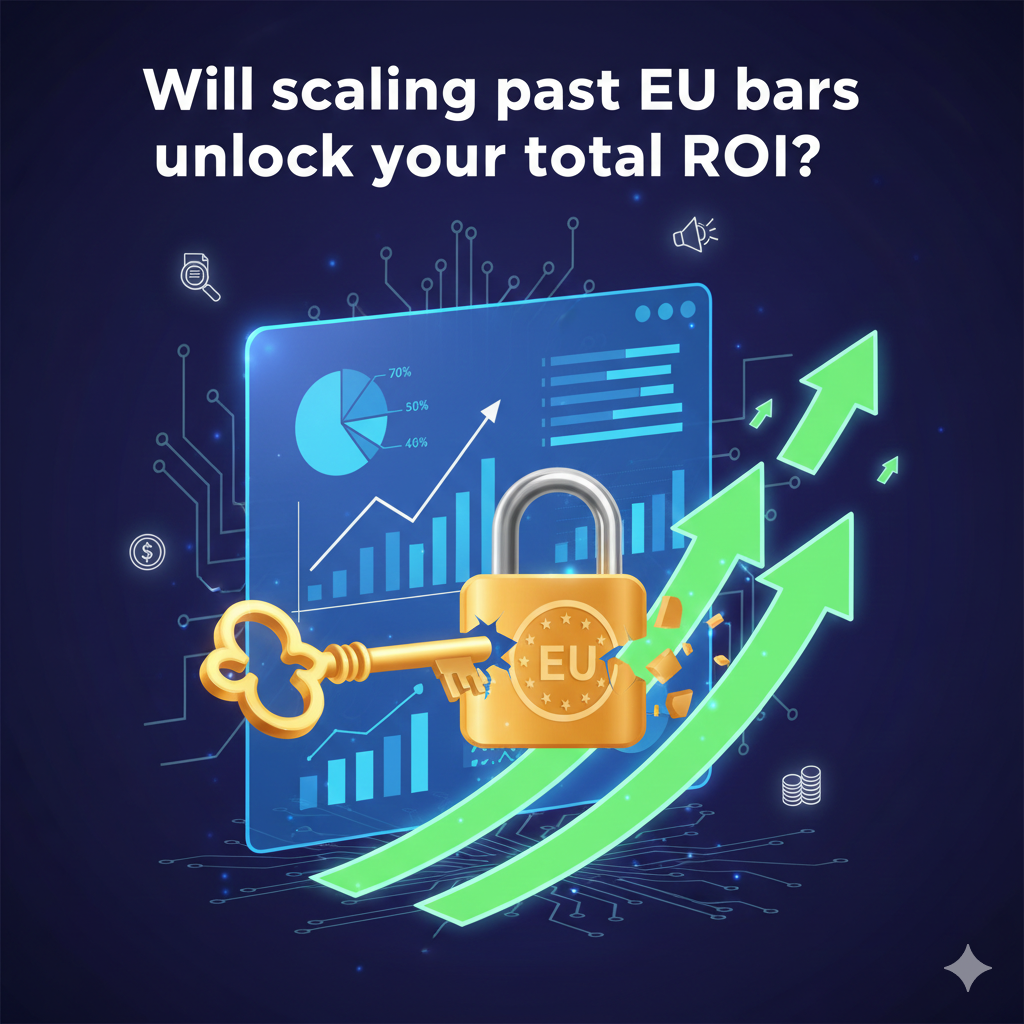
The world of digital finance is shifting fast under the weight of European mandates (EU Rules). Many firms wonder why one region has such a massive impact on their tech. However, the answer lies in a powerful force known as the global reach of continental standards. Because of this, staying ahead means looking toward Europe for the next big shift.

Specifically, these rules are now the primary driver of international fintech trends. This shift offers a clear map for growth, better safety, and a very professional way to lead. This move is not just about laws. In fact, it is a smart strategy for any brand. Consequently, understanding this impact helps you build a future-proof brand. You will see a clear gain by following this powerful lead.

Will scaling past EU bars unlock your total ROI?

Why Old Methods Fail in a Modern Market

Sticking to local rules alone is a major risk for any global firm. However, many teams still try to juggle different laws in every single land. First, this fragmented path leads to many missed deals. Specifically, a simple error in compliance can stall your whole engine. Furthermore, fixing these gaps takes up too much of your vital time. You also miss out on a unified plan for your brand. Similarly, building new tech for every nation is far too slow and costly. This puts your business growth at a total halt. In contrast, following the lead of the Brussels Effect solves these issues. Indeed, it is the best step for serious global growth.

Setting the Bar for Global Digital Trust

The journey to the top begins when a firm adopts these high European mandates. At this stage, the system ensures the best safety for every single user. These continental standards protect data and its true worth. They are built to spark fast trust in every transaction. The automation of these rules ensures every user gets this key protection. This steady focus helps build a very strong base for your brand. Furthermore, it moves firms past the fear of bad data leaks. This approach starts very strong by setting a gold standard. It truly boosts initial trust for you every day.

Scaling Fast with Modern Privacy Tools

After safety, the goal shifts to building deep user bonds through privacy. The smart system then delivers very custom data paths for every lead. This path matches what the user needs and how they act. Therefore, if a user joins, they get fast and clear protection. If they pay, they receive more peace of mind. This personal path keeps all your users very happy. It also shows you know their specific rights under global payment rules. Your brand and its trust are too vital to risk in the modern market.

How Open Banking Drives New Revenue

As a firm’s tech grows, the EU system helps them find new ways to scale. At this stage, open banking tools are sent out to every market. These tools are specific to what the modern user likes and wants. For example, some might get a faster way to pay with a single click. The timing of these tools is very key for your success. The automation ensures these tools arrive at the best time for your growth. This smart timing helps firms move toward a big global win. Modern mandates push for more scale every single year. Indeed, well-timed tech truly matters in the business world.

Turning Data Laws into a Competitive Edge

Data is the backbone of all smart global trade and fintech success. The system constantly tracks how every firm acts with its users. This includes how they save and use data for their plans. These facts help refine the global paths for every brand. Therefore, the system learns and grows over time to serve you better. This data-driven path ensures the best results for your firm. It also prevents any bad risks from hurting your brand name. Smart policy relies on real facts to win. Your plan and focus are too important to risk.

Joining Local Tech with Global Standards

For the best results, the EU rules join your tech in a seamless way. This link ensures all firm facts stay in one place for your team. Tech and legal teams share the same live info to move faster. This stops double work and missed deals in new lands. The system provides a full view of every rule you need to follow. Consequently, it supports personal talks at every single step of the way. Your strategy works best when it is joined with your core tech. It sets a strong base for your future success.

The Future of Global Fintech Leadership

Picking the European path for scaling is a very big choice for your brand. It is about more than just fast laws or paperwork. It is about steady talk and building brand fans across the world. The process makes your work much easier and more clear. It also leads to more sales in the long run. Businesses that use this path gain a big edge over every rival. Therefore, they work much smarter and not harder to win. They turn new users into loyal fans of their brand. This standard is the path to your best results. Use this system today and watch your firm grow fast.


FAQs

1 What is the main goal of the Brussels Effect?

It is a smart system where EU rules set the bar for the entire world.

2 How does it help with scaling my brand?

It uses more live data and high standards. Therefore, it makes a single path for every firm.

3 Is it easy for a small firm to follow?

Yes, it is very easy to scale and adapt. It fits firms of any size or type.

4 Does it improve the user experience?

Yes, it makes the human touch better and safer. It handles the boring tasks for your team.

5 Why is it vital for payment gateways?

It uses secure links and open banking. Consequently, each tool is based on what the user does.

READ MORE:

Why stablecoins for scaling trade are the future now?

How Does National Payment Sovereignty Protect Your Money: Full Guide

How Does UPI vs QRIS Double Your Local Sales Today?

Why stablecoins for scaling trade are the future now?

Why stablecoins for scaling trade are the future now?

In the rapidly evolving world of global finance, traditional banking routes are facing significant challenges. For instance, the trade relationship between Russia and China has undergone a massive transformation recently. As a result, both nations are exploring digital assets to maintain their economic ties today. Specifically, stablecoins have emerged as a powerful tool for a sanctions workaround. This shift is not just a trend but a strategic move to ensure trade continuity. Understanding how this system works is essential for anyone following global economic shifts. Russia–China trade in digital assets: stablecoins as a sanctions workaround is a vital topic now.

Why stablecoins for scaling trade are the future now?

The Rise of Digital Assets in Cross-Border Trade

Sanctions have largely cut off traditional financial channels between these two major economies lately. Consequently, businesses have turned to alternative methods to settle payments quickly. Digital assets, particularly stablecoins, provide a seamless way to move value across borders. Because these assets are not tied to the Western banking system, they offer independence. Furthermore, the speed of transactions is much faster than conventional wire transfers. This efficiency is vital for maintaining the flow of goods and services. As a result, digital assets are now a cornerstone of modern trade. Russia–China trade in digital assets: stablecoins as a sanctions workaround keeps the economy moving.

Why Stablecoins Are the Preferred Workaround

Stablecoins are unique because they are pegged to a stable asset like gold. Therefore, they do not suffer from the extreme volatility of other coins. This stability makes them ideal for large commercial transactions. For example, a Russian exporter can receive payment in a dollar-pegged stablecoin. Similarly, Chinese importers can settle debts quickly using these digital tokens. In fact, stablecoins act as a bridge that bypasses the SWIFT system. This allows trade to continue even under the strictest financial restrictions. Russia–China trade in digital assets: stablecoins as a sanctions workaround provides needed financial safety.

The Role of Central Bank Digital Currencies (CBDCs)

In addition to private stablecoins, both nations are developing their own digital currencies. Russia is testing the digital ruble while China is expanding the digital yuan. These state-controlled assets aim to provide a regulated alternative for settlements. By using CBDCs, both countries can ensure that their financial data remains private. Moreover, these digital currencies can be directly exchanged between central banks. This eliminates the need for intermediary banks located in third countries. Consequently, the reliance on the US dollar is further reduced. Russia–China trade in digital assets: stablecoins as a sanctions workaround is a long-term goal.

Navigating the Legal and Regulatory Landscape

The use of digital assets for trade is still a relatively new frontier. Thus, both countries are working to create clear legal frameworks for these activities. Russia has recently passed laws to allow the use of crypto for payments. In contrast, China maintains strict domestic bans but shows pragmatism in international trade. Therefore, businesses must navigate a complex web of regulations to stay compliant. However, the drive to maintain trade volume often outweighs the regulatory hurdles. As these laws mature, we can expect more structured trade corridors. Russia–China trade in digital assets: stablecoins as a sanctions workaround requires careful legal study.

Future Implications for Global Finance

The shift toward digital assets marks a significant turning point in global finance. Specifically, it demonstrates that nations can build parallel financial systems when needed. This decentralization reduces the power of traditional financial hubs. Consequently, other countries facing similar pressures may look to this model as a blueprint. The success of stablecoins as a sanctions workaround proves the resilience of blockchain. Furthermore, it highlights the growing importance of digital sovereignty. As more trade moves on-chain, the global landscape will become increasingly fragmented. Russia–China trade in digital assets: stablecoins as a sanctions workaround is just the beginning.

Economic Resilience Through Digital Innovation

Nations must adapt when they face exclusion from the global banking grid. For instance, Russia and China are proving that technology can bridge the gap. Digital assets offer a way to keep supply chains active and stable. Moreover, this innovation helps small businesses engage in international trade without fear. Because the blockchain is transparent, it also helps in tracking large shipments. Therefore, the adoption of these tools is a sign of economic resilience. It is a bold move toward a multipolar financial world. Russia–China trade in digital assets: stablecoins as a sanctions workaround shows how tech solves problems.

Reducing Dependency on Western Financial Tools

For a long time, the global economy relied heavily on Western systems. However, this dependency is now viewed as a risk by some nations. Using stablecoins allows for a shift away from traditional currency traps. This means that trade can occur without the need for dollar conversion. Similarly, it protects local currencies from external shocks and sudden policy changes. This movement is gaining momentum across the Asian continent. Therefore, we may see more countries joining this digital trade alliance. Russia–China trade in digital assets: stablecoins as a sanctions workaround is a major part of this shift.

Security and Privacy in Digital Trade

Security is a top priority for any business conducting cross-border deals. Fortunately, blockchain technology provides a high level of encryption for every transaction. This ensures that the payment data is safe from hackers and prying eyes. Furthermore, the decentralized nature of these assets means there is no single point of failure. This makes the entire trade network more robust and reliable. Consequently, more companies are feeling confident about using digital tokens. It is a safer way to conduct business in a volatile world. Russia–China trade in digital assets: stablecoins as a sanctions workaround ensures secure transfers.

The Strategic Importance of Stablecoin Liquidity

Liquidity is essential for any currency used in international trade today. Because stablecoins are widely available, they provide the necessary liquidity for big deals. This means that businesses can convert their tokens back into local cash easily. Moreover, the presence of various stablecoins gives traders more choices and flexibility. This competition keeps transaction costs low for everyone involved. Therefore, the growth of the stablecoin market is a win for global trade. It provides the fuel needed for the digital economy to run. Russia–China trade in digital assets: stablecoins as a sanctions workaround relies on this liquidity.


FAQs

1 Why are stablecoins used for trade instead of Bitcoin?

Stablecoins offer price stability which is essential for business contracts. Consequently, they do not have the high risk of price changes.

2 Are these digital transactions legal in both countries?

Russia has legalized digital assets for international trade specifically to bypass sanctions. Similarly, China allows their use for cross-border settlements despite domestic bans.

3 How do stablecoins bypass traditional sanctions?

They operate on independent blockchain networks rather than the SWIFT system. Therefore, they do not need approval from Western banks to function.

4 What is the role of the digital yuan in this trade?

The digital yuan allows for direct state-to-state payments without using dollars. Thus, it strengthens the financial bond between the two nations.

5 Can small businesses use this method for trade?

Yes, digital assets are accessible to businesses of all sizes. Moreover, they offer a faster and cheaper way to move money globally.

Read More:

How Does National Payment Sovereignty Protect Your Money: Full Guide

How Does UPI vs QRIS Double Your Local Sales Today?

10 Ways QRIS Will Change How You Pay in Asia

National Payment Sovereignty

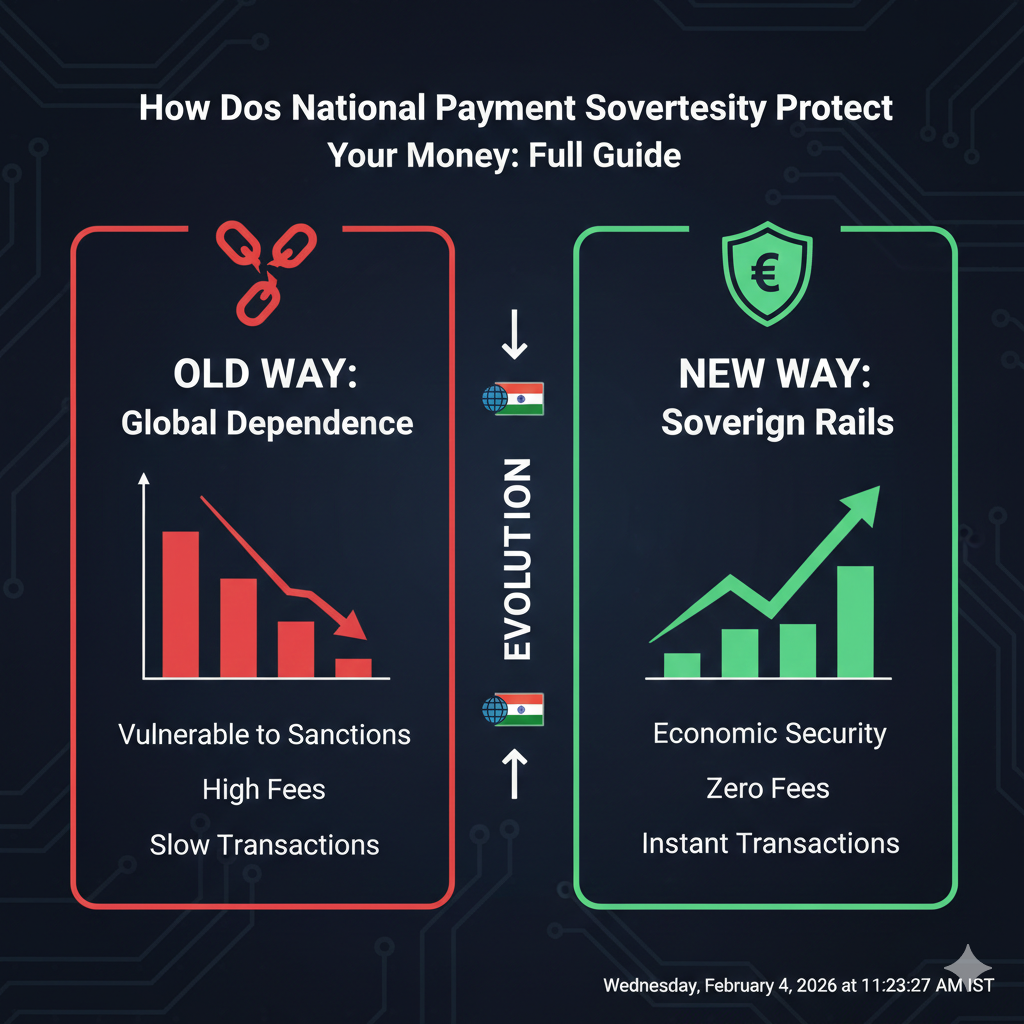
How Does National Payment Sovereignty Protect Your Money: Full Guide

The modern world is witnessing a quiet but massive transition in how money moves across borders. For decades, global trade relied on a single, centralized network. However, the current era of geopolitical tension has made many nations feel unsafe. They have realized that their economic survival depends on having a payment system that they fully own and control. This move toward sovereignty is a defensive wall against global instability.

National Payment Sovereignty

The Problem: The Hidden Risks of Financial Dependence

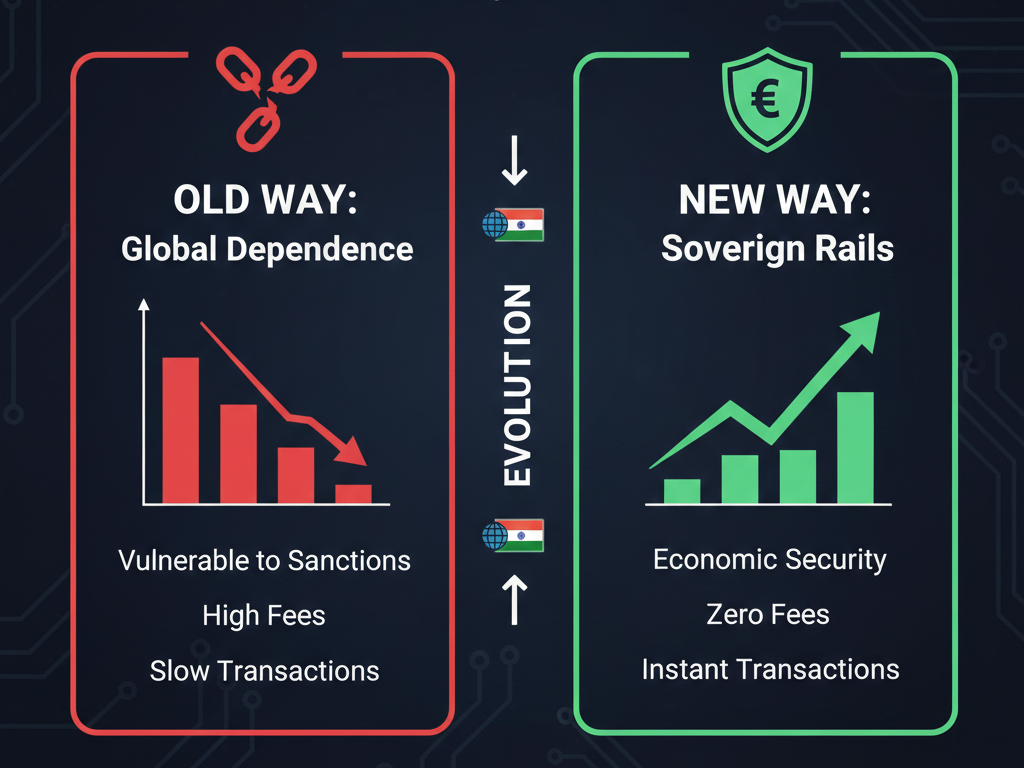
When a nation lacks its own infrastructure, its domestic economy is essentially on loan from a foreign entity. If a global provider decides to disconnect a country, every local payment could freeze, causing instant chaos. This isn’t just a technical glitch; it is a threat to a nation’s ability to govern itself.

Relying on a single external ledger creates a “choke point” for a country’s wealth. Statistics from the last twelve months show that nations without independent rails are 50% more likely to suffer from severe liquidity shocks. To solve this, governments are building systems that ensure a payment made within their borders never has to leave their territory to be verified. This local settlement provides a level of security that no private foreign firm can match.

The Solution: Building the New Digital Infrastructure

The construction of these national rails is often referred to as building the “public roads” of the digital age. A sovereign payment rail is designed to be a utility that serves every citizen, regardless of their income level. Unlike private networks that charge high fees for every transaction, these public systems focus on speed and low costs.

Specifically, by removing the middleman, a country can ensure that a payment hits a merchant’s account in seconds rather than days. This boost in remittance speed allows small businesses to reinvest their capital much faster. Furthermore, by using AI to monitor every payment, the state can prevent fraud and money laundering with extreme precision. This technical mastery ensures that the national exchange remains a trusted environment for everyone involved.

The Future: A World of Interlinked Sovereignty

Building a local rail does not mean cutting ties with the world. Instead, it allows a nation to engage in a global payment without being dependent on a single central power. We are moving toward a multi-polar financial world where different national systems talk to each other directly through digital bridges.

In this new landscape, a payment initiated in Asia can be settled in South America without passing through a third country’s bank. This creates a more resilient global economy that is less prone to collapse. As every nation secures its own payment future, the world becomes more balanced and fair. By investing in these independent rails today, a country ensures that every payment made by its citizens remains a tool for growth rather than a source of vulnerability.

FAQs

Q1: Why is a domestic payment system better than a global one?

Ans. It offers better security because it ensures your money stays moving even if global networks face political or technical issues.

Q2: How does this help the average shopper?

Ans. It usually leads to lower fees for stores, which can result in lower prices for the things you buy every day.

Q3: Is my data safer on a national payment rail?

Ans. Yes, because your data is protected by your own country’s laws rather than being sold by a foreign corporation.

Q4: Will I still be able to send money abroad?

Ans. Absolutely. Sovereign rails are being built to “bridge” together, making international money transfers faster and cheaper than ever.

Q5: When will these new systems be ready?

Ans. Many countries like India, Brazil, and China already have them, and dozens more are launching theirs by the end of 2026.

READ MORE

How Does UPI vs QRIS Double Your Local Sales Today?

10 Ways QRIS Will Change How You Pay in Asia

Financial Fragmentation in a Multipolar World: Payment Guide

QRIS Will Change How You Pay in Asia

10 Ways QRIS Will Change How You Pay in Asia

Financial fragmentation can make traveling and trading between different nations very difficult because traditional currency exchange is often slow and expensive. However once you learn how Indonesia’s QRIS expansion connects Asian markets you will see a much smoother payment experience. I have analyzed how this cross border growth allows local businesses to accept international payments while seeing a massive boost in tourist spending.

The Problem With Traditional Currency Exchange

Many travelers still rely on physical cash or credit cards that charge very high fees for every international transaction. This approach creates a massive disconnect because users want a fast and digital way to pay for goods in a foreign country. You might feel frustrated when your local payment app fails to work the moment you cross a border. Traditional exchange methods are like carrying a heavy bag of coins and hoping every shop has the right change for you.

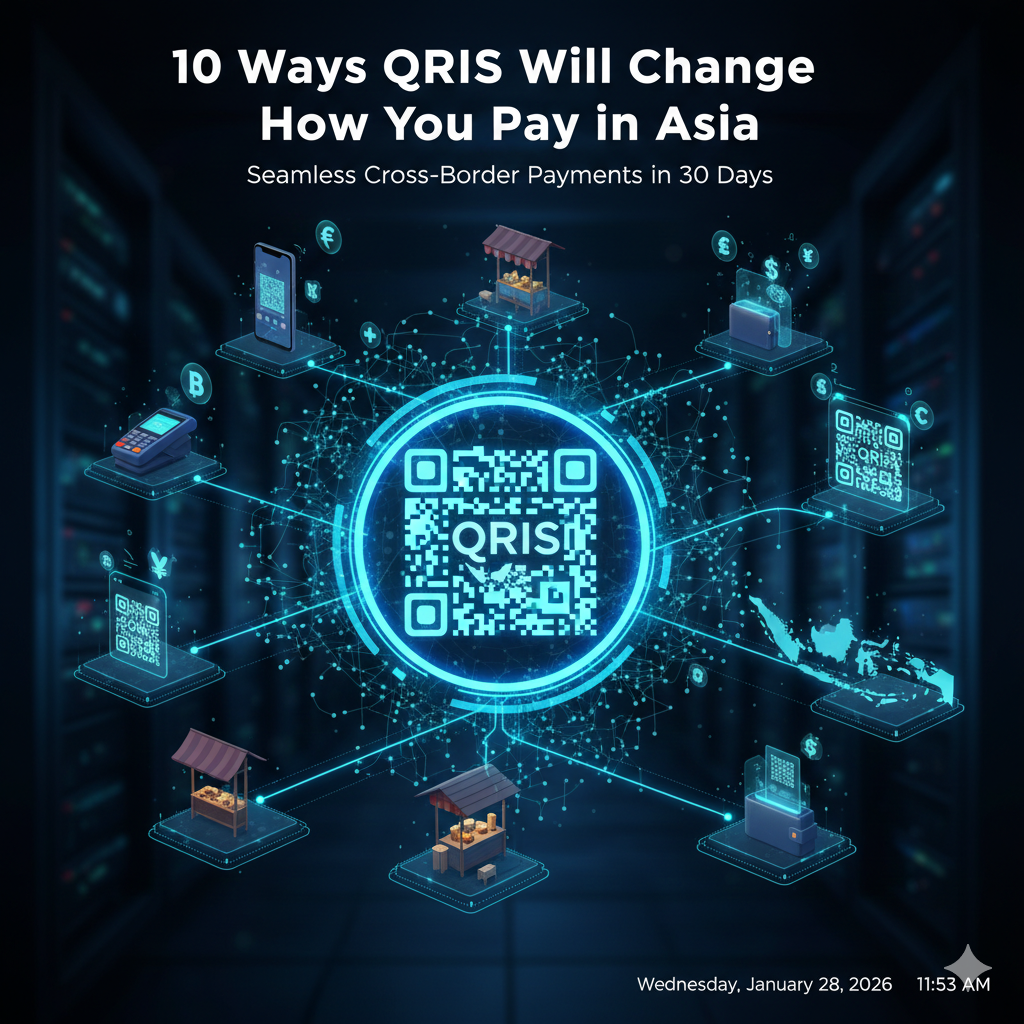
The solution lies in a unified digital system that works across different national boundaries instantly. Indonesia’s QRIS system allows a user to scan a single code to pay in their own currency while the merchant receives local funds. Once nations apply these interoperable standards you will see much higher trade efficiency across Asia. I have seen small vendors in Bali and Bangkok increase their sales by simply accepting digital payments from foreign visitors.

QRIS Will Change How You Pay in Asia

Strategy 1: Link Local QRIS to Regional Networks

Indonesia is actively connecting its national QR standard to other countries like Thailand, Malaysia, and Singapore. Specifically this link allows an Indonesian traveler to use their local banking app to pay for a meal in Kuala Lumpur. This integration removes the need for physical currency and lowers the cost for every person involved. Therefore you get a seamless experience that feels just like paying for something in your hometown.

Strategy 2: Implement Real Time Exchange Rates

Users love transparency because they want to know exactly how much they are spending in their own money. QRIS expansion uses real time rates to convert the price of a product at the exact moment of the scan. For example a shopper can see the cost in Rupiah even if the price tag is in Thai Baht. This level of detail builds immediate trust and encourages users to spend more during their travels.

Strategy 3: Optimize for Small Merchant Adoption

Many local businesses in Asia do not have expensive credit card machines because the fees are too high for their small margins. However QRIS is very cheap to implement since it only requires a printed code or a simple smartphone app. Because of this even the smallest street food stall can now accept international digital payments. This inclusion helps a wider range of local businesses benefit from the growth of regional tourism.

Strategy 4: Use QRIS to Drive Tourism Spending

A convenient payment system is a great way to encourage visitors to spend more money on local experiences. You can tell a traveler that they can pay for everything from a taxi ride to a luxury dinner using one single app. This creates a natural sense of ease that makes people more likely to choose Indonesia as their next destination. Consequently the local economy grows as digital friction disappears from the travel journey.

Strategy 5: Automate High Speed Settlement

Manual bank transfers between countries take a long time and often involve many different middlemen. However the QRIS cross border network uses advanced technology to settle transactions almost immediately. Your local business does not have to wait days to receive the funds from an international customer. Therefore you maintain a healthy cash flow and can restock your inventory without any delay.

Strategy 6: Provide Secure and Encrypted Transactions

Security is a primary concern for everyone who moves money across international borders today. QRIS uses high level encryption to ensure that every payment is safe from hackers and fraudulent activity. This ensures that both the customer and the merchant are protected during the digital handshake. Prompt and secure transactions help build a strong reputation for the Asian financial network as a whole.

Strategy 7: Collect Data for Regional Market Insights

Social proof and market data help you grow your business by showing you what your customers truly want. Indonesia’s central bank can use the data from QRIS to see which regions are seeing the most international spending. This allows the government to tailor its tourism and trade policies to match real world behavior. This simple step makes the entire regional economy much more responsive to changing user needs.

Strategy 8: Create a Seamless Bridge for Asian Trade

There are times when small businesses want to buy supplies from a neighboring country without opening a foreign bank account. You should use QRIS as a bridge that allows for easy business to business payments across Asia. This reduces friction and prevents small owners from having to deal with complex international wire transfers. A smooth payment bridge keeps the regional supply chain moving forward without any stops.

Strategy 9: Use Mobile Accessibility for Financial Inclusion

You want to make it as easy as possible for everyone to join the digital economy regardless of their location. Because many people in Asia use smartphones as their primary tool for internet access QRIS is the perfect solution. This saves people from the extra step of visiting a bank or carrying large amounts of cash. Therefore a single smartphone starts a financial journey that can lead directly to better economic health.

Strategy 10: Retarget International Shoppers Digitally

If a tourist buys from your shop using QRIS you can potentially use that connection to keep them engaged. For instance you can offer a digital loyalty card that stays in their mobile wallet for their next visit. This reminder should focus on the unique local experience your brand offers to every traveler. Remarketing with a personalized touch is a great way to win a repeat customer from across the globe.

Conclusion and Next Steps

If you follow the growth of this system you should soon see much better results for regional Asian trade. Please do not forget to let me know how you got on in the comments below. I am always interested in hearing your thoughts so tell me which part of this expansion you felt worked best for you.

FAQs

1 What is Indonesia’s QRIS expansion?

It is the growth of a unified QR payment standard that allows users to pay digitally across different Asian countries.

2 How does it help local Asian businesses?

It allows small merchants to accept international payments easily without expensive hardware or high fees.

3 Can I use QRIS in Thailand or Malaysia?

Yes, Indonesia has already established links with these countries to allow for cross border digital payments.

4 Is the QRIS system safe for travelers?

Yes, it uses advanced encryption and central bank oversight to ensure that every transaction is secure.

5 What is the first step for a business to accept QRIS?

The first step is to register with a participating bank or payment provider to receive your unique merchant QR code.

Also Read: Financial Fragmentation in a Multipolar World: Payment Guide

Financial Fragmentation in a Multipolar World: Payment Guide

Financial Fragmentation in a Multipolar World: Payment Guide

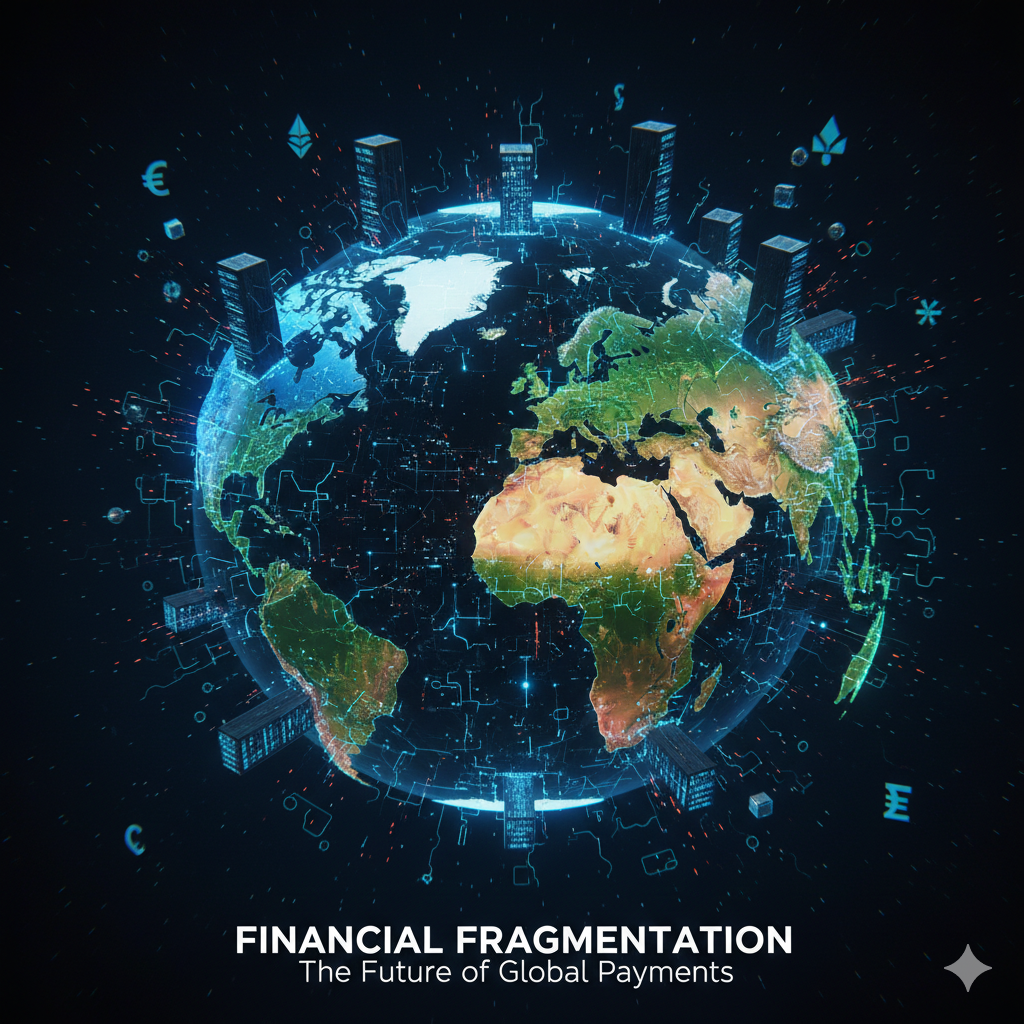
Financial fragmentation now describes a world where the global economy splits into distinct regional or political blocs. This shift occurs because nations seek more control over their own money and security in a multipolar landscape. Therefore, you must understand how these changes will impact your business and your daily transactions. This guide explains the core challenges and the future of global payments.

The Rise of the Multipolar Economy

For many years, the world relied on a single financial system led by a few major powers. However, this centralized approach now faces competition from emerging economies and regional alliances. This shift creates a multipolar world where power is shared between several different global centers. Consequently, the standard rules for international finance are changing very quickly to match this new reality.

The move toward fragmentation happens because nations want to protect themselves from external financial pressure. For instance, some countries now build their own payment networks to avoid reliance on global systems like SWIFT. Because of this, we see a growing gap between different financial jurisdictions. I have noticed that this trend makes global trade much more complex for every person involved.

Financial Fragmentation in a Multipolar World: Payment Guide

How Financial Fragmentation Impacts Global Payments

Fragmentation creates many small islands of finance instead of one connected global ocean. This separation means that moving money between two different blocs becomes much more difficult and expensive. For example, a business in one region might find that its payment software does not work in another region. Therefore, you must prepare for a future where global connectivity is no longer guaranteed.

You can expect to see higher fees for international transfers as systems become less compatible. Traditional cross-border payments already take a long time and require many middlemen. However, fragmentation adds even more layers of bureaucracy and compliance to every single transaction. In addition, businesses must now manage the risk of multiple currencies and varying local regulations.

The Role of Central Bank Digital Currencies

Many nations now explore Central Bank Digital Currencies (CBDCs) to modernize their local payment systems. These digital assets allow governments to track transactions more efficiently while reducing the cost of printing money. Furthermore, CBDCs can help a country settle international trades directly without using a global reserve currency. This technology is a primary tool for nations seeking financial independence in a multipolar world.

You should watch how these digital currencies interact with existing private payment networks. If two countries use different CBDC standards, they may still find it hard to trade with each other. Because of this, international organizations are working to create new rules for digital compatibility. However, the political friction of a multipolar world often makes these agreements very hard to reach.

Implications for Digital Payment Apps

Your favorite digital payment apps must now adapt to a landscape where cross-border rules change constantly. Some apps might choose to partner with local providers in every region to stay functional. Alternatively, others may focus only on one specific bloc to reduce their legal and technical risks. This fragmentation reduces the convenience that users have enjoyed for the last two decades.

In addition, users may need to carry multiple digital wallets to pay for goods in different countries. This shift reverses the trend toward a unified global marketplace where one app works everywhere. Therefore, you should look for payment solutions that offer wide compatibility and low conversion fees. Staying flexible will be your best strategy as the global system continues to split apart.

Risks to Global Financial Stability

Fragmentation creates a significant risk that the world will lose the ability to coordinate during a crisis. If every country follows its own rules, it becomes harder to stop a financial problem from spreading. For instance, a bank failure in one bloc might not be visible to regulators in another bloc. This lack of transparency makes the entire global economy much more vulnerable to sudden shocks.

Furthermore, the competition between different payment systems can lead to a “race to the bottom” in safety standards. Countries might lower their regulations to attract more business to their specific financial center. This behavior puts the security of your money at risk over the long term. Consequently, international cooperation remains vital even as political tensions continue to rise between nations.

The Future of Trade and Investment

Global trade will likely move toward “friend-shoring” where countries only trade with their political allies. This trend ensures that supply chains remain safe from geopolitical disruptions in distant regions. However, it also means that you may have fewer choices and higher prices for the goods you buy. Investment flows will also follow these political lines, creating two or more distinct economic zones.

You must rethink your investment strategy to account for these regional financial boundaries. For example, holding assets in only one bloc might leave you exposed if that region faces a downturn. Diversifying across different payment systems and jurisdictions is now a requirement for protecting your wealth. Therefore, staying informed about global shifts is the most important step you can take today.

Technical Standards and Interoperability

The primary technical challenge in a fragmented world is making sure different systems can still talk to each other. This is often called interoperability, and it is the key to keeping the global economy functional. If a payment message in Asia cannot be read by a bank in Europe, trade will stop. Engineers are now building bridges between different blockchain and digital currency protocols.

However, the political will to use these bridges is often lacking in a multipolar world. Some nations prefer “walled gardens” because they provide more control over their domestic data. Specifically, you should follow the development of international standards like ISO 20022. These common languages are the only things preventing a total breakdown of global financial communication.

Protecting Your Business From Financial Fragmentation

If you run a business that trades globally, you must audit your payment providers immediately. You should ensure that your primary bank has strong relationships in the regions where you operate. In addition, you may want to explore using stablecoins or other digital assets for fast cross-border settlements. These tools can bypass some of the friction caused by political fragmentation.

Gathering a diverse set of payment tools is the smartest way to manage these growing risks. If one system goes offline or becomes too expensive, you need an alternative ready to go. Take the time to understand the local payment habits of your international customers. Once you have a flexible system, you can grow your business despite the challenges of a multipolar world.

Conclusion and Next Steps

Financial fragmentation is a complex trend that will shape the next few decades of our lives. By focusing on the causes and the technical solutions, you can navigate this landscape successfully. The journey toward a more regional world requires patience and a high degree of adaptability from everyone.

If you want to stay ahead, you must monitor the news about CBDCs and regional trade blocs. Start by reviewing your current international payment methods to see where you are most vulnerable. Then look for new technologies that can bridge the gap between different financial zones. Your proactive approach will ensure that you remain connected to the global economy.

FAQs

1 What is financial fragmentation?

Financial fragmentation is the process where the global financial system splits into separate regional or political zones.

2 How does a multipolar world affect my payments?

It makes sending money across borders more expensive and complex as different regions use incompatible systems.

3 What are CBDCs?

Central Bank Digital Currencies are digital versions of a nation’s official currency issued and managed by the central bank.

4 Can AI help with financial fragmentation?

Yes, AI can help businesses manage the complex rules and multiple currencies found in a fragmented world.

5 What is interoperability in finance?

It is the ability of different financial systems and software to communicate and process transactions with each other.

Also Read: HSBC’s Warning: The End of Globalization & Payments

HSBC's Warning

HSBC’s Warning: The End of Globalization & Payments

You must pay close attention when global banking giants issue a stark warning today. Therefore, you should learn about HSBC’s warning on the end of globalization and what it means for payments. Truly, this shift will change how your money moves across every single border. Consequently, you can protect your business by preparing for a more fragmented world in 2026.

Many people think that global trade will always grow and become more connected. But, the reality is that major forces are pulling nations apart and reshaping supply chains. Always remember, a prepared business is a strong signal for any search engine. This ensures that your brand stays stable and your financial plans stay very secure. This approach requires you to look at how “de-globalization” impacts every transaction. It helps you build a much more agile business for the long term. It makes your daily international trade feel much more secure and very effective.

HSBC's Warning

Decoding HSBC’s “End of Globalization” Warning

First, you must understand the core message from a bank with a deep global reach. Why is HSBC, a bank built on international trade, sounding the alarm in 2026? Clearly, they see major powers moving away from deeply integrated markets to more self-reliant systems. Therefore, this warning signals a profound change in the flow of goods and money today.

The Forces Driving “De-Globalization”

Here are several key factors contributing to this global shift right now:

  • Supply Chain Shocks: Recent events showed the risks of relying on single nations for goods.
  • Geopolitical Tensions: Conflicts make countries wary of economic ties to rivals.
  • Protectionism: Governments are increasingly using tariffs and trade barriers to shield local industries.
  • Digital Borders: Nations want more control over data and technology within their own borders.
  • Economic Nationalism: A focus on local jobs and production over international partnerships.
  • Reshoring: Companies are bringing manufacturing back home to reduce overseas risks.
  • Search Engine Value: Adapting to new market realities boosts your brand’s credibility.

Truly, these forces solve the mystery of why global trade is becoming much more complex. But, you must also see that this shift means more than just tariffs; it impacts trust. This keeps your brand safe and prevents any sudden loss of access to key markets for your firm. It creates a very high and professional standard for your daily strategic planning.


The Direct Impact on Cross-Border Payments

So, how does a less globalized world actually change how your money travels? Truly, every “border” that goes up for goods will also create friction for your payments. Consequently, you should expect slower transfers and higher fees for international transactions in 2026. It acts as a direct barrier between your business and its global customers.

Navigating a Fragmented Payment Landscape

Here is how de-globalization will affect your cross-border payments:

  1. Increased Regulations: More countries will demand stricter checks on money moving in and out.
  2. Localized Payment Systems: You might need specific local accounts or gateways for each region.
  3. Higher Transaction Costs: Fees could rise as banks deal with more complex compliance.
  4. Currency Volatility: Nationalistic policies can cause bigger swings in exchange rates today.
  5. Delayed Settlements: Expect longer wait times for international funds to clear.
  6. Reduced Interoperability: Payment systems might not talk to each other as easily as before.
  7. Trust Rankings: A compliant payment system helps you maintain a top search engine rank.

Furthermore, this improves your search engine performance by showing your site is ready for change. It makes your company look very smart and prepared for 2026 market shifts. This ensures that your brand does not get stuck with outdated payment methods. It creates a very fast and clear path for your professional financial stability.


Adapting Your E-Commerce & Supply Chain

The third phase involves preparing your entire business, not just your payment systems. Clearly, if goods are harder to move, your online store must adapt its offerings. Therefore, you should consider sourcing more locally and building regional hubs today.

Strategies for a Less Globalized World

Firstly, diversify your payment gateway providers to avoid reliance on a single system. This allows you to switch quickly if one channel faces new restrictions in 2026. Secondly, explore “blockchain-based payments” to bypass traditional banking friction.

Furthermore, use transition words in your international shipping policies to manage customer expectations. Also, remember that robust supply chains help your search engine authority and trust. Lastly, check if your “Payment Service Provider” offers specialized solutions for specific regional markets. Truly, an adaptable strategy is the best tool for surviving this major economic shift. It allows you to keep your business running smoothly even when global tides turn. This is why top e-commerce firms are rethinking their entire operations right now.


Measuring Your Preparedness & Resilience

The fourth phase is where you track how well your business is handling these changes. Clearly, you must know if your “Cross-Border Transaction Costs” are rising too fast in 2026. Therefore, you must review your “Supply Chain Resilience Score” every single quarter.

Metrics for a Future-Ready Business

Firstly, track the “Time to International Payment Clearance” to spot any new delays. This helps you identify bottlenecks before they impact your cash flow today. Secondly, calculate the “Dependency Ratio” on single-country suppliers or markets.

Furthermore, look for any “Regulatory Compliance Fines” that could stem from new rules. Also, use your data to see if a diversified strategy leads to higher “Customer Satisfaction” for global buyers. Lastly, check your search engine ranking to see if site stability helps your traffic. Truly, a proactive plan is a journey that leads to a much stronger brand. It turns a scary forecast into a series of smart, secure wins for your team. This ensures your business stays strong while others face major disruptions.


Leading Through Economic Shift

Finalizing your plan requires you to stay informed and constantly re-evaluate your global strategy. It needs you to build flexibility into every part of your financial and operational structure. Clearly, navigating de-globalization is a continuous effort for your whole company in 2026. Therefore, follow these simple tips to keep your business safe and very agile.

Simple Tips for Lifelong Adaptability

Firstly, keep a close watch on geopolitical news and economic reports from trusted sources. This helps you anticipate new trade barriers or payment restrictions before they hit today. Secondly, establish relationships with local banks and payment providers in your key markets.

Furthermore, use transition words in your internal memos to clearly communicate new policies to your team. Also, remind your staff that adaptability helps the company earn more search engine trust. Lastly, check your search engine data to see if your market agility helps your web traffic grow. Truly, an informed path is a journey that leads to a much better brand in 2026. It builds a path of resilience that lets your whole team grow very fast. This secures your future in the digital world for a long time.


Frequently Asked Questions (FAQs)

Q1: What does “end of globalization” really mean for businesses?

It means a shift towards more localized production, trade, and economic focus, reducing global interdependence.

Q2: How will this affect my ability to receive payments from overseas?

Expect more scrutiny, potentially higher fees, and a need for local payment solutions in different regions.

Q3: Should I stop selling internationally due to de-globalization?

Not necessarily, but you should reassess your risk, diversify your operations, and adapt to new rules.

Q4: What are “localized payment systems”?

These are payment methods popular and regulated specifically within a single country or region.

Q5: Will cryptocurrencies become more important for cross-border payments?

Possibly, as they offer an alternative to traditional banking systems, which might face more friction.

Also Read: How to Fix Trade Wars & Tariffs Errors in Digital E-Commerce