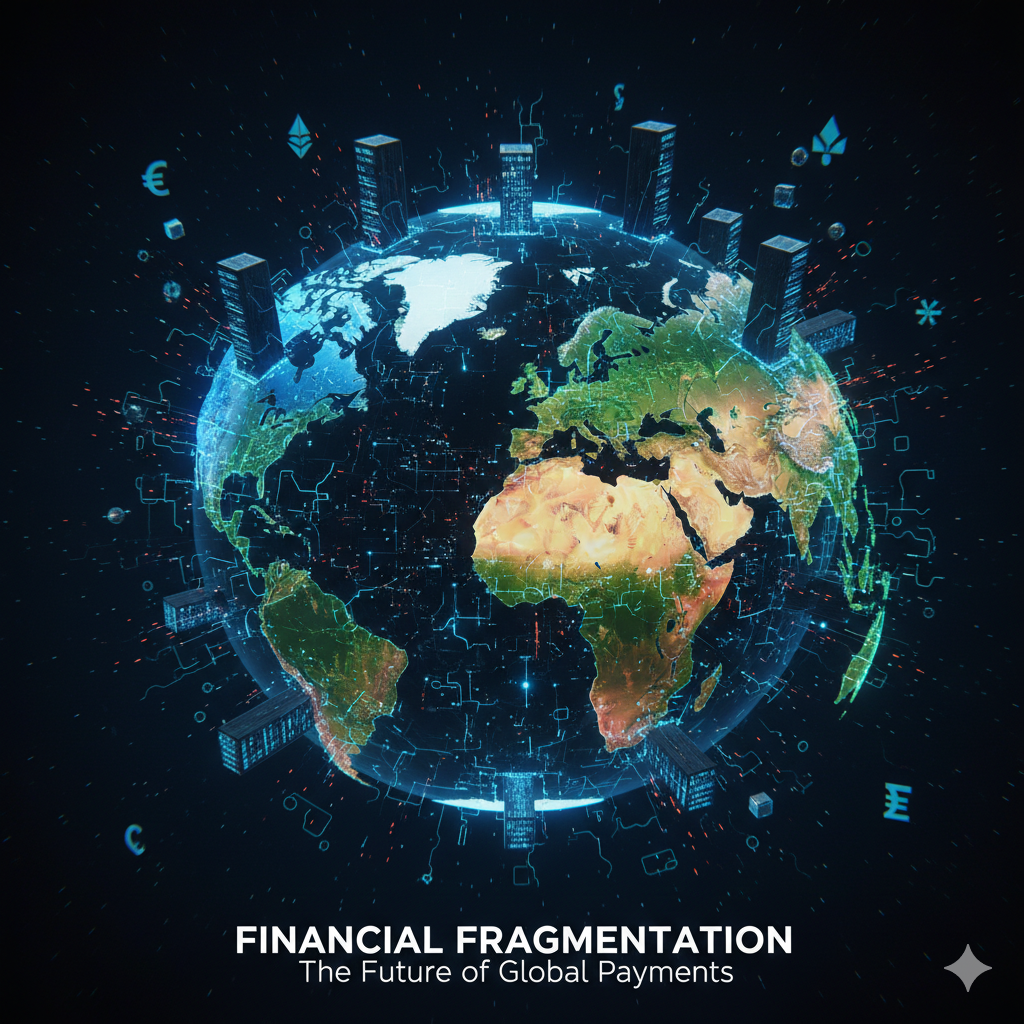
The Rise of Real-Time Payment Regulations Across the World
Money now moves faster than ever. A payment that once took days can settle in seconds. This speed has changed how people shop, pay bills, and run businesses.
Governments have taken notice. As instant payments grow, so does the need for rules to protect them. This has led to a wave of real-time payment regulations across the world.
This blog explains why these regulations exist. It also covers how they affect banks, businesses, and consumers. By the end, you will understand this fast-moving area of financial law.
Financial leaders cannot afford to ignore these changes. Whether you run a bank, a fin-tech startup, or a business that accepts payments, new rules will likely touch your operations soon.
Why Real-Time Payments Needed New Rules
Traditional payment systems had built-in delays. These delays gave banks time to catch fraud or reverse mistakes. Real-time payments remove that safety net.
Once money moves, it usually cannot be recalled. This creates new risks for fraud and error. Regulators stepped in to close these gaps and protect users.
Additionally, real-time systems connect many players. Banks, fin-tech firms, and payment networks all work together. Without shared rules, this connection could create weak points. Clear regulations help keep the whole system secure.
Cybercriminals also adapt quickly to new technology. Instant payments give them a narrow window to strike before anyone notices. Regulators respond by requiring stronger identity checks and real-time fraud monitoring across payment networks.
Consumer trust also plays a role. People need confidence that instant payments are safe. Strong rules build that confidence and encourage wider adoption of digital payment tools.
Small businesses depend on this trust too. Many now rely on instant payments for daily cash flow. A single fraud incident without clear recourse could damage their operations severely. Regulation gives these businesses a safety net they can count on.
Regulators also aim to prevent systemic risk. If one part of a connected payment network fails, the effects could spread quickly. Clear rules help contain problems before they threaten the wider financial system.
Key Real-Time Payment Regulations Around the World
Different regions have taken different approaches. The European Union created the Instant Payments Regulation. This law requires banks to offer instant transfers at the same cost as regular transfers.
In the United States, the Federal Reserve launched FedNow. This system supports instant payments across banks. Regulators continue to build rules around fraud prevention and dispute handling for this network.
India has developed strong oversight for its Unified Payments Interface, known as UPI. The Reserve Bank of India monitors transaction limits, fraud controls, and data protection closely.
Meanwhile, countries like Brazil and Australia have introduced similar frameworks. Brazil’s Pix system and Australia’s New Payments Platform both operate under strict regulatory guidelines. These rules cover security, availability, and consumer protection.
As a result, a global pattern is forming. Regulators everywhere are focusing on similar goals: speed, safety, and fairness for users.
Africa is also emerging as a leader in this space. Kenya’s mobile money systems, closely watched by regulators, paved the way for instant payments long before many wealthier nations. Other African nations now study this model closely.
China offers another example worth noting. Its digital payment giants operate under strict government oversight. Regulators there focus heavily on data privacy and anti-money laundering controls within instant payment networks.
The United Kingdom continues refining its Faster Payments system as well. Regulators there recently introduced stricter rules around reimbursing victims of payment fraud, placing more responsibility on banks to protect customers.
Southeast Asian nations, including Singapore and Thailand, have linked their real-time payment systems together. This cross-border integration required careful regulatory coordination between multiple central banks and financial authorities.
How These Regulations Affect Businesses
Businesses that accept payments must follow these new rules closely. Non-compliance can lead to fines or loss of payment access. This makes regulatory awareness essential for finance teams.
Companies must also update their fraud detection systems. Real-time payments leave little room for manual review. Automated tools now need to catch suspicious activity within seconds, not hours.
Furthermore, businesses operating across borders face extra complexity. Each country may have different rules for instant payments. A company selling in multiple regions must track and follow each set of requirements.
On the positive side, compliance often improves trust with customers and partners. Businesses that follow real-time payment regulations well can process payments faster and more reliably. This can become a real competitive advantage.
Reporting requirements add another layer of responsibility. Many regulations require businesses to log transaction data and report suspicious activity within tight deadlines. Building systems that support this reporting takes time and investment.
Vendor selection also shifts under these rules. Businesses often choose payment processors based on their compliance track record. A provider with strong regulatory alignment can reduce a company’s own compliance burden significantly.
Challenges in Enforcing Real-Time Payment Regulations
Enforcement is not always simple. Real-time payments cross borders instantly, but laws are often written for single countries. This mismatch creates gaps that bad actors can exploit.
Regulators also struggle to keep pace with new technology. Payment methods evolve quickly, and rules can lag behind. This forces frequent updates to existing regulations.
Another challenge involves smaller financial institutions. Large banks often have resources to meet complex rules quickly. Smaller banks or fin-tech startups may find compliance costly and difficult to manage.
Despite these hurdles, cooperation between countries is improving. International bodies now share information and best practices. This collaboration helps close gaps and strengthen global payment security.
Legacy systems present a further obstacle. Some banks still run on decades-old infrastructure. Upgrading these systems to meet real-time regulatory standards can take years and significant financial investment.
Consumer education remains an ongoing challenge as well. Many users do not fully understand how instant payments work or what protections apply. Regulators and businesses must work together to close this knowledge gap.
Staffing shortages within regulatory bodies add further strain. Reviewing complex payment systems requires specialized expertise, and many agencies compete for the same limited talent pool of skilled examiners and analysts.
What the Future Holds for Payment Regulation
Experts expect real-time payment regulations to expand further. More countries are building instant payment systems, and rules will likely follow close behind.
Artificial intelligence will also play a bigger role. Regulators may require AI-based fraud detection for all real-time transactions. This could become a standard requirement within the next few years.
Cross-border cooperation is likely to grow too. Shared standards could make international real-time payments smoother and safer. This would benefit businesses that operate globally.
Consumers can expect more protection as well. Future rules may include stronger dispute resolution processes and clearer refund policies for instant payments.
Open banking is another trend likely to intersect with payment regulation. As more countries allow secure data sharing between banks and third parties, regulators will need rules that address both instant payments and open data access together.
Businesses that monitor these trends early will adapt more smoothly. Staying informed through industry groups and regulatory updates can help finance teams prepare well before new rules take effect.

Conclusion
The rise of real-time payment regulations across the world reflects a fast-changing financial landscape. Instant payments bring speed and convenience, but they also bring new risks.
Regulators have responded with rules focused on safety, fairness, and trust. Businesses must stay informed and compliant to avoid penalties and protect their customers.
Looking ahead, expect these regulations to grow stronger and more connected across borders. Staying prepared today will help businesses thrive in this fast-moving payment environment.
Finance leaders should treat regulatory tracking as an ongoing task, not a one-time project. Rules will keep evolving as instant payments become the default way people move money worldwide.
Frequently Asked Questions
1. What are real-time payment regulations? These are laws and rules that govern instant money transfers, covering fraud prevention, consumer protection, and system security.
2. Why are real-time payment regulations increasing globally? As instant payment systems grow worldwide, governments create rules to manage new risks and protect users from fraud and errors.
3. How do real-time payment regulations affect small businesses? Small businesses must follow compliance rules for fraud detection and data protection, which can require new tools or processes.
4. Which countries have strong real-time payment regulations? The European Union, United States, India, Brazil, and Australia all have well-developed real-time payment regulatory frameworks.
5. Will real-time payment regulations become more unified globally? Experts expect greater cooperation between countries, leading to more shared standards for real-time payment regulations over time.