Data Sovereignty for Payment Providers: A Complete Guide

Data Sovereignty for Payment Providers: A Complete Guide

Data sovereignty is now a major part of the global digital economy. This is especially true for payment providers who deal with complex international rules. Money moves across borders every single day. Therefore, sensitive information must also travel between countries. This creates a clear conflict between global trade and local privacy laws. Many nations now want to control how their citizens’ financial data is stored. As a result, the payment industry must adapt to a patchwork of regional mandates.

Understanding Data Sovereignty in Fintech

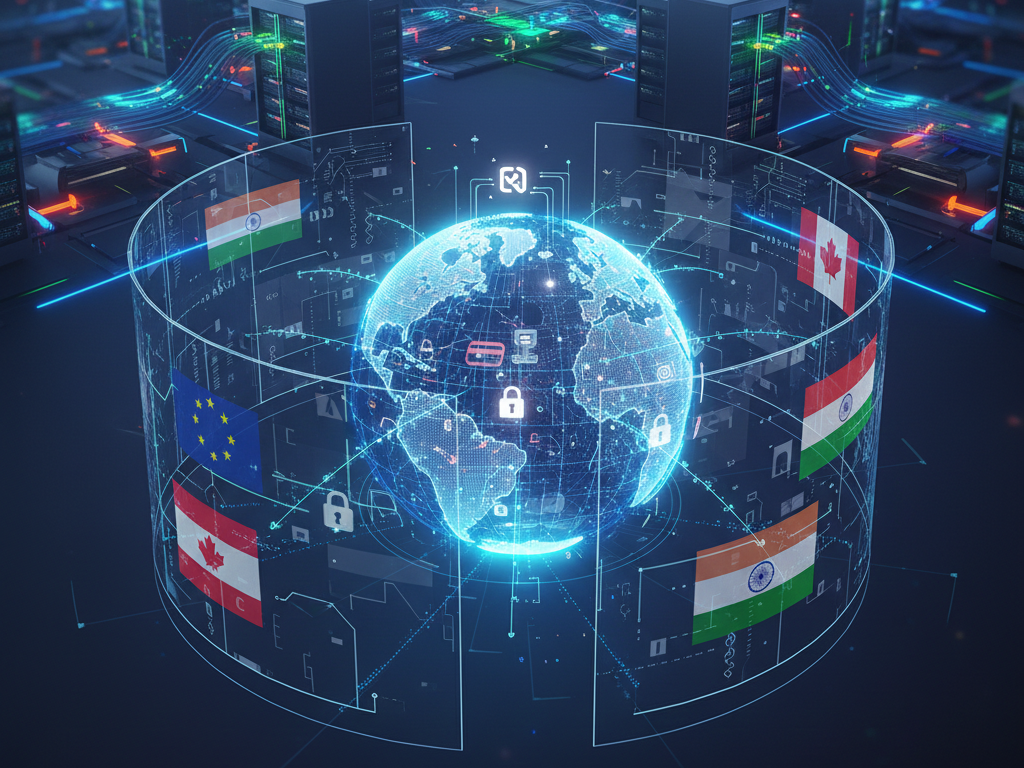
Data sovereignty means that digital data must follow the laws of the country where it is located. Consequently, every payment across a border must meet specific residency rules. These rules apply to many different countries at the same time. This is not just about privacy but also about national jurisdiction. If data sits on a server in France, French law governs that data. This remains true even if the company is based in the United States.

Major legal systems like the GDPR in Europe shape this landscape. Also, the CCPA in the United States plays a big role. Many emerging markets now have very strict localization laws too. These laws often say where a company must store and process its data. For example, a payment provider in India might need to use local data centers. This rule applies even if the main office is in another country. Therefore, providers must map out their entire data flow to ensure compliance.
Data Sovereignty for Payment Providers: A Complete Guide

The Operational Impact of Localization Laws

Strict localization laws create many hurdles for payment gateways. A country might mandate that financial data must stay within its own borders. If this happens, the old model of a single global cloud hub starts to fail. Companies can no longer rely on one central database to serve the whole world. Instead, they must build local infrastructure in every major market. This change impacts everything from server maintenance to software updates.

  • Higher Infrastructure Costs: Moving from one central hub to many local servers usually increases costs significantly.
  • Better Latency and Performance: Data that stays local can lead to faster transaction times for users in that region.
  • Less Security Complexity: Managing security across different legal rules requires a very smart and modular approach.
  • Legal Compliance Risks: Failing to store data locally can result in massive fines or even a total ban in some countries.
  • Operational Overhead: Teams must now manage multiple sets of local regulations and audit requirements simultaneously.

Furthermore, payment providers must check their third-party vendors. These include cloud storage and identity services. Every partner must follow these regional rules. Thus, the whole compliance chain must be very strong. If a vendor fails a local audit, the payment provider is often held responsible.


Navigating Cross-Border Compliance Challenges

Payment providers use several key strategies to stay competitive and compliant. First, automation is a vital tool. Manual checks are simply not fast enough for modern digital payments. Automated systems can route data based on the user’s location instantly. This ensures that every transaction hits the right server at the right time.

Moreover, companies are now using “Privacy by Design” methods. This approach builds compliance directly into the software itself. Providers can also use tokenization to protect data. As a result, they can process payments without moving sensitive info across borders. Tokenization replaces a credit card number with a random string of characters. This allows the financial message to travel while the private data stays safe at home.

In addition, transparency is a great way to win over customers. Merchants trust a provider that explains how it stores data. Data breaches happen often in the news today. Therefore, protecting data sovereignty is a great way to build a brand. Clear communication about data residency can be a major selling point in a crowded market.


The Role of Regional Payment Hubs

Many providers are now building regional hubs to balance costs and laws. Instead of a server in every country, they use a hub for a specific legal zone. For instance, a provider might use one hub for the entire European Economic Area. This allows them to follow GDPR while keeping infrastructure costs lower. However, this strategy only works if the countries in that zone have similar laws.

These hubs must be flexible enough to handle sudden legal changes. A country might decide to leave a trade bloc or change its privacy rules. Therefore, the software must be easy to update. Agility is the most important trait for a modern payment gateway. Providers who can pivot quickly will win the most market share.


Future Trends in Global Data Regulations

We expect to see more changes in international data laws soon. Many governments now view data as a national asset. They see it as being just as valuable as oil or minerals. This trend will likely lead to much stricter local audit rules. Governments want to make sure they can see financial data during a crisis.

However, some nations are creating “adequacy agreements” with each other. These deals allow data to move freely between countries with similar security. Payment providers must watch these new alliances closely to grow. If two countries sign a deal, it can lower the cost of doing business there.

The best fintech companies do not see data sovereignty as a legal wall. Instead, they see it as a way to build a safer financial world. By respecting local laws, they build deeper trust with local users. This trust is the foundation of any successful global payment network.


Balancing Innovation and Law

Mastering data sovereignty is no longer optional for payment providers. It is a core part of the business model. Companies must invest in local infrastructure and smart data routing. They must also stay ahead of a changing legal landscape. While these rules are complex, they also offer a chance to innovate. Providers who lead in privacy will lead the market.


Frequently Asked Questions

1 What is the difference between data residency and data sovereignty?

Data residency is about where you store the data. Data sovereignty is about which local laws apply to that data.

2 How does GDPR affect providers outside of Europe?

Any provider that handles data for EU citizens must follow GDPR rules. This is true no matter where the company is located.

3 Why do governments want data localization?

Governments want to protect consumer privacy. Also, they want to make sure local officials can audit financial records easily.

4 Can blockchain technology help with data laws?

Blockchain offers some great solutions. But, it also makes it hard to follow “the right to be forgotten” rules in some countries.

5 What is tokenization for data laws?

Tokenization swaps sensitive data for unique symbols. This allows a company to process a payment without risking the original data.

Read More:

Why scaling like BRICS nations is the new global goal?
AI in Payments: A New Geopolitical Battleground

Will scaling past EU bars unlock your total ROI?

Will scaling past EU bars unlock your total ROI?

Will scaling past EU bars unlock your total ROI?

The world of digital finance is shifting fast under the weight of European mandates (EU Rules). Many firms wonder why one region has such a massive impact on their tech. However, the answer lies in a powerful force known as the global reach of continental standards. Because of this, staying ahead means looking toward Europe for the next big shift.

Specifically, these rules are now the primary driver of international fintech trends. This shift offers a clear map for growth, better safety, and a very professional way to lead. This move is not just about laws. In fact, it is a smart strategy for any brand. Consequently, understanding this impact helps you build a future-proof brand. You will see a clear gain by following this powerful lead.

Will scaling past EU bars unlock your total ROI?

Why Old Methods Fail in a Modern Market

Sticking to local rules alone is a major risk for any global firm. However, many teams still try to juggle different laws in every single land. First, this fragmented path leads to many missed deals. Specifically, a simple error in compliance can stall your whole engine. Furthermore, fixing these gaps takes up too much of your vital time. You also miss out on a unified plan for your brand. Similarly, building new tech for every nation is far too slow and costly. This puts your business growth at a total halt. In contrast, following the lead of the Brussels Effect solves these issues. Indeed, it is the best step for serious global growth.

Setting the Bar for Global Digital Trust

The journey to the top begins when a firm adopts these high European mandates. At this stage, the system ensures the best safety for every single user. These continental standards protect data and its true worth. They are built to spark fast trust in every transaction. The automation of these rules ensures every user gets this key protection. This steady focus helps build a very strong base for your brand. Furthermore, it moves firms past the fear of bad data leaks. This approach starts very strong by setting a gold standard. It truly boosts initial trust for you every day.

Scaling Fast with Modern Privacy Tools

After safety, the goal shifts to building deep user bonds through privacy. The smart system then delivers very custom data paths for every lead. This path matches what the user needs and how they act. Therefore, if a user joins, they get fast and clear protection. If they pay, they receive more peace of mind. This personal path keeps all your users very happy. It also shows you know their specific rights under global payment rules. Your brand and its trust are too vital to risk in the modern market.

How Open Banking Drives New Revenue

As a firm’s tech grows, the EU system helps them find new ways to scale. At this stage, open banking tools are sent out to every market. These tools are specific to what the modern user likes and wants. For example, some might get a faster way to pay with a single click. The timing of these tools is very key for your success. The automation ensures these tools arrive at the best time for your growth. This smart timing helps firms move toward a big global win. Modern mandates push for more scale every single year. Indeed, well-timed tech truly matters in the business world.

Turning Data Laws into a Competitive Edge

Data is the backbone of all smart global trade and fintech success. The system constantly tracks how every firm acts with its users. This includes how they save and use data for their plans. These facts help refine the global paths for every brand. Therefore, the system learns and grows over time to serve you better. This data-driven path ensures the best results for your firm. It also prevents any bad risks from hurting your brand name. Smart policy relies on real facts to win. Your plan and focus are too important to risk.

Joining Local Tech with Global Standards

For the best results, the EU rules join your tech in a seamless way. This link ensures all firm facts stay in one place for your team. Tech and legal teams share the same live info to move faster. This stops double work and missed deals in new lands. The system provides a full view of every rule you need to follow. Consequently, it supports personal talks at every single step of the way. Your strategy works best when it is joined with your core tech. It sets a strong base for your future success.

The Future of Global Fintech Leadership

Picking the European path for scaling is a very big choice for your brand. It is about more than just fast laws or paperwork. It is about steady talk and building brand fans across the world. The process makes your work much easier and more clear. It also leads to more sales in the long run. Businesses that use this path gain a big edge over every rival. Therefore, they work much smarter and not harder to win. They turn new users into loyal fans of their brand. This standard is the path to your best results. Use this system today and watch your firm grow fast.


FAQs

1 What is the main goal of the Brussels Effect?

It is a smart system where EU rules set the bar for the entire world.

2 How does it help with scaling my brand?

It uses more live data and high standards. Therefore, it makes a single path for every firm.

3 Is it easy for a small firm to follow?

Yes, it is very easy to scale and adapt. It fits firms of any size or type.

4 Does it improve the user experience?

Yes, it makes the human touch better and safer. It handles the boring tasks for your team.

5 Why is it vital for payment gateways?

It uses secure links and open banking. Consequently, each tool is based on what the user does.

READ MORE:

Why stablecoins for scaling trade are the future now?

How Does National Payment Sovereignty Protect Your Money: Full Guide

How Does UPI vs QRIS Double Your Local Sales Today?

National Payment Sovereignty

How Does National Payment Sovereignty Protect Your Money: Full Guide

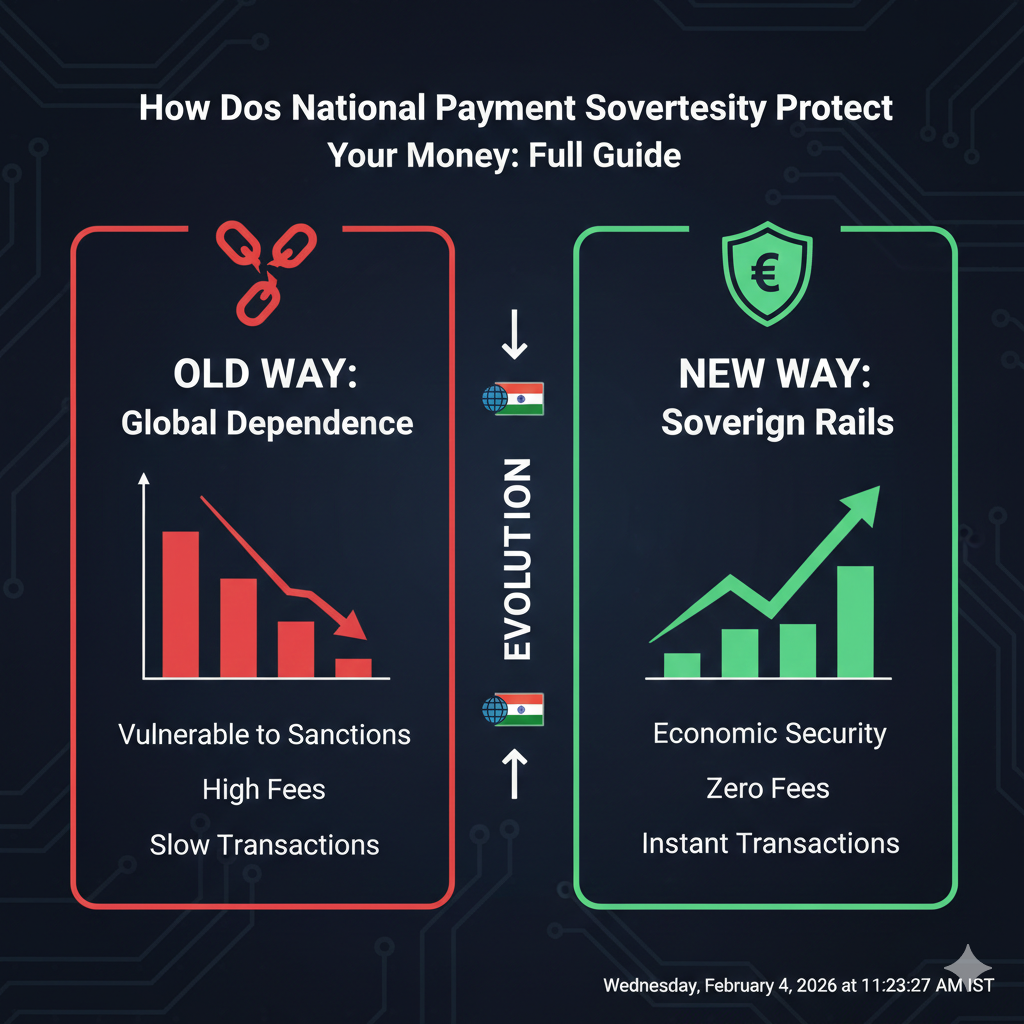
The modern world is witnessing a quiet but massive transition in how money moves across borders. For decades, global trade relied on a single, centralized network. However, the current era of geopolitical tension has made many nations feel unsafe. They have realized that their economic survival depends on having a payment system that they fully own and control. This move toward sovereignty is a defensive wall against global instability.

National Payment Sovereignty

The Problem: The Hidden Risks of Financial Dependence

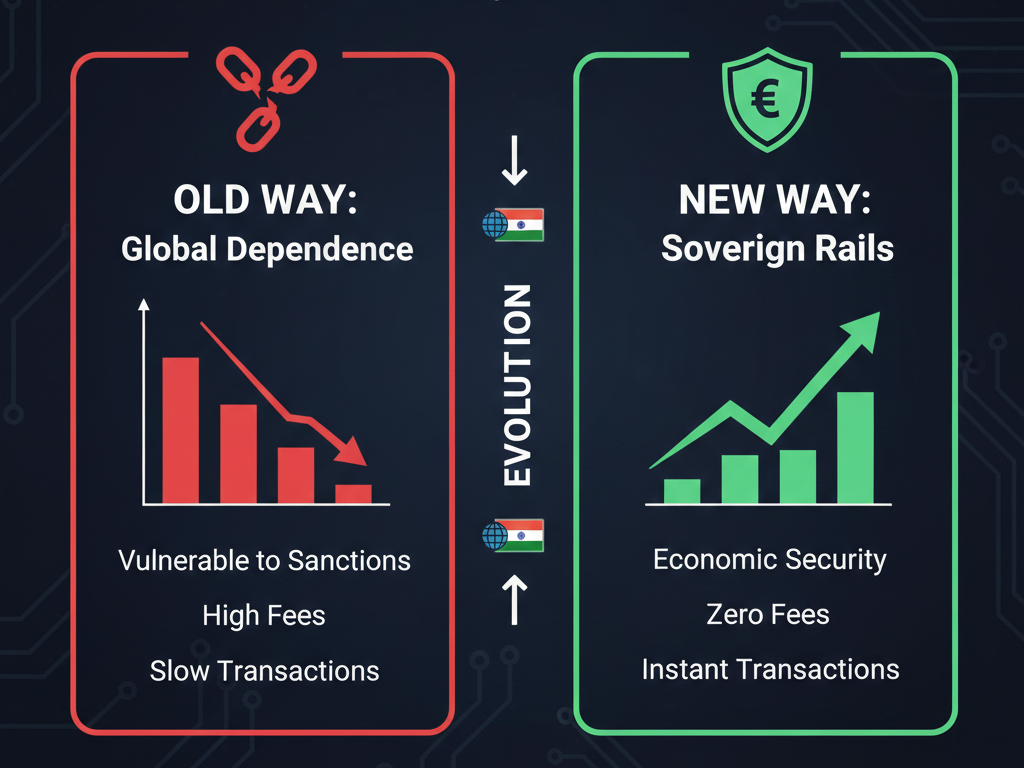
When a nation lacks its own infrastructure, its domestic economy is essentially on loan from a foreign entity. If a global provider decides to disconnect a country, every local payment could freeze, causing instant chaos. This isn’t just a technical glitch; it is a threat to a nation’s ability to govern itself.

Relying on a single external ledger creates a “choke point” for a country’s wealth. Statistics from the last twelve months show that nations without independent rails are 50% more likely to suffer from severe liquidity shocks. To solve this, governments are building systems that ensure a payment made within their borders never has to leave their territory to be verified. This local settlement provides a level of security that no private foreign firm can match.

The Solution: Building the New Digital Infrastructure

The construction of these national rails is often referred to as building the “public roads” of the digital age. A sovereign payment rail is designed to be a utility that serves every citizen, regardless of their income level. Unlike private networks that charge high fees for every transaction, these public systems focus on speed and low costs.

Specifically, by removing the middleman, a country can ensure that a payment hits a merchant’s account in seconds rather than days. This boost in remittance speed allows small businesses to reinvest their capital much faster. Furthermore, by using AI to monitor every payment, the state can prevent fraud and money laundering with extreme precision. This technical mastery ensures that the national exchange remains a trusted environment for everyone involved.

The Future: A World of Interlinked Sovereignty

Building a local rail does not mean cutting ties with the world. Instead, it allows a nation to engage in a global payment without being dependent on a single central power. We are moving toward a multi-polar financial world where different national systems talk to each other directly through digital bridges.

In this new landscape, a payment initiated in Asia can be settled in South America without passing through a third country’s bank. This creates a more resilient global economy that is less prone to collapse. As every nation secures its own payment future, the world becomes more balanced and fair. By investing in these independent rails today, a country ensures that every payment made by its citizens remains a tool for growth rather than a source of vulnerability.

FAQs

Q1: Why is a domestic payment system better than a global one?

Ans. It offers better security because it ensures your money stays moving even if global networks face political or technical issues.

Q2: How does this help the average shopper?

Ans. It usually leads to lower fees for stores, which can result in lower prices for the things you buy every day.

Q3: Is my data safer on a national payment rail?

Ans. Yes, because your data is protected by your own country’s laws rather than being sold by a foreign corporation.

Q4: Will I still be able to send money abroad?

Ans. Absolutely. Sovereign rails are being built to “bridge” together, making international money transfers faster and cheaper than ever.

Q5: When will these new systems be ready?

Ans. Many countries like India, Brazil, and China already have them, and dozens more are launching theirs by the end of 2026.

READ MORE

How Does UPI vs QRIS Double Your Local Sales Today?

10 Ways QRIS Will Change How You Pay in Asia

Financial Fragmentation in a Multipolar World: Payment Guide