How a payment gateway Makes Virtual Shopping Seamless?

How a payment gateway Makes Virtual Shopping Seamless?

The digital world is growing into a new space called the metaverse. Many people wonder if this is just a trend or a real shift. In this virtual world, users want to buy digital clothes, land, and art. However, moving money between the real world and these 3D spaces is not easy. Therefore, a strong payment gateway is the most important link for this new economy. Without a secure way to pay, the metaverse cannot reach its full potential.


Why Virtual Worlds Need Better Tools

Current online shops use simple systems to handle orders. However, the metaverse works in real-time and often uses blockchain. Consequently, traditional banks sometimes struggle to keep up with these fast transactions. This is because users want to pay with crypto and regular money in the same place. Furthermore, many people worry about their privacy in these deep digital spaces. Therefore, every payment gateway must bridge the gap between old banking and new tech.

Another big hurdle is the lack of a single standard. For instance, one virtual world might use its own coin, while another uses a different one. If a user cannot move their funds easily, they will stop spending. Thus, the industry needs a universal way to handle digital wealth. A smart payment gateway solves this by offering many choices in one simple interface. This keeps the experience fun and reduces any reason to leave.
How a payment gateway Makes Virtual Shopping Seamless?

Solutions for the Metaverse Economy

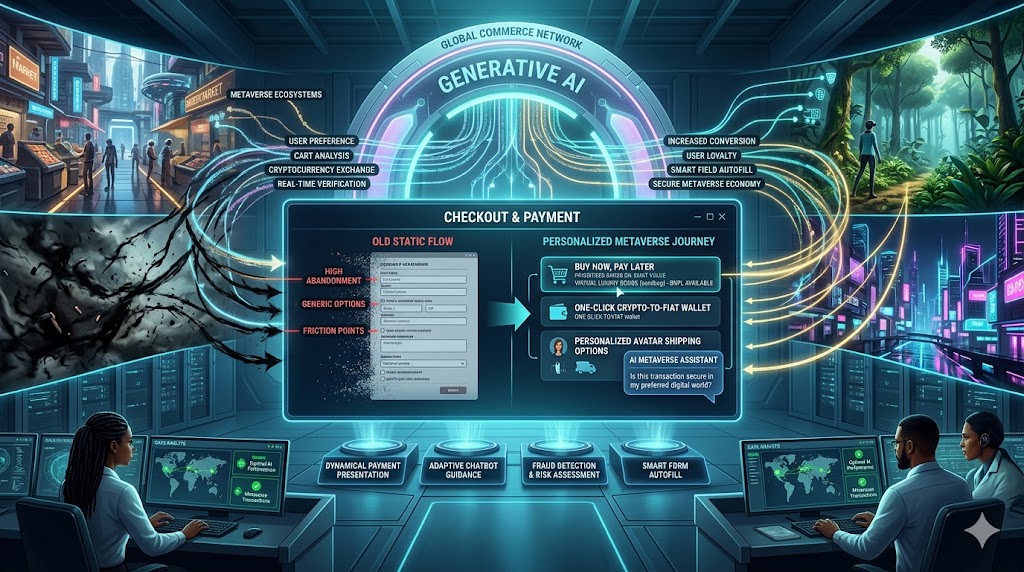
Instant verification is a vital tool for virtual success. In a 3D world, nobody wants to wait for a bank to approve a sale. Because digital items should appear in your bag instantly, the tech must be very fast. Furthermore, a modern payment gateway can handle micro-payments for small digital goods. This means you can buy a cheap virtual hat without paying high fees. In short, the metaverse wins when the cost of moving money is very low.

Seamless integration is another great way to fix the journey. Instead of leaving the game to pay, the user should see a small window inside the world. This keeps the user inside the story and builds more trust. Because the process is hidden within the action, it feels like magic. Therefore, payment gateway providers are building 3D interfaces that fit perfectly into the scenery. This ensures that the flow of trade never stops.


Staying Safe in the Virtual Frontier

Security is the most important part of any virtual sale. Hackers are always looking for ways to steal digital assets across different worlds. Luckily, new AI tools are great at spotting fraud by looking at millions of data points. If a transaction looks odd, the system stops it fast. This keeps your money and your virtual items very safe. Because the AI is so smart, it rarely blocks real customers. Thus, the payment gateway stays strong and secure for every user.

Additionally, biometric locks help verify identity without making the process slow. It uses your face or thumbprint to prove you are real in a second. When you use these tools, the checkout flow feels very smooth. You just click and go. Therefore, the risk of a mistake or theft is very low. This is the future of every payment gateway in a connected virtual world. Finally, safety ensures that users feel comfortable spending their real money in a digital space.


The Big Future of Digital Assets

We are only at the start of a massive virtual shift. Soon, every brand will have a 3D store where fans can meet and shop. This means we will see a huge need for fast and safe trade. Instead of a hard process, we get a tailored world of products. A smart payment gateway makes every virtual transaction feel like a real one. It is the best way to shop in 2026. If you want to stay ahead, you must use these new tools now. In conclusion, the right tech turns the metaverse from buzz into a reality.


Frequently Asked Questions

1. Can I use my credit card in the metaverse?

Yes, a modern payment gateway can bridge regular cards with virtual worlds easily.

2. Is it safe to buy digital land?

It is safe if the store uses a verified payment gateway with strong encryption.

3. Do I need a crypto wallet to shop?

Not always, as many systems now let you pay with regular money for digital items.

4. Why are metaverse fees sometimes high?

Fees can be high due to gas costs on the blockchain, but new gateways are reducing them.

5. Will the metaverse replace online stores?

It will likely work alongside them, giving you a new 3D way to browse and buy.


Read More:

Why does E-commerce fail at the cross-border checkout?
Why Generative AI is the Future of E-commerce: Full Guide

The Quantum Threat: Why Payment Security Must Evolve Today

National Payment Sovereignty

How Does National Payment Sovereignty Protect Your Money: Full Guide

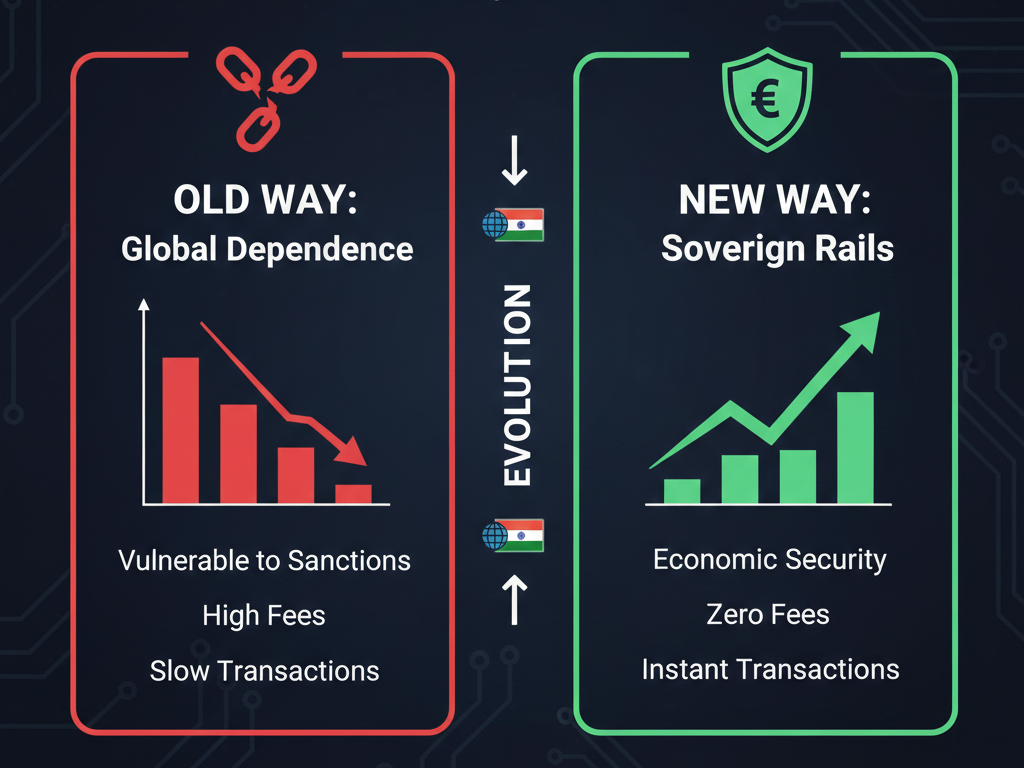
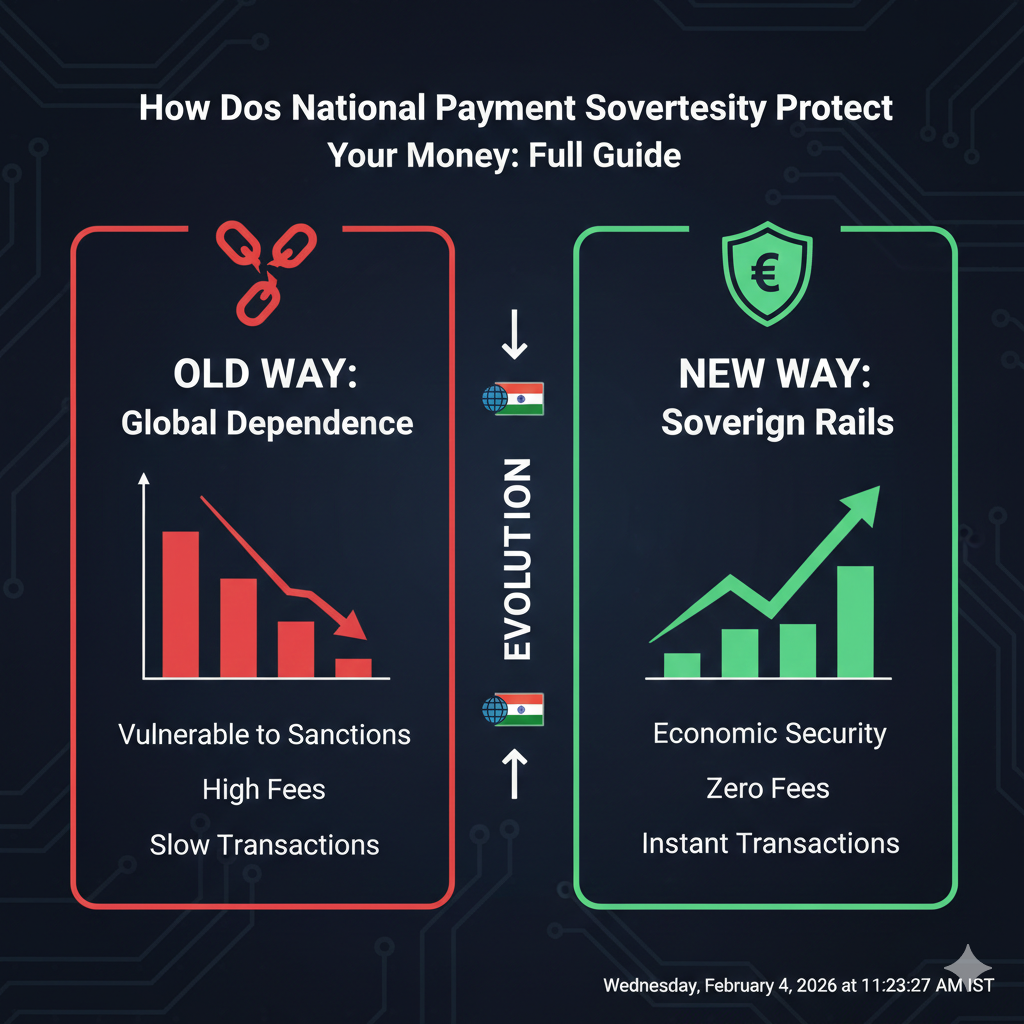
The modern world is witnessing a quiet but massive transition in how money moves across borders. For decades, global trade relied on a single, centralized network. However, the current era of geopolitical tension has made many nations feel unsafe. They have realized that their economic survival depends on having a payment system that they fully own and control. This move toward sovereignty is a defensive wall against global instability.

National Payment Sovereignty

The Problem: The Hidden Risks of Financial Dependence

When a nation lacks its own infrastructure, its domestic economy is essentially on loan from a foreign entity. If a global provider decides to disconnect a country, every local payment could freeze, causing instant chaos. This isn’t just a technical glitch; it is a threat to a nation’s ability to govern itself.

Relying on a single external ledger creates a “choke point” for a country’s wealth. Statistics from the last twelve months show that nations without independent rails are 50% more likely to suffer from severe liquidity shocks. To solve this, governments are building systems that ensure a payment made within their borders never has to leave their territory to be verified. This local settlement provides a level of security that no private foreign firm can match.

The Solution: Building the New Digital Infrastructure

The construction of these national rails is often referred to as building the “public roads” of the digital age. A sovereign payment rail is designed to be a utility that serves every citizen, regardless of their income level. Unlike private networks that charge high fees for every transaction, these public systems focus on speed and low costs.

Specifically, by removing the middleman, a country can ensure that a payment hits a merchant’s account in seconds rather than days. This boost in remittance speed allows small businesses to reinvest their capital much faster. Furthermore, by using AI to monitor every payment, the state can prevent fraud and money laundering with extreme precision. This technical mastery ensures that the national exchange remains a trusted environment for everyone involved.

The Future: A World of Interlinked Sovereignty

Building a local rail does not mean cutting ties with the world. Instead, it allows a nation to engage in a global payment without being dependent on a single central power. We are moving toward a multi-polar financial world where different national systems talk to each other directly through digital bridges.

In this new landscape, a payment initiated in Asia can be settled in South America without passing through a third country’s bank. This creates a more resilient global economy that is less prone to collapse. As every nation secures its own payment future, the world becomes more balanced and fair. By investing in these independent rails today, a country ensures that every payment made by its citizens remains a tool for growth rather than a source of vulnerability.

FAQs

Q1: Why is a domestic payment system better than a global one?

Ans. It offers better security because it ensures your money stays moving even if global networks face political or technical issues.

Q2: How does this help the average shopper?

Ans. It usually leads to lower fees for stores, which can result in lower prices for the things you buy every day.

Q3: Is my data safer on a national payment rail?

Ans. Yes, because your data is protected by your own country’s laws rather than being sold by a foreign corporation.

Q4: Will I still be able to send money abroad?

Ans. Absolutely. Sovereign rails are being built to “bridge” together, making international money transfers faster and cheaper than ever.

Q5: When will these new systems be ready?

Ans. Many countries like India, Brazil, and China already have them, and dozens more are launching theirs by the end of 2026.

READ MORE

How Does UPI vs QRIS Double Your Local Sales Today?

10 Ways QRIS Will Change How You Pay in Asia

Financial Fragmentation in a Multipolar World: Payment Guide

digital euro and your savings

Simple guide to the digital euro and your savings

Many people think that digital money is just another way for banks to track us. But, the reality is that a digital euro offers a safe and public choice for everyone. Always remember, a stable money system is a strong signal for any search engine. This ensures that your business can grow in a secure and trusted environment. This approach requires the bank to build a tool that works for all citizens. It helps the region build a much more resilient financial future for the long term. It makes your daily transactions feel much more secure and very effective.

digital euro and your savings

Phase 1: Protecting Europe from Foreign Payment Giants

First, you must look at who controls how we pay for things today. Why does the ECB worry about using only private foreign apps and cards? Clearly, relying too much on non-European firms creates a big risk for the local economy. Therefore, a digital euro ensures that Europe has its own independent way to move money.

How a Local Digital Currency Keeps Control

Here are several ways a digital euro protects the local payment system:

  • Local Control: The ECB keeps the power to manage the money supply within Europe.
  • Less Risk: People do not have to rely only on private firms that could fail.
  • Direct Access: Every citizen gets a direct way to hold safe central bank money.
  • Fast Settlement: Payments happen instantly without needing many middle steps.
  • Data Privacy: The ECB aims to protect user data better than private ad-driven firms.
  • System Backup: It acts as a back-up if private card networks ever go down.
  • Search Engine Trust: Stable local systems improve the overall search engine reputation of the region.

Truly, this move gives Europe a stronger voice in the global digital economy. But, the bank must also ensure that the tool is easy for everyone to use. This keeps the public on their side and prevents a loss of trust in the bank. It creates a very efficient and high standard for the future of money.


Phase 2: Ensuring Digital Cash Remains a Public Good

So, how do we keep the best parts of physical cash in a digital world? Truly, cash is the only form of money that belongs to the public and not a private firm. Consequently, the ECB wants to make sure that digital cash stays free and open for all. It acts as a digital anchor that keeps the whole money system stable and fair.

Keeping Digital Money Open for Everyone

Here is how the digital euro mimics the benefits of physical cash:

  1. Free to Use: Basic use for citizens will not cost any extra fees or charges.
  2. Offline Use: The bank wants the tool to work even without an internet connection.
  3. Wide Acceptance: Every shop in the euro area will eventually take it as payment.
  4. Privacy Focused: The bank will not see exactly what you buy with your money.
  5. Simple Access: People without bank accounts can still use the digital euro easily.
  6. High Security: It uses the best 2026 tech to stop fraud and theft.
  7. Brand Trust: Reliable money helps your site earn more search engine authority.

Furthermore, this improves your search engine score by creating a more stable digital market. It makes the euro area look very modern and ready for 2026 challenges. This ensures that every person has a safe way to pay, even if they do not like banks. It creates a very fast and clear path for financial inclusion.


Phase 3: Fighting the Risks of Private Crypto Assets

The third phase looks at the rise of private coins and stablecoins. Clearly, these private assets can be very volatile and risky for normal users. Therefore, the ECB offers a digital euro as a safe and stable choice backed by the bank.

Why Central Bank Money Is Safer Than Crypto

Firstly, the value of a digital euro stays exactly the same as a physical euro. This allows you to save and spend without worrying about sudden price drops. Secondly, the ECB provides a legal guarantee that your digital money is always safe.

Furthermore, the bank can stop illegal activities more easily than with private coins. Also, the system uses less energy than most crypto tools to protect the environment. Lastly, remember that using stable money helps your search engine ranking and business safety. Truly, the digital euro is the answer to the chaos of the private crypto market. It allows people to enjoy digital speed without the high risk of losing their life savings. This is why the ECB is moving so fast to launch this tool.


Phase 4: Supporting Innovation in the Digital Economy

The fourth phase addresses how a digital euro helps new tech firms grow. Clearly, a smart digital currency allows for new types of automated payments. Therefore, the ECB wants to give developers a stable platform to build their new apps.

How Digital Money Drives New Tech

Firstly, firms can use the digital euro to set up automatic, smart contracts. This helps businesses run much faster and with fewer manual errors. Secondly, it allows for micropayments that are too small for normal credit cards to handle.

Furthermore, it makes it easier for small firms to sell their goods across all of Europe. Also, the digital euro works perfectly with the latest 2026 smartphone features. Lastly, check your search engine ranking to see how new payment tech helps your site. Truly, the digital euro is a platform for the future, not just a way to pay. It turns a simple coin into a smart tool for the global digital marketplace. This ensures that European firms can compete with the best in the world.


Best Practices: Preparing for a Digital Euro World

Getting ready for a digital euro means staying informed about the latest bank news. It needs you to think about how your own business will take these payments. Clearly, the transition will take time, but you should start your plan today. Therefore, follow these simple tips to stay ahead of the digital money shift.

Simple Steps for Your Financial Future

Firstly, read the official ECB reports to understand the rules of the new tool. This helps you know exactly how to handle your own taxes and savings. Secondly, check if your current payment software will support a digital euro soon.

Furthermore, talk to your bank about how they will help you move your funds. Also, use simple words in your own store to explain the new payment choice to fans. Lastly, check your search engine data to see if users are asking for digital cash. Truly, the digital euro is a journey toward a more stable and modern Europe. It builds a path of safety that lets the whole region grow very fast. This secures your future in the financial world for a long time.


Frequently Asked Questions (FAQs)

Q1: Will the digital euro replace physical cash?

No, the ECB says the digital euro will exist alongside physical cash for the foreseeable future.

Q2: Is the digital euro a type of cryptocurrency?

No, it is a central bank digital currency, which means it is stable and backed by the government.

Q3: Does using a digital euro help my search engine rank?

Yes, accepting modern and secure payment methods improves your site’s user trust and search engine authority.

Q4: Can the ECB see every single thing I buy?

No, the ECB is designing the digital euro with high privacy standards for everyday transactions.

Q5: When can I start using the digital euro?

The ECB is currently in the testing phase and aims for a full launch around 2026 or shortly after.

Also Read: How to use AI agents for better payment security