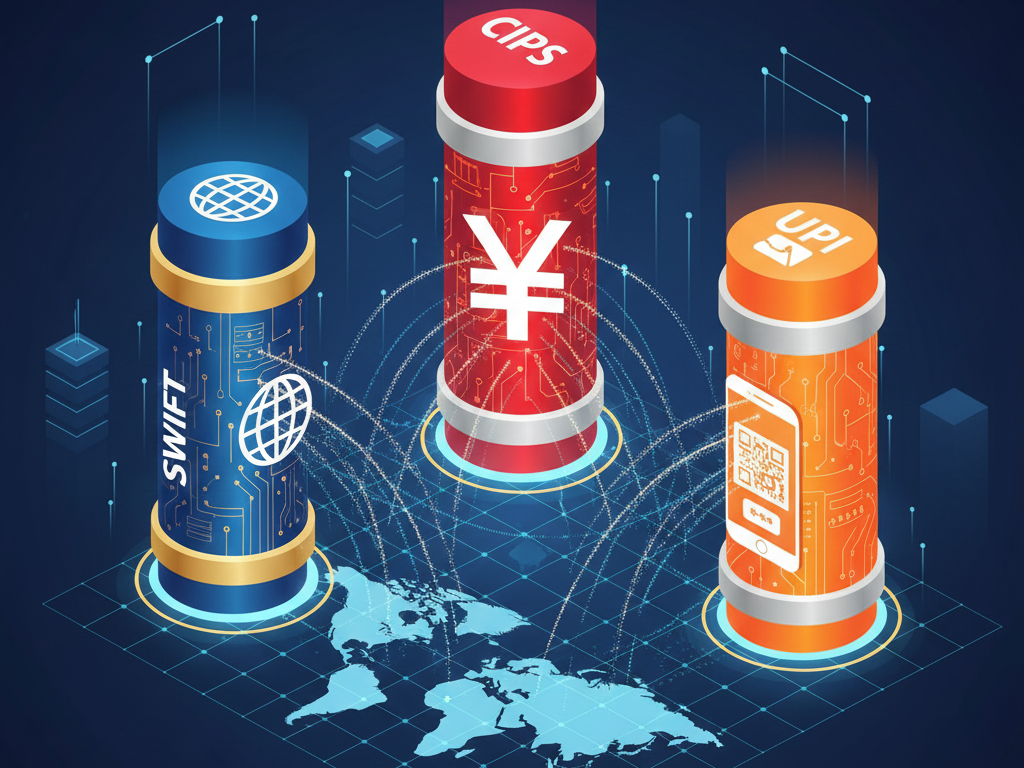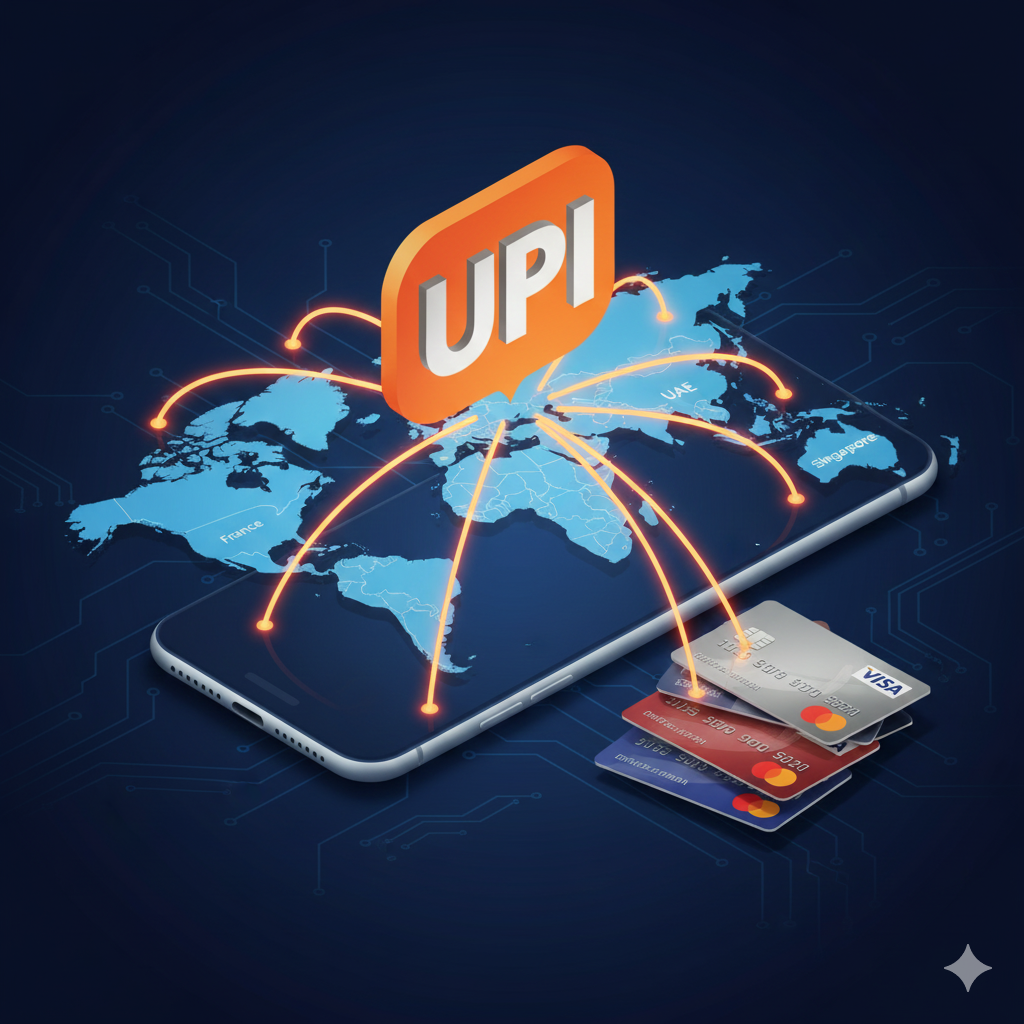
You must watch how the world moves money in new ways today. Therefore, you should learn about India’s UPI expansion across the globe. Truly, the old rule of credit cards is facing a very big challenge. Consequently, you can stay ahead by knowing how this mobile system changes global trade for 2026.
Many people think that Visa and Mastercard will always lead the world. But, the reality is that mobile QR codes are taking over many markets. Always remember, a fast payment path is a strong signal for any search engine. This ensures that your brand stays modern and your customers stay very happy. This approach requires you to look at how instant payments lower your daily costs. It helps you build a much more resilient financial plan for the long term. It makes your daily international sales feel much more secure and very effective.

Phase 1: The Fast Rise of Instant Mobile Payments
First, you must understand why UPI is growing so fast in 2026. Why do millions of people prefer a phone scan over a plastic card? Clearly, UPI offers a direct link between bank accounts without any middle steps. Therefore, it makes every transaction feel instant and very simple for everyone involved.
Why UPI Is Gaining Ground on Card Giants
Here are several reasons why UPI is a global threat to cards:
- Zero Merchant Fees: Small shops keep more of their money with every sale.
- Instant Settlement: You get your cash right away instead of waiting for days.
- No Plastic Needed: Your phone is the only tool you need to pay for goods.
- Open Architecture: Any bank or app can join the network to help it grow.
- High Security: It uses two-factor codes for every single scan today.
- Offline Success: New tech allows UPI to work even without a strong signal.
- Search Engine Trust: Fast sales help your site earn a better trust score.
Truly, these benefits show why India is exporting this tech to other nations. But, you must also see how Visa and Mastercard are reacting to this shift. This keeps your business flexible and prevents any sudden loss of payment options. It creates a very high and professional standard for your digital store.
Phase 2: UPI’s Global Footprint in 2026
So, where can you actually use UPI outside of India right now? Truly, the network is reaching into Europe, Asia, and the Middle East today. Consequently, you should watch for UPI signs in major cities around the world. It acts as a new bridge for global travel and digital commerce.
Countries Embracing India’s Payment Tech
Here is how UPI is expanding its reach in 2026:
- Southeast Asia: Nations like Singapore and Malaysia now link to UPI fast.
- The Middle East: You can pay with UPI in shops across the UAE and Qatar.
- Europe: France and the UK are testing UPI for tourism and small trade.
- Africa: Many nations use UPI tech to build their own local systems today.
- Nepal and Bhutan: These neighbors were the first to adopt the full system.
- Sri Lanka: UPI helps the local economy by making tourism payments easy.
- Trust Rankings: Global reach helps your brand gain better search engine authority.
Furthermore, this improves your search engine performance by showing your global readiness. It makes your company look very smart and ready for 2026 market shifts. This ensures that you can take payments from a much wider pool of global fans. It creates a very fast and clear path for your international growth.
Phase 3: Can UPI Truly Replace Visa and Mastercard?
The third phase involves looking at the hurdles that UPI must still jump. Clearly, Visa and Mastercard have been the world leaders for over fifty years. Therefore, UPI must prove it can handle the world’s biggest and most complex deals.
The Challenges of Overtaking the Card Giants
Firstly, cards offer credit lines that UPI does not yet provide to everyone. This allows users to “buy now and pay later” with a simple swipe. Secondly, the card giants have a massive network of legal and fraud protection.
Furthermore, many Western nations still rely on old bank systems that move slowly. Also, Visa and Mastercard are launching their own “pay by bank” tools in 2026. Lastly, remember that a mix of tools helps your search engine trust and user speed. Truly, UPI is a great rival, but cards will not disappear any time soon. It allows you to offer more ways to pay, which is always good for your brand. This is why top merchants keep both cards and QR codes at their checkout.
Phase 4: Adapting Your Store for the UPI Era
The fourth phase is where you prepare your own business for these new tools. Clearly, you want to be where your customers are spending their money today. Therefore, you must add mobile and QR payment options to your website and shop.
How to Join the Global Payment Shift
Firstly, check if your payment gateway supports UPI or other instant bank tools. This helps you reach millions of new buyers from India and beyond in 2026. Secondly, use simple QR codes at your physical shop to lower your card fees.
Furthermore, train your staff on how to verify a mobile payment in seconds. Also, use transition words in your shipping guides to explain your new pay options. Lastly, check your search engine ranking to see if new pay tools help your traffic. Truly, a flexible shop is your best tool for success in the digital world. It turns a complex shift into a series of smart, profitable wins for you. This ensures your business stays running while the giants fight for the lead.
Best Practices: Choosing the Right Global Strategy
Finalizing your plan requires you to stay balanced in your payment choices. It needs you to offer the safety of cards and the speed of mobile apps. Clearly, your customers want a mix of trust and ease when they shop with you. Therefore, follow these simple tips to keep your global payments healthy and fast.
Simple Tips for Modern Payment Success
Firstly, always keep your card options for customers who want to earn rewards. This helps you keep your big spenders happy and coming back for more today. Secondly, use UPI for small, fast sales to keep your transaction costs very low.
Furthermore, use transition words in your invoices to make them easy for fans to read. Also, check the news for any new UPI links in your target markets for 2026. Lastly, check your search engine data to see if pay speed helps your sales. Truly, a smart path is a journey that leads to a much better brand. It builds a path of wealth that lets your whole team grow very fast. This secures your future in the digital world for a long time.
Frequently Asked Questions (FAQs)
Q1: Is UPI safer than a credit card?
Both are safe, but UPI uses your bank’s own security and does not share your card number.
Q2: Does UPI work for international travel?
Yes, many countries now allow you to scan a QR code using your Indian UPI app in 2026.
Q3: Why do shops prefer UPI over Visa?
Shops prefer UPI because it usually has no fees, so they keep 100% of the sale price.
Q4: Can I get a refund on a UPI payment?
Yes, but the process depends on the shop’s own policy rather than a card bank’s rules.
Q5: How does UPI expansion help my SEO?
Offering modern, global payment tools improves user experience and builds your site’s trust.
Also Read: How to pick SWIFT vs CIPS vs UPI for your business