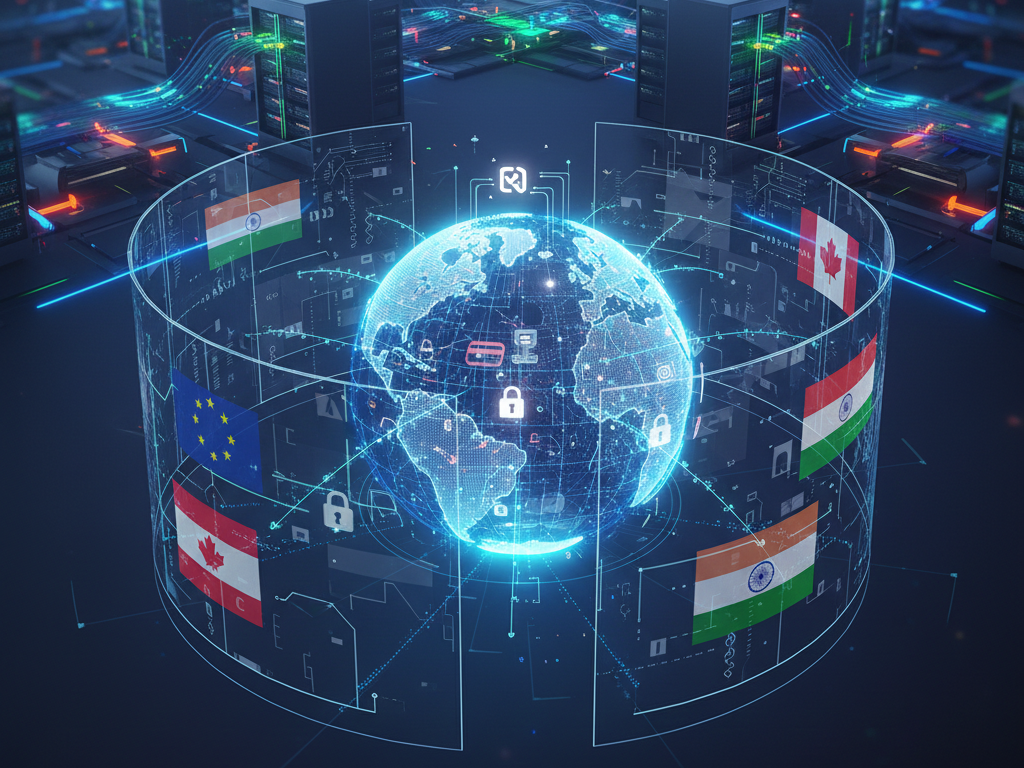
Payment Infrastructure as a Tool of Soft Power in Trade Wars

How A Strong Payment Infrastructure Builds Global Soft Power

In the high stakes world of global trade, money is now a silent weapon. Specifically, many nations now realize that controlling how funds move is a vital edge. Therefore, building a solid payment infrastructure has become a key tool of soft power. This shift changes how countries talk and trade with each other. It is not just about digital coins or bank apps. In fact, it is a smart way for a country to lead on the global stage. Consequently, a strong and stable payment infrastructure helps a nation project its true strength. You will see a clear shift in power by following this deep and strategic trend.

Payment Infrastructure as a Tool of Soft Power in Trade Wars

Winning the Trade War Without a Single Shot

Many people think trade wars are only about high taxes and ships. However, the real fight often happens in the wires and code of a bank. First, a local payment infrastructure can bypass old global rules that slow down growth. Specifically, it lets a country keep its trade moving even when others try to block it. Furthermore, having a top tool that others want to use creates a new kind of bond. You also gain a lead when your neighbors rely on your tech to buy bread. Similarly, a unified payment infrastructure ensures your trade stays safe during a crisis. This puts your growth on a steady path for a very long time.

Why Every Nation Wants Their Own Money Rules

The journey to the top begins when a nation builds its own money path. At this stage, relying on a foreign payment infrastructure is a very big risk. These new tools act as a top guide for a country’s financial future. Specifically, a custom payment infrastructure ensures that a nation and its true worth stay safe. It is built to spark fast progress in every single trade deal. You should also know that a smart system offers more than just a way to pay. While a simple app just sends cash, a whole payment infrastructure guides the whole economy. Furthermore, it moves firms past the fear of being cut off from the world.

The True Influence of Digital Dollar and Yuan

As a nation’s tech grows, its influence spreads to other places. At this stage, the focus on a payment infrastructure builds a very strong bond with allies. This plan is specific to what a partner country likes and needs. For example, some might get a faster way to sell their goods abroad. The timing of these moves is very key for global success. Furthermore, a top leader handles all the tech and rules with ease. This ensures your trade plan is solid from the very first step. Such smart timing helps a country move toward a big global win. Indeed, a modern payment infrastructure reveals who is truly in charge today.

Protecting the Flow of Goods and Services

Data is the backbone of all smart trade and money success today. The way a country handles its payment infrastructure tracks how every dollar moves. This includes how users buy and sell items in a safe way. These facts help refine the path for every brand and firm in the land. Therefore, the system learns and grows over time to serve the people better. This data driven path ensures the best results for a whole nation. It also prevents any bad risks from hurting the economy. A smart payment infrastructure relies on real facts to win every single time. Your plan and focus are too important to risk at any step.

Conclusion and the New Map of World Trade

The future of global trade is too important to leave in the hands of others. Today, we see how a modern payment infrastructure changes who wins and who loses. This smart move helps a nation scale faster and stay much safer too. It turns simple tech into a real win for a whole region. You will see more growth and less stress for firms everywhere. Therefore, nations act now to secure their spot in the global market. Knowing the truth of quality tech lead leads to true success. It is the best way to ensure a bright future for many years. You will find that the right payment infrastructure makes all the difference in a trade war.


FAQs

1 How is a payment system a tool of power?

It lets a country control how money flows, which can help or hurt other nations.

2 Does this affect small businesses?

Yes, it makes it easier or harder for them to sell items to other countries.

3 Why is it called soft power?

Because it uses tech and money to lead rather than using a real army.

4 Is it safe for a country to use its own system?

Specifically, it is much safer because it stops other nations from blocking their trade.

5 Will this trend grow in the future?

Indeed, more nations are building their own tools to stay independent and strong.


Read More:

How a Trade Agreement Protects Your Brand in New Markets
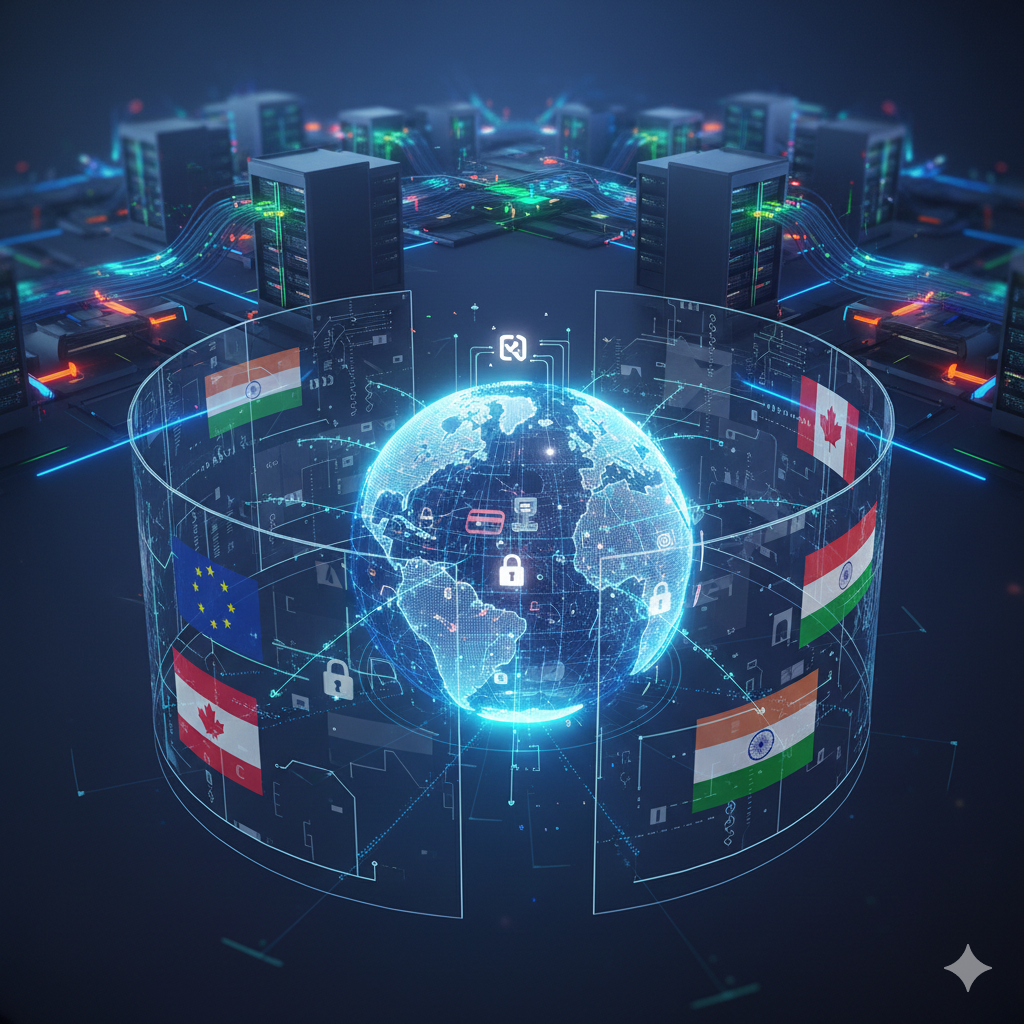
Data Sovereignty for Payment Providers: A Complete Guide

Why scaling like BRICS nations is the new global goal?

Data Sovereignty for Payment Providers: A Complete Guide

Data Sovereignty for Payment Providers: A Complete Guide

Data sovereignty is now a major part of the global digital economy. This is especially true for payment providers who deal with complex international rules. Money moves across borders every single day. Therefore, sensitive information must also travel between countries. This creates a clear conflict between global trade and local privacy laws. Many nations now want to control how their citizens’ financial data is stored. As a result, the payment industry must adapt to a patchwork of regional mandates.

Understanding Data Sovereignty in Fintech

Data sovereignty means that digital data must follow the laws of the country where it is located. Consequently, every payment across a border must meet specific residency rules. These rules apply to many different countries at the same time. This is not just about privacy but also about national jurisdiction. If data sits on a server in France, French law governs that data. This remains true even if the company is based in the United States.

Major legal systems like the GDPR in Europe shape this landscape. Also, the CCPA in the United States plays a big role. Many emerging markets now have very strict localization laws too. These laws often say where a company must store and process its data. For example, a payment provider in India might need to use local data centers. This rule applies even if the main office is in another country. Therefore, providers must map out their entire data flow to ensure compliance.

Data Sovereignty for Payment Providers: A Complete Guide

The Operational Impact of Localization Laws

Strict localization laws create many hurdles for payment gateways. A country might mandate that financial data must stay within its own borders. If this happens, the old model of a single global cloud hub starts to fail. Companies can no longer rely on one central database to serve the whole world. Instead, they must build local infrastructure in every major market. This change impacts everything from server maintenance to software updates.

  • Higher Infrastructure Costs: Moving from one central hub to many local servers usually increases costs significantly.
  • Better Latency and Performance: Data that stays local can lead to faster transaction times for users in that region.
  • Less Security Complexity: Managing security across different legal rules requires a very smart and modular approach.
  • Legal Compliance Risks: Failing to store data locally can result in massive fines or even a total ban in some countries.
  • Operational Overhead: Teams must now manage multiple sets of local regulations and audit requirements simultaneously.

Furthermore, payment providers must check their third-party vendors. These include cloud storage and identity services. Every partner must follow these regional rules. Thus, the whole compliance chain must be very strong. If a vendor fails a local audit, the payment provider is often held responsible.


Navigating Cross-Border Compliance Challenges

Payment providers use several key strategies to stay competitive and compliant. First, automation is a vital tool. Manual checks are simply not fast enough for modern digital payments. Automated systems can route data based on the user’s location instantly. This ensures that every transaction hits the right server at the right time.

Moreover, companies are now using “Privacy by Design” methods. This approach builds compliance directly into the software itself. Providers can also use tokenization to protect data. As a result, they can process payments without moving sensitive info across borders. Tokenization replaces a credit card number with a random string of characters. This allows the financial message to travel while the private data stays safe at home.

In addition, transparency is a great way to win over customers. Merchants trust a provider that explains how it stores data. Data breaches happen often in the news today. Therefore, protecting data sovereignty is a great way to build a brand. Clear communication about data residency can be a major selling point in a crowded market.


The Role of Regional Payment Hubs

Many providers are now building regional hubs to balance costs and laws. Instead of a server in every country, they use a hub for a specific legal zone. For instance, a provider might use one hub for the entire European Economic Area. This allows them to follow GDPR while keeping infrastructure costs lower. However, this strategy only works if the countries in that zone have similar laws.

These hubs must be flexible enough to handle sudden legal changes. A country might decide to leave a trade bloc or change its privacy rules. Therefore, the software must be easy to update. Agility is the most important trait for a modern payment gateway. Providers who can pivot quickly will win the most market share.


Future Trends in Global Data Regulations

We expect to see more changes in international data laws soon. Many governments now view data as a national asset. They see it as being just as valuable as oil or minerals. This trend will likely lead to much stricter local audit rules. Governments want to make sure they can see financial data during a crisis.

However, some nations are creating “adequacy agreements” with each other. These deals allow data to move freely between countries with similar security. Payment providers must watch these new alliances closely to grow. If two countries sign a deal, it can lower the cost of doing business there.

The best fintech companies do not see data sovereignty as a legal wall. Instead, they see it as a way to build a safer financial world. By respecting local laws, they build deeper trust with local users. This trust is the foundation of any successful global payment network.


Balancing Innovation and Law

Mastering data sovereignty is no longer optional for payment providers. It is a core part of the business model. Companies must invest in local infrastructure and smart data routing. They must also stay ahead of a changing legal landscape. While these rules are complex, they also offer a chance to innovate. Providers who lead in privacy will lead the market.


Frequently Asked Questions

1 What is the difference between data residency and data sovereignty?

Data residency is about where you store the data. Data sovereignty is about which local laws apply to that data.

2 How does GDPR affect providers outside of Europe?

Any provider that handles data for EU citizens must follow GDPR rules. This is true no matter where the company is located.

3 Why do governments want data localization?

Governments want to protect consumer privacy. Also, they want to make sure local officials can audit financial records easily.

4 Can blockchain technology help with data laws?

Blockchain offers some great solutions. But, it also makes it hard to follow “the right to be forgotten” rules in some countries.

5 What is tokenization for data laws?

Tokenization swaps sensitive data for unique symbols. This allows a company to process a payment without risking the original data.

Read More:

Why scaling like BRICS nations is the new global goal?

AI in Payments: A New Geopolitical Battleground

Will scaling past EU bars unlock your total ROI?

UPI vs QRIS

How Does UPI vs QRIS Double Your Local Sales Today?

The Problem with Global Payment Monopolies

I’ve heard it a thousand times. A nation relies only on one foreign credit card firm. And yet, their local shops pay high fees. Usually, that is just a polite way of saying the country has lost its own power. Also, old bank moves take a long time. They involve too many middle men. If you build a new market on old tracks, you are building a ghost town.

In fact, a system where local tracks handle 80% of deals is worth much more. Furthermore, the biggest cost in 2026 is the lack of links between close nations. This happens when people must carry cash or pay high fees. This path creates a big gap. Because of this, users want a fast and easy way to pay.

The solution lies in a smart way to keep your money power. This turns a national rule into a solid sales tool. This isn’t just a tech shift. Instead, it is a big plan. This helps every person pay in a safe way. Once you use these rules, you will see your local market grow.

UPI vs QRIS

1. UPI: The Best Way to Join the Bank

If you aren’t looking at the UPI growth data, you are flying blind. Specifically, India’s UPI has won more of the market for three months in a row. You need to know why this tool works so well. For example, was it the low cost or the ease of use? Smart leaders use the UPI path to see how to reach far away areas. Then, they make mobile plans for their own folks.

Moreover, smart plans allow for a steady gain in the market. This is because they focus on a good user path. By using a top-tier plan, you help your local banks win. This leads to steady gains. It sounds simple. However, most lands are too busy guessing to look at the UPI success.

2. QRIS: Linking Asian Shops Through Scans

The move to regional QR tools is happening faster than we thought. While old tools are slow, QRIS adds cross-border links through one rule. These rules use logic to link many bank nets. These rules act like a smart helper for regional trade.

However, one-country tools are not enough for a big change. The most top-tier stage is a system for many lands. These nets handle tasks like live money swaps. These tools help many banks work as one. Consequently, they act as a smart brain for the whole Asian area.

3. Digital Euro: Keeping Europe’s Money Power

To build smart bank tools, you should not have to glue poor parts together. The Digital Euro aims to use one public coin. Specifically, this uses Europe’s strength to give safe answers to market moves. This means a person can travel with their full data ready to go.

Additionally, think of a case where your phone wallet knows your local spot. It uses safe data to help you buy things fast. This base ensures that your responses to global stress stay strong. Therefore, it stops the friction that slows down your best shops. It helps them finish big deals with fewer errors.

4. The 80/20 Rule for National Payments

If your land spends all its time on foreign nets, you have no time for local growth. You must follow an 80/20 rule. Thus, use local tracks to handle 80% of daily buys. This includes food or bus rides. This leaves the 20% of big global moves to top-tier firms.

Using fast moves helps shops stay on track without cash. AI can even set up fast replies based on simple talk. This allows your shops to work in a flow. They do not have to switch between many tools. This leads to much faster growth.

5. How to Track Your Money Success

If your bank talks about total sales but not local ownership, you need a new plan. Those are vanity marks that hide a weak spot. You can have many deals but no real power in the bank. To know if you are winning, you must track the “Dirty Four”:

  • Local Ratio: First, how many of your deals stay on your own tracks?
  • Shop Cost: Next, what is the total fee for every single scan?
  • Fast Speed: Then, for every coin paid, how fast does it reach the bank?
  • User Trust: Finally, when phone use grows, does your poor group get help?

Conclusion

How to win the money power race? It shifts from a secret to a system when you pick your goals well. You must set clear goals for the bank. Also, track gains with care using local data. Repeat this for 90 days. Then, growth becomes steady. This helps you spend your budget with trust.


Key Takeaways

  • First, payment sovereignty helps a nation control its own money because it removes the need for foreign tools.
  • Therefore, systems like UPI and QRIS serve as a bridge for trade and peace.
  • Specifically, the Digital Euro wants to give a public way to pay across all of Europe.
  • Furthermore, the QRIS model is growing fast to link Asian markets through easy scans.
  • Consequently, these tools allow small shops to take international money while they boost local sales.
  • In fact, India’s UPI has seen huge growth by making mobile phones the main way to join the bank.
  • For instance, having one set of rules helps lower the cost of every deal for the user.
  • Thus, using fast settlement stops the need for slow and very pricey old bank wires.
  • In addition, using live exchange rates builds quick trust when you travel to other lands.
  • Finally, keeping data local keeps your money safe and follows all your own laws.

FAQs

Q1: Can small lands afford their own pay tools?

Ans. Yes, tools like QRIS offer low-cost rules that work well for everyone.

Q2: How long before a new tool sees real growth?

Ans. Most systems see real gains and more users within 60 to 90 days of the start.

Q3: Is it better to focus on home use or foreign links?

Ans. Good local tracks work much better than relying on others in every test.

Q4: Will a Digital Euro take away my cash?

Ans. No, but it will act like a safe digital helper for all your phone buys.

Q5: What is the biggest risk for a big pay net?

Ans. Errors or bad data silos can be very bad, so make sure your tool has good backups.

Read More:

10 Ways QRIS Will Change How You Pay in Asia

Financial Fragmentation in a Multipolar World: Payment Guide

 HSBC’s Warning: The End of Globalization & Payments