What Is the Future of E-commerce Fraud Prevention?

The High Cost of Lagging Fraud Defenses

E-commerce businesses constantly face a growing and evolving threat from online fraud. As digital payments become more common, criminals invent increasingly sophisticated ways to exploit vulnerabilities. For many merchants, this results in significant financial losses, mainly from high chargeback rates and the operational costs of manual reviews. Therefore, businesses must shift from reactive security measures to a proactive, intelligent defense. Traditional systems, often built on static rules, are simply no match for modern criminal networks. Consequently, integrating advanced AI e-commerce fraud prevention at the earliest point—the payment gateway—is not merely an option; it is a fundamental necessity for survival and growth. This transformative step helps protect both revenue and valuable customer trust in the digital marketplace.

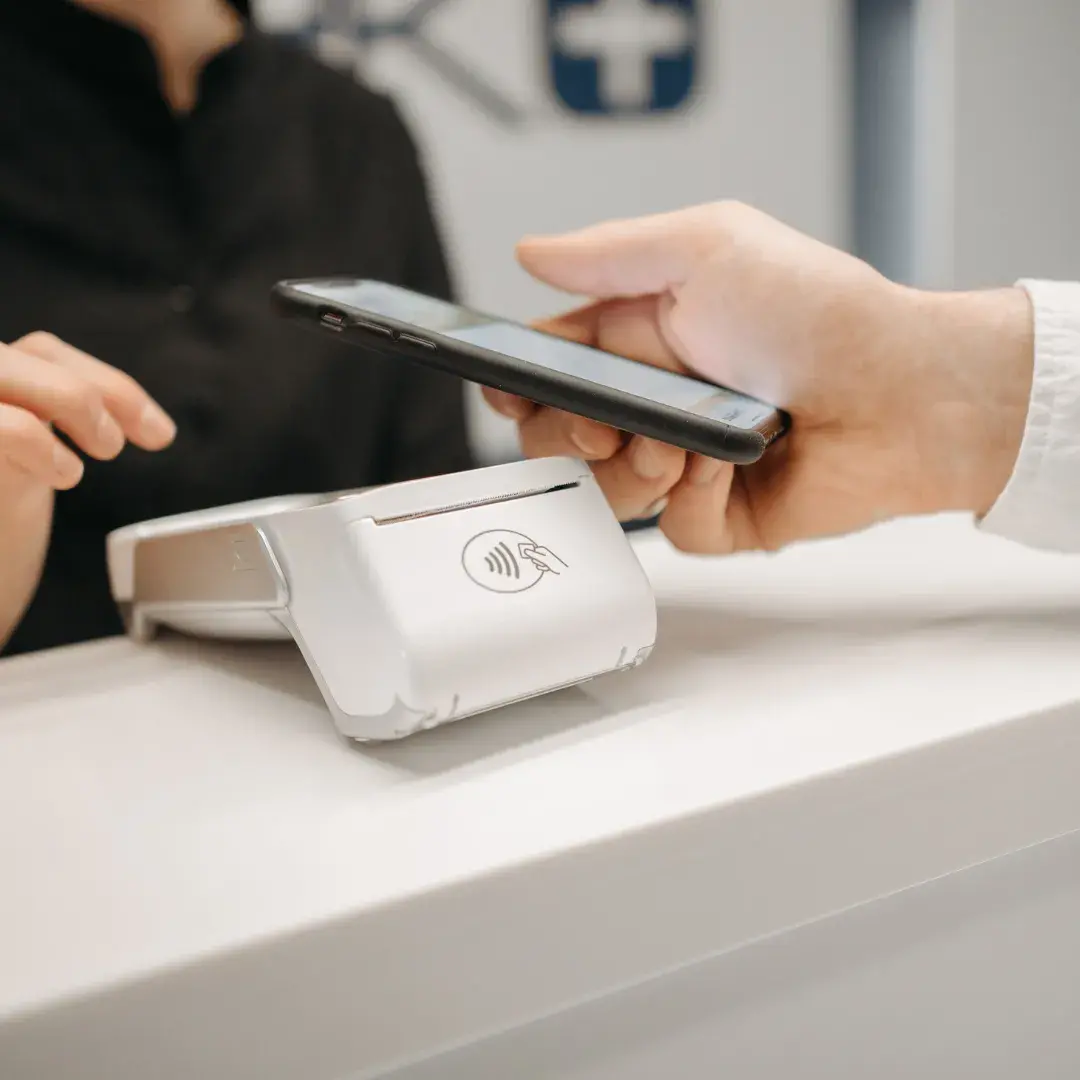
Image of E-commerce Fraud Prevention

Why Traditional Rules Fail Against Modern Scams

Older, rule-based fraud detection systems operate on rigid, predefined criteria. For instance, a rule might automatically flag any transaction over $500 or any purchase using a foreign IP address. While simple, this approach has two major flaws. Primarily, it leads to unacceptable rates of false positives, which wrongly decline legitimate customers, causing frustration and lost sales. Furthermore, static rules are easy for experienced fraudsters to learn and bypass.

Consequently, criminals continually adapt their methods, making the old systems quickly obsolete. Because of this adaptability, a truly effective defense requires a system that can learn and evolve faster than the fraud itself. The core problem lies in their inability to detect never-before-seen or subtle patterns of deceit. This is precisely where the dynamic power of AI fraud detection offers an unbeatable advantage to all e-commerce players.


Machine Learning: The Engine of Next-Generation Security

The central component of effective modern fraud defense is machine learning. This is a type of artificial intelligence that uses vast amounts of historical and real-time transaction data to find complex patterns. Unlike rules, machine learning models do not just look for a single red flag. Instead, they analyze hundreds of data points simultaneously, including device IDs, geographic locations, purchase velocity, and behavioral anomalies. The models train on labeled data (known fraud vs. legitimate sales) to build a probabilistic risk score for every single transaction.

Moreover, unsupervised learning models are crucial for identifying totally new and unexpected types of fraud that do not fit any known pattern. This capability to detect both known and unknown threats makes machine learning fraud detection the gold standard for AI e-commerce fraud prevention. The continuous feedback loop further allows the system to improve its accuracy with every transaction, making it truly adaptive.


Real-Time Transaction Analysis at the Gateway

For maximum effectiveness, fraud screening must happen before the transaction is authorized. Therefore, integrating AI directly into the payment gateway security system is essential. This allows for what is called real-time transaction analysis. Within milliseconds—faster than a customer can even notice—the AI model assesses the risk score. It analyzes hundreds of data features, cross-referencing them against known fraud rings and establishing the user’s normal behavioral baseline.

Consequently, if the score is too high, the gateway can instantly reject the transaction, stopping the fraudster before any loss occurs. Conversely, if the score is moderate, the system can introduce step-up authentication, such as a two-factor verification, without declining a potentially good customer. This immediate action is vital because a slow decision allows fraudsters to execute their attack plans. This speed ensures a seamless experience for legitimate customers while providing a rock-solid layer of protection at the most critical moment of the e-commerce checkout flow.


Combating Card-Not-Present (CNP) and Account Takeover (ATO) Fraud

The biggest challenge in e-commerce is the proliferation of card-not-present (CNP) fraud. Since the physical card is absent, fraudsters use stolen card details to make online purchases. AI addresses this by moving beyond simple CVV and AVS checks. It employs device fingerprinting to track suspicious devices and IP addresses used in multiple attempts. Furthermore, AI is the best defense against Account Takeover (ATO) attacks. ATO occurs when a fraudster gains unauthorized access to a legitimate customer’s account.

Because of this danger, the AI fraud detection system monitors behavioral biometrics—things like typing speed, mouse movements, and navigation patterns. Any significant deviation from the customer’s established habits immediately triggers an alert or an enhanced authentication step. This layered, behavioral approach is highly effective. Ultimately, AI not only prevents CNP fraud but also protects the integrity of loyal customer accounts against unauthorized use.


The Hidden Advantage: Reducing False Positives and Chargebacks

A major unseen cost of outdated fraud systems is the revenue lost from false positives. When a legitimate customer’s transaction is blocked, the business not only loses that sale but also risks losing the customer forever. Importantly, AI e-commerce fraud prevention significantly lowers this problem. Through its superior pattern recognition, machine learning models identify nuances that differentiate a high-value returning customer from a fraudster using a similar transaction size. This improved accuracy means fewer good customers are rejected, which directly boosts conversion rates and customer satisfaction.

Furthermore, by preventing fraud more effectively, the system naturally reduces the number of successful fraudulent transactions. This reduction in fraud directly translates to lower e-commerce chargebacks with AI, saving the business costly fees and protecting its relationship with acquiring banks and payment networks. Therefore, the return on investment in an AI solution is twofold: reduced losses and increased revenue from legitimate sales.


Adaptive Fraud Prevention Solutions and Future Trends

Fraud is not static; it is a constantly evolving challenge. The core strength of AI e-commerce fraud prevention lies in its ability to adapt in real time, which is essential for long-term security. These adaptive fraud prevention solutions use continuous learning to adjust their models automatically as new fraud schemes appear. When a new coordinated attack begins, the AI detects the anomalous cluster of transactions and instantly updates its risk scoring criteria to block the emerging pattern globally. This prevents the same attack from succeeding across all accounts.

Looking ahead, the future of payment gateway security will involve the integration of new technologies. We will see greater use of federated learning, where multiple banks and merchants securely share non-sensitive fraud patterns to build more robust global models without compromising customer data. The continued focus remains on creating a friction-free experience for the customer while building an invisible, iron-clad defense against all fraudulent activity. The speed and scalability of AI make this future a reality right now.


Building Your Defense: Implementing AI at the Gateway

Implementing a robust AI e-commerce fraud prevention solution requires a strategic approach. First, e-commerce managers must work closely with their payment gateway provider or a specialized fraud solution vendor. The initial phase involves integrating the AI tool seamlessly with the gateway’s transaction processing API. Next, the system requires training on the business’s historical transaction data to establish a baseline for normal customer behavior.

During live deployment, starting in a “monitor only” mode is smart, allowing the AI model to score transactions without automatically blocking them. This parallel testing ensures accuracy and helps fine-tune the risk thresholds. Importantly, the team must establish clear review processes for transactions that the AI flags for manual review. By prioritizing a phased, data-driven rollout, businesses can maximize the effectiveness of real-time transaction analysis and secure their checkout process quickly and confidently.


The Final Verdict: AI is the Non-Negotiable E-Commerce Shield

The relentless increase in digital fraud means that simple, rule-based systems are functionally obsolete. E-commerce businesses cannot afford to sustain high chargeback rates, manual review costs, and the customer frustration caused by false positives. The move to AI e-commerce fraud prevention offers the only scalable, adaptive, and accurate solution. By integrating machine learning fraud detection directly into the payment gateway, businesses create an intelligent, real-time shield that protects every transaction. This advanced security not only stops criminals but also enhances the customer experience by processing legitimate transactions swiftly and without unnecessary friction. Adopting these advanced solutions is the key to maintaining a competitive edge and ensuring long-term financial stability in the fast-paced world of online retail.


Frequently Asked Questions (FAQs)

1. What is the main difference between traditional and AI fraud detection?

The main difference is adaptability. Traditional systems use static rules that are easy to bypass, while AI e-commerce fraud prevention uses machine learning to continuously analyze new data and adapt its models to detect emerging fraud patterns in real time.

2. How does AI help to reduce e-commerce chargebacks with AI?

AI fraud detection significantly reduces chargebacks by proactively identifying and blocking fraudulent transactions before they are approved and completed, thereby lowering the number of unauthorized transactions reported to card issuers.

3. What is behavioral biometrics in e-commerce and how is it used?

Behavioral biometrics in e-commerce involves analyzing unique user actions like typing speed, mouse movements, and scrolling patterns. Real-time transaction analysis uses this data to verify a user’s identity, making it a strong defense against account takeover fraud.

4. Does AI fraud detection cause a delay in transaction processing?

No, the analysis is nearly instantaneous. AI-powered payment gateway security systems complete their risk assessment and scoring in milliseconds, meaning the vast majority of transactions are processed without any noticeable delay to the customer.

5. What is the role of unsupervised learning in machine learning fraud prevention?

Unsupervised learning models are critical because they detect entirely new and unknown types of fraud. They identify transactions that are significant statistical outliers from all established, normal behavior, allowing for a defense against emerging threats without prior examples.


Payment Security: Tokenization Versus Encryption

You worry about keeping customer payment data safe. This is a big job. You must choose the best tools. Two top tools are tokenization and encryption. They both help your payment security. However, they work in different ways. Furthermore, they are best for different parts of a transaction. We will look at both methods now and will find out which one works best for your overall payment security plan. We will also talk about how to use them together. This will give you the strongest payment security possible.

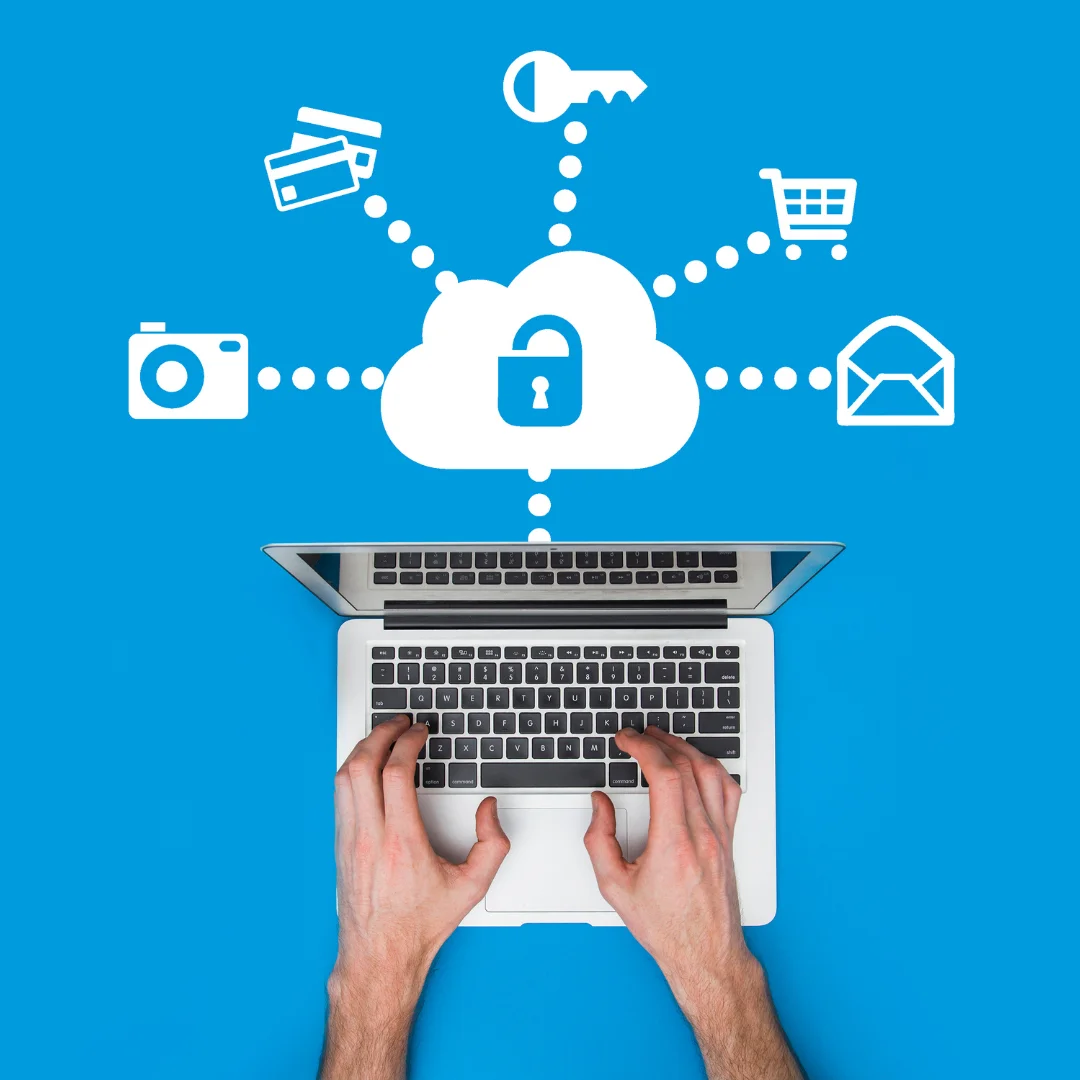
Image Of Tokenization Versus Encryption

What is Tokenization?

Tokenization is a simple idea. It replaces sensitive data with a useless placeholder. This placeholder is called a token. For example, a customer’s credit card number is very sensitive. The tokenization process swaps this real number. It substitutes a random string of numbers and letters. The token has no value. It has no mathematical link to the original card number. Therefore, if a hacker steals the token, they get nothing. The real card number stays safe. It is kept in a separate, highly secure place. This place is known as a token vault. This method gives you better payment security.

This process works very fast. First, a customer gives you their card details. Then, your system sends the card data to the tokenization provider. The provider creates the token. It stores the real card number in its secure vault. Consequently, the provider sends the non-sensitive token back to you. So, you never store the actual card number. Instead, you only store and use the token. This significantly reduces your risk. This is a smart approach to payment security.


Tokenization’s Strong Role in Payment Security

Tokenization is a favorite tool for many businesses. It is popular because it greatly reduces a company’s liability. Consider this: a breach happens. Your system only holds tokens. Hackers cannot use the stolen tokens. They are just random characters. They do not contain the real financial data. The actual card number never left the token vault. This is a very strong defense for payment security.

In addition, tokenization makes compliance easier. The Payment Card Industry Data Security Standard is called PCI DSS. This rule set protects cardholder data. Storing real card numbers means you must secure your entire network. This is expensive and difficult. But, when you only store tokens, the scope of PCI DSS shrinks. Your compliance burden is much smaller. Consequently, tokenization is a smart business move. It is a vital layer for top-tier payment security. Therefore, many experts recommend it for long-term storage of payment data.


What is Encryption?

Encryption is a different way to protect data. It uses mathematics to scramble information. It turns readable data into unreadable nonsense. This nonsense is called ciphertext. An encryption key is necessary to scramble the data. Similarly, a decryption key is necessary to unscramble it. Without the correct key, the ciphertext is useless.

For example, you type in your card number on a shopping website. The encryption process starts at that moment. Your browser uses an algorithm and a key. It turns the card number into a secret code. The code travels safely over the internet. Then, the payment processor receives the code. They use the correct key to unlock it. Consequently, the data turns back into the original number. This is how encryption protects data in motion. It is a necessary part of your payment security. Because of this process, people can shop online safely.


Encryption’s Key Role in Payment Security

Encryption is the backbone of all secure online communication. It is critical for securing data in transit. Data is most vulnerable when it travels from one computer to another. This is where encryption shines. It is always needed when you send data over a public network. You see the little lock icon in your web browser. This icon shows that a connection uses encryption. It means the data is safe as it moves.

Moreover, encryption can protect many types of data. It works well with large amounts of data. It can secure whole documents or video files. This is a major difference from tokenization. Tokenization mostly works on small, structured pieces of data. These are items like a credit card number or a Social Security number. Encryption is more flexible. It is a wider tool for general data protection. It is a must-have for complete payment security. So, you must use it to protect data on your servers too. This includes the secure token vault itself.


Comparing Reversibility and Security

Tokenization and encryption differ most in how they reverse the process. Encryption is designed to be reversed. It uses a key. Anyone with the key can turn the ciphertext back into plain text. This is a strength and a weakness. It is a strength because data can be easily shared and used by authorized parties. It is a weakness because a stolen key means total data loss. A thief who steals the key can access all encrypted data. Therefore, good key management is essential for this type of payment security.

On the other hand, tokenization does not use a key to create the token. The token is a random value. There is no mathematical formula to reverse it. It only links back to the original data in the secure token vault. To “detokenize,” you must access that vault. Therefore, a stolen token is worthless on its own. It is a much safer option if a breach occurs outside the vault. This makes tokenization a very strong defense for payment security. Consequently, it removes the danger that comes with key management.


Different Use Cases for Payment Security

Tokenization and encryption also have different best-use scenarios. Encryption is a superior choice for data in transit. You must encrypt the card details as they leave the customer’s device. This protects the data immediately. It prevents eavesdropping during transmission. The data must be unlocked later for processing.

However, tokenization is the better solution for data at rest. Data at rest means stored data. Merchants often save card details for recurring billing or one-click checkouts. Storing the actual PAN is risky. Storing a token is much safer. The token is useless if the storage system is compromised. This is why tokenization is a crucial strategy. It reduces the amount of time that sensitive data is exposed. It keeps the real PAN away from your less secure systems. This is the main benefit for overall payment security. Also, you can still use the token to process a charge later.


The Compliance Advantage and PCI DSS

Compliance with rules is a big reason to choose tokenization. The PCI DSS is very strict. It requires many security controls if you store, process, or transmit card data. These controls cover things like firewalls, system configuration, and monitoring. This can be complex and expensive for many companies.

Tokenization simplifies this process greatly. When a card number is tokenized, the token is no longer considered sensitive data under most PCI rules. The token is harmless. So, your internal systems that handle only tokens fall outside the strictest parts of PCI DSS. This saves you time and money. It also lowers the risk of compliance failures. Therefore, tokenization is a compliance strategy as much as it is a security strategy. Encryption is still required for transmission and for the vault itself. But, tokenization reduces the total effort needed for payment security compliance.


Choosing the Best Method for Payment Security

You may ask, “Which method is truly better?” The answer is that both methods are necessary. They are not competing tools. They are two pieces of a stronger payment security puzzle. Using them both provides a layered defense. This layered approach is known as defense in depth.

For example, imagine a bank vault. Encryption is like the armored truck that moves the money. The truck keeps the cash safe while it is traveling. Tokenization is like putting the cash into a new, unmarked safe deposit box once it arrives. The box is then placed in a larger, very secure vault. Even if someone steals the key to the safe deposit box, the box is unmarked. They cannot link it back to the original money. Therefore, you need both the secure transport and the clever storage. Both tokenization and encryption work together to achieve the highest level of payment security. This ensures maximum protection against different types of threats.


How Tokenization and Encryption Work Together

First, the customer starts an online payment. Their browser encrypts the card number immediately. This protects the data during the transfer. This is the first step in robust payment security. Then, the encrypted data reaches the payment processor’s secure server. The server uses the decryption key. It turns the data back into the original PAN.

Next, the tokenization process begins. The payment processor’s system takes the PAN. It generates a random token. It stores the real PAN in its highly secured, highly encrypted token vault. The vault is protected by the strongest encryption standards available. Finally, the system sends the non-sensitive token back to the merchant. The merchant then uses this token for the current transaction and all future transactions. The merchant never sees the sensitive PAN again. This combined approach is the industry best practice for payment security. It safeguards data at every point.


Different Payment Scenarios and Best Practices

Different payment scenarios favor one method over the other. For a one-time, in-person payment using a physical terminal, encryption protects the data from the card swipe to the processor. Tokenization is not always needed here. However, for e-commerce, tokenization is extremely beneficial. It allows for safe storage of card data for later use. This makes checkout easier for returning customers. Consequently, it improves the customer experience.

Moreover, for mobile wallets like Apple Pay or Google Pay, tokenization is always the main defense. The customer’s device creates a unique token for each card. The merchant and payment network only see this device-specific token. The actual card number is never shared. This is called network tokenization. It is a very powerful way to achieve strong payment security. It proves that tokenization is the better solution for modern, recurrent payment methods. But, the communication between the mobile app and the network is always secured with encryption.


Future-Proofing Your Payment Security

The world of cyber threats changes constantly. New hacking techniques appear every day. Therefore, your payment security strategy must be flexible. Relying on only one method is a mistake. Encryption keys can be compromised. Token vaults can still be targeted. But, if a hacker manages to steal an encrypted token, they face two massive challenges. They must break the encryption. Then, they must also breach the separate token vault. This makes the job much harder for them.

In conclusion, you should use both tokenization and encryption. They are not competing. They are partners. Use encryption to secure the transmission of data. Use tokenization to remove the sensitive data from your own systems. This layered approach minimizes your risk. It lowers your compliance costs. It gives your customers confidence. This dual method is the most effective choice for comprehensive payment security today.


Frequently Asked Questions

  1. What is the main advantage of tokenization over encryption?

The main advantage is that a stolen token is worthless. It has no link to the original card number. It cannot be mathematically reversed by a hacker. This is safer than encrypted data if the key is stolen.

2. Does tokenization help me avoid PCI DSS compliance completely?

No, it does not let you avoid compliance entirely. It significantly reduces the scope of your compliance. You still need to secure your systems. You must protect the environment that handles the tokens.

3. Is data protected by SSL/TLS considered tokenized?

No, data protected by SSL/TLS is only encrypted. SSL/TLS is a form of encryption. It protects data in transit. It does not replace the data with a token.

4. Can I use only encryption to meet all payment security needs?

You can use only encryption. But, this leaves you with a large PCI DSS scope. It requires you to store and manage decryption keys. Most businesses use tokenization to reduce this risk.

5. What kind of data should I tokenize?

You should tokenize sensitive, structured data. This includes credit card numbers. It also includes bank account numbers. It helps protect other identifying numbers too. This helps improve payment security for all customers.

Also Read: Payment Gateway Integration: How to Audit & Optimize


Payment Gateway Redundancy: Why Businesses Need Multiple Gateways

Why Businesses Require Many Gateways

Businesses, accordingly, must thrive on steady operations. Indeed, online commerce demands seamless transactions. Therefore, customers must always finish their purchases easily. A reliable payment gateway is, thus, absolutely crucial. Many companies, however, rely on just one gateway. This presents a huge risk, nevertheless. In contrast, a stronger plan uses payment gateway redundancy. This means having multiple, ready-to-use gateways.

Furthermore, why is this redundancy so vital? First, consequently, contemplate system downtime. By and large, no system is completely flawless. A single gateway, by all means, can simply fail. Also, this happens because of technical issues. Likewise, maintenance can cause a failure. Furthermore, cyberattacks may also cause an outage. When a single gateway fails, therefore, transactions stop. Immediately, customers abandon their carts. Thus, sales are quickly lost, consequently. Furthermore, your brand’s reputation is hurt, as a result. However, with multiple gateways, traffic reroutes. It moves to an operational gateway instantly. Therefore, customers enjoy shopping without interruptions. Additionally, your revenue stream stays completely safe.

Image of Payment Gateway Redundancy

The Importance of Continuous Business Flow

Uninterrupted service, in fact, builds customer trust. Similarly, this trust is the absolute core of a brand. Conversely, relying on one gateway is a clear risk. Consequently, your entire business is vulnerable, thus. In contrast, a multi-gateway plan offers a great safety net. When one fails, others take over, nevertheless. Furthermore, intelligent routing software enables this system. It seamlessly and instantly reroutes all transactions.

This entire process, therefore, is payment gateway redundancy. The customer, consequently, rarely notices an issue. This rapid recovery, furthermore, saves lost sales. It is especially vital during peak shopping times. Additionally, it protects profits during heavy traffic. Therefore, a redundant system secures all cash flow. It ensures continuous collection of payments. Thus, your business keeps moving forward, absolutely.


Boosting Approval and Conversion Rates

Furthermore, using multiple gateways greatly improves success. Different gateways, in fact, work better in certain regions. Likewise, they vary in their bank relationships. This is crucial in the global marketplace, consequently. For example, one gateway may approve a specific card. Conversely, another might decline that exact transaction. Accordingly, a multi-gateway strategy uses smart routing.

This optimization feature is utterly essential, therefore. You must program your system for top results. It sends each payment to the best gateway. This decision is based on card or location data. Moreover, if the first gateway declines the charge, it tries again. The system automatically retries the transaction. It uses a backup gateway silently, in short. This is called a “waterfall” approach. Furthermore, it recovers many otherwise lost sales. A higher success rate, thus, boosts customer satisfaction. Therefore, smart payment gateway redundancy truly increases conversions.


Optimizing Global and Local Market Reach

Moreover, redundancy is a powerful, strategic asset. Consequently, it helps you enter new markets easily. Payment preferences, indeed, vary by region. For example, Europeans prefer specific digital wallets. Furthermore, Asian markets use local transfers often. Comparatively, a single global gateway often falls short. It simply cannot cover all local methods, therefore.

By using local gateways, furthermore, you show great care. In fact, you commit to serving all customers directly. This makes the checkout more convenient, consequently. Moreover, it builds trust for international buyers. Because of this, you access new market segments. Additionally, fees vary among different gateways. Thus, payment gateway redundancy allows strategic choice. Route high-volume payments to the cheaper gateway. Send high-risk payments to a specialized provider instead. This dual strategy lowers processing costs overall. Moreover, it ensures strong service and market reach.


Enhancing Security and Reducing Fraud Risk

Security is a top priority, by all means. Gateways handle sensitive customer data, therefore. Consequently, they are targets for cyber threats always. Relying on one is a single point of failure. In contrast, a redundant system shares this security risk. Moreover, different gateways offer unique fraud tools. Likewise, they use specialized algorithms for risk detection.

Therefore, you gain multiple, strong security layers. In the rare event of a breach, you are safe. A breach at one provider, indeed, is not fatal. You can quickly isolate the compromised system. Furthermore, you shift traffic to a clean provider. This ensures business continuity, consequently. Moreover, security compliance is a huge effort. Payment gateway redundancy strengthens your safety protocols. This step, naturally, builds customer trust and loyalty.


Avoiding Vendor Lock-In and Service Quality Issues

Finally, redundancy protects against vendor lock-in. When deeply integrated with one provider, switching is hard. Conversely, it is costly, risky, and time-intensive. This inflexibility, ultimately, poses a serious danger. The single provider, for example, may raise fees. Similarly, they could change their service terms unfairly. Their service quality, subsequently, might slowly decline. They know you cannot easily leave them, after all.

However, having pre-integrated gateways changes this greatly. Indeed, you can quickly shift your volume of transactions. This gives you strong leverage for negotiation. Furthermore, you hold all providers to a high standard. You keep them competitive on both price and reliability. Therefore, payment gateway redundancy is essential. It protects your infrastructure for the future. Consequently, it guards against cost hikes. Thus, it guarantees operational freedom and excellence.


Key Steps for Redundancy Success

A successful redundancy plan, naturally, needs clear actions. First of all, you must evaluate all your specific needs. What currencies and volumes do you handle? Furthermore, which regions are your current focus? Next, choose the right providers very carefully. In particular, look for strong features and history. Additionally, the method of integration is crucial. Consequently, many businesses use an orchestration platform now. This platform, furthermore, manages the traffic flow centrally.

It is a single, central point of integration. You will not manage each one separately, therefore. Then, moreover, define your smart routing rules. These rules decide which gateway handles a payment. For instance, high-volume payments go to the cheaper one. Conversely, a high-risk payment goes to the best fraud system. Finally, you must test the system constantly. Simulate a gateway failure to ensure readiness. This guarantees your payment gateway redundancy works well.


The Long-Term Value of Redundancy

The investment in multiple gateways pays off fast. It pays for itself by preventing lost sales. One hour of downtime can cost a lot of money. Payment gateway redundancy virtually eliminates this risk. It also recovers many declined transactions, additionally. This is revenue you would otherwise never collect. In fact, the strategic benefits are even greater.

The system helps you enter new markets easily. It provides the flexibility to always adapt. You can quickly adopt new payment methods, subsequently. This keeps you ahead of competitors, therefore. Moreover, you keep full control over your data. You are not trapped in one vendor’s system. Therefore, redundancy is not just a technology expense. It is a fundamental strategy for business growth. It builds resilience and guarantees your market position. Thus, this choice secures your financial future forever.


Frequently Asked Questions (FAQs)

1. What is the difference between redundancy and a simple backup system?

Redundancy, in fact, uses multiple gateways actively. It allows for instant, automatic failover. Conversely, a simple backup needs manual activation. This always results in disruptive downtime. Therefore, payment gateway redundancy is truly seamless.

2. Does managing many gateways increase complexity and cost?

Initial integration may require more effort, absolutely. However, a good orchestration platform manages this well. The cost of lost sales is much higher, consequently. Redundancy prevents these serious revenue losses, though.

3. How does this strategy improve my payment approval rate?

Gateways have different bank relationships, truly. A transaction declined by one can pass on another. This automatic process is called cascading, indeed. It greatly increases your overall success rate. Therefore, payment gateway redundancy recovers revenue for you.

4. Is this setup only necessary for global businesses?

No, domestic companies need this as well. Any business that cannot risk losing sales benefits. Domestic gateways can also suffer outages. Consequently, redundancy ensures customers can always complete payment.

5. What is the best way to manage multiple gateways easily?

A Payment Orchestration Platform is the ideal tool. It acts as one central integration hub. Furthermore, it uses an Intelligent Routing Engine always. This engine selects the best gateway for every payment.

Also Read: Reduce Cart Abandonment: Payment Gateway Optimization


Unlock Seamless Shopping with One-Click Checkout

In today’s fast-paced digital world, online shoppers demand speed and convenience. The traditional checkout process, with its multiple steps and form fields, can often feel cumbersome. This friction can lead to cart abandonment, a significant challenge for e-commerce businesses. Enter one-click checkout, a game-changing technology that promises a smoother and faster customer journey. This innovative approach simplifies the final step of a purchase, allowing customers to complete their transaction with a single click. As a result, businesses can boost conversion rates and improve the overall user experience. It’s no longer just a luxury; it’s a necessity for staying competitive in the crowded e-commerce landscape.

Image of Unlock Seamless Shopping with One-Click Checkout

Understanding the Mechanics of One-Click Checkout

So, how does this magical one-click checkout technology actually work? The process hinges on securely storing customer information. When a user makes their first purchase, the system captures and saves their payment details, shipping address, and other necessary data. This information is securely tokenized and stored, complying with strict security standards like PCI DSS. For subsequent visits, when the customer is logged in, this saved data is automatically pre-filled. Consequently, the user avoids the tedious task of re-entering their details. Instead, they simply click a single button to confirm their purchase, and the transaction is processed instantly. This seamless experience is a direct result of sophisticated technology working behind the scenes.

The Key Technologies Driving One-Click Checkout

Several technological components work in harmony to make one-click checkout possible. First, tokenization is crucial. This process replaces sensitive data, like credit card numbers, with a unique, non-sensitive token. This makes the data useless to hackers if it’s ever intercepted. Second, secure data storage is paramount. The saved information must be held in a highly secure, encrypted environment. This protects customer privacy and builds trust. Third, API integrations with payment gateways are essential. These APIs facilitate the communication between the e-commerce platform and the payment processor, ensuring that the transaction is processed quickly and efficiently. Furthermore, advanced fraud detection systems are integrated to monitor for suspicious activity during these rapid transactions.

Improving the Customer Journey and Boosting Sales

The benefits of one-click checkout extend far beyond just speed. The most significant advantage is a dramatic reduction in cart abandonment. Many customers abandon their carts at the checkout stage due to its length and complexity. By eliminating this friction, businesses can convert a higher percentage of their visitors into paying customers. Furthermore, it creates a more positive and memorable shopping experience. A customer who has a seamless and effortless checkout is more likely to return for future purchases. This leads to increased customer loyalty and lifetime value. In essence, this technology transforms a potential source of frustration into a moment of delight, which directly impacts the bottom line.

Implementing One-Click Checkout for Your Business

For any e-commerce business considering this upgrade, a few key steps are vital for successful implementation. First, it is important to choose a reliable payment service provider that offers robust one-click checkout solutions. Look for a provider with strong security features and a proven track record. Next, ensure seamless integration with your existing e-commerce platform. The integration should be smooth to avoid any technical glitches that could disrupt the user experience. Finally, clear communication with your customers is essential. Inform them about the new feature and how their data is being securely stored. This builds trust and encourages adoption. With the right planning and execution, one-click checkout can become a powerful tool for business growth.

FAQs

Q1: Is one-click checkout secure?

A1: Yes, reputable one-click checkout solutions are highly secure. They use technologies like tokenization and encryption to protect sensitive customer data and comply with industry standards like PCI DSS.

Q2: How does one-click checkout differ from saved payment methods?

A2: While both save payment information, one-click checkout is designed to complete the entire transaction with a single click, including shipping and order confirmation. Saved payment methods may still require a few extra steps.

Q3: What types of businesses benefit most from one-click checkout?

A3: Businesses with high repeat customers, like subscription services or companies selling digital goods, benefit immensely. However, any e-commerce business can see significant improvements in conversion rates.

Q4: Does one-click checkout work on mobile devices?

A4: Absolutely. One-click checkout is particularly effective on mobile devices, where typing out long forms can be difficult and lead to higher rates of abandonment.

Q5: Will implementing one-click checkout increase my costs?

A5: There may be implementation costs or different transaction fees associated with some solutions. However, the increase in sales and reduction in cart abandonment often provides a strong return on investment.

Also Read: Subscription & Recurring Payments: Best Practices for Setup & Integration


Global Payment Gateway for E-commerce Success in 2025

Global E-commerce in 2025: Why Multi-Currency Payments Are Essential

Imagine this: your online store is thriving, and customers from across the globe want to buy. But then, at checkout, they face prices in a confusing foreign currency. They see unexpected fees or struggle with complicated conversions. Suddenly, their excitement fades into frustration. Consequently, they abandon their carts, and you lose a sale. This is a common and costly problem. In today’s interconnected world, if your e-commerce site doesn’t “speak” your customer’s currency, you’re losing sales, and moreover, you’re alienating potential customers. The solution? Multi-currency payment gateway. They are the magic key to unlocking truly global sales without the usual headaches.

So, what exactly is a multi-currency payment gateway? Fundamentally, it acts as your store’s multilingual cashier. It understands what currency your customers are most comfortable with. Instead of making buyers grapple with confusing conversions, your store simply shows prices in their local money. Then, it processes payments just like a local bank would. This process plays out seamlessly.

For instance, the gateway first detects the customer’s country or currency preference. Accordingly, it displays the correct prices. Therefore, customers can pay in a currency they know and trust. Finally, the system settles these payments in your chosen currency. This simple yet powerful feature makes your store more user-friendly, trustworthy, and easy to shop at, regardless of where your buyers are located. Consequently, your global presence is solidified.

MULTI-CURRENCY PAYMENT GATEWAY

Why Every E-Commerce Business Needs a Multi-Currency Gateway in 2025

There are many compelling reasons why a multi-currency payment gateway is a non-negotiable feature for any serious e-commerce business today. First and foremost, happy customers spend more. When people see prices in a familiar currency, the act of buying feels natural, much like shopping at a local store. Research indicates that almost half of all customers will abandon their cart if a site can’t offer local payment options or currency. Thus, by providing this option, you are directly addressing a major cause of cart abandonment. Secondly, with fewer surprises at checkout, you will have happier buyers and more completed purchases. As a result, your revenue will increase, and your bounce rate will drop significantly.

Furthermore, a multi-currency gateway simplifies your financial management. It eliminates the need for you to juggle multiple foreign bank accounts or worry about exchange rate volatility. The gateway handles all the complex conversions and financial reconciliations. This frees you up to focus on growing your business instead of managing financial complexities. Fourth, by catering to global customers in their own currency, you demonstrate a high level of professionalism and customer care. This attention to detail sets you apart from competitors and furthermore, earns you customer loyalty.

Lastly, a modern multi-currency gateway can help you cut costs on transaction fees. Many traditional gateways charge high exchange rates and hidden fees. Conversely, multi-currency gateways can often save you money on these charges, thereby boosting your margins on every international sale.


What Makes a Great Multi-Currency Payment Gateway?

When you’re ready to select a multi-currency payment gateway, it’s important to know what features to look for. Otherwise, you might end up with a clunky, inefficient system. First, ensure it has a wide range of currency support. A great gateway should cover all major world currencies and also some niche ones that your customers might use.

Second, dynamic currency conversion (DCC) is a key feature. This allows buyers to choose whether to pay in their local currency or your home currency. This flexibility gives them control over the transaction and builds trust. Third, strong fraud protection is non-negotiable. Global payments come with a higher risk of fraud. Therefore, your gateway must provide robust, round-the-clock security measures to protect your business.

In addition, look for flexible payout options. You should be able to receive your earnings in your preferred currency without any hassle. This makes financial reconciliation much simpler for you. Finally, smooth integration is essential. The gateway’s APIs and plugins should work seamlessly with your existing e-commerce platform, be it Shopify, WooCommerce, or another. An easy and stable integration process makes your life much easier in the long run. Consequently, you can focus on your business rather than on technical support. By carefully considering these features, you can select a gateway that not only meets your current needs but also supports your future growth. Ultimately, a good gateway is an investment in the long-term health of your business.


Choosing Your Gateway: Key Considerations in 2025

Choosing the right payment gateway is a critical decision that can significantly impact your global e-commerce success. First and foremost, you need to understand where your customers are located. Identify the countries with the most traffic to your site and ensure that the gateway you select supports those currencies. This foundational step is paramount. Subsequently, you should scrutinize the fees and exchange rates. Transparency is key here. A reputable provider will have clear, upfront pricing without any hidden costs. Nobody likes financial surprises. Additionally, compliance is a crucial factor. Your gateway must adhere to international regulations like PCI DSS and PSD2. Compliance ensures that you are handling sensitive customer data securely and legally, thus protecting both you and your customers.

Furthermore, you should prioritize providers with a strong reputation for fraud detection and customer dispute resolution. Global transactions can be a target for fraudulent activities, so having a proactive and reliable system in place is vital for your security. Before you commit to a provider, always test the integration. A smooth and stable integration with your e-commerce platform is non-negotiable for a seamless checkout experience. Although many providers advertise easy integration, it’s always wise to test it yourself. Lastly, consider the level of customer support offered by the provider. You will likely have questions or issues down the line, so having access to knowledgeable support is essential.


The Global Gateway Market: Who’s Leading the Pack?

The market for multi-currency payment gateways is dynamic, with several key players offering robust solutions tailored to different business needs. Firstly, Stripe is a favorite among developers and startups due to its powerful, flexible APIs and excellent documentation. It’s a true globetrotter’s choice, widely known for its ability to handle international payments with ease. Many e-commerce platforms integrate with Stripe, making it a very convenient option. Secondly, PayPal is a household name that is trusted by millions of customers worldwide. Its multi-currency functionality is well-established, and its brand recognition alone can boost customer confidence at checkout. PayPal also offers strong buyer and seller protection, which is a major advantage for both parties in a transaction.

Furthermore, Razorpay has emerged as a star in the Indian market, but it also offers excellent international coverage. For businesses with a strong presence in or a focus on the South Asian market, Razorpay is an incredibly robust choice. It provides a comprehensive suite of payment solutions beyond just multi-currency.

Then, there’s Adyen, a go-to for many large, global corporations. Adyen is known for its high-volume processing capabilities and sophisticated fraud detection systems. It is also a very reliable and scalable solution for businesses experiencing rapid growth. Finally, there are specialized services like Digital Payment Guru that offer a more tailored approach. These consultancies can guide you through the complexities of the gateway jungle and provide custom integrations to ensure your multi-currency strategy is successful.


Conclusion

In 2025, if your dream is to have a truly global online store, a multi-currency payment gateway isn’t just a luxury feature; it’s an absolute necessity. It serves as the critical bridge that transforms international browsers into paying customers. It does this by breaking down barriers related to currency, language, and trust. By offering a localized payment experience, you are telling your customers, “We value your business.” This is a powerful message that resonates and builds loyalty.

Therefore, the choice is clear. If you want your business to grow beyond local borders, you must embrace a global mindset. A multi-currency payment gateway is the first and most important step in that direction. Select a gateway that fits your business needs perfectly, and watch your sales and brand recognition expand across the globe. Are you ready to unlock the world? The tools are available, the market is waiting, and the time to act is now.

FAQs

  1. What is a multi-currency payment gateway, and how does it benefit my e-commerce business?
    A multi-currency payment gateway lets your store accept payments in various currencies worldwide, improving the customer experience by showing prices in local currency and boosting global sales.
  2. How does a multi-currency payment gateway work during the checkout process?
    It detects the buyer’s currency preference, converts the amount using real-time exchange rates, processes payment securely, and settles money in your chosen currency without forced conversions.
  3. Why is offering local currency payment options important for international customers?
    Displaying prices in a customer’s own currency reduces confusion and cart abandonment while building trust and increasing conversion rates.
  4. What features should I look for when choosing a multi-currency gateway for my store?
    Look for wide currency support, dynamic currency conversion, strong fraud protection, flexible settlement options, and seamless integration with your e-commerce platform.
  5. Can I accept both domestic and international payments through the same multi-currency payment gateway?
    Yes, many gateways enable handling domestic and multi-currency transactions from one dashboard or API, simplifying payment management.

Also Read: Your Guide to Mobile App Gateway Integration

payment gateway technologies

Harnessing Advanced Payment Gateway Technologies for E-Commerce Success

In today’s competitive e-commerce environment, succeeding goes beyond offering great products and a user-friendly website. One often underestimated element that can give your business a significant advantage is integrating advanced payment gateway technologies. These technologies play a crucial role in optimizing the payment process, enhancing customer experience, ensuring robust security, and supporting business growth. Let’s delve into how adopting these advanced technologies can give your e-commerce business a competitive edge.

1. Delivering a Seamless Customer Experience

A seamless and smooth shopping experience is crucial for growing your e-commerce business. Advanced payment gateways offer a variety of payment options, from credit and debit cards to digital wallets and even cryptocurrency. By supporting multiple payment methods, you reduce friction in the checkout process, leading to higher conversion rates. Additionally, features such as one-click payments and saved payment options allow customers to make repeat purchases easily, which fosters customer loyalty and encourages repeat business.

When customers enjoy a simple, hassle-free checkout, they are more likely to complete their purchases, return for future orders, and share positive feedback about their experience. Providing a seamless payment flow is crucial for enhancing both customer satisfaction and retention.

2. Prioritizing Security

Security remains a top priority for both businesses and customers in the e-commerce landscape. Advanced payment gateways use sophisticated security measures, such as tokenization and encryption, to protect sensitive customer data. Tokenization replaces sensitive payment information with a unique identifier, ensuring that data is secure and rendered useless even if a breach occurs.

Furthermore, compliance with industry standards like PCI-DSS (Payment Card Industry Data Security Standard) ensures that your business adheres to the highest security practices, which helps build trust with your customers. By investing in the latest security protocols, you’re protecting your business, safeguarding your customers, and fostering a sense of trust—critical factors for long-term success.

3. Expanding Global Reach

To grow your e-commerce business, global expansion is often key. However, without the right payment tools, this can be challenging. Advanced payment gateways enable you to handle cross-border transactions smoothly by supporting multiple currencies and local payment methods. This allows international customers to shop using their preferred payment options and local currency, making the purchase process easier and more approachable.

Additionally, features like dynamic currency conversion provide clarity by showing customers the exact amount they will pay in their local currency. This transparency makes international shopping more accessible, reduces friction, and opens the door to global sales opportunities.

4. Utilizing Data Analytics for Growth

Data is a powerful tool in driving business growth. Advanced payment gateways offer valuable insights into customer behaviors, payment trends, and transaction patterns. By analyzing this data, you can refine your marketing strategies, optimize your inventory management, and enhance your customer service efforts.

Understanding your customers’ preferences and spending habits allows you to make informed decisions that improve your business performance. This data-driven approach helps you personalize customer experiences, fine-tune your offerings, and boost customer satisfaction, all of which contribute to long-term business growth.

5. Fraud Prevention with Cutting-Edge Technology

E-commerce businesses face the ongoing challenge of protecting themselves against fraudulent transactions. Advanced payment gateway technologies utilize sophisticated fraud prevention mechanisms, including machine learning algorithms, real-time transaction monitoring, and multi-factor authentication (MFA). These tools analyze transaction data in real-time to detect and flag suspicious activity, reducing the risk of fraud.

Implementing these fraud detection technologies not only helps protect your business’s revenue but also ensures a positive experience for your customers. As fraud prevention becomes more effective, customers feel more secure, knowing that their sensitive information is well protected. This trust is vital for retaining customers and sustaining long-term business growth.

6. Seamless Integration with Other Systems

To run an efficient e-commerce business, it’s essential to integrate different systems such as Customer Relationship Management (CRM), Enterprise Resource Planning (ERP), and inventory management. Advanced payment gateways offer seamless integration with these systems, improving data flow and streamlining operations.

For example, integrating your payment gateway with your CRM system allows you to track customer interactions and tailor your marketing campaigns. Similarly, linking it with your inventory management system helps ensure that stock levels are accurate, leading to more efficient order fulfillment. Such integration boosts operational efficiency, reduces errors, and ensures that customers receive the best possible experience from start to finish.

7. Mobile Optimization for a Modern World

As mobile shopping continues to rise, it’s critical to ensure that your e-commerce payment process is optimized for mobile users. Advanced payment gateways provide mobile-friendly payment options, including mobile wallets like Apple Pay and Google Wallet, as well as responsive checkout pages.

A mobile-optimized payment process reduces cart abandonment rates and enables customers to complete transactions with ease on their smartphones. A streamlined mobile payment experience is not only a necessity in today’s market, but it also boosts sales by catering to the growing number of mobile shoppers. As mobile commerce grows, optimizing for mobile payment solutions is key to staying competitive.

Conclusion

Embracing advanced payment gateway technologies can propel your e-commerce business toward significant growth. From providing an enhanced customer experience and ensuring top-tier security to enabling global transactions and facilitating data-driven decisions, these technologies touch every part of your business operations.

By investing in a robust, secure, and seamless payment gateway, you can expand your reach, build customer trust, optimize your operations, and drive long-term business growth. With the right payment solutions in place, your e-commerce business will be well-positioned to thrive in an increasingly digital and competitive marketplace. Stay ahead of the curve by continuously evolving your payment systems and adapting to the ever-changing demands of today’s online shoppers.

Essential Measures for Online Payment Security

Online payment security is a critical concern in today’s interconnected world. The increase in online transactions today is primarily due to the convenience that digital payment methods offer.

With the rise of smartphones and e-commerce, customers are embracing the ease of completing transactions with just a few taps or clicks. Moreover, digital payments streamline the checkout process, eliminating the need for physical cash or card swipes.

Businesses are adapting to meet the growing demand for digital payment options, recognizing the importance of providing seamless and secure payment experiences to their customers. This demands an increased responsibility of ensuring the security and integrity of sensitive information. As cyber threats continue to evolve and grow in sophistication, implementing robust security measures is imperative to safeguarding online transactions and protecting both businesses and consumers. There are various security measures that businesses can adopt to secure online transactions and mitigate risks effectively.

Encryption-Safeguarding Data in Transit and at Rest:
Encryption serves as the cornerstone of online payment security, protecting sensitive data from unauthorized access or interception by encrypting it into an unreadable format. Secure Socket Layer (SSL) and Transport Layer Security (TLS) protocols encrypt data transmitted between a user’s browser and the website’s server. This ensuring confidentiality and integrity during online transactions. Additionally, businesses should implement encryption techniques such as Advanced Encryption Standard (AES) to secure stored data in databases and servers in order to safeguard it from potential breaches or theft.

Multi-Factor Authentication (MFA)-Adding Layers of Verification:
Multi-Factor Authentication (MFA) adds an extra layer of payment security to online transactions. MFA requires users to provide multiple forms of verification before accessing their accounts or completing a transaction. This typically involves a combination of something the user knows (password), something they have (a mobile device or token), and something they are (biometric data such as fingerprint or facial recognition). By implementing MFA, businesses can significantly reduce the risk of unauthorized access, identity theft, and account takeover, enhancing the security of online transactions.

Tokenization-Securing Payment Card Information:
Tokenization replaces sensitive payment card information such as credit card numbers with unique tokens that have no intrinsic value and cannot be reverse-engineered to obtain the original data. When a customer initiates an online transaction, the payment card details are replaced with a token generated by the payment gateway, which is then used to process the payment securely. By adopting tokenization, businesses can minimize the risk of payment card fraud, protect customer data, and maintain compliance with Payment Card Industry Data Security Standard (PCI DSS) regulations.

Fraud Detection and Monitoring-Identifying Suspicious Activity:
Implementing robust fraud detection and monitoring systems is crucial for identifying and mitigating fraudulent activities during online transactions. Machine learning algorithms analyze transaction patterns, user behavior, and other risk factors to detect anomalies and flag suspicious transactions in real-time. Additionally, businesses can utilize fraud prevention tools such as address verification systems (AVS), card verification value (CVV) checks, and geolocation tracking to verify the authenticity of transactions and prevent fraudulent activities before they occur.

Secure Payment Gateway-Partnering with Trusted Providers:
Choosing a secure payment gateway is essential for ensuring the security of online transactions. Businesses should partner with reputable payment service providers that offer robust payment security features, compliance with industry standards, and a track record of reliability. Secure payment gateways encrypt sensitive data, facilitate secure communication between the merchant and the payment processor. They adhere to strict payment security protocols to protect against data breaches and unauthorized access. Businesses should regularly update their payment gateway software and configurations to patch vulnerabilities and mitigate emerging threats.

Customer Education and Awareness-Empowering Users to Stay Safe:
Educating customers about online security best practices is essential for empowering them to protect themselves against cyber threats and fraud. Businesses should provide clear guidelines on creating strong passwords, recognizing phishing scams, and securing personal information. Additionally, businesses can offer resources such as payment security FAQs, tips for safe online shopping, and proactive alerts about potential security risks to help users stay informed and vigilant. By fostering a culture of security awareness, businesses can mitigate the risk of payment security breaches and build trust with their customers.

Regular Payment Security Audits and Compliance Checks-Ensuring Adherence to Standards:
Conducting regular security audits and compliance checks is essential for evaluating the effectiveness of security measures and identifying potential vulnerabilities or gaps in online transaction security. Businesses should perform penetration testing, vulnerability assessments, and code reviews to identify and security weaknesses proactively. Additionally, businesses should ensure compliance with industry regulations such as PCI DSS, General Data Protection Regulation (GDPR), and California Consumer Privacy Act (CCPA) to protect customer data and avoid regulatory penalties.

As cyber threats continue to evolve, businesses must remain vigilant and proactive in adapting their payment security strategies protect the interests of all stakeholders involved in online transactions.

Trendsss

5 Payment Gateway Trends To Watch In 2023

As we move into 2023, payment gateways are set to become even more essential for businesses of all sizes. The global pandemic has accelerated the shift toward digital payments, and payment gateways have played a crucial role in facilitating this change. In this article, we will explore five payment gateway trends to watch in 2023.

Increased Focus on Security

With the increase in digital transactions, payment gateways need to prioritize security to ensure that customer data and payment information are protected. Cybersecurity threats such as phishing scams, malware attacks, and data breaches are constantly evolving, and payment gateways need to stay ahead of the curve.

One of the ways payment gateways are enhancing security is through the implementation of two-factor authentication (2FA). 2FA adds an additional layer of security to the payment process by requiring the user to provide two forms of identification. This can be a password and a fingerprint, a password and a code sent via SMS or any other combination of authentication methods.

Another security trend to watch is the use of blockchain technology. Blockchain offers a decentralized and secure way of storing data, making it an ideal solution for payment gateways. By using blockchain, payment gateways can ensure that transactions are transparent, tamper-proof, and secure.

Integration with social media platforms

Social media platforms such as Facebook, Instagram, and Twitter have become essential marketing channels for businesses. In 2023, we can expect payment gateways to integrate with these platforms to provide customers with a seamless payment experience. This may include the ability to make payments directly within social media platforms or the ability to link social media accounts to payment gateways.

Increased Integration with E-commerce Platforms

E-commerce has grown rapidly in recent years, and payment gateways are increasingly integrating with e-commerce platforms to provide a seamless payment experience. This trend is set to continue in 2023, as businesses continue to expand their online presence.

By integrating with e-commerce platforms, payment gateways can offer businesses a range of payment options, including credit card payments, digital wallets, and bank transfers. This provides customers with a greater choice of payment methods, improving the overall shopping experience.

Furthermore, e-commerce integration allows payment gateways to offer businesses real-time reporting and analytics, allowing them to track sales, monitor inventory, and make informed business decisions.

Increased Use of Artificial Intelligence (AI)

Artificial intelligence (AI) is transforming the payment industry, and payment gateways are no exception. By using machine learning algorithms, payment gateways can improve fraud detection, automate payment processes, and provide personalized payment experiences.

One of the ways AI is being used in payment gateways is through fraud detection. Machine learning algorithms can analyze vast amounts of data to identify patterns and anomalies, enabling payment gateways to detect and prevent fraud in real-time.

AI is also being used to automate payment processes, reducing the need for manual intervention. For example, payment gateways can use AI to automatically reconcile transactions, generate invoices, and process refunds.

Finally, AI can be used to provide personalized payment experiences. By analyzing customer data, payment gateways can offer personalized payment options, such as customized payment plans, loyalty programs, and targeted promotions.

Increased Emphasis on User Experience

As payment gateways become more integral to the payment process, user experience is becoming increasingly important. Payment gateways need to provide a seamless and intuitive payment experience to ensure that customers continue to use their services.

One way payment gateways are improving user experience is through the use of mobile payments. As more people use mobile devices for everyday tasks, payment gateways are focusing on creating mobile-friendly payment solutions that provide a simple and intuitive payment experience.

Another way payment gateways are improving user experience is through the use of digital wallets. Digital wallets such as Apple Pay and Google Wallet offer a fast and secure way of making payments, without customers needing to enter their payment information for every transaction.

Finally, payment gateways use user data to create personalized payment experiences. By analyzing customer behavior and preferences, payment gateways can offer customized payment options that meet the needs of each individual customer.

Conclusion :

payment gateways will continue to play a critical role in the payment process in 2023 and beyond. The trends we have discussed in this article highlight the importance of security, cryptocurrencies, e-commerce integration, AI, and user experience in the payment gateway industry. By staying ahead of these trends, payment gateways can continue to provide fast, secure, and convenient payment solutions for businesses and consumers alike.

It is worth noting that these trends are not mutually exclusive, and many payment gateways are already incorporating multiple trends into their offerings. For example, some payment gateways are using AI to improve fraud.

To know the strongest current trend in payment processing in India click here.

secure online payment

Integrate A Secure Online Payment System Into Your Website

As e-commerce continues to grow in popularity, integrating online payment systems into your website has become essential for any business that wants to sell products or services online. However, simply adding a payment gateway to your website is not enough. You need to ensure that the checkout process is smooth, secure, and hassle-free for your customers. In this article, we will provide you with tips for integrating online payment systems into your website and ensuring a smooth and secure checkout process.

Choose the Right Payment Gateway

Before you start integrating a payment system into your website, you need to choose the right payment gateway. There are many different payment gateways available, each with its own features, pricing, and security options. When choosing a payment gateway, consider your business needs, the type of products or services you offer, and the payment methods you want to accept.

Provide Clear Payment Options

When customers visit your website, they should be able to easily identify the payment options available to them. Provide clear instructions on how to complete the payment process, and include a list of accepted payment methods. This will help to reduce confusion and ensure that customers know what to expect when they check out.

Optimize Your Website for Mobile Devices

Online purchases are being made by an increasing number of people using their mobile devices. As a result, it’s important to ensure that your website is optimized for mobile devices. This includes ensuring that your website is responsive and easy to navigate on a mobile device and that the checkout process is streamlined and easy to use.

Use Secure Socket Layer (SSL) Encryption

To ensure the security of your customer’s information, it’s essential to use SSL encryption on your website. SSL encryption protects sensitive information by encrypting data as it is transmitted between the customer’s browser and your server. This ensures that sensitive information such as credit card details, personal information, and login credentials are secure and cannot be intercepted by third parties.

Keep Your Payment System Up to Date

Payment gateways and payment systems are constantly evolving, and it’s essential to keep your payment system up to date to ensure that it remains secure and reliable. This includes ensuring that you are using the latest version of your payment gateway software and that any security updates or patches are applied promptly.

Provide a Clear Return Policy

A clear and concise return policy can help to build trust with your customers and reduce the likelihood of chargebacks. Make sure that your return policy is clearly displayed on your website, and that it outlines your return policy in clear and simple language.

Reduce the Number of Steps Required for Checkout

A long and complicated checkout process can discourage customers from completing their purchases. To ensure a smooth checkout process, minimize the number of steps required to complete a purchase. This includes removing unnecessary fields, simplifying the payment form, and providing clear and concise instructions at each stage of the checkout process.

Use Multi-Factor Authentication

Multi-factor authentication (MFA) is an additional layer of security that requires customers to provide additional information beyond their password to access their account or complete a transaction. MFA can help to prevent fraudulent transactions and reduce the risk of unauthorized access to customer accounts.

Provide Customer Support

Providing excellent customer support is essential for any business that wants to build trust and loyalty with its customers. Make sure that you provide clear and easy-to-find contact information, and that you respond promptly to customer inquiries and support requests.

Test Your Payment System Regularly

Regularly testing your payment system can help to identify any issues or bugs before they become a problem. This includes testing your payment system on different devices and browsers and testing the checkout process from start to finish.

In conclusion, integrating online payment systems into your website is essential for any business that wants to sell products or services online. However, it’s important to ensure that the checkout process is smooth, secure, and hassle-free for your customers. By following the tips outlined above, you can ensure that your payment system is secure and reliable and that your customers have a positive experience when purchasing from your website.

Remember to choose the right payment gateway, provide clear payment options, optimize your website for mobile devices, use SSL encryption, keep your payment system up to date, provide a clear return policy, minimize the number of steps in the checkout process, use multi-factor authentication, provide customer support, and test your payment system regularly. By doing so, you can ensure that your online payment system is integrated seamlessly into your website and that your customers can make purchases with confidence.

Online Payments

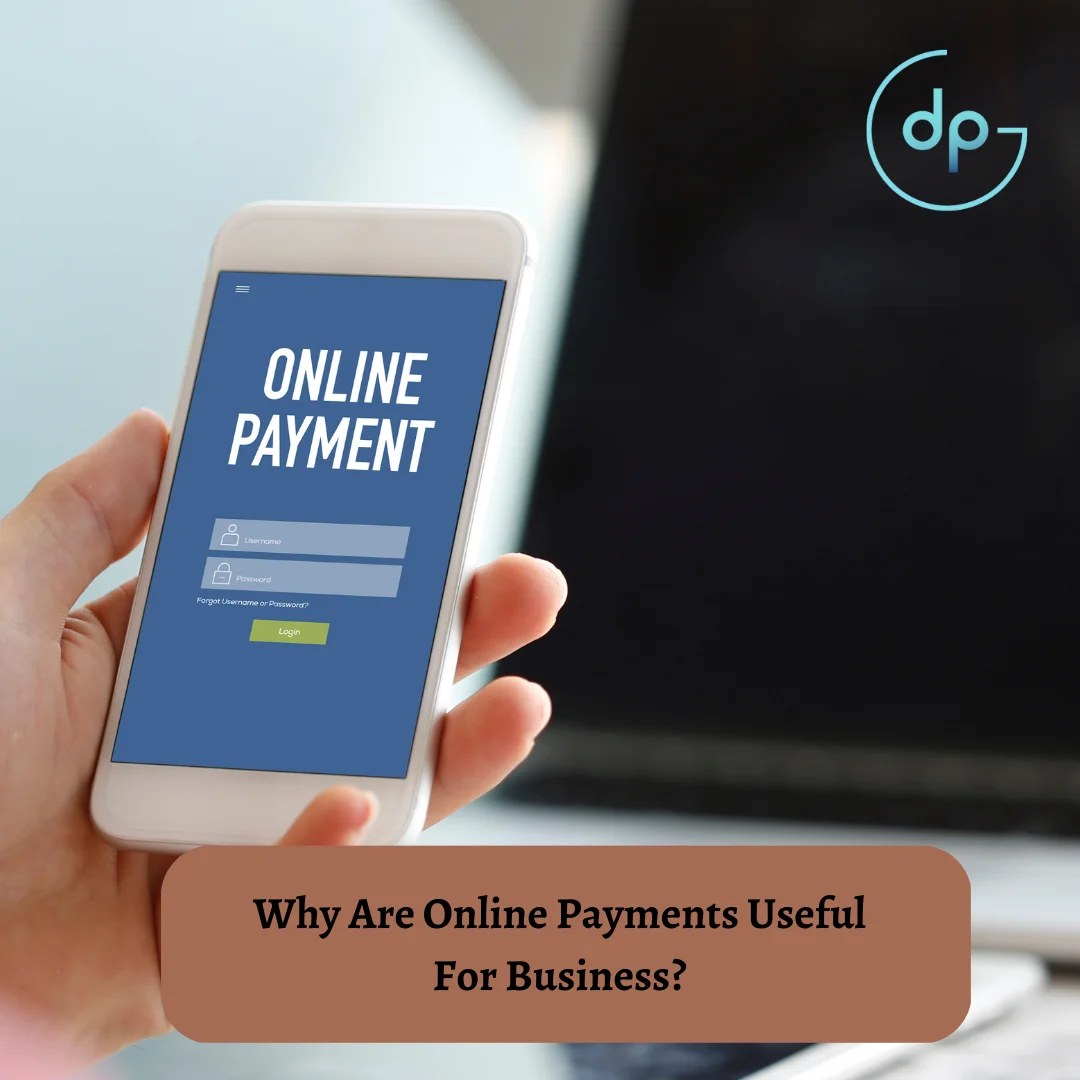
Why Are Online Payments Useful For Business?

The rise of the internet and the growth of e-commerce have led to the development of online payment methods, which have become increasingly popular among businesses and consumers. Online payments are transactions made electronically, where money is transferred through the internet or other computer networks. Online payment methods include credit cards, debit cards, mobile payments, and electronic wallets. There are many advantages of using online payment methods, and this article will explore some of the most significant benefits.

Convenience

The convenience of online payments is one of the most significant advantages. Online payments can be made from anywhere and at any time, provided there is an internet connection. This eliminates the need to visit a physical store or bank, saving time and effort. Customers can pay for goods and services from the comfort of their own homes or on the go, using their laptops or smartphones. This convenience has made online payments a preferred option for many people, especially those with busy schedules.

Speed

Online payments are faster than traditional payment methods, such as checks or bank transfers. Transactions can be processed instantly, which means that payments are received and processed much more quickly. This can be especially useful for businesses, as they can receive payments immediately, improving cash flow and reducing the risk of fraud or late payments.

Security

Online payments are generally very secure. Payments are encrypted, meaning that they are protected from fraud or theft. Online payment providers also have advanced security measures in place to prevent unauthorized access to sensitive data. Additionally, customers are not required to provide sensitive information such as their credit card details to merchants, reducing the risk of identity theft or fraud.

Lower Costs

Online payments can be less expensive than traditional payment methods. Credit card and bank transfer fees can be costly, especially for businesses processing large volumes of transactions. However, many online payment providers charge lower fees, making them a more cost-effective option.

Increased Sales

Online payments can help businesses increase sales by making it easier for customers to pay. Customers are more likely to complete a purchase if the payment process is quick and easy. This can help businesses to increase their revenue and grow their customer base.

Access to Global Markets

Online payments can also provide businesses with access to global markets. With the rise of e-commerce, businesses can sell their products and services to customers anywhere in the world. Online payment methods allow businesses to accept payments from customers in different currencies, making it easier to expand into new markets.

Improved Customer Experience

Online payments can also improve the overall customer experience. By providing customers with a quick and convenient payment process, businesses can increase customer satisfaction and loyalty. Additionally, online payment providers often offer features such as automatic payments and recurring billing, which can make it easier for customers to manage their payments.

Reduced Errors

Online payments can also reduce the risk of errors compared to traditional payment methods. With online payments, transactions are processed automatically, reducing the risk of manual errors. This can help businesses to streamline their payment processes and reduce the risk of errors, which can be time-consuming and costly to correct.

Easy Integration

Online payment methods are easy to integrate into existing business systems. Many payment providers offer APIs and other tools that allow businesses to integrate payment processing into their websites and other systems. This can help businesses to streamline their payment processes and improve efficiency.

Improved Record Keeping

Online payments can also improve record keeping. With online payment systems, transactions are automatically recorded and tracked. This can help businesses to keep accurate records of their transactions, which can be useful for accounting and tax purposes.

In conclusion, online payment methods offer many advantages over traditional payment methods. They are convenient, secure, fast, and cost-effective, and can help businesses to increase sales, access global markets, and improve customer experience. With the continued growth of e-commerce, online payment methods are becoming increasingly important for businesses and consumers alike. As technology continues to evolve, online payment methods are likely to become even more advanced and secure, further enhancing their benefits. It is important for businesses to carefully evaluate different online payment providers and choose the ones that best meet their needs.

However, it is worth noting that there are some potential disadvantages to online payment methods as well. For example, some customers may be hesitant to provide their credit card or other sensitive information online, which could limit the number of potential customers. Additionally, online payment systems can be vulnerable to hacking and other security threats, which could result in significant losses for businesses and customers.

To mitigate these risks, it is important for businesses to choose reputable online payment providers and to implement robust security measures, such as multi-factor authentication and encryption. It is also important for businesses to educate their customers about the security measures in place and to provide clear information about how their data is being used and protected.

To know how payment gateway protects sensitive information click here

Overall, the advantages of online payment methods are significant and are likely to continue driving the growth of e-commerce in the years to come. By leveraging the benefits of online payments, businesses can improve their efficiency, increase sales, and provide a better overall customer experience.