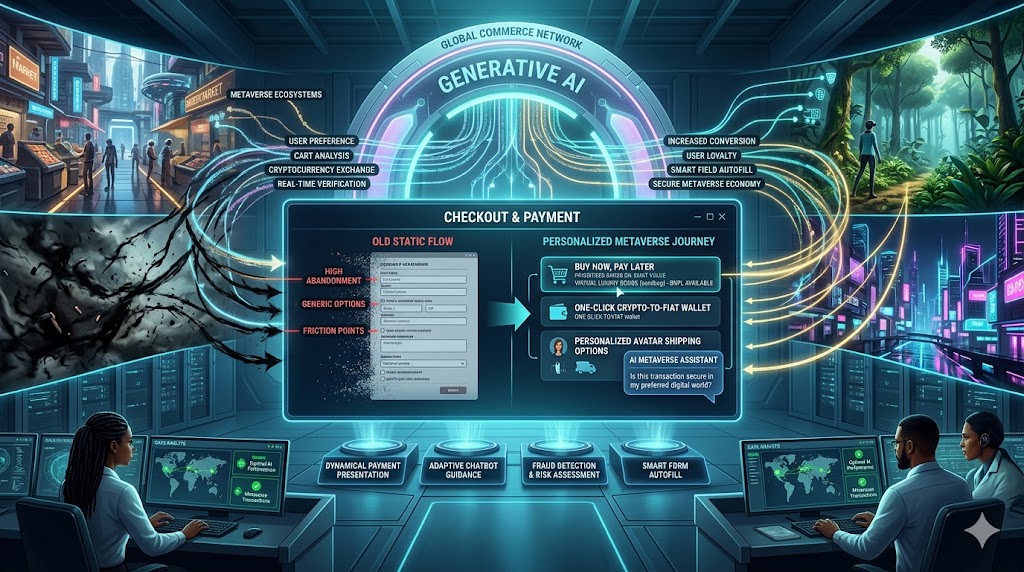
The digital world is growing into a new space called the metaverse. Many people wonder if this is just a trend or a real shift. In this virtual world, users want to buy digital clothes, land, and art. However, moving money between the real world and these 3D spaces is not easy. Therefore, a strong payment gateway is the most important link for this new economy. Without a secure way to pay, the metaverse cannot reach its full potential.
Why Virtual Worlds Need Better Tools
Current online shops use simple systems to handle orders. However, the metaverse works in real-time and often uses blockchain. Consequently, traditional banks sometimes struggle to keep up with these fast transactions. This is because users want to pay with crypto and regular money in the same place. Furthermore, many people worry about their privacy in these deep digital spaces. Therefore, every payment gateway must bridge the gap between old banking and new tech.
Another big hurdle is the lack of a single standard. For instance, one virtual world might use its own coin, while another uses a different one. If a user cannot move their funds easily, they will stop spending. Thus, the industry needs a universal way to handle digital wealth. A smart payment gateway solves this by offering many choices in one simple interface. This keeps the experience fun and reduces any reason to leave.
Solutions for the Metaverse Economy
Instant verification is a vital tool for virtual success. In a 3D world, nobody wants to wait for a bank to approve a sale. Because digital items should appear in your bag instantly, the tech must be very fast. Furthermore, a modern payment gateway can handle micro-payments for small digital goods. This means you can buy a cheap virtual hat without paying high fees. In short, the metaverse wins when the cost of moving money is very low.
Seamless integration is another great way to fix the journey. Instead of leaving the game to pay, the user should see a small window inside the world. This keeps the user inside the story and builds more trust. Because the process is hidden within the action, it feels like magic. Therefore, payment gateway providers are building 3D interfaces that fit perfectly into the scenery. This ensures that the flow of trade never stops.
Staying Safe in the Virtual Frontier
Security is the most important part of any virtual sale. Hackers are always looking for ways to steal digital assets across different worlds. Luckily, new AI tools are great at spotting fraud by looking at millions of data points. If a transaction looks odd, the system stops it fast. This keeps your money and your virtual items very safe. Because the AI is so smart, it rarely blocks real customers. Thus, the payment gateway stays strong and secure for every user.
Additionally, biometric locks help verify identity without making the process slow. It uses your face or thumbprint to prove you are real in a second. When you use these tools, the checkout flow feels very smooth. You just click and go. Therefore, the risk of a mistake or theft is very low. This is the future of every payment gateway in a connected virtual world. Finally, safety ensures that users feel comfortable spending their real money in a digital space.
The Big Future of Digital Assets
We are only at the start of a massive virtual shift. Soon, every brand will have a 3D store where fans can meet and shop. This means we will see a huge need for fast and safe trade. Instead of a hard process, we get a tailored world of products. A smart payment gateway makes every virtual transaction feel like a real one. It is the best way to shop in 2026. If you want to stay ahead, you must use these new tools now. In conclusion, the right tech turns the metaverse from buzz into a reality.
Frequently Asked Questions
1. Can I use my credit card in the metaverse?
Yes, a modern payment gateway can bridge regular cards with virtual worlds easily.
2. Is it safe to buy digital land?
It is safe if the store uses a verified payment gateway with strong encryption.
3. Do I need a crypto wallet to shop?
Not always, as many systems now let you pay with regular money for digital items.
4. Why are metaverse fees sometimes high?
Fees can be high due to gas costs on the blockchain, but new gateways are reducing them.
5. Will the metaverse replace online stores?
It will likely work alongside them, giving you a new 3D way to browse and buy.
Data sovereignty is now a major part of the global digital economy. This is especially true for payment providers who deal with complex international rules. Money moves across borders every single day. Therefore, sensitive information must also travel between countries. This creates a clear conflict between global trade and local privacy laws. Many nations now want to control how their citizens’ financial data is stored. As a result, the payment industry must adapt to a patchwork of regional mandates.
Understanding Data Sovereignty in Fintech
Data sovereignty means that digital data must follow the laws of the country where it is located. Consequently, every payment across a border must meet specific residency rules. These rules apply to many different countries at the same time. This is not just about privacy but also about national jurisdiction. If data sits on a server in France, French law governs that data. This remains true even if the company is based in the United States.
Major legal systems like the GDPR in Europe shape this landscape. Also, the CCPA in the United States plays a big role. Many emerging markets now have very strict localization laws too. These laws often say where a company must store and process its data. For example, a payment provider in India might need to use local data centers. This rule applies even if the main office is in another country. Therefore, providers must map out their entire data flow to ensure compliance.
The Operational Impact of Localization Laws
Strict localization laws create many hurdles for payment gateways. A country might mandate that financial data must stay within its own borders. If this happens, the old model of a single global cloud hub starts to fail. Companies can no longer rely on one central database to serve the whole world. Instead, they must build local infrastructure in every major market. This change impacts everything from server maintenance to software updates.
Higher Infrastructure Costs: Moving from one central hub to many local servers usually increases costs significantly.
Better Latency and Performance: Data that stays local can lead to faster transaction times for users in that region.
Less Security Complexity: Managing security across different legal rules requires a very smart and modular approach.
Legal Compliance Risks: Failing to store data locally can result in massive fines or even a total ban in some countries.
Operational Overhead: Teams must now manage multiple sets of local regulations and audit requirements simultaneously.
Furthermore, payment providers must check their third-party vendors. These include cloud storage and identity services. Every partner must follow these regional rules. Thus, the whole compliance chain must be very strong. If a vendor fails a local audit, the payment provider is often held responsible.
Navigating Cross-Border Compliance Challenges
Payment providers use several key strategies to stay competitive and compliant. First, automation is a vital tool. Manual checks are simply not fast enough for modern digital payments. Automated systems can route data based on the user’s location instantly. This ensures that every transaction hits the right server at the right time.
Moreover, companies are now using “Privacy by Design” methods. This approach builds compliance directly into the software itself. Providers can also use tokenization to protect data. As a result, they can process payments without moving sensitive info across borders. Tokenization replaces a credit card number with a random string of characters. This allows the financial message to travel while the private data stays safe at home.
In addition, transparency is a great way to win over customers. Merchants trust a provider that explains how it stores data. Data breaches happen often in the news today. Therefore, protecting data sovereignty is a great way to build a brand. Clear communication about data residency can be a major selling point in a crowded market.
The Role of Regional Payment Hubs
Many providers are now building regional hubs to balance costs and laws. Instead of a server in every country, they use a hub for a specific legal zone. For instance, a provider might use one hub for the entire European Economic Area. This allows them to follow GDPR while keeping infrastructure costs lower. However, this strategy only works if the countries in that zone have similar laws.
These hubs must be flexible enough to handle sudden legal changes. A country might decide to leave a trade bloc or change its privacy rules. Therefore, the software must be easy to update. Agility is the most important trait for a modern payment gateway. Providers who can pivot quickly will win the most market share.
Future Trends in Global Data Regulations
We expect to see more changes in international data laws soon. Many governments now view data as a national asset. They see it as being just as valuable as oil or minerals. This trend will likely lead to much stricter local audit rules. Governments want to make sure they can see financial data during a crisis.
However, some nations are creating “adequacy agreements” with each other. These deals allow data to move freely between countries with similar security. Payment providers must watch these new alliances closely to grow. If two countries sign a deal, it can lower the cost of doing business there.
The best fintech companies do not see data sovereignty as a legal wall. Instead, they see it as a way to build a safer financial world. By respecting local laws, they build deeper trust with local users. This trust is the foundation of any successful global payment network.
Balancing Innovation and Law
Mastering data sovereignty is no longer optional for payment providers. It is a core part of the business model. Companies must invest in local infrastructure and smart data routing. They must also stay ahead of a changing legal landscape. While these rules are complex, they also offer a chance to innovate. Providers who lead in privacy will lead the market.
Frequently Asked Questions
1 What is the difference between data residency and data sovereignty?
Data residency is about where you store the data. Data sovereignty is about which local laws apply to that data.
2How does GDPR affect providers outside of Europe?
Any provider that handles data for EU citizens must follow GDPR rules. This is true no matter where the company is located.
3Why do governments want data localization?
Governments want to protect consumer privacy. Also, they want to make sure local officials can audit financial records easily.
4 Can blockchain technology help with data laws?
Blockchain offers some great solutions. But, it also makes it hard to follow “the right to be forgotten” rules in some countries.
5What is tokenization for data laws?
Tokenization swaps sensitive data for unique symbols. This allows a company to process a payment without risking the original data.
Selling a payment gateway is complex. Therefore, success depends on trust. You need users to sign up for your service. However, many potential users leave the page quickly. Truly, they see the sign-up page as a risk. This is where Landing Page Optimization (LPO) becomes vital. LPO helps you improve your sign-up pages.
Some companies focus only on their product features. They talk about low fees or fast processing. But, they forget the user experience. Consequently, users get confused. They hesitate to enter sensitive business data. Always remember, an optimized landing page simplifies the process. It builds massive trust. By focusing on a clear, friction-free sign-up path, you can turn more visitors into paying customers. This grows your user base faster. It also increases your market share.
The Payment Conversion Gap: Why Sign-Ups Fail
First, let’s understand why people abandon payment gateway sign-up pages. The main issue is the high perceived risk. Clients are trusting you with their money and data. Clearly, they need strong reassurance. Therefore, fixing the conversion gap means removing fear and building confidence.
Common Landing Page Blockers for Payment Sign-Ups
Mistakes on the sign-up page often kill conversions:
High Risk Perception: The page does not look secure or professional. Users fear data leaks.
Too Many Steps: The sign-up form asks for too much information upfront. Users feel overwhelmed.
Unclear Value: The page does not immediately explain the benefit of signing up right now. Users delay the decision.
Hidden Costs: Pricing and fee structures are confusing or hidden. Users lose trust instantly.
Slow Speed: The page loads slowly, especially the form fields. This signals poor technology.
Missing Trust Seals: There are no security badges or compliance logos visible. Users doubt your security claims.
Landing Page Optimization directly solves these trust and friction issues. It creates a seamless, safe environment for conversion.
What is LPO for Gateways? Your Trust Machine
So, what exactly is Landing Page Optimization (LPO) for a payment gateway? It is the continuous process of testing and improving your sign-up pages. The goal is to increase the number of visitors who complete the registration. Truly, LPO is about building a “trust machine.” It quickly convinces users that your service is safe, valuable, and easy to join.
Key Principles of an Optimized Gateway Sign-Up Page
Here are the four key principles of LPO for payment sign-ups:
Security Focus: The page must look, feel, and be secure. This addresses the user’s primary fear.
Friction Reduction: The form and the process must be as short and simple as possible.
Benefit Clarity: The page must clearly state what the user gets immediately after signing up.
Consistency: The page must exactly match the ad and the overall brand message.
Truly, LPO moves the focus from “selling features” to “securing a relationship.” It ensures the visitor feels confident enough to take the final step.
Pillar 1: Trust and Security Assurance
Trust is the single biggest factor for payment gateway sign-ups. Therefore, the first pillar of LPO is maximizing trust and security assurance. Clearly, if a user doubts your security for even a second, they will leave. Therefore, every part of the page must scream confidence.
Visual and Verifiable Trust Signals
Firstly, display security seals prominently. Use verifiable seals like PCI DSS compliance logos or SSL encryption badges. Place them near the form fields. Secondly, use social proof from big brands. Show logos of well-known clients who use your gateway. This uses their reputation to build yours.
Furthermore, use simple, reassuring language. State clearly, “Your data is secured with bank-level encryption.” Avoid confusing jargon about security standards. Also, add a clear Privacy Policy link right next to the sign-up button. This shows transparency. Lastly, feature customer testimonials that specifically mention reliability, security, and uptime. Truly, saturating your landing page with verifiable trust signals is the most effective way to overcome sign-up hesitation.
Pillar 2: Friction Reduction and Form Optimization
The second pillar focuses on removing friction from the sign-up process. Every extra field or unnecessary click lowers the conversion rate. Clearly, the goal is to make the process almost effortless. Therefore, optimizing the form is the most critical step here.
Simplifying the Sign-Up Journey
Firstly, use a multi-step form. Do not ask for everything on one long page. Start with simple fields like “Name” and “Email” on the first step. Save complex fields (like business tax ID) for later. Secondly, use smart field validation. The form should immediately correct common errors. This prevents frustration.
Furthermore, auto-fill known data. If the user clicks from a marketing email, pre-fill their email address. This saves them time. Also, minimize required fields. Ask only for the bare minimum needed to create the account. You can always gather more information later. Lastly, use progress indicators. If you must use a multi-step form, show the user where they are in the process (e.g., “Step 1 of 3”). This gives them a sense of control. Truly, by reducing the form length and simplifying the data entry, you remove major reasons for sign-up abandonment.
Pillar 3: Clarity and Consistent Call to Action (CTA)
The third pillar is ensuring absolute clarity in messaging and action. The user must know exactly what your gateway offers and what to do next. Clearly, a vague offer or a confusing button will kill the conversion. Therefore, optimize the messaging around the final conversion goal.
Driving Action with Precise Language
Firstly, use a highly specific headline. The headline must clearly state the offer, like “Start Accepting Payments Today: Sign Up Free.” Secondly, highlight the immediate benefit of signing up. Is it a free account? Is it an instant sandbox to test? State it clearly and boldly.
Furthermore, make the CTA button stand out and be specific. Use contrasting colors. Use action phrases like “Create My Free Account” or “Start My 30-Day Trial Now.” Avoid generic words like “Submit.” Also, ensure message match is perfect. The language and offer on the landing page must exactly match the ad they clicked. This prevents confusion. Lastly, ensure the CTA is placed strategically. Put the primary CTA above the fold. Repeat it near the form or the list of benefits. Truly, clarity in the offer and precision in the CTA leave no doubt for the user. They make the final sign-up decision easy.
Best Practices: Testing and Iterating for High Conversions
Landing Page Optimization is a continuous, data-driven process. It does not end after the first successful launch. You must always test and improve. Clearly, small, focused tests can lead to huge increases in sign-up rates. Therefore, adopt a rigorous A/B testing schedule.
The A/B Testing Mindset for Payment Gateways
Firstly, test the security elements. Test the placement of your security seals. Test the specific language you use to guarantee data safety. See which version makes users feel safer. Secondly, test the form length. Use A/B tests to see if a three-step form converts better than a two-step form. Find the sweet spot between lead quality and conversion volume.
Furthermore, test the benefit clarity. Test different bullet points that explain the gateway’s value. Focus on benefits like “instant setup” or “no monthly fee.” Also, track the bounce rate. If users leave quickly, the page is not loading fast enough. Track where users drop off the multi-step form. This shows you exactly where the friction is. Lastly, optimize for mobile first. Test the form’s usability on phones. Ensure the keyboard and fields work perfectly. Truly, by making testing a regular part of your marketing, you ensure your payment gateway sign-up page performs optimally in a highly competitive market.
Frequently Asked Questions (FAQs)
Q1: Is it better to ask for credit card details on the sign-up page?
No, it is usually not better. Asking for credit card details too early will drastically lower your conversion rate. Ask for payment details later in the process, only when the user is ready to activate the live processing service.
Q2: How important is page loading speed for sign-up conversions?
Page loading speed is extremely important. If your sign-up page takes more than three seconds to load, users will leave. A slow page also signals poor technology, which damages trust for a payment provider.
Q3: Should I remove all external links, even to my main website?
Yes, you should. The sign-up page should have one goal only: getting the sign-up. Remove the main navigation menu, social media links, and footer links. The only clickable links should be the CTA button and the Privacy Policy/Terms.
Q4: Which is generally more effective: a free trial or a free account?
A free account (with limits) is generally better for a gateway. This allows the user to explore the dashboard and test the setup without a time limit. This builds long-term engagement better than a trial that expires quickly.
Q5: How can I use content to support my sign-up page?
Use content to build trust before the sign-up page. Create blog posts or whitepapers on “Secure Payment Processing” or “PCI Compliance.” Use these as ads that lead to the sign-up page. This educates the user first.
SaaS businesses thrive on recurring revenue. Therefore, they need special payment systems. They cannot just use a simple “buy now” button. Instead, they need systems built for subscriptions. This means taking money again and again, over time. Truly, the way a SaaS business handles these payments is key to its success. It impacts how customers pay. It also affects how much money the business makes.
Many SaaS companies pick the wrong payment setup at first. They might use basic gateways. These gateways are not made for subscriptions. Consequently, this often leads to big problems later. It causes bad customer experiences. Moreover, it makes managing money very hard. Always remember, a “subscription-first” payment model is vital for SaaS. By choosing the right gateway integrations, businesses can grow easily. They can also keep customers happy. This means steady income and faster growth.
The SaaS Challenge: Recurring Revenue is Different
First, let’s understand the core challenge for SaaS businesses. Their income comes from subscriptions. Customers pay regularly. This could be monthly, yearly, or for special usage. This is very different from a shop where customers buy things once. Clearly, this difference means SaaS needs special payment tools. These tools must handle ongoing payments. Therefore, standard payment setups are often not enough.
Why Standard Gateways Don’t Fully Fit SaaS Needs
Most traditional payment gateways are built for one-time sales. They are good for a single purchase. However, they struggle with the complex world of subscriptions.
Here are some key limits of basic gateways for SaaS:
Recurring Billing: They do not easily set up payments to happen automatically every month or year. Thus, this requires manual work.
Failed Payment Retries: If a payment fails (e.g., card expires), they do not automatically try again. Consequently, this means lost customers.
Proration: If a customer changes their plan mid-month, figuring out the correct partial charge is hard. Therefore, this requires complex math.
Upgrade/Downgrade: Changing subscription levels is messy. It means canceling the old plan and starting a new one.
Customer Portals: Customers cannot easily manage their own subscriptions (change card, upgrade) without help.
Analytics: Tracking metrics like churn and lifetime value (LTV) is difficult. This is because data is not set up for subscriptions.
A “subscription-first” approach solves these problems. It uses integrations made for recurring payments. Moreover, it supports the unique needs of a SaaS business model. This helps manage customer relationships. Furthermore, it also secures future income.
What is a “Subscription-First” Model? Your Growth Blueprint
So, what exactly is a “subscription-first” model for payment gateways? It means choosing and setting up payment systems with recurring revenue as the main focus. It is not an afterthought. Instead, it is the core of your payment strategy. Truly, this approach ensures all aspects of subscription billing are handled smoothly.
Building Your Payment System for Recurring Success
Here are the key parts of a subscription-first model:
Specialized Gateway/Processor: You pick a payment gateway. This gateway is designed for subscriptions. Examples include Stripe Billing, PayPal recurring payments, or Spreedly. These systems have features for ongoing payments.
Automated Recurring Billing: The system automatically charges customers on their chosen schedule. You set it once, and it runs itself. This prevents missed payments.
Dunning Management: This is a smart system for failed payments. If a card expires, it automatically tries to charge again. Furthermore, it sends emails to customers to update their info. This helps reduce “involuntary churn.”
Flexible Plan Management: It lets customers easily upgrade or downgrade their plans. It also handles the math for partial payments (proration) correctly. This makes changing plans simple.
Self-Service Customer Portal: Customers get their own page. There, they can change their payment method. They can also view invoices. They can even upgrade or cancel their own subscriptions. This reduces support tickets.
Subscription Analytics: The system tracks important numbers. These include monthly recurring revenue (MRR). It also tracks customer churn rate. This helps you understand your business health.
Integration with CRM/ERP: It links with your customer relationship management (CRM) software. It also links with your enterprise resource planning (ERP) system. This gives a full view of each customer.
Truly, a subscription-first model is crucial for SaaS. It takes away payment headaches. It lets businesses focus on building great products and keeping customers happy.
Key Integrations: Choosing the Right Tools for Your Stack
Building a strong subscription-first model needs the right tools. It means choosing the best payment gateways. It also means linking them with other key business systems. Clearly, these integrations must work together seamlessly. Therefore, careful selection of your payment stack is vital for long-term success.
Your Essential Payment Stack Components
Firstly, select a primary payment gateway that specializes in recurring payments. Look for features like strong API documentation, global reach, multi-currency support, and robust dunning management. Companies like Stripe, Braintree, and Adyen are popular choices. This is because of their comprehensive subscription features. This ensures smooth, ongoing transactions.
Secondly, integrate with a subscription management platform if your gateway is basic. Some gateways offer full subscription features. However, others focus only on processing. Tools like Chargebee, Recurly, or Zuora handle complex logic. They manage plans, trials, upgrades, and billing. They sit between your app and the gateway. Furthermore, connect to your CRM system (e.g., Salesforce, HubSpot). This links payment data with customer profiles. Sales and support teams then have a full view of each customer. This helps personalize interactions.
Additionally, integrate with your accounting software (e.g., QuickBooks, Xero). This automatically pushes payment and invoice data. It greatly simplifies financial reconciliation. Moreover, it saves hours of manual work. Lastly, consider analytics tools that pull data from your payment stack. They provide deep insights into MRR, churn, LTV, and customer behavior. Truly, by carefully integrating these key tools, SaaS businesses build a powerful, automated payment ecosystem. This ecosystem supports growth and operational efficiency.
Security and Compliance: Protecting Your Subscribers and Business
Handling recurring payments means managing sensitive customer data. Therefore, security and compliance must be top priorities. A breach of trust can destroy a SaaS business. Clearly, choosing integrations that meet strict industry standards is non-negotiable. Truly, protecting your subscribers’ data is as important as your product itself.
Safeguarding Data and Meeting Industry Standards
Firstly, ensure all your payment gateways and subscription platforms are PCI DSS compliant. PCI DSS is a set of rules for handling credit card data. This protects cardholder information. Never store sensitive card data on your own servers. Instead, let your integrated platforms handle it securely.
Secondly, implement strong fraud detection tools. Recurring payments can be targeted by fraudsters. Your integrations should offer features to spot suspicious activity. This includes velocity checks, IP analysis, and device fingerprinting. This protects your revenue. Furthermore, comply with global data privacy regulations like GDPR and CCPA. This is especially important if you have international subscribers. Ensure your payment stack handles data consent, storage, and access requests correctly.
Additionally, use tokenization for card data. When a customer enters their card, the gateway converts it into a unique, random string of numbers (a token). This token is used for future payments. The actual card number is never stored by you. This greatly reduces risk. Truly, by focusing on robust security features and strict compliance, SaaS businesses build trust. They also protect themselves from legal and financial risks.
Optimizing for Growth: Reducing Churn and Boosting LTV
A subscription-first model is not just about taking payments. Instead, it is a powerful tool for optimizing growth. It helps reduce churn (customers leaving) and boosts LTV (lifetime value of a customer). Clearly, every SaaS business knows that keeping existing customers is often cheaper than finding new ones. Therefore, smart payment integrations play a huge role in customer retention.
Strategies to Keep Customers and Maximize Value
Firstly, effective dunning management is critical for reducing involuntary churn. If a card expires or a payment fails, your system must automatically try again. It must also send clear, friendly emails to the customer. This helps recover lost revenue. Moreover, it keeps customers active. Secondly, provide a seamless self-service customer portal. When customers can easily update their payment info, change plans, or view bills, they feel in control. This leads to higher satisfaction. It also reduces frustration.
Furthermore, use flexible billing options. Offer monthly, yearly, or usage-based plans. Let customers choose. This caters to different needs and budgets. It can attract more subscribers. Also, track and analyze your subscription metrics closely. Look at churn rates for different plans. See where payments fail most often. Use these insights to improve your product or payment process. Truly, by using your gateway integrations strategically, SaaS businesses can actively work to reduce churn. They can also increase the lifetime value of each subscriber.
Best Practices: Implementing Your Subscription-First Model
Implementing a successful subscription-first model requires careful planning and execution. It is not a one-time setup. Instead, it is an ongoing process of choosing the right tools, integrating them well, and continually optimizing. Clearly, a well-thought-out strategy will lead to long-term success. Therefore, following these best practices is essential for any SaaS business.
Your Blueprint for Subscription Payment Success
Firstly, start with a clear plan. Understand your pricing models. Know your customer segments. List all the features you need (e.g., trials, coupons, prorating). This helps you pick the right tools from the start. Secondly, choose scalable integrations. Your payment stack must grow with your business. Pick gateways and platforms that can handle more transactions. They must also handle more subscribers without major overhauls. Cloud-based solutions are often best.
Furthermore, test everything thoroughly. Test all payment flows. Test upgrades, downgrades, cancellations, and failed payments. Make sure dunning emails are sent correctly. This ensures a smooth experience for your customers. Also, monitor your metrics constantly. Keep a close eye on MRR, churn, payment success rates, and customer LTV. Use this data to find problems and make improvements. Lastly, gather customer feedback. Ask subscribers about their payment experience. What is easy? What is hard? Use their input to refine your process. Truly, by following these best practices, SaaS businesses can build a robust, customer-centric subscription payment system. This system will support continuous growth and strong customer relationships.
Frequently Asked Questions (FAQs)
Q1: What is “dunning management” in simple terms?
Dunning management is the process of automatically trying to collect money when a recurring payment fails. Examples are an expired credit card. It includes retrying the card. It also includes sending automated emails to the customer. These emails ask them to update their payment information. It helps prevent losing subscribers due to payment issues.
Q2: Why can’t I just use PayPal buttons for my SaaS subscriptions?
Basic PayPal buttons are fine for single payments. However, they lack the advanced features needed for a true SaaS subscription model. They do not easily handle automatic retries for failed payments. They also do not handle prorated billing, customer self-service portals, or detailed subscription analytics. You need a more robust, specialized system.
Q3: What is involuntary churn, and how do gateway integrations help reduce it?
Involuntary churn happens when a customer leaves not by choice. This is because their payment failed. Examples are an expired card or insufficient funds. Smart gateway integrations reduce it through automated dunning management. This system automatically attempts to recover failed payments. It also notifies customers to update their details, saving the subscription.
Q4: Should I build my own subscription billing system or use an off-the-shelf solution?
For most SaaS businesses, using an off-the-shelf solution (like Stripe Billing or Chargebee) is much better. Building your own is very complex and costly. It is also hard to maintain for security and compliance. Specialized solutions are already built to handle all the complexities of recurring billing.
Q5: What is “tokenization” and why is it important for payment security in SaaS?
Tokenization replaces sensitive credit card numbers with a unique, encrypted, random string of characters (a “token”). This token is then used for all future payments. It is important because your business never actually stores the real credit card number on its servers. This greatly reduces your risk in case of a data breach.
In the growing world of online marketplaces, sales happen fast. However, taking payment is just one part of the job. Truly, the hard part is managing the complex process of settlement and payouts. For any marketplace, giving money to many sellers, dealing with fees, and ensuring rules are followed is a huge job. Therefore, building a smart, automated settlement and payout workflow is essential. It is crucial for growing your business, keeping money accurate, and scaling well.
Many marketplaces, especially new ones, forget how complex payouts are. They often use slow, manual ways to send money. This method quickly fails when sales increase. Consequently, relying on old methods leads to errors, delays, and unhappy sellers. Clearly, a strong, smart workflow turns this problem into a major advantage. It makes sure money moves smoothly and clearly and frees up your team’s time. It also helps build trust with sellers. Ultimately, getting payouts right is key for any platform that wants to succeed in the digital market.
The Core Challenge: Too Many Parties, Too Much Detail
First, we need to know why settlement and payout are so hard for marketplaces. Unlike a simple online shop, a marketplace involves many people in every transaction. You have the buyer, the marketplace itself, and the sellers. Consequently, this multi-party system creates many layers of complexity. It demands careful handling of money, fees, and legal rules. Clearly, ignoring these details can cause big problems, money issues, and legal trouble. Therefore, a smart workflow must solve these main issues.
The Problem of Splitting Money and Following Rules
Firstly, the main hard part is the need to split payments. A buyer’s single purchase must be divided. Some money goes to the marketplace (for fees), and the rest goes to the seller. This requires careful math and tracking. Secondly, different payout times and amounts make things harder. Some sellers want money every day. Others prefer weekly or monthly. Some only get paid after they earn a certain amount. Handling these different needs by hand is almost impossible as you grow.
Furthermore, selling globally and dealing with different money adds extra currency problems. Following many global money rules and tax laws (like KYC and AML) is also a massive task. This is true even for platforms that operate in just a few countries. Additionally, handling refunds, failed charges, and fights complicates things more. These events need changes to money that was already sent out. Lastly, ensuring clear reporting and honesty for everyone is vital. This builds trust and manages expectations. Truly, a smart system must handle all these linked issues to work well and follow the law.
Key Components: What Makes a Payout System Smart
Building a truly smart settlement and payout system for a marketplace needs several core parts to work together. It is not just about sending money. Instead, it is about having a complete system that handles payment starts, checking records, stopping fraud, following rules, and clear reports. Clearly, a full system ensures things are fast, accurate, and ready to grow. Therefore, every part must be planned and linked well.
Essential Tools for Automated and Legal Payouts
Firstly, you need a reliable payment control tool. This system manages incoming payments from buyers. It holds the funds safely. Then, it uses rules to send money out. It often works with many different payment companies, offering backup and choice. Secondly, a strong seller setup and checking system (KYC/AML) is key. This makes sure all people receiving money are real and follow financial rules. This reduces fraud and legal risks right from the start.
Furthermore, an automated fee deduction and splitting engine is very important. This part automatically figures out marketplace fees, bank costs, and other money taken out. It makes sure sellers get the correct final amount. Additionally, a flexible payout timing and method tool lets sellers pick their preferred payment schedule. They can choose how often they get paid and how (bank transfer, digital wallet). This makes sellers much happier. Lastly, complete checking and reporting tools are vital. These tools automatically match sales, check balances, and create clear statements. This gives honesty and makes accounting easier. Truly, linking these parts creates a powerful, fast, and lawful payout environment.
Security and Compliance: Safety and Rules Must Come First
In the detailed world of financial actions, following the rules and reducing risk are essential. This is even more true for marketplaces that manage many people’s money. Truly, a smart settlement and payout system must have strong steps built in. These steps must meet legal needs. They also need to stop fraud and mistakes. Clearly, failing in these areas can bring big penalties and harm your good name. Therefore, taking action early is critical.
Navigating Rules and Stopping Fraud
Firstly, Know Your Customer (KYC) and Anti-Money Laundering (AML) rules must be followed. Your system must automatically collect and check seller IDs. This often means checking documents and using databases. This is not just a law. It is crucial for stopping bad activity on your platform. Furthermore, you must use fraud detection and prevention tools that look at payout patterns. Strange amounts, timings, or bank accounts can signal fraud. These signs should trigger automatic checks or holds.
Secondly, make sure your system follows PCI DSS rules if you handle card data. Or, work only with payment processors that follow these rules. Keeping data secure is basic to building trust. Additionally, manage tax reporting duties well. Based on where you are and where your sellers are, you may need to collect tax IDs and send reports often. A smart workflow does this work automatically. This greatly reduces manual effort and risk. Truly, by adding these security and compliance steps, marketplaces can operate safely and build confidence for everyone involved.
Optimizing for Speed, Clarity, and Growth
While following rules and accuracy are basic needs, a truly smart system also focuses on speed, clarity, and growth potential. In fact, in a crowded marketplace, fast and clear payouts make sellers happy. They also bring in better sellers. Clearly, being able to grow without problems as sales increase is also key for long-term success. Therefore, always making things better in these areas is vital.
Making Things Better for Sellers and the Marketplace
Firstly, to make things faster, use instant or very quick payout options. These are good where they are allowed and cost-effective. Regular bank transfers take days. Fast options like real-time payments or digital wallets can greatly speed up the process. Furthermore, make checking records automatic. This removes slow manual checking. Fast internal work means faster money processing.
Secondly, for clarity, give sellers real-time information about their earnings, fees, and payout history. Use a special seller page for this. Clear, detailed sales reports build trust. They also lead to fewer questions for your support team. Fast messages about when money is coming also help sellers a lot. Lastly, plan your system for growth from the beginning. Pick payment partners and systems that can handle more sales and more sellers without needing big changes. Cloud systems and systems that use APIs are often best for this. Truly, by focusing on speed, clarity, and growth, marketplaces create a great experience for sellers. This helps build a loyal community that drives continuous success.
Best Practices: How to Build Your Smart System
Building a smart settlement and payout workflow is a hard job. But marketplaces can succeed by following simple best practices. Clearly, learning from others and making small changes often will make sure your system is strong and ready for the future. Therefore, a careful plan that mixes technology, process, and user experience is crucial.
A Plan for Successful Payout System Building
Firstly, pick the right payment partners. Choose companies that offer good APIs, global reach (if you need it), support for many currencies, strong security features, and great help. Do not just pick the cheapest. Reliability and features are more important. Secondly, design for easy changes. Your marketplace will change. Your payout system should be able to handle new payment types, fee changes, and new rules easily. A system built with APIs makes changes and linking new tools much simpler.
Furthermore, make things automatic whenever you can. From splitting payments and taking out fees to checking records and tax reporting, automate all repeated tasks. This reduces mistakes and cost. It lets your team focus on smart work. Also, invest in full testing and checking. Test your system well under different situations. Do this before you launch. Use tools to watch your system all the time. These tools should alert you about any issues right away. Lastly, always ask sellers for their thoughts. Their experience is most important. Use their feedback to find problems and make improvements often. Truly, by following these best practices, marketplaces can build a smart, strong, and friendly payout system that supports long-term success.
Frequently Asked Questions (FAQs)
Q1: What is the biggest challenge for marketplaces in managing payouts?
The biggest challenge is often the hard job of splitting payments accurately among many groups. This includes taking out various fees. It also means handling different payout schedules and following money rules in different places. All this must be done while growing fast.
Q2: How can a marketplace ensure compliance with KYC/AML rules for payouts?
Marketplaces ensure compliance by using automated checking systems during seller setup. These systems check and confirm seller identities. They often use document checks and database lookups. This makes sure all people receiving money are real and follow anti-money laundering laws.
Q3: What is the role of a “payment orchestration layer” in a smart payout workflow?
A payment orchestration layer works as a central manager. It smartly guides and controls money coming in and payouts going out and links to many payment companies. It handles payment splitting and fee deductions and often uses logic to pick the best payment route for speed or cost.
Q4: How can marketplaces offer faster payouts without taking on too much risk?
Marketplaces can offer faster payouts by using instant payment networks and digital wallets. They also use carefully managed reserves. While moving fast, it is vital to have strong fraud checks. You must also do KYC/AML checks. This prevents bad transactions and chargebacks.
Q5: What reporting features are essential for a smart payout workflow?
Essential reporting features include real-time dashboards for sellers to see earnings and history. You also need detailed reconciliation reports for the marketplace. These match incoming and outgoing money. Finally, you need automatic tax document creation. Clarity is the most important thing.
Businesses, accordingly, must thrive on steady operations. Indeed, online commerce demands seamless transactions. Therefore, customers must always finish their purchases easily. A reliable payment gateway is, thus, absolutely crucial. Many companies, however, rely on just one gateway. This presents a huge risk, nevertheless. In contrast, a stronger plan uses payment gateway redundancy. This means having multiple, ready-to-use gateways.
Furthermore, why is this redundancy so vital? First, consequently, contemplate system downtime. By and large, no system is completely flawless. A single gateway, by all means, can simply fail. Also, this happens because of technical issues. Likewise, maintenance can cause a failure. Furthermore, cyberattacks may also cause an outage. When a single gateway fails, therefore, transactions stop. Immediately, customers abandon their carts. Thus, sales are quickly lost, consequently. Furthermore, your brand’s reputation is hurt, as a result. However, with multiple gateways, traffic reroutes. It moves to an operational gateway instantly. Therefore, customers enjoy shopping without interruptions. Additionally, your revenue stream stays completely safe.
The Importance of Continuous Business Flow
Uninterrupted service, in fact, builds customer trust. Similarly, this trust is the absolute core of a brand. Conversely, relying on one gateway is a clear risk. Consequently, your entire business is vulnerable, thus. In contrast, a multi-gateway plan offers a great safety net. When one fails, others take over, nevertheless. Furthermore, intelligent routing software enables this system. It seamlessly and instantly reroutes all transactions.
This entire process, therefore, is payment gateway redundancy. The customer, consequently, rarely notices an issue. This rapid recovery, furthermore, saves lost sales. It is especially vital during peak shopping times. Additionally, it protects profits during heavy traffic. Therefore, a redundant system secures all cash flow. It ensures continuous collection of payments. Thus, your business keeps moving forward, absolutely.
Boosting Approval and Conversion Rates
Furthermore, using multiple gateways greatly improves success. Different gateways, in fact, work better in certain regions. Likewise, they vary in their bank relationships. This is crucial in the global marketplace, consequently. For example, one gateway may approve a specific card. Conversely, another might decline that exact transaction. Accordingly, a multi-gateway strategy uses smart routing.
This optimization feature is utterly essential, therefore. You must program your system for top results. It sends each payment to the best gateway. This decision is based on card or location data. Moreover, if the first gateway declines the charge, it tries again. The system automatically retries the transaction. It uses a backup gateway silently, in short. This is called a “waterfall” approach. Furthermore, it recovers many otherwise lost sales. A higher success rate, thus, boosts customer satisfaction. Therefore, smart payment gateway redundancy truly increases conversions.
Optimizing Global and Local Market Reach
Moreover, redundancy is a powerful, strategic asset. Consequently, it helps you enter new markets easily. Payment preferences, indeed, vary by region. For example, Europeans prefer specific digital wallets. Furthermore, Asian markets use local transfers often. Comparatively, a single global gateway often falls short. It simply cannot cover all local methods, therefore.
By using local gateways, furthermore, you show great care. In fact, you commit to serving all customers directly. This makes the checkout more convenient, consequently. Moreover, it builds trust for international buyers. Because of this, you access new market segments. Additionally, fees vary among different gateways. Thus, payment gateway redundancy allows strategic choice. Route high-volume payments to the cheaper gateway. Send high-risk payments to a specialized provider instead. This dual strategy lowers processing costs overall. Moreover, it ensures strong service and market reach.
Enhancing Security and Reducing Fraud Risk
Security is a top priority, by all means. Gateways handle sensitive customer data, therefore. Consequently, they are targets for cyber threats always. Relying on one is a single point of failure. In contrast, a redundant system shares this security risk. Moreover, different gateways offer unique fraud tools. Likewise, they use specialized algorithms for risk detection.
Therefore, you gain multiple, strong security layers. In the rare event of a breach, you are safe. A breach at one provider, indeed, is not fatal. You can quickly isolate the compromised system. Furthermore, you shift traffic to a clean provider. This ensures business continuity, consequently. Moreover, security compliance is a huge effort. Payment gateway redundancy strengthens your safety protocols. This step, naturally, builds customer trust and loyalty.
Avoiding Vendor Lock-In and Service Quality Issues
Finally, redundancy protects against vendor lock-in. When deeply integrated with one provider, switching is hard. Conversely, it is costly, risky, and time-intensive. This inflexibility, ultimately, poses a serious danger. The single provider, for example, may raise fees. Similarly, they could change their service terms unfairly. Their service quality, subsequently, might slowly decline. They know you cannot easily leave them, after all.
However, having pre-integrated gateways changes this greatly. Indeed, you can quickly shift your volume of transactions. This gives you strong leverage for negotiation. Furthermore, you hold all providers to a high standard. You keep them competitive on both price and reliability. Therefore, payment gateway redundancy is essential. It protects your infrastructure for the future. Consequently, it guards against cost hikes. Thus, it guarantees operational freedom and excellence.
Key Steps for Redundancy Success
A successful redundancy plan, naturally, needs clear actions. First of all, you must evaluate all your specific needs. What currencies and volumes do you handle? Furthermore, which regions are your current focus? Next, choose the right providers very carefully. In particular, look for strong features and history. Additionally, the method of integration is crucial. Consequently, many businesses use an orchestration platform now. This platform, furthermore, manages the traffic flow centrally.
It is a single, central point of integration. You will not manage each one separately, therefore. Then, moreover, define your smart routing rules. These rules decide which gateway handles a payment. For instance, high-volume payments go to the cheaper one. Conversely, a high-risk payment goes to the best fraud system. Finally, you must test the system constantly. Simulate a gateway failure to ensure readiness. This guarantees your payment gateway redundancy works well.
The Long-Term Value of Redundancy
The investment in multiple gateways pays off fast. It pays for itself by preventing lost sales. One hour of downtime can cost a lot of money. Payment gateway redundancy virtually eliminates this risk. It also recovers many declined transactions, additionally. This is revenue you would otherwise never collect. In fact, the strategic benefits are even greater.
The system helps you enter new markets easily. It provides the flexibility to always adapt. You can quickly adopt new payment methods, subsequently. This keeps you ahead of competitors, therefore. Moreover, you keep full control over your data. You are not trapped in one vendor’s system. Therefore, redundancy is not just a technology expense. It is a fundamental strategy for business growth. It builds resilience and guarantees your market position. Thus, this choice secures your financial future forever.
Frequently Asked Questions (FAQs)
1. What is the difference between redundancy and a simple backup system?
Redundancy, in fact, uses multiple gateways actively. It allows for instant, automatic failover. Conversely, a simple backup needs manual activation. This always results in disruptive downtime. Therefore, payment gateway redundancy is truly seamless.
2. Does managing many gateways increase complexity and cost?
Initial integration may require more effort, absolutely. However, a good orchestration platform manages this well. The cost of lost sales is much higher, consequently. Redundancy prevents these serious revenue losses, though.
3. How does this strategy improve my payment approval rate?
Gateways have different bank relationships, truly. A transaction declined by one can pass on another. This automatic process is called cascading, indeed. It greatly increases your overall success rate. Therefore, payment gateway redundancy recovers revenue for you.
4. Is this setup only necessary for global businesses?
No, domestic companies need this as well. Any business that cannot risk losing sales benefits. Domestic gateways can also suffer outages. Consequently, redundancy ensures customers can always complete payment.
5. What is the best way to manage multiple gateways easily?
A Payment Orchestration Platform is the ideal tool. It acts as one central integration hub. Furthermore, it uses an Intelligent Routing Engine always. This engine selects the best gateway for every payment.
Picture this: Your shiny new app has just launched, and users are pouring in with excitement. They fill their carts, ready to buy—and then, disaster strikes at checkout. The payment fails. Frustrated, they abandon their purchase, leave a one-star review, and vanish. Painful, right? In 2025, a smooth, snag-free payment process isn’t just nice to have—it’s absolutely crucial for your app’s success. Ready to turn that checkout chaos into cheers? Let’s explore how to seamlessly add payment gateways to your mobile app and keep your customers coming back for more why payment gateway integration is important.
Why Mobile App Payments Are Game-Changers in 2025
Mobile sales worldwide are projected to hit a staggering $7.4 trillion this year. But here’s the catch: a messy checkout can send potential buyers running. Adding payment gateways isn’t just plugging in code—it’s a mix of tech know-how, security smarts, and user-friendly flows. Don’t worry, though—this guide, with proven tips and a nod to payment pros like Digital Payment Guru, will help you turn hurdles into wins.
Keywords to keep in mind here: mobile app payment gateway integration, payment gateway for mobile apps, easy mobile payments, app checkout solutions.
What Exactly Is a Payment Gateway (and Why Should You Care)?
Think of a payment gateway like the friendly cashier at a busy store—it safely moves money from your customer’s card or wallet right into your bank account. When it works flawlessly, shoppers pay without giving it a second thought. When it falters, you lose a sale—and sometimes, a customer forever.
Here’s why a great payment gateway is your app’s best friend:
Boost Your Sales: Did you know a speedy checkout can slash cart abandonment by up to 70%? That’s a lot of saved orders!
Build Trust: Customers like quick and secure payments—they feel confident returning to your app.
Go Global: Supporting local payment methods and multiple currencies opens doors to new markets.
Keep Cash Flowing: Fast payouts keep your business running smoothly.
The Real Roadblocks When Adding Payment Gateways (And How to Dodge Them)
Adding payment tech can feel like trying to solve a jigsaw puzzle… with a few missing pieces. Here are the top challenges you’ll encounter, and why they matter:
Confusing Tools & APIs: When developer guides read like ancient spells, it’s tough to make progress. Delays cost money and patience.
Test Results Don’t Match Reality: Your gateway may ace in tests but flop in the real world where internet outages, fraud attempts, and heavy usage happen.
Device Drama: A checkout that’s buttery smooth on iPhones might be clunky on some Androids, driving users away.
Security Nightmares: Handling sensitive data comes with rules—miss them and you risk hacks or serious fines.
Skipping Local Payment Options: Not integrating popular methods like UPI in India or Alipay in China means waving goodbye to huge customer bases.
Long, Clunky Checkouts: Lengthy forms are a sure-fire way to lose impatient mobile users.
Outdated Software: Using old SDKs can cause crashes and expose you to vulnerabilities.
Simple Fixes to Make Your Payments Shine (Digital Payment Guru Approved)
The good news? These challenges are totally fixable. Here’s how you can turn the tide—and why Digital Payment Guru should be on your speed dial:
Choose Support-Stellar Gateways
Look for payment gateways known for clear documentation and fast developer help—Stripe, Razorpay, and PayU are solid picks. Or better yet, Digital Payment Guru can connect you to the gateway that fits your app like a glove.
Pro Tip: Grab sample code early to speed up your setup.
Test Like Life Depends on It
Run tests that simulate real-world messiness—bad Wi-Fi, fake declined cards, fraud scenarios. Digital Payment Guru even helps craft realistic test cases for peace of mind.
Pro Tip: Throw in fake declined cards to spot weak spots early.
Ensure Smooth Sailing on Every Device
Pick tools tested and proven for both iOS and Android. Lightweight SDKs keep checkout fast and frustration low.
Pro Tip: Check your app on popular devices to catch hiccups before users do.
Lock It Down With Top-Tier Security
Secure your payments by:
Tokenizing card info to keep it safe
Using HTTPS everywhere
Adding extra login steps where needed
Employing AI fraud detectors
Digital Payment Guru ensures your compliance with PCI-DSS and other safety standards so users feel confident every time they pay.
Pro Tip: Schedule quarterly security checkups.
Speak Local Payments & Global Currencies
Offer payment options your customers love—UPI, Klarna, Alipay, PayU, or multi-currency pricing shows you care about their preferences and convenience.
Pro Tip: Display prices in the user’s local currency to increase trust.
Keep Checkouts Quick & Painless
Short forms + autofill + guest checkout + securely saved info = happier customers and more sales.
Pro Tip: Use progress bars so users know exactly how close they are to finishing.
Fix Error Messaging 101
Say goodbye to vague errors. Use friendly, specific messages (“Card declined? Try another one”) and let users retry without hassle.
Pro Tip: Test your messages on friends or testers to ensure clarity.
Keep Your Tech Fresh
Stay ahead by updating your payment SDKs regularly to avoid bugs or security gaps.
Pro Tip: Set monthly reminders for software updates.
Payment Trends You Can’t Ignore in 2025
Get a leg up with these sizzling trends:
Smart Routing: AI-powered gateways like Razorpay pick the best payment route, boosting success rates.
Bye-Bye App Store Cut: Tools like Paddle and RevenueCat help you manage subscriptions without hefty fees.
Biometric Pay: Fingerprints, Face ID, and voice payment options are becoming standard.
New Payment Styles: Buy Now, Pay Later and crypto options attract younger buyers.
These innovations keep your app competitive and future-ready.
Why the Right Gateway & Experts Matter
Integrating payment gateways isn’t just tech work—it’s about building a seamless, trustworthy experience that keeps customers coming back. Whether it’s PayPal, Stripe, Razorpay, or PayU, the right choice transforms your app. Need help? Digital Payment Guru is your guide to picking the perfect gateway, setting it up right, and making payments stress-free.
Wrap-Up: Turn Payments Into Magic
Great payments aren’t noticed because they’re flawless. In 2025, a smooth checkout is more than a transaction—it’s an experience that influences sales, trust, and growth. Throwing up your hands over technical headaches? No worries! With simple fixes, expert advice, and the right tools, your app can dazzle shoppers and keep them loyal.
Ready to supercharge your payments? Start with top names like Stripe or Razorpay, or reach out to Digital Payment Guru to make payment headaches a thing of the past. Your customers deserve a checkout that’s fast, secure, and simple—let’s make that happen.
FAQs
What exactly is a payment gateway, and why is it important for my mobile app? A payment gateway securely processes customer payments, acting like a digital cashier, enabling smooth transfers from card or wallet to your bank. It boosts sales, trust, and enables global transactions.
What are the common challenges I might face when integrating payment gateways into my mobile app? Challenges include confusing APIs, testing that doesn’t reflect real use, device compatibility issues, security concerns, missing local payment options, clunky checkouts, vague errors, and outdated tools.
How can I ensure a secure and compliant payment system while integrating a payment gateway? Use tokenization, HTTPS, multi-factor authentication, and AI fraud detection. Choose PCI-DSS–compliant gateways and regularly audit security measures to keep customers’ data safe.
What payment methods should I include to maximize conversions and reach? Include popular local and global options such as UPI (India), Alipay (China), multi-currency pricing, and emerging ways like Buy Now, Pay Later and biometric payments to cater to diverse customers.
How can Digital Payment Guru help me with payment gateway integration? Digital Payment Guru offers expert guidance to select the perfect gateway, assists with setup and testing, ensures security and compliance, and helps tailor the payment experience to your app’s unique needs.
In today’s rapidly evolving e-commerce world, Payment Gateways services have become a critical element for businesses that want to succeed online. These services function as intermediaries between merchants and customers, facilitating secure online transactions by encrypting sensitive financial data. By doing so, they ensure that transactions are protected from cyber threats and fraud while offering a smooth, convenient process for customers. This ability to securely handle payment information is a key factor in helping businesses expand their reach, improve sales, and build lasting customer loyalty.
How Payment Gateways Services Work: A Simplified Process
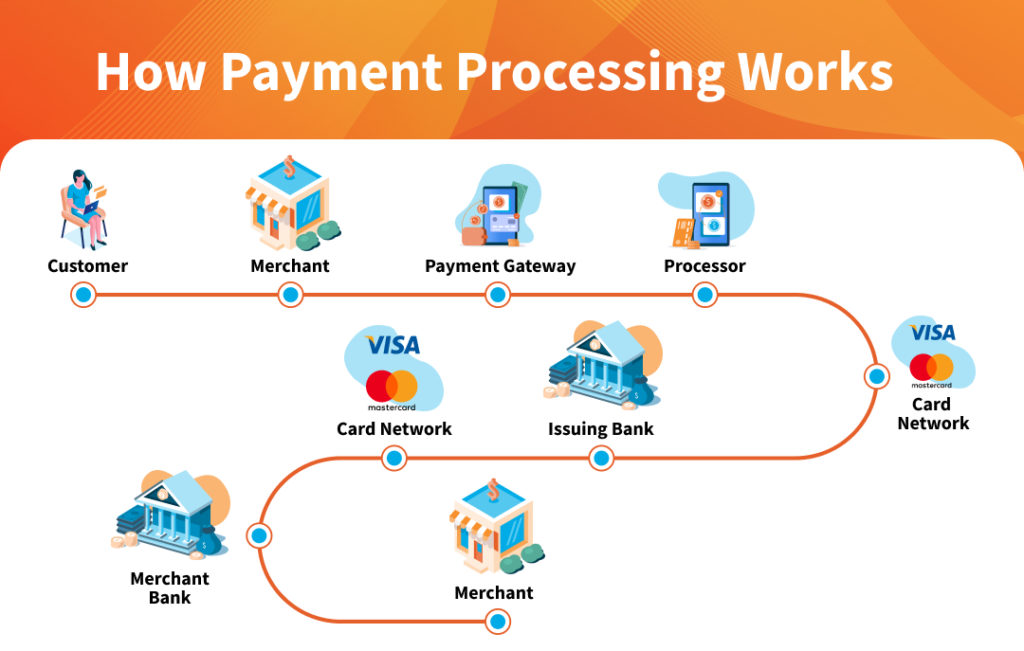
While the process behind Payment Gateway services may sound complex, it is designed to be straightforward and efficient. The process starts when a customer chooses a product, adds it to their cart, and proceeds to checkout. At this point, the payment gateway encrypts the customer’s payment details such as credit card information, bank details, and other sensitive data to ensure security during the transaction.
Once encrypted, the data is sent to the acquiring bank (the merchant’s bank) for authorization. The bank checks whether the payment details are valid and whether the customer has sufficient funds. If everything checks out, the transaction is approved. The payment gateway then transfers the funds to the merchant’s account, completing the sale. All of this happens in a matter of seconds, providing customers with a seamless and speedy transaction experience.
The Benefits of Using Payment Gateways Services
Enhanced Security for Businesses and Customers
For businesses, Payment Gateway services reduce the risk of fraud by providing secure transaction channels. They enable encryption, tokenization, and compliance with global security standards like PCI-DSS (Payment Card Industry Data Security Standard). This ensures that sensitive customer information is kept secure, minimizing the chances of data breaches or unauthorized transactions.
Global Reach and Multi-Currency Support
In addition to ensuring security, Payment Gateways offer businesses the ability to support a wide range of payment methods and currencies. This opens up the opportunity for global sales, allowing businesses to cater to customers across different countries and regions. Whether it’s local or international transactions, Payment Gateways can handle multiple currencies and international payment methods, broadening the customer base for businesses.
Seamless Customer Experience
For customers, the benefit of using a Payment Gateway lies in the seamless and hassle-free checkout experience. With easy integration, customers can make payments using a variety of methods, including credit/debit cards, net banking, e-wallets, and even cryptocurrency in some cases. This variety of payment options builds trust and confidence among customers, encouraging repeat purchases and fostering long-term brand loyalty.
Faster Transactions and Increased Sales
With the convenience of online payments, businesses see an improvement in their conversion rates. Payment Gateways streamline the checkout process by reducing the steps needed to complete a transaction, which leads to fewer abandoned carts and more successful sales. Additionally, the speed of online payments helps to boost customer satisfaction by offering a quick and easy purchasing experience.
Choosing the Right Payment Gateway Service: Key Factors to Consider
When it comes to selecting a Payment Gateway, businesses need to carefully consider several factors to ensure they choose the best one for their needs:
Security and Compliance
Above all, security is the most critical factor to consider. A reliable Payment Gateway should comply with industry standards such as PCI-DSS to ensure the safety of customer data. Look for services that offer advanced encryption techniques, tokenization, and two-factor authentication to minimize the risk of fraud.
Transaction Fees and Cost Structure
Every Payment Gateway service has a fee structure, including transaction fees, setup costs, and monthly maintenance charges. It is essential to understand these costs to determine whether the service is affordable for your business. Compare different gateways to find the one that offers the best value for your transaction volume.
Integration with Your Platform
Ensure that the Payment Gateway integrates seamlessly with your e-commerce platform, whether it’s a website, mobile app, or a third-party marketplace. Many modern gateways offer easy integration with popular platforms such as Shopify, WooCommerce, Magento, and others. A smooth integration ensures a seamless experience for both merchants and customers.
Customer Support and Service Availability
Having reliable customer support is vital. Choose a Payment Gateway provider that offers 24/7 customer support and quick response times. This ensures that any issues related to payments or transactions can be resolved quickly, minimizing disruptions in your business operations.
Major Trends in Payment Gateway Services: What’s Shaping the Future?
As digital payments continue to evolve, several key trends are shaping the future of Payment Gateway services. These innovations are improving security, convenience, and efficiency, while also offering new opportunities for businesses.
1. Biometric Authentication for Enhanced Security
One of the emerging trends is the use of biometric authentication in payment gateways. Fingerprint scanning, facial recognition, and voice recognition are becoming popular methods for securing transactions. These biometric technologies help ensure that only authorized users can make payments, significantly reducing fraud and identity theft.
2. Artificial Intelligence (AI) and Machine Learning (ML) in Fraud Prevention
AI and ML are playing a key role in improving the security of digital payments. These technologies can analyze transaction patterns in real time, allowing them to detect and prevent fraudulent activities before they occur. Machine learning algorithms continually improve, making payment systems more intelligent and capable of identifying threats proactively.
3. Cryptocurrencies and Blockchain Integration
With the growing popularity of cryptocurrencies, Payment Gateways are starting to integrate digital currencies such as Bitcoin, Ethereum, and others as payment options. This allows businesses to tap into new markets, especially among tech-savvy customers who prefer to use cryptocurrencies for their purchases. Additionally, blockchain technology offers transparent and secure transactions, further enhancing the reliability of digital payments.
4. Mobile Payment Solutions and PWAs
As smartphones become the primary device for online shopping, mobile-first payment solutions are gaining importance. Payment Gateways are optimizing their platforms for mobile devices, offering features like one-click payments, mobile wallets, and integrated mobile apps. Progressive Web Apps (PWAs) are also emerging as a way to provide a seamless, app-like experience on mobile browsers.
Adapting to a Mobile-First World: Meeting Consumer Expectations
The shift to mobile-first is a significant trend in the digital payment space. With the increasing number of people shopping via smartphones, Payment Gateways are enhancing their platforms to be mobile-friendly. Features such as one-click payments, mobile wallet integrations (like Google Pay and Apple Pay), and optimized checkout processes are becoming essential for businesses to remain competitive in a mobile-first world.
Conclusion: The Future of Payment Gateway Services
Payment Gateway services are integral to the success of e-commerce businesses. They provide the security and convenience that both businesses and customers require for seamless online transactions. As the digital payment landscape continues to evolve, staying informed about emerging trends—such as biometric authentication, AI-powered fraud detection, and mobile payment solutions—can help businesses maintain a competitive edge.
By understanding the functionality, benefits, and trends in Payment Gateway services, businesses can make informed decisions that enhance their payment systems, boost customer satisfaction, and drive long-term growth.
If you are having an online business or planning to start an online business, a payment gateway is something that you will definitely need for accepting online payments. But when it comes to the payment gateway or any service integration, one question that comes to our mind is ‘What are the FEES?’.
Well, no service comes for free nor does payment gateway, so how do they actually charge?
When you choose a payment gateway service provider from a payment processor like Paypal or Paytm, the payment gateway is provided free of cost, which means that the code for the payment gateway is provided for free and the code needs to be blended into your website. These payment gateway processors do not provide integration service, you need to get the payment gateway blended into your website with the help of your website developer.
Usually, Payment Gateway has its own set of fees,
Setup Fee:
It is a one-time fee charged by the provider for setting up the payment gateway account and integrating the payment gateway with your website.
Annual Fees:
The payment gateway can charge you annually for the plugins, features, and support that it offers.
Transaction cost:
The payment gateway can charge you for every transaction that your customer makes. The charges are a certain percentage of every transaction plus a fixed amount.
Some payment processors do provide integration service at a cost, If you are looking for a payment gateway, You must have come across the term “One-time setup cost” which in simple words means payment gateway integration charge, wherein the payment processor does not just provides you with payment gateway but also blends it with your websites making it ready for payment acceptance.
If it is for free then how do payment gateway providers get paid?
So once the payment gateway integration into your website is completed and your website is ready to accept online payment, this is when the payment gateway providers start getting paid. Payment gateway charges you a certain percentage (1.5%-3.5%) on every transaction that your customer makes. The charges differ for a mode of payment like Debit/Credit card, UPI or NetBanking, and more. Following are some charges from reputed payment gateways.
PayPal – 2.5%* + Fixed fee (INR 3)
Paytm– 1.75% + GST
Instamojo– 2% + Rs 3 fixed
PayU– 2% + GST
How is Digital Payment Guru different from others?
Digital payment guru provides the payment gateway service at the cheapest rates compared to that available in the market.
Variety of Payment Gateway:
Find different payment gateways in one place, compare the rates, and select the one that suits your business.
Customized Payment Gateways:
We provide a customized payment gateway that can be tailored according to your website and need.
Consultation:
Our team of experts having years of experience with payment gateway integration can help you choose the best payment gateway which is suitable for your business.
Integration service:
Unlike other payment gateway service providers, Digital payment guru offers the integration service at the best rates which is a one-time cost with customer support.
Website Audit:
We conduct an entire website audit for you to ensure that the payment gateway works properly and also to find any errors in existing functionalities that can be resolved.