payment gateway

How Digital Payment Gateways Empower Nonprofits to Achieve Greater Impact

Nonprofit organizations are the backbone of social progress, tackling issues such as poverty, education, healthcare, and environmental conservation. However, one of their primary challenges is securing consistent and reliable funding. In an era where technology dominates every aspect of life, digital payment gateways have emerged as transformative tools that revolutionize the way nonprofits collect and manage donations. By simplifying transactions, ensuring security, and expanding global reach, these gateways enable nonprofits to increase their impact and connect with more donors. Platforms like DigitalPaymentGuru.com play a critical role in guiding nonprofits toward selecting the best payment gateways for their unique needs, ensuring a seamless and efficient fundraising process.

Understanding Digital Payment Gateways and Their Relevance to Nonprofits

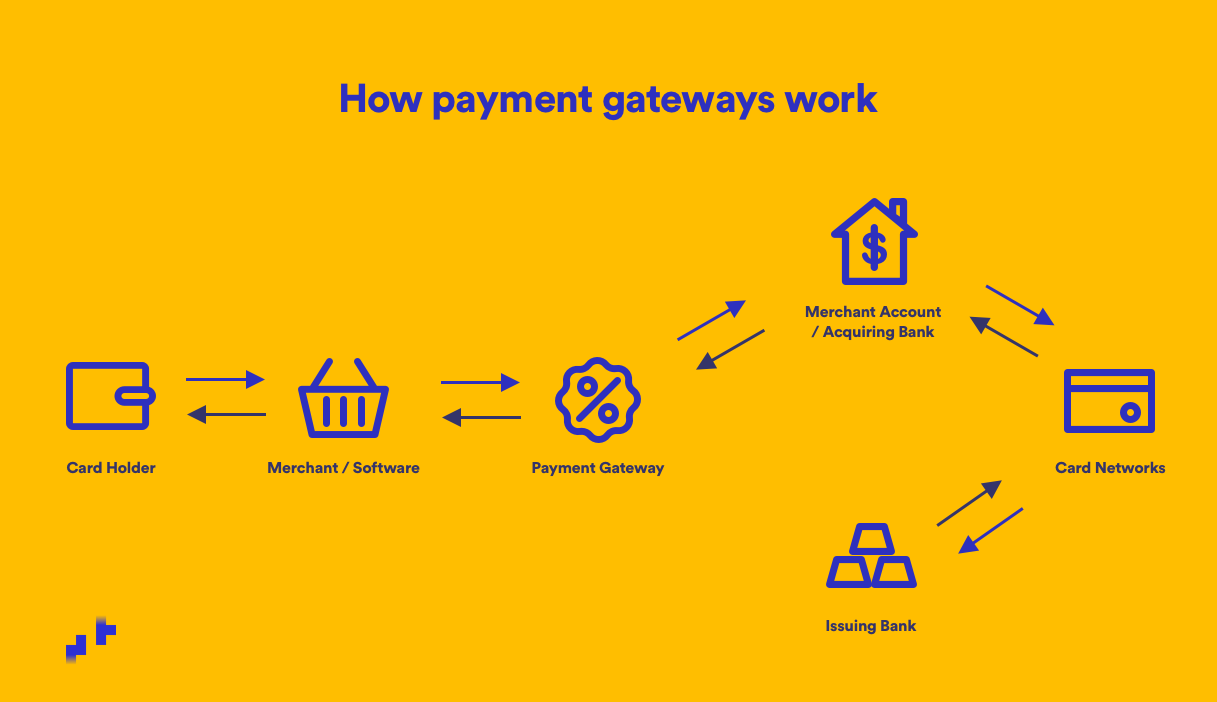
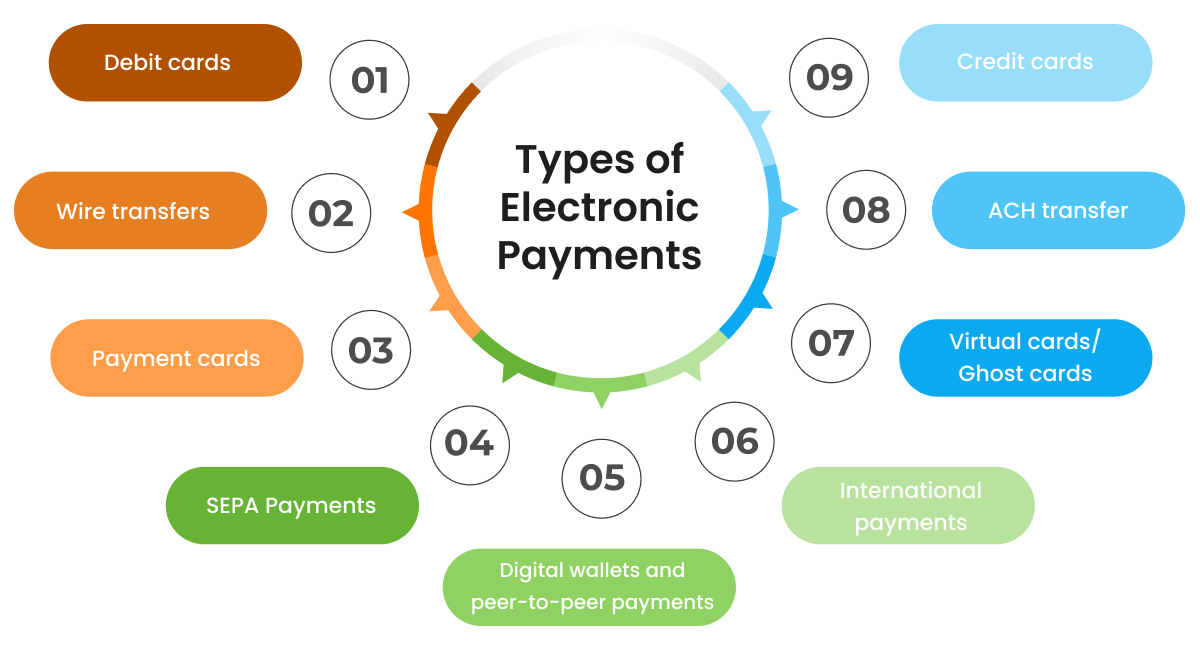
A digital payment gateway is an online service that facilitates secure and convenient financial transactions between donors and organizations. For nonprofits, integrating such gateways into their operations means offering their supporters an effortless way to contribute. These platforms handle payments from various sources such as credit and debit cards, UPI, mobile wallets, and net banking, ensuring a smooth and transparent flow of funds.

For nonprofits, digital payment gateways are not just a technical necessity they are strategic tools that enhance donor engagement, streamline financial management, and ultimately allow organizations to focus on their mission.

Key Benefits of Digital Payment Gateways for Nonprofits

Simplifying the Donation Process

The ease of use provided by digital payment gateways is a game-changer for nonprofits. These platforms enable donors to contribute through websites, mobile apps, or social media channels with just a few clicks. A simplified process encourages more individuals to donate, reducing friction that might deter potential contributors.

Ensuring Security and Building Donor Trust

Security is a paramount concern for donors contributing online. Modern payment gateways incorporate advanced encryption protocols, fraud detection mechanisms, and PCI DSS compliance to ensure that transactions are secure. Gateways recommended by DigitalPaymentGuru.com are known for their robust security features, which help nonprofits gain the trust of their donors and encourage repeat contributions.

Expanding Reach to Global Donors

With the internet eliminating geographical barriers, digital payment gateways allow nonprofits to accept donations from supporters worldwide. Features like multi-currency support and international payment options enable organizations to tap into a global donor base. This capability significantly boosts fundraising efforts, especially for nonprofits focusing on causes with global resonance, such as climate change or disaster relief.

Facilitating Recurring Donations

Recurring donations are vital for nonprofits to sustain their operations and plan long-term initiatives. Payment gateways often offer features that allow donors to set up automated monthly or annual contributions. This convenience encourages donors to support causes consistently, providing nonprofits with a predictable and stable source of funding.

Enhancing Cost Efficiency

Managing donations through traditional methods can be costly and time-consuming. Digital payment gateways streamline the process, reducing administrative overheads and operational costs. Additionally, many gateways recommended by DigitalPaymentGuru.com offer competitive transaction fees, ensuring that a larger portion of every donation goes directly to the cause.

Real-Time Tracking and Insights

Digital payment gateways come equipped with powerful analytics tools that help nonprofits track donations in real-time. Organizations can analyze donor behavior, identify trends, and generate detailed financial reports. These insights enable nonprofits to refine their strategies, target specific donor segments, and create more impactful fundraising campaigns.

Customizable Solutions for Branding

Many payment gateways allow nonprofits to customize the donor experience by integrating the gateway into their website or mobile app. With features like branded donation pages, nonprofits can create a seamless and professional experience that reinforces their brand identity and builds stronger connections with donors.

Top Payment Gateway Recommendations for Nonprofits

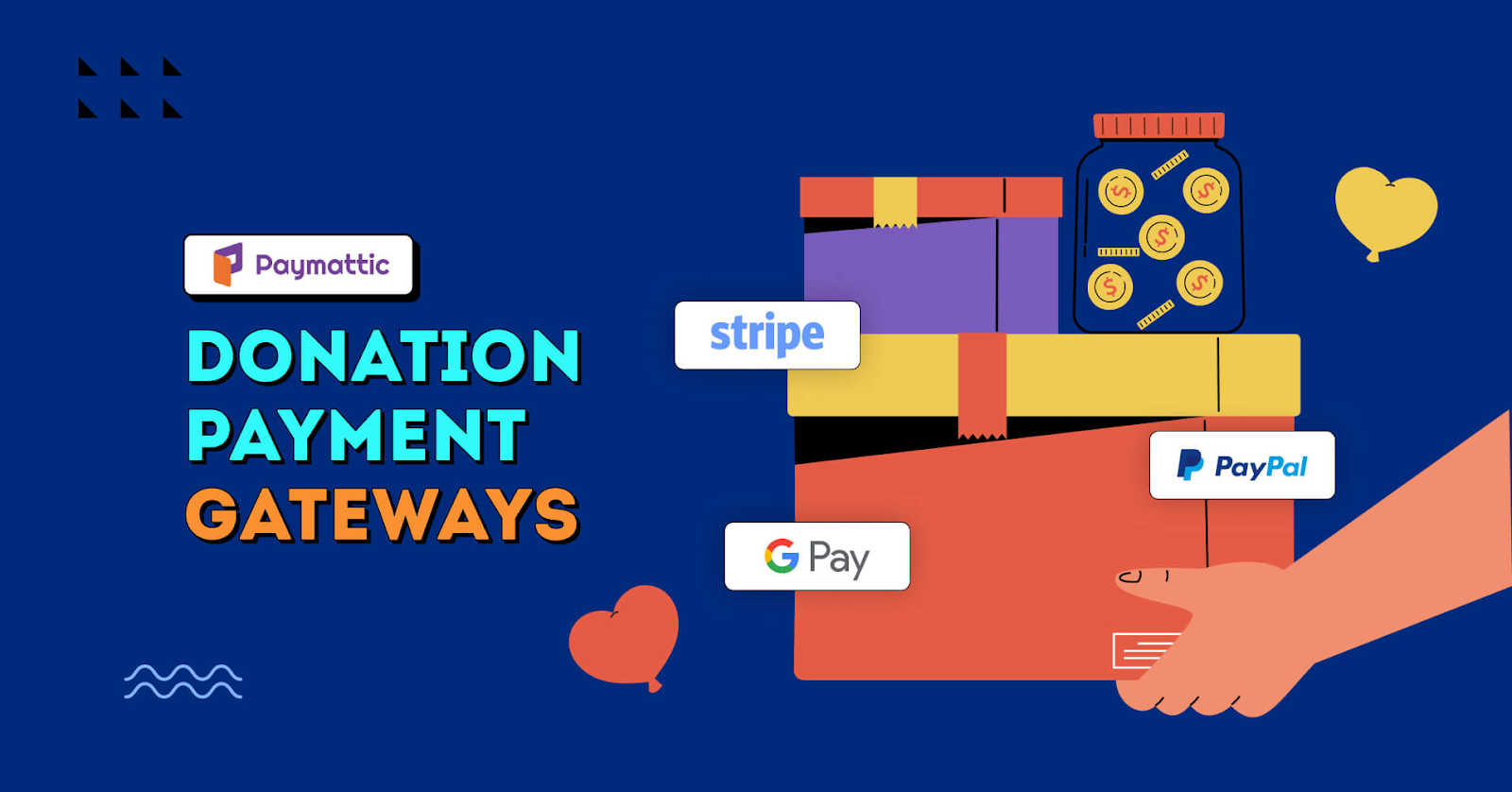
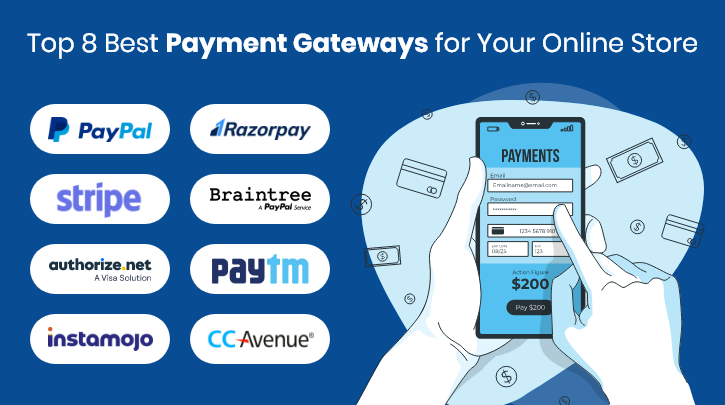
Selecting the right payment gateway is crucial for nonprofits to maximize their fundraising potential. DigitalPaymentGuru.com, a trusted name in the industry, offers tailored recommendations based on the unique requirements of each organization. Below are some top payment gateways for nonprofits:

Razorpay: An ideal choice for Indian nonprofits, Razorpay offers UPI, card payments, and recurring donation features with competitive transaction fees. Its simple integration and robust support make it a popular option.

PayPal: Known for its global reach, PayPal is a reliable platform for nonprofits targeting international donors. It supports multiple currencies and offers donor-friendly features like one-touch payments and transaction tracking.

Stripe: Stripe is highly customizable, making it suitable for nonprofits looking to create branded donation experiences. It supports global payments, and recurring donations, and provides detailed analytics.

Instamojo: Perfect for small nonprofits, Instamojo offers an easy-to-use platform with support for UPI, wallets, and card payments. It is especially effective for fundraising campaigns targeting Indian donors.

CCAvenue: A versatile platform offering multilingual and multi-currency support, CCAvenue caters to nonprofits with diverse donor bases. Its advanced features include fraud detection and comprehensive reporting tools.

How DigitalPaymentGuru.com Helps Nonprofits Choose the Right Gateway

Navigating the wide array of payment gateways can be overwhelming for nonprofits. This is where DigitalPaymentGuru.com comes in. By analyzing factors like transaction fees, security features, integration options, and donor preferences, the platform provides tailored recommendations to ensure nonprofits select the most suitable gateway for their needs. Whether it’s identifying a low-cost option for a small organization or a global solution for a large nonprofit, DigitalPaymentGuru.com simplifies the decision-making process and saves valuable time.

Steps to Integrate a Payment Gateway for Nonprofits

Identify Organizational Needs: Define goals, such as reaching international donors or facilitating recurring contributions, to determine the features required.

Research and Compare Gateways: Use platforms like DigitalPaymentGuru.com to compare gateways based on fees, security, and ease of use.

Ensure Legal and Regulatory Compliance: Verify that the gateway complies with local and international financial regulations to avoid legal complications.

Integrate with Platforms: Collaborate with developers to seamlessly integrate the chosen gateway with your website or mobile app.

Test and Optimize: Conduct thorough testing to ensure a smooth donor experience and optimize the process based on donor feedback.

Conclusion

Digital payment gateways have become indispensable tools for nonprofits, offering a streamlined, secure, and globally accessible way to collect and manage donations. By embracing these technologies, nonprofits can overcome traditional fundraising challenges, enhance donor engagement, and focus on their core mission of creating social impact. With expert guidance from DigitalPaymentGuru.com, nonprofits can choose the best payment solutions to maximize their fundraising potential and achieve long-term success. As technology continues to evolve, the integration of digital payment gateways will remain a cornerstone of nonprofit growth and efficiency.
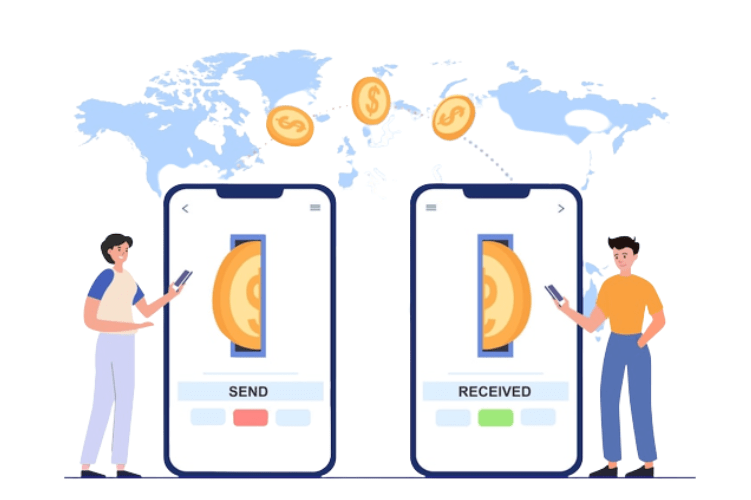


Digital Payment Gateways and Their Role in Promoting Financial Inclusion

In the modern era, digital payment gateways have become a key enabler in reshaping economies, especially by promoting financial inclusion. These platforms provide an efficient way to conduct transactions online, allowing businesses and consumers to interact without needing physical cash. This is particularly important in emerging markets, like India, where a significant portion of the population was previously excluded from formal financial systems. Digital payment systems are breaking down traditional barriers such as geographic constraints, lack of infrastructure, and high transaction costs, thus creating more opportunities for the unbanked population.

Understanding Digital Payment Gateways

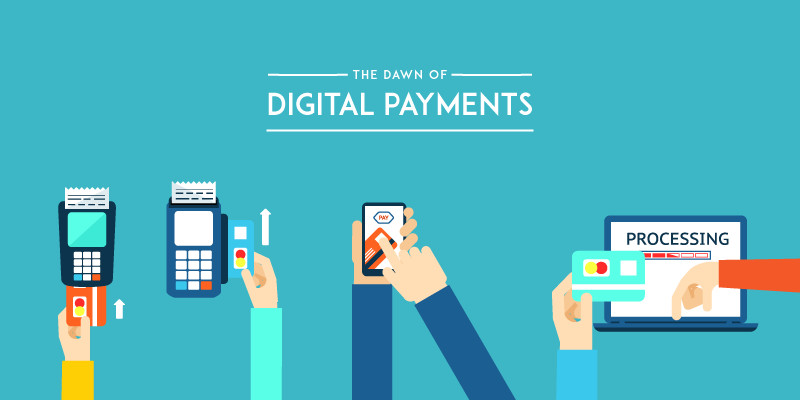
A digital payment gateway is a technology that facilitates electronic transactions between buyers and sellers. It works as an intermediary that securely transmits payment information between the parties involved, ensuring that funds are transferred safely and efficiently. These systems accept payments through various methods, including credit/debit cards, UPI (Unified Payments Interface), mobile wallets, and net banking. Digital payment gateways streamline financial transactions and contribute significantly to enhancing financial accessibility across different socio-economic segments.

How Digital Payment Gateways Drive Financial Inclusion

Accessibility for Remote Areas

Traditional banking facilities are scarce in many developing countries, particularly in rural and remote regions. Digital payment gateways bridge this gap by allowing people to perform transactions through their smartphones or computers. By using UPI, mobile wallets, or other online payment systems, individuals living in distant areas can access financial services without traveling long distances to reach a physical bank branch. This convenience is essential for increasing the financial participation of rural populations.

Lowering Barriers for the Unbanked

Historically, individuals without access to banking infrastructure have been excluded from the formal financial system due to stringent documentation requirements and the necessity of maintaining a minimum balance. However, digital payment systems have simplified these entry requirements. Many platforms allow individuals to open accounts or wallets with minimal paperwork, enabling people who do not have access to formal banking institutions to participate in the economy. This is especially beneficial for people who have been excluded from traditional banking due to financial or geographical constraints.

Empowering Individuals Through Financial Literacy

The widespread adoption of digital payment gateways has also played a crucial role in enhancing financial literacy. By using digital platforms, individuals become more familiar with financial concepts such as savings, investment, and money transfers. Many payment systems also offer features like bill payments, recharges, and micro-investment opportunities, allowing people to learn about managing their finances more effectively. As people gain knowledge, they become better equipped to make informed financial decisions, leading to improved financial well-being.

Encouraging Growth of Small Businesses

Small and medium-sized enterprises (SMEs) often struggle to access payment systems that would allow them to tap into a larger market. However, digital payment gateways have leveled the playing field by providing affordable solutions that enable small businesses to accept payments online. By offering a wide variety of payment options, such as mobile wallets and card payments, digital gateways empower small business owners to expand their customer base and reach new markets. This has had a transformative impact on businesses operating in both urban and rural areas, helping them scale their operations more effectively.

Cost-Effectiveness for Low-Income Users

One of the significant advantages of digital payment gateways is their ability to reduce transaction costs. Traditional banking systems often come with high fees for services such as money transfers, bill payments, or maintaining an account. Digital payment solutions, on the other hand, typically offer lower transaction fees, making them more affordable for low-income individuals. With the rise of mobile wallets and UPI platforms, the costs associated with digital payments have become more accessible to people who were previously unable to afford banking services.

Facilitating Government Schemes and Direct Transfers

In India, the government’s push towards financial inclusion has been greatly facilitated by digital payment systems. Initiatives like the Pradhan Mantri Jan Dhan Yojana (PMJDY) and the Digital India campaign have encouraged millions of people to open bank accounts and access digital financial services. The introduction of Direct Benefit Transfers (DBT) has streamlined the disbursement of government subsidies to individuals through digital payments. This ensures that benefits reach the intended recipients promptly and efficiently, helping to reduce corruption and improve the welfare of marginalized populations.

Building Trust and Security in Digital Transactions

Security and trust are key concerns when it comes to adopting new financial technologies. However, advancements in encryption and multi-layered authentication processes have made digital payment systems safer and more secure. This has helped build confidence among users, especially those who have been hesitant about shifting from cash to digital payments. By ensuring the safety of personal and financial data, digital payment gateways are gaining wider acceptance, particularly among populations who have never used a bank account or digital financial services before.

Prominent Digital Payment Gateways Enabling Financial Inclusion

Several digital payment platforms are leading the charge in enhancing financial inclusion by providing secure, affordable, and accessible services to millions of people. Some of the most popular gateways driving this change include:

Paytm: With its easy-to-use mobile app, Paytm is one of India’s most widely adopted payment platforms. Offering services like bill payments, money transfers, and online shopping, Paytm has played a crucial role in bringing digital payments to the masses.

PhonePe: This UPI-based payment system has made digital transactions accessible to users across the country. Its seamless integration with various banking apps and mobile wallets allows users to send money, pay bills, and shop online, making financial inclusion more widespread.

Google Pay: Google Pay leverages UPI to facilitate fast and secure payments. Its simple interface and extensive merchant network have made it one of the most popular choices for individuals seeking a hassle-free way to make payments.

Razorpay: Razorpay offers businesses of all sizes the ability to accept online payments. By simplifying the process for small enterprises, Razorpay is helping business owners grow and cater to a larger customer base.

Bharat QR: Developed by the National Payments Corporation of India (NPCI), Bharat QR provides an affordable and secure way to make payments using QR codes. This platform has been especially beneficial for small merchants in rural areas who lack access to card payment systems.

Conclusion

Digital payment gateways have become a cornerstone in the effort to foster financial inclusion. By reducing barriers to entry, offering affordable services, and increasing access to financial education, they are empowering individuals and businesses to engage with the formal financial system. As the reach of mobile phones and internet access expands, the role of digital payment systems will only grow, further driving the inclusion of previously underserved populations. With continued innovation and support, digital payments can play a transformative role in creating a more inclusive, equitable, and robust global economy.

The Role of AI and Blockchain in Enhancing Digital Payments

In India’s rapidly evolving digital economy, technologies like Artificial Intelligence (AI) and Blockchain are pivotal in reshaping how payments are made. From securing transactions to making the process faster and more efficient, these innovations are addressing the challenges consumers and businesses face. With India’s focus on becoming a cashless economy and the rise in digital literacy, AI and Blockchain are becoming the backbone of modern payment systems, ensuring they are smarter, safer, and more transparent.

AI: Revolutionizing Digital Payments

Artificial Intelligence has transformed digital payments, helping users and businesses experience faster, safer, and more personalized payment methods. In a country like India, where digital transactions are growing exponentially, AI plays a critical role in ensuring smooth and secure payments.

Fraud Detection and Prevention

AI is a game-changer when it comes to combating fraud in digital payments. With the rise in online transactions, fraud has also increased. AI-powered systems monitor transactions in real-time and detect unusual patterns, such as large withdrawals or multiple transactions in a short time, which could signal fraudulent activity. These systems adapt and learn over time, becoming smarter at identifying and preventing fraud, helping Indians trust digital platforms more.

Personalization for Users

AI helps provide a customized experience to users by analyzing their spending patterns and preferences. For instance, many payment apps now suggest offers, cashback deals, or discounts based on past purchases, creating a personalized experience. Additionally, AI-driven chatbots, available in regional languages, are making it easier for users across India to solve their payment-related queries quickly and efficiently.

Faster Payment Processing

Automation powered by AI eliminates manual errors and speeds up payment processing. Whether it’s settling bills, transferring funds, or reconciling payments, AI ensures these tasks are completed seamlessly, which is especially beneficial for businesses that deal with high transaction volumes daily.

Advanced Security Features

AI enhances the security of digital payments with features like biometric authentication (face recognition, fingerprint scanning) and behavior-based monitoring. These features add an extra layer of protection, ensuring that only authorized users can access their accounts or make payments.

Risk Assessment for Businesses

For businesses, AI tools analyze financial trends and predict risks, helping them make better decisions. Whether it’s identifying potential defaults from customers or forecasting cash flow issues, AI offers insights that keep businesses financially secure.

Blockchain: The New Trust Layer for Payments

Blockchain, a decentralized and transparent technology, is revolutionizing the way payments are recorded and managed. In India, where trust is a critical factor in digital adoption, Blockchain ensures that transactions are tamper-proof, secure, and reliable.

Enhanced Security

Blockchain’s cryptographic design makes it nearly impossible to hack or manipulate transaction data. Every payment is recorded on a digital ledger, ensuring a secure and permanent record of all transactions. This is particularly important in India’s growing e-commerce and digital banking sectors, where security breaches can erode customer trust.

 Transparency and Accountability

Every transaction on a blockchain is visible to authorized participants in the network. This transparency reduces the chances of disputes and creates accountability for all parties involved. For example, government schemes and subsidies could use blockchain to ensure funds reach the intended beneficiaries without leakages.

Faster Cross-Border Payments

Sending money internationally has traditionally been slow and expensive. Blockchain eliminates intermediaries, enabling real-time cross-border transactions at a fraction of the cost. For India, which sees a significant amount of remittances, this is a game-changer for families relying on funds from abroad.

Smart Contracts

Smart contracts are self-executing agreements written into code on the blockchain. For example, in India’s agricultural sector, smart contracts can automate payments to farmers once produce is delivered and verified. This eliminates delays and ensures fair payments.

Financial Inclusion

India has a large population without access to traditional banking services, especially in rural areas. Blockchain can bring these unbanked individuals into the financial ecosystem by enabling secure and low-cost digital transactions using just a smartphone.

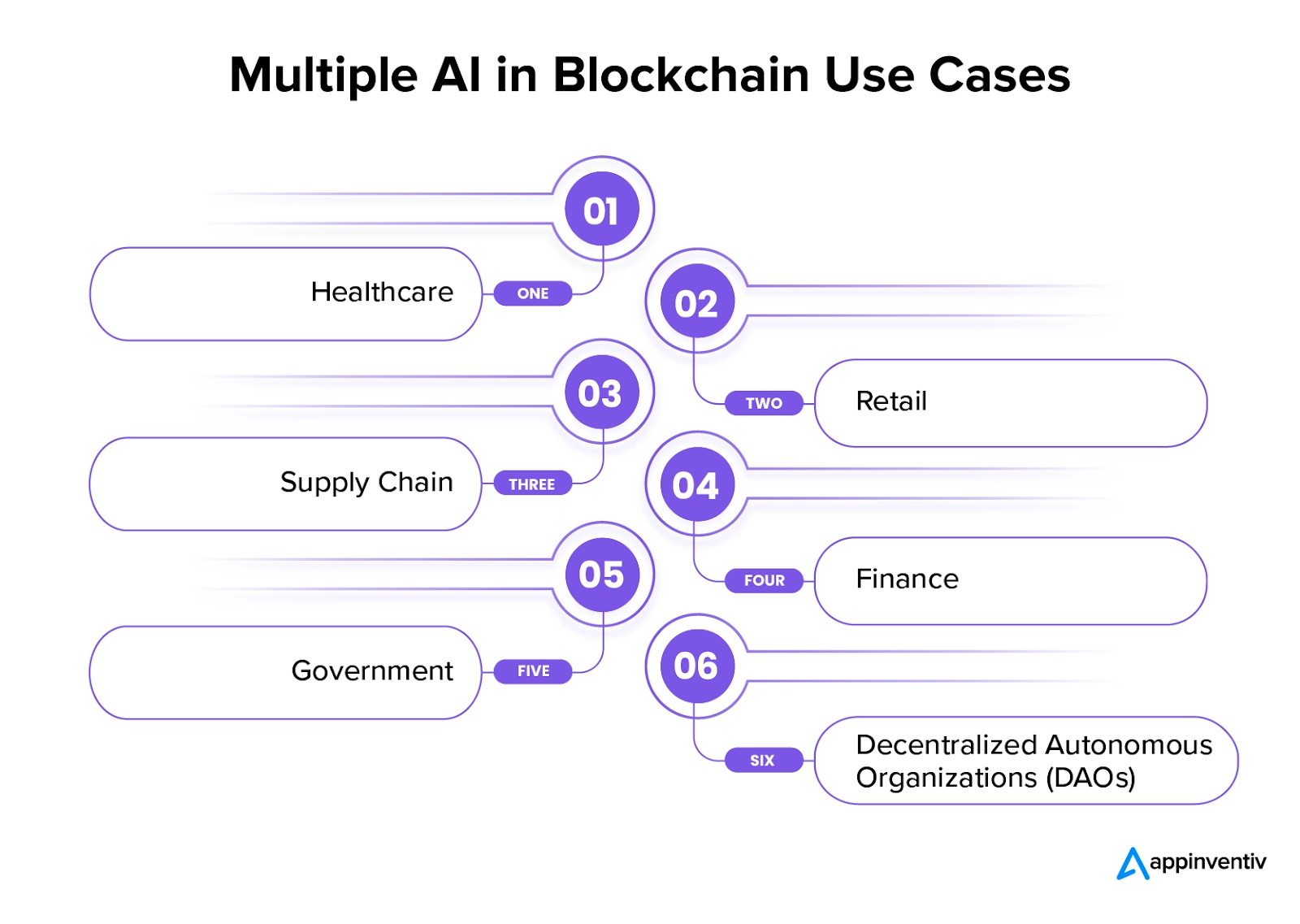
How AI and Blockchain Work Together

When combined, AI and Blockchain create a powerful synergy that addresses critical issues in digital payments:

Real-Time Fraud Detection: AI analyzes transactions for unusual activity, while blockchain ensures that the records are immutable and secure.

Faster and Smarter Payments: AI speeds up payment approvals, while blockchain reduces processing time by eliminating intermediaries.

Data Integrity: Blockchain provides accurate and unalterable records, and AI uses these records for informed decision-making.

Together, these technologies are ensuring that digital payments in India are not only faster and more efficient but also safer and more reliable.

Challenges in Adoption

While AI and Blockchain offer immense potential, their adoption in India is not without hurdles:

High Costs: Implementing these technologies requires significant investment, which can be a challenge for small businesses.

Lack of Awareness: Many people, especially in rural areas, are unaware of the benefits of these technologies.

Regulatory Issues: India is still working on clear regulations for blockchain and AI in financial services, leading to hesitation among businesses.

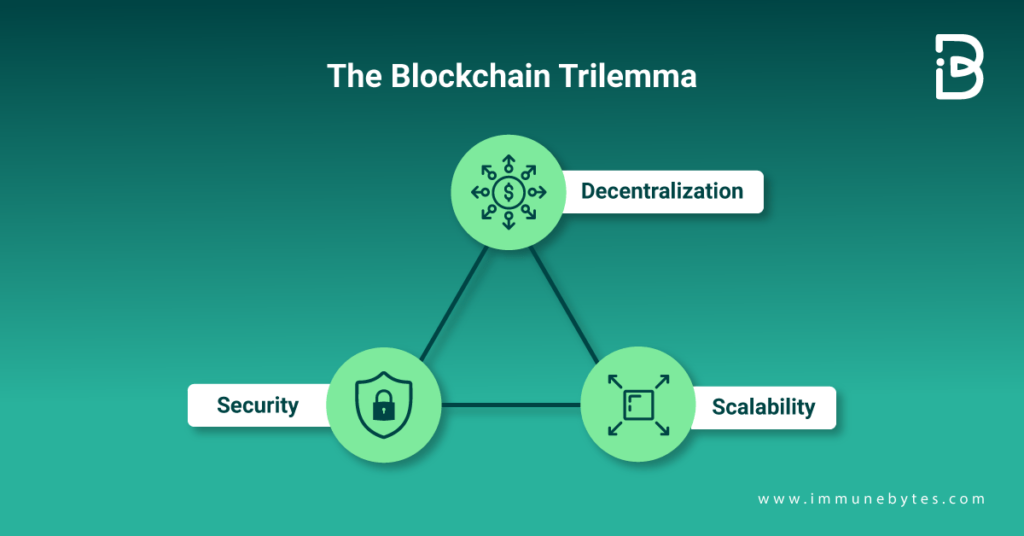
Scalability: Blockchain networks can slow down with high transaction volumes, making it challenging for widespread use.

Overcoming the Challenges

To ensure these technologies reach their full potential, various initiatives are being taken:

Affordable Solutions: Companies like DigitalPaymentGuru.com are helping businesses adopt AI- and blockchain-driven payment systems without breaking the bank.

Education and Awareness: Campaigns to promote digital literacy in regional languages are helping more Indians understand and trust these innovations.

Improved Infrastructure: The government and tech companies are investing in scalable blockchain networks and AI solutions to handle large transaction volumes.

Regulatory Frameworks: Efforts are underway to establish clear guidelines for using these technologies, making businesses feel more confident about adoption.

Conclusion

AI and Blockchain are not just buzzwords; they are the future of digital payments in India. These technologies are making transactions faster, more secure, and more efficient, paving the way for a truly cashless society.

For businesses, adopting these solutions can drive growth, improve customer trust, and streamline operations. Platforms like DigitalPaymentGuru.com are helping Indian merchants integrate advanced payment systems, ensuring they remain competitive in an increasingly digital world.

As India continues its journey toward becoming a global leader in digital innovation, embracing AI and Blockchain will be essential. Together, they hold the potential to revolutionize the way Indians transact, ensuring that digital payments are accessible, safe, and beneficial for everyone.


Exploring the Benefits of Instant Digital Payments for Consumers and Merchants

In the modern era of digital advancements, instant digital payments have transformed financial transactions. With the widespread use of smartphones, improved internet connectivity, and user-centric digital platforms, these payment systems are revolutionizing consumer interactions and business operations. The demand for faster, more secure, and convenient payment methods has only accelerated this change. Let’s explore the extensive advantages these systems offer to both consumers and merchants while highlighting how DigitalPaymentGuru.com supports businesses in implementing the best merchant payment gateways.

Understanding Instant Digital Payments


Instant digital payments involve the electronic transfer of funds that are completed in real-time. These transactions ensure that money moves instantly from one account to another, avoiding delays commonly associated with older methods like cheques or manual bank transfers. Popular digital payment systems include UPI (Unified Payments Interface), digital wallets such as Paytm, Google Pay, and PhonePe, and international services like PayPal and Stripe.

Businesses increasingly rely on these payment systems, and providers like DigitalPaymentGuru.com are instrumental in helping merchants seamlessly integrate effective and reliable payment gateways.

Advantages for Consumers

1. Speed and Ease of Use

Instant digital payments eliminate the need for handling cash, writing cheques, or waiting for bank transfers to complete. Consumers can pay bills, shop online, or transfer money to loved ones in seconds, all through their smartphones. This rapid process is especially beneficial in urgent or time-sensitive situations.

2. Round-the-clock Availability

Unlike traditional banking hours, digital payment systems are operational 24/7. Whether it’s a public holiday or late at night, consumers can complete their transactions without interruption. This flexibility adds to user convenience and promotes better financial autonomy.

3. Enhanced Safety Features

Digital payment platforms come with advanced security measures, such as encryption, biometric verification, and two-factor authentication (2FA). These features safeguard users from fraud and unauthorized access, providing them with a secure way to transact. Continuous improvements in cybersecurity further ensure the safety of these systems.

4. Ease of Tracking and Transparency

Digital payments offer easily accessible transaction records through apps or statements. This transparency helps consumers monitor their spending, manage budgets, and simplify tasks like tax filing, fostering greater financial discipline.

5. Savings and Rewards

Many digital payment systems are free or involve minimal transaction fees compared to traditional methods like wire transfers. Additionally, cashback offers, discounts, and reward points provide added value, making digital payments an economical choice for users.

Advantages for Merchants

1. Improved Cash Flow

For businesses, instant payment systems ensure quick access to funds, which is crucial for daily operations, inventory purchases, and business expansion. Collaborating with platforms like DigitalPaymentGuru.com enables merchants to streamline payment processes and maintain efficient cash flow management.

2. Lower Transaction Costs

Digital payment systems often have lower processing fees than traditional POS systems or credit card networks. Reduced costs significantly benefit merchants, especially small and medium-sized enterprises, by increasing profit margins.

3. Wider Customer Reach

Accepting digital payments attracts tech-savvy consumers who prefer cashless transactions. Additionally, these systems allow merchants to accept payments from remote customers, opening up new markets and revenue streams.

4. Boosted Sales and Customer Loyalty

The simplicity and speed of digital payments encourage more purchases and enhance the overall shopping experience. Satisfied customers are more likely to return, building long-term loyalty. Features like one-click payments further elevate convenience.

5. Streamlined Record Management

Digital payment platforms provide detailed transaction histories and insights, helping businesses monitor revenue, identify trends, and make data-driven decisions. These records are invaluable for strategic planning and inventory management.

6. Minimized Risks and Enhanced Security

Handling large sums of cash poses risks of theft and fraud. Digital payments reduce these risks and reliance on physical banking. Partnering with DigitalPaymentGuru.com ensures that merchants have access to secure, cutting-edge solutions tailored to their business needs.

Instant Digital Payments and Economic Progress

Beyond convenience, instant digital payments drive economic growth. They reduce costs linked to printing and handling currency and encourage financial inclusion by offering unbanked individuals access to digital services.

In countries like India, UPI has revolutionized the financial landscape, empowering millions of small businesses and individuals to join the digital economy. By simplifying the adoption of advanced payment systems, platforms like DigitalPaymentGuru.com support businesses of all sizes, contributing to a more connected financial ecosystem.

Challenges and How to Address Them

Despite their numerous benefits, instant digital payments are not without challenges. Recognizing these hurdles and addressing them effectively is crucial for sustaining the growth and trust in digital payment systems.

1. Technical Interruptions

Network downtime, server crashes, or connectivity issues can temporarily disrupt transactions. Such interruptions can be frustrating for both consumers and merchants, potentially leading to financial losses and eroding trust in the system.

Solution: To mitigate these disruptions, companies must invest in robust infrastructure capable of handling high transaction volumes without lag. Backup servers and redundant systems can ensure continuity during outages. Platforms like DigitalPaymentGuru.com assist businesses in adopting reliable payment gateways designed to withstand such technical challenges.

2. Cybersecurity Threats

As digital payment adoption grows, so does the risk of cyberattacks, including phishing scams, data breaches, and identity theft. These threats can compromise user data and lead to significant financial losses.

Solution: Regular updates to security protocols, integration of advanced encryption technologies, and widespread implementation of multi-factor authentication (MFA) can significantly reduce vulnerabilities. Educating users about recognizing and avoiding common scams is equally important. By partnering with trusted providers like DigitalPaymentGuru.com, businesses can access state-of-the-art cybersecurity measures tailored to their needs.

3. Adoption Resistance

Some individuals and businesses remain skeptical about adopting digital payments due to a lack of trust, inadequate digital literacy, or a preference for traditional methods.

Solution: Awareness campaigns highlighting the advantages of digital payments, coupled with hands-on training programs, can encourage broader adoption. Simplified user interfaces and multilingual support can further ease the transition for users with limited technical expertise. Providers like DigitalPaymentGuru.com play a key role in guiding businesses through the adoption process, ensuring smooth and confident integration of digital payment solutions.

4. Cost and Infrastructure Barriers

For small businesses, the cost of setting up digital payment systems and the requirement for consistent internet access can be significant hurdles.

Solution: Governments and fintech companies can collaborate to offer subsidies, low-interest loans, or affordable technology packages to small and medium-sized enterprises (SMEs). Additionally, expanding internet connectivity in underserved areas will ensure broader access to digital payment solutions.

By working with trusted providers like DigitalPaymentGuru.com, merchants can overcome these hurdles and confidently adopt digital payment solutions.

Conclusion

Instant digital payments are transforming the way we conduct financial transactions, offering unparalleled convenience, security, and efficiency to both consumers and merchants. For businesses, adopting the right payment gateway is essential for staying competitive and meeting customer expectations.

DigitalPaymentGuru.com provides expert guidance and robust solutions for integrating advanced payment systems. By leveraging their services, businesses can improve customer satisfaction, enhance operational efficiency, and achieve sustainable growth. As technology advances, the role of instant payments will continue to expand, shaping the future of commerce and driving global economic participation.

For individuals and businesses, adopting instant digital payment systems is no longer a luxury it’s a necessity in today’s interconnected world.


Cross-Border Digital Payments: Simplifying International Transactions

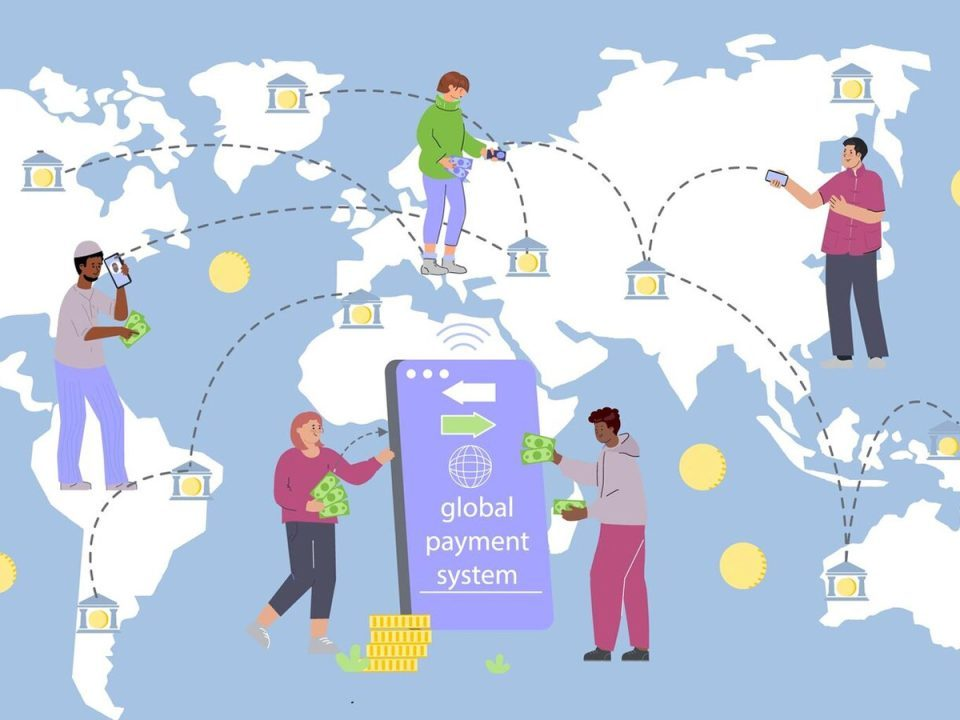
As the world continues to grow more interconnected, the need for efficient cross-border payments has become more critical than ever before. Whether it’s for businesses involved in global trade, individuals sending money to family members abroad, or e-commerce platforms handling international transactions, the ability to move money across borders has become an essential part of the global economy. Traditional payment methods, such as bank wire transfers, often present challenges such as high fees, long processing times, and complex procedures. In contrast, the rise of digital payment platforms has significantly simplified the process, offering faster, cheaper, and more accessible ways to send and receive money across borders.

This article delves into how digital payment systems are transforming the way cross-border transactions occur, the advantages they offer, the challenges they face, and the role they play in promoting global financial inclusion.

The Growth of Cross-Border Digital Payments

Over the past decade, digital payment systems have revolutionized the way international transactions are conducted. Traditional methods, such as using international bank transfers or services like Western Union, involve multiple intermediaries and often come with expensive fees and lengthy processing times. Digital payment platforms, however, eliminate the need for these intermediaries, allowing for direct, peer-to-peer transactions. This not only speeds up the process but also reduces the cost of transferring money across borders.

Technologies such as blockchain, digital wallets, and global payment systems like PayPal, TransferWise (now known as Wise), and Revolut have transformed the cross-border payment landscape. These platforms are making it easier for individuals and businesses to send and receive money from different parts of the world. By leveraging the internet and mobile technology, digital payments have become more accessible, especially in developing countries.

How Digital Payments Are Transforming International Transactions

Lowering Transaction Costs

One of the most significant advantages of digital cross-border payments is their ability to reduce transaction costs. Traditional methods often come with high fees due to multiple intermediaries, including correspondent banks, as well as currency exchange costs and hidden charges. Digital payment systems bypass these intermediaries, making international transactions more affordable.

Platforms like TransferWise (Wise) and Revolut provide transparent and competitive pricing, offering users low fees and better exchange rates. This is particularly beneficial for individuals or businesses making smaller transactions, who would otherwise face high fees from traditional financial institutions.

Speeding Up Transaction Times

Traditional cross-border payments can take several days to process, especially when multiple banks or intermediaries are involved. This can cause delays for businesses that need to make urgent payments or for individuals who are sending money to loved ones. In contrast, digital payment platforms allow transactions to be completed in real time, enabling faster transfers.

Services like PayPal, Paytm, and Google Pay offer near-instantaneous payment processing, meaning recipients can access funds quickly, regardless of time zone differences. This speed is critical for businesses that rely on timely payments and individuals who need to send money for emergencies or daily expenses.

Promoting Financial Inclusion

In many parts of the world, access to traditional banking services is limited, especially in rural or underdeveloped regions. Digital payment platforms are bridging this gap by offering an alternative to traditional banking, enabling individuals in remote areas to send and receive international payments without the need for a bank account.

Mobile wallets, peer-to-peer payment systems, and online platforms have empowered millions of people to participate in the global economy. For example, services like Paytm in India, M-Pesa in Kenya, and mobile wallets in Southeast Asia have opened up financial services to people who may not have had access to banks. These digital platforms not only facilitate cross-border payments but also allow people to access financial services such as savings, loans, and insurance, all through their smartphones.

Multi-Currency Support and Simplified Currency Conversion

Currency conversion is often a major challenge for cross-border transactions. When businesses or individuals send money to another country, they must deal with fluctuating exchange rates and pay additional fees for converting one currency to another. Digital payment platforms have made this process more straightforward by offering multi-currency accounts and competitive exchange rates.

For instance, platforms like TransferWise (Wise) and Revolut allow users to hold and transfer money in multiple currencies without incurring high conversion fees. This feature is especially valuable for businesses that deal with international clients or suppliers, as it eliminates the need for multiple currency conversions and provides a more cost-effective way to handle transactions in different currencies.

Enhancing Transparency and Security

Digital payment systems provide greater transparency compared to traditional methods. In many cases, cross-border payments through banks or other financial institutions can be opaque, with hidden fees and unclear exchange rates. Digital payment platforms often offer clear, upfront pricing and real-time updates on transaction statuses, giving users full visibility of their transactions.

In addition to transparency, digital payments enhance security through features such as encryption, multi-factor authentication, and fraud detection technologies. These measures help protect sensitive financial data and ensure the safe transfer of funds. With the rise of digital payment fraud, these security measures are essential for maintaining user trust.

Challenges in Cross-Border Digital Payments

8

While digital payments have made cross-border transactions more efficient, there are still several challenges to overcome:

Regulatory and Compliance Issues

The regulatory environment surrounding cross-border digital payments is complex and varies from one country to another. Financial regulations, such as Anti-Money Laundering (AML) and Know Your Customer (KYC) requirements, can make it difficult for digital payment providers to operate in multiple countries. Compliance with these regulations is costly and time-consuming, especially for global platforms that must adhere to the laws of every country they operate in.

Furthermore, some countries have strict regulations on digital payment platforms, limiting the ability of users to send or receive funds from certain regions. As digital payments continue to grow, regulatory bodies will need to create frameworks that enable smoother cross-border transactions while ensuring compliance with international standards.

Limited Access to Technology

While mobile payments and digital wallets have become ubiquitous in many parts of the world, access to the technology required to use these platforms is still limited in some regions. In areas where internet access is unreliable or where smartphones are not widespread, individuals may struggle to use digital payment systems for international transactions.

To address this issue, digital payment providers are working to develop solutions that work without the need for continuous internet access, such as offline mobile wallets. However, for digital payments to reach their full potential, there needs to be greater investment in infrastructure to ensure everyone has access to the necessary technology.

User Education and Awareness

Although digital payments are growing in popularity, there is still a lack of awareness among certain populations about how to use these platforms safely and effectively. In many regions, people may be unfamiliar with digital wallets or wary of using online payment services due to concerns about security and fraud.

As the adoption of digital payments continues to rise, educating users about the benefits of these platforms and how to use them securely will be key to ensuring their widespread acceptance. Payment providers must prioritize user education, offering tutorials and customer support to help users navigate these platforms confidently.

The Future of Cross-Border Digital Payments

The future of cross-border digital payments is promising, with new technologies such as blockchain and cryptocurrencies set to further disrupt the space. Blockchain, in particular, has the potential to reduce transaction costs by eliminating intermediaries, increasing transparency, and enhancing security. Some digital payment platforms are already integrating blockchain technology to streamline cross-border payments, and this trend is expected to continue.

Central Bank Digital Currencies (CBDCs) are another emerging trend that could shape the future of international transactions. CBDCs are digital currencies issued by central banks and could offer a more efficient and secure way to make cross-border payments. As digital currencies become more widely accepted, they could further reduce the reliance on traditional banking systems and lower the costs of international money transfers.

Conclusion

Cross-border digital payments are revolutionizing the way international transactions are conducted. By reducing costs, speeding up transfer times, and improving financial inclusion, these platforms are making it easier for businesses and individuals to send and receive money across borders. While challenges such as regulatory issues, limited technology access, and user education remain, the future of cross-border digital payments looks bright.

Digital payment providers like PayPal, TransferWise (Wise), and Revolut are at the forefront of this transformation, offering secure, transparent, and cost-effective solutions. As more people and businesses adopt digital payment platforms, international transactions will continue to become more efficient, driving global commerce and financial integration.

The Future of Payments in India: Emerging Trends in Payment Gateways

Introduction

India is at the forefront of a digital revolution, with digital payments becoming an integral part of daily life. Over the past decade, the country has witnessed a paradigm shift from cash transactions to digital methods. This transformation has been driven by factors like increasing internet penetration, affordable smartphones, and government initiatives encouraging a cashless economy. 

Payment gateways have emerged as the backbone of this digital payments ecosystem, enabling businesses to process online transactions securely and efficiently. Whether for e-commerce platforms, subscription-based services, or traditional retailers, payment gateways ensure seamless financial transactions, catering to the growing demand for convenience and security. 

In this article, we explore the emerging trends shaping the future of payment gateways in India, highlight their growing importance, and discuss the role of Digitalpaymentguru.com in helping businesses choose the right payment gateway for their unique needs. 

1. The Rise of Digital Payments in India

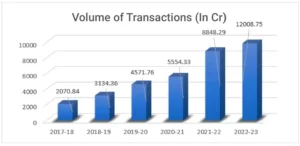
India’s digital payment ecosystem has witnessed remarkable growth, positioning the country as a global leader in financial technology. According to recent data, digital payment transactions exceeded 10 billion in a single month in 2023, a number expected to grow exponentially in the coming years. 

This growth has been fueled by several factors: 

Government Initiatives: Programs like the Digital India campaign, demonetization, and mandatory digital payment options for businesses have accelerated adoption. 

Technological Advancements: UPI, mobile wallets, and real-time payment systems have revolutionized the way transactions are conducted. 

COVID-19 Pandemic: The pandemic catalyzed the shift towards contactless payments, with businesses and consumers prioritizing safety and convenience. 

The rapid adoption of digital payments highlights the critical role payment gateways play in modern commerce, ensuring businesses can meet the demands of tech-savvy consumers. 

2. Emerging Trends in Payment Gateways in India

The payment gateway industry is evolving to keep pace with changing consumer preferences and technological advancements. Let’s explore the key trends that are shaping its future: 

Unified Payments Interface (UPI) Revolution

UPI has become synonymous with digital payments in India. With over 12 billion transactions per month, UPI is the most widely used payment method. Its future developments include: 

UPI Cross-Border Payments: Plans to enable international transactions will make UPI a global payment solution. 

UPI Autopay: This feature simplifies subscription-based services by enabling recurring payments. 

Voice-Activated UPI: Designed for non-tech-savvy users, especially in rural areas, this innovation uses voice commands to facilitate transactions. 

Buy Now, Pay Later (BNPL) Expansion

BNPL services are gaining popularity, particularly among millennials and Gen Z consumers. Payment gateways integrating BNPL options provide customers with the flexibility to split payments, increasing conversion rates for businesses. 

Artificial Intelligence (AI) and Machine Learning (ML) 

AI and ML are transforming payment gateways by enhancing security, efficiency, and personalization: 

Fraud Detection: AI-powered systems analyze patterns to detect and prevent fraudulent activities. 

Personalized Experiences: Payment recommendations tailored to user behavior enhance customer satisfaction. 

Automated Processes: AI streamlines operations like chargeback management and customer support. 

Tokenization for Data Security

With increasing cyber threats, tokenization is becoming essential. By replacing sensitive card details with unique tokens, payment gateways ensure compliance with RBI guidelines and provide enhanced security for transactions. 

Blockchain Adoption

Blockchain technology is poised to revolutionize payment gateways by offering: 

Transparency: Real-time transaction tracking and auditing. 

Cost-Effectiveness: Eliminating intermediaries reduces transaction costs. 

Security: Blockchain’s decentralized nature enhances data integrity and security. 

Omnichannel Payment Solutions 

Consumers now expect seamless payment experiences across multiple channels. Payment gateways are evolving to support omnichannel solutions, allowing businesses to accept payments online, in-store, and through mobile apps, creating a unified customer experience. 

SME-Focused Payment Solutions

Small and Medium Enterprises (SMEs) are the backbone of India’s economy. Payment gateways are introducing affordable, easy-to-integrate solutions tailored for SMEs, enabling them to compete in the digital marketplace. 

3. Challenges Facing Payment Gateways in India

Despite significant advancements, the payment gateway industry in India faces several challenges that need to be addressed: 

Regulatory Compliance

Frequent changes in regulations, such as RBI’s guidelines on card tokenization, require payment gateway providers to continually adapt. While these regulations enhance security, implementing them can be resource-intensive.

Cybersecurity Threats 

The rise of digital payments has also led to an increase in cybercrime. Ensuring robust security measures, such as encryption and multi-factor authentication, is essential to protect sensitive data. 

Rural Penetration

Expanding digital payment infrastructure to rural areas remains a challenge due to limited internet connectivity and digital literacy. Payment gateways must develop solutions tailored to the unique needs of rural users. 

High Transaction Costs

While payment gateways provide immense value, transaction fees can be a barrier for small businesses. Offering competitive pricing models is crucial to driving widespread adoption. 

4. The Role of Digitalpaymentguru.com

Choosing the right payment gateway can take time and effort for businesses, given the plethora of options available. Digitalpaymentguru.com simplifies this process by offering: 

Expert Advice: Tailored recommendations based on your business type, size, and requirements. 

Comparison Tools: Comprehensive comparisons of features, fees, and integration capabilities of different payment gateways. 

Technical Support: Assistance with setup, integration, and troubleshooting to ensure smooth operations. 

Custom Solutions: Guidance for specific business models, such as e-commerce, subscription services, or brick-and-mortar stores.

By partnering with Digitalpaymentguru.com, businesses can save time, reduce costs, and ensure they select the best payment gateway for their needs. 

5. Payment Gateways and India’s Digital Economy

Payment gateways are more than just transaction facilitators; they are enablers of India’s digital economy. Here’s how they contribute: 

Boosting Financial Inclusion: By enabling digital payments in remote areas, gateways are helping bring unbanked populations into the formal economy. 

Empowering Entrepreneurs: Affordable solutions make it easier for startups and SMEs to accept digital payments and scale their operations. 

Driving Innovation: From instant refunds to AI-driven analytics, payment gateways empower businesses to enhance customer experiences. 

Enhancing Customer Trust: Secure payment options build trust and encourage consumers to embrace digital transactions. 

6. Looking Ahead: The Future of Payment Gateways in India

The future of payment gateways in India is bright, with several exciting developments on the horizon: 

Global Integration: Expanding cross-border payment capabilities will enable Indian businesses to tap into international markets. 

Voice and Biometric Payments: Innovations like voice-activated payments and biometric authentication will make transactions more accessible and secure. 

Green Payments: As sustainability gains importance, payment gateways may introduce eco-friendly solutions, such as paperless receipts and carbon offset programs. 

Conclusion

India’s payment gateway industry is poised for tremendous growth, driven by technological innovation, regulatory support, and a shift in consumer behavior. As digital payments become the norm, businesses must stay ahead of emerging trends to remain competitive. 

Whether adopting UPI, leveraging AI for fraud prevention, or exploring Blockchain-powered solutions, businesses must choose a payment gateway that aligns with their goals. With Digitalpaymentguru.com as a trusted partner, companies can navigate the complexities of the payment gateway landscape and unlock new growth opportunities.