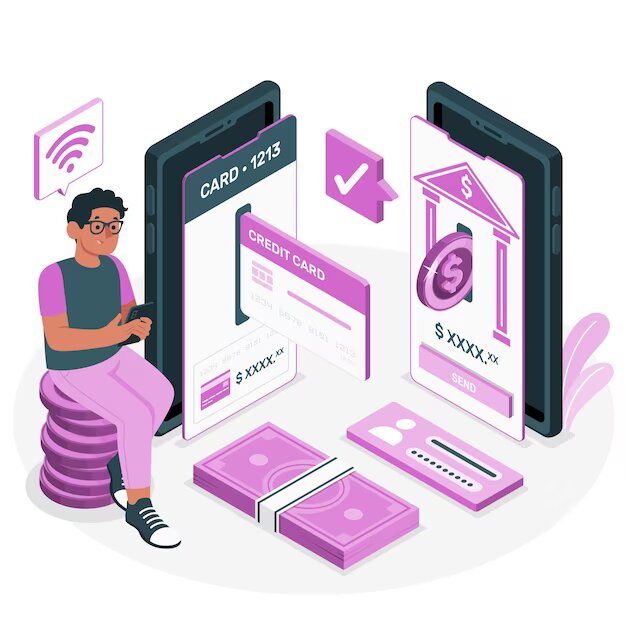
How AI and Machine Learning Are Transforming Payment Gateway Integration

In today’s fast-paced digital age, the fusion of artificial intelligence (AI) and machine learning (ML) is transforming industries, including payment gateway integration. This technology has changed the way businesses use it to manage connectivity and deliver improved security, efficiency, and personalized experiences. Here’s how AI and Machine Learning are redefining payment gateway integration:

Fraud Detection and Prevention:
AI algorithms scan massive volumes of transaction data in real-time to detect patterns and abnormalities linked with fraudulent activity. ML models are constantly learning from fresh data, allowing payment systems to evolve and enhance their fraud detection capabilities over time. This proactive approach reduces risks and protects both businesses and customers from fraudulent transactions.

Personalized Customer Experiences:
AI-powered payment gateways personalize payment experiences by analyzing client data and behavioral patterns. Companies that understand individual preferences and purchase habits can offer tailored payment alternatives, discounts, and incentives, enhancing customer satisfaction and loyalty. ML algorithms can also predict future purchasing behaviors, allowing marketers to anticipate client wants and make tailored recommendations.

Streamlined Payment Processes:
ML algorithms improve payment processing by evaluating transaction data and identifying bottlenecks or inefficiencies. By automating regular operations and simplifying authorization processes, AI-powered payment gateways eliminate manual processes, and errors, and increase deployment time in the transaction. Not only does this functionality help business productivity, but it also improves the whole payment experience for customers.

Risk Management and Compliance:
Businesses can use AI-powered payment gateways to meet regulatory requirements and compliance standards. ML algorithms assess consumer risk in real-time, identify questionable conduct, and ensure compliance with anti-money laundering (AML) and know-your-customer (KYC) laws. By automating compliance operations, businesses can reduce regulatory risks and avoid potential fines or penalties.

Finally, the convergence of AI and machine learning technology is redefining payment gateway systems, providing secure, improved performance, and tailored experiences for both businesses and consumers. As this technology advances, the future of payment processing appears to be becoming smarter and simpler.

website designing

Website Designing and Development: Crafting Digital Excellence

In today’s digital age, website designing and development are critical components of online presence and success. This great practice blends creative vision and technological expertise to create an engaging digital experience. Let’s go into the complex world of website design and development, examining its significance and intricacies.

Web design is an artistic expression that breathes life into digital environments. This includes establishing layout concepts, selecting colors, reducing language, and designing visual elements that are consistent with brand identities. What’s the goal? To attract visitors from the minute they arrive at their page, encourage engagement, and leave a lasting impression.

Meanwhile, website development is the foundation that transforms design into a functional reality. Creating adaptable, interactive, and feature-rich websites requires coding and programming in languages like HTML, CSS, and JavaScript. From dynamic content management systems to e-commerce platforms, upgrades bring websites to life, allowing organizations to prosper in the digital era.

Responsible web design is a key component in this process, guaranteeing a consistent user experience across all device sizes. Whether browsing on a desktop, tablet, or smartphone, high-performance websites adjust seamlessly while remaining functional and appealing. In the mobile era, flexibility is essential for meeting user preferences and habits.

User experience (UX) and user interface (UI) design elevate websites, emphasizing easy navigation and aesthetic appeal. UX design delves deeper into user behavior and enhances communication to boost performance and pleasure. Meanwhile, UI design creates attractive interfaces that captivate and engage users, promoting seamless interaction and brand immersion.

Accessibility remains a critical consideration for guaranteeing the inclusion of users with diverse needs. Adhering to accessibility standards and practices makes websites more welcome and user-friendly, allowing everyone to utilize them, regardless of handicap.

Essentially, Web Design and Development is the confluence of art and technology. Companies may use creativity and technology to build a digital personality that connects with consumers and promotes success. In an age where online services reign supreme, investing in professional website design and development isn’t just useful; it’s necessary for success in the digital world.