E- commerce

Why Do Payment Transactions Fail On An E-Commerce Site?

Depending on the market, business sector, or geography, between 5% and 20% of payment transactions fail once a customer clicks on the “Pay” button!

This automatically means a loss of 5% to 20% of sales for the e-commerce site and therefore a significant impact on its turnover.

But how does this black box that is the payment process work? How to avoid errors? And above all, how to optimize your payment system?

‍The Hidden Face Of The “Pay” Button

Each country or region of the world has its cultural habits of online payment. B2B uses bank transfers more often, while B2C will approach 100% card payments.

In the scenario of payment by credit card, there are several actors:

• The customer’s Issuing Bank

• The merchant’s Acquiring Bank

• The Payment Service Provider (PSP): this is the heart of the process, it manages the different means of payment, works with acquirers (sometimes their own, sometimes local) takes care of the legal authorizations… and invoices your transaction fees according to all these parameters

• And of course the customer and the merchant

A payment procedure will take place in 2 steps.

Step 1 – Authorization:

Indeed when a customer pays online, he is not automatically debited from his account, he simply requests a purchase authorization from his bank: This is the authorization process.

The PSP receives the banking information and asks the issuing bank (your customer’s bank) if they wish to accept or refuse the authorization of the transaction. The issuing bank chooses whether or not to validate a transaction. To do so, it relies on financial and risk parameters.

From a financial point of view, the issuing bank will accept the transaction if the customer can pay (customer history, money in the bank account, payment limit, etc.).

From a risk point of view, the issuing bank will accept the transaction if it considers that it is not a fraudulent transaction (MCC- Merchant Category Code, secure site, location of the site about the customer, transaction history refused). Indeed, for financial and legal reasons, banks must maintain a low level of fraud and thus reject transactions in case of doubt.

Step 2 – Payment:

It is only later (between a few hours and a few days) that the merchant will receive the amount linked to this transaction in his bank account: This is the settlement process.

The merchant, via the acquirer, will send all the authorizations previously received to the card network (Visa, Mastercard, etc.) to collect the funds from the customer’s bank and simultaneously send the funds to the e-commerce site.

Note: More and more circuits other than banking have emerged recently (Paypal, Apple Pay, Amazon Pay, etc.), PSPs have adapted by now offering offers covering all payment solutions and interfacing with the customer’s payment system.

The 3 Main Reasons For Payment Failures

Technical Issues

The payment process involves many intermediaries. In addition to the PSP, other sub-suppliers are involved (acquirer, card network, 3DS [3] suppliers, issuing bank).

To reduce these so-called technical failures, the best option is to create a more flexible payment infrastructure: In effect, you can cascade multiple PSPs to ensure that your transactions always have a working route.

For example, depending on the geographical origin, you can route the payment to the PSP most suited to the region. Similarly, you can set up a payment route to test a first generalist PSP for example (at lower costs) then test a second more local one in the event of failure (at higher costs than the first but with a higher success rate for this region). Another example you can choose to disengage the 3DS when this service is faced with downtime and thus not block all your transactions. Anticipation, auditing, and knowledge of your PSP’s routing routes will be key in resolving these issues.

Risky Trades

Payment failures following a risk assessment generally stem from a lack of trust on the part of the issuing bank (that of the customer) or the acquirer (the intermediary between the PSP and the bank). Several parameters can be taken into account to define the risk profile of a transaction: location, country of the card compared to the country of the merchant, time, amount, etc.

There are many ways to “reassure” the issuing bank. The most important thing is to send the correct information to the bank.

Each bank has its payment analysis criteria and parameters. It is up to you to adapt to facilitate the evaluation of your transactions by them.

Customer Errors (Human Errors)

Failures due to “human” errors (wrong card number, missing information field, etc.) are fairly easy to prevent and repair. This can go through UX optimizations:

• Fields in red when an incorrect or missing element

• Return to the easy banking information page

• Highlighting the error with a clear explanation

• Fields more suitable for entering card numbers

• Avoid taking the user out of the site

• A “disengageable” 3DS, if the buyer is known, if the amount is low, etc.

Financial Failures

When a payment fails due to a customer’s financial problem (ceiling too high, lack, no liquidity present on the customer’s account, etc.), it is a question of thinking about commercial solutions rather than technical ones. This can range from offering payment in installments and pushing a credit offer, but also for service offers, taking the risk of giving access to the product while trying to pay again in a few days.

Payment Gateway

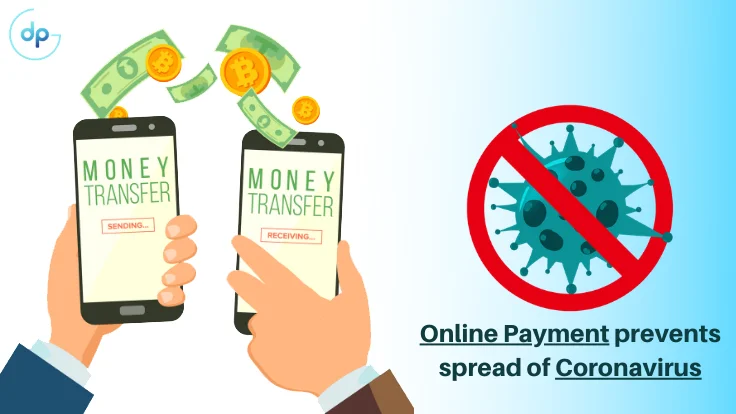
How Online Payment Prevents The Spread Of Coronavirus?


We all are aware now that the coronavirus does not spread through Chinese food or Alcohol Beverages, importing goodies from china, and more, but one thing we are not aware of is the risk of getting infected through currency note exchange.

Since India has shot up to 110 cases of Coronavirus, the government has issued several measures to keep people safe.

What is Corona Virus?

Coronaviruses are a wide family of viruses, according to WHO, that trigger diseases ranging from the common cold to more serious diseases including Middle East Respiratory Syndrome and Extreme Acute Respiratory Syndrome. 

A novel coronavirus is a modern 

strain not previously found in humans.

What Causes Coronavirus?

WHO is not sure about the cause of coronavirus. For now, doctors and medical experts have reported that respiratory droplets are produced when a person already infected by coronavirus coughs or sneezes.

A recent article by Economic Times states that exchanging cash could be risky for people as the virus is spreading fast. In India, cash is still the primary mode of payment. For all the small payments in the market, restaurants for traveling we prefer cash payment.

Cashless Payment prevents the spread of Coronavirus.

Currency notes are easily transmittable to disease carriers. 

Indeed, the 2016 International Review of Scientific Research reported that over 58 percent of banknotes bore pathogenic disease- agents. 

So, how are you making payments? Go ahead! It is safer to use digital wallets in moments like these to carry out all of your purchases.

How Digital Payment can help you in the Corona Virus outbreak?

Qr Code Payment


In all the grocery stores, instead of taking cash, you can put the QR Code on the cash counter which can be scanned by your customers to make payment. All you have to do is, Download a UPI payment app like Google Pay, PhonePe, BHIM, or Paytm and print your QR code and stick it on the cash counter. The payment is done in seconds and reflected immediately in your bank account.

Card Payment


For years now we have used credit cards and debit cards to make online payments. A good enough substitute for cash, cards are a good idea if you’re running a company that needs a huge customer payment.

Payment Gateway


Using a Payment Gateway can be helpful as you can accept huge payments from your customers online. All you have to do is sign up with a payment gateway, update your bank details, and start using the payment gateway. You can accept payment by adding a payment button on your website or sending the payment link to customers, they can click on the link and make payment using the desired payment method like debit card, credit card, NEFT, UPI, and more. With a Payment gateway, you can accept payments anytime anywhere.

Related Post: Everything you need to know about Payment gateway.

E-Wallet


You can accept payment from your customer into the e-wallet, payment apps like Paytm, Amazon provides an e-wallet feature. This money cannot be transferred into a bank account but can be used to make bill payments.

What the RBI needs you to do to prevent the disease from spreading:

When you are visiting an ATM to withdraw cash, make sure to wipe the keypad with a tissue before and after using it. Do not reach an ATM when it is busy and if hand sanitizer is available, apply it after handling the cash.

Note, don’t panic, don’t touch your face, and, most importantly, start collecting payments online –it could save your life!


Payment Link

Payment Link Reminders

Do you know, Out of the total B2B sales made in India, 40% happen on credit? This is the flow of business in India for a long time. The real pain is follow-ups after payments are immense. Almost every business has to deal with this ordeal every day. There are two faces of a product, one is you crack a deal with the customer and the other is collection of the payment from him/her. It is very often that the customer hangs up the call leaving an incomplete payment request. Payment links can solve this problem. Instant links to collect quick payments. Within a year of use of the payment, links have increased with more than 1 crore links being created. 

The problem is not completely solved with the introduction of payment links as the customers do not respond to the messages or emails through which the payment links are shared. Payment links do ease the collection of payment but it is still a task to convince the customer to click on the link to make a payment. 

To overcome the problem, reminders on payment links are introduced. Payment Links are now available with automated reminders which helps in increasing the number of paid invoices and links, reducing the cost involved after the manual effort behind collecting payment & reduce the number of days taken by the customer to make payment.


The reminders can be sent depending on the date of sending the payment link. If you have set an expiry for the payment link then the reminder can be set before the expiry so that a payment reminder with the payment link will be sent to the customer before the link expires.

The payment reminder will be sent based on an analysis of your payment history, let’s say, in the past, you have made a frequent payments during the day, and Payment Links will be sent in the daytime. The reminder will be sent by SMS/Email. 

Payment reminders prove to be more effective as it has increased the conversion rate, it also helps in identifying whether the customer has received the payment link which they haven’t paid yet. For example, the customer has shown interest in purchasing the product and reaches the payment page but doesn’t make the payment and exits.

Many merchants are switching to online payment for the ease and automation of payment collection. Get a payment gateway for your business at the lowest market rate with Digital Payment Guru. We provide payment gateway integration services of the best payment gateways like PayU, PayPal, Instamojo, Atom, and Paytm.

Benefits of Digital Payment Guru:

Payment Gateway Integration: 

Provide payment gateway integration into your existing system thus avoiding the hassle of integrating the payment gateway on your own or hiring a developer.

Best rates: 

The transaction rates of payment gateway range from 2.5-4% per transaction but we provide payment gateway at the best transaction rates compared to market rates.

Website audit:

If you have an existing website and want the payment gateway integrated into it, we provide a full website audit with a payment gateway integration service.

You can also build a new website. To know more about the website building service click here.

Consultation: 

If you are confused about which payment gateway to choose from, we provide consultation by analyzing your business needs and suggesting the best payment gateway for your business with the payment gateway integration service.


Online Payments

Payment Gateway For Travel Business.


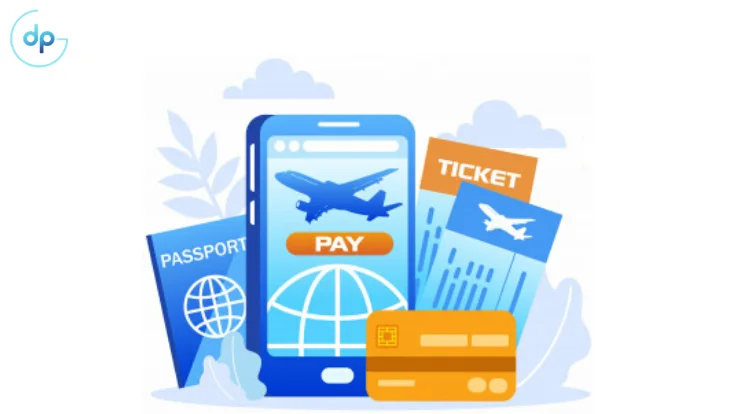
If you own a travel business, you should give your customers a good shopping experience, no matter what business model you are following. With Digital Payment Guru as your online payment solution provider, you will be able to provide your travelers with an uninterrupted shopping experience and carry your company to an unbeatable level.

People have found out different ways to relieve stress and traveling is one of them. This sector is growing at an unbelievable rate. A report from the World Travel and Tourism Council states that India ranked 3rd among 185 countries in tours and travel total GDP contribution in 2018.

People prefer online payment while booking a hotel or a tour package. The study says that 95% of the website traffic drops off without completing a transaction.

Are you using the right online payment solution provider for a flawless overall experience?

Also, Read Everything you need to know about Payment Gateway.

Why Digital Payment Guru is the best payment gateway solution provider for Travel businesses?

Wide Range of Payment Gateways to Choose from: 

We provide payment gateway integration service of a wide range of Payment gateways, 100+ payment options, PCI-DSS compliant payment gateways, seamless checkout, Online Store, and uninterrupted payments. To know more click here.

Payment Button for your Website:

Add a payment button to your website by clicking on which your customers can make a quick payment. Adding a payment button is not a big task, a two-line code needs to be added to your website. The button can be customized according to your website theme to complement the overall look and feel of your website.

Request Payment with Payment Links:

Create a payment link in the payment gateway dashboard. This payment link can be shared on WhatsApp, emails, text messages, and any social media platform and get paid instantly.

Accept International Payment:

Take your business from Local to Global with Digital Payment Guru’s international payment support, accepting payments in more than 100+ currencies. 

100+ Payment Options:

Provide your customers with more than 100 payment options so that they can make payments with the desired payment mode. This can help you in customer retention.

Same Page Checkout: 

If the customer is redirected to another page other than the website, chances are the customer will cancel the transaction on the second thought that it’s a scam. We provide the same page checkouts to provide ease of payment for your customers and increase the chances of conversion.

Responsive Checkout: 

The checkout page will be responsive for your customer’s convenience so that they can make the payment from mobile, tablet, or desktop.

Secure Transactions:

Our payment gateways are PCI-DSS compliant which is a security layer that encrypts the cardholder’s credentials to avoid cyber fraud. Also Read: Is your data secure with Payment Gateway?

Analyze your Business Performance:

You can track and manage all your transactions, send payment reminders, and more from a single dashboard. You can also monitor your business performance based on cash flow.

Digital Payment Guru believes that uninterrupted payments are important but secure transaction is more important for providing a better payment experience. We provide a wide range of top payment gateways that suit your business requirements. To explore our services click here.


Payment Gateway

Payment Gateway for MSMEs


India has more than 20 million SMEs. As an online business, it’s not enough just to have a shop or website. It’s also important to give the customers the choice to pay across different modes. There are a variety of gateways for payment in India. How do choose the best payment gateway for your business?


Let’s roll down and help you choose the best payment gateway.


MSMEs and Individual Seller

If you own a business with an investment of fewer than 10 crores and several employees fall below 50 then here’s what you should be looking for in a payment gateway to go online.

Being an MSME you should be looking for a payment gateway with:

  • Cost-effective.
  • Effortless documentation and legal matters.
  • Convenient payment for customers
  • Coding free integration
  • Multiple Payment modes
  • Multiple Payment collection platforms (Social Media, Messages, Emails, and more)
  • Provides Online Store.
 

Small Business:

Do you own a general store or you are a vendor looking forward to collecting online payment? Your local store might be doing well without an online payment facility but having an online payment solution can help you boost your sales, how? What if a customer shopping at your store wants to make a card payment and you do not have an online payment feature? You will lose sales. Thus, having a payment gateway can help you boost sales.

What should you consider?

  • Providing your customers with an online payment option will be an add-on for you. 
  • Look for a payment gateway that provides not just a wallet but other online payment features like Credit/ Debit cards, Net banking, and more. Having just the wallet payment features has its drawbacks like the customer wanting to pay online might have not done KYC for wallet payment.
  • Look for a payment gateway that provides hassle-free documentation and legal matters because you do not want to visit your payment gateway office back and forth for getting your documents clear where you invest your time and money.
  • The payment gateway should be coding-free as you do not want an additional person to look after the payment gateway to resolve the technical issues.


Online Business:

Do you have an online business with more than 50 employees?


Here’s what you should consider:

You should go with the traditional payment gateway. Traditional payment gateways are time-consuming when it comes to documentation and legal matters but considering your high investment it is worth your time. Also, you need to need an additional person to look after the integration of the payment gateway. Make sure that the payment gateway provides multiple payment options so that your customers can pay with any payment method they are comfortable with.


Large Retail Chain:

Do you own a Super Market or Retail Chain?


Here’s what you should consider:

Online Payment is not for you. But having an online payment solution and providing multiple payment options for your customers will be a smart option. You should consider having a payment solution for collecting the payment faster and online payment will solve this problem. Traditional POS machines might be working fine but having more options will improve the payment experience.


Hope this helps you in choosing the right payment gateway if you are still confused just drop us your query our expert will get in touch with you.

We also provide payment gateway integration of top payment gateways at the best market rates. 


Is Your Data Secure With Payment Gateway?

Is Your Data Secure With Payment Gateway?

Did you ever imagine that payment gateways in your life would be so omnipresent? Possibly not. And yet, we are here. Today, each time you make a digital payment, you run into a payment gateway. When you pay Rs 100 for food or buy an iPhone worth a lakh from an e-commerce service, you connect with a payment gateway.

Without a doubt, payment gateways made online purchases very convenient. But when they pay online, many customers usually face some sort of anxiety. Even if we believe that the transaction will be safe, when we enter our card or bank details, there is always a doubt at the back of our minds. It’s after all our hard-earned money on the line.

Nevertheless, as digital payments are not going anywhere but up in terms of usage, let’s understand how secure your online transactions are and what exactly a portal of payment is doing with your data.


Encryption through PCI-DSS Compliance:

First things first, a payment gateway does not store the data as is. The best payment gateways are PCI-DSS compliant. The PCI Security Standards Council is a global organization that sets security guidelines on all online payment processes for the protection of cardholder data. PCI-DSS is a global online security standard. To you, this ensures that your electronic transactions are encrypted to ensure that there is no interception of data.

In simple words, a payment gateway doesn’t store your sensitive information like name, card number, pin, password & CVV. It only uses it for completing the transaction.


HTTPS for High Security:

Data security begins the moment you land on the website. A payment gateway uses the highest SSL certificate authentication, which enables the data to be authenticated by TLS. It might sound a bit tricky, but in simple words, you just have to look for the website. A website with https:// is a secure website.

Today, most e-commerce companies work with secure payment gateways to make sure their customers ‘ data is not compromised. You can also test whether or not the website or payment gateway page is safe by searching for https:/ in the URL, but in addition to understanding how payment gateways provide protection, let’s look at something called tokenization.


Tokenization:

While making the payment you enter the 16-digit number. The payment gateway substitutes the 16-digit number with a single token. This token is a set of random characters to replace the 16-digit number of your card. It allows the authentication of payment without revealing sensitive details. Cards are assigned randomly, making the actual card number from the token incredibly difficult to reverse-engineer.


 In conclusion, payment gateways and online transactions in today’s world are by and large safer. You can go ahead and digitally transact with proper peace of mind. Only make sure you keep your eyes wide open so you don’t slip into traps.

website

How To Build Online Business Without A Website?


Planning to start a new online business, but do not want to go through the hefty process of website building?

We are here to solve this problem, there is no need for a website to start an online business.

Back in the old days, when internet access involved a dial-up connection, there was no other choice for companies but to sell their products and services through the traditional method–a website. 

If you wanted to have a successful online company, there was a time when you had to have a website. You either had to employ a developer, designer, and marketing specialist to get your website into the business model or learn the truth yourself to make money.

Is the website really necessary for Online Business?

Not really, you can start your business without a website by sharing your digital catalog on social media and WhatsApp. This is a budget-friendly way of marketing your business. Also, you can save the cost involved in creating a website for which you hire a website developer, hosting domain, and apart from that yearly renewal of the domain. 

When you plan to create a new website for your business, you will come across several terms like domain name, hiring a website developer and yearly renewal, maintenance of website and so on which increases the hassle and cost of creating the website. Many businesses quit before setting up the base. There are other alternatives to a website.

How to start your online business without a website?

There are two ways to start an online business without a website:

  1. Online Store.
  2. Page Builder.

Online Store: 


The online store provides the company with a one-stop e-commerce store to sell its products and services. On the online store, you can sell any number of products. Simply register and start adding the items to the store.

Online Store allows you to create a free web store with built-in payment options and a shopping cart in minutes to help customers buy multiple items in one go. Check out the online store features of Digital Payment Guru. Payments and shopping carts are included in your online store. To grow your company, you also get data-driven insights and a rich app store.

An online store is unlike a website, it doesn’t require you to hire a developer, a yearly renewal, and maintenance.

Page Builder:


Using Page builder, you can create a quick one-page website for your customers to scan before redirecting them to a payment link or online store. Customize and layout your website using our gallery Download photos, add pay buttons, and upload videos You can watch the short tutorial here to understand the process of making a page creator.

You don’t need a full-fledged website to begin your online business. In two steps, with one of our tools, you can start your business and start selling.

When you start a business without a website, it’s good for your brand. You can consider creating a website once you bring in the followers, and the revenue, generate sales, and get the word of mouth to go smoothly.


Payment Gateway For Events


Do you have an upcoming event? A platform for booking tickets online is something you are going to need. These days, event companies prefer selling their tickets online, while selling tickets online it is not just important to have a trusted payment gateway but also a payment gateway solution is important. 

Finding a payment gateway solution is a tricky part but we make it simple for you.

How to Choose a Payment Gateway for Events?

You need event management software and an online payment solution to sell your event tickets online. Before choosing a payment, gateway there are some things that you should consider,

  1. Have a website for your event so that the payment gateway can be integrated into your website.
  2. The payment gateway you choose should be trustworthy, it doesn’t matter if it is popular.

Merchant Account: A merchant account is where your payment goes, before being transferred into your bank account. Some payment gateways require you to have your merchant account. 

Transaction Fees:

Check for the per transaction cost of the payment gateway. The transaction cost mostly ranges between 2.5%-4% per transaction. 

Safety and Security:

Make sure your payment gateway is PCI-DSS compliant and provides a secure encrypted environment for transactions. Look for fraud detection and prevention mechanism, the payment gateway mostly has it as a built-in feature.

Processing Time:

You would want to collect the payment for tickets about a week before the event, Check the transaction time your payment gateway takes, usually it is 3 days.

International Transaction Support:

Choose the payment gateway that supports international transactions, if you have an event in India, there will be people traveling from other countries for the event. Having international transaction support will gain you international customers.

Payment Method:

Look for a payment gateway that provides multiple payment options. All customers will not choose to pay with a debit/credit card others might want to pay using UPI. Having a single payment method might lose you a customer.

Transfer Limit:

Every payment gateway has different transaction limits and transaction fees as well. Your customers making the payment are the ones who will be paying the transaction fees and not the receiver. The more affordable payment method will increase your chances of getting paid.

How Digital Payment Guru can help with the Event?

Digital Payment Guru provides top payment gateways at the best market rates. We provide payment gateway integration services of the best payment gateways like PayU, PayPal, Instamojo, Atom, and Paytm.

Benefits of Digital Payment Guru:

  • Payment Gateway Integration: Provide payment gateway integration into your existing system thus avoiding the hassle of integrating the payment gateway on your own or hiring a developer.
  • Best rates: The transaction rates of payment gateway range from 2.5-4% per transaction but we provide payment gateway at the best transaction rates compared to market rates.
  • Website audit: If you have an existing website and want the payment gateway integrated into it, we provide a full website audit with a payment gateway integration service.
  • Consultation: If you are confused about which payment gateway to choose from, we provide consultation by analyzing your business needs and suggesting the best payment gateway for your business with the payment gateway integration service.

Still, wondering which payment gateway to choose for your event?

Contact Us to receive full consultation in choosing the right payment gateway.

[contact-form-7 id=”1012″ title=”Blog Lead form”]


WhatsApp Payments

Whatsapp Payment Business On Hault


WhatsApp has been testing a peer-to-peer payment service in India for more than a year, its largest user market, but the official launch has been delayed by local data storage standards. After a hacking incident involving Israeli spyware Pegasus, Supreme Court gave the central bank six weeks to report on WhatsApp’s compliance with data localization standards as Facebook-owned messenger gears to launch a payment service in the country, a person involved in the case said. The Reserve Bank of India (RBI) told the Supreme Court that the WhatsApp messaging platform does not comply with data localization requirements.

The apex bank ordered the Indian National Payments Corporation (NPCI) not to permit the Facebook-owned company to introduce the full-scale payment service in India.

WhatsApp faced an additional challenge as a think-tank based in Delhi, the Center for Accountability And Systemic Change, claimed in a petition to the Supreme Court last year that the company did not comply with the rules on data localization payments.

NPCI operates the Unified Payments Interface (UPI), which last month clocked more than one billion transactions. PhonePe and Google Pay are the leading UPI players followed by Paytm and Amazon Pay.

WhatsApp Payments, based on UPI, has been in beta for a year or so. In 2017, through an invite-only model, the company started testing the payment service in India.  The payment service in India, however, is yet to be officially launched.

The development comes as RBI had recently been asked by the Supreme Court to update it in August on the data location status of WhatsApp.

The RBI has reviewed the above reports (by NPCI) and NPCI’s responses and is of the view that WhatsApp stores the following payment information elements outside India beyond the timelines stated in the circular and frequently asked questions (FAQs) on storage of payment system data provided by RBI on June 26, 2019, “RBI said, as quoted by Times of India.

Also, RBI has advised NPCI not to allow WhatsApp to go live on the UPI payment system for full-scale operations until it is fully compliant, it added. WhatsApp payments system stores various payment information outside India, including transaction ID, collection demand expiry, and reference numbers for retrieval among other data elements say RBI. WhatsApp has more than 1.5 billion users worldwide, including 400 million users in India alone


Smart Billing

Smart Billing

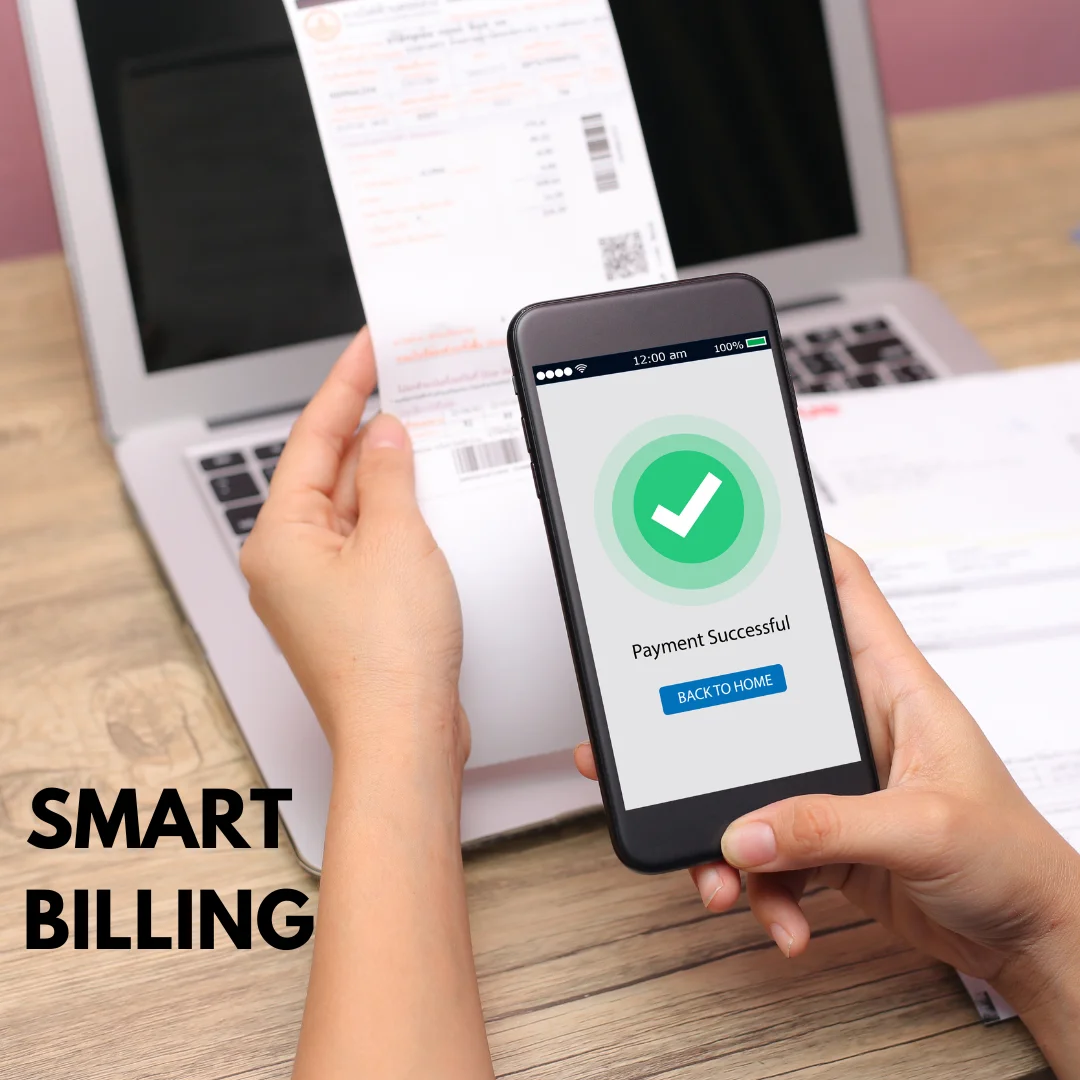
Smart billing lets you create custom subscriptions for your customers and receive recurring payments. Generate personalized invoices to receive your customer’s payments on time.

We provide an easy-to-use, fast & automated platform for SMEs that charge their customers with rentals to create subscriptions & charge customers based on the billing frequency & billing cycle you create.

Subscription:

Subscriptions are essentially automatic transactions where a customer authorizes a service provider/dealer to auto-debit fixed amounts at regular intervals as determined by the contract. Digital payment Guru provides merchants with an automated, trouble-free platform where they can create recurring payment schedules for their customers, monitor the billing cycles and receive instant alerts about subscription activities. The only thing traders need to do is connect their respective plans to their customers and track their subscription activities.

Our recurring model lets you build subscription forms like Fixed billing & Metered billing.

Fixed Billing:

You can charge your customers for the items, products/services fixed in this billing type. You can set the billing frequency and period per the plan allocated to your customer.

Let’s say you create a one-year plan subscription for your customer. Therefore, for the items/services you provide to your customer, you can set the billing rate to receive payments from your customer. This frequency can be daily, weekly, monthly, or yearly, as you choose. The next thing that has set the rate is to set the duration of the billing cycle. This will determine the number of times the customer pays for your service.

For example, you want to create a broadband subscription for 1 year and want to collect the money every month. You will have to set the billing frequency to ‘monthly’ and the billing cycle to ’12 months’. Now, your customer will pay you every month for 1 year.

Metered Billing:

In metered billing, according to the use of the products/services you have provided, you charge your customer. The specification of the billing cycle & the billing rate for the billing meter is identical to the fixed billing as mentioned above.

The only difference here is that at the end of the billing cycle, you charge the customer according to the use of your customer’s items/services. So you set the customer on the last date of his billing frequency, i.e. on the last day of the month, if there is a metered billing subscription for 12 times per month. You can easily add products and update your plan according to the use of the customer and pay it accordingly.

Manage Subscription from Dashboard:

You have a dashboard that allows you to easily manage and track all the subscriptions you have made. Based on your operation, your subscriptions will have a certain status. If you’ve just created a subscription and have not delegated it to any client, the subscription will have the’ draft status.’ Likewise, subscriptions will be given, charged, unpaid, expired, stopped, or canceled.

You can handle all of these subscriptions from a single dashboard. With a few clicks, you can even send payment notifications to clients.

Quick Invoices:

Create online invoices and send invoices to your customers quickly via email & SMS and just wait for payments in your bank account. Share the customer invoice payment links and allow them to pay online. It would be easy to prepare an invoice as your customers & products are already made. To start with, you must create an invoice number that will be unique to that specific invoice. In addition, simply select the customer to whom you wish to send an invoice. Pick the billing & shipping address of the customer that you entered (when creating database customers).

To know about the payment link reminder click here

Provide Multiple Payment Options for your Customers:

There are often cases where consumers prefer to make partial payments to you. Keeping this in mind, we will allow you to create splits on your invoice’s total amount payable. For example, if your invoice’s total payable sum is Rs.1600, you can build splits of let’s say Rs. 400 each. In this way, your customer can pay the sum of Rs.1600 in 4 splits (each of Rs.400) which will enable your customers to increase their flexibility in payment and retention of customers.

Invoice Management:

From the dashboard, you can easily access every single invoice you build or issue, or just draft & save. You can access and edit the invoices that you created and did not issue to any customer.

Smart Billing advantages for retailers Receive transactions promptly Well-predicted cash flow, Strong retention of customers, Receive fast and safe payments with acknowledgment, and Real-time payment alerts.

Digital Payment Guru provides smart billing that simplifies the accounting system efficiently, with ease of operation promptly and removes the manual audit of transactions to a greater extent.

As everyone is aware, digital marketing is essential for any business with an online presence. Click here for more information on the service.