How a payment gateway Makes Virtual Shopping Seamless?

How a payment gateway Makes Virtual Shopping Seamless?

The digital world is growing into a new space called the metaverse. Many people wonder if this is just a trend or a real shift. In this virtual world, users want to buy digital clothes, land, and art. However, moving money between the real world and these 3D spaces is not easy. Therefore, a strong payment gateway is the most important link for this new economy. Without a secure way to pay, the metaverse cannot reach its full potential.


Why Virtual Worlds Need Better Tools

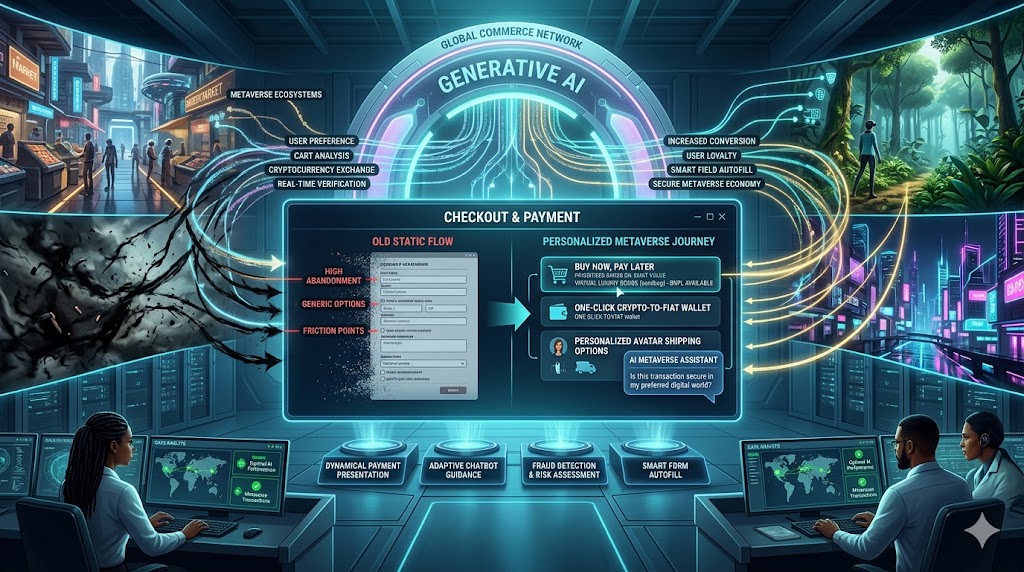
Current online shops use simple systems to handle orders. However, the metaverse works in real-time and often uses blockchain. Consequently, traditional banks sometimes struggle to keep up with these fast transactions. This is because users want to pay with crypto and regular money in the same place. Furthermore, many people worry about their privacy in these deep digital spaces. Therefore, every payment gateway must bridge the gap between old banking and new tech.

Another big hurdle is the lack of a single standard. For instance, one virtual world might use its own coin, while another uses a different one. If a user cannot move their funds easily, they will stop spending. Thus, the industry needs a universal way to handle digital wealth. A smart payment gateway solves this by offering many choices in one simple interface. This keeps the experience fun and reduces any reason to leave.
How a payment gateway Makes Virtual Shopping Seamless?

Solutions for the Metaverse Economy

Instant verification is a vital tool for virtual success. In a 3D world, nobody wants to wait for a bank to approve a sale. Because digital items should appear in your bag instantly, the tech must be very fast. Furthermore, a modern payment gateway can handle micro-payments for small digital goods. This means you can buy a cheap virtual hat without paying high fees. In short, the metaverse wins when the cost of moving money is very low.

Seamless integration is another great way to fix the journey. Instead of leaving the game to pay, the user should see a small window inside the world. This keeps the user inside the story and builds more trust. Because the process is hidden within the action, it feels like magic. Therefore, payment gateway providers are building 3D interfaces that fit perfectly into the scenery. This ensures that the flow of trade never stops.


Staying Safe in the Virtual Frontier

Security is the most important part of any virtual sale. Hackers are always looking for ways to steal digital assets across different worlds. Luckily, new AI tools are great at spotting fraud by looking at millions of data points. If a transaction looks odd, the system stops it fast. This keeps your money and your virtual items very safe. Because the AI is so smart, it rarely blocks real customers. Thus, the payment gateway stays strong and secure for every user.

Additionally, biometric locks help verify identity without making the process slow. It uses your face or thumbprint to prove you are real in a second. When you use these tools, the checkout flow feels very smooth. You just click and go. Therefore, the risk of a mistake or theft is very low. This is the future of every payment gateway in a connected virtual world. Finally, safety ensures that users feel comfortable spending their real money in a digital space.


The Big Future of Digital Assets

We are only at the start of a massive virtual shift. Soon, every brand will have a 3D store where fans can meet and shop. This means we will see a huge need for fast and safe trade. Instead of a hard process, we get a tailored world of products. A smart payment gateway makes every virtual transaction feel like a real one. It is the best way to shop in 2026. If you want to stay ahead, you must use these new tools now. In conclusion, the right tech turns the metaverse from buzz into a reality.


Frequently Asked Questions

1. Can I use my credit card in the metaverse?

Yes, a modern payment gateway can bridge regular cards with virtual worlds easily.

2. Is it safe to buy digital land?

It is safe if the store uses a verified payment gateway with strong encryption.

3. Do I need a crypto wallet to shop?

Not always, as many systems now let you pay with regular money for digital items.

4. Why are metaverse fees sometimes high?

Fees can be high due to gas costs on the blockchain, but new gateways are reducing them.

5. Will the metaverse replace online stores?

It will likely work alongside them, giving you a new 3D way to browse and buy.


Read More:

Why does E-commerce fail at the cross-border checkout?

Why Generative AI is the Future of E-commerce: Full Guide

The Quantum Threat: Why Payment Security Must Evolve Today

Why stablecoins for scaling trade are the future now?

Why stablecoins for scaling trade are the future now?

In the rapidly evolving world of global finance, traditional banking routes are facing significant challenges. For instance, the trade relationship between Russia and China has undergone a massive transformation recently. As a result, both nations are exploring digital assets to maintain their economic ties today. Specifically, stablecoins have emerged as a powerful tool for a sanctions workaround. This shift is not just a trend but a strategic move to ensure trade continuity. Understanding how this system works is essential for anyone following global economic shifts. Russia–China trade in digital assets: stablecoins as a sanctions workaround is a vital topic now.

Why stablecoins for scaling trade are the future now?

The Rise of Digital Assets in Cross-Border Trade

Sanctions have largely cut off traditional financial channels between these two major economies lately. Consequently, businesses have turned to alternative methods to settle payments quickly. Digital assets, particularly stablecoins, provide a seamless way to move value across borders. Because these assets are not tied to the Western banking system, they offer independence. Furthermore, the speed of transactions is much faster than conventional wire transfers. This efficiency is vital for maintaining the flow of goods and services. As a result, digital assets are now a cornerstone of modern trade. Russia–China trade in digital assets: stablecoins as a sanctions workaround keeps the economy moving.

Why Stablecoins Are the Preferred Workaround

Stablecoins are unique because they are pegged to a stable asset like gold. Therefore, they do not suffer from the extreme volatility of other coins. This stability makes them ideal for large commercial transactions. For example, a Russian exporter can receive payment in a dollar-pegged stablecoin. Similarly, Chinese importers can settle debts quickly using these digital tokens. In fact, stablecoins act as a bridge that bypasses the SWIFT system. This allows trade to continue even under the strictest financial restrictions. Russia–China trade in digital assets: stablecoins as a sanctions workaround provides needed financial safety.

The Role of Central Bank Digital Currencies (CBDCs)

In addition to private stablecoins, both nations are developing their own digital currencies. Russia is testing the digital ruble while China is expanding the digital yuan. These state-controlled assets aim to provide a regulated alternative for settlements. By using CBDCs, both countries can ensure that their financial data remains private. Moreover, these digital currencies can be directly exchanged between central banks. This eliminates the need for intermediary banks located in third countries. Consequently, the reliance on the US dollar is further reduced. Russia–China trade in digital assets: stablecoins as a sanctions workaround is a long-term goal.

Navigating the Legal and Regulatory Landscape

The use of digital assets for trade is still a relatively new frontier. Thus, both countries are working to create clear legal frameworks for these activities. Russia has recently passed laws to allow the use of crypto for payments. In contrast, China maintains strict domestic bans but shows pragmatism in international trade. Therefore, businesses must navigate a complex web of regulations to stay compliant. However, the drive to maintain trade volume often outweighs the regulatory hurdles. As these laws mature, we can expect more structured trade corridors. Russia–China trade in digital assets: stablecoins as a sanctions workaround requires careful legal study.

Future Implications for Global Finance

The shift toward digital assets marks a significant turning point in global finance. Specifically, it demonstrates that nations can build parallel financial systems when needed. This decentralization reduces the power of traditional financial hubs. Consequently, other countries facing similar pressures may look to this model as a blueprint. The success of stablecoins as a sanctions workaround proves the resilience of blockchain. Furthermore, it highlights the growing importance of digital sovereignty. As more trade moves on-chain, the global landscape will become increasingly fragmented. Russia–China trade in digital assets: stablecoins as a sanctions workaround is just the beginning.

Economic Resilience Through Digital Innovation

Nations must adapt when they face exclusion from the global banking grid. For instance, Russia and China are proving that technology can bridge the gap. Digital assets offer a way to keep supply chains active and stable. Moreover, this innovation helps small businesses engage in international trade without fear. Because the blockchain is transparent, it also helps in tracking large shipments. Therefore, the adoption of these tools is a sign of economic resilience. It is a bold move toward a multipolar financial world. Russia–China trade in digital assets: stablecoins as a sanctions workaround shows how tech solves problems.

Reducing Dependency on Western Financial Tools

For a long time, the global economy relied heavily on Western systems. However, this dependency is now viewed as a risk by some nations. Using stablecoins allows for a shift away from traditional currency traps. This means that trade can occur without the need for dollar conversion. Similarly, it protects local currencies from external shocks and sudden policy changes. This movement is gaining momentum across the Asian continent. Therefore, we may see more countries joining this digital trade alliance. Russia–China trade in digital assets: stablecoins as a sanctions workaround is a major part of this shift.

Security and Privacy in Digital Trade

Security is a top priority for any business conducting cross-border deals. Fortunately, blockchain technology provides a high level of encryption for every transaction. This ensures that the payment data is safe from hackers and prying eyes. Furthermore, the decentralized nature of these assets means there is no single point of failure. This makes the entire trade network more robust and reliable. Consequently, more companies are feeling confident about using digital tokens. It is a safer way to conduct business in a volatile world. Russia–China trade in digital assets: stablecoins as a sanctions workaround ensures secure transfers.

The Strategic Importance of Stablecoin Liquidity

Liquidity is essential for any currency used in international trade today. Because stablecoins are widely available, they provide the necessary liquidity for big deals. This means that businesses can convert their tokens back into local cash easily. Moreover, the presence of various stablecoins gives traders more choices and flexibility. This competition keeps transaction costs low for everyone involved. Therefore, the growth of the stablecoin market is a win for global trade. It provides the fuel needed for the digital economy to run. Russia–China trade in digital assets: stablecoins as a sanctions workaround relies on this liquidity.


FAQs

1 Why are stablecoins used for trade instead of Bitcoin?

Stablecoins offer price stability which is essential for business contracts. Consequently, they do not have the high risk of price changes.

2 Are these digital transactions legal in both countries?

Russia has legalized digital assets for international trade specifically to bypass sanctions. Similarly, China allows their use for cross-border settlements despite domestic bans.

3 How do stablecoins bypass traditional sanctions?

They operate on independent blockchain networks rather than the SWIFT system. Therefore, they do not need approval from Western banks to function.

4 What is the role of the digital yuan in this trade?

The digital yuan allows for direct state-to-state payments without using dollars. Thus, it strengthens the financial bond between the two nations.

5 Can small businesses use this method for trade?

Yes, digital assets are accessible to businesses of all sizes. Moreover, they offer a faster and cheaper way to move money globally.

Read More:

How Does National Payment Sovereignty Protect Your Money: Full Guide

How Does UPI vs QRIS Double Your Local Sales Today?

10 Ways QRIS Will Change How You Pay in Asia