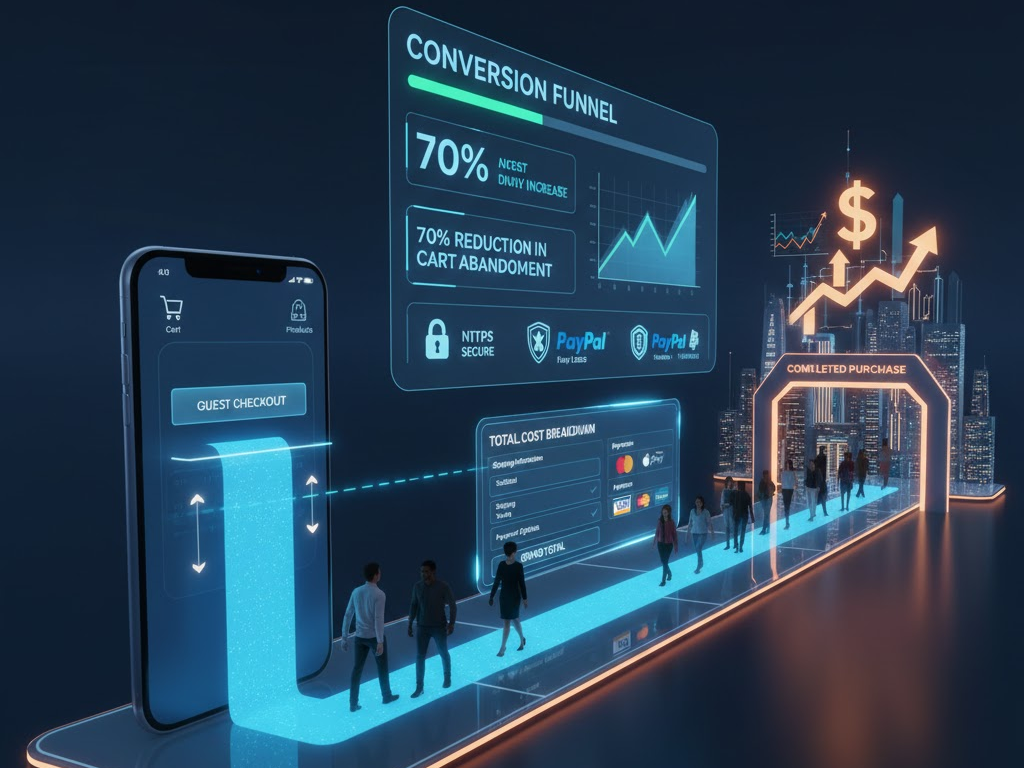
SaaS businesses thrive on recurring revenue. Therefore, they need special payment systems. They cannot just use a simple “buy now” button. Instead, they need systems built for subscriptions. This means taking money again and again, over time. Truly, the way a SaaS business handles these payments is key to its success. It impacts how customers pay. It also affects how much money the business makes.
Many SaaS companies pick the wrong payment setup at first. They might use basic gateways. These gateways are not made for subscriptions. Consequently, this often leads to big problems later. It causes bad customer experiences. Moreover, it makes managing money very hard. Always remember, a “subscription-first” payment model is vital for SaaS. By choosing the right gateway integrations, businesses can grow easily. They can also keep customers happy. This means steady income and faster growth.

The SaaS Challenge: Recurring Revenue is Different
First, let’s understand the core challenge for SaaS businesses. Their income comes from subscriptions. Customers pay regularly. This could be monthly, yearly, or for special usage. This is very different from a shop where customers buy things once. Clearly, this difference means SaaS needs special payment tools. These tools must handle ongoing payments. Therefore, standard payment setups are often not enough.
Why Standard Gateways Don’t Fully Fit SaaS Needs
Most traditional payment gateways are built for one-time sales. They are good for a single purchase. However, they struggle with the complex world of subscriptions.
Here are some key limits of basic gateways for SaaS:
- Recurring Billing: They do not easily set up payments to happen automatically every month or year. Thus, this requires manual work.
- Failed Payment Retries: If a payment fails (e.g., card expires), they do not automatically try again. Consequently, this means lost customers.
- Proration: If a customer changes their plan mid-month, figuring out the correct partial charge is hard. Therefore, this requires complex math.
- Upgrade/Downgrade: Changing subscription levels is messy. It means canceling the old plan and starting a new one.
- Customer Portals: Customers cannot easily manage their own subscriptions (change card, upgrade) without help.
- Analytics: Tracking metrics like churn and lifetime value (LTV) is difficult. This is because data is not set up for subscriptions.
A “subscription-first” approach solves these problems. It uses integrations made for recurring payments. Moreover, it supports the unique needs of a SaaS business model. This helps manage customer relationships. Furthermore, it also secures future income.
What is a “Subscription-First” Model? Your Growth Blueprint
So, what exactly is a “subscription-first” model for payment gateways? It means choosing and setting up payment systems with recurring revenue as the main focus. It is not an afterthought. Instead, it is the core of your payment strategy. Truly, this approach ensures all aspects of subscription billing are handled smoothly.
Building Your Payment System for Recurring Success
Here are the key parts of a subscription-first model:
- Specialized Gateway/Processor: You pick a payment gateway. This gateway is designed for subscriptions. Examples include Stripe Billing, PayPal recurring payments, or Spreedly. These systems have features for ongoing payments.
- Automated Recurring Billing: The system automatically charges customers on their chosen schedule. You set it once, and it runs itself. This prevents missed payments.
- Dunning Management: This is a smart system for failed payments. If a card expires, it automatically tries to charge again. Furthermore, it sends emails to customers to update their info. This helps reduce “involuntary churn.”
- Flexible Plan Management: It lets customers easily upgrade or downgrade their plans. It also handles the math for partial payments (proration) correctly. This makes changing plans simple.
- Self-Service Customer Portal: Customers get their own page. There, they can change their payment method. They can also view invoices. They can even upgrade or cancel their own subscriptions. This reduces support tickets.
- Subscription Analytics: The system tracks important numbers. These include monthly recurring revenue (MRR). It also tracks customer churn rate. This helps you understand your business health.
- Integration with CRM/ERP: It links with your customer relationship management (CRM) software. It also links with your enterprise resource planning (ERP) system. This gives a full view of each customer.
Truly, a subscription-first model is crucial for SaaS. It takes away payment headaches. It lets businesses focus on building great products and keeping customers happy.
Key Integrations: Choosing the Right Tools for Your Stack
Building a strong subscription-first model needs the right tools. It means choosing the best payment gateways. It also means linking them with other key business systems. Clearly, these integrations must work together seamlessly. Therefore, careful selection of your payment stack is vital for long-term success.
Your Essential Payment Stack Components
Firstly, select a primary payment gateway that specializes in recurring payments. Look for features like strong API documentation, global reach, multi-currency support, and robust dunning management. Companies like Stripe, Braintree, and Adyen are popular choices. This is because of their comprehensive subscription features. This ensures smooth, ongoing transactions.
Secondly, integrate with a subscription management platform if your gateway is basic. Some gateways offer full subscription features. However, others focus only on processing. Tools like Chargebee, Recurly, or Zuora handle complex logic. They manage plans, trials, upgrades, and billing. They sit between your app and the gateway. Furthermore, connect to your CRM system (e.g., Salesforce, HubSpot). This links payment data with customer profiles. Sales and support teams then have a full view of each customer. This helps personalize interactions.
Additionally, integrate with your accounting software (e.g., QuickBooks, Xero). This automatically pushes payment and invoice data. It greatly simplifies financial reconciliation. Moreover, it saves hours of manual work. Lastly, consider analytics tools that pull data from your payment stack. They provide deep insights into MRR, churn, LTV, and customer behavior. Truly, by carefully integrating these key tools, SaaS businesses build a powerful, automated payment ecosystem. This ecosystem supports growth and operational efficiency.
Security and Compliance: Protecting Your Subscribers and Business
Handling recurring payments means managing sensitive customer data. Therefore, security and compliance must be top priorities. A breach of trust can destroy a SaaS business. Clearly, choosing integrations that meet strict industry standards is non-negotiable. Truly, protecting your subscribers’ data is as important as your product itself.
Safeguarding Data and Meeting Industry Standards
Firstly, ensure all your payment gateways and subscription platforms are PCI DSS compliant. PCI DSS is a set of rules for handling credit card data. This protects cardholder information. Never store sensitive card data on your own servers. Instead, let your integrated platforms handle it securely.
Secondly, implement strong fraud detection tools. Recurring payments can be targeted by fraudsters. Your integrations should offer features to spot suspicious activity. This includes velocity checks, IP analysis, and device fingerprinting. This protects your revenue. Furthermore, comply with global data privacy regulations like GDPR and CCPA. This is especially important if you have international subscribers. Ensure your payment stack handles data consent, storage, and access requests correctly.
Additionally, use tokenization for card data. When a customer enters their card, the gateway converts it into a unique, random string of numbers (a token). This token is used for future payments. The actual card number is never stored by you. This greatly reduces risk. Truly, by focusing on robust security features and strict compliance, SaaS businesses build trust. They also protect themselves from legal and financial risks.
Optimizing for Growth: Reducing Churn and Boosting LTV
A subscription-first model is not just about taking payments. Instead, it is a powerful tool for optimizing growth. It helps reduce churn (customers leaving) and boosts LTV (lifetime value of a customer). Clearly, every SaaS business knows that keeping existing customers is often cheaper than finding new ones. Therefore, smart payment integrations play a huge role in customer retention.
Strategies to Keep Customers and Maximize Value
Firstly, effective dunning management is critical for reducing involuntary churn. If a card expires or a payment fails, your system must automatically try again. It must also send clear, friendly emails to the customer. This helps recover lost revenue. Moreover, it keeps customers active. Secondly, provide a seamless self-service customer portal. When customers can easily update their payment info, change plans, or view bills, they feel in control. This leads to higher satisfaction. It also reduces frustration.
Furthermore, use flexible billing options. Offer monthly, yearly, or usage-based plans. Let customers choose. This caters to different needs and budgets. It can attract more subscribers. Also, track and analyze your subscription metrics closely. Look at churn rates for different plans. See where payments fail most often. Use these insights to improve your product or payment process. Truly, by using your gateway integrations strategically, SaaS businesses can actively work to reduce churn. They can also increase the lifetime value of each subscriber.
Best Practices: Implementing Your Subscription-First Model
Implementing a successful subscription-first model requires careful planning and execution. It is not a one-time setup. Instead, it is an ongoing process of choosing the right tools, integrating them well, and continually optimizing. Clearly, a well-thought-out strategy will lead to long-term success. Therefore, following these best practices is essential for any SaaS business.
Your Blueprint for Subscription Payment Success
Firstly, start with a clear plan. Understand your pricing models. Know your customer segments. List all the features you need (e.g., trials, coupons, prorating). This helps you pick the right tools from the start. Secondly, choose scalable integrations. Your payment stack must grow with your business. Pick gateways and platforms that can handle more transactions. They must also handle more subscribers without major overhauls. Cloud-based solutions are often best.
Furthermore, test everything thoroughly. Test all payment flows. Test upgrades, downgrades, cancellations, and failed payments. Make sure dunning emails are sent correctly. This ensures a smooth experience for your customers. Also, monitor your metrics constantly. Keep a close eye on MRR, churn, payment success rates, and customer LTV. Use this data to find problems and make improvements. Lastly, gather customer feedback. Ask subscribers about their payment experience. What is easy? What is hard? Use their input to refine your process. Truly, by following these best practices, SaaS businesses can build a robust, customer-centric subscription payment system. This system will support continuous growth and strong customer relationships.
Frequently Asked Questions (FAQs)
Q1: What is “dunning management” in simple terms?
Dunning management is the process of automatically trying to collect money when a recurring payment fails. Examples are an expired credit card. It includes retrying the card. It also includes sending automated emails to the customer. These emails ask them to update their payment information. It helps prevent losing subscribers due to payment issues.
Q2: Why can’t I just use PayPal buttons for my SaaS subscriptions?
Basic PayPal buttons are fine for single payments. However, they lack the advanced features needed for a true SaaS subscription model. They do not easily handle automatic retries for failed payments. They also do not handle prorated billing, customer self-service portals, or detailed subscription analytics. You need a more robust, specialized system.
Q3: What is involuntary churn, and how do gateway integrations help reduce it?
Involuntary churn happens when a customer leaves not by choice. This is because their payment failed. Examples are an expired card or insufficient funds. Smart gateway integrations reduce it through automated dunning management. This system automatically attempts to recover failed payments. It also notifies customers to update their details, saving the subscription.
Q4: Should I build my own subscription billing system or use an off-the-shelf solution?
For most SaaS businesses, using an off-the-shelf solution (like Stripe Billing or Chargebee) is much better. Building your own is very complex and costly. It is also hard to maintain for security and compliance. Specialized solutions are already built to handle all the complexities of recurring billing.
Q5: What is “tokenization” and why is it important for payment security in SaaS?
Tokenization replaces sensitive credit card numbers with a unique, encrypted, random string of characters (a “token”). This token is then used for all future payments. It is important because your business never actually stores the real credit card number on its servers. This greatly reduces your risk in case of a data breach.
Also Read: Why Should You Merge All Payment Gateways Into One View