Payment Infrastructure as a Tool of Soft Power in Trade Wars

How A Strong Payment Infrastructure Builds Global Soft Power

In the high stakes world of global trade, money is now a silent weapon. Specifically, many nations now realize that controlling how funds move is a vital edge. Therefore, building a solid payment infrastructure has become a key tool of soft power. This shift changes how countries talk and trade with each other. It is not just about digital coins or bank apps. In fact, it is a smart way for a country to lead on the global stage. Consequently, a strong and stable payment infrastructure helps a nation project its true strength. You will see a clear shift in power by following this deep and strategic trend.

Payment Infrastructure as a Tool of Soft Power in Trade Wars

Winning the Trade War Without a Single Shot

Many people think trade wars are only about high taxes and ships. However, the real fight often happens in the wires and code of a bank. First, a local payment infrastructure can bypass old global rules that slow down growth. Specifically, it lets a country keep its trade moving even when others try to block it. Furthermore, having a top tool that others want to use creates a new kind of bond. You also gain a lead when your neighbors rely on your tech to buy bread. Similarly, a unified payment infrastructure ensures your trade stays safe during a crisis. This puts your growth on a steady path for a very long time.

Why Every Nation Wants Their Own Money Rules

The journey to the top begins when a nation builds its own money path. At this stage, relying on a foreign payment infrastructure is a very big risk. These new tools act as a top guide for a country’s financial future. Specifically, a custom payment infrastructure ensures that a nation and its true worth stay safe. It is built to spark fast progress in every single trade deal. You should also know that a smart system offers more than just a way to pay. While a simple app just sends cash, a whole payment infrastructure guides the whole economy. Furthermore, it moves firms past the fear of being cut off from the world.

The True Influence of Digital Dollar and Yuan

As a nation’s tech grows, its influence spreads to other places. At this stage, the focus on a payment infrastructure builds a very strong bond with allies. This plan is specific to what a partner country likes and needs. For example, some might get a faster way to sell their goods abroad. The timing of these moves is very key for global success. Furthermore, a top leader handles all the tech and rules with ease. This ensures your trade plan is solid from the very first step. Such smart timing helps a country move toward a big global win. Indeed, a modern payment infrastructure reveals who is truly in charge today.

Protecting the Flow of Goods and Services

Data is the backbone of all smart trade and money success today. The way a country handles its payment infrastructure tracks how every dollar moves. This includes how users buy and sell items in a safe way. These facts help refine the path for every brand and firm in the land. Therefore, the system learns and grows over time to serve the people better. This data driven path ensures the best results for a whole nation. It also prevents any bad risks from hurting the economy. A smart payment infrastructure relies on real facts to win every single time. Your plan and focus are too important to risk at any step.

Conclusion and the New Map of World Trade

The future of global trade is too important to leave in the hands of others. Today, we see how a modern payment infrastructure changes who wins and who loses. This smart move helps a nation scale faster and stay much safer too. It turns simple tech into a real win for a whole region. You will see more growth and less stress for firms everywhere. Therefore, nations act now to secure their spot in the global market. Knowing the truth of quality tech lead leads to true success. It is the best way to ensure a bright future for many years. You will find that the right payment infrastructure makes all the difference in a trade war.


FAQs

1 How is a payment system a tool of power?

It lets a country control how money flows, which can help or hurt other nations.

2 Does this affect small businesses?

Yes, it makes it easier or harder for them to sell items to other countries.

3 Why is it called soft power?

Because it uses tech and money to lead rather than using a real army.

4 Is it safe for a country to use its own system?

Specifically, it is much safer because it stops other nations from blocking their trade.

5 Will this trend grow in the future?

Indeed, more nations are building their own tools to stay independent and strong.


Read More:

How a Trade Agreement Protects Your Brand in New Markets
Data Sovereignty for Payment Providers: A Complete Guide

Why scaling like BRICS nations is the new global goal?

Data Sovereignty for Payment Providers: A Complete Guide

Data Sovereignty for Payment Providers: A Complete Guide

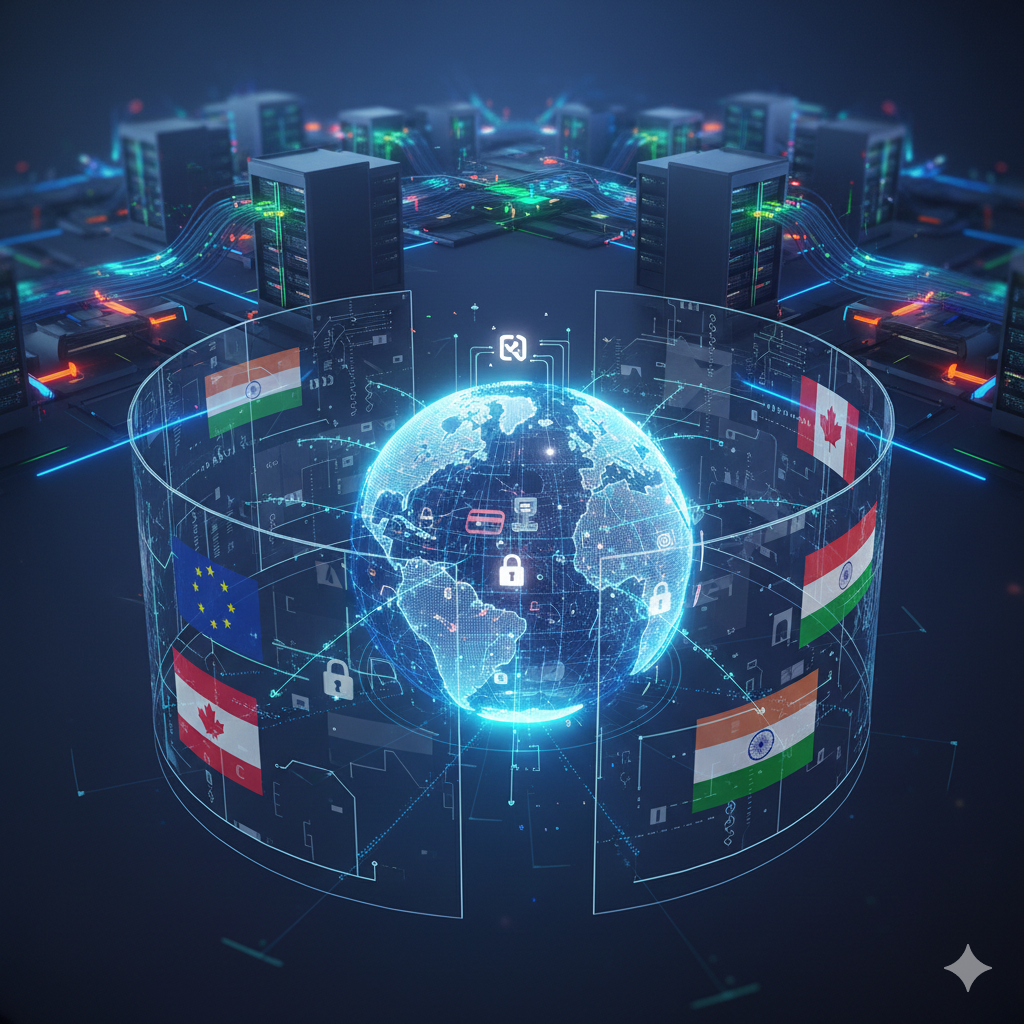
Data sovereignty is now a major part of the global digital economy. This is especially true for payment providers who deal with complex international rules. Money moves across borders every single day. Therefore, sensitive information must also travel between countries. This creates a clear conflict between global trade and local privacy laws. Many nations now want to control how their citizens’ financial data is stored. As a result, the payment industry must adapt to a patchwork of regional mandates.

Understanding Data Sovereignty in Fintech

Data sovereignty means that digital data must follow the laws of the country where it is located. Consequently, every payment across a border must meet specific residency rules. These rules apply to many different countries at the same time. This is not just about privacy but also about national jurisdiction. If data sits on a server in France, French law governs that data. This remains true even if the company is based in the United States.

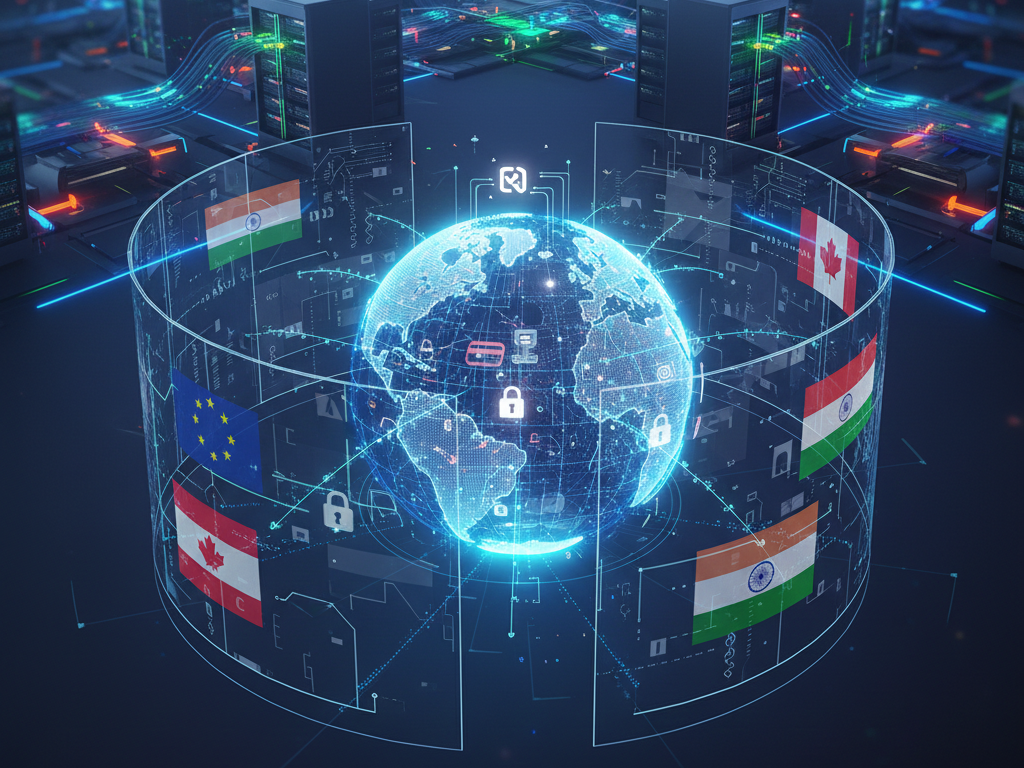
Major legal systems like the GDPR in Europe shape this landscape. Also, the CCPA in the United States plays a big role. Many emerging markets now have very strict localization laws too. These laws often say where a company must store and process its data. For example, a payment provider in India might need to use local data centers. This rule applies even if the main office is in another country. Therefore, providers must map out their entire data flow to ensure compliance.

Data Sovereignty for Payment Providers: A Complete Guide

The Operational Impact of Localization Laws

Strict localization laws create many hurdles for payment gateways. A country might mandate that financial data must stay within its own borders. If this happens, the old model of a single global cloud hub starts to fail. Companies can no longer rely on one central database to serve the whole world. Instead, they must build local infrastructure in every major market. This change impacts everything from server maintenance to software updates.

  • Higher Infrastructure Costs: Moving from one central hub to many local servers usually increases costs significantly.
  • Better Latency and Performance: Data that stays local can lead to faster transaction times for users in that region.
  • Less Security Complexity: Managing security across different legal rules requires a very smart and modular approach.
  • Legal Compliance Risks: Failing to store data locally can result in massive fines or even a total ban in some countries.
  • Operational Overhead: Teams must now manage multiple sets of local regulations and audit requirements simultaneously.

Furthermore, payment providers must check their third-party vendors. These include cloud storage and identity services. Every partner must follow these regional rules. Thus, the whole compliance chain must be very strong. If a vendor fails a local audit, the payment provider is often held responsible.


Navigating Cross-Border Compliance Challenges

Payment providers use several key strategies to stay competitive and compliant. First, automation is a vital tool. Manual checks are simply not fast enough for modern digital payments. Automated systems can route data based on the user’s location instantly. This ensures that every transaction hits the right server at the right time.

Moreover, companies are now using “Privacy by Design” methods. This approach builds compliance directly into the software itself. Providers can also use tokenization to protect data. As a result, they can process payments without moving sensitive info across borders. Tokenization replaces a credit card number with a random string of characters. This allows the financial message to travel while the private data stays safe at home.

In addition, transparency is a great way to win over customers. Merchants trust a provider that explains how it stores data. Data breaches happen often in the news today. Therefore, protecting data sovereignty is a great way to build a brand. Clear communication about data residency can be a major selling point in a crowded market.


The Role of Regional Payment Hubs

Many providers are now building regional hubs to balance costs and laws. Instead of a server in every country, they use a hub for a specific legal zone. For instance, a provider might use one hub for the entire European Economic Area. This allows them to follow GDPR while keeping infrastructure costs lower. However, this strategy only works if the countries in that zone have similar laws.

These hubs must be flexible enough to handle sudden legal changes. A country might decide to leave a trade bloc or change its privacy rules. Therefore, the software must be easy to update. Agility is the most important trait for a modern payment gateway. Providers who can pivot quickly will win the most market share.


Future Trends in Global Data Regulations

We expect to see more changes in international data laws soon. Many governments now view data as a national asset. They see it as being just as valuable as oil or minerals. This trend will likely lead to much stricter local audit rules. Governments want to make sure they can see financial data during a crisis.

However, some nations are creating “adequacy agreements” with each other. These deals allow data to move freely between countries with similar security. Payment providers must watch these new alliances closely to grow. If two countries sign a deal, it can lower the cost of doing business there.

The best fintech companies do not see data sovereignty as a legal wall. Instead, they see it as a way to build a safer financial world. By respecting local laws, they build deeper trust with local users. This trust is the foundation of any successful global payment network.


Balancing Innovation and Law

Mastering data sovereignty is no longer optional for payment providers. It is a core part of the business model. Companies must invest in local infrastructure and smart data routing. They must also stay ahead of a changing legal landscape. While these rules are complex, they also offer a chance to innovate. Providers who lead in privacy will lead the market.


Frequently Asked Questions

1 What is the difference between data residency and data sovereignty?

Data residency is about where you store the data. Data sovereignty is about which local laws apply to that data.

2 How does GDPR affect providers outside of Europe?

Any provider that handles data for EU citizens must follow GDPR rules. This is true no matter where the company is located.

3 Why do governments want data localization?

Governments want to protect consumer privacy. Also, they want to make sure local officials can audit financial records easily.

4 Can blockchain technology help with data laws?

Blockchain offers some great solutions. But, it also makes it hard to follow “the right to be forgotten” rules in some countries.

5 What is tokenization for data laws?

Tokenization swaps sensitive data for unique symbols. This allows a company to process a payment without risking the original data.

Read More:

Why scaling like BRICS nations is the new global goal?

AI in Payments: A New Geopolitical Battleground

Will scaling past EU bars unlock your total ROI?

Financial Fragmentation in a Multipolar World: Payment Guide

Financial Fragmentation in a Multipolar World: Payment Guide

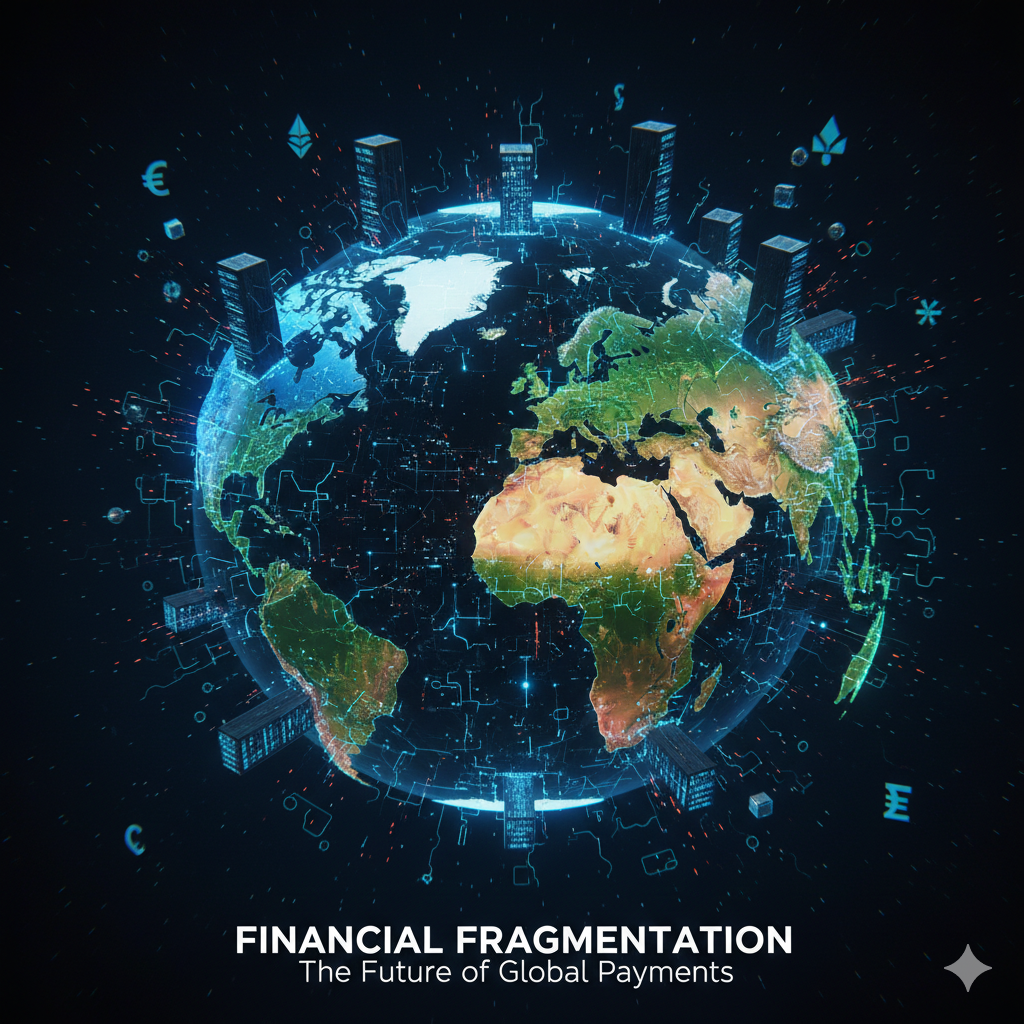
Financial fragmentation now describes a world where the global economy splits into distinct regional or political blocs. This shift occurs because nations seek more control over their own money and security in a multipolar landscape. Therefore, you must understand how these changes will impact your business and your daily transactions. This guide explains the core challenges and the future of global payments.

The Rise of the Multipolar Economy

For many years, the world relied on a single financial system led by a few major powers. However, this centralized approach now faces competition from emerging economies and regional alliances. This shift creates a multipolar world where power is shared between several different global centers. Consequently, the standard rules for international finance are changing very quickly to match this new reality.

The move toward fragmentation happens because nations want to protect themselves from external financial pressure. For instance, some countries now build their own payment networks to avoid reliance on global systems like SWIFT. Because of this, we see a growing gap between different financial jurisdictions. I have noticed that this trend makes global trade much more complex for every person involved.

Financial Fragmentation in a Multipolar World: Payment Guide

How Financial Fragmentation Impacts Global Payments

Fragmentation creates many small islands of finance instead of one connected global ocean. This separation means that moving money between two different blocs becomes much more difficult and expensive. For example, a business in one region might find that its payment software does not work in another region. Therefore, you must prepare for a future where global connectivity is no longer guaranteed.

You can expect to see higher fees for international transfers as systems become less compatible. Traditional cross-border payments already take a long time and require many middlemen. However, fragmentation adds even more layers of bureaucracy and compliance to every single transaction. In addition, businesses must now manage the risk of multiple currencies and varying local regulations.

The Role of Central Bank Digital Currencies

Many nations now explore Central Bank Digital Currencies (CBDCs) to modernize their local payment systems. These digital assets allow governments to track transactions more efficiently while reducing the cost of printing money. Furthermore, CBDCs can help a country settle international trades directly without using a global reserve currency. This technology is a primary tool for nations seeking financial independence in a multipolar world.

You should watch how these digital currencies interact with existing private payment networks. If two countries use different CBDC standards, they may still find it hard to trade with each other. Because of this, international organizations are working to create new rules for digital compatibility. However, the political friction of a multipolar world often makes these agreements very hard to reach.

Implications for Digital Payment Apps

Your favorite digital payment apps must now adapt to a landscape where cross-border rules change constantly. Some apps might choose to partner with local providers in every region to stay functional. Alternatively, others may focus only on one specific bloc to reduce their legal and technical risks. This fragmentation reduces the convenience that users have enjoyed for the last two decades.

In addition, users may need to carry multiple digital wallets to pay for goods in different countries. This shift reverses the trend toward a unified global marketplace where one app works everywhere. Therefore, you should look for payment solutions that offer wide compatibility and low conversion fees. Staying flexible will be your best strategy as the global system continues to split apart.

Risks to Global Financial Stability

Fragmentation creates a significant risk that the world will lose the ability to coordinate during a crisis. If every country follows its own rules, it becomes harder to stop a financial problem from spreading. For instance, a bank failure in one bloc might not be visible to regulators in another bloc. This lack of transparency makes the entire global economy much more vulnerable to sudden shocks.

Furthermore, the competition between different payment systems can lead to a “race to the bottom” in safety standards. Countries might lower their regulations to attract more business to their specific financial center. This behavior puts the security of your money at risk over the long term. Consequently, international cooperation remains vital even as political tensions continue to rise between nations.

The Future of Trade and Investment

Global trade will likely move toward “friend-shoring” where countries only trade with their political allies. This trend ensures that supply chains remain safe from geopolitical disruptions in distant regions. However, it also means that you may have fewer choices and higher prices for the goods you buy. Investment flows will also follow these political lines, creating two or more distinct economic zones.

You must rethink your investment strategy to account for these regional financial boundaries. For example, holding assets in only one bloc might leave you exposed if that region faces a downturn. Diversifying across different payment systems and jurisdictions is now a requirement for protecting your wealth. Therefore, staying informed about global shifts is the most important step you can take today.

Technical Standards and Interoperability

The primary technical challenge in a fragmented world is making sure different systems can still talk to each other. This is often called interoperability, and it is the key to keeping the global economy functional. If a payment message in Asia cannot be read by a bank in Europe, trade will stop. Engineers are now building bridges between different blockchain and digital currency protocols.

However, the political will to use these bridges is often lacking in a multipolar world. Some nations prefer “walled gardens” because they provide more control over their domestic data. Specifically, you should follow the development of international standards like ISO 20022. These common languages are the only things preventing a total breakdown of global financial communication.

Protecting Your Business From Financial Fragmentation

If you run a business that trades globally, you must audit your payment providers immediately. You should ensure that your primary bank has strong relationships in the regions where you operate. In addition, you may want to explore using stablecoins or other digital assets for fast cross-border settlements. These tools can bypass some of the friction caused by political fragmentation.

Gathering a diverse set of payment tools is the smartest way to manage these growing risks. If one system goes offline or becomes too expensive, you need an alternative ready to go. Take the time to understand the local payment habits of your international customers. Once you have a flexible system, you can grow your business despite the challenges of a multipolar world.

Conclusion and Next Steps

Financial fragmentation is a complex trend that will shape the next few decades of our lives. By focusing on the causes and the technical solutions, you can navigate this landscape successfully. The journey toward a more regional world requires patience and a high degree of adaptability from everyone.

If you want to stay ahead, you must monitor the news about CBDCs and regional trade blocs. Start by reviewing your current international payment methods to see where you are most vulnerable. Then look for new technologies that can bridge the gap between different financial zones. Your proactive approach will ensure that you remain connected to the global economy.

FAQs

1 What is financial fragmentation?

Financial fragmentation is the process where the global financial system splits into separate regional or political zones.

2 How does a multipolar world affect my payments?

It makes sending money across borders more expensive and complex as different regions use incompatible systems.

3 What are CBDCs?

Central Bank Digital Currencies are digital versions of a nation’s official currency issued and managed by the central bank.

4 Can AI help with financial fragmentation?

Yes, AI can help businesses manage the complex rules and multiple currencies found in a fragmented world.

5 What is interoperability in finance?

It is the ability of different financial systems and software to communicate and process transactions with each other.

Also Read: HSBC’s Warning: The End of Globalization & Payments