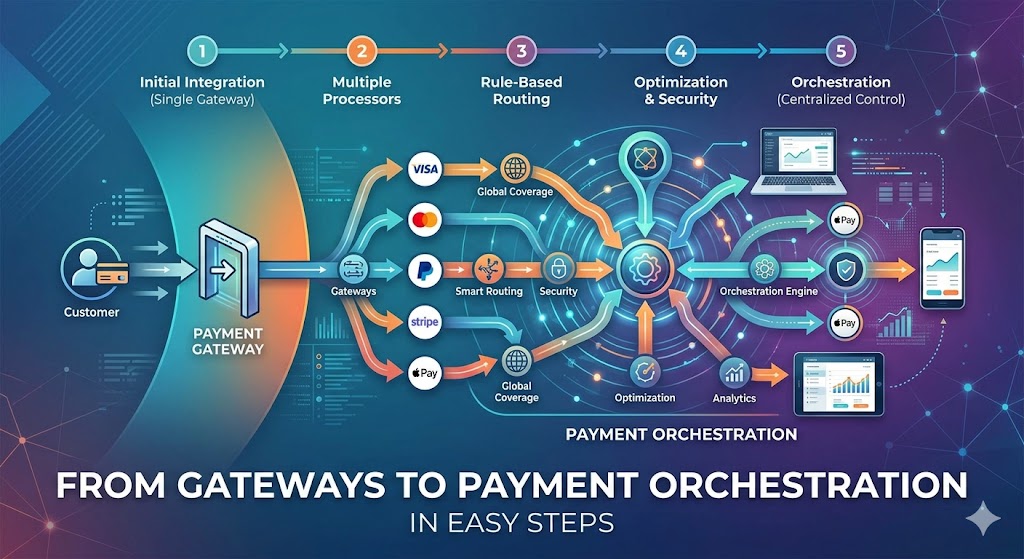
From Gateways to Payment Orchestration in Easy Steps

From Gateways to Payment Orchestration in Easy Steps

Payments have changed. The old way of connecting to a single payment gateway no longer cuts it. Today, businesses need speed, flexibility, and global reach. Therefore, payment orchestration platforms have stepped in — and they are reshaping the entire payments landscape.

In 2025, the global payment orchestration market is projected to exceed $3.5 billion. That growth tells a clear story. Merchants want smarter payment infrastructure. Traditional gateways simply cannot keep up.

What Is a Traditional Payment Gateway?

A payment gateway is a tool that connects a merchant’s checkout to a payment processor. It handles card data, checks for fraud, and passes transactions to the bank. PayPal, Stripe, and Square are well-known examples. However, they each have limits.

Most traditional gateways lock you into one provider. Consequently, if that provider has an outage, your payments stop. Additionally, their routing logic is fixed — they cannot automatically switch to a better path when needed.

For small businesses, this setup works fine. However, as businesses scale, the limitations become painful. High decline rates, single-currency restrictions, and rigid pricing structures hold merchants back.

From Gateways to Payment Orchestration in Easy Steps

What Is a Payment Orchestration Platform?

A payment orchestration platform sits on top of multiple payment service providers (PSPs), gateways, and acquirers. Instead of using one gateway, it connects to many — and intelligently routes each transaction to the best option available.

Think of it like a smart traffic system for your payments. Moreover, it watches each route, picks the fastest and cheapest, and switches automatically when conditions change. The result is higher approval rates, lower costs, and fewer failed transactions.

Leading platforms in this space include Spreedly, Primer, Gr4vy, and Payrails. Each offers smart routing, a single integration point, and real-time analytics. Furthermore, they support dozens of payment methods across multiple regions.

Key Reasons Payment Orchestration Is Winning

First, let’s talk about approval rates. Traditional gateways send each transaction down one path. If that path fails, the transaction declines. Payment orchestration platforms use intelligent retry logic. Therefore, if one gateway declines a payment, the platform automatically tries another — often without the customer even noticing.

Second, consider fees. Different gateways charge different rates for different card types, currencies, and regions. Orchestration platforms route transactions to whichever gateway offers the lowest cost for each specific payment. Consequently, merchants save significantly on processing fees at scale.

Third, look at flexibility. Merchants can add new payment methods — like Buy Now Pay Later, digital wallets, or local payment options — through one platform rather than building individual integrations. This dramatically reduces development time.

How Smart Routing Works

Smart routing is the core feature of payment orchestration. It uses rules and real-time data to decide which gateway handles each transaction. These rules can be based on currency, card type, transaction value, customer location, or historical success rates.

For example, a UK merchant processing a Euro payment from Germany might route it through a European acquirer to avoid cross-border fees. Meanwhile, a high-value transaction might go through a gateway with the best fraud detection for that amount.

Additionally, orchestration platforms offer cascade routing. If the primary gateway declines, the transaction cascades to the next best option automatically. Studies show this approach can recover 5-15% of transactions that would otherwise be lost. That is a significant revenue gain.

Better Data and Analytics

Traditional gateways provide basic reporting. However, payment orchestration platforms deliver deep, real-time analytics across all connected gateways. Merchants can see exactly which gateway performs best for which transaction type.

Furthermore, they can A/B test routing rules to continuously optimise performance. This data-driven approach helps teams make smarter decisions faster. Additionally, consolidated reporting across all PSPs saves hours of manual reconciliation work each month.

Payment orchestration also makes compliance easier. Centralised tokenisation across gateways reduces PCI scope. Moreover, unified fraud management across providers gives merchants a complete view of risk — rather than fragmented data across multiple dashboards.

Global Payments Made Simple

Expanding internationally is one of the biggest payment headaches for merchants. Different countries have different preferred payment methods, currencies, and regulations. Traditional gateways struggle here. Orchestration platforms were built for this challenge.

With a single orchestration platform, a merchant can accept Alipay in China, iDEAL in the Netherlands, UPI in India, and PIX in Brazil — all through one integration. Consequently, global expansion becomes a routing decision rather than a development project.

This is especially valuable for ecommerce brands entering new markets. Instead of spending months integrating local payment providers, they simply activate new connections within the orchestration layer.

The Cost Case for Orchestration

Some businesses hesitate over orchestration platform fees. However, the ROI is usually clear. Consider a business processing $10 million per year. Even a 0.1% improvement in approval rates recovers $10,000 in revenue. A 0.2% reduction in processing fees saves $20,000.

Moreover, reducing failed transactions improves customer experience. Fewer declined cards means fewer abandoned carts and fewer frustrated customers calling support. Therefore, the business case extends well beyond the payment team.

Additionally, reduced development costs matter. One integration replaces many. Engineering teams spend less time maintaining payment connections and more time building product.

Is Payment Orchestration Right for Your Business?

Not every business needs a full orchestration platform right away. However, if you process more than $1 million per year, operate across multiple countries, or experience a decline rate above 5%, it is worth exploring. Furthermore, if you are planning international expansion, starting with orchestration now will save a lot of pain later.

Start by auditing your current payment stack. Look at your decline rates by gateway, by card type, and by region. Additionally, calculate how much you spend on processing fees across all providers. That data will show you exactly where orchestration can help most.

The Future of Payments Is Orchestrated

Traditional payment gateways served their purpose well. However, the demands of modern commerce have outgrown them. In conclusion, payment orchestration platforms offer the intelligence, flexibility, and global reach that today’s merchants need.As payments become more complex, orchestration becomes more essential. Consequently, businesses that adopt these platforms early will process smarter, scale faster, and convert better than those that stick with legacy gateway setups. The shift is already well underway — and it is only accelerating.

Read More:

Why Indian fintechs Lead in API First Tech

UPI Complete Guide: Choosing the Right Payment App

Everything You Need to Know About Payment Gateway Before Launching Your Subscription Box

Why Indian fintechs Lead in API First Tech

Why Indian fintechs Lead in API First Tech

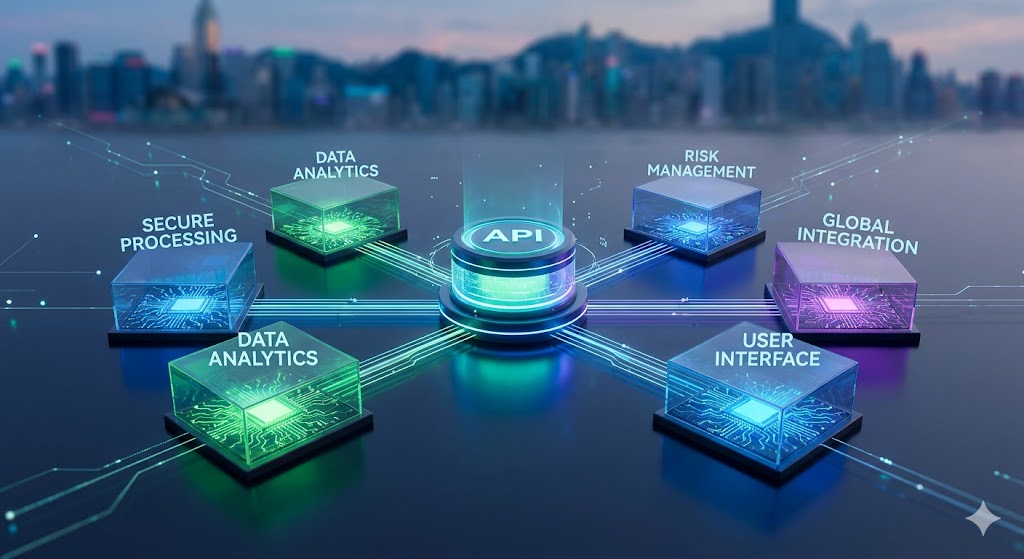
The world of finance is moving very fast. Every business needs a way to take money from customers
easily. In the past, companies used big, heavy systems. These systems were often hard to change or
update. However, a new trend is taking over the industry right now. This trend is called the API-first
gateway. It is a smart way to build a payment system. You can add or remove parts like Lego blocks.
Consequently, many fintechs are moving toward this style to stay ahead. They want to be fast and
flexible in a busy market.

Understanding the Modular Shift

Building a payment stack used to be a very long job. Developers had to talk to banks for months. They
had to write a lot of complex code. Furthermore, the old systems were not flexible at all. If you wanted
a new feature, you had to rebuild the whole thing. Therefore, growth was slow and very expensive for
startups. Now, the modular approach changes everything. By using APIs, a company connects
different services very quickly. They can pick the best tools for security and tax. This makes the whole
process much smoother for everyone involved.


API-first design is the core of this movement. It means that the API is built before the rest of the app.
Because the API is the foundation, every part talks to it easily. This makes the whole stack stable and
clean. In addition, developers love working with these systems. The documentation is usually very
clear and easy to read. It allows them to focus on making a good product. They do not have to spend
time fixing old, broken code. Thus, the speed of innovation increases for every team that uses this
method.

Why Indian fintechs Lead in API First Tech

Customization and Business Growth

No two businesses are exactly the same today. A small shop has different needs than a big airline.
Because of this, a simple gateway is no longer enough. Modular stacks allow businesses to build what
they need. For instance, a luxury brand might want a fancy checkout page. Meanwhile, a subscription
service needs strong billing tools. By choosing modular parts, both brands can win. Furthermore, they
only pay for the features they use. This helps them keep their costs low and their profits high.


Testing new ideas is also much safer with this setup. If a new payment method is popular, you add it in
hours. You do not need to wait for months for an update. Therefore, being first to the market is easier
for agile teams. This flexibility is a huge advantage in our world. Customer tastes change overnight, and businesses must keep up. In short, modular stacks give companies the power to adapt. They can
survive in any economic climate because they are not stuck with old tech.

Security in the Digital Age

Safety is the most important thing for money online. Every customer wants to know that their data is
safe. In a modular stack, security is handled by a specific piece. This piece is often called a vault
service. Because this part is separate, it is updated very often. Consequently, the risk of a data breach
is much lower. Furthermore, these services help companies meet strict global rules. They do this
without adding stress to the main business operations.


Encryption is used at every single step. When a user enters a card number, it is turned into a code.
This code moves through the system instead of the real data. Therefore, even if a hacker sees it, they
cannot use it. Additionally, many API gateways include built-in AI tools. These tools look for strange
patterns in real time. They stop bad transactions before they even happen. Thus, both the shop and
the buyer stay safe. Security is no longer a worry for the business owner.

Global Reach and Integration

Selling products to people in other countries is a big goal. However, different countries use different
ways to pay. In India, people love UPI, but in the US, cards are common. A modular payment stack
handles these differences with ease. You can just plug in a local provider for each new region.
Because the main API stays the same, your code does not change. This saves a lot of time and
money for growing brands. It allows them to enter new markets in days, not years.

Managing multiple currencies is also a big challenge. A good modular stack includes a tool for real-
time exchange. This means customers see prices in their own local money. Seeing a familiar currency builds a lot of trust. Furthermore, it helps businesses avoid hidden fees from banks. Therefore, the
profit for every sale stays predictable and healthy. In conclusion, APIs are the bridge to the global
economy. They make it possible for any brand to sell to the entire world.

The Cost Benefits of Modular Systems


Money is a concern for every business owner. Big legacy systems often have high setup fees. On the
other hand, API gateways follow a pay-as-you-go model. This means you only spend money when you
make a sale. For a small startup, this is a life-saving benefit. It allows them to grow at their own pace.
Furthermore, there are no hardware costs to worry about. The whole process is lean and efficient from
the very first day.


Maintenance is another area where businesses save. In an old system, you need a large team for the
servers. With a cloud-based gateway, the provider handles the work. They make sure the system is
always online and fast. Therefore, your own tech team can work on new features. This shift from fixing
to creating is what drives growth. In short, modular systems are the best way to run a financial
operation. They offer the best value for every dollar spent by the company.

The Future of Financial Technology

We are just at the start of this big change. In the coming years, we will see more automation. AI
agents might buy things for us using these APIs. Furthermore, the use of blockchain will grow within
these stacks. This will bring even more speed to every transaction. Because the systems are modular,
they are ready for this. They can be updated without any trouble at all. Therefore, the future of money
is flexible and very exciting for everyone.


Every brand will eventually use some form of fintech. Whether you sell shoes or food, you will have
your own tools. Modular stacks make this dream possible for everyone. It is the best time in history to
build a new product. If you start with an API-first mindset, you are building for the future. In conclusion,
modular payment stacks are the biggest shift in finance. They will change how we think about money
forever.

Frequently Asked Questions

1 What is an API-first gateway?

It is a payment system built around an API for easy integration.

2 Is it safe for small businesses?

Yes, it provides high-level security that was once only for
banks.

3 Can I add new payment methods?

Yes, the modular design makes it easy to add or remove
methods quickly.

4 How much does it cost?

Most providers use a pay-per-transaction model, which is very
affordable.

5 Do I need a large tech team?

No, because the API provider handles most of the complex maintenance.

Read More:

UPI Complete Guide: Choosing the Right Payment App

Everything You Need to Know About Payment Gateway Before Launching Your Subscription Box

Regulatory Sandboxes for Fintechs: Opportunities & Risks in India


UPI Complete Guide

UPI Complete Guide: Choosing the Right Payment App

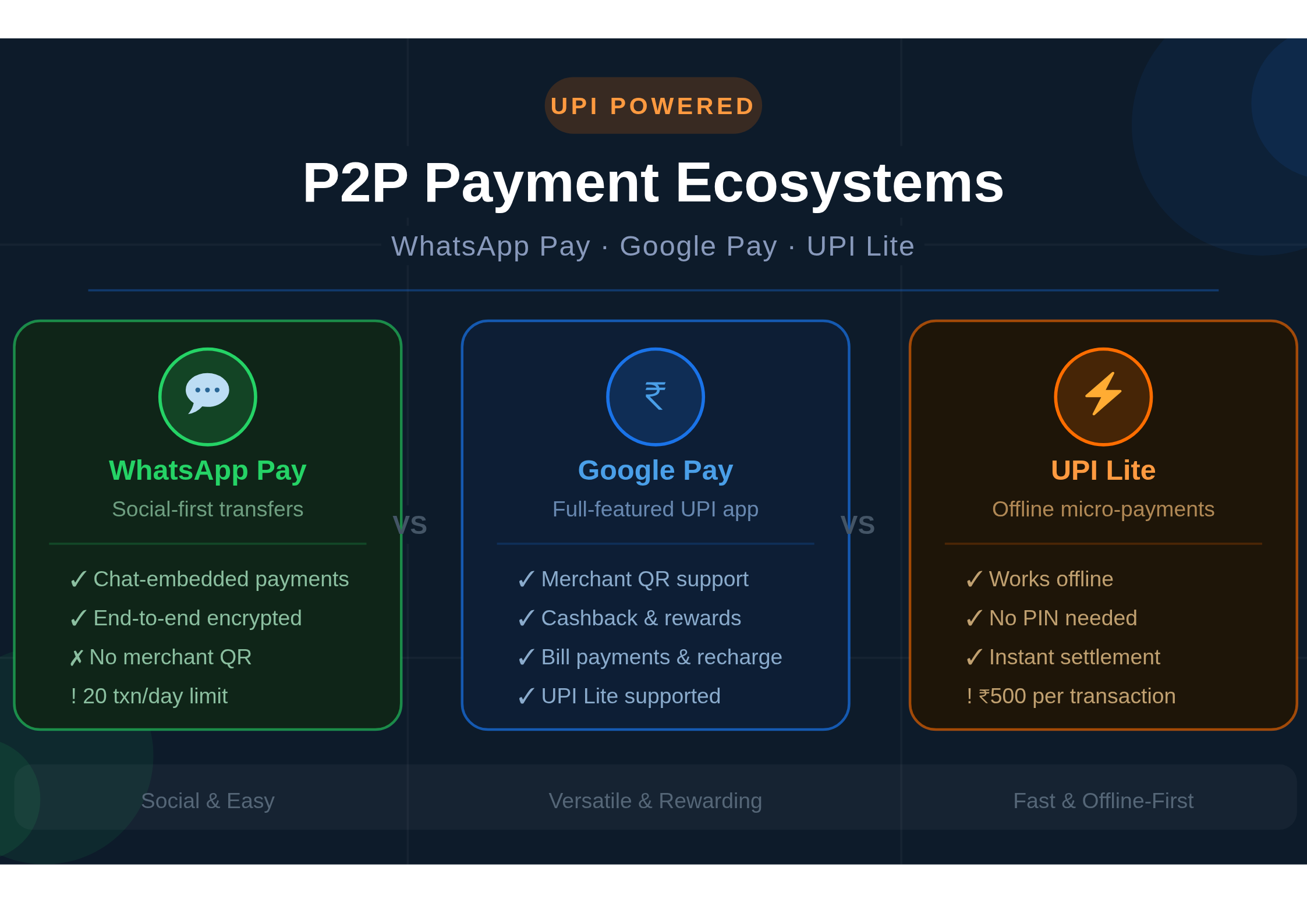
Digital payments in India have gone from a novelty to a necessity. Today, millions of people send money to friends, pay shopkeepers, and split bills — all within seconds, right from their phones. Three platforms stand at the center of this shift: WhatsApp Pay, Google Pay, and UPI Lite. Each one brings something different to the table. So, which one actually deserves a spot on your home screen?

In this blog, we break down these three P2P payment ecosystems side by side. Whether you care about speed, security, offline access, or just ease of use — this guide covers it all.

UPI Complete Guide

What Is a P2P Payment Ecosystem?

Peer-to-peer (P2P) payments allow users to transfer money directly from one bank account to another — no middleman, no waiting, no paperwork. In India, the Unified Payments Interface (UPI) powers most of these transactions. It is built and regulated by the National Payments Corporation of India (NPCI).

Therefore, apps like WhatsApp Pay and Google Pay do not move money on their own. Instead, they ride on top of the UPI infrastructure. UPI Lite, however, is a distinct layer that handles smaller, low-value transactions differently. Understanding this difference is key to choosing the right tool.

Google Pay: The Power Player

Google Pay (formerly Tez) launched in India in 2017. It quickly became one of the most downloaded UPI apps in the country. Even today, it holds a massive market share — and for good reason.

Key Features

Google Pay supports multiple UPI IDs and bank accounts. Users can link up to four bank accounts at once. Consequently, switching between accounts during a payment is easy. The app also supports bill payments, mobile recharges, and merchant QR code scanning.

Moreover, Google Pay uses a layered security model. Every transaction requires a UPI PIN. The app also features a “Safe” area that hides your payment history and account details behind an extra lock. This gives cautious users an added sense of control.

Additionally, the Nearby feature lets users discover and pay nearby businesses quickly. The rewards program — with scratch cards and cashback offers — has long been a crowd-pleaser. Furthermore, Google Pay integrates neatly with other Google services like Gmail and Google Assistant.

Limitations

On the downside, Google Pay requires internet access for every transaction. It also does not support in-app chat or social features. For users who want a more all-in-one experience, this can feel limiting.

WhatsApp Pay: The Social Payment Shortcut

WhatsApp Pay entered the Indian market after a long regulatory battle. Launched fully in 2020, it is now available to over 500 million WhatsApp users in India. The core idea is simple — pay someone directly inside a chat window.

Key Features

WhatsApp Pay is deeply embedded in the messaging experience. To send money, you simply open a chat, tap the attachment icon, and select Payment. As a result, paying someone feels as natural as sending a sticker or a voice note.

The platform supports all major Indian banks and uses UPI for fund transfers. Notably, it also stores transaction history within the chat thread — so you always know who paid whom and when. This makes it especially useful for splitting expenses among friends or family.

From a security standpoint, WhatsApp Pay is compliant with NPCI’s data localization norms. It uses end-to-end encryption for messages and a separate UPI PIN for payments. Nevertheless, some privacy advocates remain cautious about Meta’s data practices.

Limitations

WhatsApp Pay currently caps total UPI transactions at 20 per day, which is lower than Google Pay. It also lacks support for merchant QR codes at the moment. Similarly, advanced features like scheduled payments or bill splitting tools are absent. Still, for casual money transfers within a social circle, it is hard to beat.

UPI Lite: The Offline Game-Changer

UPI Lite is not exactly an app — it is a feature within UPI-enabled apps. Launched by NPCI in 2022, it addresses one of the biggest pain points of digital payments in India: poor network connectivity.

How It Works

UPI Lite works by pre-loading a small amount of money — up to ₹2,000 — into an on-device wallet. From there, you can make payments of up to ₹500 per transaction without needing internet access or a UPI PIN. Each transaction settles instantly on the device, and bank reconciliation happens later in the background.

Consequently, UPI Lite is perfect for small, everyday purchases — a chai at a roadside stall, a newspaper, an auto-rickshaw fare. Because it skips the usual server verification step, transactions process much faster than standard UPI payments.

Availability

Currently, UPI Lite is supported within Google Pay, Paytm, and several bank apps. WhatsApp Pay does not yet offer UPI Lite support, which is a notable gap. However, NPCI plans to expand compatibility across more platforms in the near future.

Limitations

The wallet cap of ₹2,000 limits its use for higher-value transactions. Additionally, users must manually top up the wallet, which can be a minor inconvenience. That said, for micro-transactions in low-connectivity areas, UPI Lite is a genuine breakthrough.

Head-to-Head Comparison

Here is a quick snapshot of how the three platforms stack up against each other:

Feature Google Pay WhatsApp Pay UPI Lite
UPI Support ✅ Full ✅ Full ✅ Lite Only
Offline Payments ❌ No ❌ No ✅ Yes
Social Integration ❌ Limited ✅ Strong ❌ None
Merchant QR ✅ Yes ❌ No ✅ Yes
Transaction Limit ₹1 Lakh/day ₹1 Lakh/day ₹500/txn
Daily Txn Count Unlimited 20 per day Unlimited
PIN Required ✅ Yes ✅ Yes ❌ No
Cashback/Rewards ✅ Yes ❌ Limited ❌ No

Security: How Safe Is Your Money?

Security is a top concern for any digital payment user — and rightfully so. Fortunately, all three platforms operate under RBI and NPCI guidelines, which means they follow strict data handling and fraud prevention standards.

Google Pay uses device-level security, including fingerprint and face recognition. WhatsApp Pay benefits from end-to-end encryption at the messaging layer. UPI Lite, meanwhile, removes the PIN requirement for small transactions — which speeds things up but also shifts responsibility to the user. Therefore, always keep your phone locked when not in use.

Regardless of which app you use, never share your UPI PIN with anyone. Be cautious of collect requests from unknown contacts. And always verify the recipient’s name before hitting confirm.

Which One Should You Use?

The best P2P payment app depends entirely on your lifestyle and needs. Here is a simple breakdown:

Choose Google Pay  if you want a full-featured UPI app with cashback rewards, bill payments, and merchant support. It is the most versatile option overall.

Choose WhatsApp Pay  if you frequently transfer money to friends and family who are already on WhatsApp. The conversational payment flow is smooth and social.

Use UPI Lite  if you make lots of small, everyday payments and live in an area with spotty internet. It is the fastest and most friction-free option for micro-transactions.

In practice, many users rely on more than one. For example, you might use UPI Lite for buying street food, Google Pay for utility bills, and WhatsApp Pay to split dinner with friends. There is no rule that says you must pick just one.

The Future of P2P Payments in India

India’s digital payment sector is growing at a breakneck pace. UPI processed over 13 billion transactions in a single month in 2024. As a result, competition among payment apps is intensifying. Going forward, expect to see smarter AI-driven fraud detection, expanded UPI Lite limits, and deeper integration with e-commerce platforms.

WhatsApp Pay is likely to roll out merchant payment features as Meta expands its Commerce ecosystem in India. Similarly, Google Pay is investing heavily in credit products and BNPL (Buy Now Pay Later) integrations. Meanwhile, NPCI is working on UPI One World — a version designed for foreign visitors to India.

Ultimately, the winner of this race will not be determined by features alone. Trust, simplicity, and network reach will decide which app becomes the default choice for the next billion users.

Final Thoughts

P2P payments are no longer just a convenience — they are the backbone of everyday financial life in India. WhatsApp Pay brings payments into conversations. Google Pay brings rewards and versatility. UPI Lite brings speed and offline access to places that were previously left out. Each platform has carved out its own niche. Together, they are reshaping how a billion people think about money. So go ahead — try all three, see what fits, and take full advantage of India’s world-class digital payments infrastructure.

Read More:

Everything You Need to Know About Payment Gateway Before Launching Your Subscription Box

Regulatory Sandboxes for Fintechs: Opportunities & Risks in India

How Offline payments Secure the Local Economy?

Regulatory Sandboxes for Fintechs: Opportunities & Risks in India

Regulatory Sandboxes for Fintechs: Opportunities & Risks in India

The world of finance is moving fast, and India is leading the way with new ideas. To make sure these ideas are safe, the government uses a special tool called a regulatory sandbox. This is a controlled space where fintechs can test their new products with real users. For instance, testing how to pay without internet is a top priority right now. Because the rules are flexible in this space, fintechs can learn quickly without breaking the law. In short, these sandboxes are the best way to build the future of Indian money.

Regulatory Sandboxes for Fintechs: Opportunities & Risks in India

Why Sandboxes Matter for New Ideas

Creating a new app for a billion people is a very hard task. Traditional rules are often too strict for tiny startups with big dreams. Consequently, many fintechs worry about failing before they even start. This is because a sandbox provides a safety net for everyone involved. Furthermore, it allows the regulator to see how new tech works in the real world. Therefore, the sandbox approach helps fintechs grow while keeping the whole system stable and secure.

Another big hurdle is the high cost of following every single rule. For instance, a small team might not have the money for a full banking license. If they can test in a sandbox first, they can prove their idea works. Thus, the government encourages fintechs to join these programs to spark more competition. A smart sandbox strategy solves the problem of slow innovation by moving at the speed of tech. This keeps India ahead in the global race for digital dominance.


Opportunities for Growth in India

Testing offline payments is a vital tool for rural success. In many parts of India, the internet is not always strong or fast. Because fintechs are building tools that work without a signal, they can reach the last mile. Furthermore, these tests show if a product is easy enough for everyone to use. This means a farmer in a remote village can pay for seeds just as easily as a city worker. In short, India wins when fintechs focus on solving real-world problems for every citizen.

Access to expert guidance is another great benefit of the sandbox. Instead of guessing the rules, firms talk directly to the central bank. Because this relationship is open and honest, it builds a lot of trust. Furthermore, a successful test in a sandbox acts like a badge of honor for fintechs looking for investors. This means they can raise money faster and expand their reach across the country. Therefore, the sandbox is more than just a test; it is a launchpad for the next big thing.


Risks and Challenges in the Sandbox

Safety is the most important part of any financial test. Even in a controlled space, things can go wrong with real money. Luckily, new AI tools are great at spotting risks before they become big problems. If a test shows a security gap, the system can be paused or fixed fast. This keeps the users and the fintechs safe from hackers and fraud. Because the regulators are watching closely, they can stop any bad behavior instantly. Thus, the sandbox stays a secure place for everyone.

Additionally, some people worry about what happens after the test ends. Moving from a sandbox to the real market is a big jump for most fintechs today. It requires more money, more staff, and a much bigger focus on safety. When a firm leaves the sandbox, the rules become much harder to follow. Therefore, the risk of a mistake is higher once the safety net is gone. This is why the journey from the sandbox to the real world must be planned very carefully. Finally, clear rules ensure that the transition is smooth for the users.


The Big Future of Indian Innovation

We are only at the start of a massive shift in how we handle money. Soon, every village in India will have access to fast and safe digital tools. This means we will see a huge boost in local businesses and family savings. Instead of a hard process, we get a tailored world of easy trade for all. Forward-thinking fintechs make every transaction feel like a step toward a digital India. It is the best way to build a strong economy in 2026. If you want to lead, you must join these sandbox programs now. In conclusion, the right balance of rules and freedom will change India forever.


Frequently Asked Questions

1. What is a regulatory sandbox for fintechs?

It is a safe testing ground where new financial tools are checked by regulators before a full launch.

2. Why is India focusing on offline payments?

Because many rural areas have poor internet, and offline tools ensure everyone can join the digital economy.

3. Is my money safe during a sandbox test?

Yes, regulators set strict limits and protections to ensure no user loses their money during the trial.

4. How long does a sandbox test usually last?

Most tests in India last between six to nine months, depending on how complex the product is.

5. Can any startup join the sandbox?

Most fintechs can apply, but they must show their idea is new, safe, and solves a real problem for India.


Read More:

How Offline payments Secure the Local Economy ?

Building a Better finance Future with ESG Standards

How a payment gateway Makes Virtual Shopping Seamless?

How Offline payments Secure the Local Economy ?

How Offline payments Secure the Local Economy ?

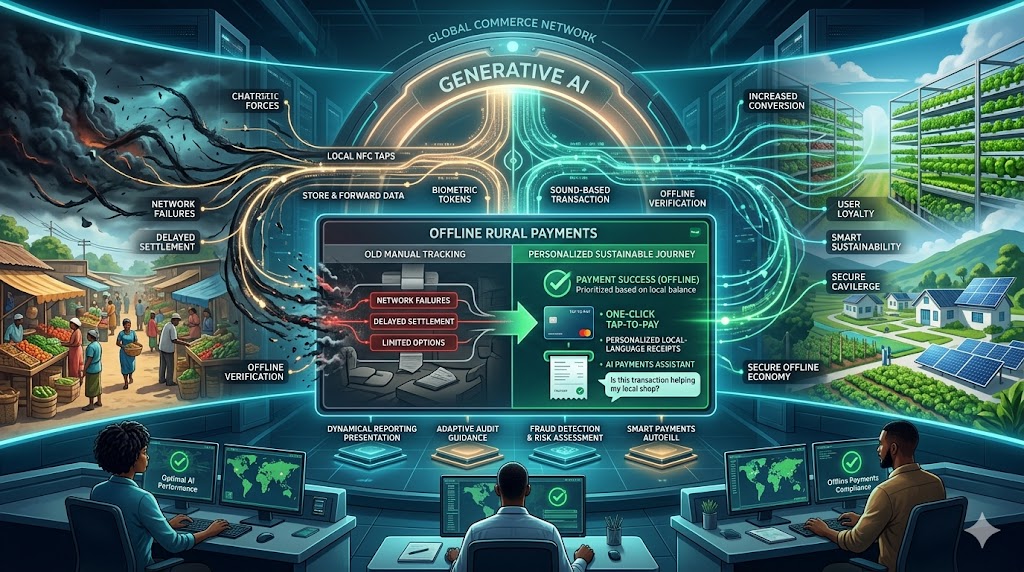
The world is moving toward digital money, but many rural areas still lack fast internet. This creates a big gap for people who want to shop and sell goods. However, new technology is now allowing payments to happen without any data connection. This shift is vital for rural commerce to grow and thrive in 2026. Because these tools are simple and fast, they bring the power of modern trade to everyone. In short, the future of global payments is becoming inclusive and offline.

How Offline payments Secure the Local Economy ?

Why Internet Gaps Slow Down Trade

In many villages, a weak signal can stop a sale in its tracks. Traditional apps often spin and fail when the network is poor. Consequently, many shopkeepers still prefer cash because it never fails. This is because standard payments rely on a constant link to a central bank. Furthermore, customers feel frustrated when they cannot finish a purchase. Therefore, rural markets need a different kind of system to handle their daily payments smoothly.

Another issue is the high cost of data for small transactions. For instance, a farmer might only want to buy a small bag of seeds. If the digital process is too hard, they will stick to physical coins. Thus, the industry is building tools that work over basic radio waves or sound. A smart payments strategy solves this by removing the need for a smartphone. This keeps the local economy moving even in the most remote locations.


Solutions for the Offline Economy

Store-and-forward tech is a vital tool for rural success. This allows a device to collect payments while offline and sync them later when a signal is found. Because this removes the wait time, it builds instant trust between the buyer and the seller. Furthermore, sound-based tech can send encrypted data through a basic phone speaker. This means you can finish your payments just by holding your phone near a small box. In short, commerce wins when the tech fits the environment.

Near-field communication (NFC) cards are also growing fast in rural zones. Instead of a complex app, users just tap a simple plastic card on a merchant’s device. Because these payments are verified locally, they happen in less than a second. Therefore, experts are building low-power networks to support these taps across whole villages. This ensures that the flow of money never stops, even during a power cut. Finally, these offline solutions ensure that digital trade is a real choice for every citizen.


Staying Safe Without the Cloud

Security is the most important part of any offline sale. People often worry if their money is safe when there is no live internet link. Luckily, new AI tools use secure hardware chips to lock every transaction. If someone tries to change the data, the chip stops the process fast. This keeps your payments and your personal balance very safe. Because the tech is so robust, it prevents double-spending without needing a server. Thus, the system stays strong and secure for every rural user.

Additionally, biometric tokens help verify identity without making the process slow. It uses a fingerprint on the card itself to prove you are the owner. When you use these tools, the checkout flow feels very smooth and private. You just tap and go. Therefore, the risk of a mistake or theft is very low. This is the future of payments in a truly connected world. Finally, safety ensures that rural families feel comfortable moving away from cash for good.


The Big Future of Inclusive Trade

We are only at the start of a massive offline shift. Soon, every small stall in the woods or mountains will accept digital money. This means we will see a huge boost in local wealth and savings. Instead of a hard process, we get a tailored world of easy trade for all. Sustainable payments make every transaction feel like a step toward a better life. It is the best way to shop in 2026. If you want to stay ahead, you must use these offline tools now. In conclusion, rural commerce is finally finding its digital voice.


Frequently Asked Questions

1. Can I really pay without any internet?

Yes, new sound-based and NFC tools allow you to finish a sale without a data link.

2. Is my balance updated instantly?

Your local balance is updated on your device, and it syncs with the bank once you find a signal.

3. Do I need an expensive phone for this?

No, many offline systems work with basic feature phones or simple tap-cards.

4. How does the shopkeeper get the money?

The merchant’s device stores the data and clears the funds when they connect to a network later.

5. Is it safer than carrying cash?

Yes, because the digital tokens are encrypted and can only be used with your fingerprint or PIN.


Read More:

Building a Better finance Future with ESG Standards

How a payment gateway Makes Virtual Shopping Seamless?

Why does E-commerce fail at the cross-border checkout?

How a payment gateway Makes Virtual Shopping Seamless?

How a payment gateway Makes Virtual Shopping Seamless?

The digital world is growing into a new space called the metaverse. Many people wonder if this is just a trend or a real shift. In this virtual world, users want to buy digital clothes, land, and art. However, moving money between the real world and these 3D spaces is not easy. Therefore, a strong payment gateway is the most important link for this new economy. Without a secure way to pay, the metaverse cannot reach its full potential.


Why Virtual Worlds Need Better Tools

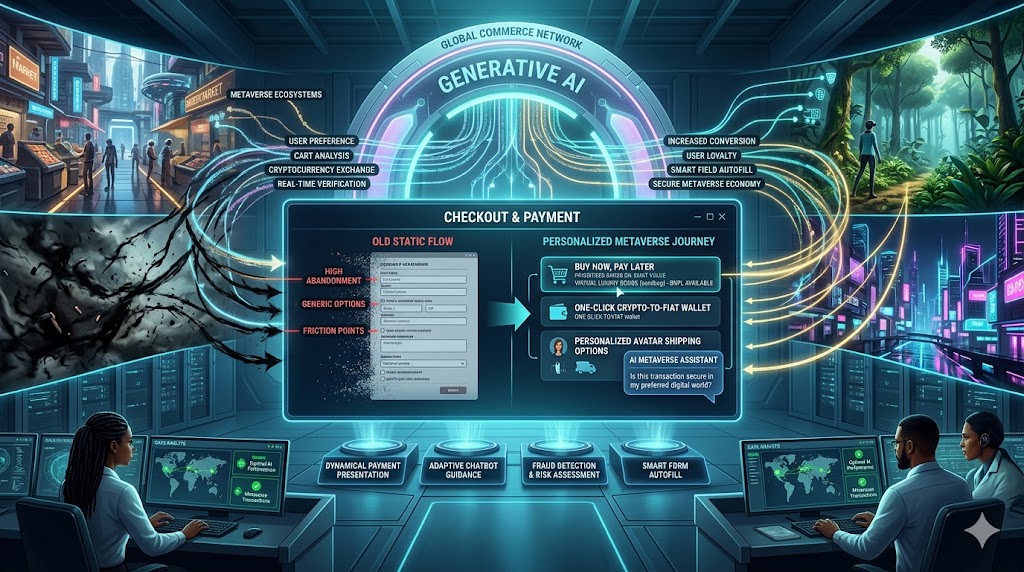
Current online shops use simple systems to handle orders. However, the metaverse works in real-time and often uses blockchain. Consequently, traditional banks sometimes struggle to keep up with these fast transactions. This is because users want to pay with crypto and regular money in the same place. Furthermore, many people worry about their privacy in these deep digital spaces. Therefore, every payment gateway must bridge the gap between old banking and new tech.

Another big hurdle is the lack of a single standard. For instance, one virtual world might use its own coin, while another uses a different one. If a user cannot move their funds easily, they will stop spending. Thus, the industry needs a universal way to handle digital wealth. A smart payment gateway solves this by offering many choices in one simple interface. This keeps the experience fun and reduces any reason to leave.

How a payment gateway Makes Virtual Shopping Seamless?

Solutions for the Metaverse Economy

Instant verification is a vital tool for virtual success. In a 3D world, nobody wants to wait for a bank to approve a sale. Because digital items should appear in your bag instantly, the tech must be very fast. Furthermore, a modern payment gateway can handle micro-payments for small digital goods. This means you can buy a cheap virtual hat without paying high fees. In short, the metaverse wins when the cost of moving money is very low.

Seamless integration is another great way to fix the journey. Instead of leaving the game to pay, the user should see a small window inside the world. This keeps the user inside the story and builds more trust. Because the process is hidden within the action, it feels like magic. Therefore, payment gateway providers are building 3D interfaces that fit perfectly into the scenery. This ensures that the flow of trade never stops.


Staying Safe in the Virtual Frontier

Security is the most important part of any virtual sale. Hackers are always looking for ways to steal digital assets across different worlds. Luckily, new AI tools are great at spotting fraud by looking at millions of data points. If a transaction looks odd, the system stops it fast. This keeps your money and your virtual items very safe. Because the AI is so smart, it rarely blocks real customers. Thus, the payment gateway stays strong and secure for every user.

Additionally, biometric locks help verify identity without making the process slow. It uses your face or thumbprint to prove you are real in a second. When you use these tools, the checkout flow feels very smooth. You just click and go. Therefore, the risk of a mistake or theft is very low. This is the future of every payment gateway in a connected virtual world. Finally, safety ensures that users feel comfortable spending their real money in a digital space.


The Big Future of Digital Assets

We are only at the start of a massive virtual shift. Soon, every brand will have a 3D store where fans can meet and shop. This means we will see a huge need for fast and safe trade. Instead of a hard process, we get a tailored world of products. A smart payment gateway makes every virtual transaction feel like a real one. It is the best way to shop in 2026. If you want to stay ahead, you must use these new tools now. In conclusion, the right tech turns the metaverse from buzz into a reality.


Frequently Asked Questions

1. Can I use my credit card in the metaverse?

Yes, a modern payment gateway can bridge regular cards with virtual worlds easily.

2. Is it safe to buy digital land?

It is safe if the store uses a verified payment gateway with strong encryption.

3. Do I need a crypto wallet to shop?

Not always, as many systems now let you pay with regular money for digital items.

4. Why are metaverse fees sometimes high?

Fees can be high due to gas costs on the blockchain, but new gateways are reducing them.

5. Will the metaverse replace online stores?

It will likely work alongside them, giving you a new 3D way to browse and buy.


Read More:

Why does E-commerce fail at the cross-border checkout?

Why Generative AI is the Future of E-commerce: Full Guide

The Quantum Threat: Why Payment Security Must Evolve Today

Why generative ai is the Future of E-commerce: Full Guide

How generative ai Solves Your Cart Abandonment Issues: Full Guide

Most online stores lose customers at the final step because traditional checkout pages are often slow and boring. Now, generative ai is changing that forever by creating a personal path for every shopper. Because this technology learns what you like and how you want to pay, buying things online is faster than ever. Furthermore, smart stores use generative ai to turn one-time shoppers into loyal fans. This shift is vital for any brand that wants to grow. Consequently, the payment journey is no longer just a task; it is an experience.

Why generative ai is the Future of E-commerce: Full Guide

Why Old Checkout Systems Fail

Static forms are the biggest enemy of sales because most shops show the same fields to everyone. Consequently, many people leave their carts empty. This is because the process feels long and hard. Generative ai solves this by making every page unique for the user. For instance, it knows if you are on a phone or a laptop. Furthermore, it predicts which payment method you prefer. Therefore, you spend less time typing and more time enjoying your purchase. In short, ai removes the friction that kills sales.


Real-Time Help with Generative AI

Shopping can sometimes feel confusing, especially when you have questions about shipping or taxes. Standard help pages are often hard to find. However, ai adds a smart assistant to the page to guide you. This bot answers your questions in seconds. Because the bot knows your cart, it gives perfect advice. This builds trust and keeps you moving forward. In addition, ai makes sure you never feel alone while shopping.

Moreover, these bots can offer special deals at the perfect moment. If you hesitate, the generative ai might give you a small discount to help you decide. As a result, shoppers feel valued and safe. Generative ai is not just a tool; it is a digital guide. Because of these benefits, top brands are moving to AI today. Therefore, the checkout flow becomes a conversation instead of a form.


Safer and Faster Payments

Security is the most important part of any sale because hackers are always looking for ways to steal data. Luckily, ai is great at spotting fraud by looking at millions of data points in real-time. If it sees something odd, it stops the threat fast. This keeps your money and data very safe. Because the ai is so smart, it rarely blocks real customers. Thus, generative ai makes payment security much stronger for everyone.

Additionally, generative ai helps with filling out forms by guessing your address with high accuracy. This reduces errors and saves time for the customer. When you use generative ai, the checkout flow feels like magic. You just click and go. Therefore, the risk of a mistake is very low. This is the future of ai in the payment world. Finally, this technology ensures that safety does not come at the cost of speed.


The Big Future of Generative AI

We are only at the start of this change. Soon, every store will use ai to talk to us. It will know our size, our style, and our budget. This means we will see fewer ads we do not like. Instead, we get a tailored world of products. Generative ai makes every transaction feel human. It is the best way to shop in 2026. If you want to stay ahead, you must use generative ai now. In conclusion, the personalized payment journey is the new standard for global trade.


Frequently Asked Questions

1. Is generative ai safe for my credit card?

Yes, it improves security by spotting fraud much faster than older systems.

2. Does generative ai make my phone slow?

No, most of the work happens on fast servers, so your phone stays quick.

3. Why do stores need ai?

It helps them sell more by making the checkout process easy and personal for everyone.

4. Can generative ai help with returns?

Yes, it can guide you through the return process and answer policy questions instantly.

5. Will all stores use generative ai soon?

Yes, it is becoming the global standard for all top e-commerce websites.


Read More:

Why Generative AI is the Future of E-commerce: Full Guide

The Quantum Threat: Why Payment Security Must Evolve Today

Why Europe Now Dictates Global Payment Standards?

Why generative ai is the Future of E-commerce

Why Generative AI is the Future of E-commerce: Full Guide

Most online stores lose customers at the final step because traditional checkout pages are often slow and boring. Now, generative ai is changing that forever by creating a personal path for every shopper. Because this technology learns what you like and how you want to pay, buying things online is faster than ever. Furthermore, smart stores use generative ai to turn one-time shoppers into loyal fans. This shift is vital for any brand that wants to grow. Consequently, the payment journey is no longer just a task; it is an experience.


Why Old Checkout Systems Fail

Static forms are the biggest enemy of sales because most shops show the same fields to everyone. Consequently, many people leave their carts empty. This is because the process feels long and hard. Generative ai solves this by making every page unique for the user. For instance, it knows if you are on a phone or a laptop. Furthermore, it predicts which payment method you prefer. Therefore, you spend less time typing and more time enjoying your purchase. In short, it removes the friction that kills sales.

Why generative ai is the Future of E-commerce

Real-Time Help with Generative AI

Shopping can sometimes feel confusing, especially when you have questions about shipping or taxes. Standard help pages are often hard to find. However, generative ai adds a smart assistant to the page to guide you. This bot answers your questions in seconds. Because the bot knows your cart, it gives perfect advice. This builds trust and keeps you moving forward. In addition, it makes sure you never feel alone while shopping.

Moreover, these bots can offer special deals at the perfect moment. If you hesitate, the generative ai might give you a small discount to help you decide. As a result, shoppers feel valued and safe. It is not just a tool; it is a digital guide. Because of these benefits, top brands are moving to AI today. Therefore, the checkout flow becomes a conversation instead of a form.


Safer and Faster Payments

Security is the most important part of any sale because hackers are always looking for ways to steal data. Luckily, generative ai is great at spotting fraud by looking at millions of data points in real-time. If it sees something odd, it stops the threat fast. This keeps your money and data very safe. Because the generative ai is so smart, it rarely blocks real customers. Thus, it makes payment security much stronger for everyone.

Additionally, it helps with filling out forms by guessing your address with high accuracy. This reduces errors and saves time for the customer. When you use it, the checkout flow feels like magic. You just click and go. Therefore, the risk of a mistake is very low. This is the future of generative ai in the payment world. Finally, this technology ensures that safety does not come at the cost of speed.


The Big Future of Generative AI

We are only at the start of this change. Soon, every store will use generative ai to talk to us. It will know our size, our style, and our budget. This means we will see fewer ads we do not like. Instead, we get a tailored world of products. It makes every transaction feel human. It is the best way to shop in 2026. If you want to stay ahead, you must use generative ai now. In conclusion, the personalized payment journey is the new standard for global trade.


Frequently Asked Questions

1. Is generative ai safe for my credit card?

Yes, it improves security by spotting fraud much faster than older systems.

2. Does generative ai make my phone slow?

No, most of the work happens on fast servers, so your phone stays quick.

3. Why do stores need generative ai?

It helps them sell more by making the checkout process easy and personal for everyone.

4. Can generative ai help with returns?

Yes, it can guide you through the return process and answer policy questions instantly.

5. Will all stores use generative ai soon?

Yes, it is becoming the global standard for all top e-commerce websites.


Read More:

The Quantum Threat: Why Payment Security Must Evolve Today

Why Europe Now Dictates Global Payment Standards?

How the new digital payments landscape is ending US dollar dominance?


The Quantum Threat: Why Payment Security Must Evolve Today

The Quantum Threat: Why Payment Security Must Evolve Today

The rapid development of quantum computers creates a massive risk for global finance. Currently, most banks use encryption like RSA, which relies on math that is too hard for normal computers to solve. However, a quantum machine can crack these codes in just minutes. This is why we must adopt quantum-safe cryptography to protect payment security before these machines become common. Because the entire digital economy relies on trust, a single breach could cause a global collapse. Therefore, the race to secure our financial data is already moving at full speed.


The Rising Threat to Digital Money

A quantum computer does not work like a laptop. It uses qubits, which allow it to try millions of paths at the exact same time. This speed means that hackers could soon bypass the walls that keep our money safe. If we do not upgrade our systems, payment security will become a thing of the past. The threat is not just in the future; it is happening now through “harvesting” attacks.

Criminals are currently stealing locked data with the plan to open it later. They know that once they have a quantum machine, they can unlock years of old bank records. Consequently, we cannot wait for the technology to arrive. We must strengthen payment security today to prevent these future leaks. This proactive shift is the only way to maintain long-term consumer confidence.

The Quantum Threat: Why Payment Security Must Evolve Today

What is Quantum-Safe Technology?

Quantum-safe math is designed to be so complex that even a quantum brain cannot find the answer. It uses different geometric and algebraic structures that do not have “shortcuts” for quantum algorithms. By moving to these new methods, we ensure that payment security remains intact for decades to come.

There are three main types of math that experts are testing right now:

  • Lattice-based Math: This hides data in a massive, multi-dimensional grid of points.
  • Code-based Math: This uses the science of error-correction to scramble and lock sensitive files.
  • Hash-based Signatures: This creates a digital “fingerprint” that is almost impossible to replicate or forge.

Building a Resilient Financial Future

The move to new standards is a major task for the world’s banks. It requires a concept called “crypto-agility.” This allows a bank to update its code without needing to rebuild its entire software suite. When a system is agile, it can adopt new payment security tools as soon as they are ready. This flexibility is vital because the hackers will never stop looking for new ways to get in.

Furthermore, global groups like NIST are already picking the best math to use. Banks must follow these standards to ensure they can talk to each other safely. If one bank uses old math while another uses new math, the system breaks. Thus, unity in payment security is just as important as the technology itself. We must work together to build a wall that no computer can climb.


Conclusion

The future of our economy depends on how we handle the quantum threat. By focusing on payment security now, we can stop the “cryptographic apocalypse” before it starts. It is a slow and difficult journey, but it is necessary for a safe digital world. Companies that lead this change will be the ones that people trust with their money. Ultimately, payment security is the foundation upon which the next century of trade will be built.


Frequently Asked Questions

1. Is my bank account at risk right now?

No, powerful quantum computers do not exist yet. However, we need to upgrade now to stay safe in the future.

2. What does “Harvest Now, Decrypt Later” mean?

It means hackers steal your locked data today so they can open it in a few years with a quantum machine.

3. Will new security make my payments slower?

Some new math is slower, but experts are picking the fastest ones to keep your experience smooth.

4. Can a normal computer run quantum-safe security?

Yes, these new rules are designed to run on the phones and laptops we use today.

5. How does this affect global payment security standards?

It forces every bank to move to a new, shared language of math that quantum machines cannot understand.


Read More:

Why Europe Now Dictates Global Payment Standards?

How the new digital payments landscape is ending US dollar dominance?

Why a global UPI network is the new South-South trade rail?


How CBDCs protect national trade in a world of sanctions?

How CBDCs protect national trade in a world of sanctions?

The global financial map is shifting as physical cash turns into digital code. Central Bank Digital Currencies are no longer a future dream but a present reality. Specifically, the race to build a digital currency is a high-stakes game of power. Nations are moving away from old systems to gain a strategic edge. Therefore, understanding the rise of CBDCs is vital for any global observer. This change will redefine how countries trade and interact for decades. You will see a clear shift in influence by following this deep and technical trend.

China’s Lead and the Digital Yuan Push

China is currently leading the race with its digital yuan, also known as the e-CNY. Specifically, the goal is to create a model for CBDCs that rivals the US dollar. By moving first, China can set the rules for how digital money flows across borders. Furthermore, this system allows them to bypass traditional Western banking networks like SWIFT. You might see a future where regional trade is settled entirely in digital yuan. This puts their economic growth on a very fast and independent path. Similarly, it acts as a tool of soft power to bring partners into their digital sphere.

India’s Digital Rupee and the UPI Success

India is taking a very smart and calculated path with its Digital Rupee. Building on the massive success of UPI, India seeks a strategy for CBDCs that balances innovation with safety. The Digital Rupee aims to reduce the high cost of printing and managing physical cash. Specifically, it offers a secure way for millions to join the formal economy instantly. Furthermore, India’s tech strength ensures that their system is both scalable and highly efficient. You should know that this move strengthens India’s spot as a global fintech leader. It ensures that the nation stays sovereign in a world of digital assets.

The West and the Struggle for the Digital Dollar

The West, led by the US and the Eurozone, is moving with more caution. There is a deep worry about how a shift toward CBDCs might affect privacy and bank stability. However, the risk of doing nothing is far too high for these major powers. If the US dollar loses its digital edge, it could lose its status as the world’s reserve currency. Therefore, the Federal Reserve and the ECB are testing systems that protect user data while staying fast. Specifically, they want a digital dollar that remains the gold standard for global trade. This journey is key to maintaining Western influence in the coming years.

The Impact on Global Trade and Sanctions

The rise of digital money changes how nations use economic pressure. In the past, blocking a country from global banks was a final and heavy blow. Now, a multi-polar world of CBDCs makes those blocks less effective. If two nations use a shared digital ledger, a third party cannot easily stop the flow. Furthermore, this leads to faster and cheaper cross-border payments for everyone. You will find that these tools reduce the friction of old money rules. Consequently, it sparks a new era of trade where speed is the ultimate advantage. This shift turns digital code into a real shield against foreign pressure.


FAQs

1 What exactly is a CBDC?

It is a digital form of a country’s national currency, issued and backed by the central bank.

2 How does it differ from Bitcoin?

Specifically, CBDCs are centralized and stable, while Bitcoin is private and its value changes often.

3 Can these digital coins replace the US dollar?

Indeed, if enough nations use different CBDCs for trade, the dollar’s global power could shrink.

4 Is my privacy safe with a digital rupee?

Central banks are building CBDCs that aim to balance your privacy with the need to stop financial crime.

5 Why is the race for these tools so fast?

Nations want to reduce their reliance on foreign systems and lead the future of global finance.


Read More:

How A Strong Payment Infrastructure Builds Global Soft Power

How a Trade Agreement Protects Your Brand in New Markets

Data Sovereignty for Payment Providers: A Complete Guide